In the room where it happened: These are the key NC budget negotiators
READ MORE
Your Share of the Budget
With NC’s new state budget, everyone should see a bit extra in their bank accounts. When it comes to income taxes, anyone who files their taxes with a standard deduction will pay less next year, and possibly nothing at all. Every teacher in the state will get at least a $2,300 bonus and every state employee will get at least a $1,000 bonus. What’s in it for you? This is The N&O’s special report.
Expand All
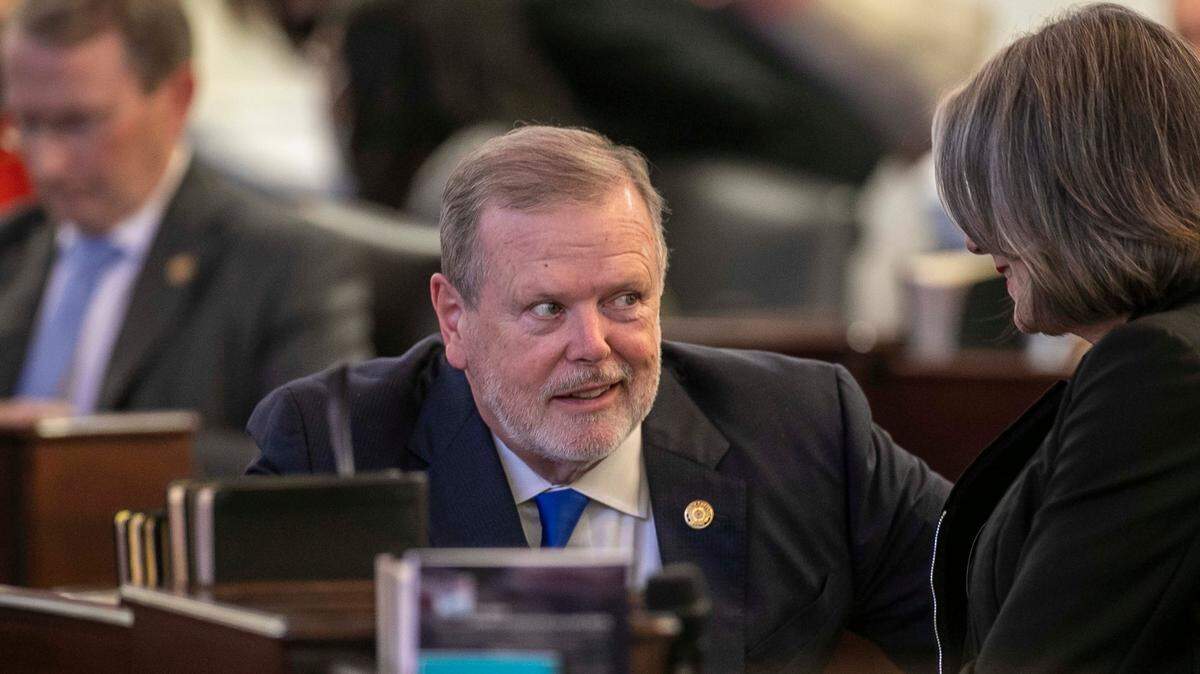
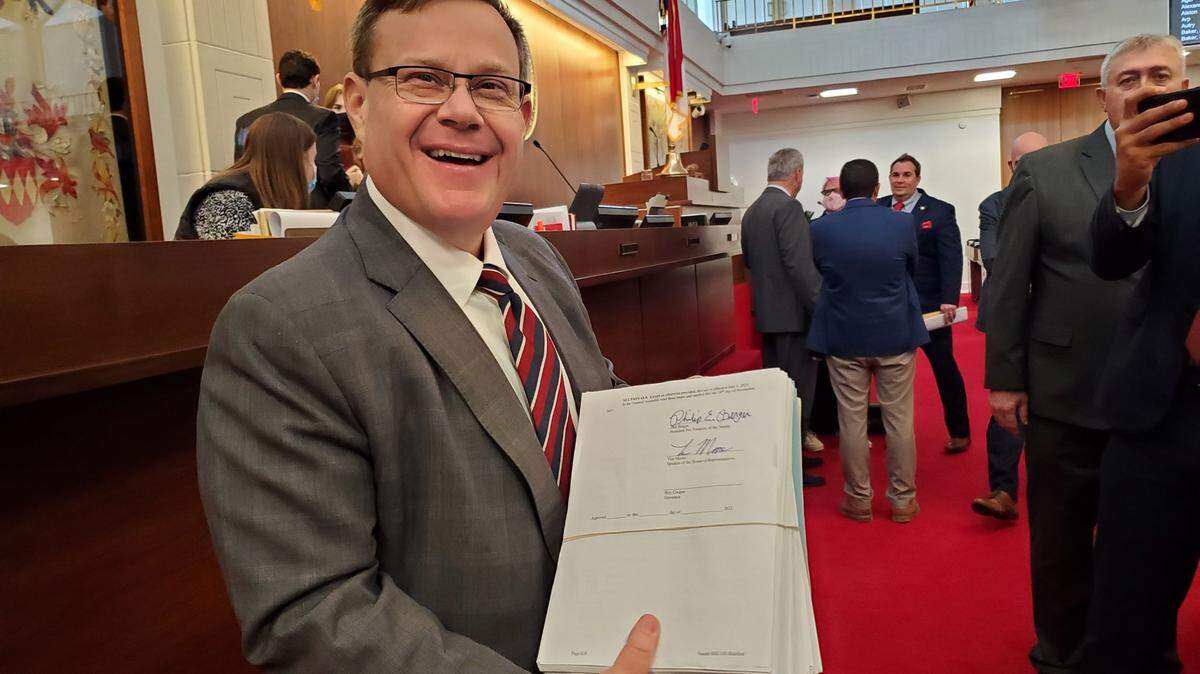
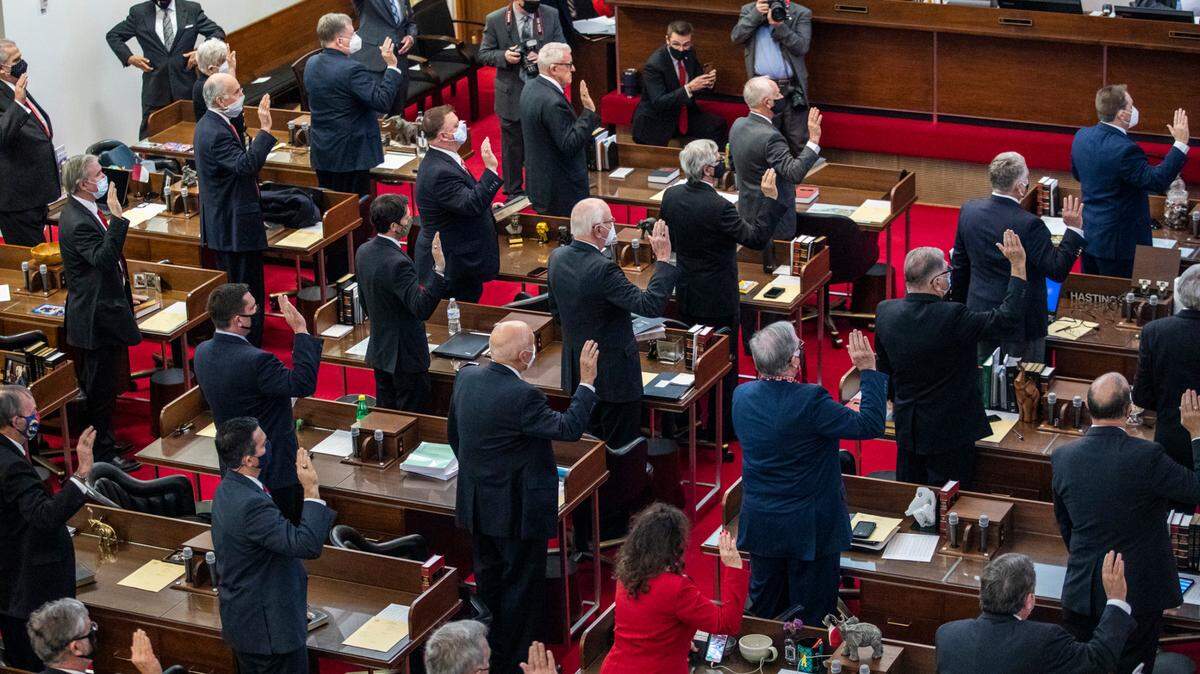
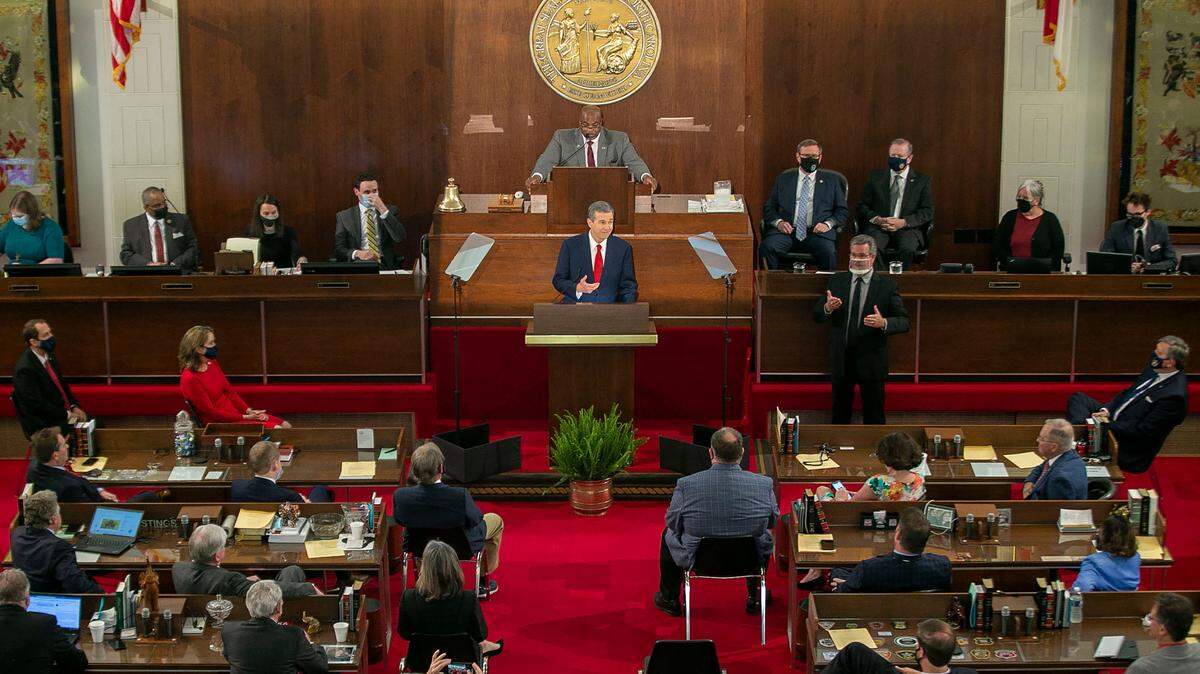
Writing the North Carolina state budget involves dozens of people on the staffs of the legislature and governor’s office, but there are some key players to know who had an important hand in bringing the budget to fruition. Here’s a rundown of the key players in the budget talks:
▪ Gov. Roy Cooper
Cooper, a Democrat, was reelected to a second term as governor in 2020. He’s also the vice chair of the Democratic Governors Association.
▪ Senate leader Phil Berger
Berger, an Eden Republican, is the president pro tempore of the Senate. This is his 11th term.
▪ House Speaker Tim Moore
Moore, a Kings Mountain Republican, is in his 10th term in the House.
▪ Senate Minority Leader Dan Blue
Blue, a Raleigh Democrat, has served six terms in the Senate, and 13 terms in the House before that.
▪ House Minority Leader Robert Reives
Reives, a Goldston Democrat, has served more than four terms in the House. This session is his first as Democratic leader.
Of the “Big Five” at the final in-person negotiations — Cooper, Berger, Moore, Blue and Reives — Reives is the only one who wasn’t also part of the leadership during the last budget battle in 2019.
Budget writers:
Both chambers have three top budget writers, who are the senior chairs — also called “big chairs” — of the Appropriations committees:
▪ Rep. Dean Arp, a Monroe Republican.
▪ Rep. Jason Saine, a Lincolnton Republican.
▪ Rep. Donny Lambeth, a Winston-Salem Republican.
▪ Sen. Brent Jackson, an Autryville Republican.
▪ Sen. Ralph Hise, a Spruce Pine Republican.
▪ Sen. Kathy Harrington, a Gastonia Republican, who is also the Senate majority leader.
Senate Majority Whip:
▪ Sen. Jim Perry of Lenoir County and Sen. Tom McInnis of Richmond County, both Republicans, are the Senate majority whips. It is the whips’ job to count the votes needed for something to pass either with a majority, or if vetoed, a supermajority. If Cooper had vetoed the budget, it would have gone back to the Senate first.
House Democratic conferees:
These Democrats voted for the first version of the Republican-written budget. Appointed to the committee by Republican leadership, they had a seat at the budget negotiating table and as a result were also expected to be potential votes for a veto override, if it came to that.
▪ Rep. Marvin Lucas of Spring Lake.
▪ Rep. Charles Graham of Robeson County.
▪ Rep. Billy Richardson of Fayetteville.
▪ Rep. Brian Farkas of Greenville.
▪ Rep. Cecil Brockman of High Point.
▪ Rep. Howard Hunter of Ahoskie.
▪ Rep. Garland Pierce of Wagram.
▪ Rep. Shelly Willingham of Rocky Mount.
▪ Rep. Michael Wray of Gaston.
Lucas is credited with leading the Democrats, with Graham and Richardson being key negotiators.
Senate Democratic conferees:
▪ Sen. Kirk deViere of Fayetteville.
▪ Sen. Ben Clark of Hoke County.
▪ Sen. Paul Lowe of Winston-Salem.
▪ Sen. Don Davis of Greenville.
DeViere is credited as the key Senate negotiator.
Staff:
Members of Cooper’s staff, Berger’s staff and Moore’s staff all were part of negotiations both in person and via phone calls. Several people were involved, with these few at the center of it all:
Charlie Perusse, state budget director for the Cooper administration.
LT McCrimmon, director of legislative affairs for the Cooper administration.
Brian Fork, Berger’s chief of staff.
Kolt Ulm, Berger’s deputy chief of staff of policy.
Neal Inman, Moore’s chief of staff.
Nelson Dollar, Moore’s senior policy adviser.
For more North Carolina government and politics news, listen to the Under the Dome politics podcast from The News & Observer and the NC Insider. You can find it at link.chtbl.com/underthedomenc or wherever you get your podcasts.
This story was originally published December 1, 2021 at 6:00 AM with the headline "In the room where it happened: These are the key NC budget negotiators."
.jpg)