NC budget did not include Medicaid expansion. But it may have created a path forward.
READ MORE
Your Share of the Budget
With NC’s new state budget, everyone should see a bit extra in their bank accounts. When it comes to income taxes, anyone who files their taxes with a standard deduction will pay less next year, and possibly nothing at all. Every teacher in the state will get at least a $2,300 bonus and every state employee will get at least a $1,000 bonus. What’s in it for you? This is The N&O’s special report.
Expand All
North Carolina’s new two-year, $52.9 billion budget does not include comprehensive Medicaid expansion.
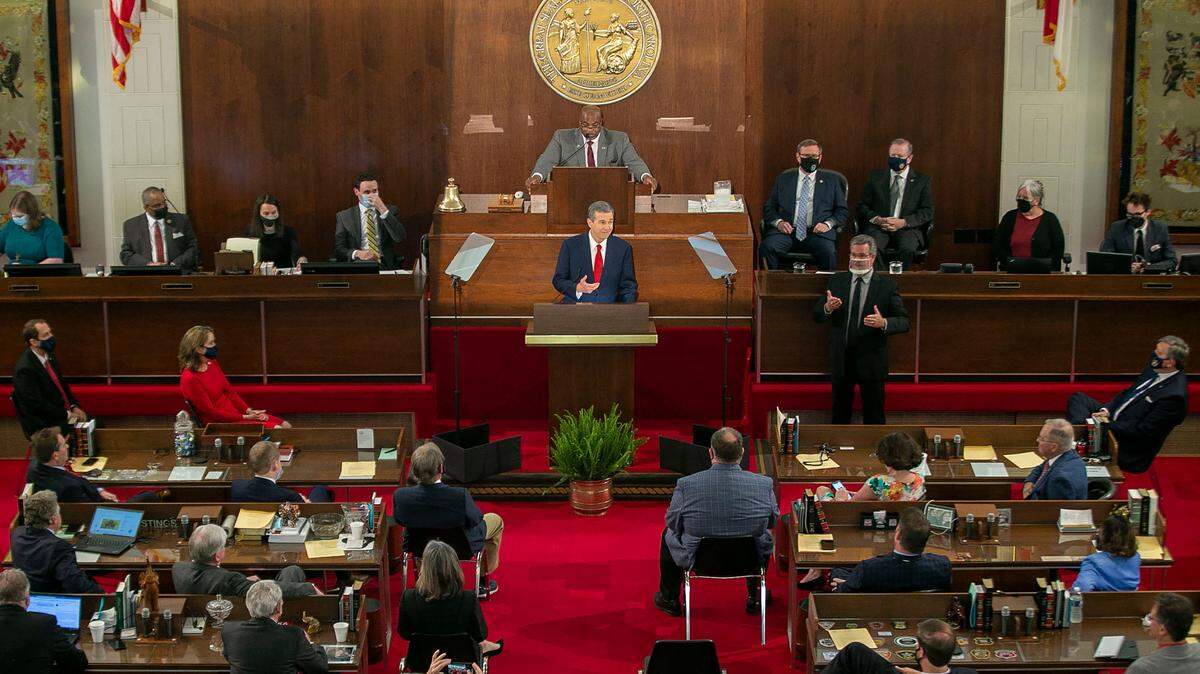
But the compromise budget passed by lawmakers and signed by Gov. Roy Cooper does create an 18-member legislative committee “on access to healthcare and Medicaid expansion” that could lead to expansion.
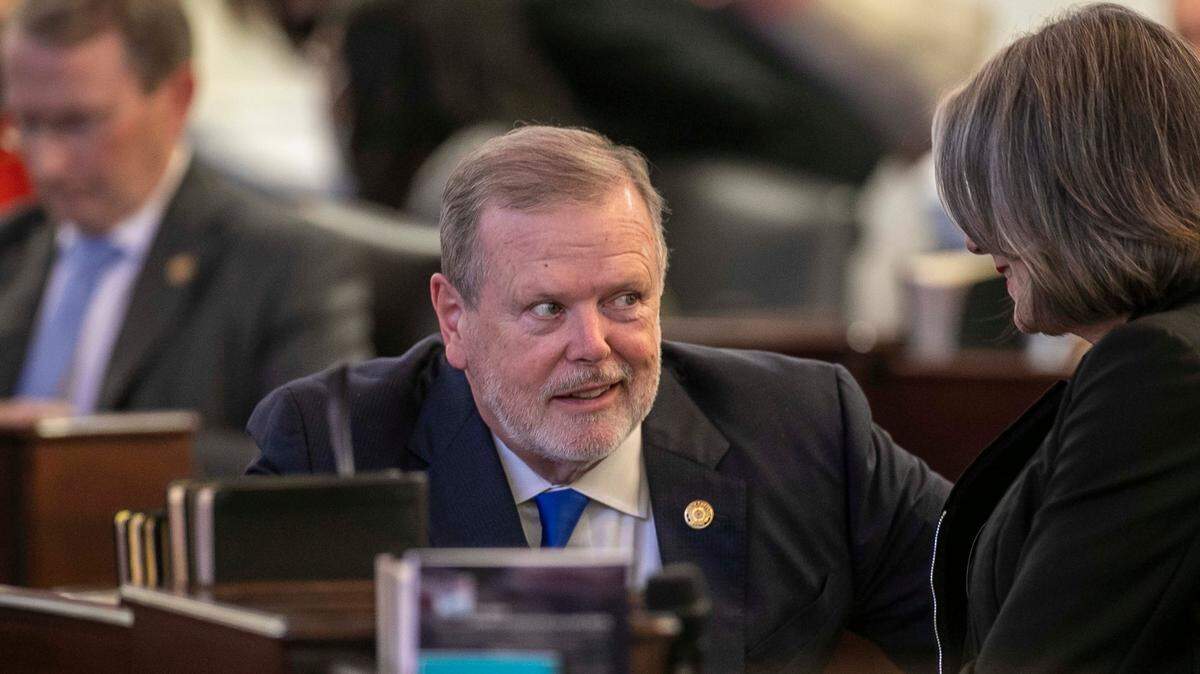
The committee will be made up of nine senators, appointed by Senate leader Phil Berger, and nine representatives, appointed by House Speaker Tim Moore. “The purpose of the Committee is to consider various ways in which access to health care and health insurance can be improved for North Carolinians,” the budget reads. The committee may propose legislation.
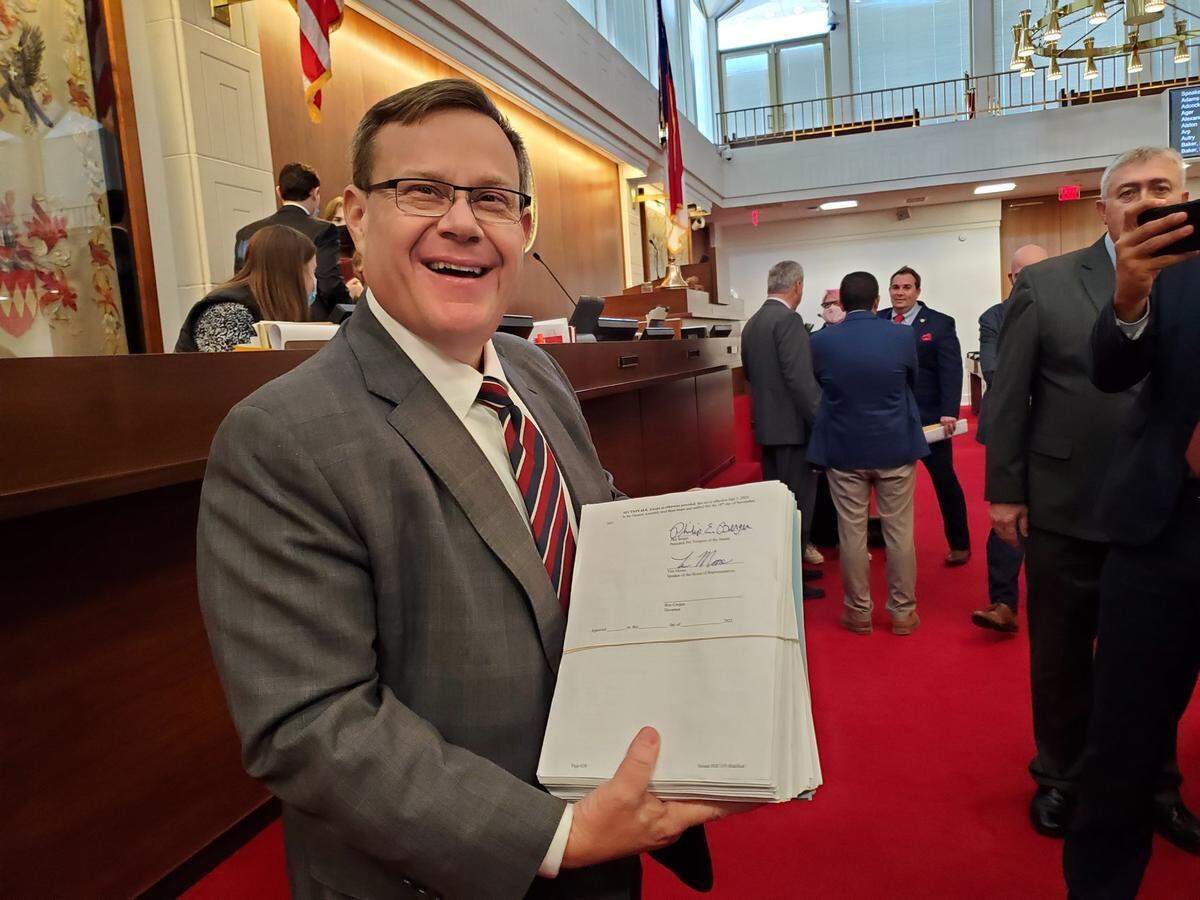
“Hopefully we’ll have a good discussion, come out with a good recommendation which hopefully will be one that the legislature can pass,” said Berger, a Rockingham County Republican who, after years of opposition, now supports expanding Medicaid. “I’m hopeful people will take a fresh look at the issue.”
Who’s for it?
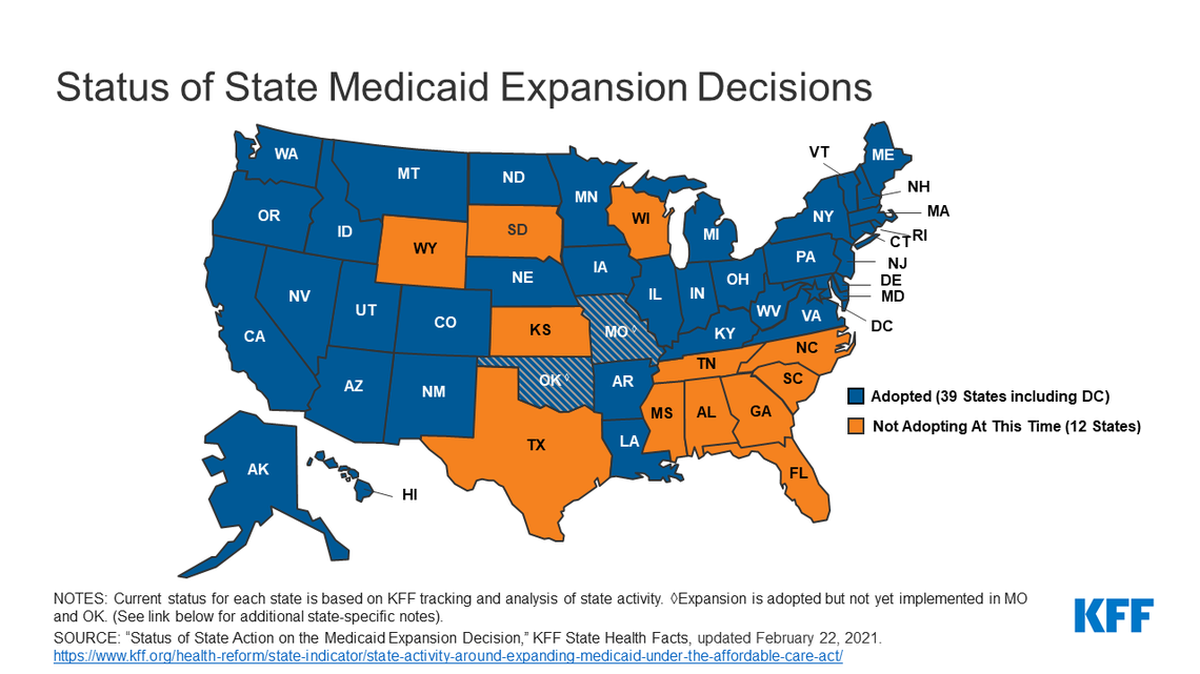
Cooper, legislative Democrats, Berger and, by extension, a majority of the Senate all support expanding Medicaid to include more residents as allowed under the 2010 Affordable Care Act. North Carolina is one of 12 states, most in the Southeast, that have not expanded Medicaid.
Berger said he has changed his mind after becoming convinced that the federal government will not lower its contribution to expansion, which is to cover 90% of the cost.
“I just don’t think the fiscal concerns I’ve had in the past about the cost of expansion are things to be worried about,” Berger said.
Cooper has long advocated for Medicaid expansion, including in his first successful run for governor in 2016. His insistence that expansion be part of the budget led to an unbroken impasse with Republican legislative leaders in 2019 and was one of the major sticking points in this year’s budget negotiations.
Cooper signed a budget that did not include full expansion, though it did include an extension of coverage to up to 12 months after a child’s birth for mothers on Medicaid.
“We all know there are enough votes in the General Assembly for Medicaid expansion, but the Speaker didn’t want to include it,” Sadie Weiner, Cooper’s communications director, said in a statement. “As he stated publicly, Senator Berger was ready to expand Medicaid in the budget. Once politics are set aside, it will get done.”
House Republicans, led by Moore, are opposed to expansion and kept it out of the budget compromise. In 2019, some Republicans were willing to support their own version of expansion, called Carolina Cares. This year, Moore said his caucus would not support expansion in the budget.
“We brought it into our caucus, certainly discussed it. It just wasn’t a place where the House Republican caucus was going to go,” said Rep. Jason Saine, a top Republican budget writer. “There were some who supported, but the overwhelming majority in the caucus did not.”
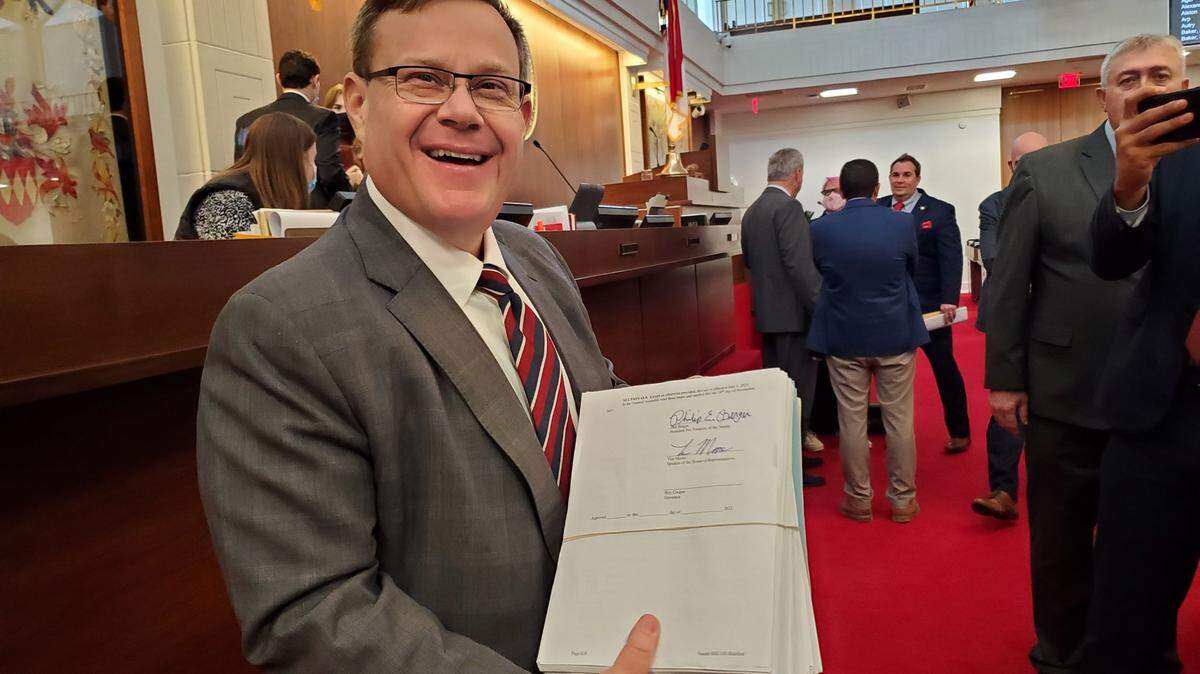
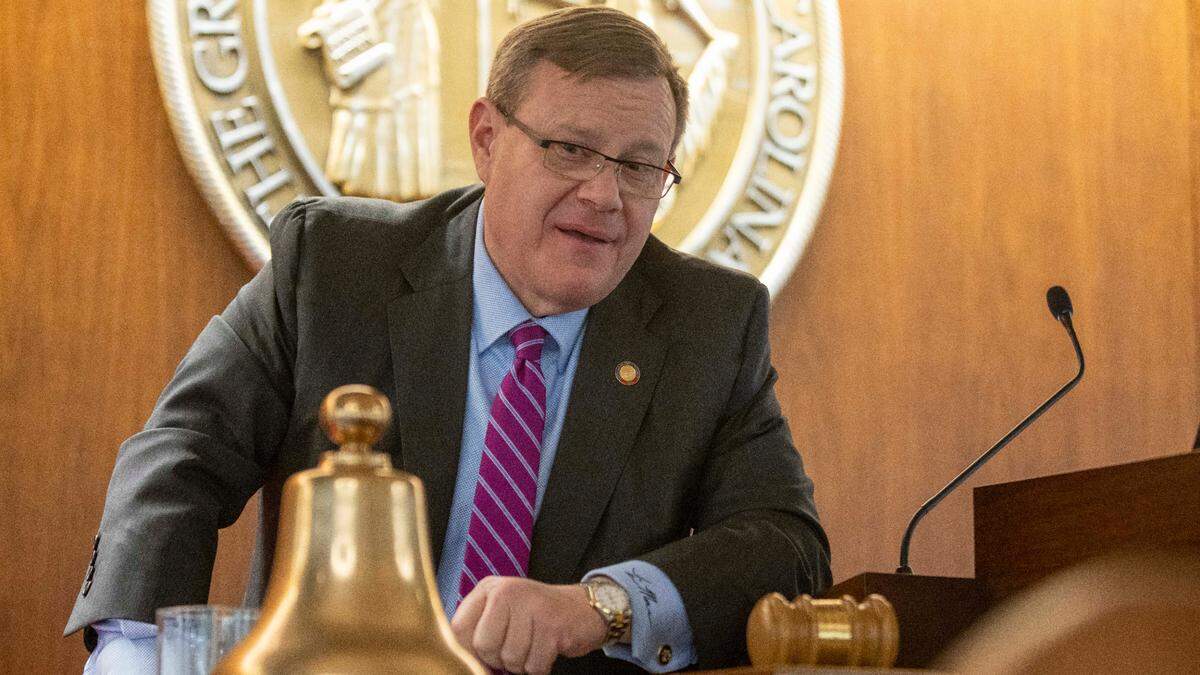
Moore, who said he is a “no” vote on expansion, was able to get a budget deal signed by Cooper without it.
“I’ve never thought that Medicaid expansion was appropriate to use as a bargaining tool or a trade-off point. For two years, that’s basically what we were hung up on. The governor said he had to have Medicaid expansion, and I was very honest with him and said we will not put that in the budget. We don’t have the votes and I’m not going to browbeat members into voting (for) something they disagree with,” he said. “We didn’t have to have it to get a budget. We got a great budget and that issue can be dealt with next year.”
Will next year be different?
Republicans and Democrats were able to reach compromises on several bills this year, most notably a comprehensive energy agreement and the budget, pointing to a better working relationship between Cooper and legislative leaders.
Moore is not running for Congress, after U.S. Rep. Madison Cawthorn, an ultra-conservative with a national profile, opted to run in a district that includes Moore’s home county. Agreeing to expand Medicaid might have been an albatross in a Republican congressional primary.
In many cases, Medicaid expansion has brought states new federal funding that has more than offset the cost of expansion, in part by driving down other health-related expenses paid by the state. This year, a flood of federal money related to the coronavirus pandemic helped lawmakers fund nearly all of their priorities while cutting taxes. State budget writers are unlikely to see such a windfall again.
And the study committee could offer a new perspective for some.
“Getting an idea and verification of cost and what the implications truly are because that discussion’s not been had yet,” Saine said. “Everything’s kind of been talked up in the ether. Now you can get down to some brass tacks and look at numbers. From that, you might see a path forward.“
For some, it’s an unnecessary step. States much redder than North Carolina have passed Medicaid expansion, though most of our neighbors have not. South Carolina, Georgia, Tennessee, Florida, Alabama, Mississippi, Texas, Kansas, Wyoming, South Dakota and Wisconsin are the states without expansion.
“I don’t think we need a study committee,” said Sen. Sydney Batch, a Wake County Democrat. “I think we know what Medicaid expansion is going to do, and there are plenty of other states that we could look at, 37 or 38 now, that we could say how it worked and which models are best.”
Pressure from Washington
The biggest impetus for expansion could be out of state control. President Joe Biden’s Build Back Better Act, which passed the U.S. House last month, includes carrots and sticks to motivate the 12 non-expansion states.
Biden’s plan faces a long path through the Senate and no certainty.
“We can’t do what we do based on what Congress may do,” Saine said. “We hear it, but they also have to be able to get votes like we do. If that should happen, maybe things change, attitudes change.”
But lawmakers are watching the negotiations closely. Moore said if states want “safeguards” — including work requirements, a sticking point for Moore — then they might have to take action.
“We can put together a better package for North Carolina than Washington could, and that’s not the usual tropes against Washington. I think that we’ve got an opportunity, and I think Washington would rather that we put together our own package,” said Rep. Robert Reives, the Democratic leader in the House. “It’s free money. We haven’t turned down any of the other free money. I don’t know why we’re turning down this free money.”
Under the bill, the federal government would pay 93% of a state’s expenditure for expansion in 2023 through 2025, up from 90%.
The act extends an incentive for non-expansion states that was first enacted in the American Rescue Plan, which passed earlier this year. During the first two years of expansion, the state would receive a five-percentage point increase in payments from the federal government for all groups currently receiving Medicaid. One estimate says North Carolina could net $1.2 billion from this provision.
Without expansion, North Carolina would see a permanent 12.5% reduction in Disproportionate Share Hospital (DSH) payments. These payments go to qualifying hospitals that serve a large number of Medicaid and uninsured individuals.
The North Carolina Healthcare Association, which represents hospitals and health care systems across the state, estimated the total impact of that provision on providers at $50 million per year. In 2021, uncompensated care costs — that is, for the uninsured and for Medicaid patients whose cost of care exceeds the payments made by the federal government — for hospitals in the state is $850 million, said Anthony Okunak, the NCHA’s financial services director.
“If Washington’s holding a gun to our head on this thing or if the alternative is worse, we’ll look at it then,” Moore said.
For more North Carolina government and politics news, listen to the Under the Dome politics podcast from The News & Observer and the NC Insider. You can find it at link.chtbl.com/underthedomenc or wherever you get your podcasts.
This story was originally published December 1, 2021 at 6:00 AM with the headline "NC budget did not include Medicaid expansion. But it may have created a path forward.."