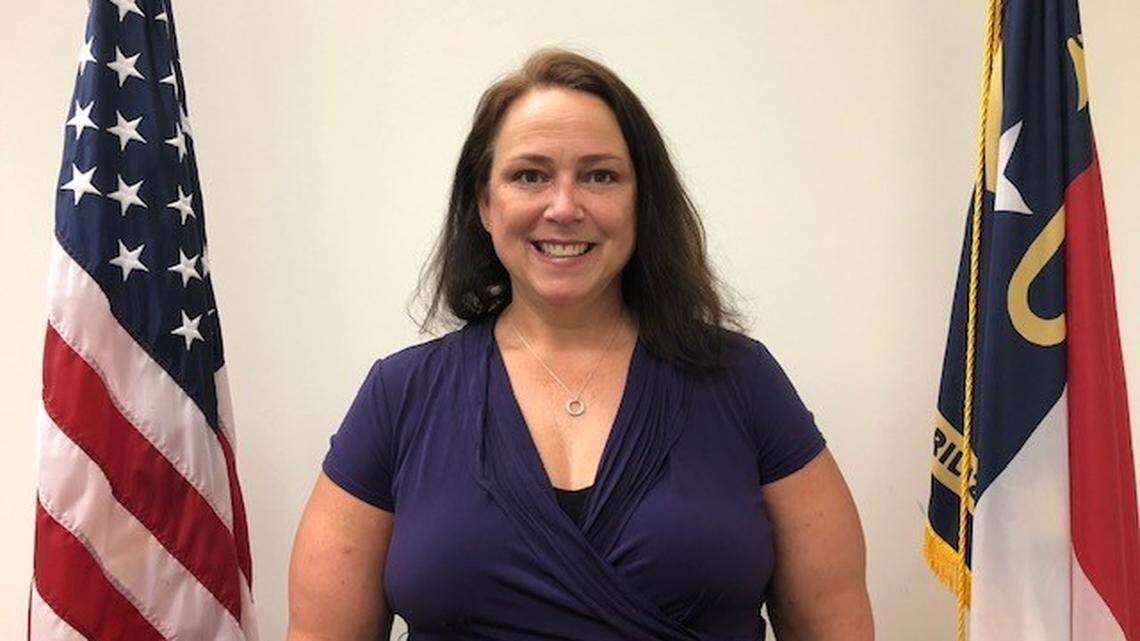
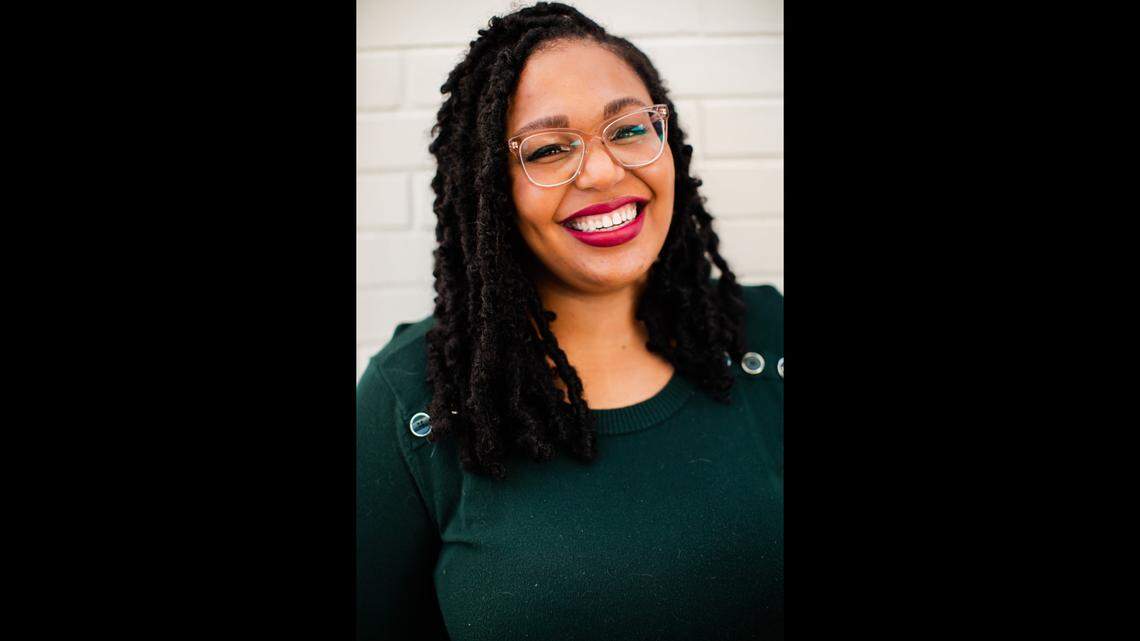
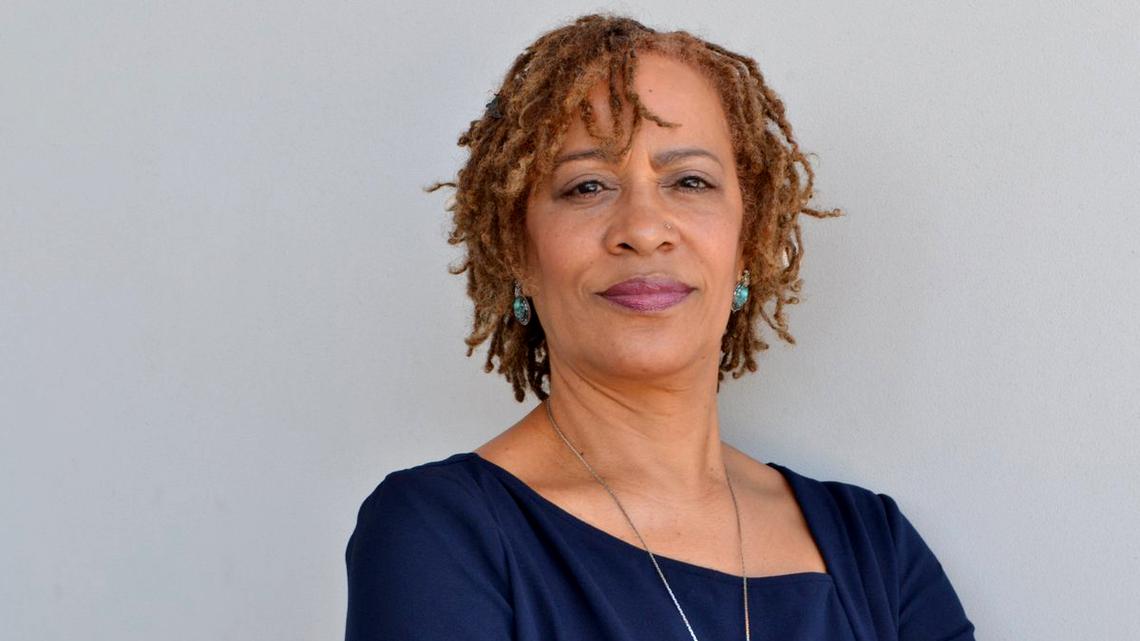
Elaine O’Neal, candidate for mayor in Durham, NC
READ MORE
Durham City Council Candidates
Who are the candidates running for mayor and council in Durham? Get to know your candidates with our Voter Guide.
Expand All
Seven candidates are running for Durham mayor after Steve Schewel decided not to seek a third term.
Early voting in the non-partisan Oct 5 primary begins Sept. 16 and runs through Oct. 2. The top two finishers will face each other in the Nov. 2 general election.
To find polling places and full details on early voting, visit www.dcovotes.com or contact the Board of Elections at 919-560-0700 or elections@dconc.gov
Name: Elaine O’Neal
Age: 59
Residence: 1216 Theodore Lane, Durham NC 27703
Occupation: Retired judge, retired interim dean of the N.C. Central University School of Law
Education: B.S. Math; Juris Doctor
Political or civic experience: I was elected to serve the people of Durham for 24 years in the judiciary. I was elected as a District Court Judge and appointed the first female Chief District Court Judge. I was then elected the first female Superior Court Judge. As Interim Dean of my alma mater, the N.C. Central University Law School, I worked with stakeholders at a particularly precarious time to ensure our full accreditation. While serving as Interim Dean, I was appointed by Mayor Steve Schewel to serve as Chair of the City’s first-ever Racial Equity Task Force from 2018-2020. Over the course of my lifetime, I have served on numerous community and municipal boards, including my current role as a director of Made In Durham.
Campaign website: www.elaineoneal.com
What is the city doing right, and wrong, on gun violence?
We cannot wait for federal or state legislation to solve our gun violence problem in Durham. We are a city in constant mourning, particularly for young Black men and too often our children. Our immigrant communities have suffered intensified trauma and terrorism.
Increased violence is a function of less safe communities, lack of good economic opportunities that move families beyond survival, unequal access to mental and physical healthcare, and persistent discrimination in our systems that should be serving all of our residents equitably.
Unfortunately, I have not yet seen the centering of experiences of survivors and advocates in addressing this issue, although I appreciate the leadership of Councilman Middleton and Councilwoman Freeman on this, and the creation of the City’s Community Safety and Wellness Task Force. I look forward to working with all Durhamites to reimagine what community safety looks like.
If elected, what would your two or three priorities be during your first year in office?
Uniting Durham is my No. 1 priority. Threats from outside of Durham demand that we work together to become more united in order to face them. We should not be fighting each other — or fighting to survive. I will address how systems intersect and inform outcomes for our community; to do this, I will prioritize housing, safety, and economic advancement for underrepresented communities:
Housing: There is an urgent need to confront the impending displacement of long-standing Durham communities. Strategies include using zoning and density requirements as leverage against predatory developers to ensure good and affordable housing, as well as supporting and developing alternatives to the private real estate market. Affordable, quality housing and gentrification are incredibly important for Durham to address, urgently. Furthermore, we need to give the power of leadership and ownership of real estate and land use decisions to Black, Indigenous, People of Color, and low-income residents, particularly those with long histories in our community and those with low and fixed income. Until we find a way to change the present system of people with power-making decisions for people with less power, this problem will persist and our neighbors will continue to feel the harm.
Community safety: All Durhamites deserve to feel safe and seen, regardless of their race, socio-economic status, sexual orientation, gender identity, faith, or immigration status. We collectively grieve the loss of young lives and the collateral consequences to our families, with the understanding that violence in our city and the county at large is inextricably linked to other pressing problems. It’s also critical to understand how different Durhamites understand and experience community safety. Our immigrant brothers and sisters have felt increasingly vulnerable. I will be a Mayor who looks to our diverse communities to help ensure a safe and supportive environment for all of us. The solutions are multilateral and must come from the communities themselves. Decisions about our most impacted communities must center their voices throughout the entire process, from ideas to actualizing solutions and holding power accountable over time. As Mayor, I want us all to create a new narrative in Durham, one that prioritizes solutions created in partnership and fully-funded investments in one another and our shared future.
Economic advancement for underrepresented communities: I have consistently advocated for policies and actions to address the racial wealth gap, including as Chair of the Racial Equity Task Force, and our recommendation to establish a Racial Equity Fund to support the creation of wealth in communities of color. An authentic commitment to racial equity demands significant reallocation of resources; otherwise, we will continue to watch the racial wealth gap grow, and along with it, racialized outcomes in education, employment, housing, and health. The challenge of the racial wealth gap demands nothing less. I am specifically invested in lifting up Black and brown businesses and ensuring our young people and poor families have earning and wealth-building potential; establishing pipelines for leadership and entrepreneurship in communities of color with attention to our youth; removing barriers including language and disability access for BIPOC and youth to participate as city vendors.
Finally, it concerns me to know that participation in our city life feels impossible to so many in our community. COVID’s racialized impact has only heightened this need for the city — and other partners — to reallocate resources to our communities of color. We can only thrive if we foster an inclusive economy.
What unique skills or life perspective would you bring to city governance?
My record as a public official reflects over 24 years of experience, including being a lawyer, a judge, a law school Interim Dean, and leadership on numerous boards. These experiences reflect a range of skills in service, from administrative responsibilities to leading agencies in a state of transition and disruption. I have learned how to cross cultures and understand how to bridge and bring people together for a common cause.
My experiences are rooted in being from “the hood,” the bench as a judge, and as former Interim Dean of NCCU Law School. I am able to speak the language of a diverse Durham from the language of the streets to the language of the board room. My advocacy is rooted in getting into details that make system change possible. I am a problem solver that can address the big picture while also affecting change systematically.
For example, in my leadership of the City’s Racial Equity Task Force, we broke down the issues and recommendations into manageable chunks that could be operationalized to create change in Durham. As a judge, I had to be a decision-maker and a shot-caller. But I have lived advocacy my entire life as a Black woman — because that is what it is like to be a Black woman in America. That’s how I broke through these glass ceilings — you don’t become the first-ever female Superior Court Judge in Durham County without this heart for advocacy, rooted in my community. It was important for me to ensure I didn’t become part of the oppressive system — I always stayed true to my roots on the West End.
This story was originally published September 14, 2021 at 7:00 PM with the headline "Elaine O’Neal, candidate for mayor in Durham, NC."