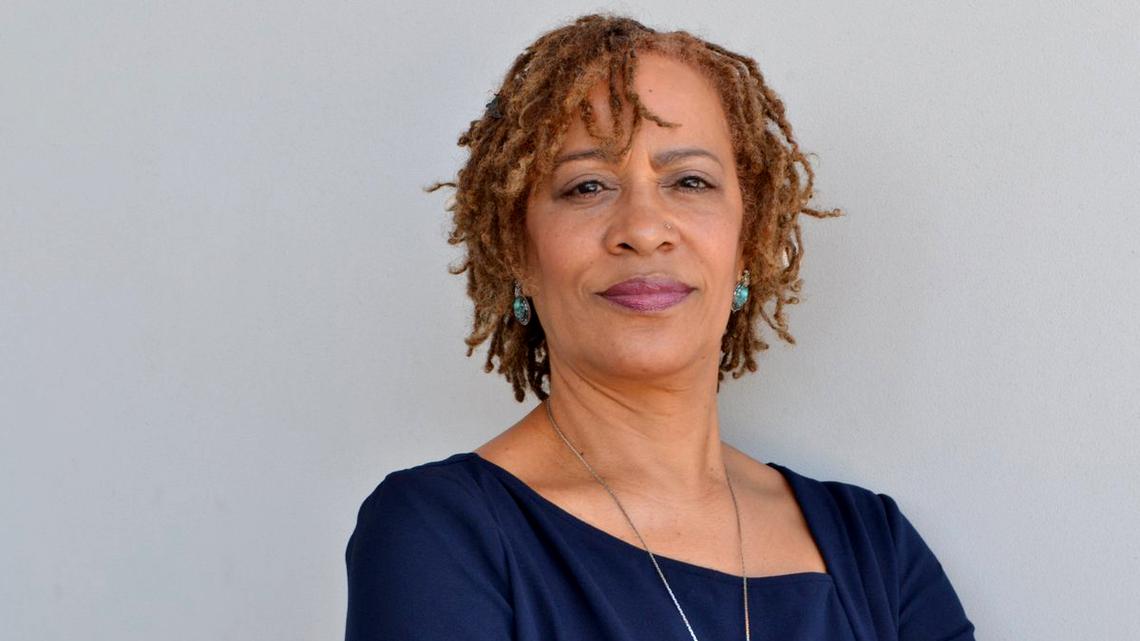
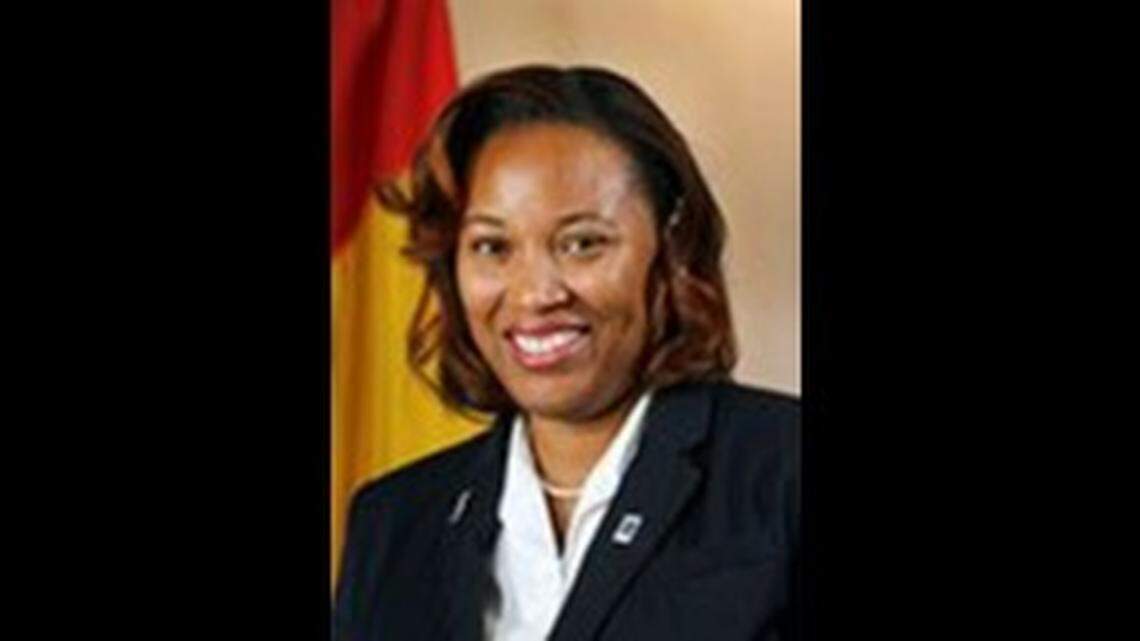
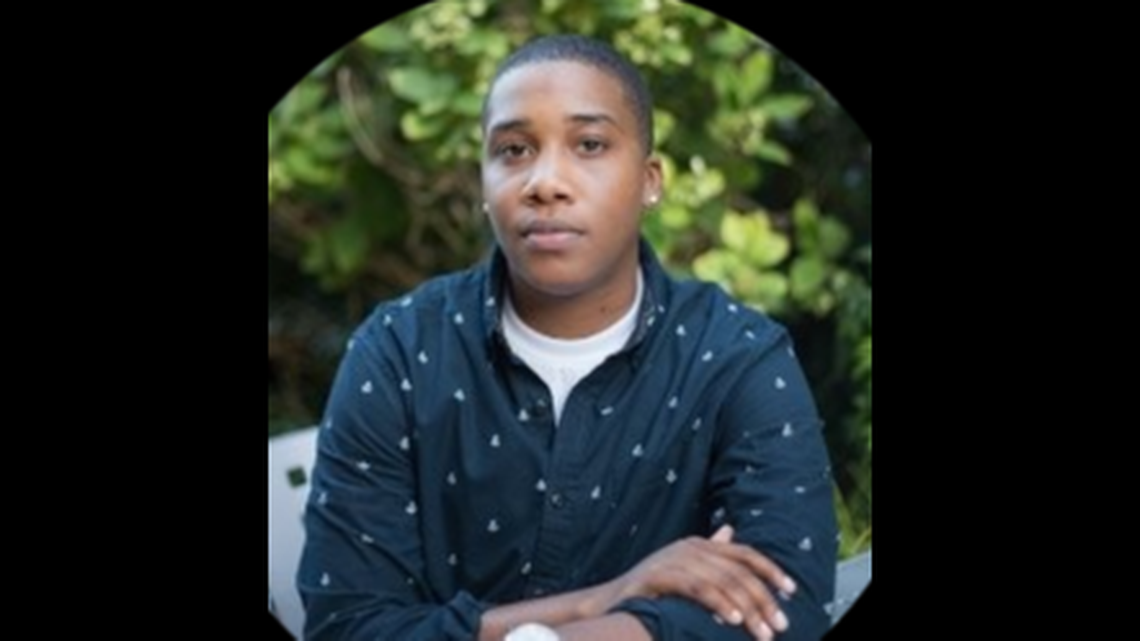
Marion T. Johnson, candidate for Durham City Council, Ward I
READ MORE
Durham City Council Candidates
Who are the candidates running for mayor and council in Durham? Get to know your candidates with our Voter Guide.
Expand All
Three candidates are running for the Durham City Council Ward 1 seat.
Incumbent DeDreana Freeman faces Waldo Fenner and Marion Johnson. A fourth candidate, Elizabeth Takla, will appear on the ballot but has withdrawn from the race.
Early voting in the non-partisan Oct 5 primary begins Sept. 16 and runs through Oct. 2. The top two finishers will face each other in the Nov. 2 general election.
To find polling places and full details on early voting, visit www.dcovotes.com or contact the Board of Elections at 919-560-0700 or elections@dconc.gov
Name: Marion T. Johnson
Age: 33
Residence: Durham
Occupation: Senior Consultant, Frontline Solutions
Education: B.A. in English, Wellesley College; M.P.P., Duke University
Political or civic experience: Current chair of Durham’s participatory budgeting steering committee
Campaign website: www.mariontjohnson.com
What is the city doing right, and wrong, on gun violence?
I take gun violence in Durham very seriously. My neighborhood sees a lot of gun violence, and I’ve personally witnessed it. In my conversations with community members and law enforcement officers, I’m more convinced than ever that gun violence and other violent crimes are the ultimate result of numerous systemic failures. Increasing surveillance with programs like ShotSpotter doesn’t do anything to prevent gun violence. Alleviating poverty, homelessness, and access to guns does prevent gun violence. We need sustained commitment to economic justice, housing justice, and true community safety--and that commitment will take more than just city council.
There are parts of Durham that feel completely ignored and abandoned by this system, and others that feel surveilled and criminalized. I’m equally concerned with what we do as a city regarding police as I am with how we do it, making sure that residents feel bought in to and brought along in this process.
If elected, what would your two or three priorities be during your first year in office?
Housing Justice: Gentrification, displacement, and unsustainable over-development have created a housing crisis in Durham, especially for Black communities who have lived here for generations. We don’t have enough affordable housing in Durham, and creating that housing will be a top priority.
Economic Justice means prosperity shared across communities. Thanks to inequitable, racist, and classist policy choices, Durham’s economic growth has largely excluded communities of color and low-income communities. I would champion a thriving wage of $25/hr, a municipal jobs guarantee, and an expansion of Durham’s participatory budgeting program.
Community Safety and Justice: Instead of investing in a system that over-polices and over-criminalizes Black and brown folk, Durham must choose investing in truly protecting and supporting all of our communities. That includes fully funding and staffing the Community Safety and Wellness Department, continuing our non-compliance with ICE, and removing SROs from schools.
What unique skills or life perspective would you bring to city governance?
A large part of my current job at Frontline Solutions, a Black-owned social justice consulting firm, is helping organizations create work environments that are equitable and affirming. None of our systems, structures, or institutions are built for equity. They’re all designed to protect and reinforce capitalism, patriarchy, and white supremacy. Creating equitable and affirming environments requires dismantling the current status quo, centering marginalized voices, and repairing harm. It also requires recognizing that our liberation is bound together. As a City Council member I would lead the effort to make the council, and the community at large, as accessible, affirming, and equitable as possible, so that every member of our community feels heard, supported, and empowered.
Equity has to be intersectional, because all of us have numerous identities and belong to numerous communities that affect how we’re able to move through the world. My Blackness affects and is affected by my queerness. My femme cisgender identity affects and is affected by my disability. We can’t pull out one of these identities to the exclusion of others and call that equity, because that simply reinforces exclusion, harm, and inequity. Equity is a constantly emergent aspiration that requires us to keep centering marginalized voices, keep repairing harm, and keep striving for our shared liberation.
This story was originally published September 14, 2021 at 7:03 PM with the headline "Marion T. Johnson, candidate for Durham City Council, Ward I."