NC Democratic Gov. Cooper calls for 18% teacher raises, 8% raises for state employees
READ MORE
North Carolina Budget
North Carolina is going through its budget process for the 2023-25 fiscal year. Here’s a look at coverage of the process and what’s in the budget from The News & Observer and The Charlotte Observer.
Expand All
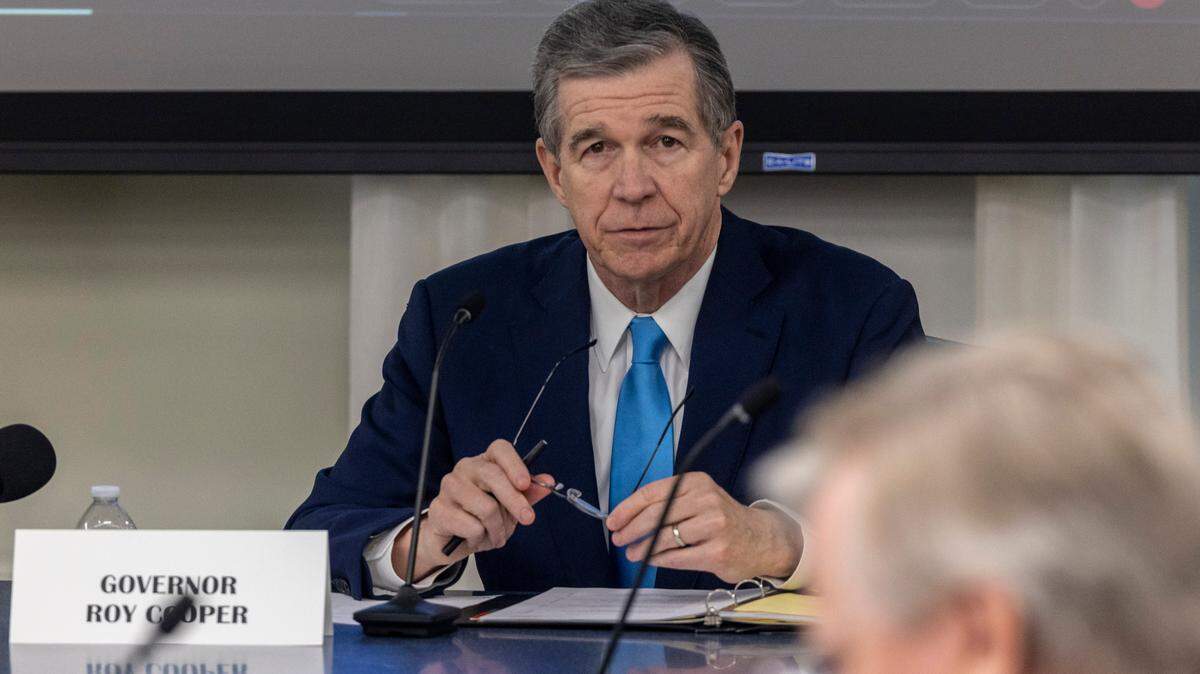
Democratic Gov. Roy Cooper revealed his budget proposal on Wednesday, saying his major focus is “strengthening education, with historic investments, from cradle to career.”
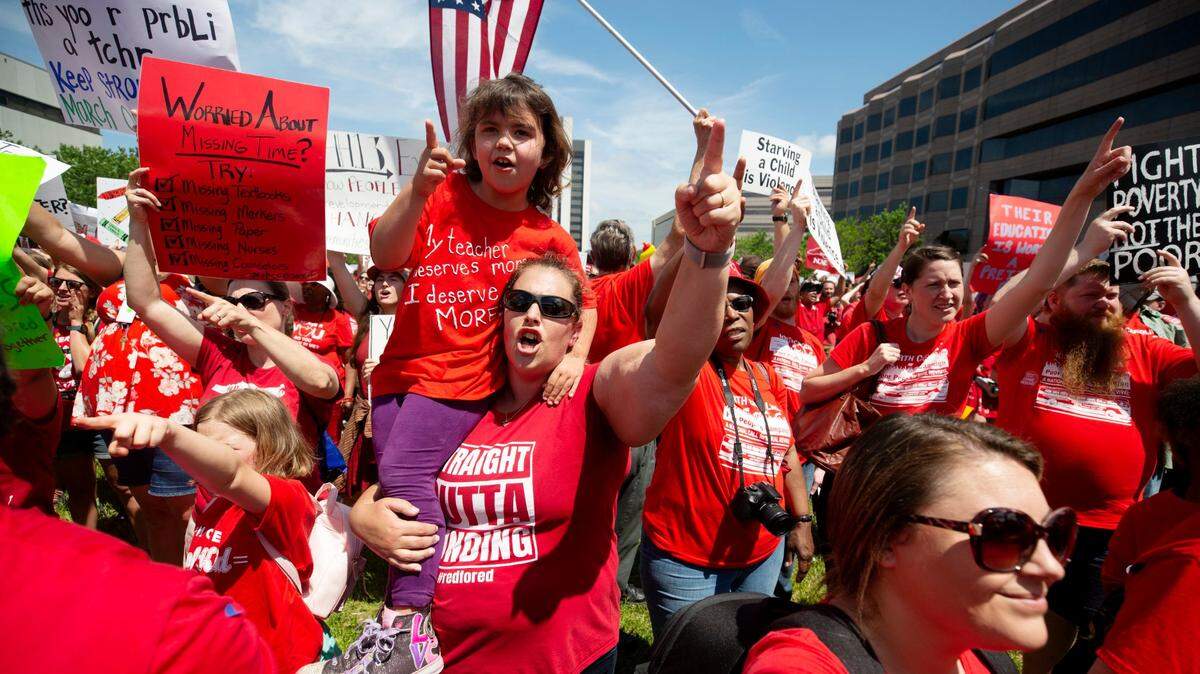
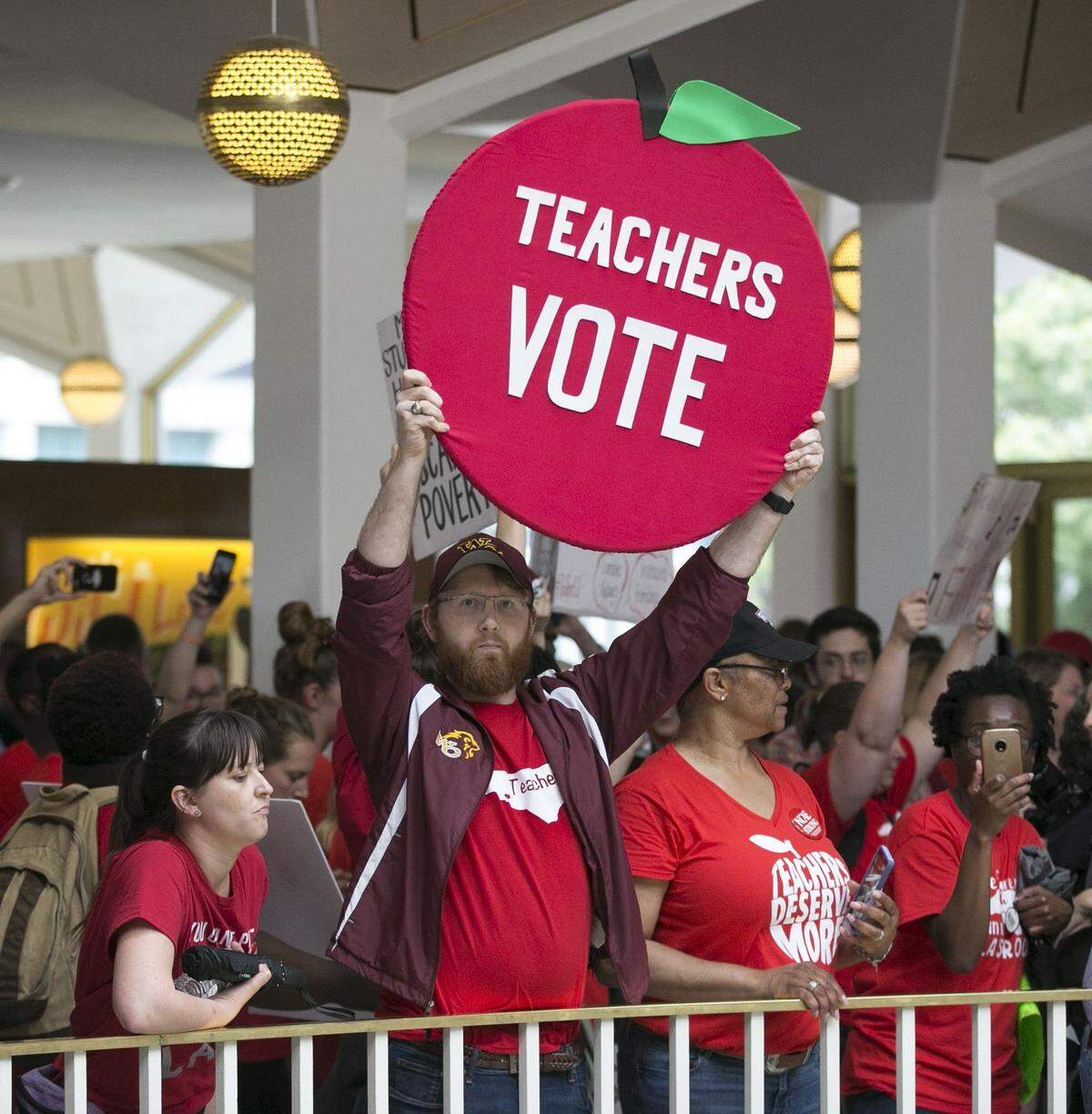
He wants to raise pay by an average of 18% over the next two years for North Carolina teachers and principals, and by 9.5% for other education workers like bus drivers.
“We can and should make good on the constitutional guarantee with a sound basic education to create opportunity for everybody,” he told reporters during a news conference. The budget proposal document was made public only after Cooper took reporters’ questions.
As the state budget is a two-year spending plan, this is the last big budget that Cooper, in his second term, will be part of. In even-numbered years, there is a smaller budget bill with generally minor spending adjustments.
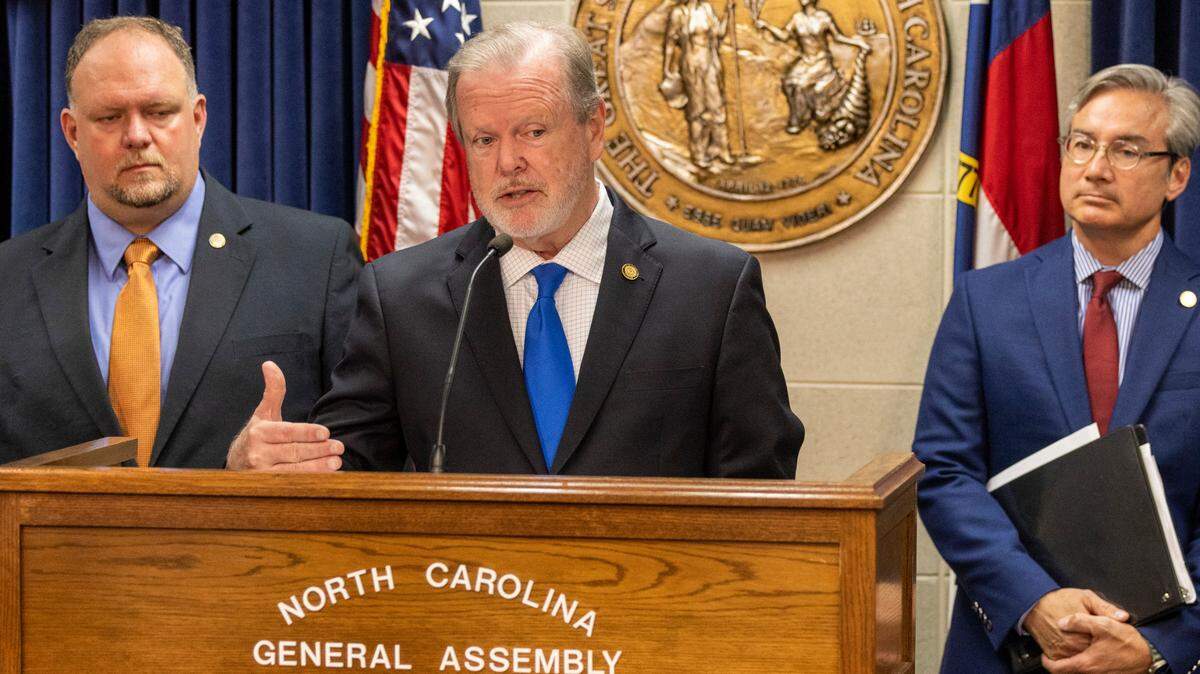
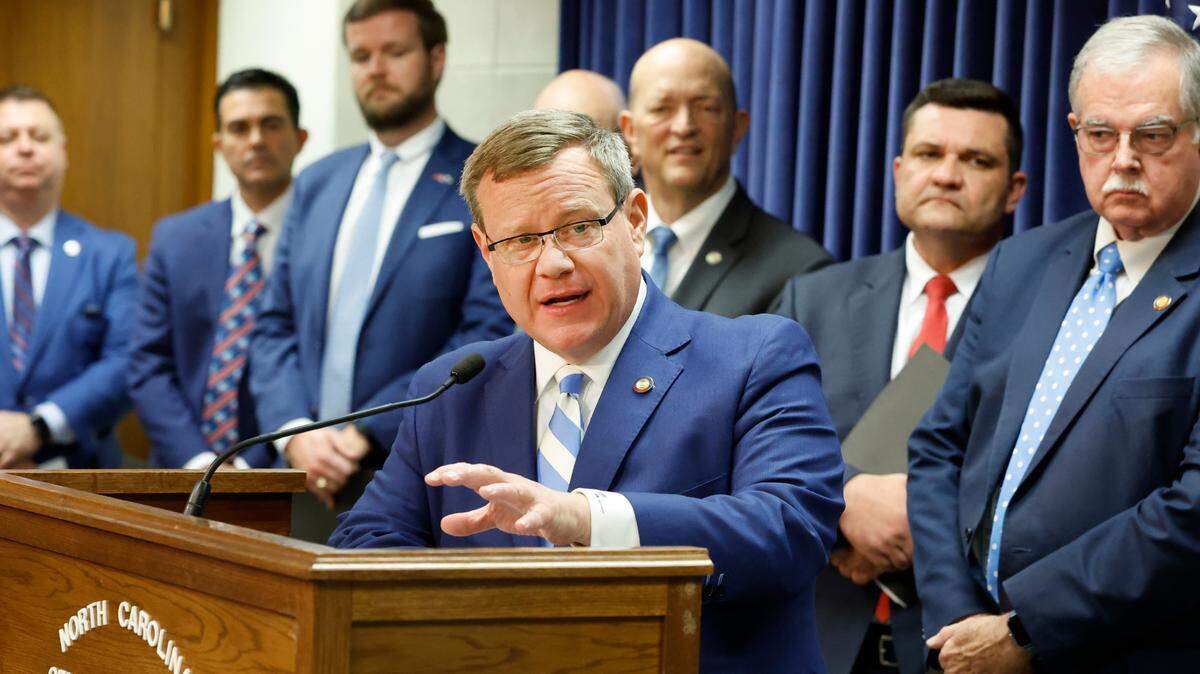
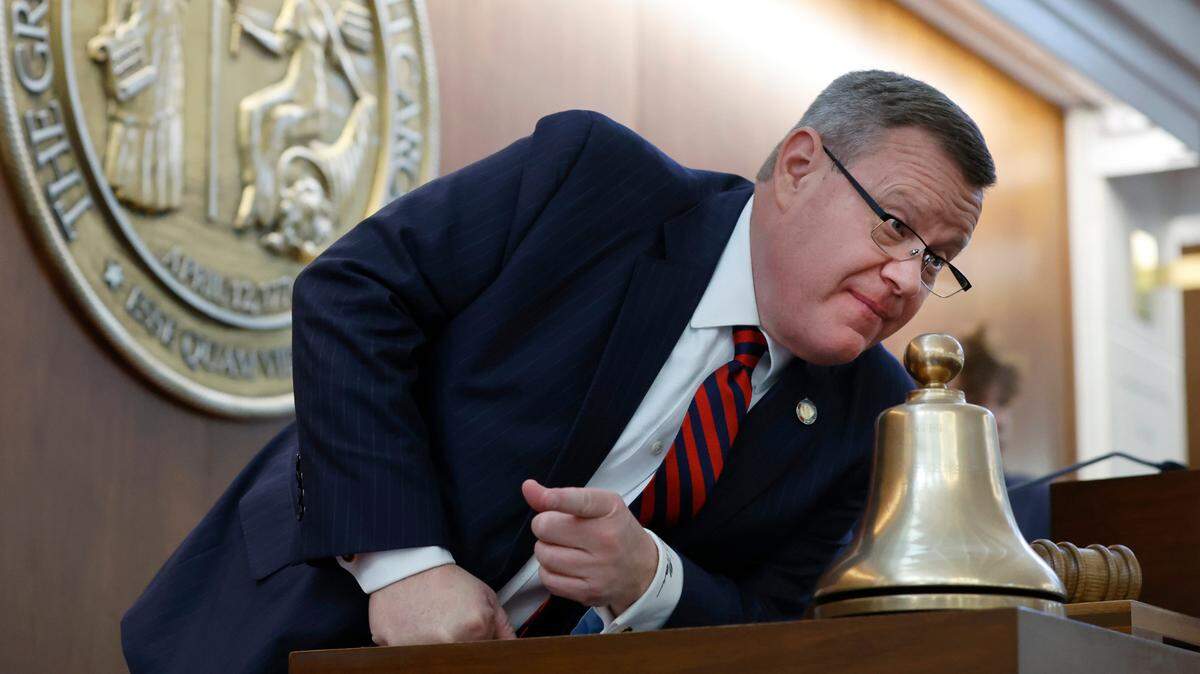
Cooper knows that Republicans are just one vote short of a veto-proof supermajority, so his proposal is just that. But after several years of drawn-out, bogged-down budget negotiations, legislative leaders want this time to be different. Both House Speaker Tim Moore and Senate leader Phil Berger have said they expect the budget to be sent to Cooper as early as mid-June. The fiscal year covered by the budget starts July 1.
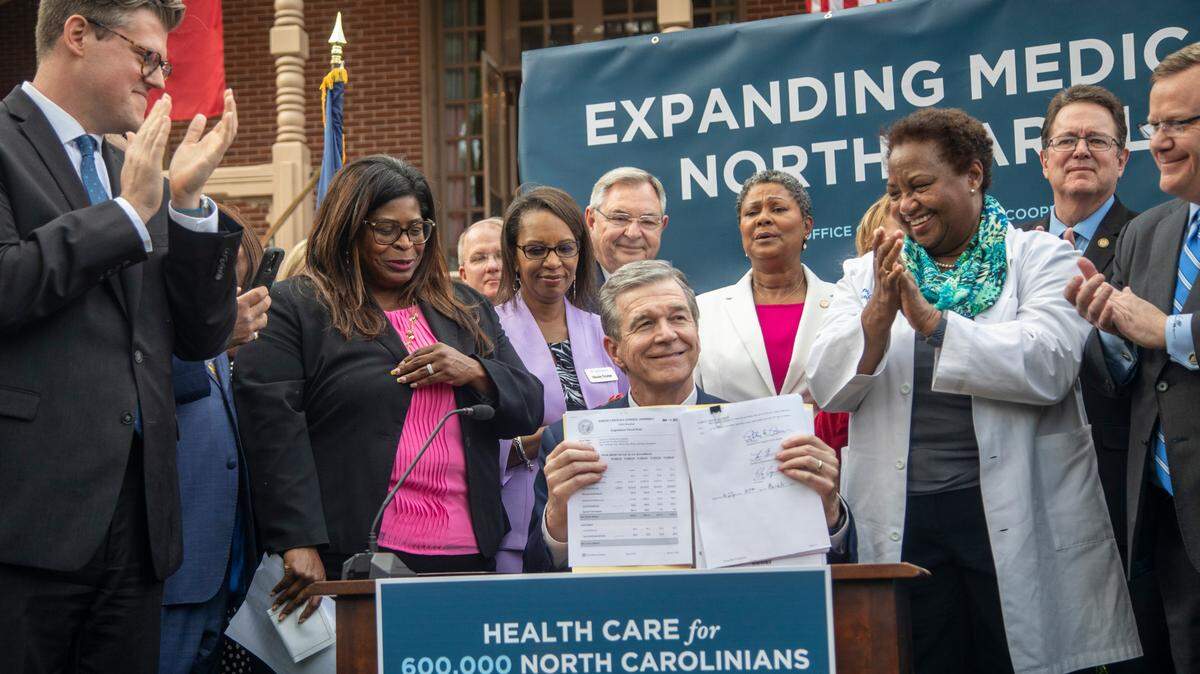
In past years, Cooper has pushed for significant raises for teachers and state employees, as well as Medicaid expansion. Expanding the health insurance program to hundreds of thousands more low-income people now has majority support on all sides, and the Senate voted overwhelmingly Tuesday in favor of a Medicaid expansion deal. But expansion won’t take effect unless the budget does — which adds pressure to pass a budget.
Teachers, state employees and retirees
The governor’s proposal includes $1.8 billion to recruit and retain teachers, and a $46,000 starting salary for teachers by the second year of the two-year budget.
It would also restore additional pay for teachers with master’s degrees, which Republicans eliminated.
The 9.5% proposed raises for bus drivers and other support staff is much less that Cooper’s proposal for teachers and principals. Cooper explained the reasoning by saying: “where our problems lie right now is to make sure we have enough quality teachers in the classroom.”
“I think we’ve all come to the conclusion — that we all have disagreements about what we need to do for education — that the thing we all seem to agree on is: That public education will improve significantly in North Carolina if we have a good teacher in every classroom, and a good principal in every school, and that’s what this budget aims at,” Cooper said.
“And also I think we know the support staff is going to be important. So this provides more funding to try to make sure we get more bus drivers and counselors and nurses and that support staff that teachers need,” he said.
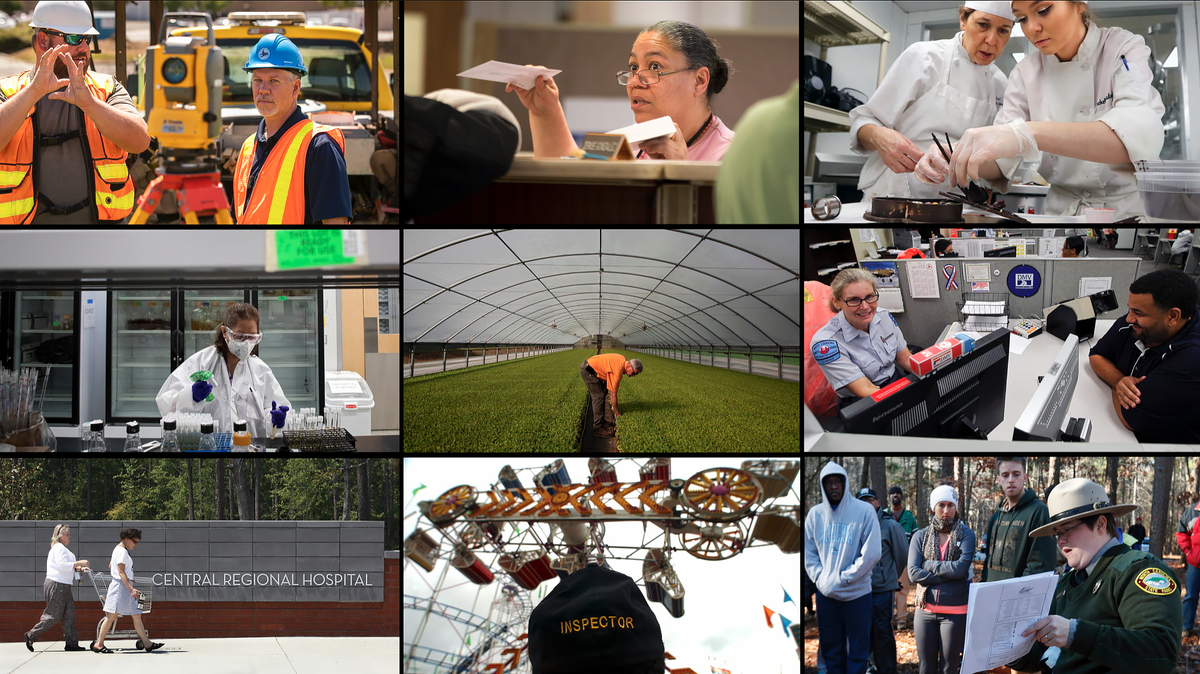
Cooper is calling for 8% across-the-board pay increases for state employees over two years. Budget Director Kristin Walker said the current state employee vacancy rate is 23.4%. The proposal also includes additional days of leave for state employees.
The proposal for state employees’ raises is less than half of what Cooper is requesting for educators. Cooper said that state agencies would also get 3% to increase salaries “over and above that, across the board, particularly for the hard-to-grow jobs.”
For both teachers and state employees, Cooper’s proposal provides a $1,500 retention bonus for those making less than $75,000, or $1,000 for those making more than $75,000.
Cooper’s proposal of an average of 18% raises for teachers is inclusive of step increases, Walker said. Walker said that every step in the teacher pay scale would go up at least 10% the first year of the budget, and at least 6% the second year. Walker also said Cooper’s budget proposal fully funds the Leandro plan, part of the long-running court case over education funding.
Walker also said the proposal calling for 1,000 additional school nurses and social workers would be given to Tier 1 and Tier 2 schools, which are the least prosperous areas of the state.
Retirees would get 2% recurring cost-of-living adjustments.
Taxes
Cooper said he does not want to reduce the corporate income tax rate, which Republicans are planning to phase out completely.
“We want to get the income tax breaks for working families, the people who need them, not the wealthy, not corporations,” Cooper said.
“I recommend a personal income tax cut for families making less than $200,000 a year for the next four years to get them down to 3.99% by 2027. Taxpayers earning more than $200,000 would stay at the recently reduced tax rate of 4.75%,” he said.
The individual income tax rate in North Carolina is already scheduled to be phased down to 3.99% after 2026 for everyone, according to the Department of Revenue.
Both Berger and Moore have said they are considering more tax reductions in the upcoming budget.
Next up: The legislature
The governor’s proposed budget will be heard in committee at the General Assembly on Thursday morning. The House, whose turn it is to go first, is working on its budget bill. Once that passes, optimistically in early April according to Republican leaders, the Senate would move its own budget bill in May. After that, there would be a compromise budget to pass and send to Cooper.
In a statement after Cooper released his budget, Moore called it “the same reckless approach to spending that his fellow Democrats have taken in Washington.”
Moore went on to say that the legislature “will continue on the fiscally responsible path that has made our state attractive to so many.”
Berger also called Cooper’s proposal “reckless” and criticized Cooper’s increase in year-over-year spending.
“This is an irresponsible, unserious proposal from a lame-duck governor who wants future North Carolinians to pick up his tab,” he said, calling it “the same failed Democratic playbook that is causing residents to flee blue states like New York, California and Illinois.”
For raises, Berger told reporters on the Senate floor after session Tuesday that “teachers and state employees can expect raises in the Senate budget.”
“I don’t know that those raises will match the overall spend, whether there’ll be in some instances more, some instances less,” Berger said. “We’ve just not considered the salary package as of yet. And I think as, as we’ve indicated, before, it’s really difficult to, to talk about the salaries in isolation. So it really is something where we’ve got to put all the pieces together and then then we’ll calculate where we are,” Berger said.
Berger expects the budget to stay on schedule.
“I’m in the camp of, we need to move forward. I don’t think there’s a real question as to us having capacity to fund things within the (total spending) limit that we’ve agreed to. So we don’t need to wait to see what the April numbers look like. So I’m all for moving forward and trying to get to get things done as quickly as possible,” Berger said.
Berger and Moore agreed to increase spending by 6.5% next year, to $29.7 billion, then by another 3.75% in the second year of the two-year budget, to $30.8 billion. By comparison, Cooper’s budget would increase spending by 18% in the first year, with about $32 billion in 2023-24; and by 3.9% in the second year, to $34 billion in 2024-25.
This story was originally published March 15, 2023 at 11:19 AM with the headline "NC Democratic Gov. Cooper calls for 18% teacher raises, 8% raises for state employees."
.jpg)