NC Senate budget cuts taxes, expands school vouchers, has lower pay raises than House plan
READ MORE
North Carolina Budget
North Carolina is going through its budget process for the 2023-25 fiscal year. Here’s a look at coverage of the process and what’s in the budget from The News & Observer and The Charlotte Observer.
Expand All
North Carolina Senate Republicans outlined their budget proposal on Monday with smaller raises than the House proposed, and larger tax cuts.
Republicans released the budget bill, which is expected to be voted on by the end of the week, shortly after their news conference explaining the plan.
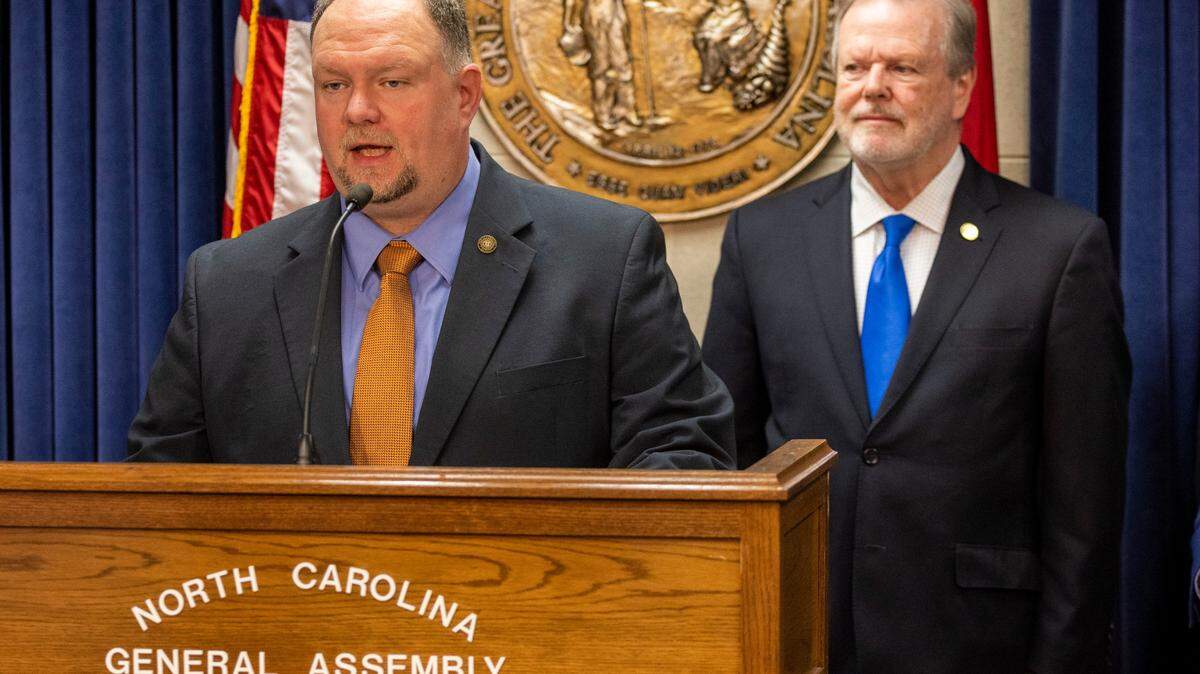
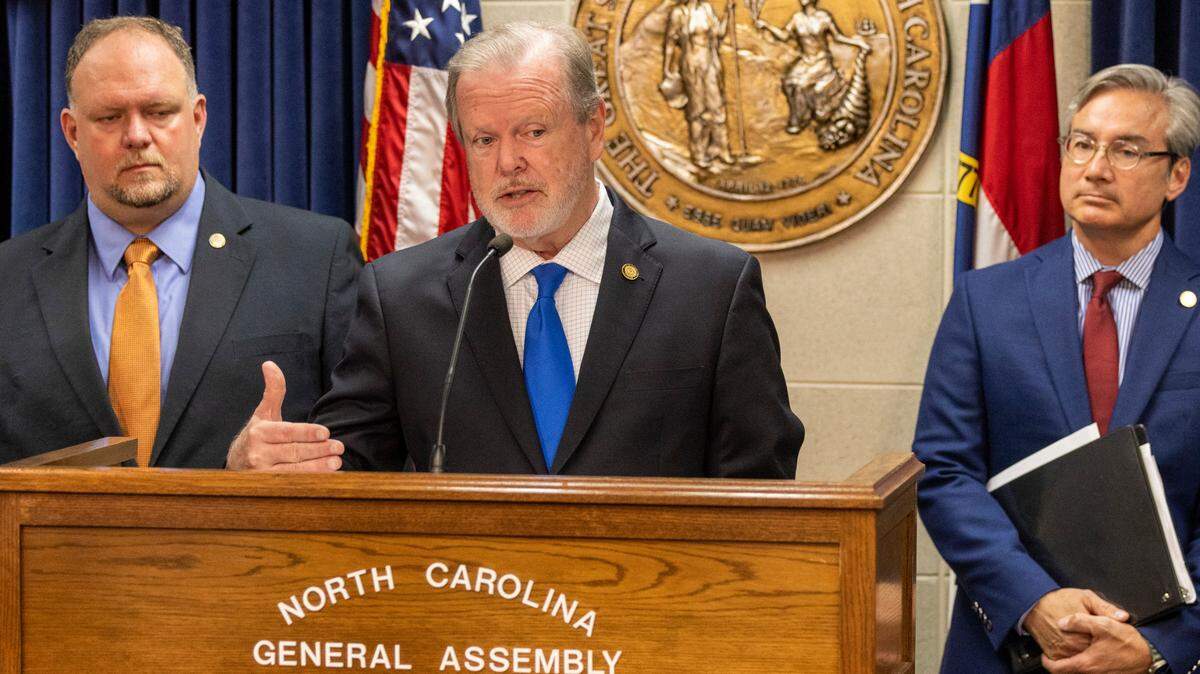
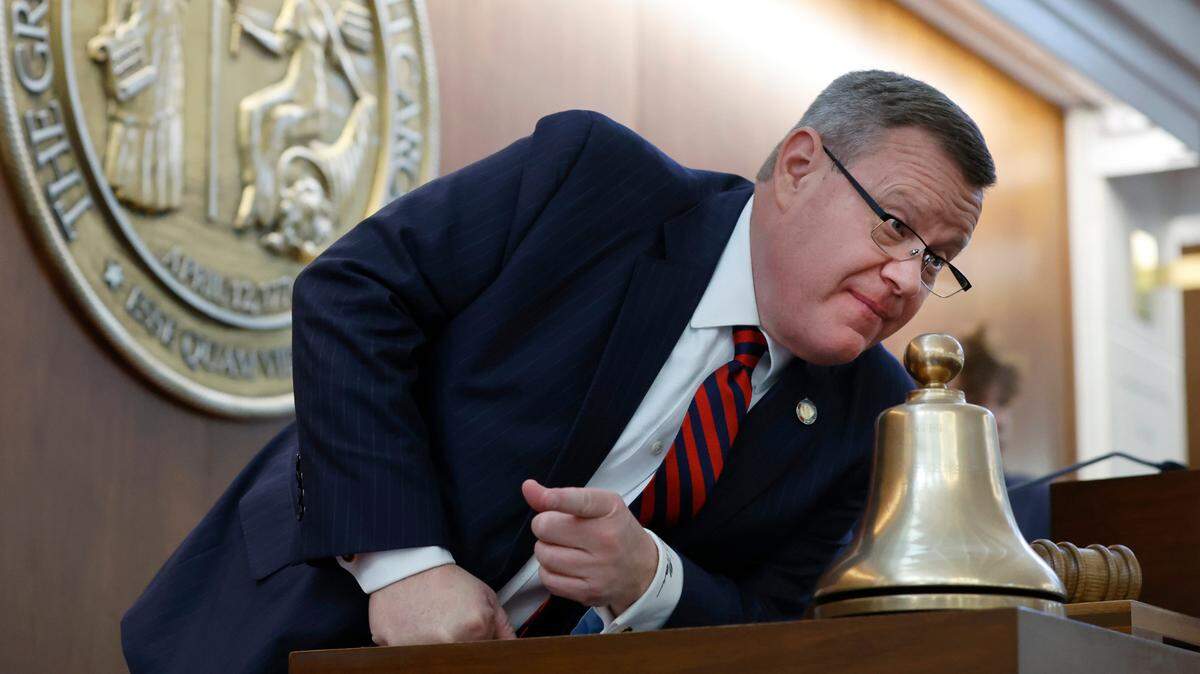
Senate President Pro Tempore Phil Berger said that state employees would receive an average raise of 5% over two years, and teachers would receive an average 4.5% raise, if their budget proposal becomes law. Teachers’ starting pay would be raised to $39,000 in the 2023-24 fiscal year.
Personal income tax cuts would be accelerated to bring the tax rate down to 4.5% faster than already planned, Berger said.
School vouchers
The Senate GOP budget includes wording from previously introduced legislation that would allow universal access to a private school voucher.
Under the Senate budget, income caps would be eliminated from the Opportunity Scholarship program starting in the 2024-25 school year. Any family could get state funding to attend a K-12 private school. The highest awards would go to lower-income families.
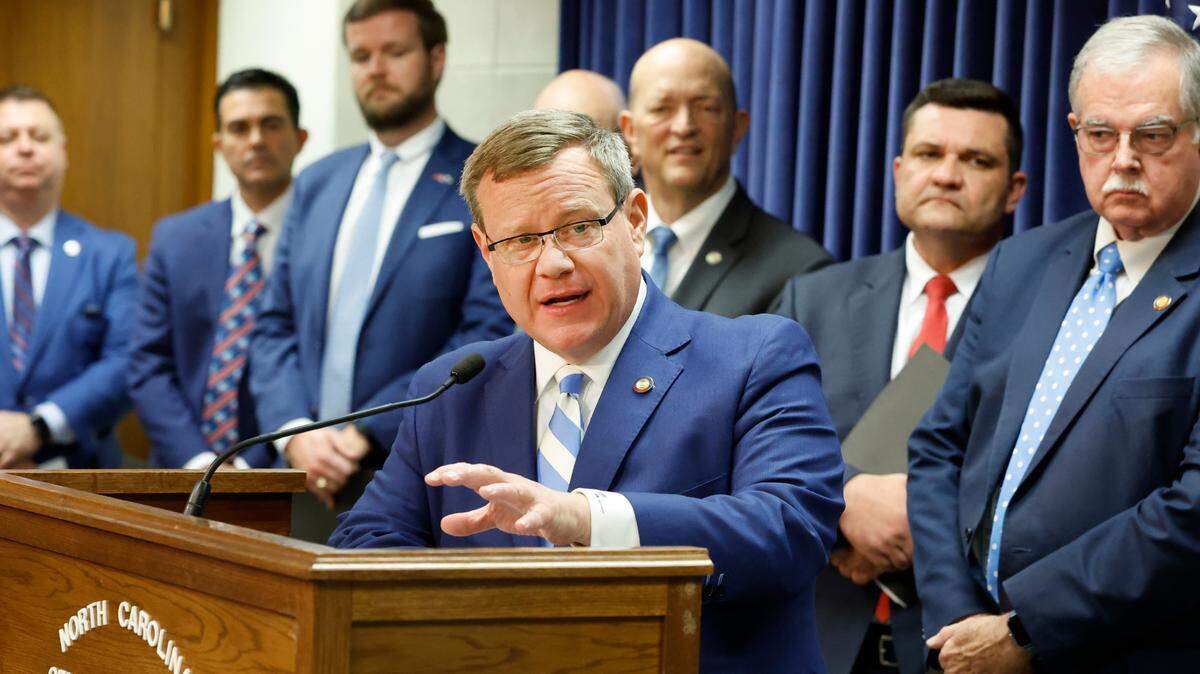
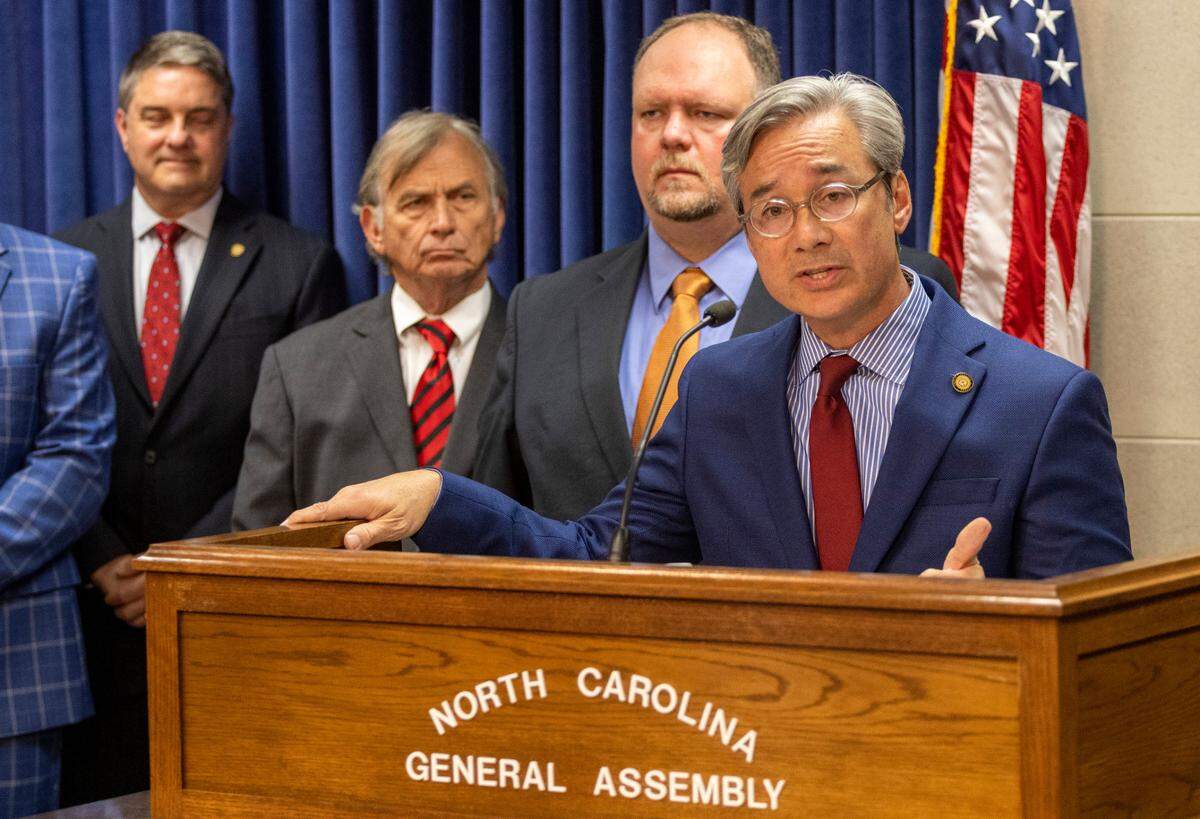
“As many of you know, school choice has been a core priority for the Republican General Assembly,” Sen. Michael Lee said.
The budget also sharply boosts funding for the Opportunity Scholarship program. An Office of State Budget and Management analysis says the program expansion could cost traditional public schools $200 million a year, with some rural counties particularly being hard hit.
“It makes no sense to me to provide money to the traditional public schools for children that they are no longer educating,” Berger said.
Staff shortages
With staffing shortages in some jobs worse than others, the House’s budget bill passed in April includes more significant raises than in recent years. Higher raises were slated for harder-to-fill jobs, like in health care and public safety. Historically, the Senate proposes lower increases than the House, and the final, compromise budget ends up somewhere in-between.
A March report from the Office of State Human Resources says there are continuing challenges “with recruiting and retaining an effective workforce.”
“Agencies are competing for applicants and employees with private-sector and other public-sector employers,” the report says. “Applications for state jobs have fallen, causing increases in the vacancy rate and the turnover rate remains high.”
The highest vacancy rates are in the Department of Adult Correction/Public Safety, with a 27.1% vacancy rate, and the Department of Health and Human Services at 25.9%.
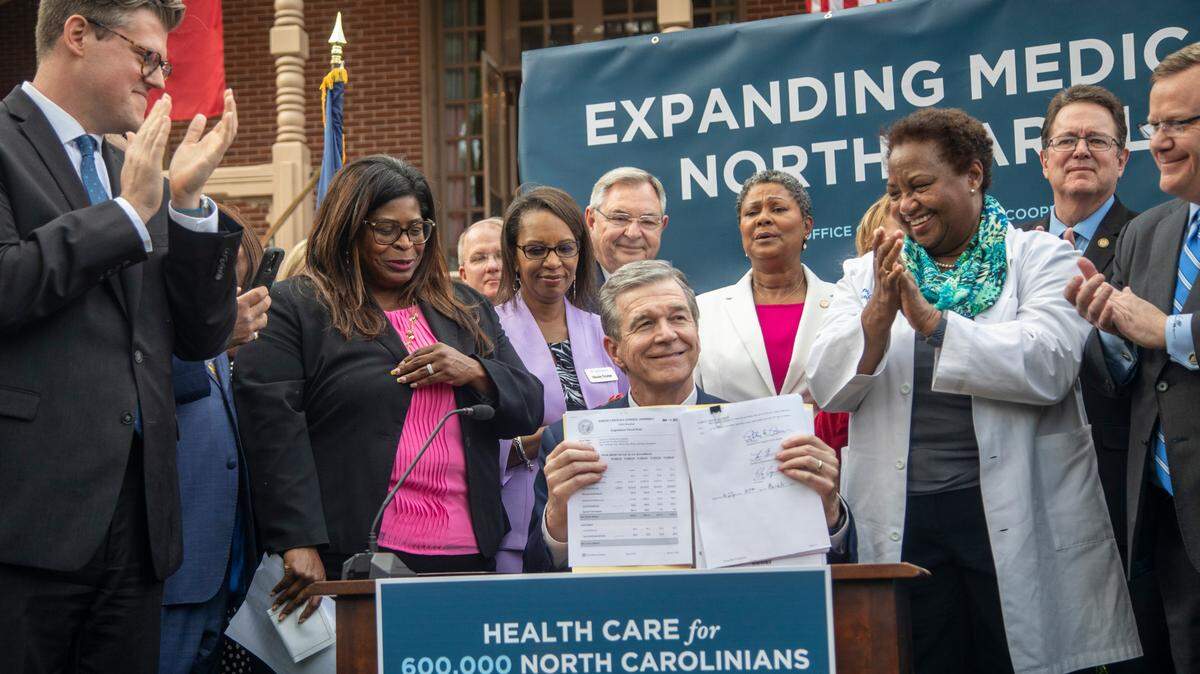
Democratic Gov. Roy Cooper proposed 8% across-the-board raises for state employees over two years. The House budget, passed in April, called for 7.5% raises for most state employees over two years, with an additional 2% for the hardest-to-fill jobs.
For teachers, the House budget called for average raises of 10.2% over two years, including step increases and extra funding for rural-area educators. The raises would be 5.5% the first year, with the rest coming the second year. The House budget would also provide teachers paid parental leave of four to eight weeks and restore master’s degree pay.
Cooper’s budget proposal included an average 18% raise over the next two years for teachers and principals, and by 9.5% for other education workers like bus drivers.
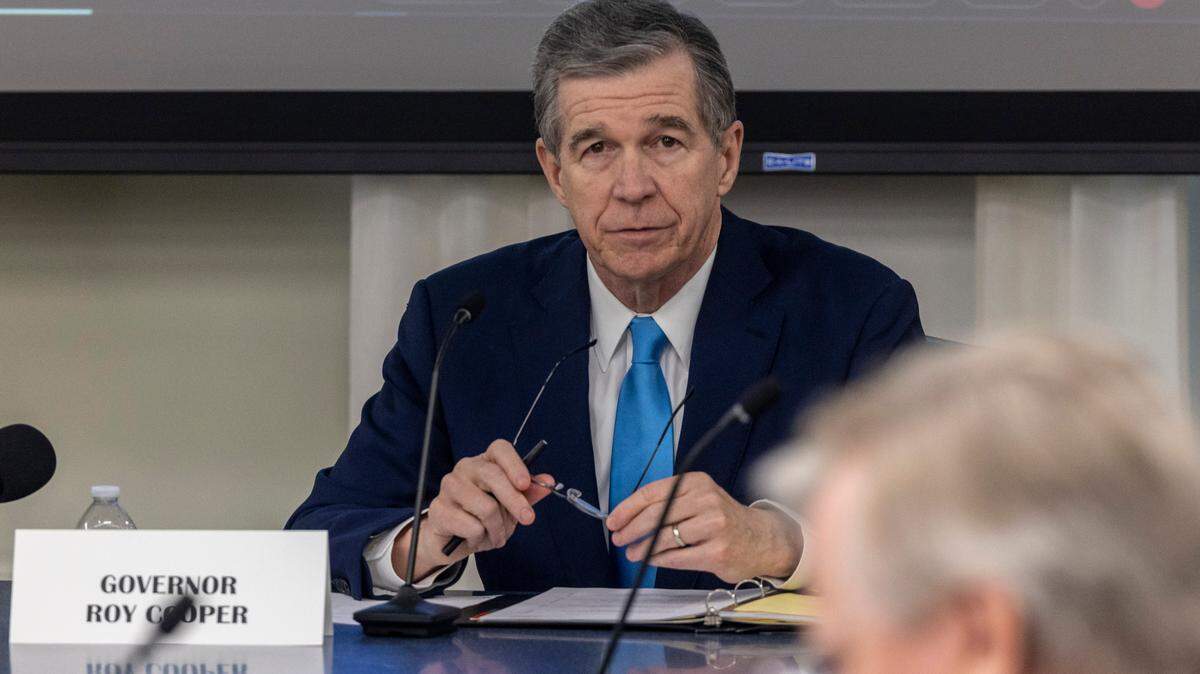
Cooper responded to the Senate proposal on Monday, calling the teacher raises “pitiful” and the tax breaks and money to expand the private school scholarships “disastrous.”
“Senate Republicans propose a pitiful 4.5% raise for teachers spread over 2 years while giving tax breaks and private school vouchers to millionaires. Disastrous. My budget proposes a much-needed 18% raise to keep quality teachers in the classroom,” Cooper tweeted.
Berger also said the budget would keep university tuition flat and add money to the state’s rainy day fund and other savings and reserves.
Reporter T. Keung Hui contributed to this story.
This story was originally published May 15, 2023 at 3:24 PM with the headline "NC Senate budget cuts taxes, expands school vouchers, has lower pay raises than House plan."
.jpg)