NC House and Senate budget proposals have key differences. Here are some of the big ones.
READ MORE
North Carolina Budget
North Carolina is going through its budget process for the 2023-25 fiscal year. Here’s a look at coverage of the process and what’s in the budget from The News & Observer and The Charlotte Observer.
Expand All
The North Carolina Senate unveiled its two-year budget proposal Monday, outlining Senate Republicans’ policy positions on tax cuts, education funding, state employee pay raises and more.
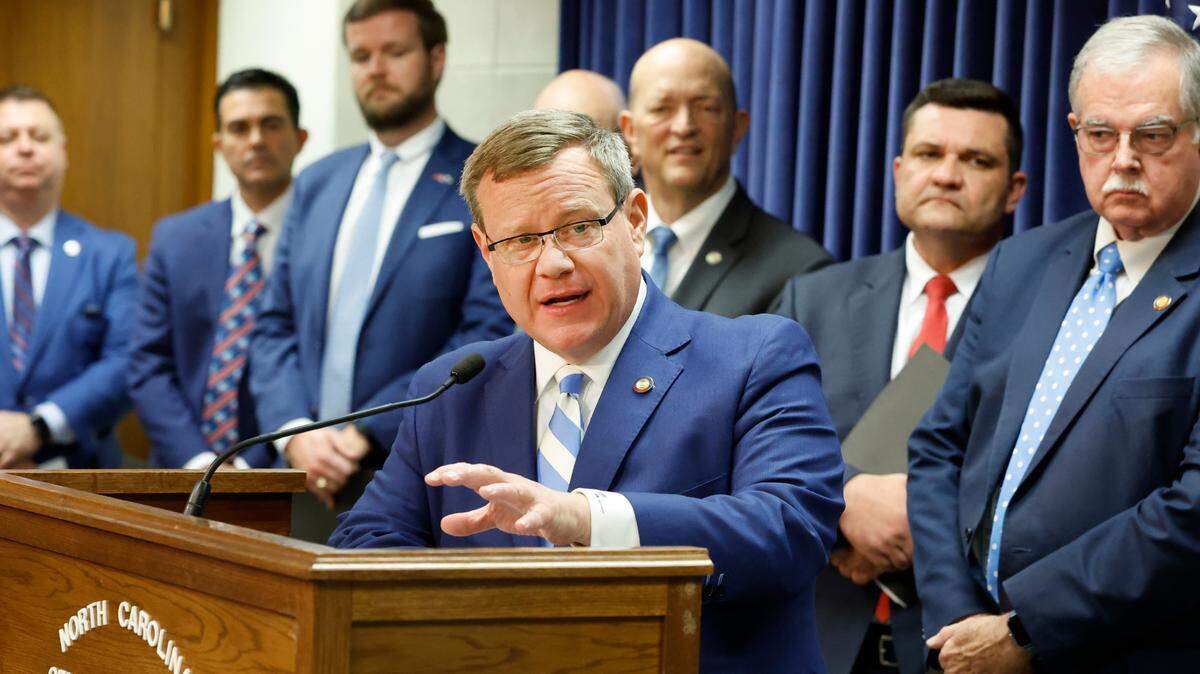
The spending plan differs dramatically from the House budget proposal released in March. Before a budget can pass into law, the two groups of GOP lawmakers will have to resolve big differences between their proposals.
Lawmakers in the House and Senate hope to reach a compromise by June, when the 2023 legislative session is scheduled to conclude. Here are some key disparities they’ll try to address by then.
Tax cuts
Senate Republicans, who control the chamber, often champion a more conservative fiscal strategy than their peers in the House. As part of its emphasis on fiscal frugality, the Senate features more pronounced tax cuts in its budget proposal than what the House suggests.
Both chambers call for a 4.5% personal income tax rate for 2024, decreasing to 3.99% by 2026. The House proposal stops there, but the Senate’s tax-cutting trajectory continues.
In later years, the Senate budget calls for the rate to keep falling until it reaches 2.49% after 2029.
Teacher salaries
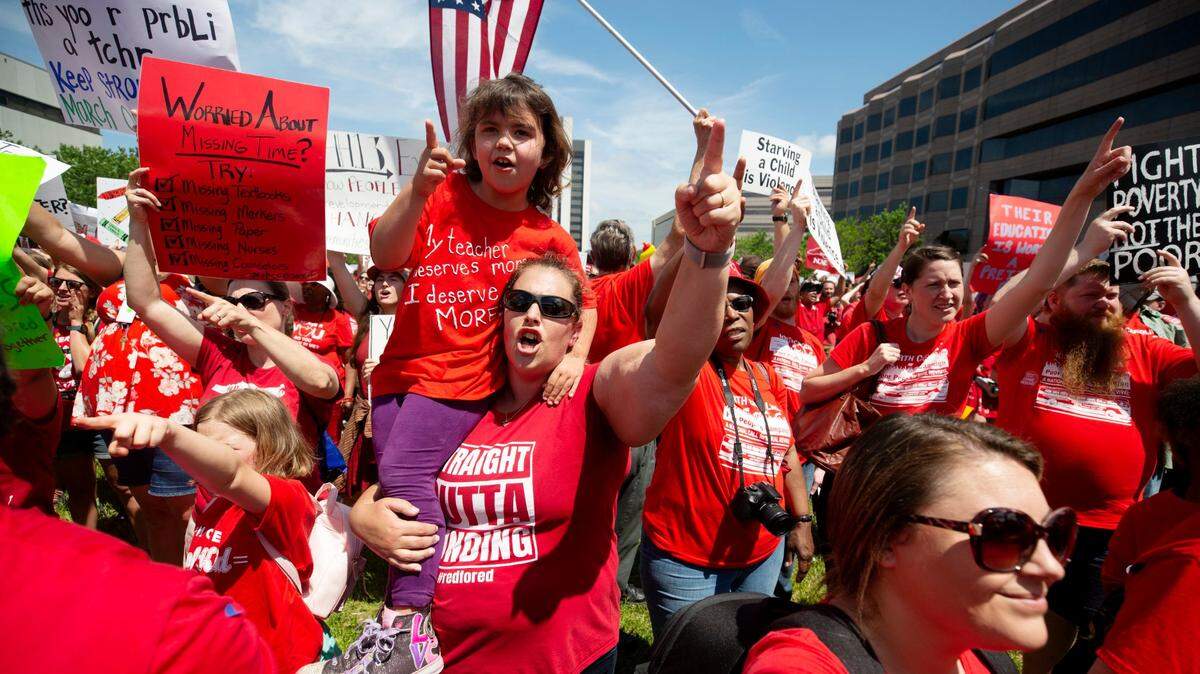
Under the Senate’s budget proposal, teachers would receive an average 4.5% raise over the next two years. That’s much less than the 10.2% average raise proposed in the House budget. Both include step increases for some educators and extra funding for rural-area teachers.
The Senate budget bill also outlines a roughly 5% increase in starting teacher salaries. Starting pay would rise to $39,000 in the 2023-24 fiscal year from $37,000 currently. It would increase again to $41,000 the year after.
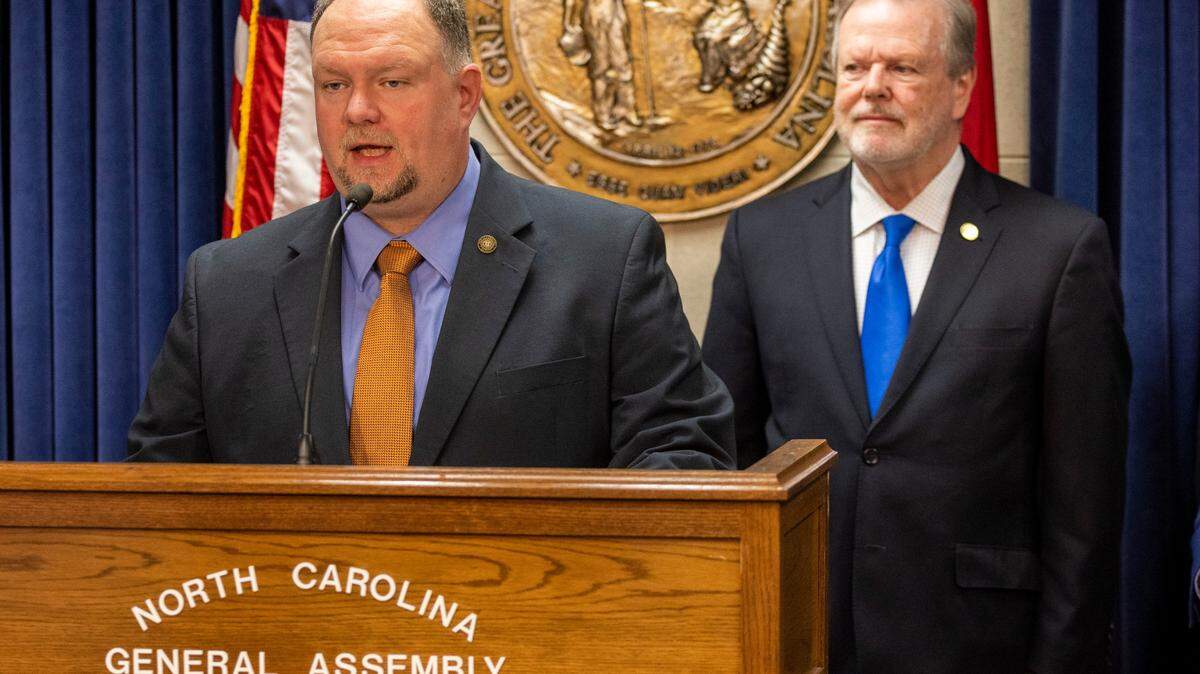
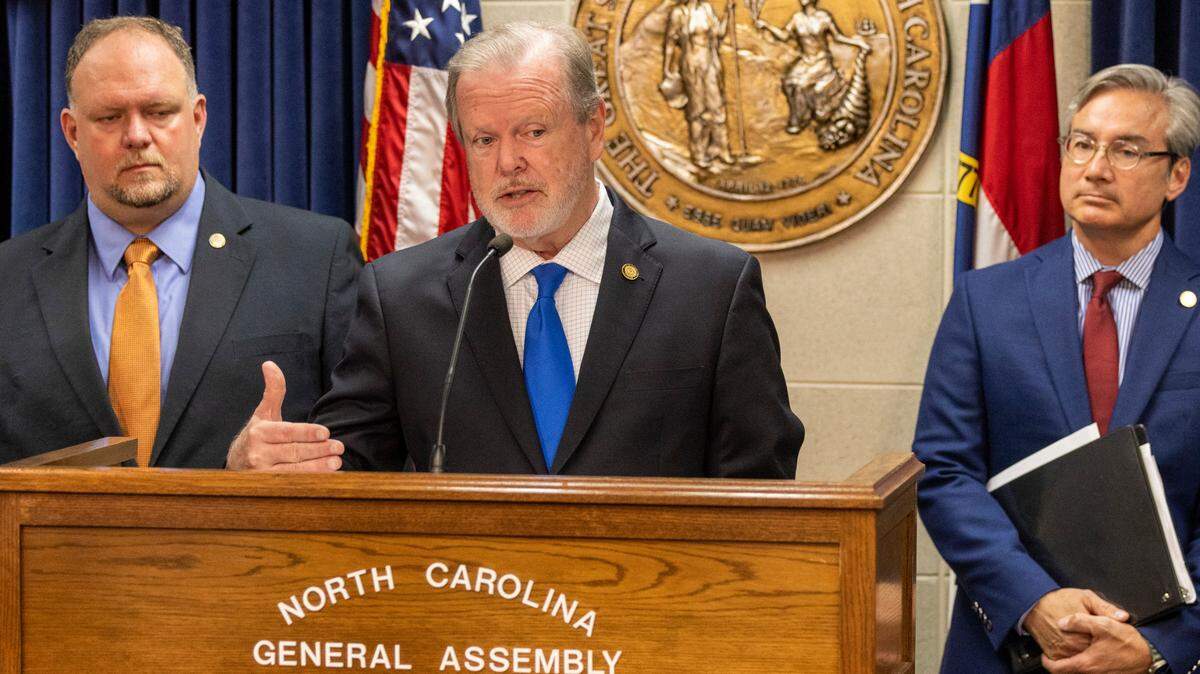
If the Senate budget became law, average teacher pay would increase to $59,000, Senate leader Phil Berger, an Eden Republican, said in a press conference Monday.
Education funding
The Senate budget proposal includes a conspicuous policy package that’s absent from the House’s version.
Language in the Senate budget bill mirrors legislation from this session that would permit all North Carolinians to apply for private school vouchers through the Opportunity Scholarship program. Vouchers have only been available to low-income families since the program’s inception a decade ago. The expansion of what proponents call school choice has sparked widespread controversy, especially from public school advocates.
The Senate proposal would also funnel new money to the Opportunity Scholarship program while cutting some for public schools. A legislative staff report says the program expansion could cost public schools $200 million a year, especially affecting rural-county schools.
State employee salaries
Under the Senate budget, state employees would receive an average raise of 5% over the next two years, Berger said.
That falls short of the 7.5% average pay raises state employees would get from the House budget proposal.
Both bills include additional 2% raises over two years for some employees in jobs with tough recruitment and low retention.
While the Senate budget proposal withholds inflation-matching raises for most state employees, it offers dramatic increases for the governor and other prominent officials.
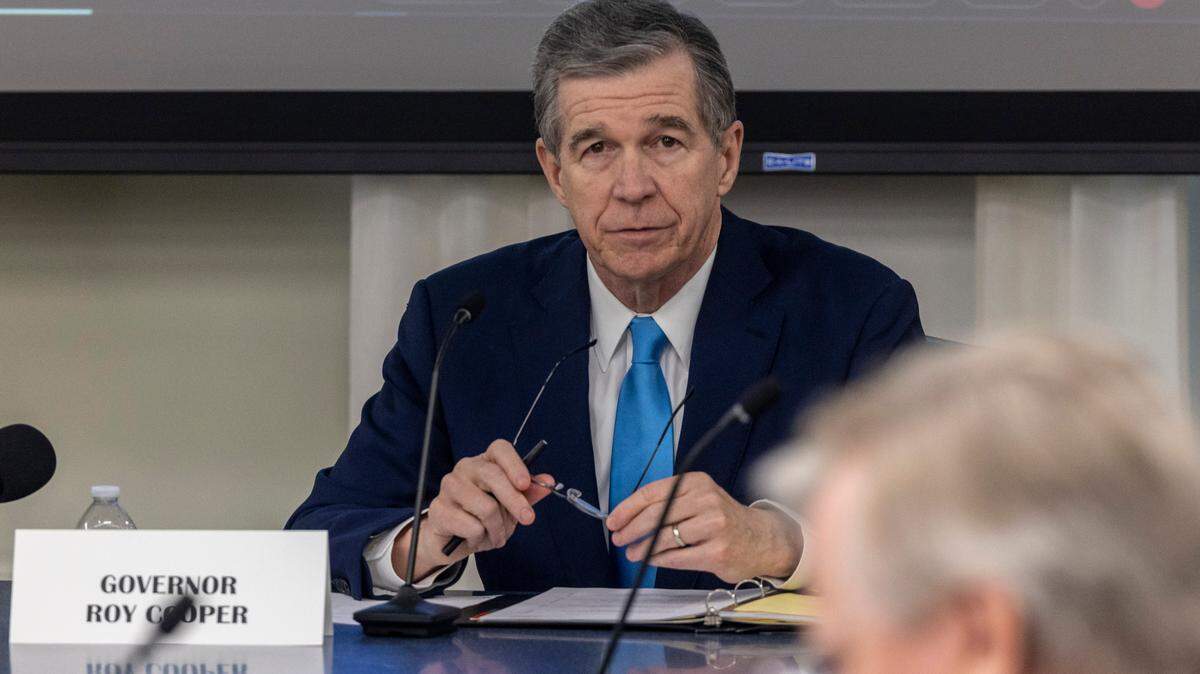
Gov. Roy Cooper, a Democrat, currently earns $165,750. Under the Senate’s budget bill, his position would get nearly $40,000 more by 2025 — a 22.5% raise. Cooper’s term will expire in 2024 and he’s ineligible to run for a third consecutive stint. But his salary would still increase by $32,370 as of July 1 if the Senate budget became law.
Other Council of State members — which include the lieutenant governor, secretary of state, attorney general and six other high-ranking officials besides the governor — would see nearly $24,000 raises over the next two years. They currently earn $146,421.
The House budget proposes to raise the governor’s salary by a smaller amount, $12,660, to $178,410 over the next two years. Other Council of State members would get $11,184 raises over the same period.
Medicaid expansion
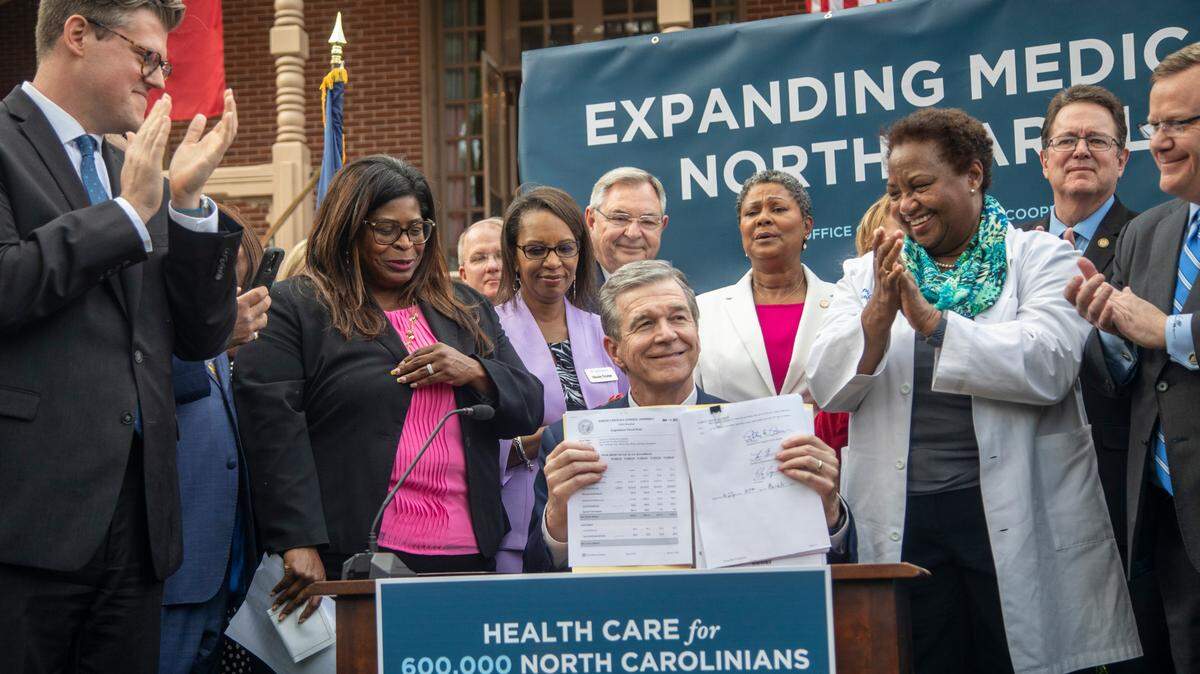
After years of controversy, Medicaid expansion passed the legislature in March. Republican leaders in the House and Senate and Democratic Gov. Roy Cooper unanimously supported the bill.
But Medicaid expansion’s final enactment depends on successful passage of this year’s budget, and parts of the Senate budget proposal could reignite controversy that derailed expansion talks in past years.
Unlike the House, the Senate budget suggests cutting state laws that regulate hospital competition through certificates of need. During Medicaid expansion talks in last year’s legislative session, senators included similar language in their version of an expansion bill. It was a key sticking point between the two chambers.
Certificate of need laws limit where hospitals, clinics and other health care facilities can be built and what equipment they can purchase. The House fervently resisted CON repeal when it was tied to last year’s Medicaid expansion attempt, and the two chambers could not reach a compromise. The same could happen again, but Berger said it’s unlikely.
“I don’t anticipate us reaching a stalemate with the House,” he told reporters Monday. “We will see what happens but I don’t anticipate that.”
This story was originally published May 16, 2023 at 2:03 PM with the headline "NC House and Senate budget proposals have key differences. Here are some of the big ones.."