Could NC’s state budget, with tax cuts and raises, be early this year?
READ MORE
North Carolina Budget
North Carolina is going through its budget process for the 2023-25 fiscal year. Here’s a look at coverage of the process and what’s in the budget from The News & Observer and The Charlotte Observer.
Expand All
Spring is coming early in 2023, at least to North Carolina and other Southern states, according to prognosticators beyond groundhogs.
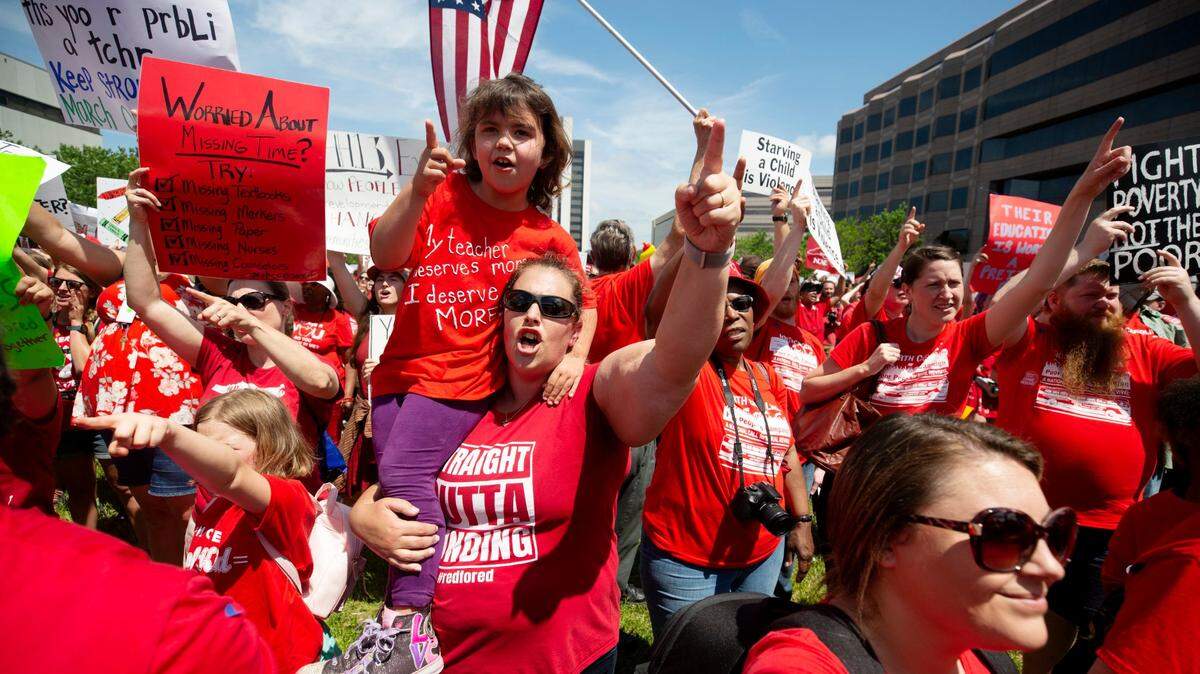
What else might come early this spring? The state budget. For tens of thousands of state employees and teachers, that means a budget with raises could actually pass on time, unlike in past years.
If the budget becomes law before this year’s legislative session is supposed to conclude, raises would come when the next fiscal year starts in July. Top Republican lawmakers, who control the General Assembly, have said raises, and more tax cuts are likely again.
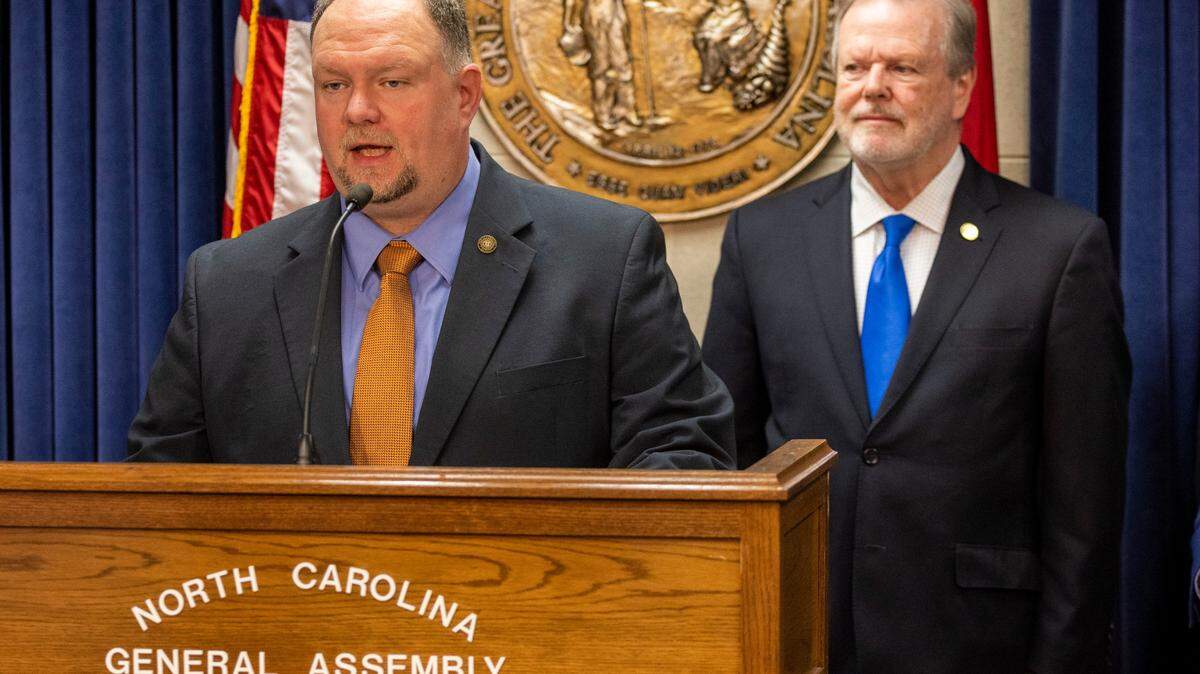
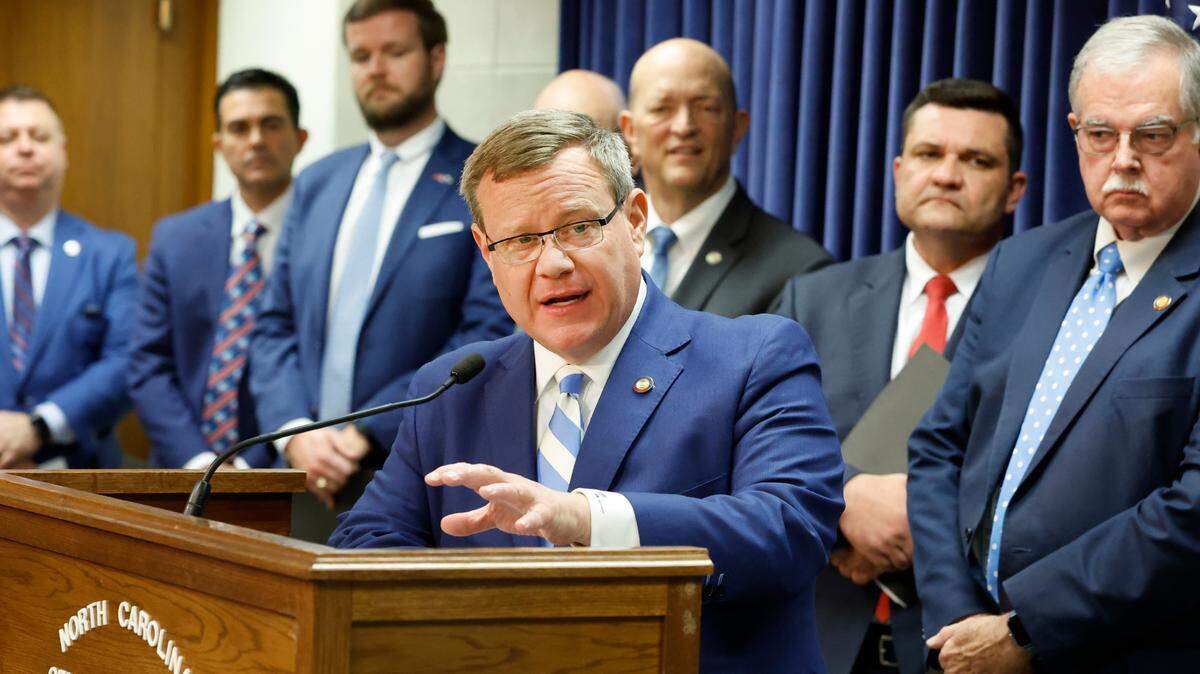
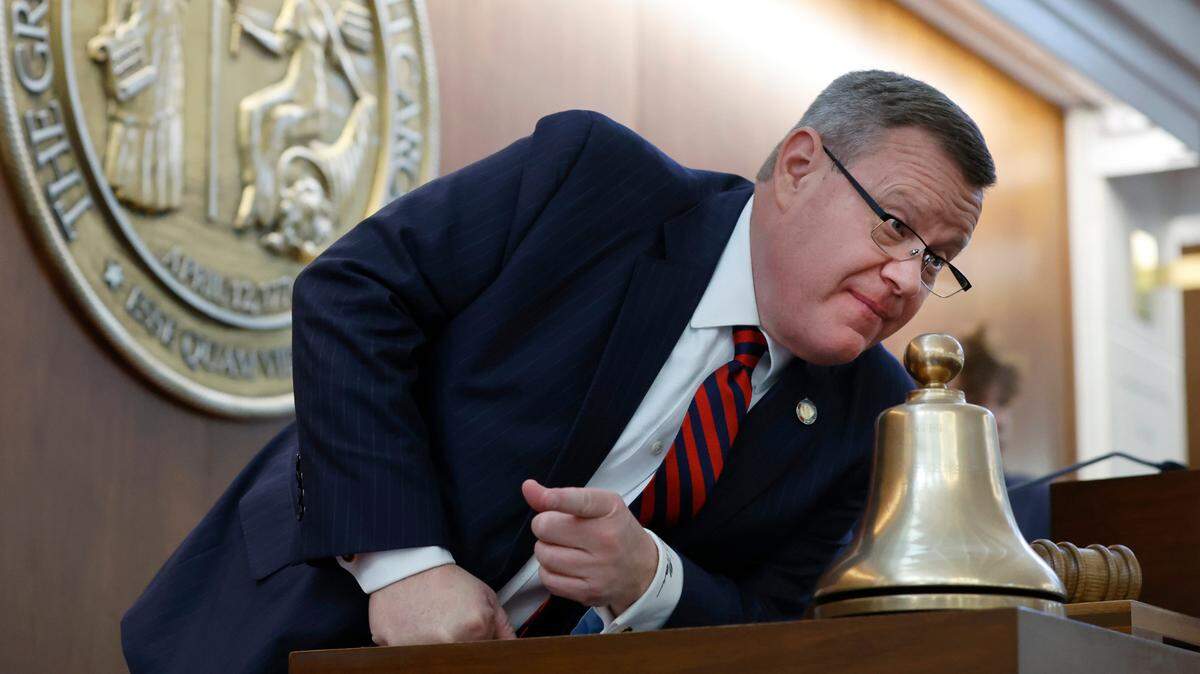
On Thursday, House Speaker Tim Moore told reporters that the House expects to pass its version of the budget the Thursday before Easter, which would be on April 6. Easter is April 9, and the House and Senate have agreed to take a spring break the week of April 10.
Moore, however, added a legislative caveat:
“I we run into a snag on our side on the budget, it could carry over (into spring break),” he said.
One budget negotiation between the chambers that’s already underway is the amount of tax cuts. Historically, the Senate has wanted higher tax cuts than the House, and the House wants higher raises than the Senate.
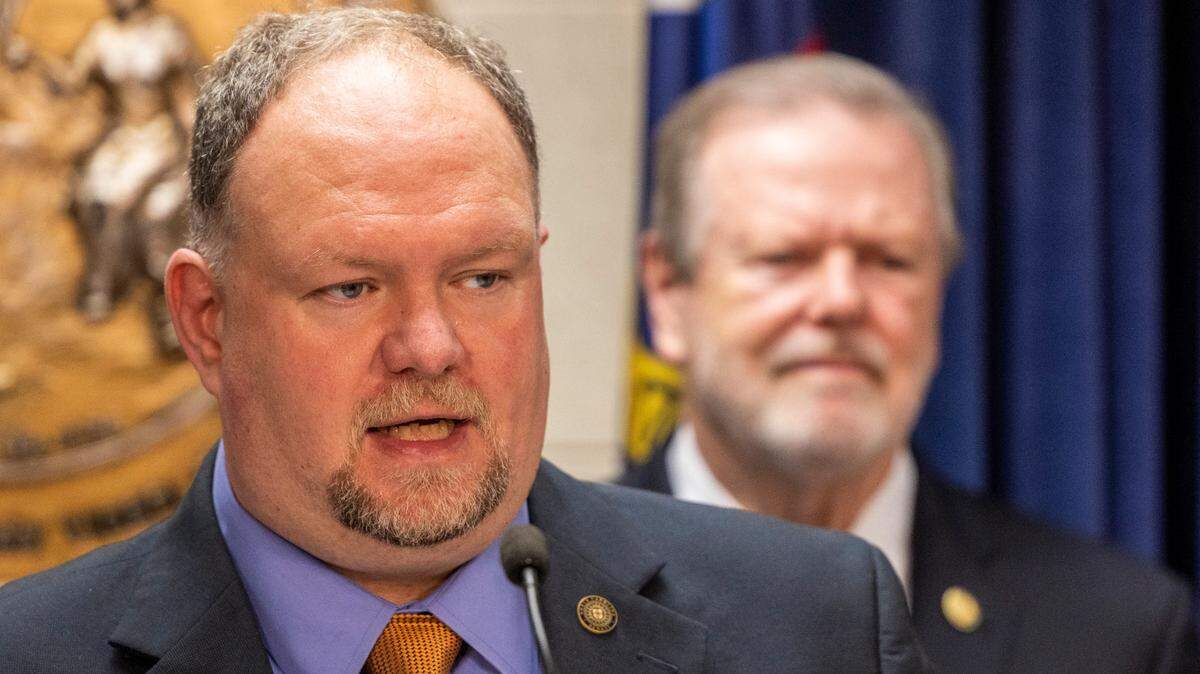
“We’re looking at personal income tax, we’re looking at corporate income tax, we’re looking at the franchise tax — we’re looking at a number of taxes ... We haven’t decided yet,” said Moore, a Kings Mountain Republican.
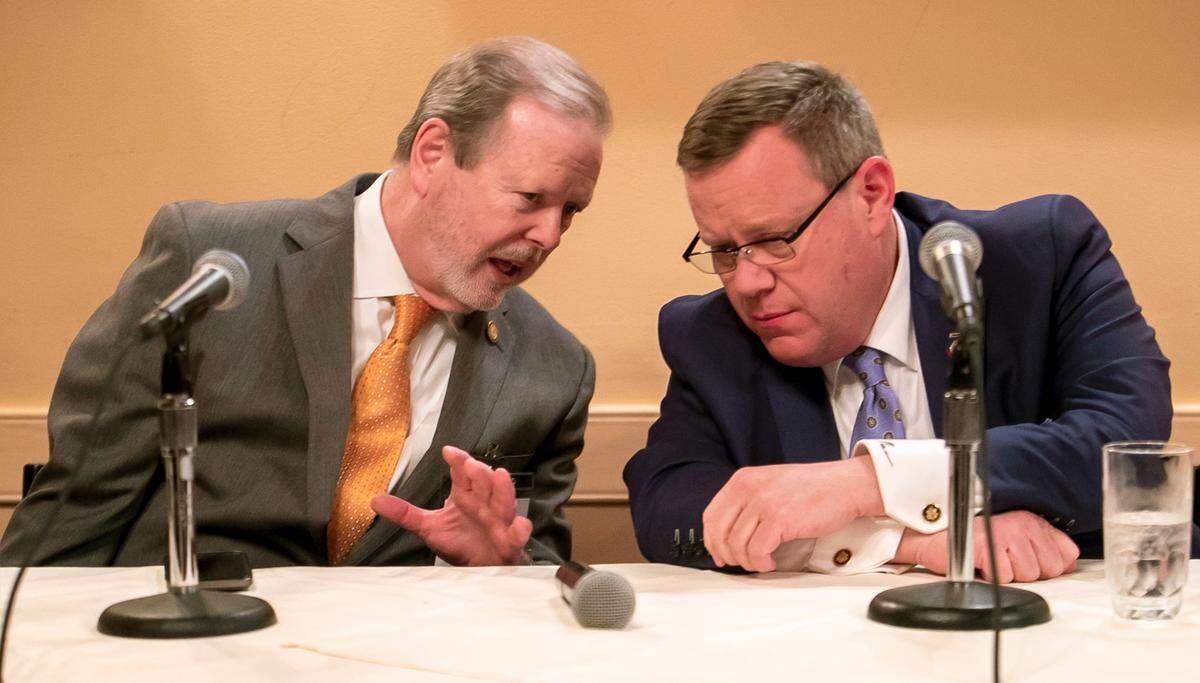
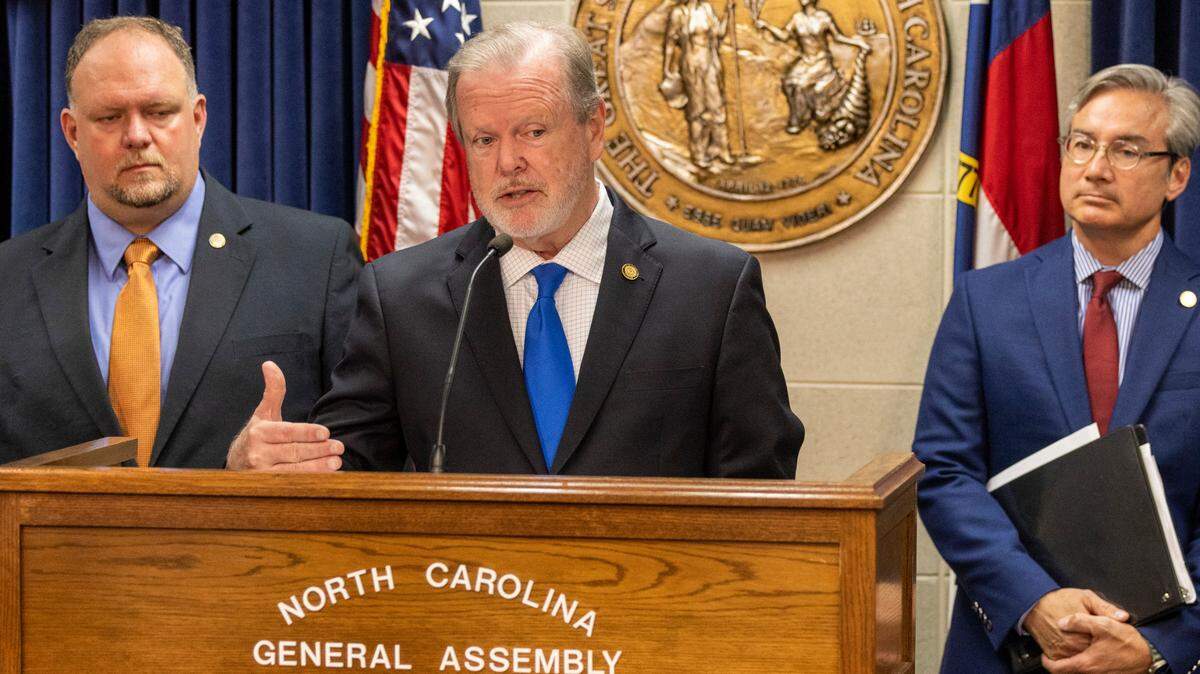
Senate leader Phil Berger, an Eden Republican, said he wants to move “as rapidly as possible with reductions in taxation.”
“The conversations I’ve had with with leadership in the House, with members in the House, leads me to believe that the house is prepared to to move forward with further reductions in in our taxes,” he said. “We’re still early in the session, we’ll see how that materializes.”
Berger is not concerned about potential long-term impacts of tax cuts on the state’s revenue. The latest revenue forecast shows a $3.25 billion surplus this year.
“I just firmly believe that as long as North Carolina continues to be a state that’s growing, and our economy continues to be expanding, that ultimately we’re going to see increased revenues to state coffers, even in an environment of lower tax rates,” Berger said. “And that’s what we’ve seen time and time again over the past 10 years.”
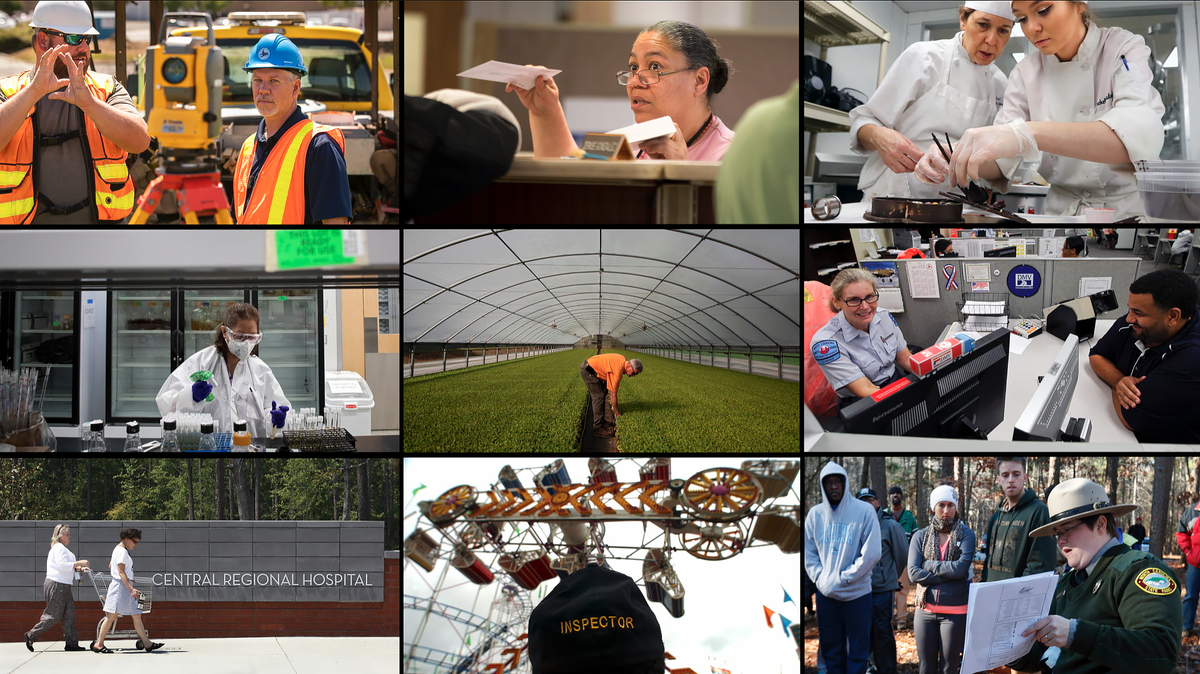
For raises, Berger and Moore have both said that pay could make a difference in state employees’ vacancies rates, which have been higher than 20% for the past year. Higher raises are being considered for harder-to-fill jobs like some in the Department of Correction and Department of Health and Human Services.
As far as what the amount of raises might be, Berger said it is “way too early to tell.”
Timeline for the state budget this spring
Here’s what needs to happen next for the budget to stay on schedule:
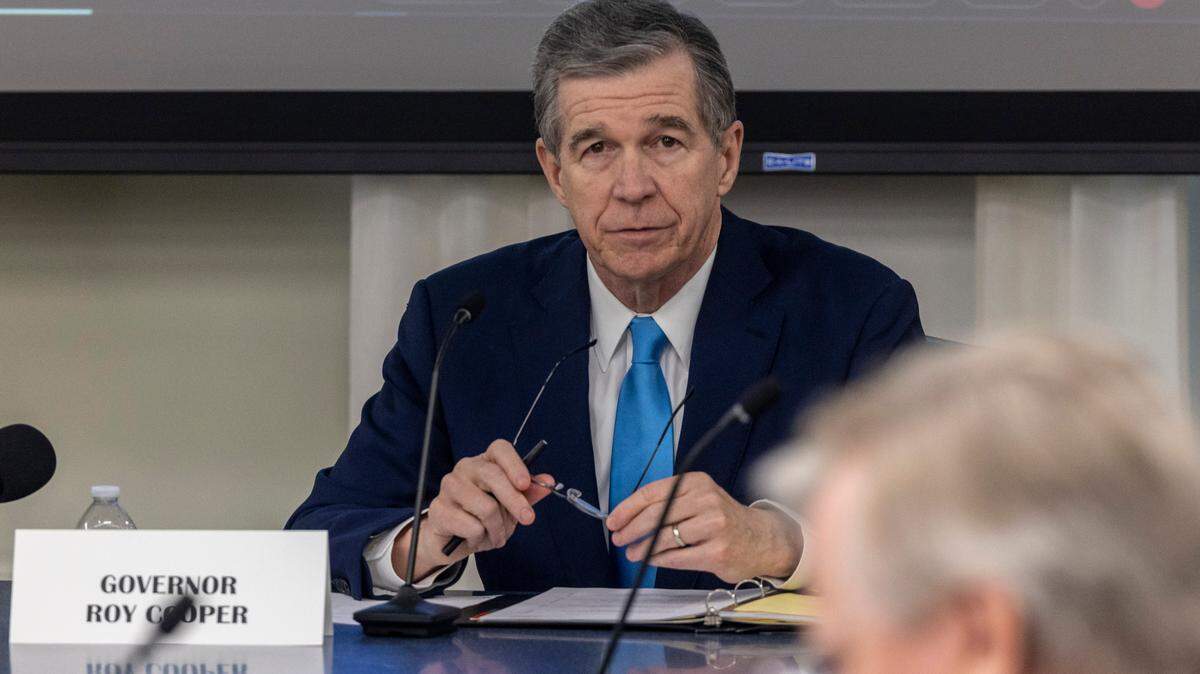
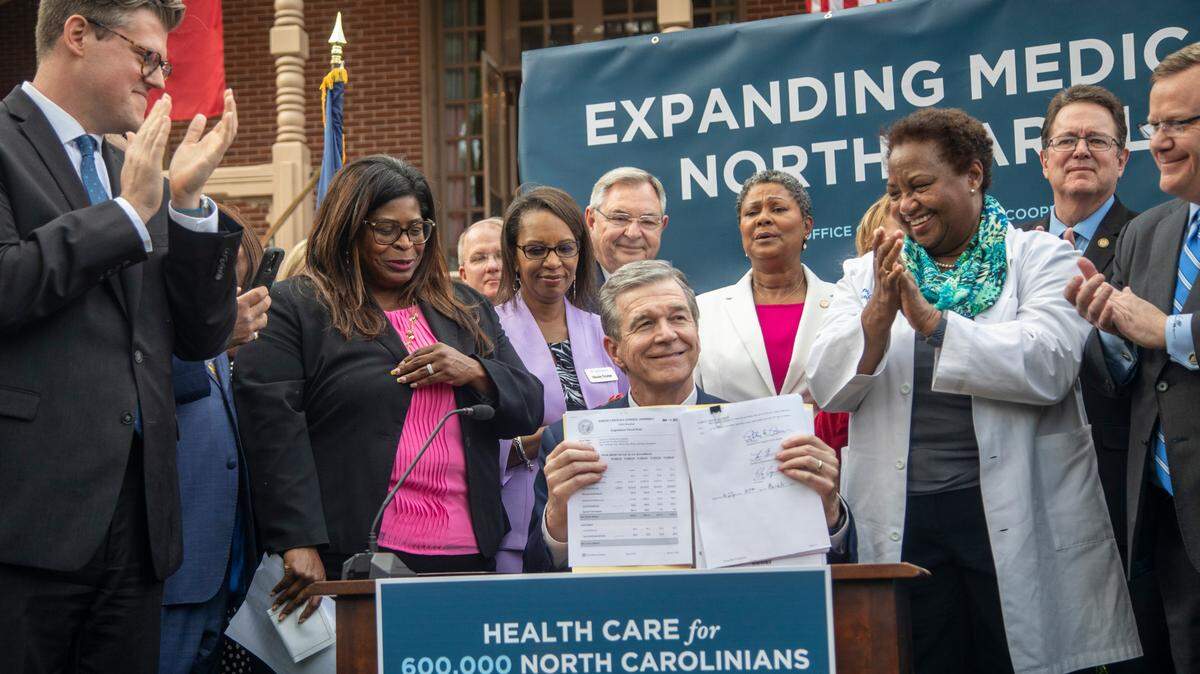
▪ North Carolina Governor Roy Cooper, a Democrat, releases his budget proposal in March. While Republicans have a supermajority in the Senate and nearly one in the House, they still factor in the governor’s requests in their budget bills. Cooper’s State of the State speech at the General Assembly is set for March 6.
▪ Appropriations/budget committees receive all their requests. That process has already begun. On Thursday, Department of Public Instruction Superintendent Catherine Truitt presented her agency’s request, saying that details of the amount of raises they want for principals and teachers will be forthcoming.
▪ Legislative staff do the work. Once all the budget requests are in, staff and lawmakers work on the actual bill outlining the spending plan.
▪ The legislative chambers agree on a spending amount. Another negotiation is the House and Senate agreeing on the total amount to spend in the budget. According to the joint revenue forecast from the legislature and the Office of State Budget and Management, North Carolina should have a $3.25 billion surplus, but that is non-recurring, one-time money.
▪ Both chambers must pass a bill. If the House passes its version of the budget in early April, the next step is for the Senate to roll out its own budget bill, too, and pass that.
▪ The final compromise budget, called the conference budget, is next. It comes once both chambers have passed their own budget bills. If the conference budget passes, it is sent to Cooper to sign, veto or let become law without his signature.
▪ Cooper can veto the final budget. If he does, the General Assembly can attempt to override it. Republicans are one vote away from a supermajority to do so.
The state budget has long been the source of standoffs between Democratic Gov. Roy Cooper and the Republican-controlled legislature. Two-year spending plans are supposed to be passed every other year. In 2019, the budget battle dragged out so long that it fizzled into several small budget bills. In 2021, the budget actually became law, but not until November, which was months into the fiscal year. Employees got their raises late.
This story was originally published February 23, 2023 at 5:15 PM with the headline "Could NC’s state budget, with tax cuts and raises, be early this year?."
.jpg)