‘Sleeping’ prehistoric ‘hunter’ found by amateur researchers. See the new species

More than a decade ago, a city in southern Japan began construction on a new public park, and Kaoru Matsubara and Takaharu Ohe took the opportunity to do some searching.
As members of an amateur research group, Sasayama-sougun wo shiraberu kai, the two dug through crushed rocks created by the construction to see what they could find — and spotted fossilized bones sticking out from the stones, according to a study published July 25 in the journal Scientific Reports.
They were part of the legs of a small dinosaur that researchers said is a new species.
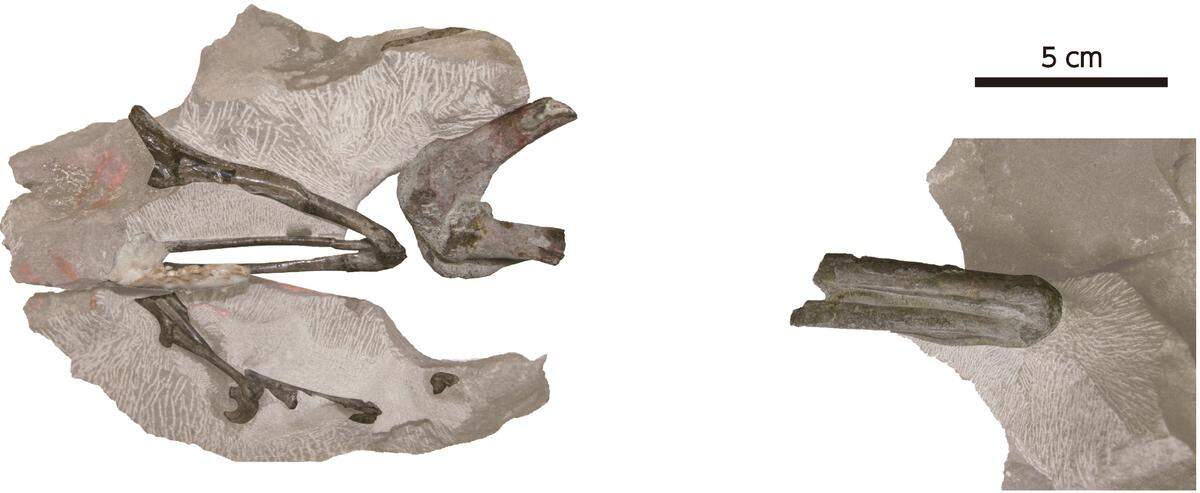
Nearly a year later, in July 2011 paleontologists with the Hyogo Museum of Nature and Human Activities went back to the site, hoping to find more bones.
They excavated the heel of the same animal, according to the study, and were able to put the pieces together.
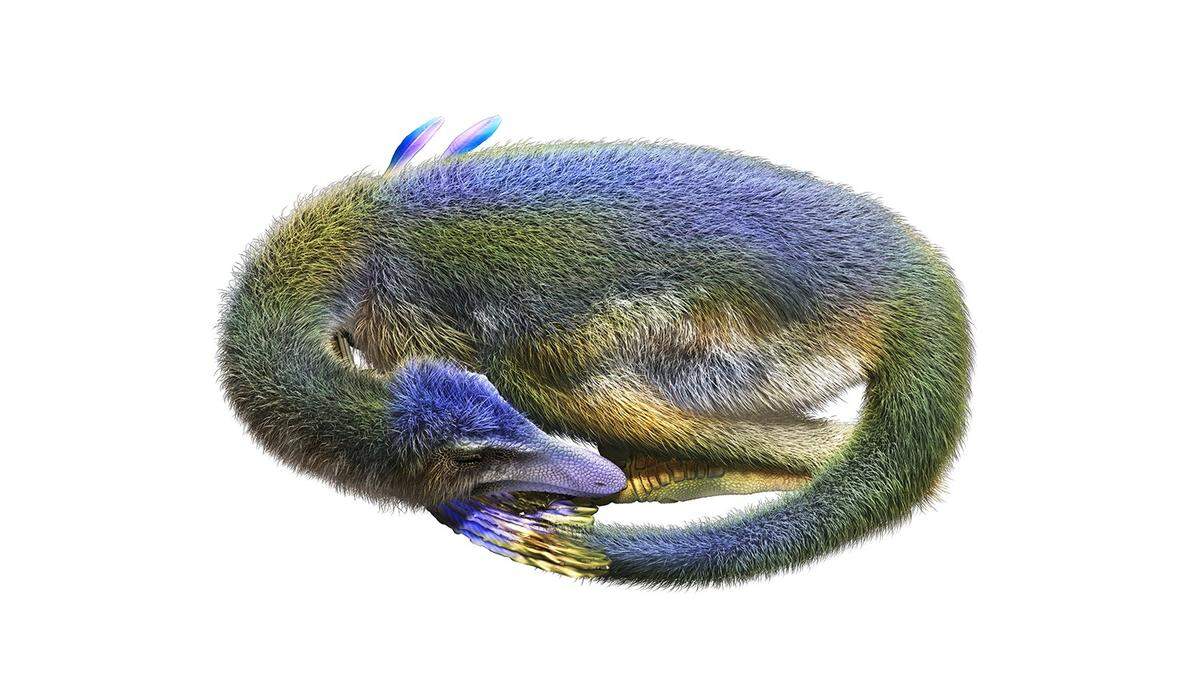
The animal appeared to be buried in the muddy sediment in a sleeping position, the researchers said in a news release from the museum, its body curled like a cat sleeping in the window.
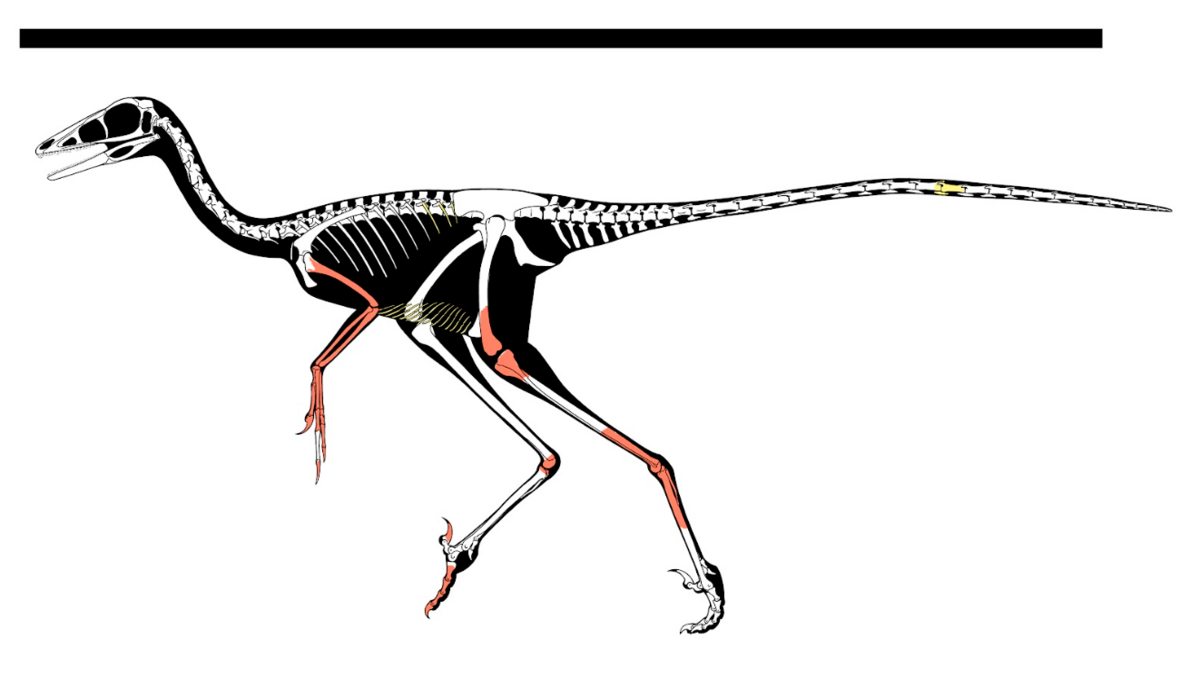
It was a species of troodontid, a type of small, slender and flightless dinosaur that walked on two legs, according to the study.
The species was named Hypnovenator matsubaraetoheorum, from the ancient Greek word “hypno” meaning “sleep” and the Latin word “venator” meaning “hunter” , according to the study. The second part refers to the last names of the two people who first discovered the block.
This species lived about 110 million years ago, researchers said, and had a few key differences in its biology that set it apart as a new species.
The fossils were mainly parts of joints and forelimbs, according to the study, which can tell paleontologists a lot about how the animal moved. In this case, researchers found that the outside toes of the troodontid were able to take the same force as the inner toes, according to the release, meaning pressure was exerted equally across the foot.
This means that the hypnovenator would have been able to run, researchers said, and may have been one of the first in its family to do so. The weight distribution also meant it was possible for troodontids to grow larger than they had before.
Troodontidae lived during the Middle Jurassic and northern Cretaceous periods, researchers said, and were spread across the northern hemisphere, according to the release.
A species previously found in China had preserved feathers, researchers said, and genetics suggest troodontids may be ancient ancestors of modern-day birds.
Since the species are small and have delicate skeletons, similar to birds today, well-preserved fossils are rare, and this species was the first troodontid to be definitively identified in Japan, according to the release.
The fossil was found in Tamba-Sasayama City in southern Japan, about a 40-mile drive west from Kyoto.
This story was originally published July 29, 2024 at 2:18 PM with the headline "‘Sleeping’ prehistoric ‘hunter’ found by amateur researchers. See the new species."