‘Taco-shaped’ creature used body to scoop prey. See the 500-million-year-old species

During the Cambrian Explosion, all biological “rules” went out the window.
The world’s oceans were filled with creatures testing the limits of evolution, caught in different stages of adaptation.
Some species looked similar to what we have today, like mollusks, and were evolving bodily systems that would withstand the test of time.
Others, however, looked more like something you would see in a sci-fi film than washing up on shore.
In the Canadian Rockies, paleontologists uncovered the fossils of one of these alien-like creatures more than a century ago, but they are still working to understand how its odd little body functioned.
“A new study, led by paleontologists at the Royal Ontario Museum is helping resolve the questions surrounding the evolution and ecology of Odaraia, a taco-shaped marine animal that lived during the Cambrian period,” according to a July 23 news release.
The study was published July 23 in the journal Proceedings B.
The researchers examined fossils discovered at the Burgess Shale, a fossil site just outside of Banff, according to the release.
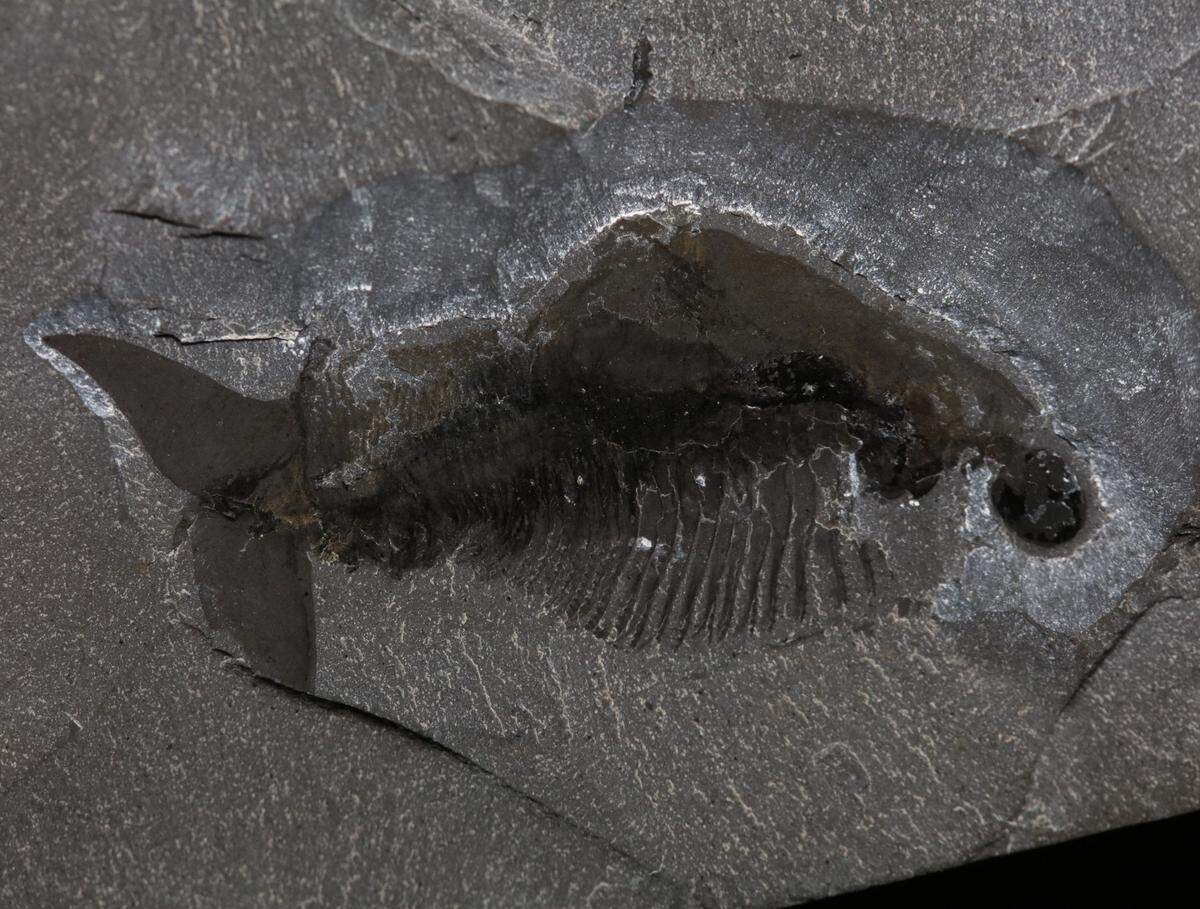
“The authors were able to identify a pair of large appendages with jagged edges near the mouth of Odaraia for feeding, clearly indicative of mandibles which are one of the key and distinctive features of the mandibulate group of animals,” according to the release.
Mandibulates lived around 500 million years ago, researchers said, and are an “example of evolutionary success.”
Mandibulate species “(represent) over half of all current species on Earth,” according to the release, including crabs, centipedes, bees and other species with head shields and carapaces.
Mandibulates are rarely found in the fossil record, according to the study, because they lack the hard parts like bones or cuticles that withstand the fossilization process.
Cambrian mandibulates were typically bottom-dwellers, researchers said, but there was a key feature in this species that made it unique.
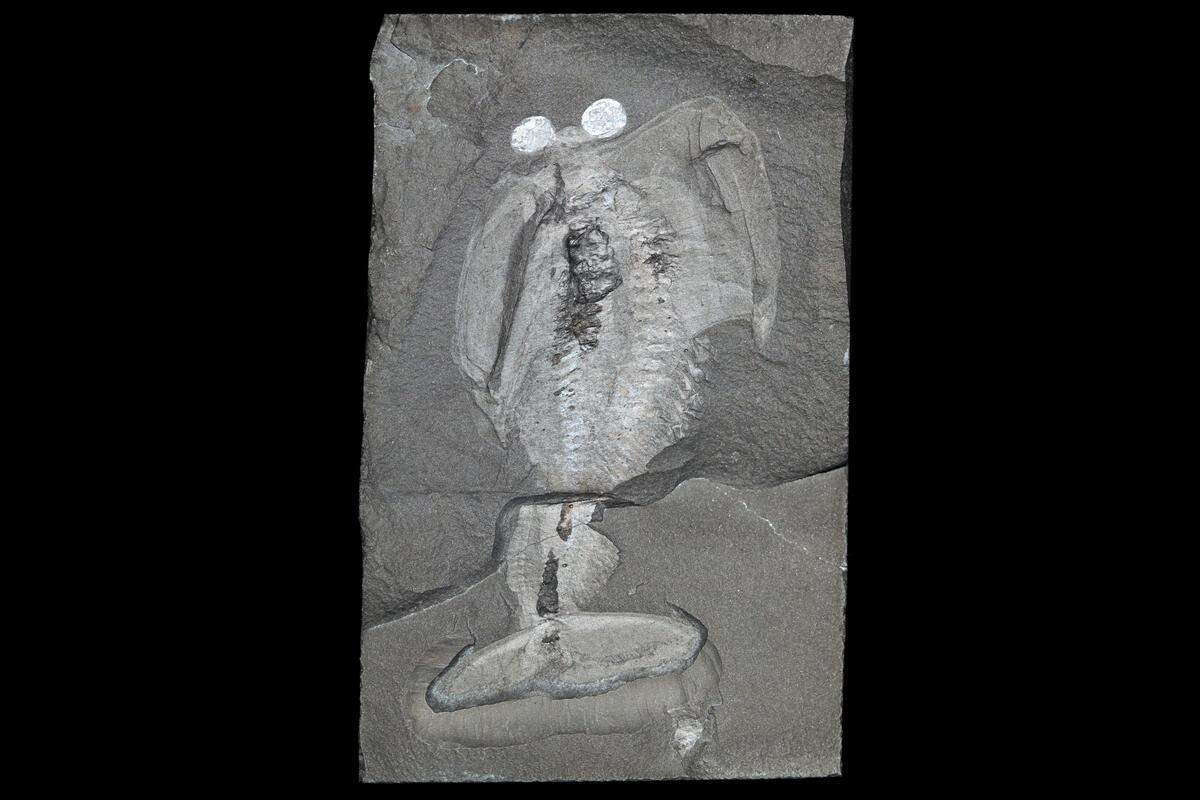
Previous studies, including one published in 1980, found that the head shield of the species envelops about half of the animal’s body and legs, but how the animal actually gathered food was still a mystery. Now, researchers can answer that question.
By studying 150 specimens, the researchers found an “intricate system of small and large spines,” that would have been held inside the outer “taco” shell.
“According to the authors, these spines could intertwine, capturing smaller prey as though a fishing net, suggesting how some of these first mandibulates were able to leave the sea floor and survive in the water column, setting the seeds for their future ecological success,” according to the release.
This particular species, about 8 inches long, is also considered of “substantial size for this time,” researchers said.
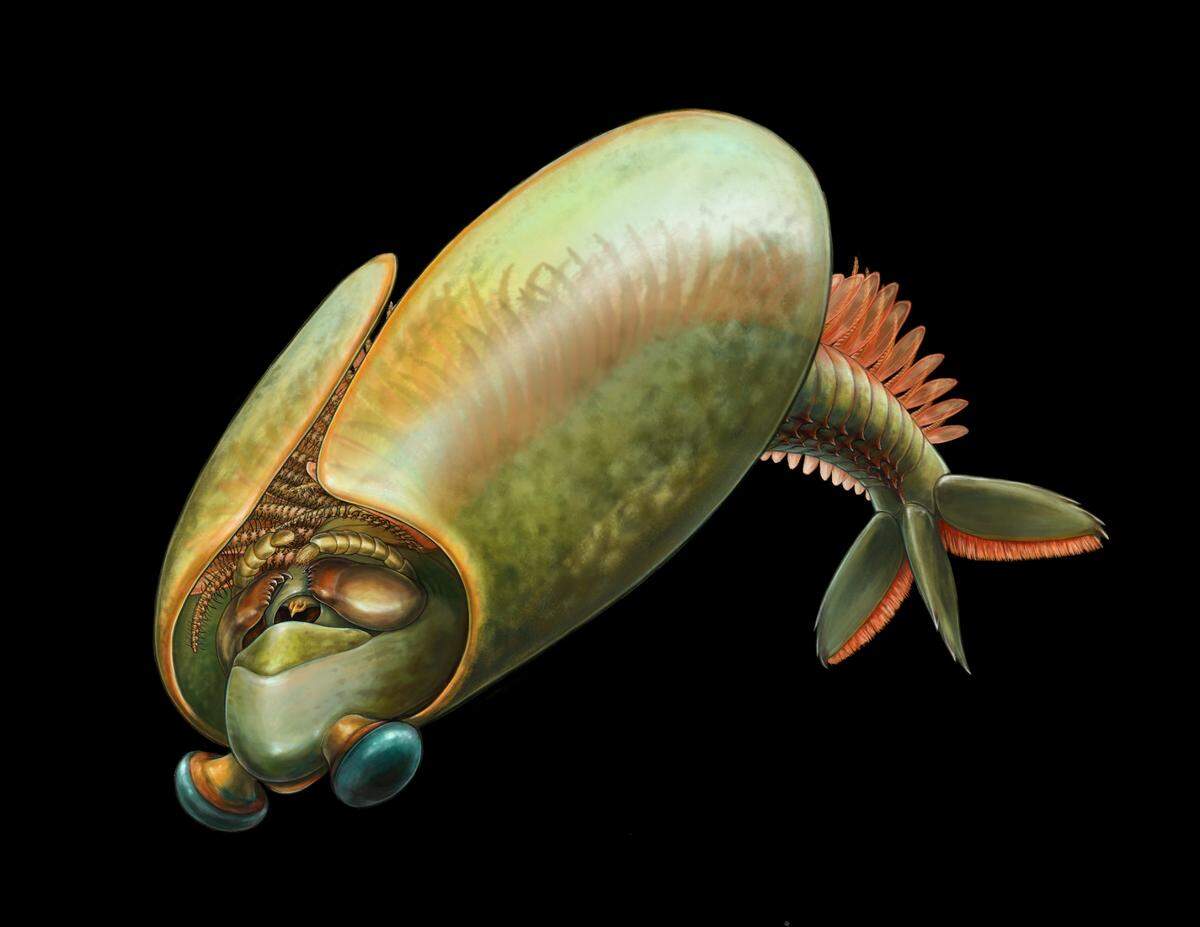
“Burgess Shale fossils are exceptional, as they preserve structures, animals and ecosystems that under normal conditions would have decayed and completely disappeared from the fossil record,” researchers said. “For over forty years Odaraia has been one of the most iconic animals of the Burgess Shale, with its distinctive taco-shaped carapace, its large head and eyes and a tail that resembles a submarine’s keel.”
Because the Odaraia could move out of the deep-sea, researchers believe it represents a time during the Cambrian period where food chains were developing for the first time in the water column, according to the study.
Burgess Shale is located in Yoho National Park in British Columbia, Canada.
This story was originally published July 23, 2024 at 7:00 PM with the headline "‘Taco-shaped’ creature used body to scoop prey. See the 500-million-year-old species."