Prehistoric bones found on UK cliff are ‘most complete’ in a century. See new species
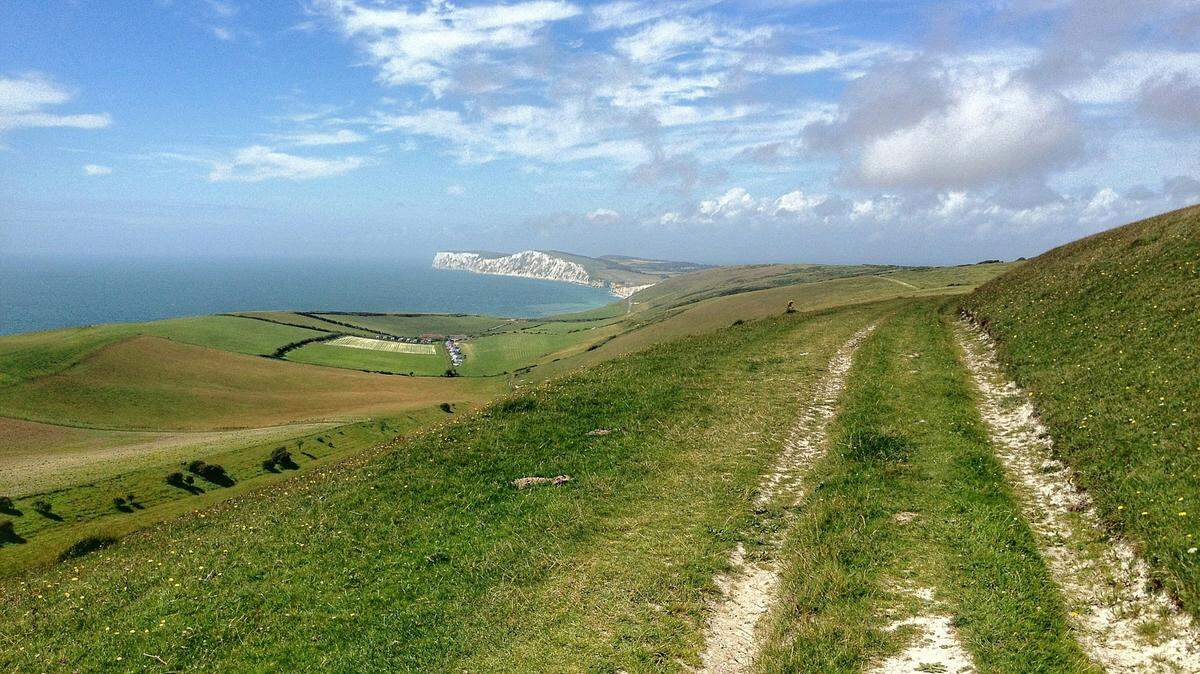
The Isle of Wight — a small island off the southern coast of England — is known for its sandy beaches and towering white cliffs.
The tourist destination attracts those seeking an escape from the hustle of the mainland as well as those hoping to take a step back in time.
The Dinosaur Isle Museum boasts an extensive collection of prehistoric bones, second only in the United Kingdom to the Natural History Museum in London, according to a July 10 news release from the Isle of Wight Council.
Inside the museum, bones from dinosaurs and other prehistoric species are gathered, exhibited and studied, many of which were discovered on the island, the council said.
Now, the museum has a new member — and it’s a species new to science.
Nick Chase, a fossil collector, was scouring the cliffs of Compton Bay more than a decade ago when he discovered the bones of a large dinosaur, the council said.
The site was excavated and some of the best-preserved dinosaur bones ever found in the country were exposed, according to a July 10 news release from the Natural History Museum.
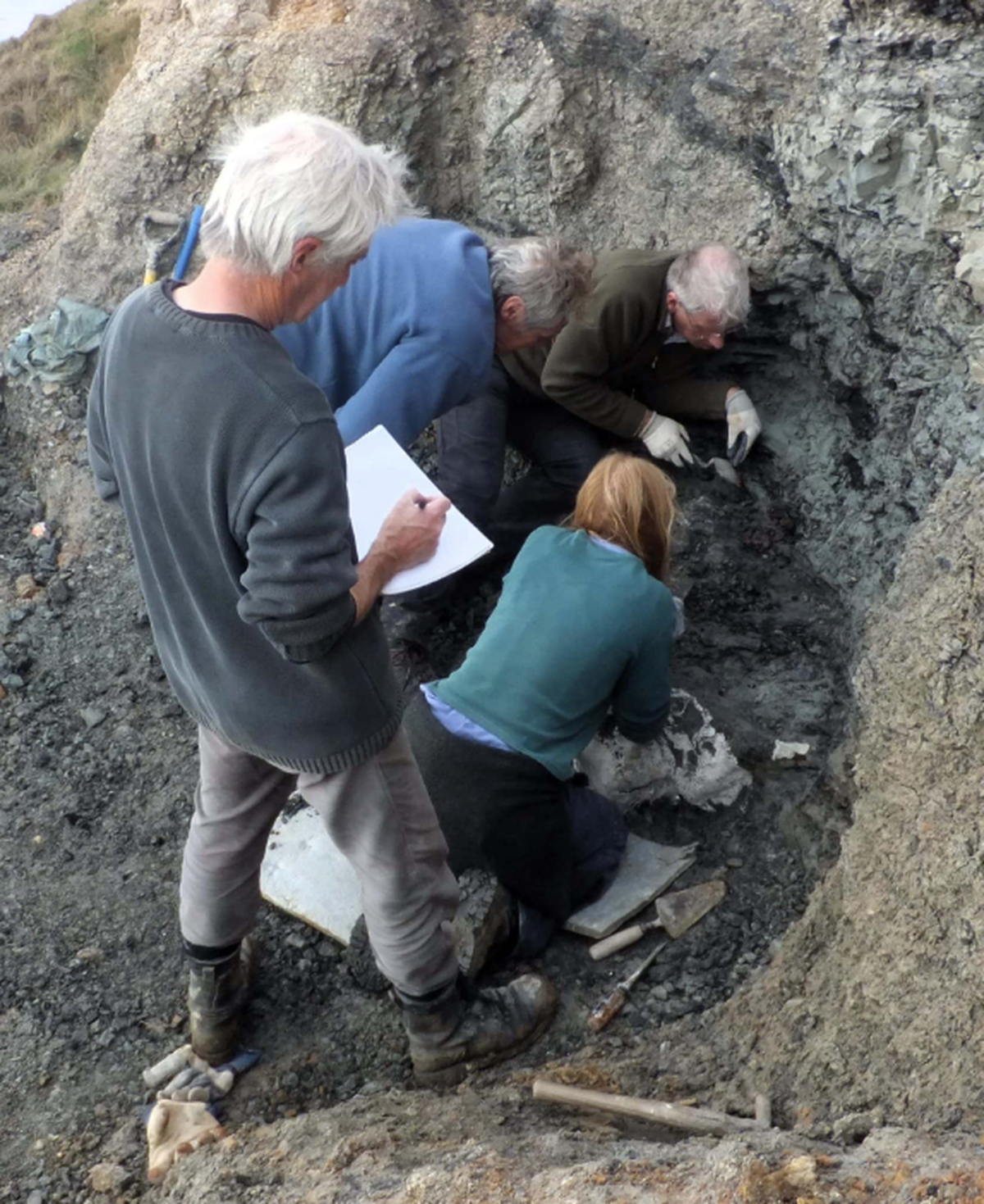
From 2013, more than 100 bones from the same animal were discovered and brought to the Dinosaur Isle Museum, according to a study published July 9 in the Journal of Systematic Palaeontology.
“Almost 150 bones have been unearthed, making it almost certainly the most complete new dinosaur found in Britain for 100 years,” study author Jeremy Lockwood said in the NHM release. “It leaves me with a mixture of excitement at having been able to deal with such a rare specimen and also a sense of relief.”
Lockwood, who is a retired physician and now a Ph.D. student at the University of Portsmouth, helped excavate the bones, then spent a decade analyzing the findings, according to the Isle of Wight council.
The bones belonged to an iguanodon dinosaur, a type of herbivorous reptile commonly called “cattle of the Cretaceous,” according to the NHM.
This iguanodon lived about 125 million years ago, according to the study, but there were a few features that didn’t match other known species.
The specimen had grooves across the tops of the teeth, according to the study, and morphological differences in the skull and shoulders.
The pubic hip bone, the size of a “dinner plate,” was also particularly big, according to the Isle of Wight Council.
“It was probably for muscle attachments, which might mean its mode of locomotion was a bit different, or it could have been to support the stomach contents more effectively, or even have been involved in how the animal breathed, but all of these theories are somewhat speculative,” Lockwood said.
One thing was clear. This was a new species.
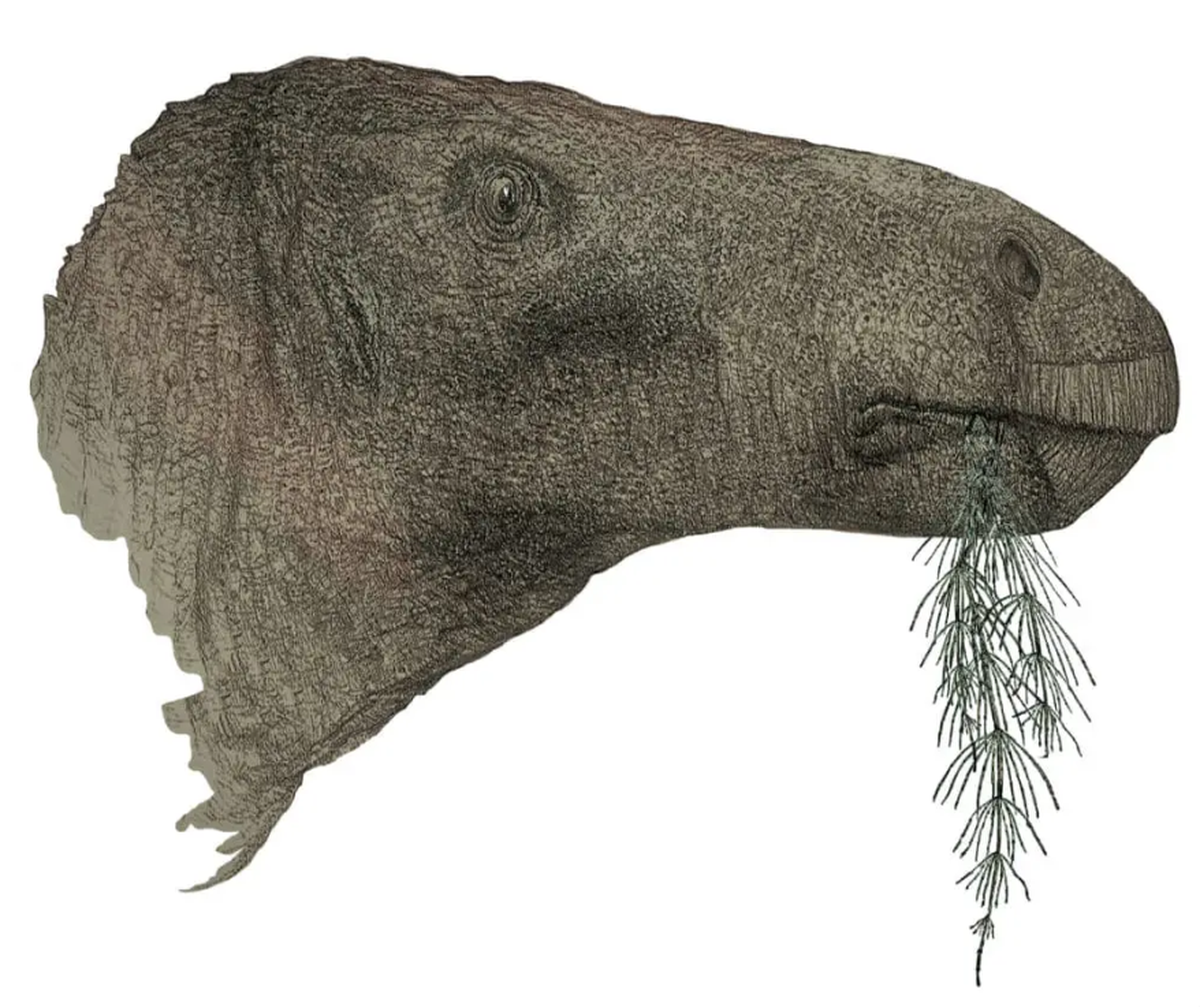
Comptonatus chasei, the genus meaning the “Compton thunderer” from the cliffs where it was discovered and the large size of the animal, was about the size of an American bison, according to the study.
The species name, chasei, honors the discoverer who later died of cancer, the council said.
“Nick had a phenomenal nose for finding dinosaur bones — he really was a modern-day Mary Anning. He collected fossils daily in all weathers and donated them to museums. I was hoping we’d spend our dotage collecting together as we were of similar ages, but sadly that wasn’t to be the case,” Lockwood said. “Despite his many wonderful discoveries over the years, including the most complete iguanodon skull ever found in Britain, this is the first dinosaur to be named after him.”
Comptonatus chasei likely traveled around in herds, like other iguanodons, according to the NHM, and was nearly fully grown when it died at 6 years old.
The cliffs used to be part of an ancient floodplain, the museum said, and the dinosaur likely died further up the hills before rain washed it towards the sea and buried the body for more than 120 million years. Today, that floodplain ends at the cliffside.
“Recent discoveries suggest that we have been overlooking the fact that the iguanodontians were relatively diverse,” Lockwood said. “However, it’s unclear whether this is because they evolved faster than previously thought, or that many species existed side by side. This is the next big question we need to try and answer to understand these dinosaurs.”
The Lancaster City Museum, in northwest England, worked with engineers to 3D print a scale model of an iguanodon for an upcoming “DinoFest” July 13 and 14. Photos of the recreated species were posted on Facebook, and show how iguanodons stood on four legs with a long tail to balance their bodies.
The Isle of Wight is in the English Channel off the southern coast of Portsmouth.
This story was originally published July 10, 2024 at 5:02 PM with the headline "Prehistoric bones found on UK cliff are ‘most complete’ in a century. See new species."