100-million-year-old ‘sand dragon’ discovered in Gobi Desert. See the new species
The Cretaceous period is known for its prehistoric titans like the Tyrannosaurus rex and Triceratops — and as the last dinosaur age.
Spanning from 145 million years ago to 66 million years ago, the time saw the beginning of the end for some of Earth’s largest species and the breakup of the supercontinent Pangea.
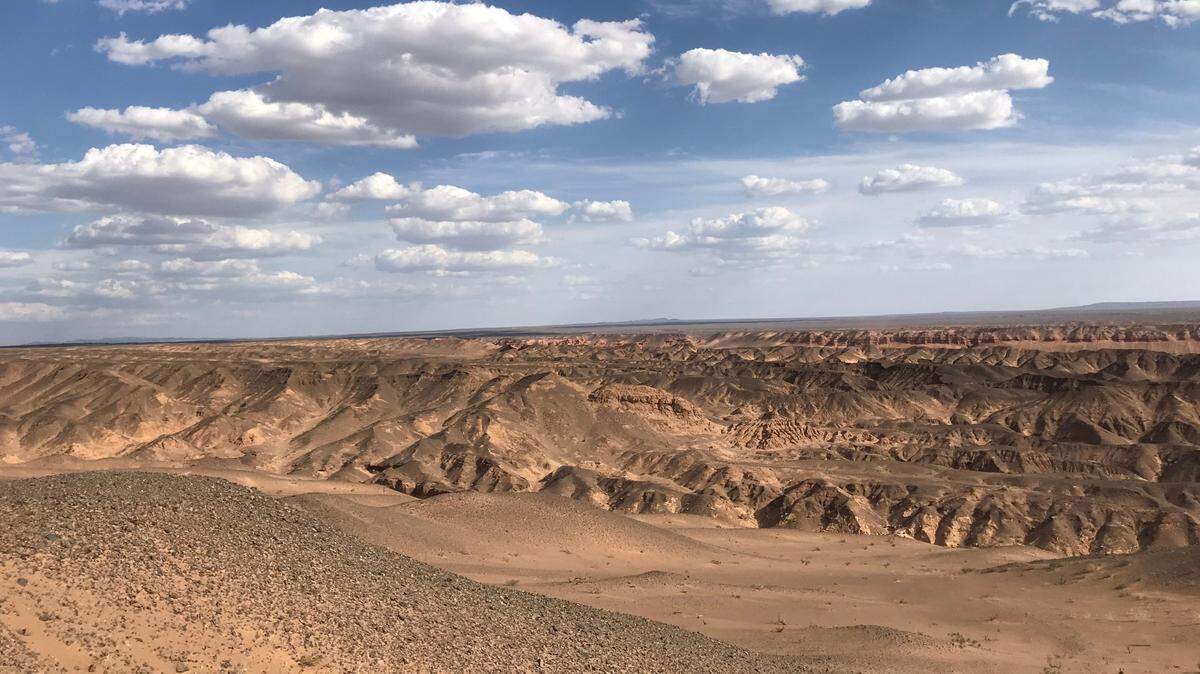
Evidence of this biologically rich era can be found across the planet, particularly in the Nemegt Basin of the Mongolian Gobi Desert.
Today, the landscape looks barren, but about 100 million years ago, it was teeming with life.
In 2018, a paleontological expedition battled the arid environment to dig through sediment on the hunt for fossils, according to a study published July 15 in the Journal of Vertebrate Paleontology.
It wasn’t long until pieces of hind limb bones emerged from the dirt, according to the study, and researchers started to notice that they didn’t match anything found before.
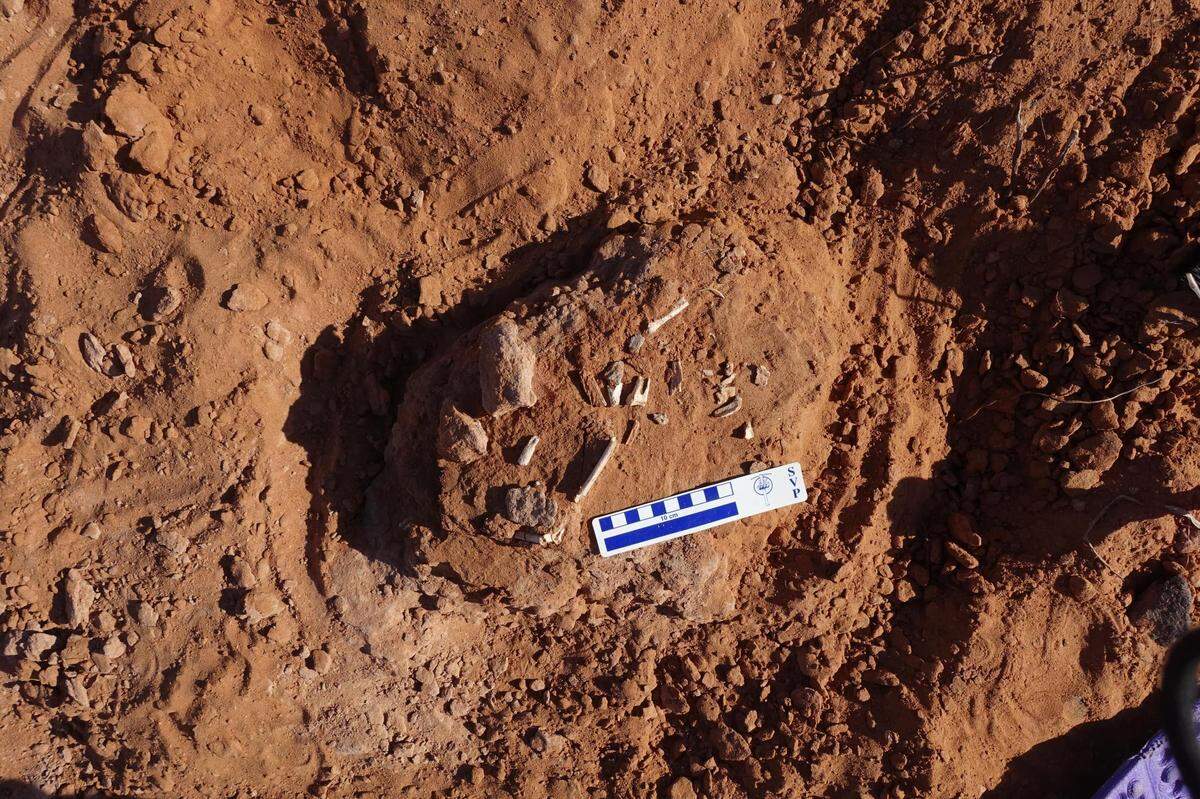
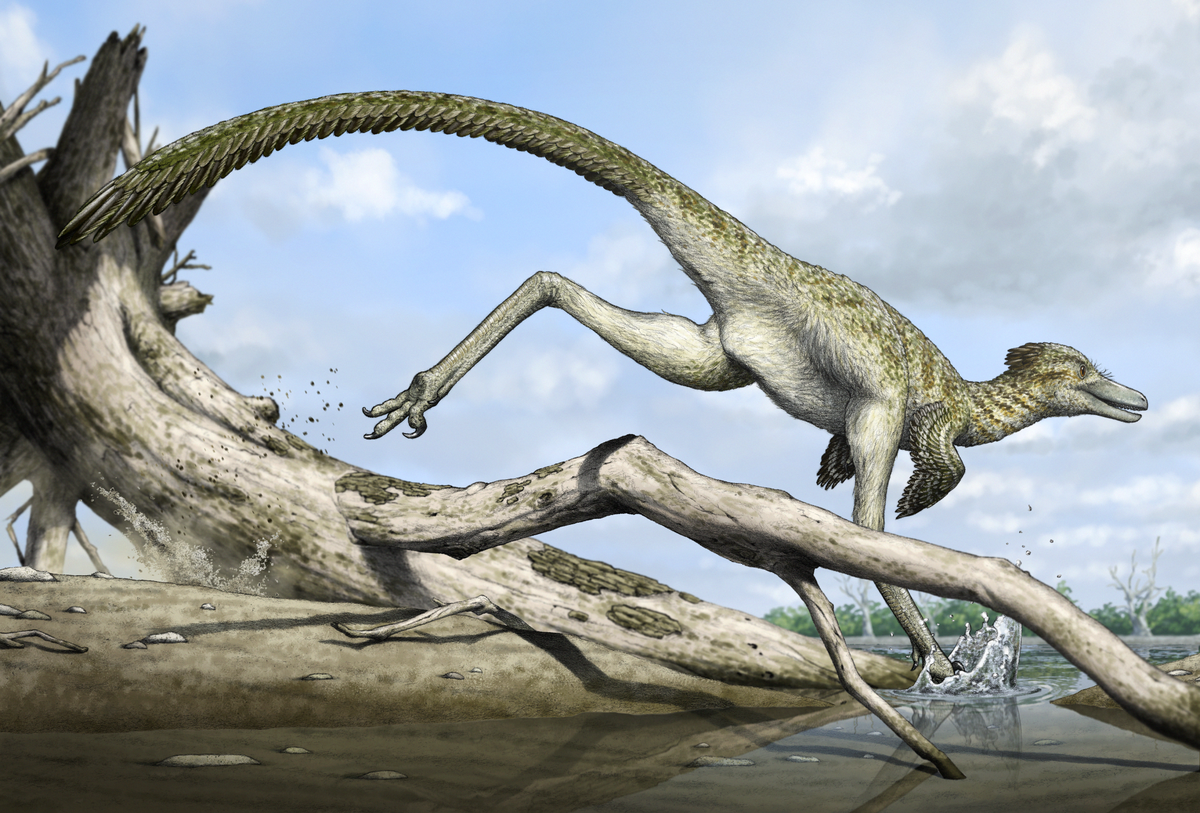
The researchers knew that the bones belonged to a species of troodontid, a type of small, roadrunner-like dinosaur once thought to be an ancient ancestor of modern-day birds, according to the University of Berkeley.
But, when they compared the bones to other known species, there were a few key differences.
First, the tarsometatarsus, or a long bone in the foot, showed “extreme slenderness,” compared to other dinosaurs that ran quickly on their hind legs, according to the study.
The species was likely quick on its feet, researchers said, making it well adapted to hunt mammals and escape “agile” predators.
The fossilized bones were also smaller and missing some of the key features on the toes, according to the study.
This was a new species, and it was named Harenadraco prima.
“The name of the genus is a composition of the Latin words harena (sand) and draco (dragon). The species name ‘prima’ means first in Latin, referring to the taxon being the first troodontid from the Baruungoyot Formation,” according to the study.
“The Baruungoyot Formation exhibits a diverse vertebrate fauna that is rich in dinosaurs,” researchers said. “... One exception to this has been Troodontidae, as Harenadraco is the first reported troodontid from the Baruungoyot Formation, and each of the other two formations has yielded multiple troodontid taxa.”
Researchers said the lack of a “sand dragon” species in this geological area was previously believed to be because the troodontids did not live here during the upper Cretaceous, according to the study. Now, the discovery of the first sand dragon suggests that the “gap” in paleontological record is simply because the bones haven’t been found yet, not because they don’t exist.
The fossils of the Harenadraco were “fragile,” which may explain why other bones have not yet been found, according to the study.
The Nemegt Basin is in the northwestern Gobi Desert in southern Mongolia.
This story was originally published July 18, 2024 at 4:20 PM with the headline "100-million-year-old ‘sand dragon’ discovered in Gobi Desert. See the new species."