How to survive this scorching NC summer, even if you don’t have air conditioning
READ MORE
NC heat wave and how to deal with the heat
A heat wave in North Carolina is in full swing. As temperatures rise, The News & Observer provides tips on how to beat the heat and answers frequently asked questions.
Expand All
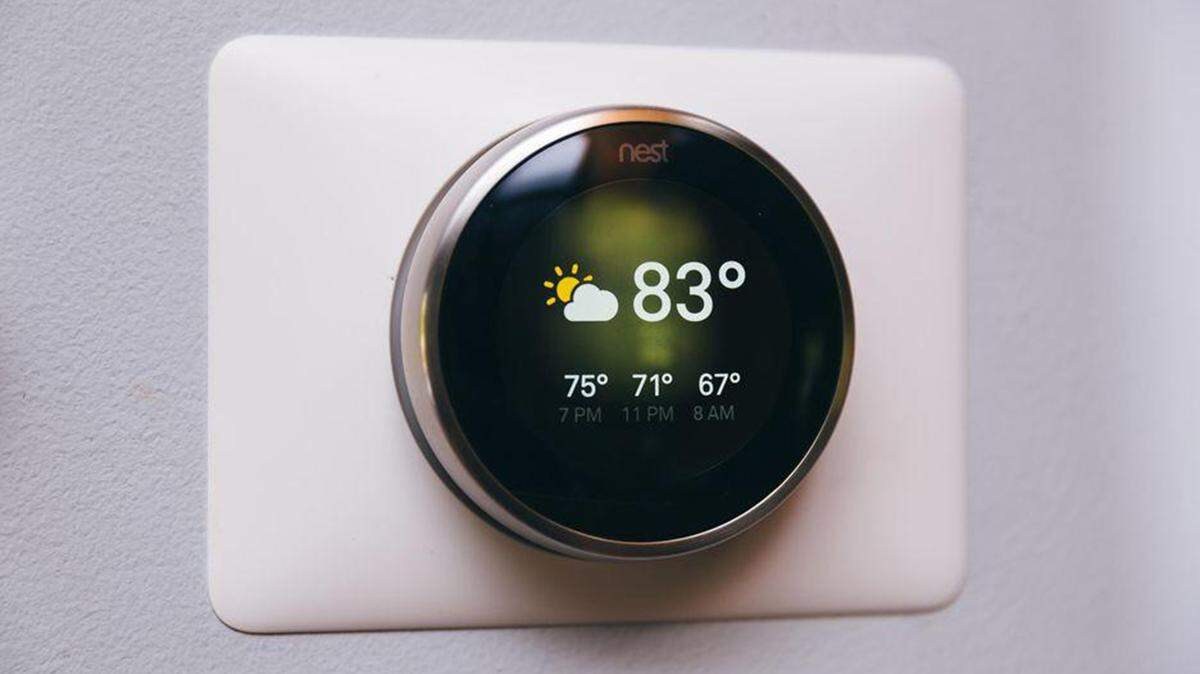
Summer has officially started and, as forecasters predicted, hot weather has arrived in the Triangle.
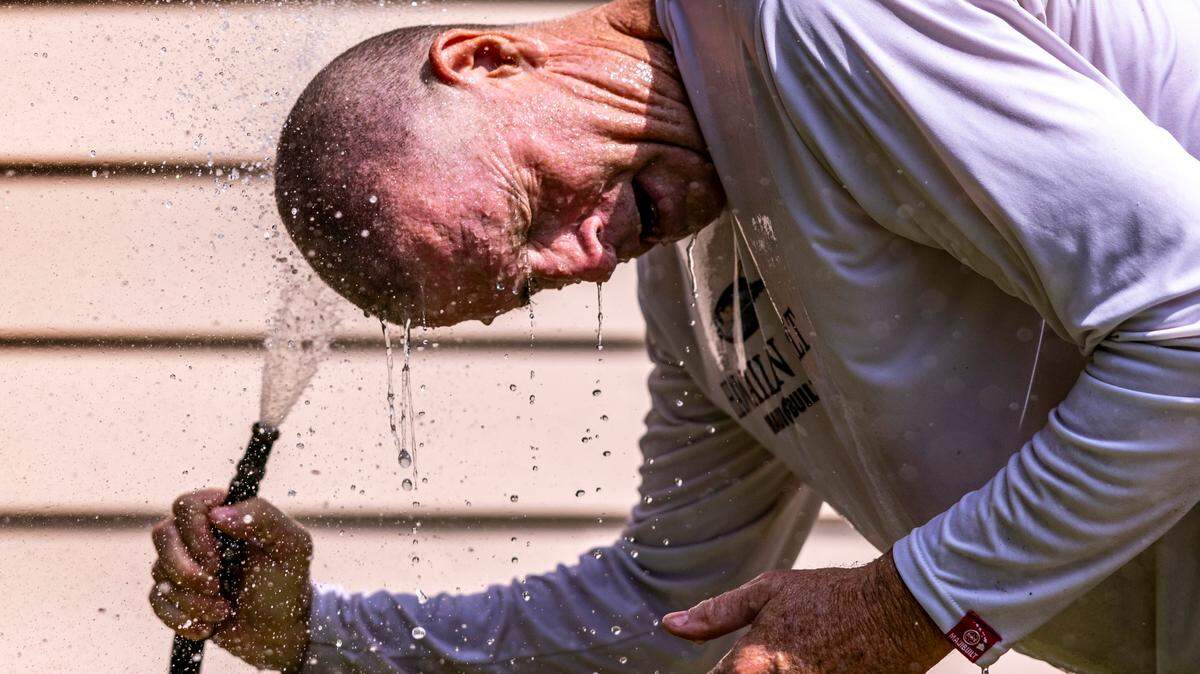
For many, the season comes with cold drinks and treats and pool days. But extreme heat is real and can cause heat exhaustion or heat stroke.
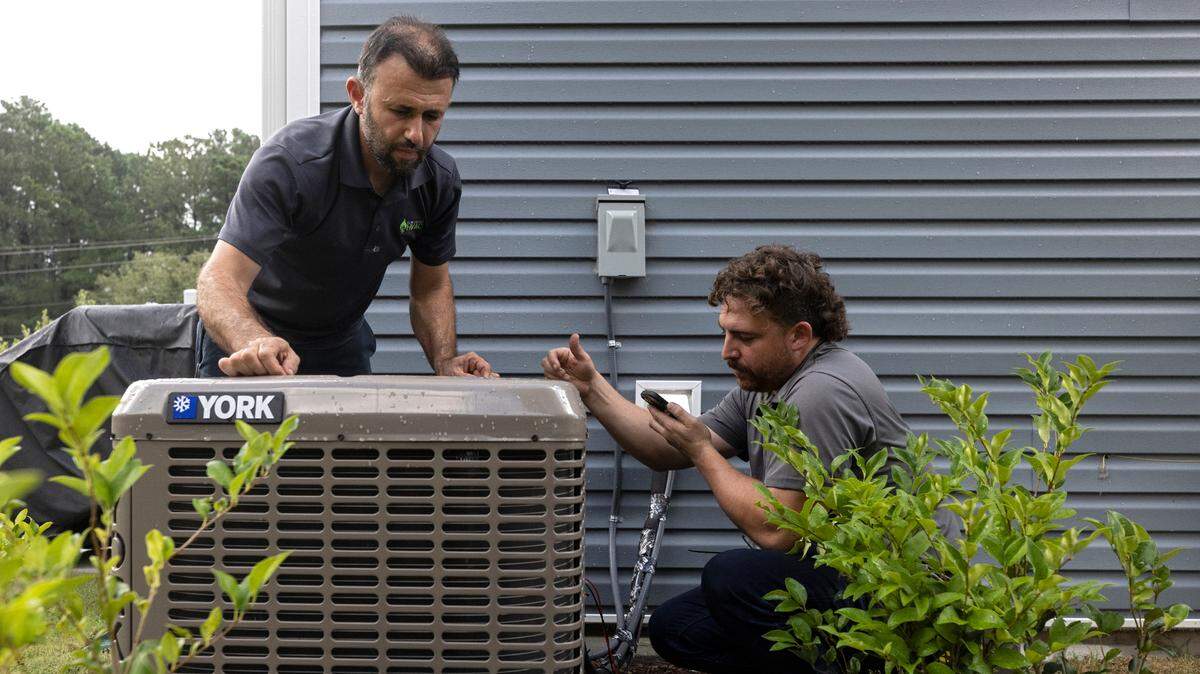
Staying in the air conditioning is a great way to avoid heat-related illnesses. But not everyone has access to air conditioning.
Here are a few tips to try to stay cool without it.
Find places that do have air conditioning
If you don’t have air conditioning in your home, try to find a place that does have it. According to the Centers for Disease Control and Prevention, spending just a few hours in a mall or public library, for example, makes a difference.
In Wake County, public libraries, regional centers and health and human services centers can be used as cooling stations, The News & Observer previously reported.
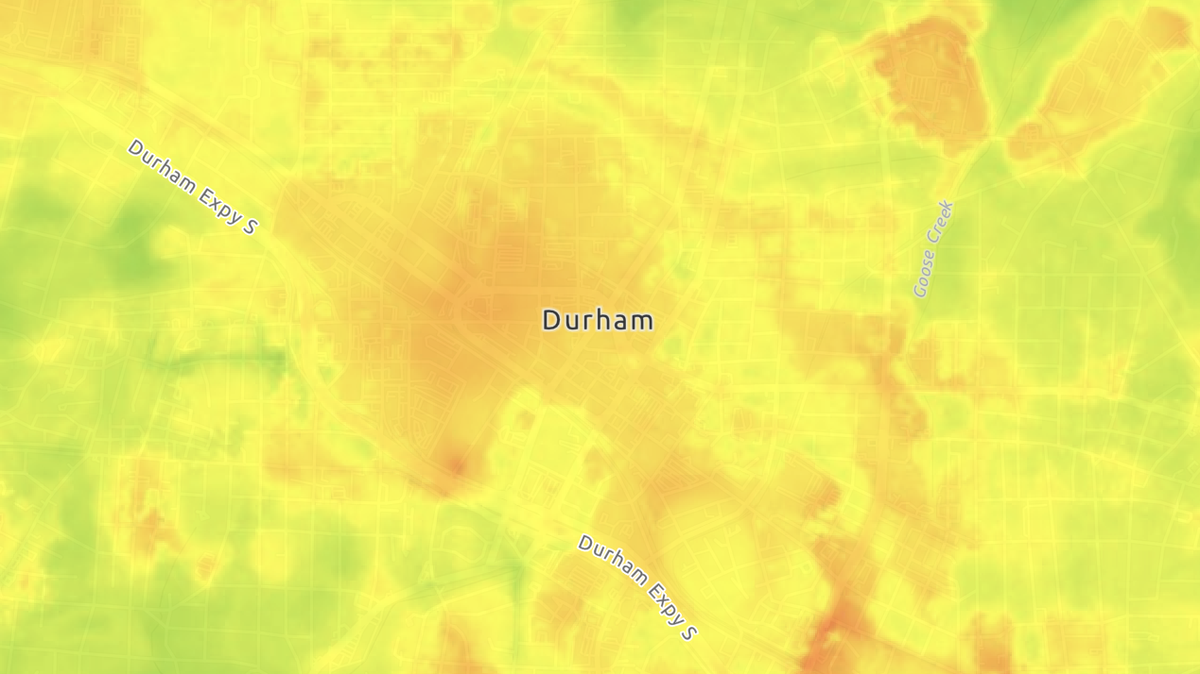
Durham County’s Main Library (300 N. Roxboro St.) and Southwest Regional Library (3605 Shannon Road) are open as cooling centers 9:30 a.m.-8 p.m. June 25-26.
What you can do at home
The CDC provides several tips for steps you can take at home to cool off:
- Take cold showers or baths.
- Limit use of stoves or ovens. This will help keep the temperature of your home cooler.
- Drink plenty of water. Don’t wait until you’re thirsty to drink it.
- Cut back on alcoholic or sugary drinks, which may make you lose more body fluid.
- Don’t just rely on fans. Electric fans can make you feel more comfortable, but they won’t prevent heat-related illnesses when temperatures soar.
- Avoid hot or heavy meals, which add heat to your body.

What to do if you need to go outside
Many of us need to venture outside our homes for some reason, including for exercise or to walk the dog. The CDC offers suggestions on best practices for how to go about it.
- Try to go outside during the coolest times of day, during morning and evening hours.
- Rest often in the shade.
- Wear lightweight, loose clothing and wide-brimmed hats.
- Use sunscreen (and don’t forget to reapply). Sunburn affects the body’s ability to cool and can cause dehydration.
Keep an eye on yourself and others
Heat-related illnesses, including heat stroke, heat exhaustion, heat cramps, sunburn and heat rash, affect the body in different ways. And sometimes, these conditions may require medical help.
It’s important to know the symptoms and treatment options for heat-related illnesses.
The CDC recommends checking in on friends, family members and coworkers during a heat wave, especially if they’re 65 years or older or if they’re working outside.
Other people who are at high risk of suffering from heat-related illnesses, according to the CDC, include infants and young children, people who are overweight, those who overexert during work or exercise and folks who have heart disease or high blood pressure.
The News & Observer’s Kimberly Cataudella Tutuska contributed to this story.
This story was originally published June 26, 2024 at 6:00 AM with the headline "How to survive this scorching NC summer, even if you don’t have air conditioning."