Are you having heat stroke? UNC emergency doctor explains how to tell and what to do
READ MORE
NC heat wave and how to deal with the heat
A heat wave in North Carolina is in full swing. As temperatures rise, The News & Observer provides tips on how to beat the heat and answers frequently asked questions.
Expand All
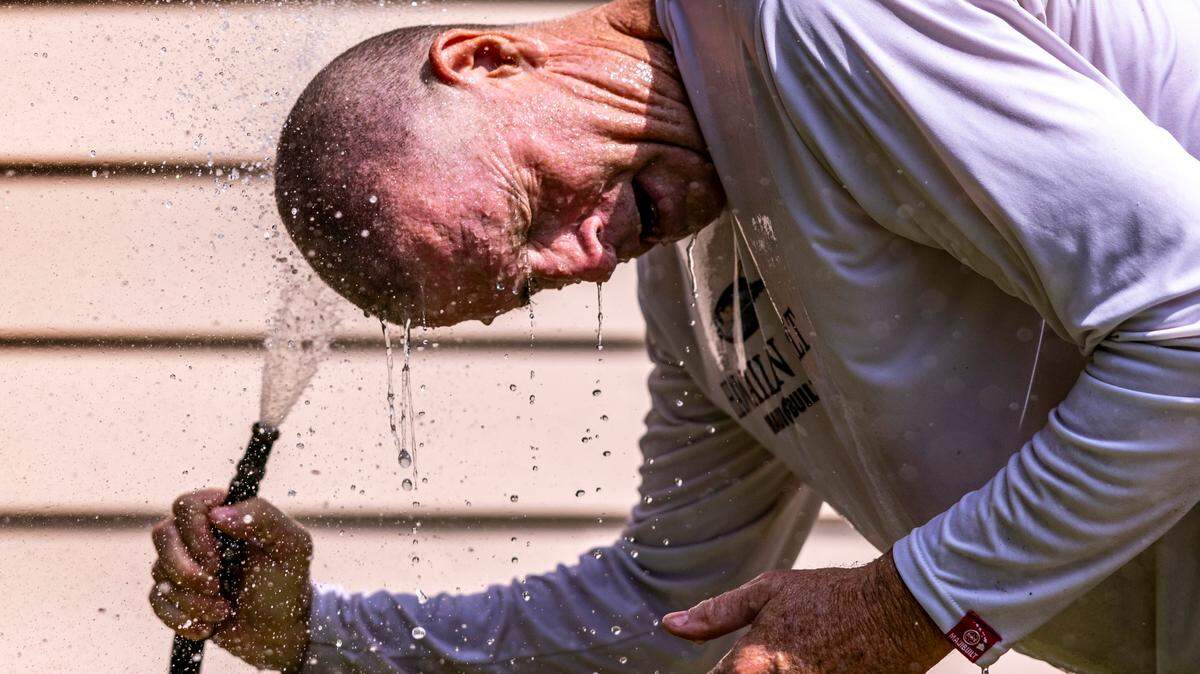
Heat-related illnesses can be serious. This week, with Raleigh’s temperatures soaring, we’re under a heat advisory for “dangerously hot weather.”
During these periods of extreme heat, it’s important to know the signs and symptoms of mild, moderate and severe heat-induced illnesses, ranging from heat rash to heat stroke.
If you suspect you or someone else is suffering with a severe heat-induced illness, call 911 right away.
The News & Observer spoke with Dr. Ryan Lamb, an emergency physician at UNC Rex Healthcare’s Raleigh and Holly Springs hospitals, a couple summers ago to learn more about spotting early signs of heat-related illnesses. Here’s what to know.
How can you tell if you have heat stroke, heat exhaustion or another heat-related illness?
“It can be difficult to determine heat-related illness from other illnesses, so it takes knowing the history or seeing someone in the right environment,” Dr. Lamb said.
▪ A minor heat-induced illness can look like heat cramps, heat edema (swelling) or heat rash, as well as syncope (passing out) or tachycardia (elevated heart rate over 100 beats per minute).
▪ A moderate heat-induced illness can include heat exhaustion, as well as nausea, fatigue and possibly syncope. Symptoms will feel like the flu, or like you ate something spoiled. Nausea will usually come first.
“Get concerned when you see someone not wanting to drink when it is clearly very hot outside,” Dr. Lamb said.
▪ A severe heat-induced illness includes heat stroke, which typically occurs when temperatures are above 40°C (or 104°F).
“With heat stroke, your body can’t cool down,” the Division of Institutional Integrity and Risk Management at UNC-Chapel Hill wrote. Symptoms can include confusion, fainting, seizures or very high body temperature. Heat stroke can look like hot, dry skin or profuse sweating.
“Altered mental state is the key feature here. If someone is having a heat-related illness and they are confused, it is a dire emergency,” Dr. Lamb said. “It leads to multi-organ failure.”
What to do if you suspect a heat-related illness?
How quickly the severity of a heat-related illness progresses is different for everybody, and sometimes knowing where they are on the spectrum of illness is difficult.
But there are still steps to take to stop the progression.
“You can stop the progression by removing someone from the heat and starting the cooling process,” Dr. Lamb said.
Here’s more on how to do that.
▪ First, remove the patient from the hot environment, and minimize exertion. Initiate cooling measures immediately, if suspected. These are some cooling measures:
▪ Ice water immersion: Most effective in a pre-hospital setting, Dr. Lamb said. This is also used for classic heat stroke at mass gatherings, like concerts.
▪ Cold IV fluid, cooling blankets, ice packs: These are for supplemental cooling techniques, which are minimally effective on their own, Dr. Lamb said. Cold packs to the cheeks, palms and soles are more effective than to the neck, groin and armpit.
▪ Evaporative cooling: This is the most effective and practical cooling method in a hospital setting, Dr. Lamb said. Spray the unclothed, uncovered patient with tepid mist. Direct air from fans upward toward the patient, and continue cooling until their core temperature is 38°C (100.4°F).
▪ Avoid painkillers: Non-steroidal anti-inflammatory drugs and acetaminophen are not effective, and they may worsen organ failure, Dr. Lamb said.
Are heat-induced illness symptoms different in adults vs. children?
Not really. “Just that the very old and very young cannot articulate or recognize the symptoms and need to be observed more carefully,” Dr Lamb said.
Should you seek medical attention for a heat stroke, heat exhaustion or another heat-related illness?
“Yes. For heat stroke, you need to be cooled very rapidly, and this is a 911, lights and sirens, code emergency that requires aggressive care,” Dr. Lamb said.
“Others are an urgent issue. Some can be managed at home, but when in doubt, seek care in the ER.”
Tips for avoiding heat-related illnesses in high temperatures
Dr. Lamb offers these additional tips:
▪ “Staying hydrated is very important.
▪ “Proper clothing, avoid peak times of the heat, check on family who may not be as aware of what is occurring to their bodies.
▪ “Don’t fall into traps that if someone is sweating then they are OK — this is not true. You might be sweating and awake but still developing or in heat stroke.
▪ “If you plan to be in the heat, prepare yourself with ice, water, etc. And educate yourself on the signs of heat-related illness.”
This story was originally published June 24, 2024 at 2:46 PM with the headline "Are you having heat stroke? UNC emergency doctor explains how to tell and what to do."