‘Don’t forget us now’: 3 Western NC towns hard hit by Helene still picking up pieces
READ MORE
Healing from Helene
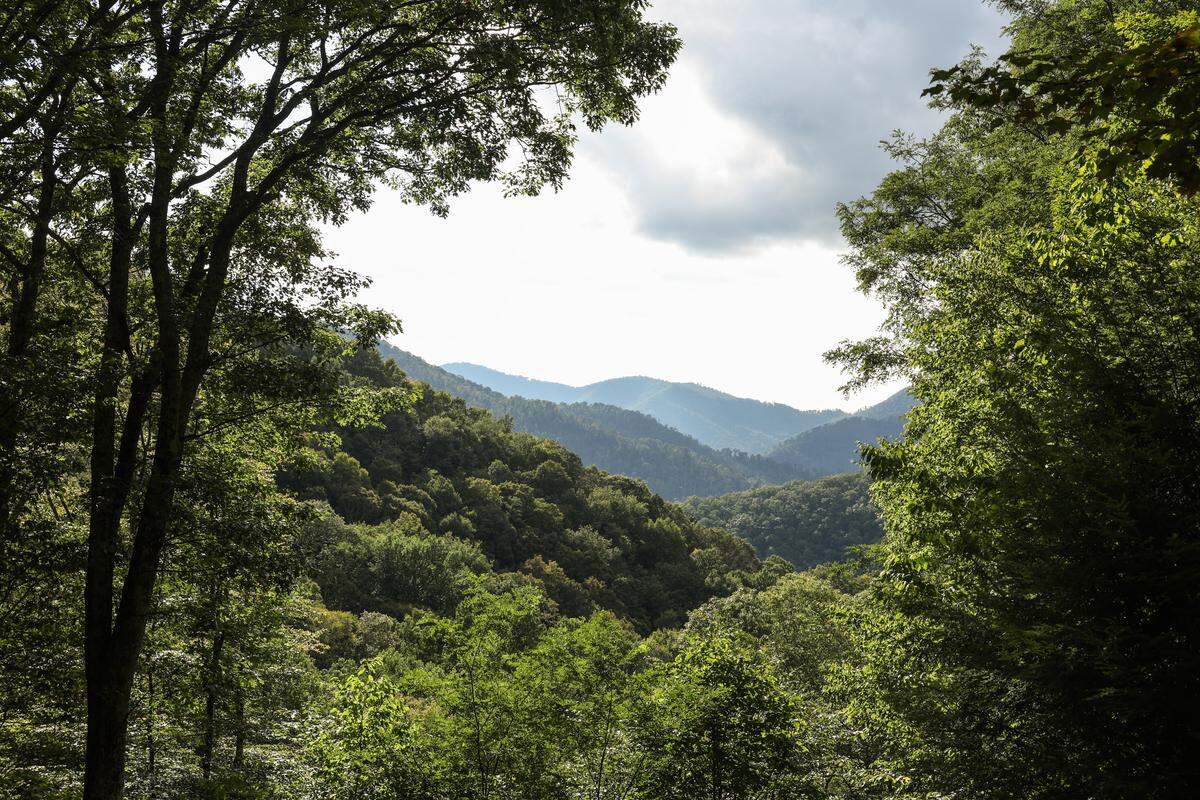
On Sept. 27, 2024, remnants of Hurricane Helene devastated Western North Carolina, killing 108 people and leaving a nearly $60 billion clean up bill statewide. In the year since, the people of Western North Carolina have made progress putting their beautiful part of the state back together.
Expand All
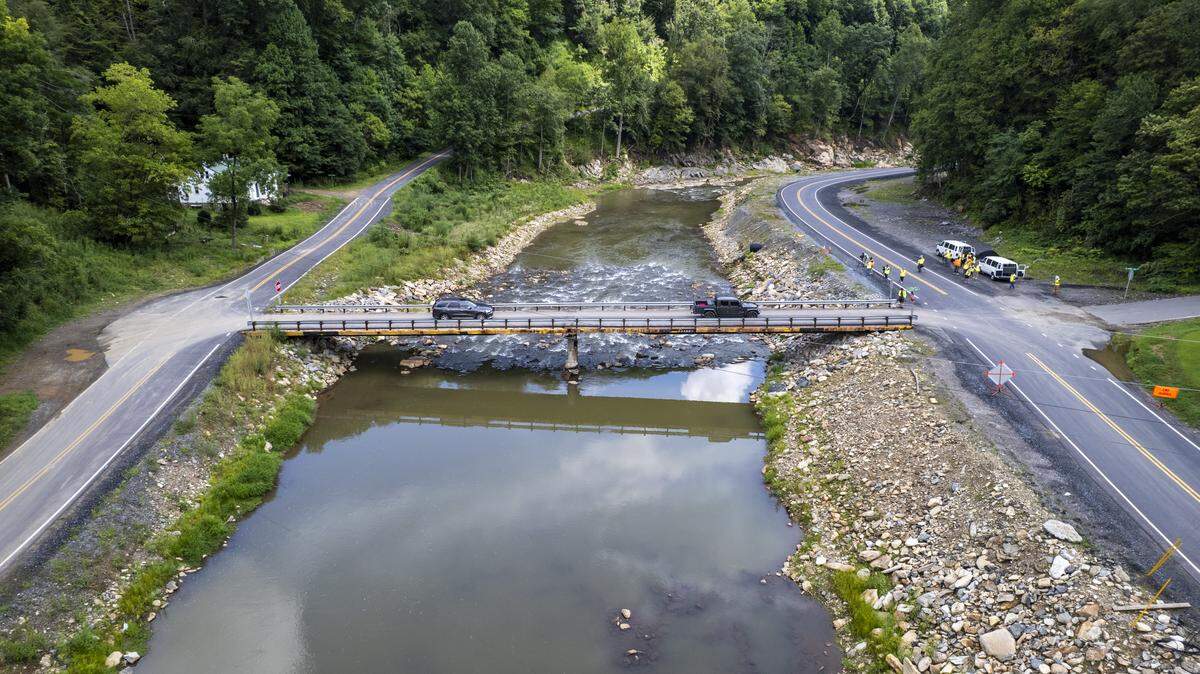
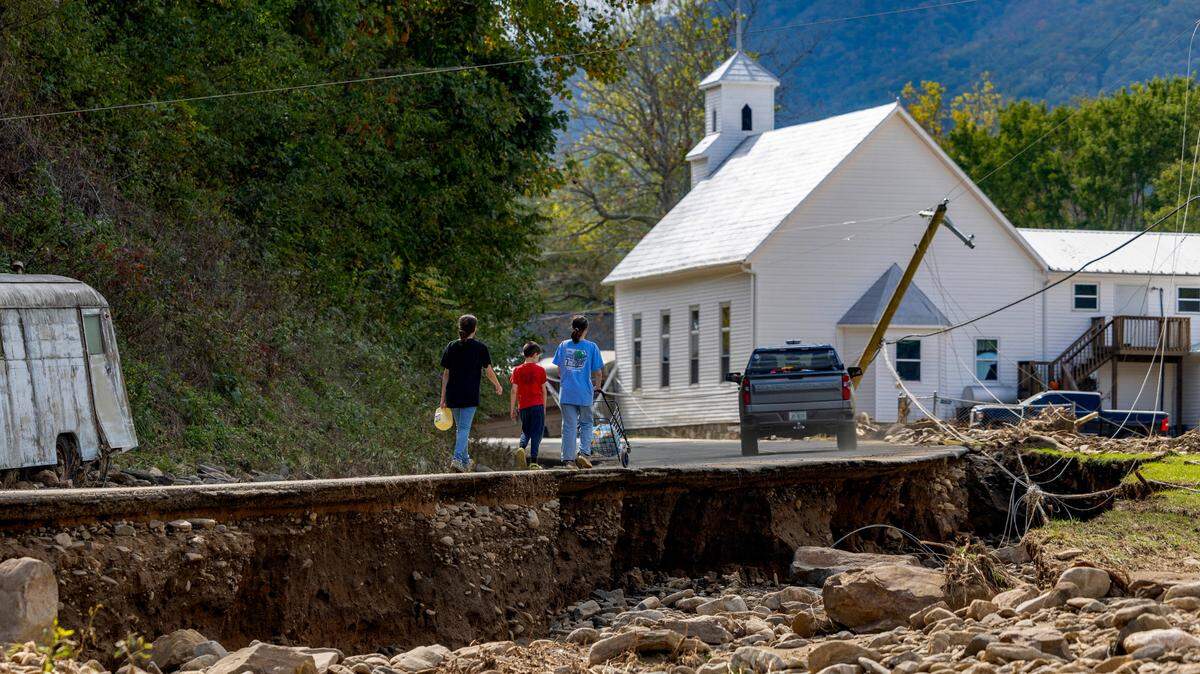
When Helene hit Western North Carolina as a tropical storm on Sept. 27, 2024, it left much of the region in ruins. Chunks of roads disappeared. Towns flooded so severely that years of progress and development were wiped away, literally, overnight. More than 100 people died.
Today, many are still rebuilding, but the going has been slower in some places than others. A year after the storm, The Charlotte Observer visited three areas hit especially hard: Pensacola, Asheville’s River Arts District and Marshall.
Pensacola, Yancey County
Danny Hensley spent years pining to buy the general store that his parents used to take him to, along with the house behind it.
He’d long dreamt of fixing both up and restoring them to their old glory.
In 2018, after he got both properties, his neighbors helped him to do just that. It was the community that rewired the old building, replumbed it and got all three floors back into working shape, he said.
“That’s where we live,” he said, tearing up. “So, that’s why I wanted to give it back to them.”
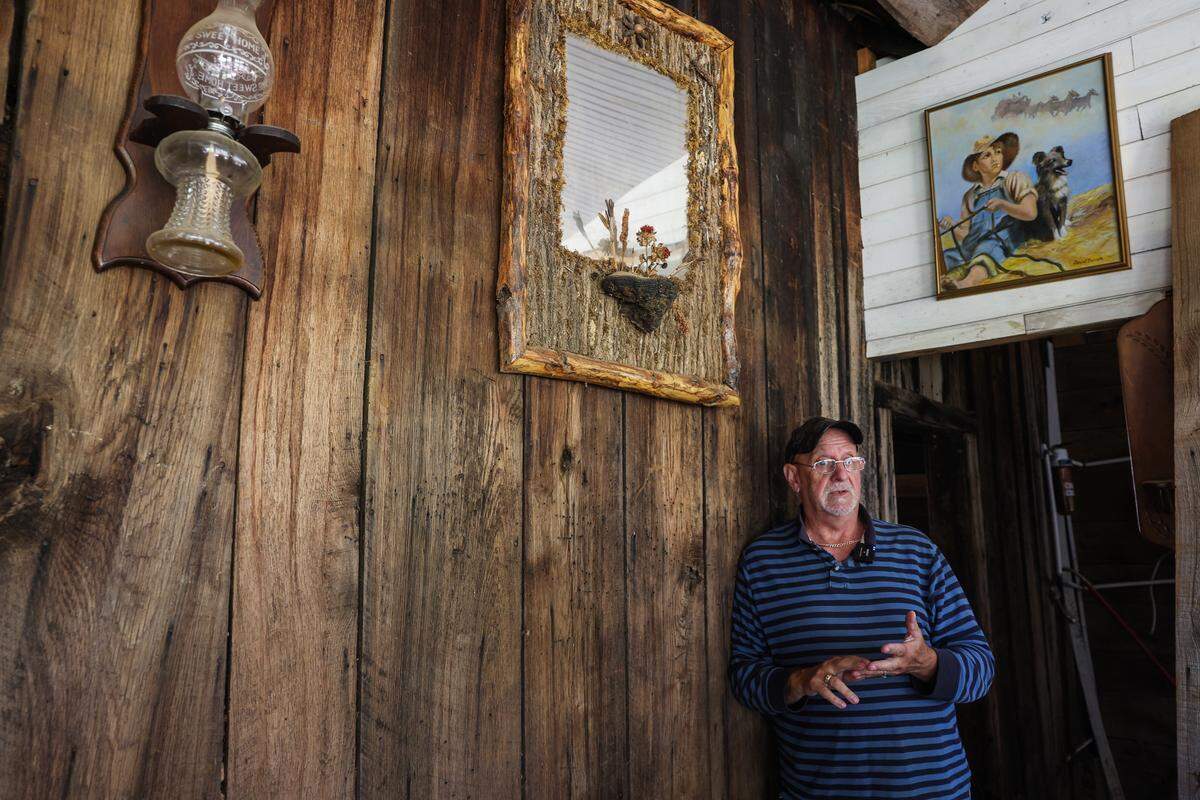
Hensley — who is also a former chairman on the Yancey County Board of Commissioners — made it into a spot for free live music and more. In a small, unincorporated area like Pensacola, it was able to become an important community center once again.
Then, after Helene, it again couldn’t function as a store. But Hensley turned it into a hub for donations.
“We had clothes, food, gas, generators, everything that I could give out to the people around here,” he said.
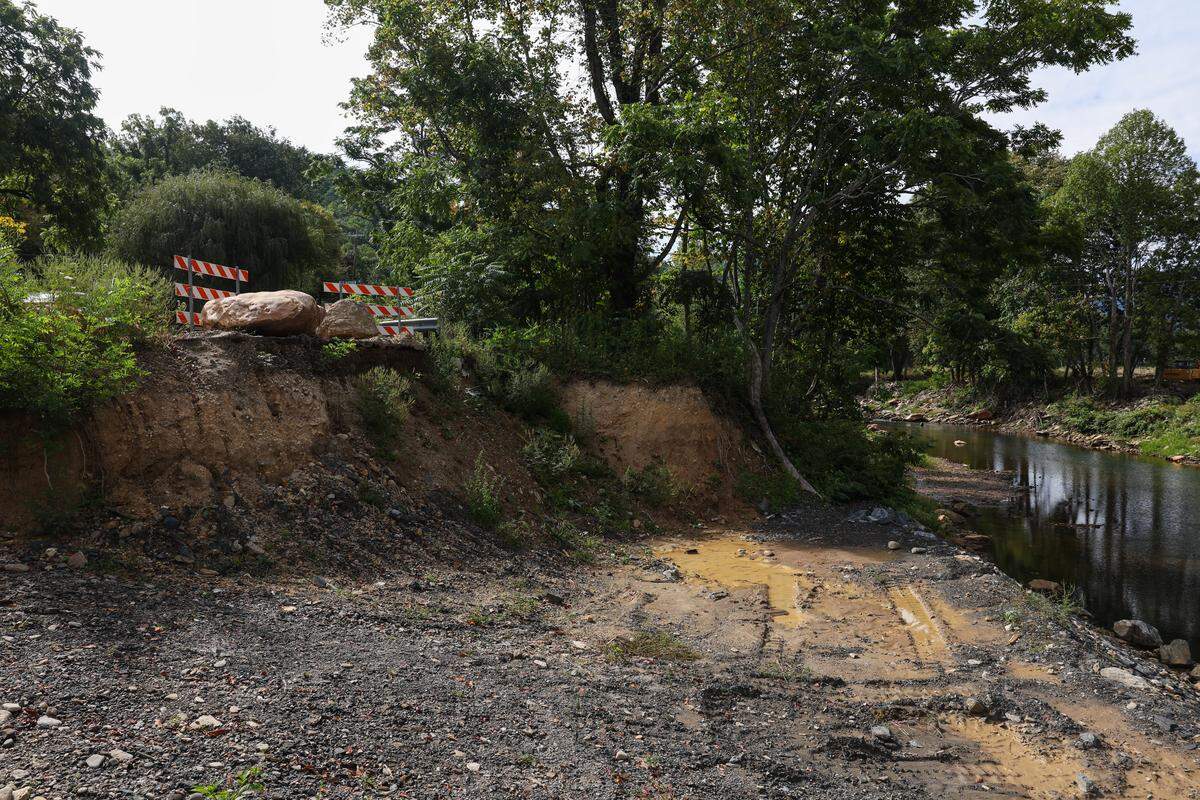
A “wall of water” had washed away all the roads in and out, the Asheville Citizen Times reported shortly after the storm.
And then the attention went away. Those who regularly help after disasters were pulled to new ones, like the floods in Central Texas that killed more than 100 people in July. Life went on.
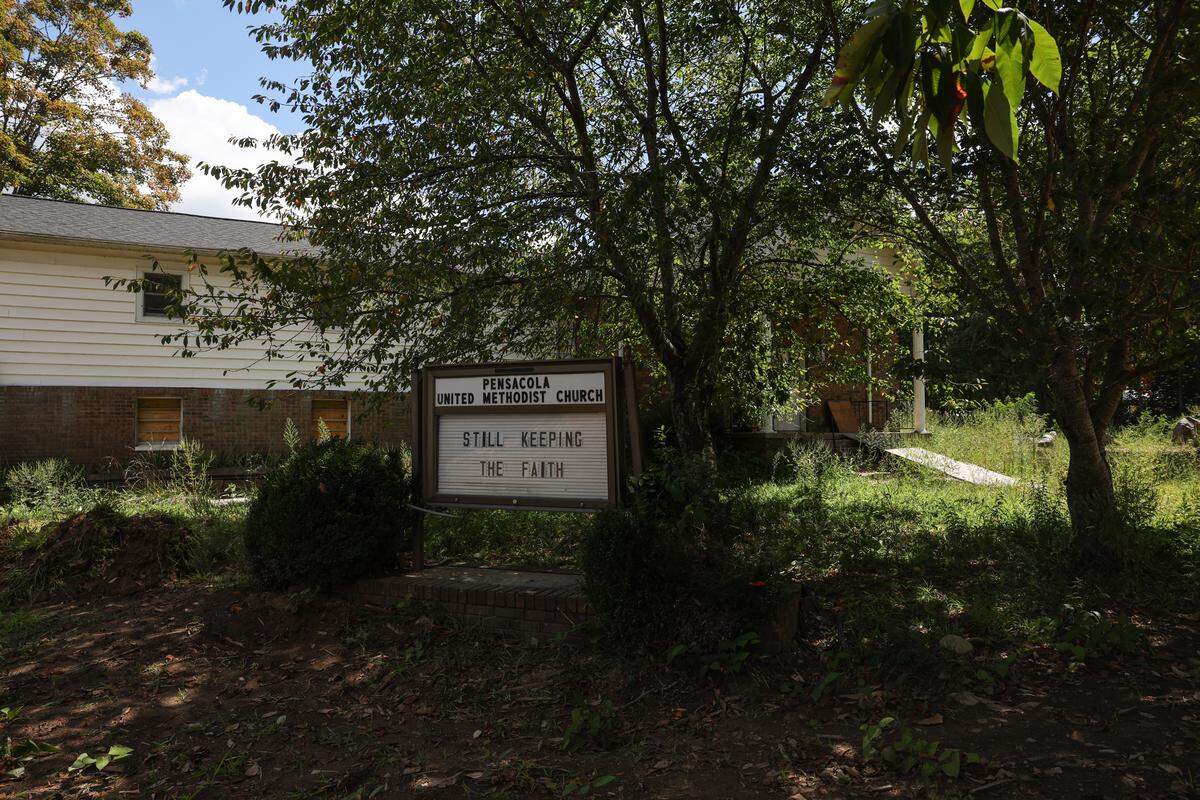
But there’s still years of work to be done in Pensacola, Hensley said.
“Don’t forget us now,” he said of the public generally.
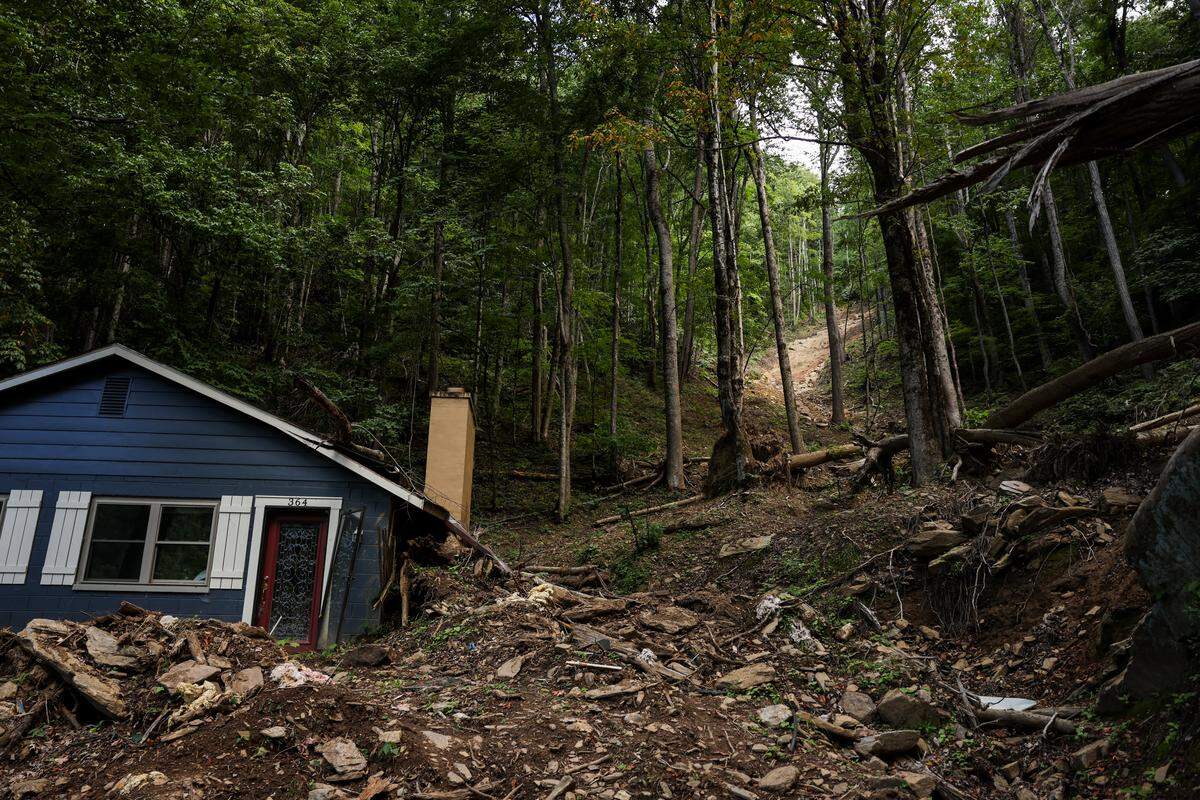
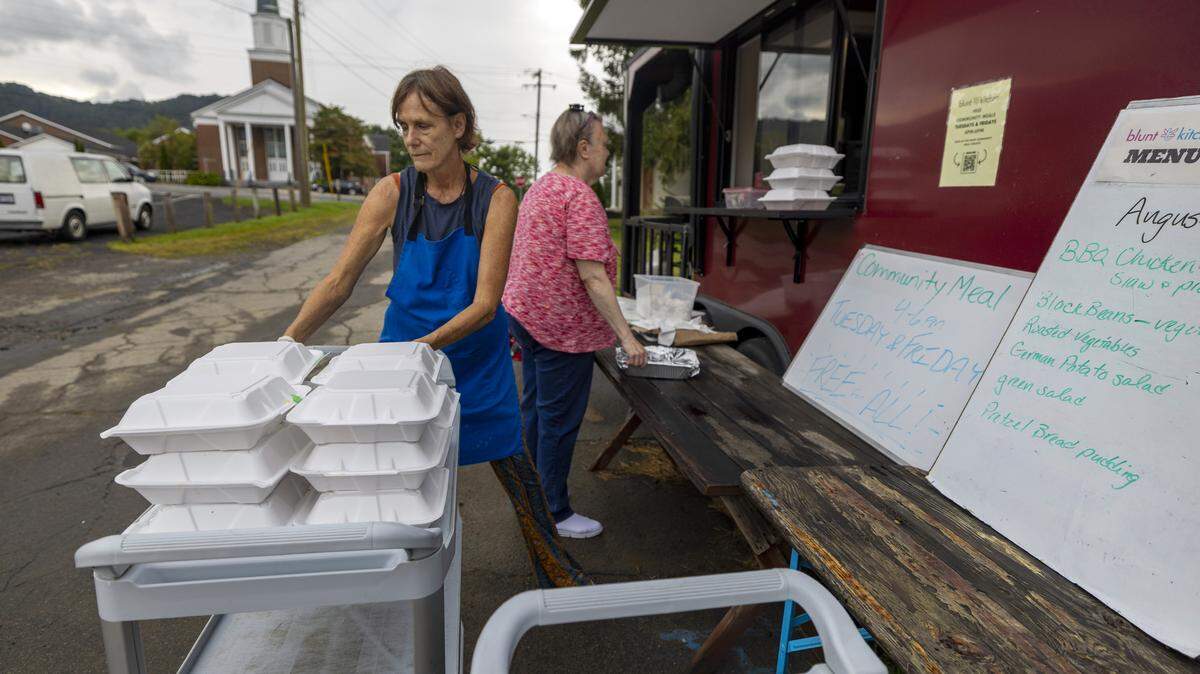
The same kind of help isn’t there for Yancey County now, he said. In the nearby Cattail Creek community, it was much the same. As neighbors dealt with the houses and other properties trashed by Helene, they are now confronted with paying for it themselves.
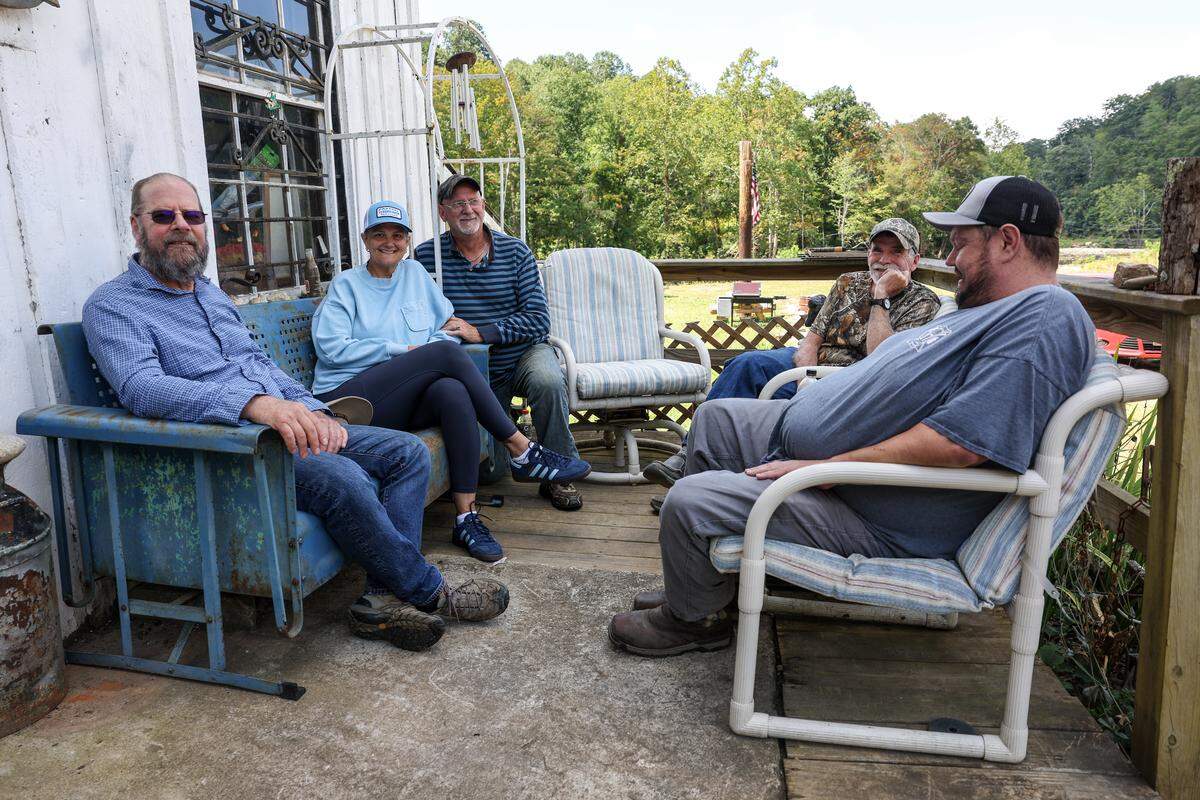
The general store is again operational. Hensley and a group of his friends were there socializing when The Charlotte Observer visited in August. He will focus on rebuilding the house behind the store next.
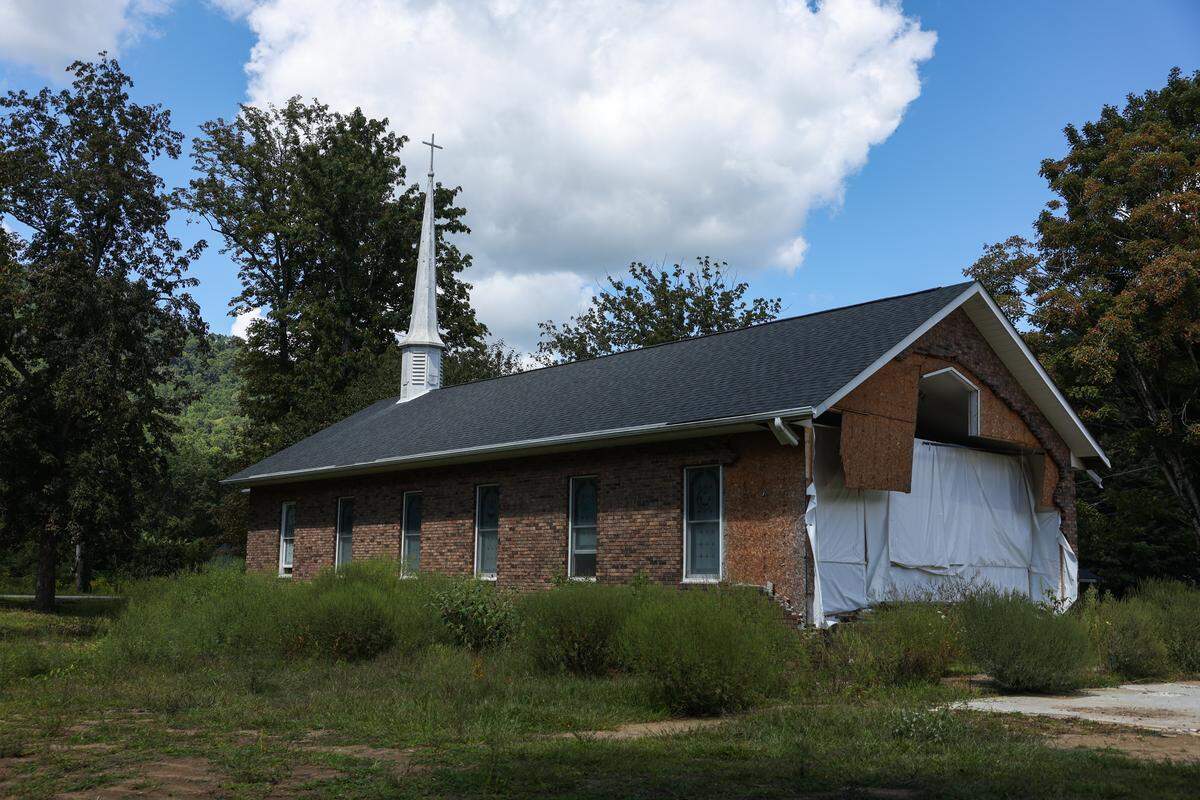
Pensacola will have to rebuild a prominent church still, along with many homes.
“People can still use somebody’s help, even if it’s three or four days at a time, a week” Hensley said. “There’s still a lot.”
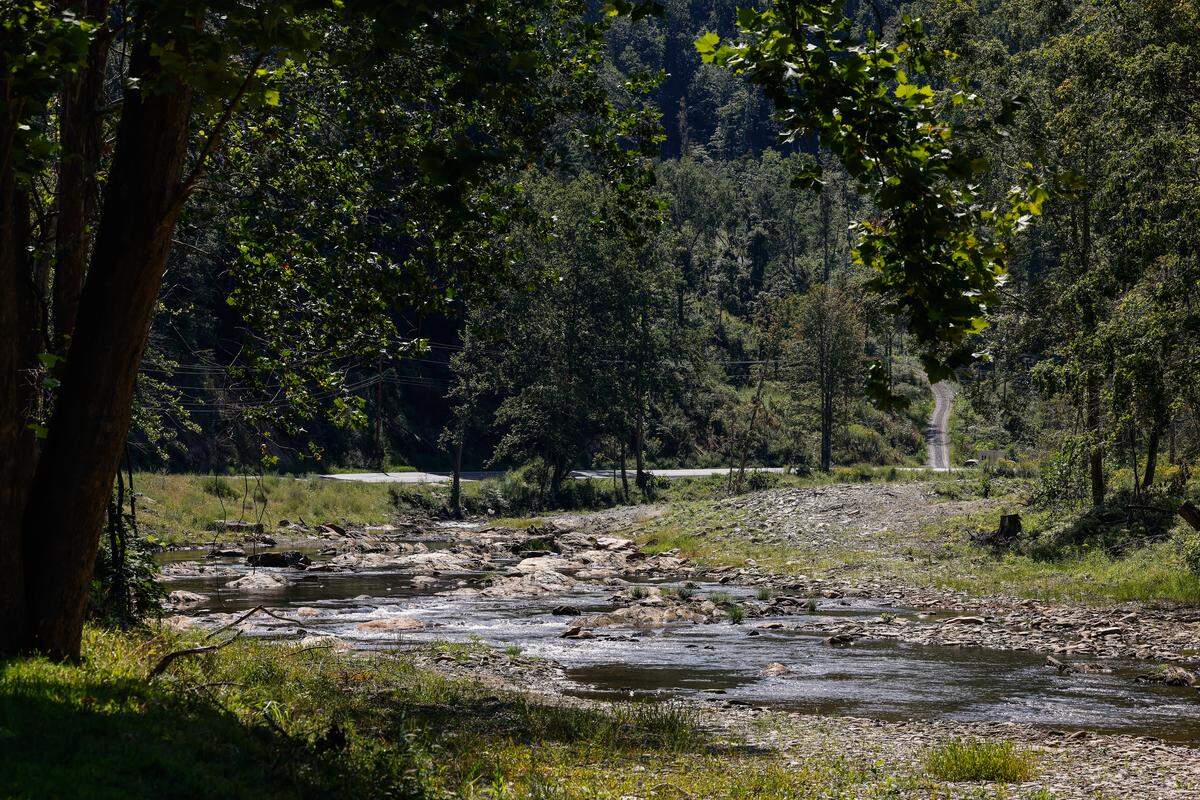
River Arts District in Asheville, Buncombe County
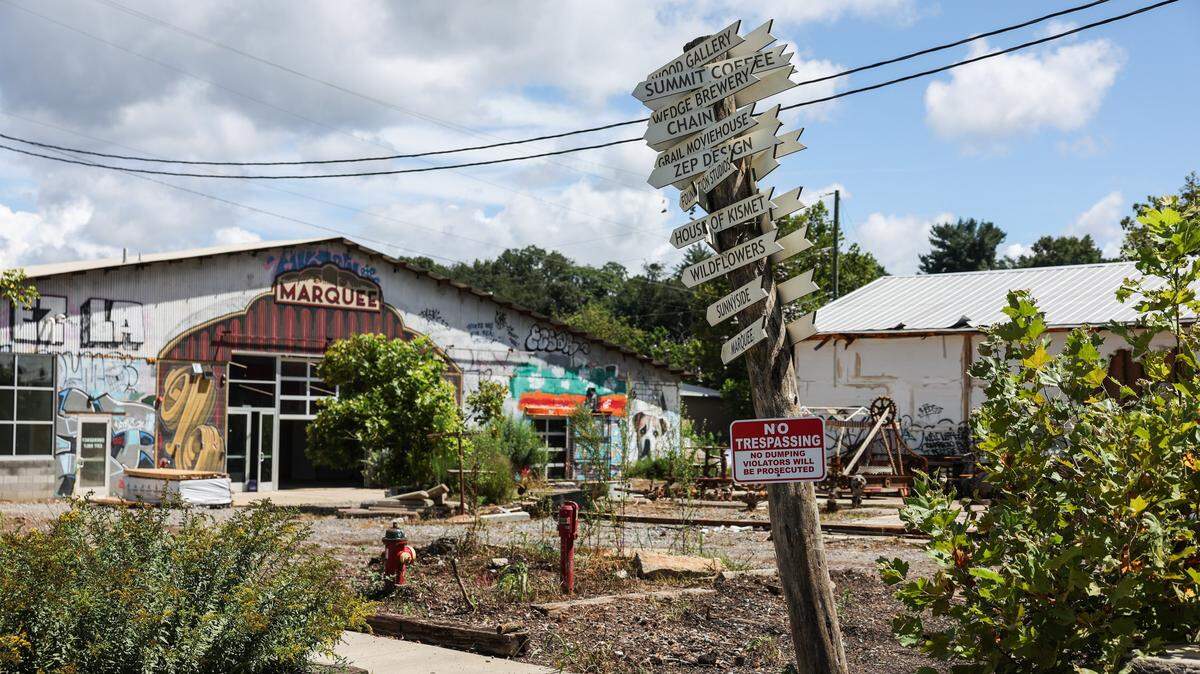
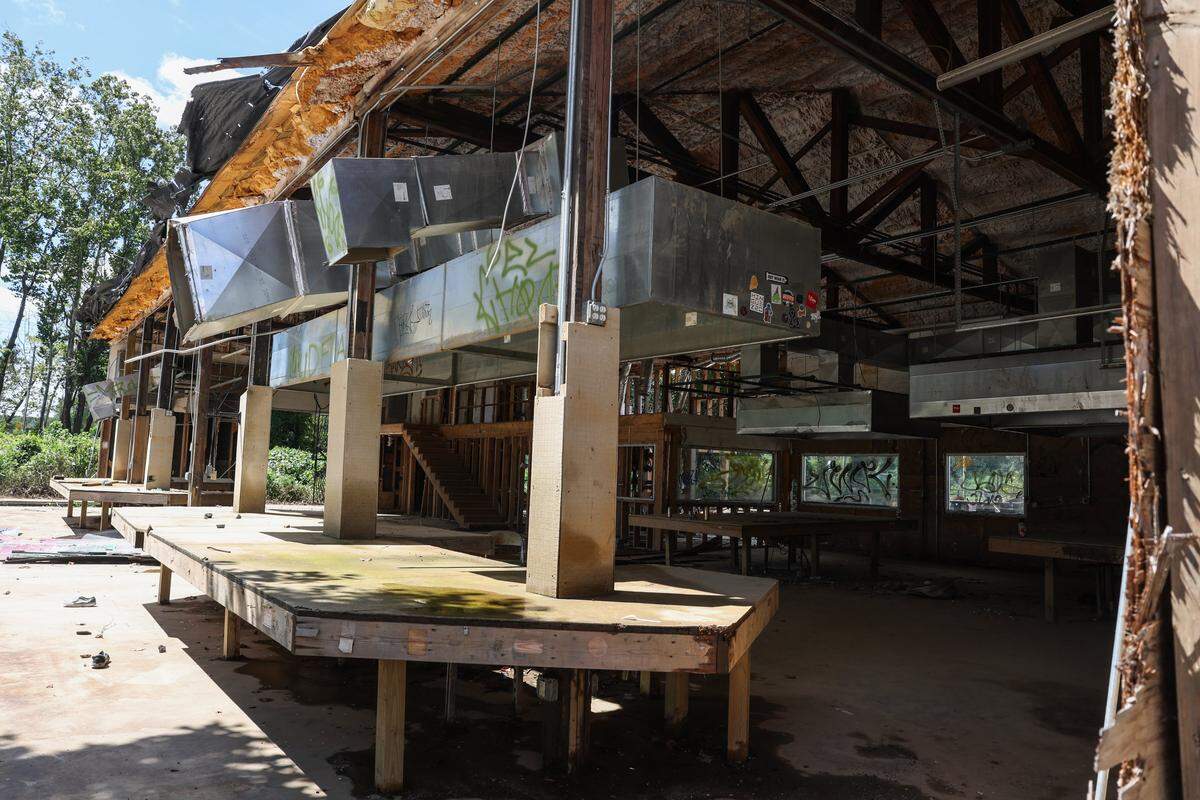
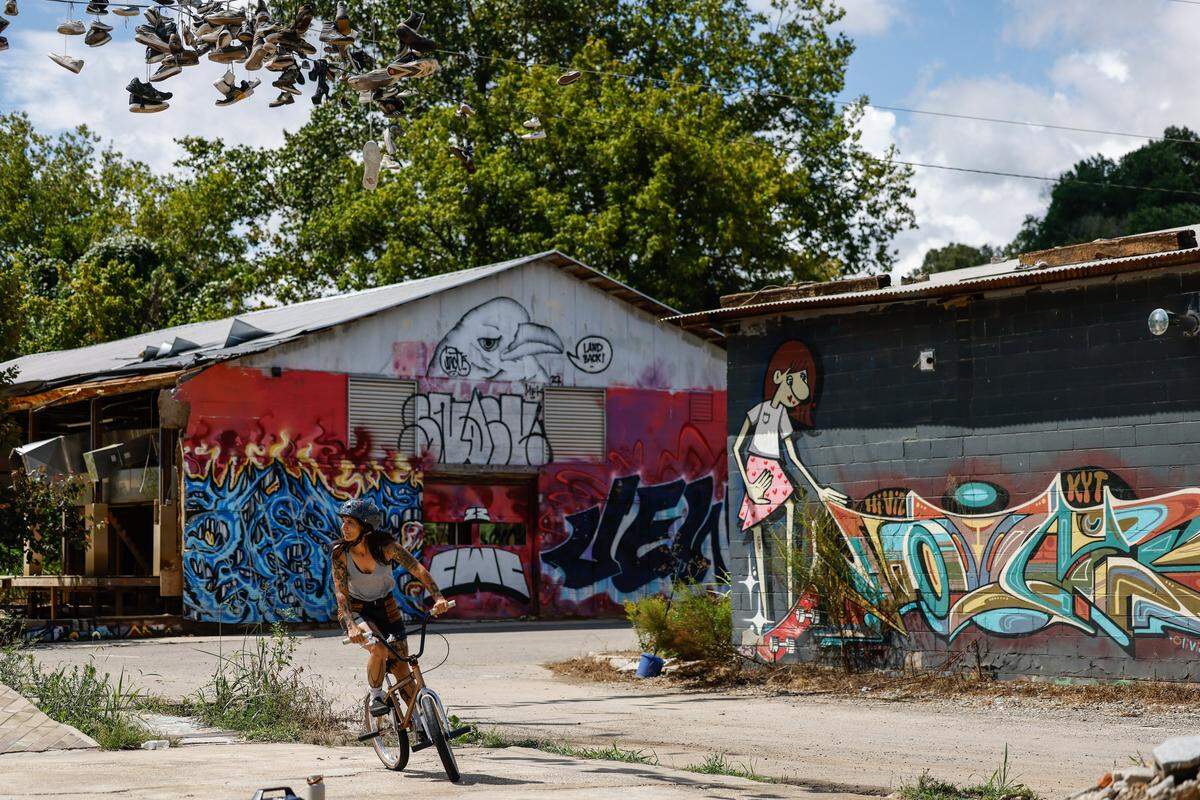
Along the French Broad River in Asheville, there used to be breweries, restaurants, art galleries and a skate park.
Nearly 30 feet of water that flooded and filled Foundy Street shut much of that down.
The evidence of destruction is everywhere along the river. In August, dump trucks were still hauling fallen trees and other debris into lots along the French Broad.
It’s not a residential area, but it draws many to Asheville.
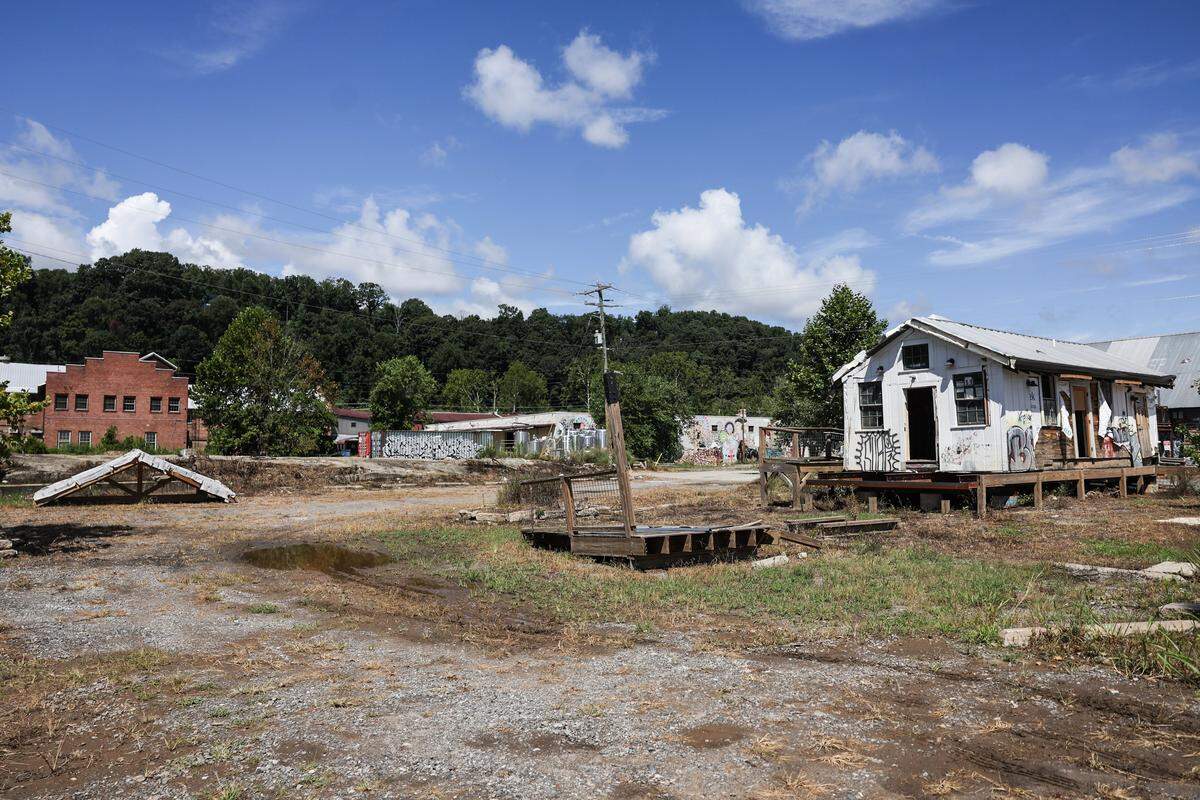
The River Arts District — or RAD — is an increasingly important scene in the art world, said jeweler Jeffrey Burroughs. They are the president of River Arts District Artists. Everything from crafts to fine art has had a chance to flourish in the RAD, Burroughs said.
Helene has stunted that growth. This fall season, a time when tourists traditionally flock to Asheville, will be especially important, Burroughs said.
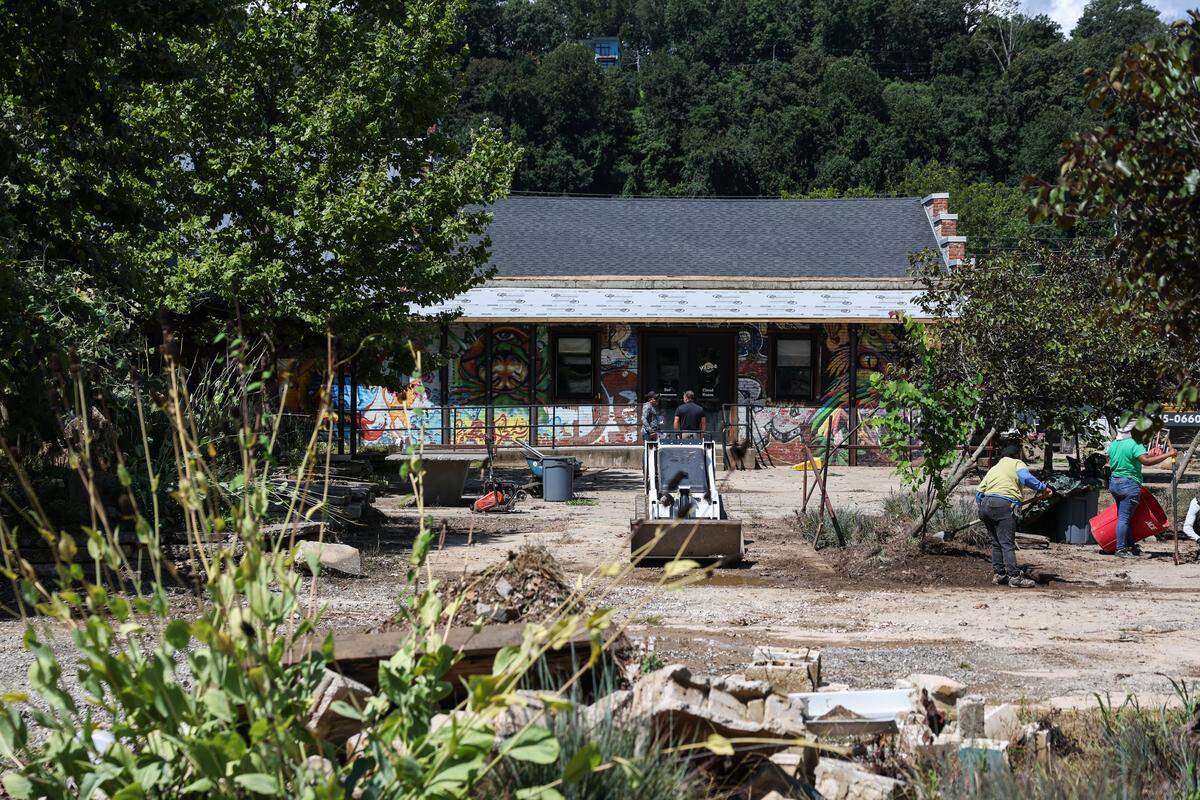
“We’ve just spent the year killing ourselves to reopen, do all of this work, and the winter’s going to come before we know it,” they said in an interview in mid-August. “If we don’t have the fall that we need, how much more will we lose after spending a year trying to keep what we have?”
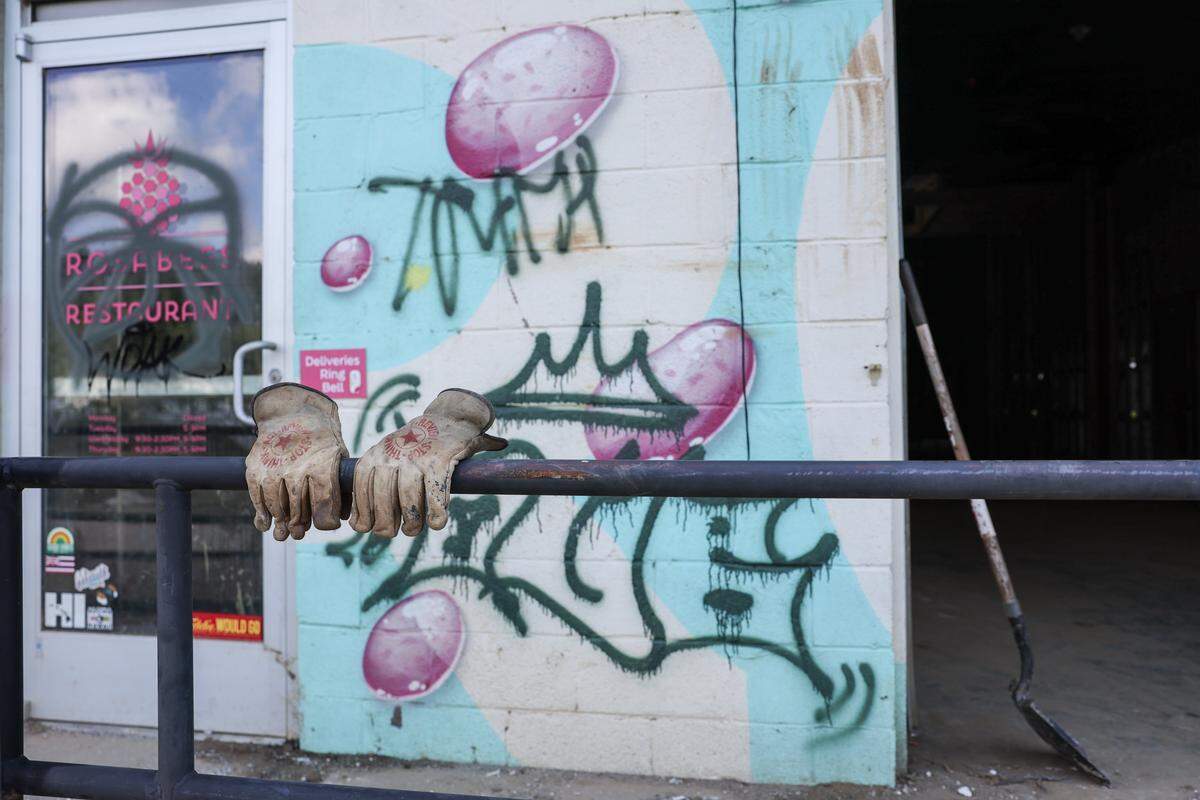
The RAD’s artists have found little help from lawmakers thus far, Burroughs said. But they have stepped up for each other.
In one show of self-support, the supplies store that many of the RAD’s artists used — Cheap Joe’s — has been taken over, renamed and reopened by a new couple, Philip and Tina DeAngelo, who already owned a studio in the RAD.
Skaters and BMX riders managed to put their park back together shortly after Helene flooded it, though a water line can still be seen on one of its ramps.
“You can get a sense of what a warm, strong and loving community (we have),” Burroughs said. “We didn’t wait for anybody. We showed up for each other. Nobody needed to tell us. And I don’t think that’s limited to the River Arts District; I think that’s Asheville.”
Marshall, Madison County
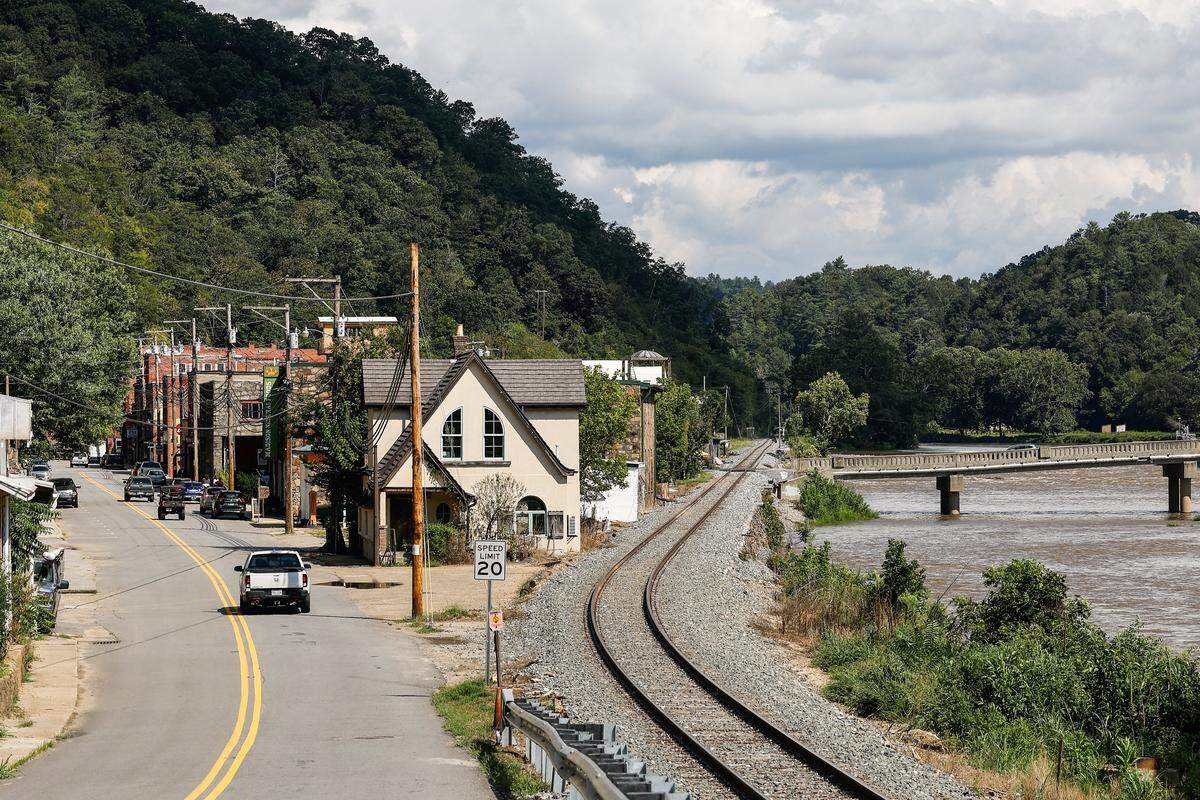
“Almost a year later, it’s starting to look like a town again,” said Ben Owen, a contractor who’s from Marshall and has been helping to put his hometown “back together.”
Marshall is small, with under 1,000 people living in the Madison County town. But it had developed a special sort of charm over the last decade or so, The Charlotte Observer reported shortly after Helene hit.
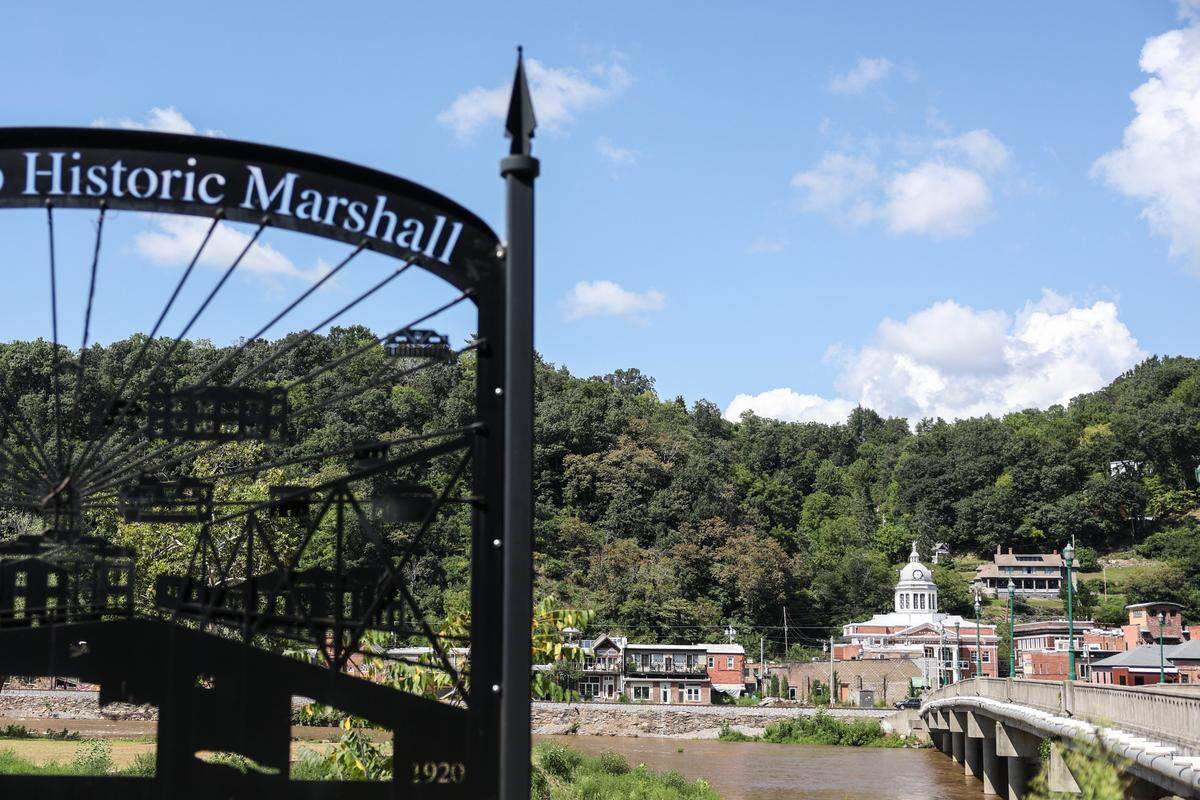
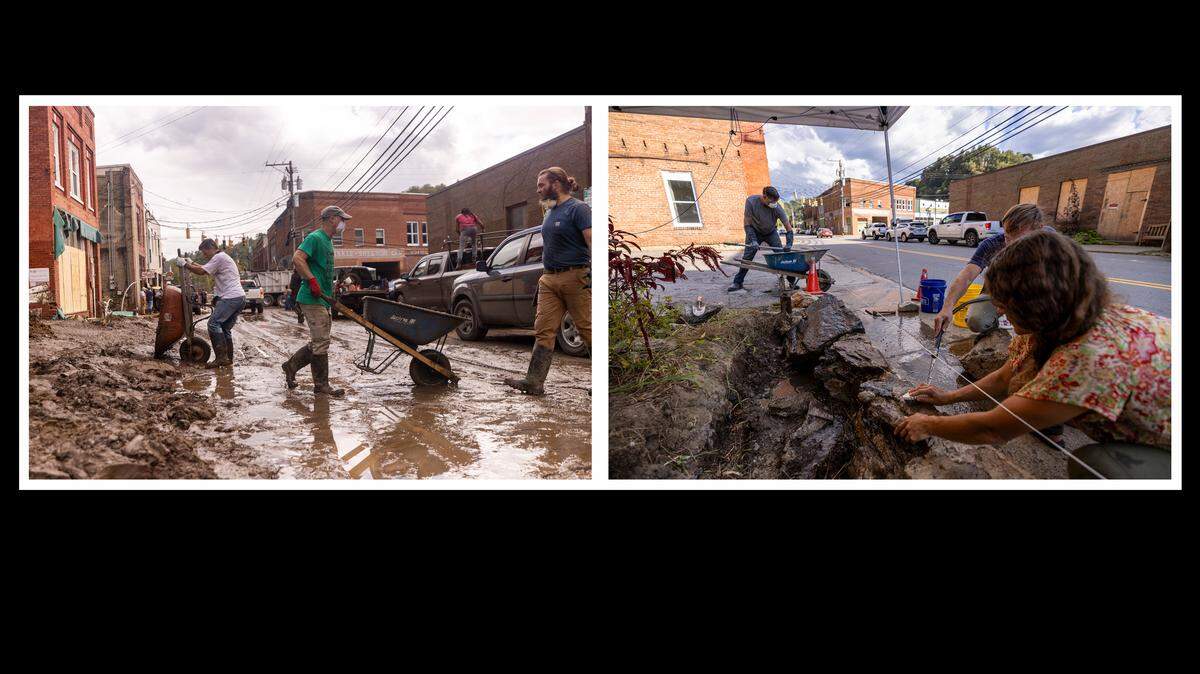
Downtown — situated below cliffs on one side and the French Broad River on the other — filled up like a soup bowl when the storm came. That wrecked longstanding fixtures with the old Western North Carolina character, like a place to buy bib overalls and the county courthouse. It also undid the new, like a comic book and board game store.
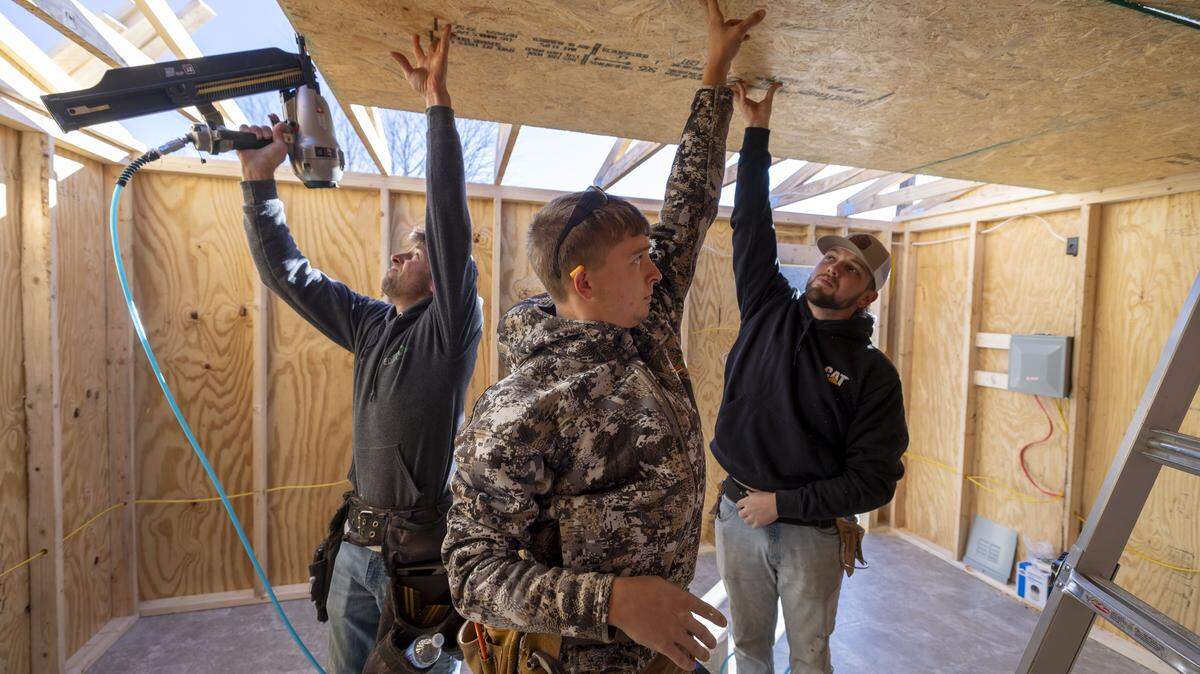
As the community has rebuilt, people have taken the time to make additions to what was already there, Owen said. There’s no shortage of help.
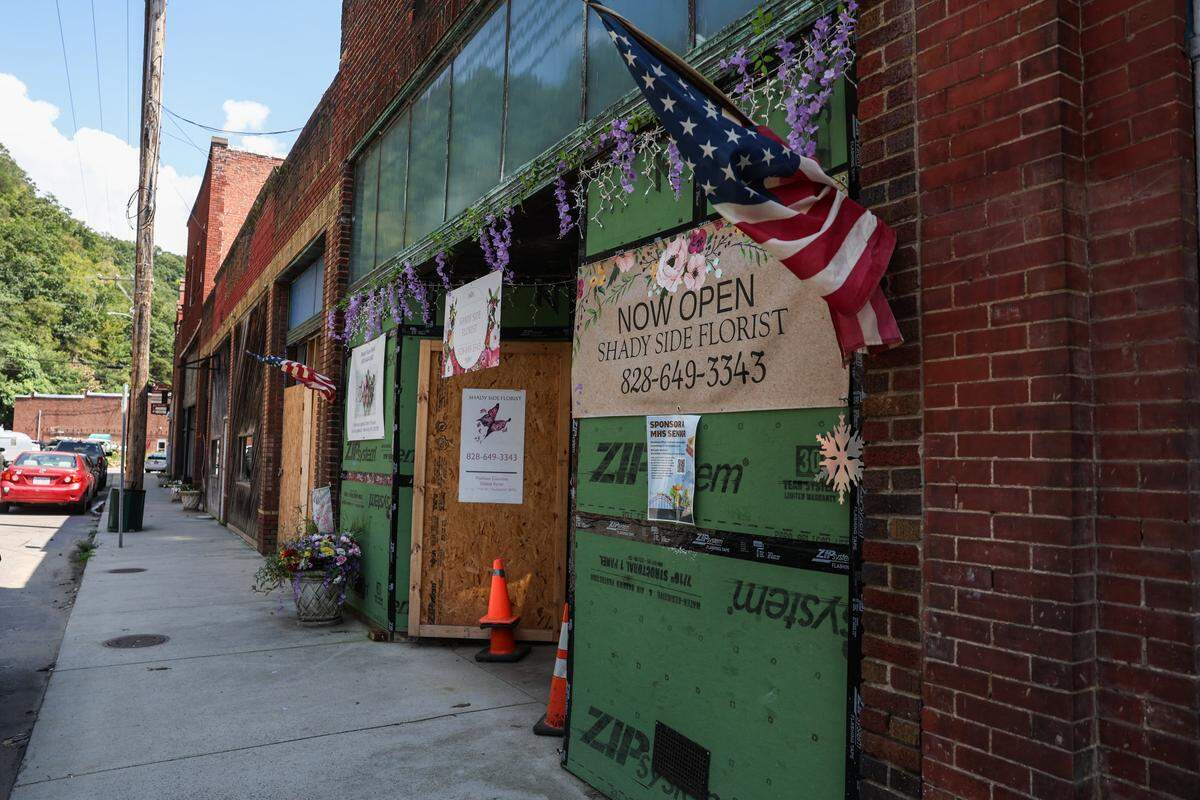
“We’re still getting volunteer groups. Down at the Arts Council building, we’re still getting volunteer groups on the regular, coming down there to help clean up the basement, clean out debris, clean out the old plaster on the walls,” he said.
Walking through downtown, it looks like it’s bustling again, he said, but of course there’s still much that needs to be fixed up. In August, he said courthouse repairs had barely started, if at all.
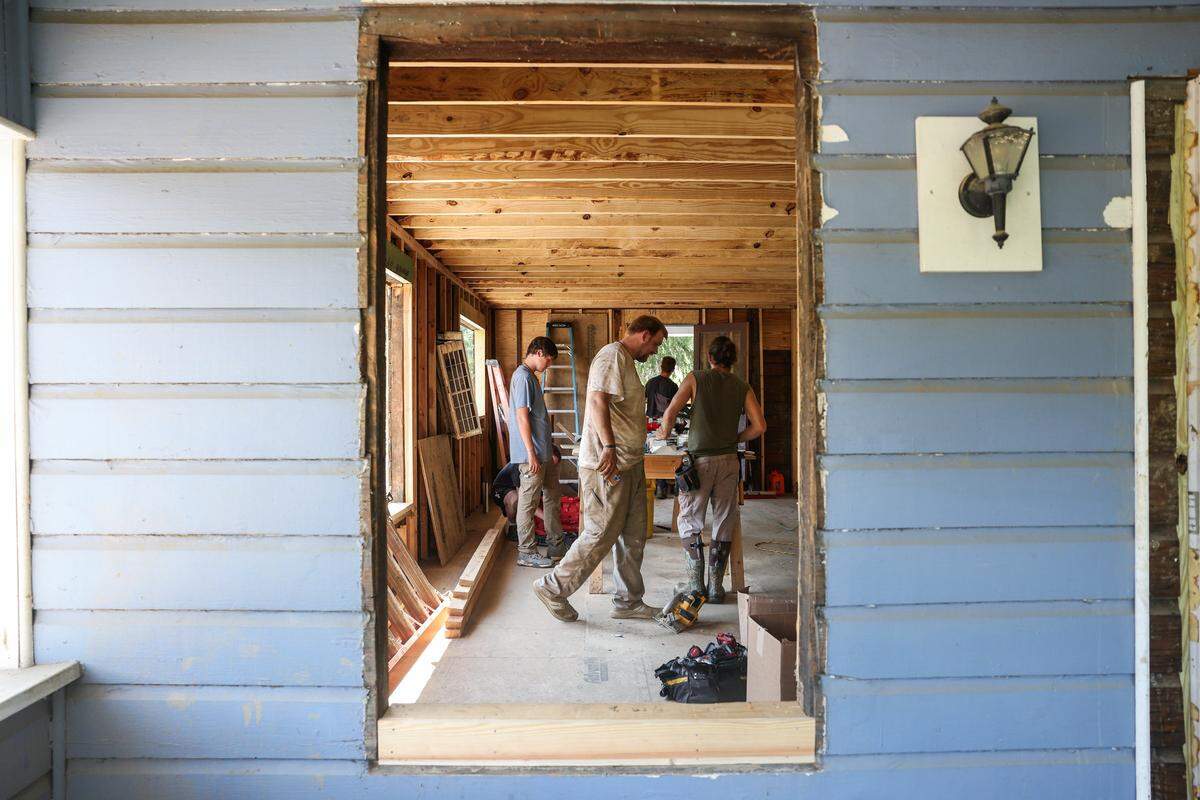
Another local, 71-year-old Cheryl Chandler, said much more needs to be done. Her husband, James, noted that things look better every day. But it is slow.
“They just don’t have the funds,” she said of those rebuilding. The town is “scraping, trying to get by,” she said.
It’s been nice to see things slowly return, even then. She felt blessed, she said.
Diamond Vences and Melissa Melvin-Rodriguez conducted the interviews for this story.
This story was originally published September 18, 2025 at 5:00 AM with the headline "‘Don’t forget us now’: 3 Western NC towns hard hit by Helene still picking up pieces."