Did judge who released suspect before Charlotte light rail stabbing break rules?
READ MORE
Charlotte light rail train stabbing
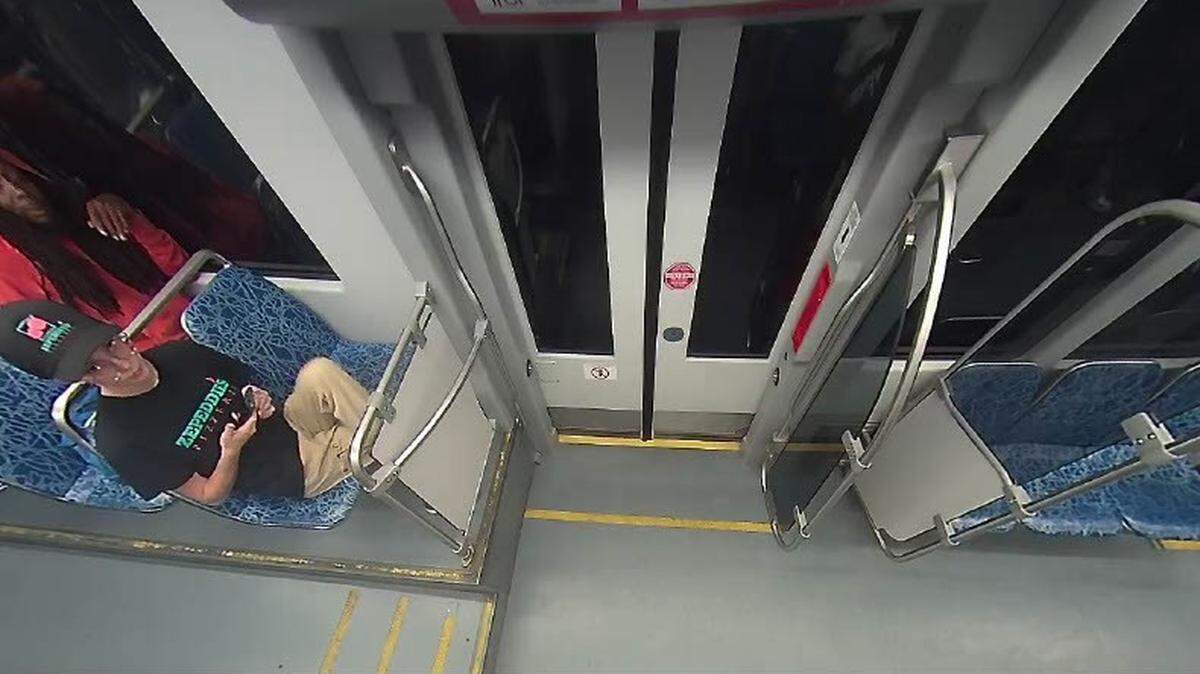
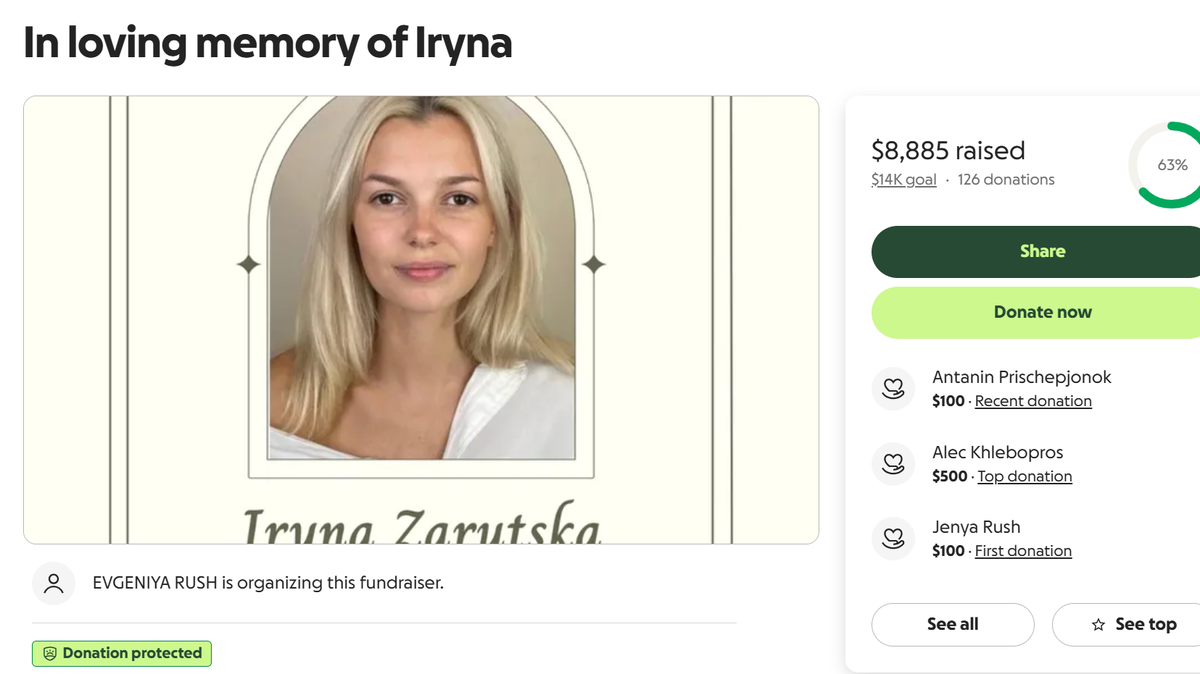
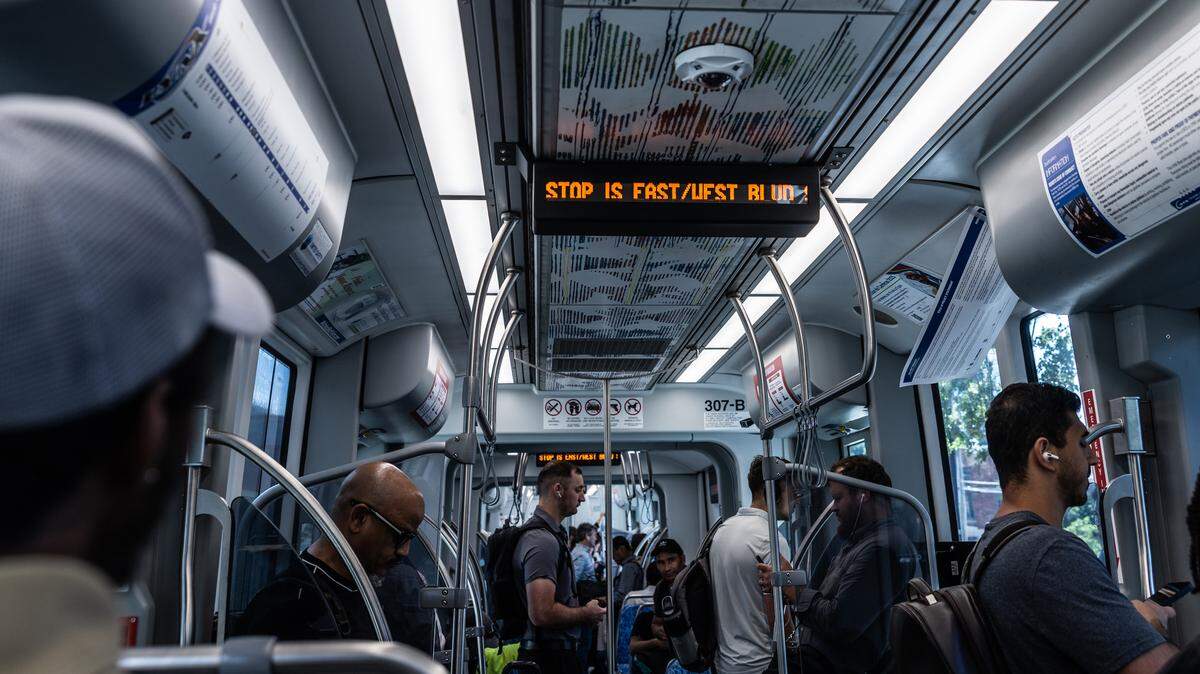
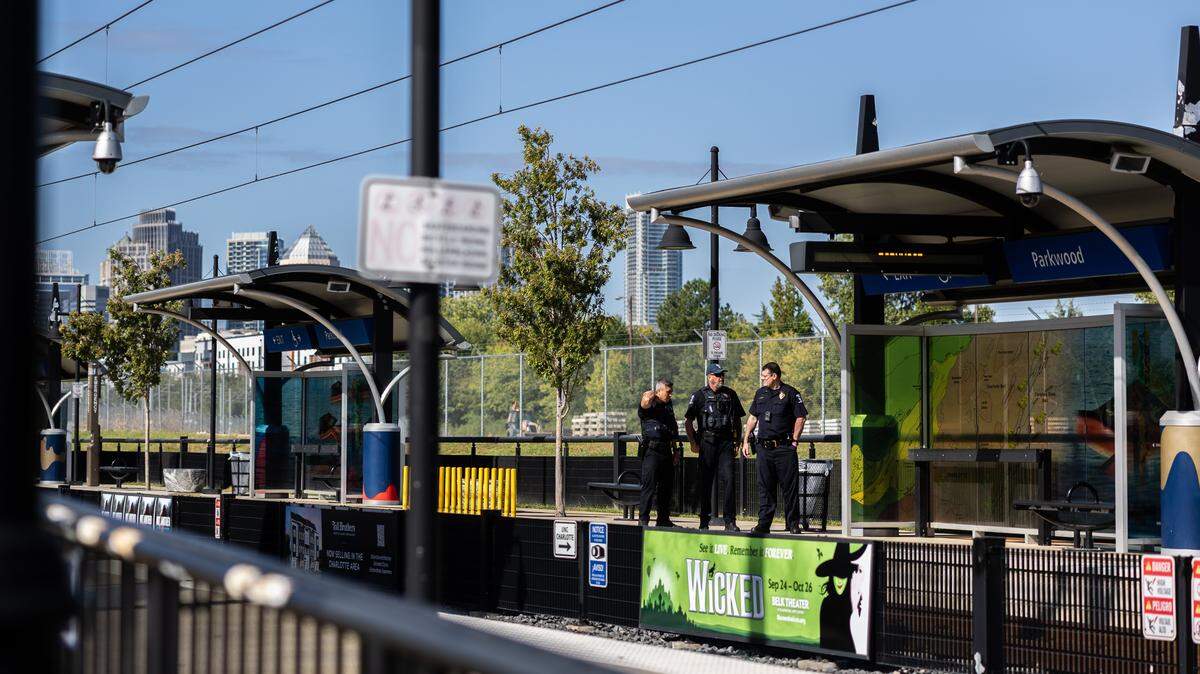
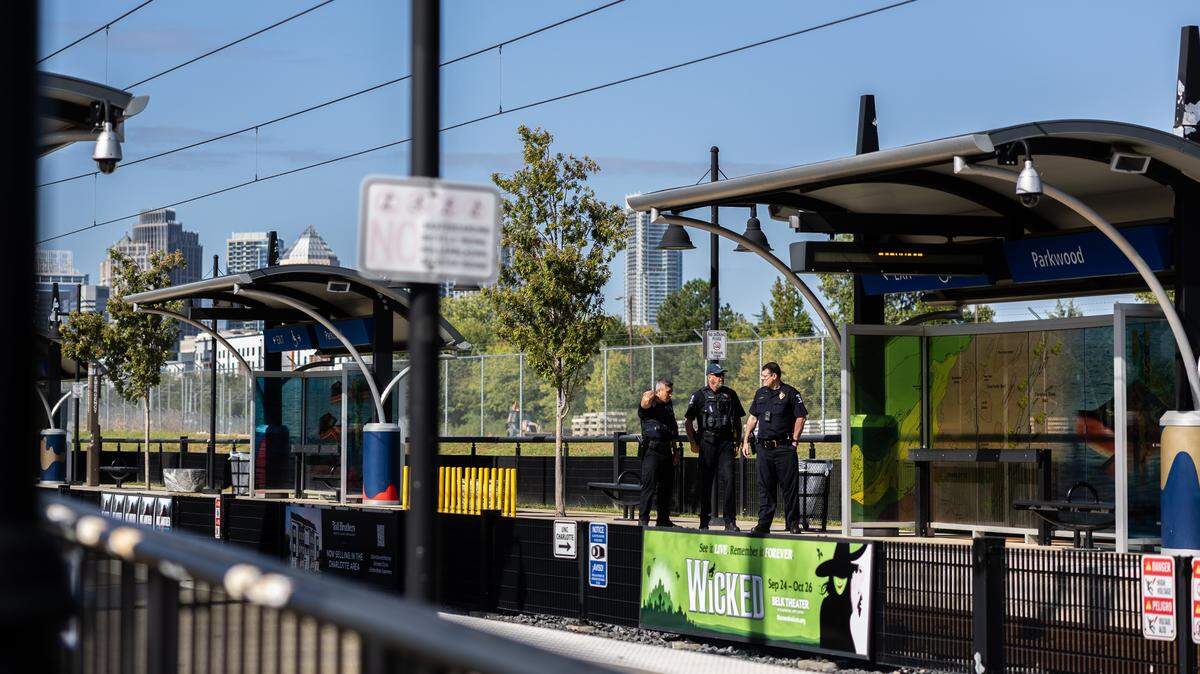
A 23-year-old Ukrainian refugee, Iryna Zarutska, was fatally stabbed on Aug. 22 on the light rail line in Charlotte’s South End. 34-year-old DeCarlos Brown Jr., who has a reported history of mental health issues, is charged in the killing. Zarutska’s death has received national attention, with public comments from President Donald Trump, Elon Musk, and Charlotte officials.
Expand All
Seven months before he was arrested in the Charlotte light rail stabbing, 34-year-old DeCarlos Brown Jr. stood in front of a Mecklenburg magistrate judge, convinced a “man-made” material was controlling him.
Police say Brown misused 911 when he called the emergency line while at a hospital and asked for help getting the material out of him. Officers told Brown they couldn’t help him, court records say.
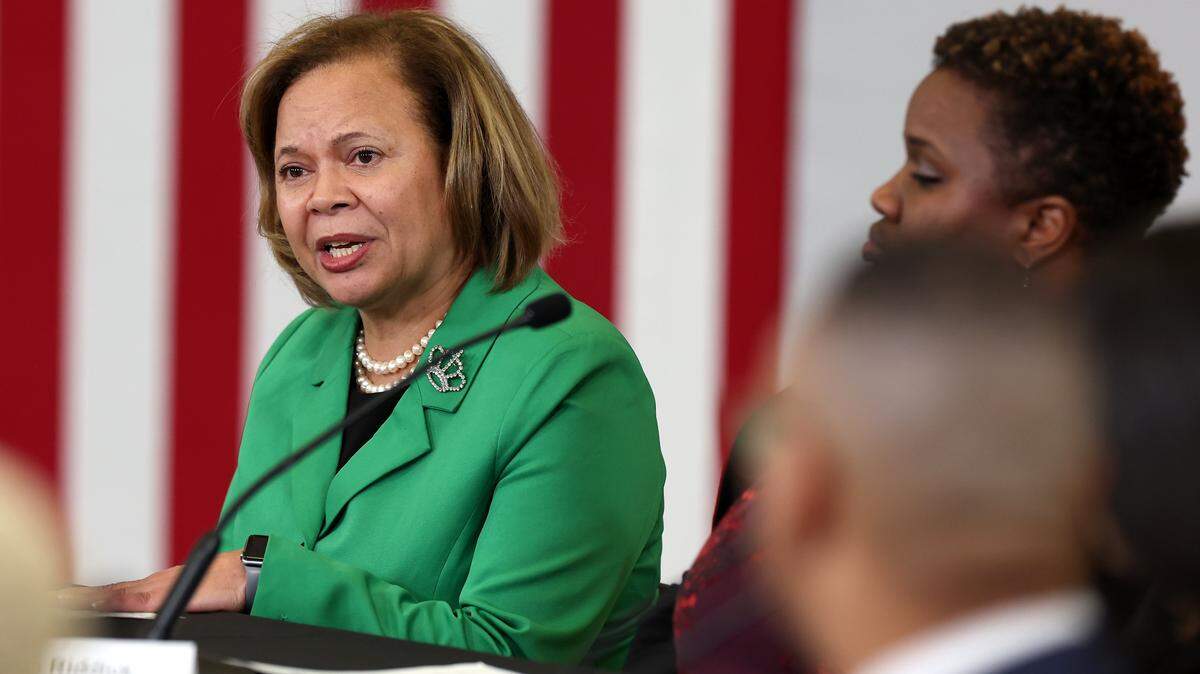
Then they booked him and brought him in front of Mecklenburg Magistrate Judge Teresa Stokes at 11 p.m. on Jan. 19. Brown was charged with misdemeanor misusing 911 — a charge one expert said is typically brought against prank callers, not those in a mental crisis.
Stokes released Brown — a homeless man with three felony convictions who served more than five years in prison for armed robbery, breaking and entering and larceny — at 11:30 p.m. on a written promise to appear in court. He did not have to post a bond.
Local, state and national leaders would later criticize that decision.
Brown, with the charge still pending, boarded Charlotte’s train on Aug. 22 and was arrested in the random, filmed public knife attack on 23-year-old Ukrainian refugee Iryna Zarutska. President Donald Trump, North Carolina Republican Congressman Tim Moore and several others have labeled Stokes’ release of Brown a failure.
But Stokes was following North Carolina law and Mecklenburg County’s bail policy established by some of her critics in the state legislature when she released Brown, The Charlotte Observer found. Releasing someone on a non-violent misdemeanor is routine.
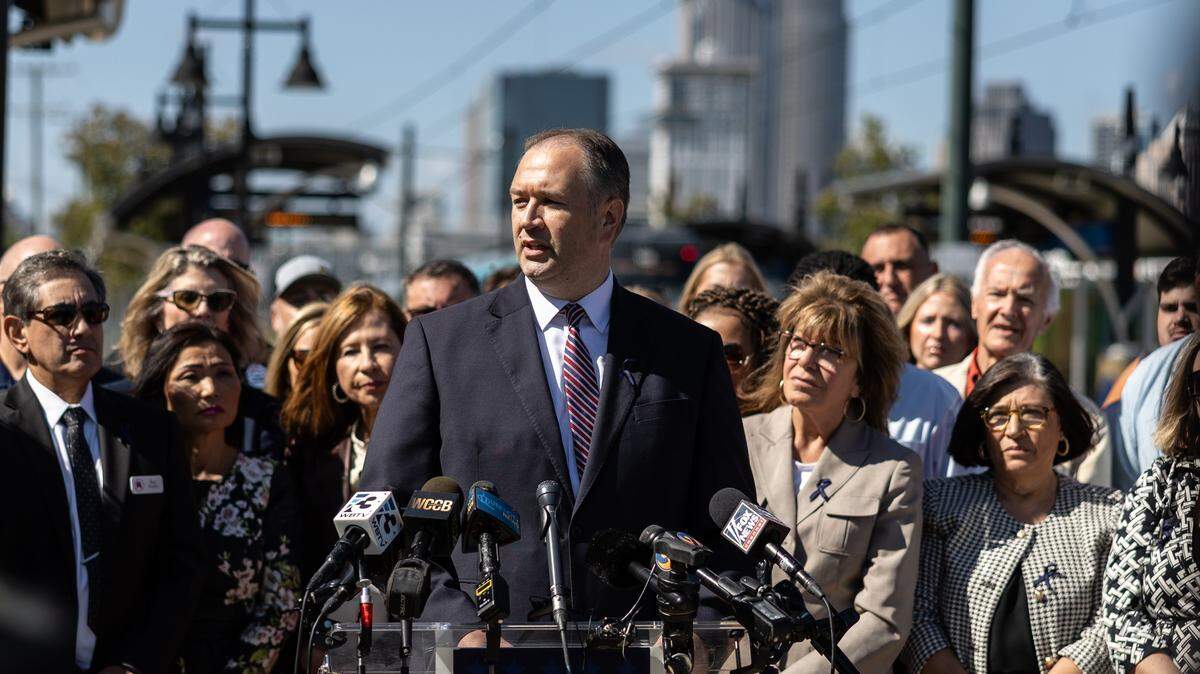
Trump in a statement said “a Democrat judge” left Brown “free to slaughter an innocent woman.” Moore, an attorney with a law degree from Oklahoma City University School of Law, in a letter said Stokes “had the chance to protect the public and chose not to” and was “unfit to hold this consequential position.”
He then called for Stokes’ removal — a process that must be initiated by Chief District Judge Roy Wiggins, who declined to comment.
Wiggins said he is “reviewing our local bond policy and evaluating all aspects to ensure that the procedures were properly followed,” in a letter responding to Moore on Wednesday.
“I, along with other leaders in our system, intend to continue to educate our magistrates on the impact of their decisions regarding pretrial conditions of release as set out in NCGS 15A-535,” Wiggins wrote. “We want to ensure that our magistrates comprehensively review each case and individual defendants to determine the potential danger to the community, while staying in compliance with statutory and constitutional guidelines and mandates.”
Here’s what the state law Wiggins referenced says.
‘Man-made’ material in light rail stabbing suspect
North Carolina law gives magistrates near full discretion in determining what conditions they want to set when releasing a person who has been arrested and charged with a crime. Under current state law and policies, nearly any condition Stokes set — with the exception of keeping Brown in jail with no bond — would have been allowed.
Requiring excessive bail would violate the Eighth Amendment of the U.S. Constitution, which limits cruel and unusual punishment. So magistrates, who are the first judicial official defendants come into contact with after their arrest, set pre-trial release conditions for most defendants unless they face a domestic violence charge or capital offense — like murder.
Brown faced a Class 1 misdemeanor charge for misusing 911, which has a maximum sentencing of 120 days or about four months.
Police responded to a welfare call at Novant Health Presbyterian Medical Center on Jan. 19 at 9:30 p.m. There, Brown told them “he believed someone gave him a ‘man-made’ material that controlled when he ate, walked, talked” and “wanted officers to investigate.”
Police wrote that they told Brown that “was a medical issue and that there was nothing further they could do.” Brown called 911 after he “became upset with the officers answers” while they were still there, according to the affidavit.
Then police arrested him.
Brown’s mother told the Observer he suffered from schizophrenia.
Daniel Spiegel, a pretrial release expert and assistant professor of criminal law, procedure, and evidence at the University of North Carolina’s School of Government, said a misusing 911 charge is typically used when someone is knowingly prank calling police or misrepresenting information for “an untoward reason.”
“If a severely mentally ill person calls 911 because they’re at a hospital and they are in need of help, or they are suffering from a delusion... that may not actually even meet the elements of the crime,” Spiegel said.
When Stokes sat across from Brown at the Mecklenburg County Detention Center later that Jan. 19 night, North Carolina law and Mecklenburg policies mandated that she “must, on the basis of available information” assess “the nature and circumstances of the crime” and “the weight of the evidence” before setting conditions of his presumed release.
She was also required to assess Brown’s mental condition, prior record of convictions and several other factors.
But neither Mecklenburg’s policies nor state law give a play-by-play of how to evaluate those things. Instead, Stokes had a list of options.
Setting bail in Charlotte
State law says any judicial official setting pretrial release “must” release defendants:
- on a written promise to appear
- on an unsecured bond (which is paid only if the defendant does not appear in court)
- into the custody of a designated person or organization.
That organization could have been a mental health team, said UNC School of Government pretrial release expert and assistant professor of criminal law Brittany Bromell. But Stokes would have needed to contact an organization, and they would have to agree to taking him into custody.
Stokes instead released Brown on a written promise to appear — a common release condition for the charge.
Elevated conditions of release come only if a magistrate determines those first options are not enough to ensure a defendant will show up in court or to ensure the defendant’s release doesn’t cause “injury to any person” or result in destruction of evidence or intimidation of potential witnesses. If a judge thinks any of those things may occur, then they can:
- Set a secured bond
- Require a house arrest with electronic monitoring.
Aside from state law governing pretrial release, the law also requires counties to create release policies. Mecklenburg’s bail policies were developed in 2019 by court officials, including District Attorney Spencer Merriweather.
They give recommendations for how magistrates might handle a defendant, but they intentionally do not give any bond amount suggestions at all. Instead, Mecklenburg magistrates have access to a tool that calculates risk scores based off age, charge and criminal history and “serves as a guide to setting release conditions” consistent with state law.
The system that would have calculated Brown’s risk score — or any defendant’s score — is not readily available to the public, but the Observer found a breakdown of the general formula through the foundation that helped develop Mecklenburg’s policies. If consulted, that tool would have suggested Stokes release Brown as she did or set an unsecured bond. If Brown had one more point in the system’s scale, the tool would have recommended she release him into the custody of a designated person or organization.
Some counties suggest bond amounts for specific charges. Wake County policies recommend those charged with Class 1 misdemeanors be held on a maximum $1,000 secured bond. Charlotte’s neighboring Republican-led Cabarrus County says they should be released on a written promise to appear or held at a bond no more than $3,000.
On Merriweather’s office website, he says he “is a proponent of preventative detention, a policy that would allow judges making pretrial release decisions the ability to ask one simple question: Should this defendant be released or detained?”
Preventative detention means certain defendants who pose a risk to public safety can be held with no bond. It is used in federal courts and other states and is “a more equitable option” that takes monetary bonds out of the picture, Merriweather said.
It has “begun to be realized” through North Carolina’s Pretrial Integrity Act, which was sponsored by North Carolina House Speaker Destin Hall and passed in 2023.
Following Zarutska’s death, Hall this week criticized “soft-on-crime policies” and said “the folks on the ground are the ones who have to take the action.”
But Hall’s act — which shaped state law and Mecklenburg’s polices — doesn’t allow judges to hold people with no bond for most offenses. Instead, it permits judges to set no bond for people accused violating parole or committing violent offenses — including murder, assault with a deadly weapon, robbery with a dangerous weapon and sexual assault.
Merriweather continues to advocate for expanding preventative detention measures and says enacting them “would require legislative changes by the N.C. General Assembly.”
Correction: An earlier version of this story incorrectly identified the former court officials who developed Mecklenburg’s bail policies.
This story was originally published September 12, 2025 at 5:00 AM with the headline "Did judge who released suspect before Charlotte light rail stabbing break rules?."










.png)