Death penalty is on the books in NC, but executions have been on hold since 2006
AI-generated summary reviewed by our newsroom.
- North Carolina maintains the death penalty but hasn't executed anyone since 2006.
- Legal challenges have created a de facto moratorium on executions statewide.
- Republican lawmakers now push to resume executions amid rising political focus.
READ MORE
Charlotte light rail train stabbing
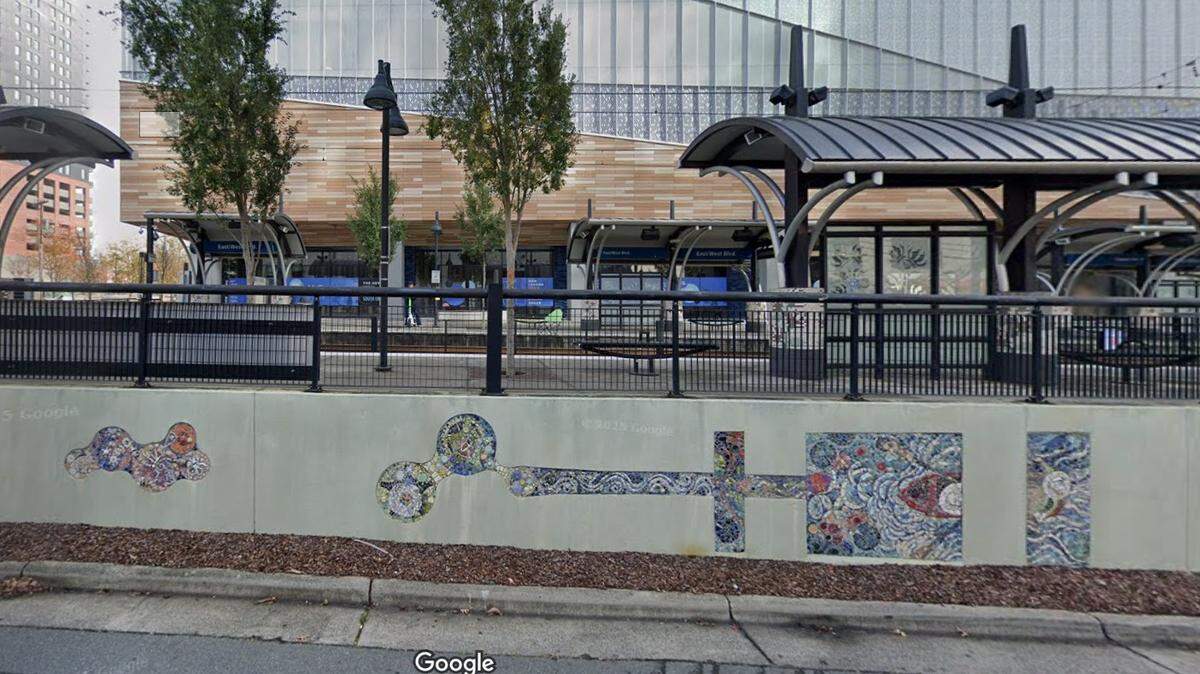
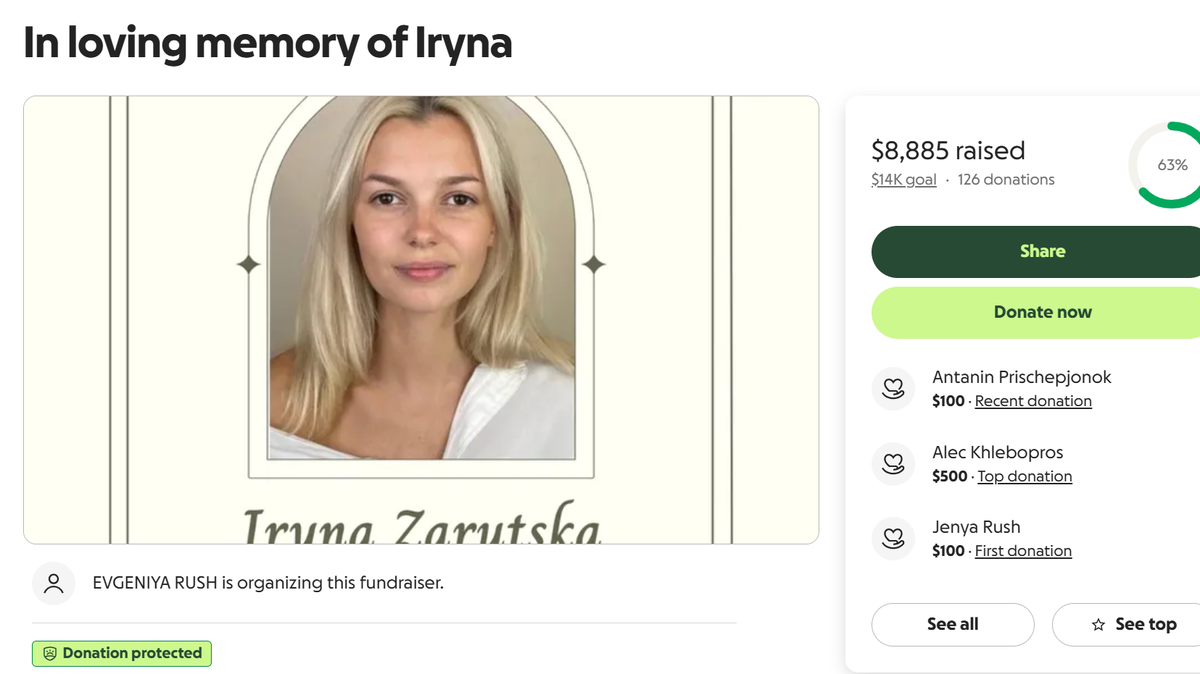
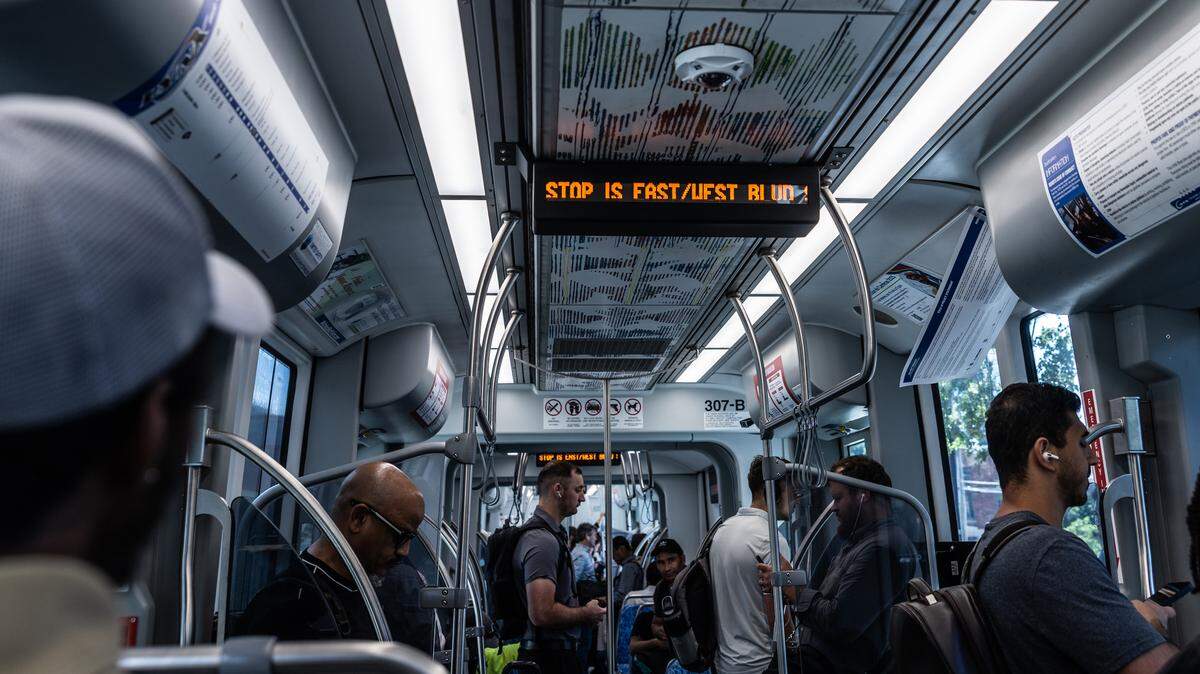
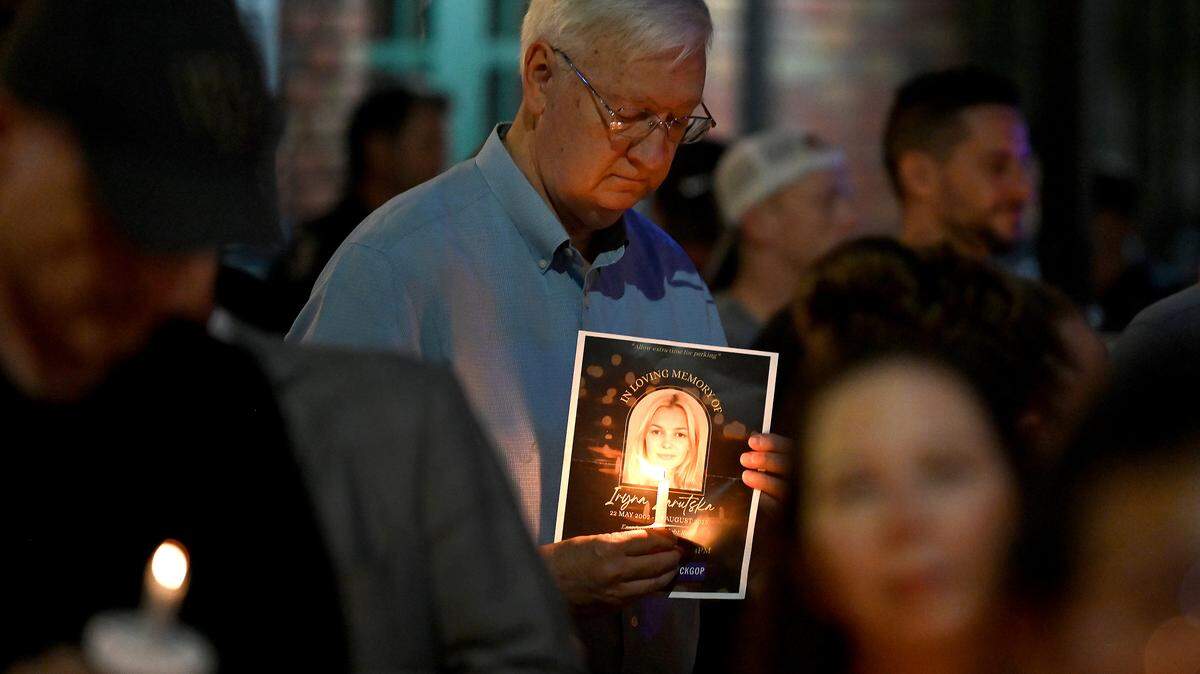
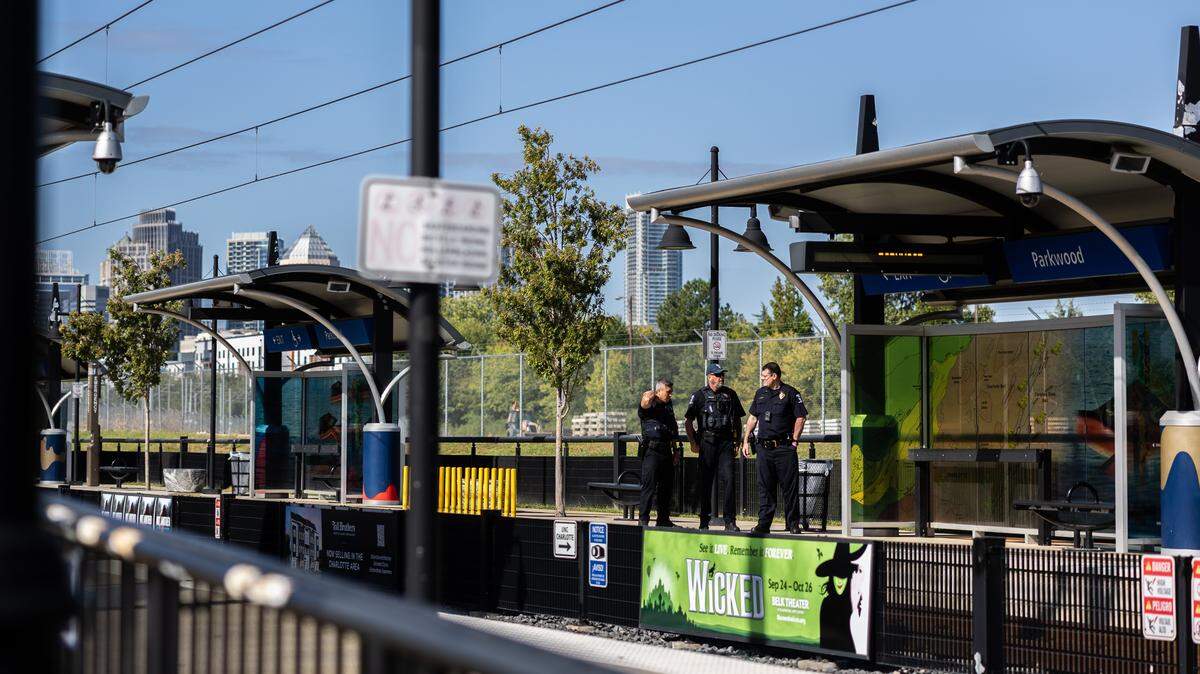
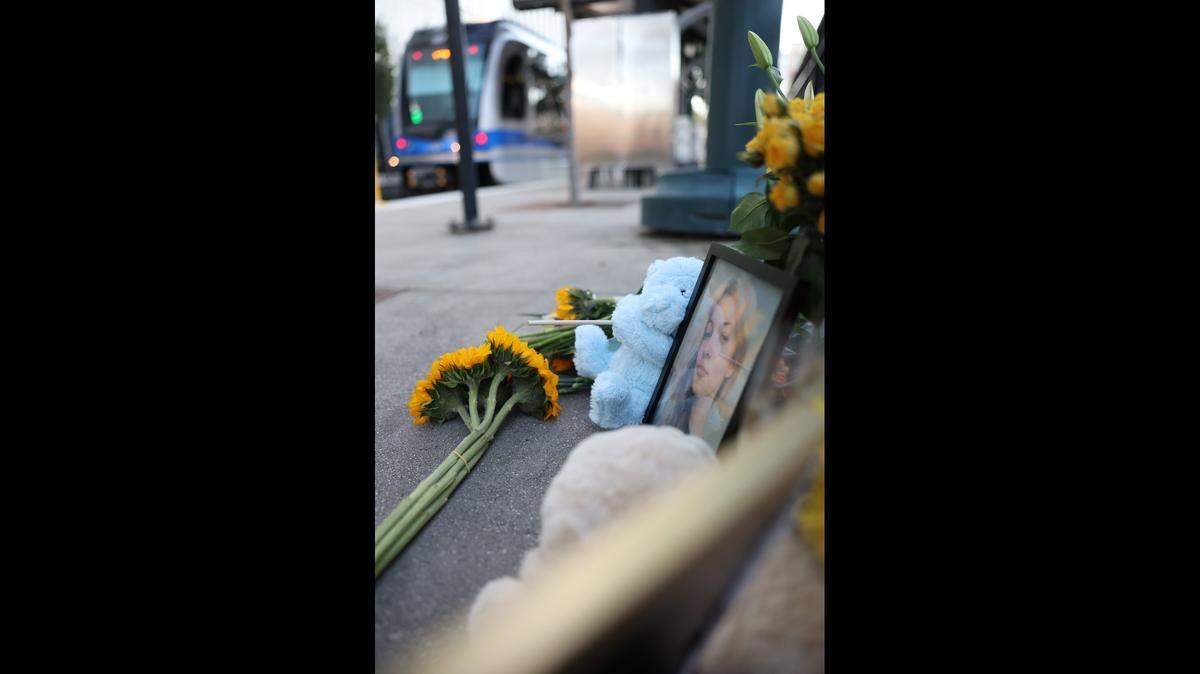
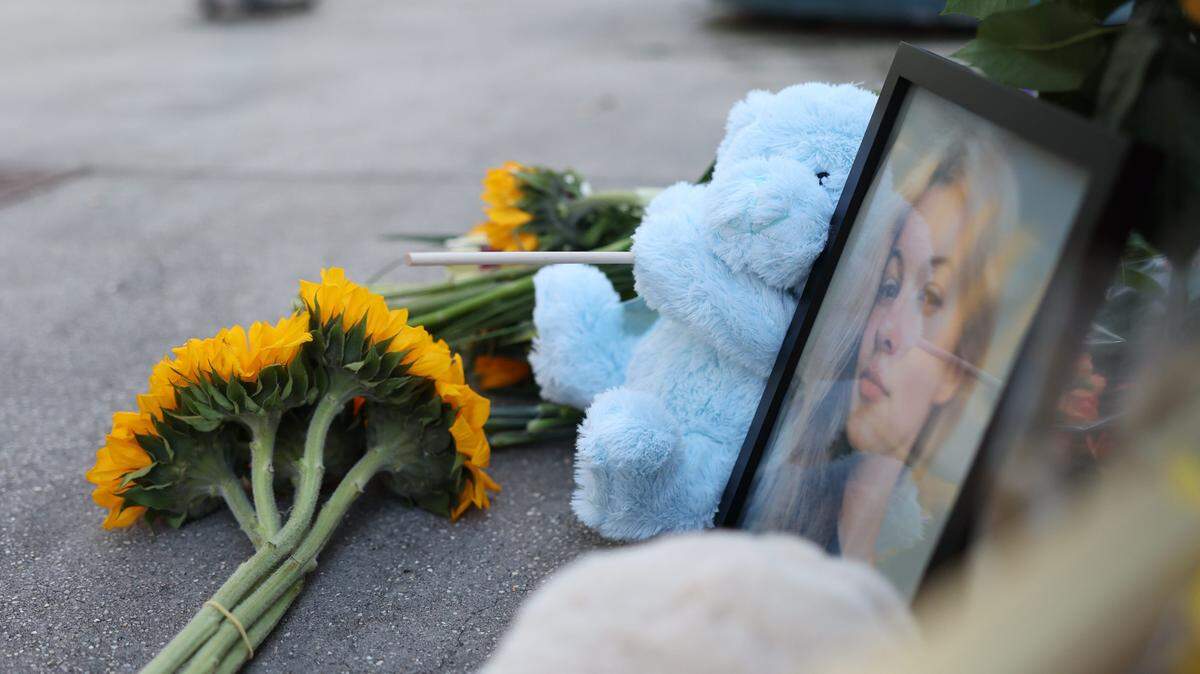
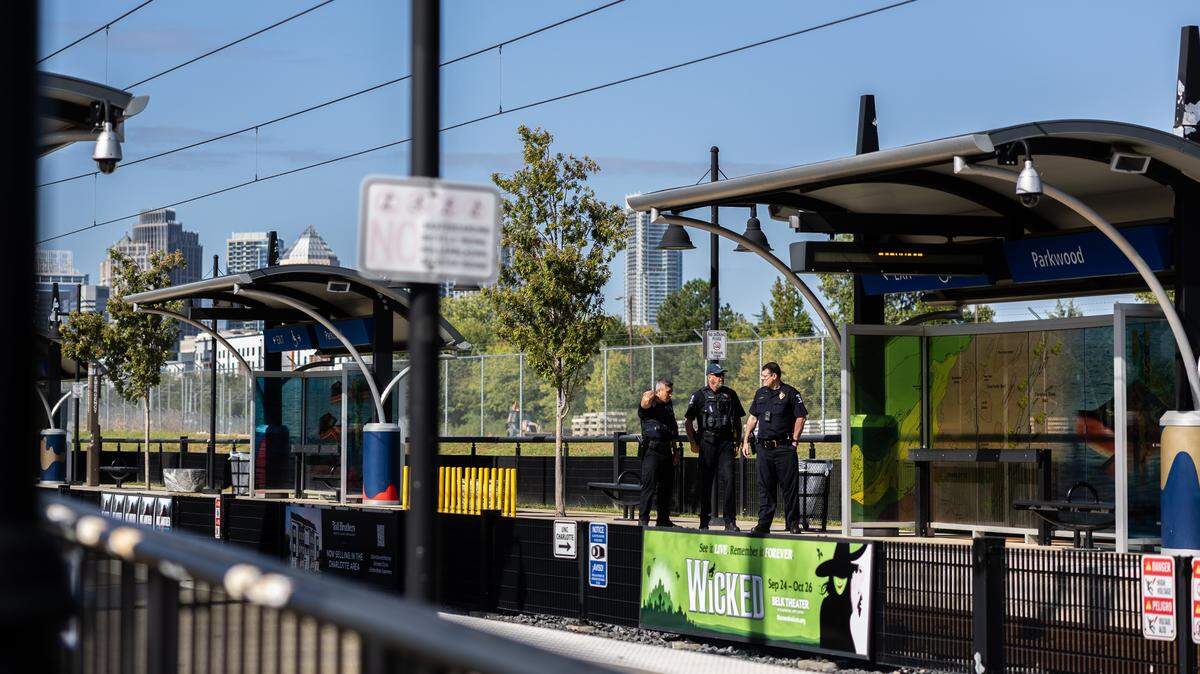
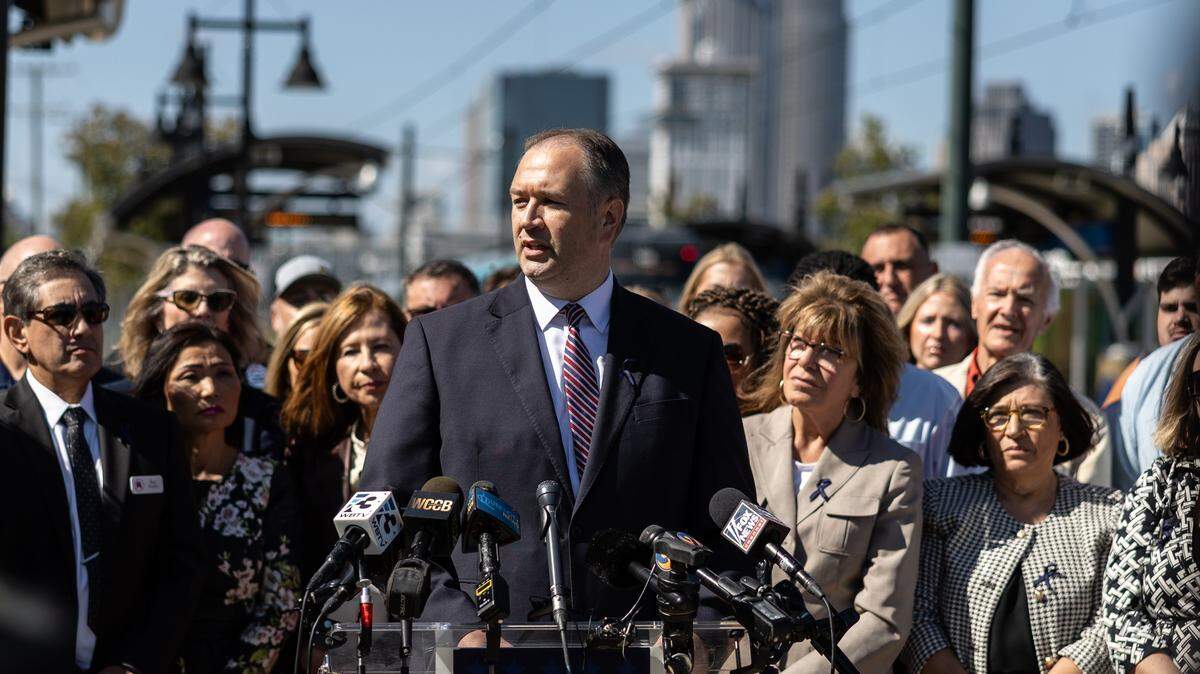
A 23-year-old Ukrainian refugee, Iryna Zarutska, was fatally stabbed on Aug. 22 on the light rail line in Charlotte’s South End. 34-year-old DeCarlos Brown Jr., who has a reported history of mental health issues, is charged in the killing. Zarutska’s death has received national attention, with public comments from President Donald Trump, Elon Musk, and Charlotte officials.
Expand All
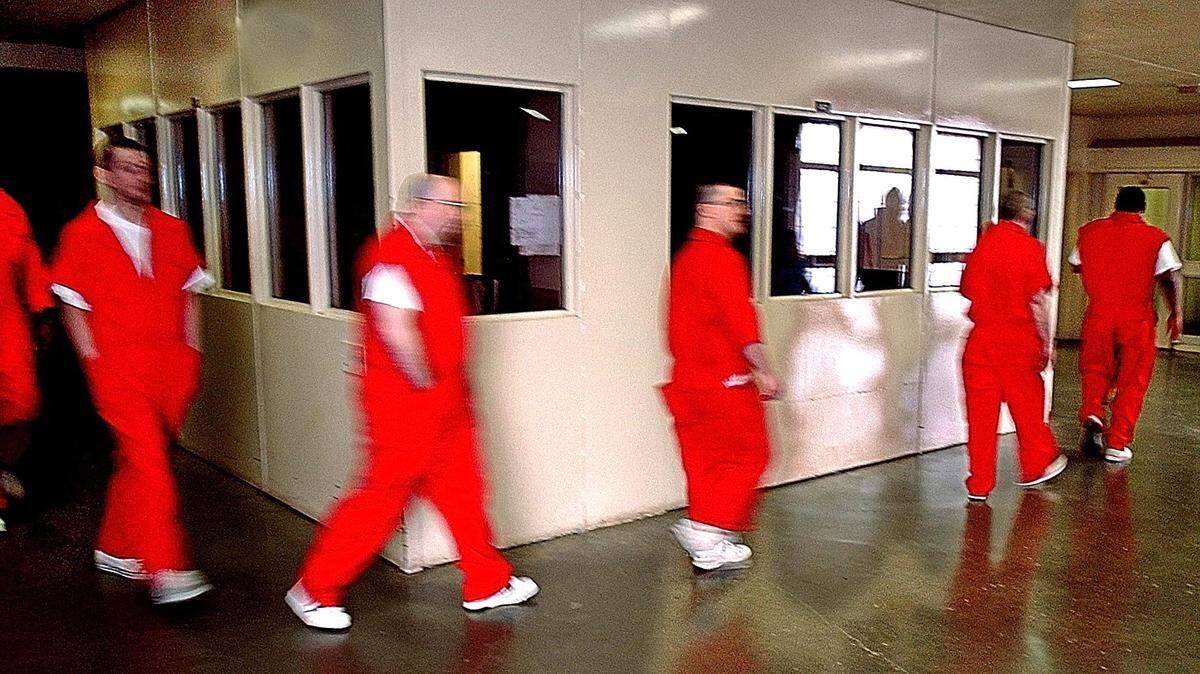
The death penalty remains on the books in North Carolina, and there are more than a hundred people currently on death row in the state, but legal challenges have resulted in a de-facto moratorium for nearly two decades.
Advocates against the death penalty have applauded the hold that has stopped executions from taking place, but opposition has grown among Republican state lawmakers, who control the General Assembly and say that executions have been on hold for long enough and should be on the table if juries decide that capital punishment is appropriate.
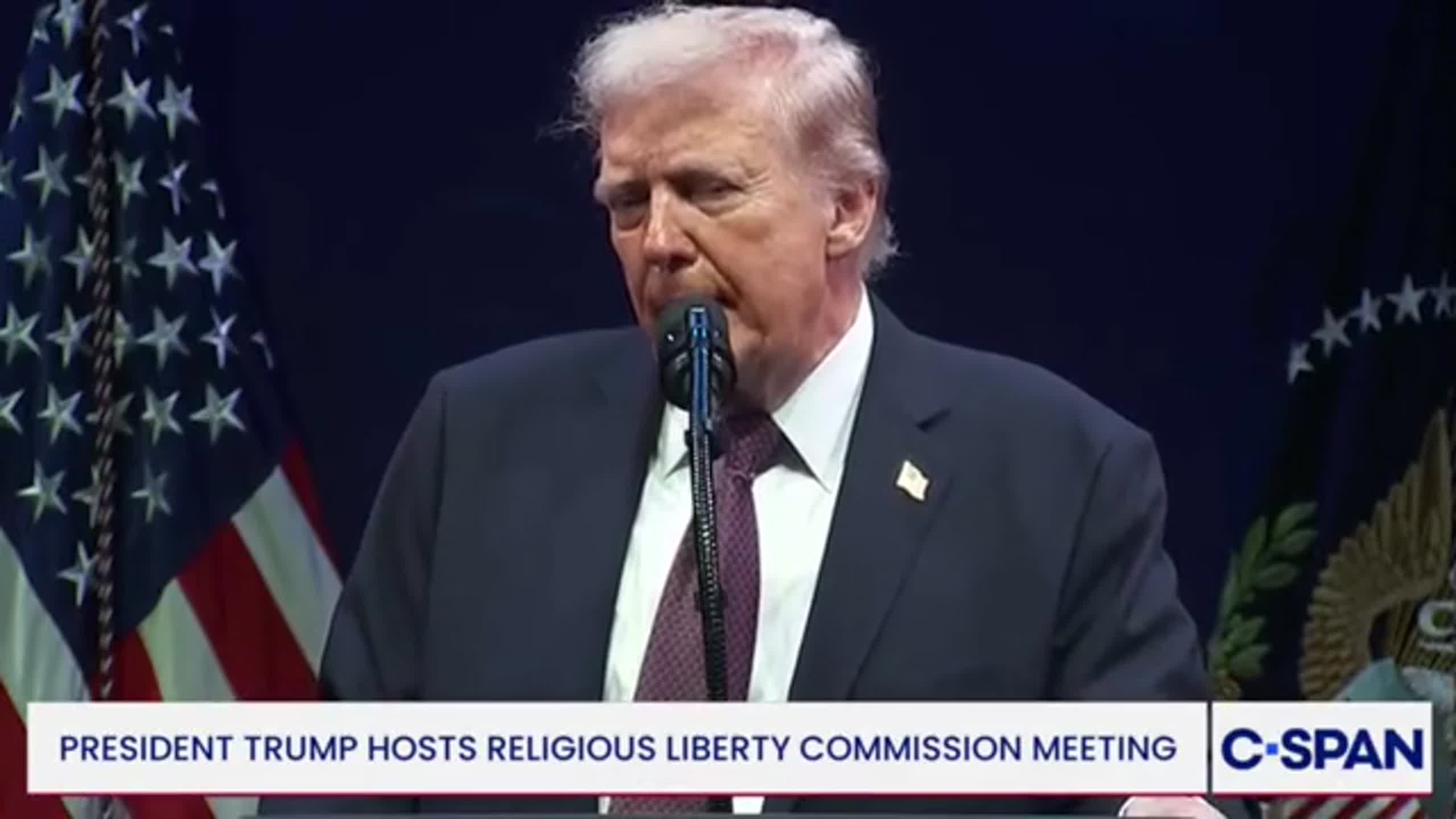
The issue is now receiving national attention after President Donald Trump said Wednesday that Decarlos Brown Jr. should be given a quick trial and be sentenced to death.
Brown is the 34-year-old suspect arrested by police in the fatal stabbing of Iryna Zarutska, a 23-year-old Ukrainian woman who was riding home on the light rail in Charlotte last month. He is charged with first-degree murder at the state level and now, at the federal level, committing an act causing death on a mass transportation system.
If convicted of the federal charge, Brown could face a sentence of life in prison or death.
Trump didn’t say if he was urging state or federal authorities to seek the death penalty, but while executions have stopped in North Carolina, the federal government in Trump’s first term conducted 13 federal executions, the Charlotte Observer reported.
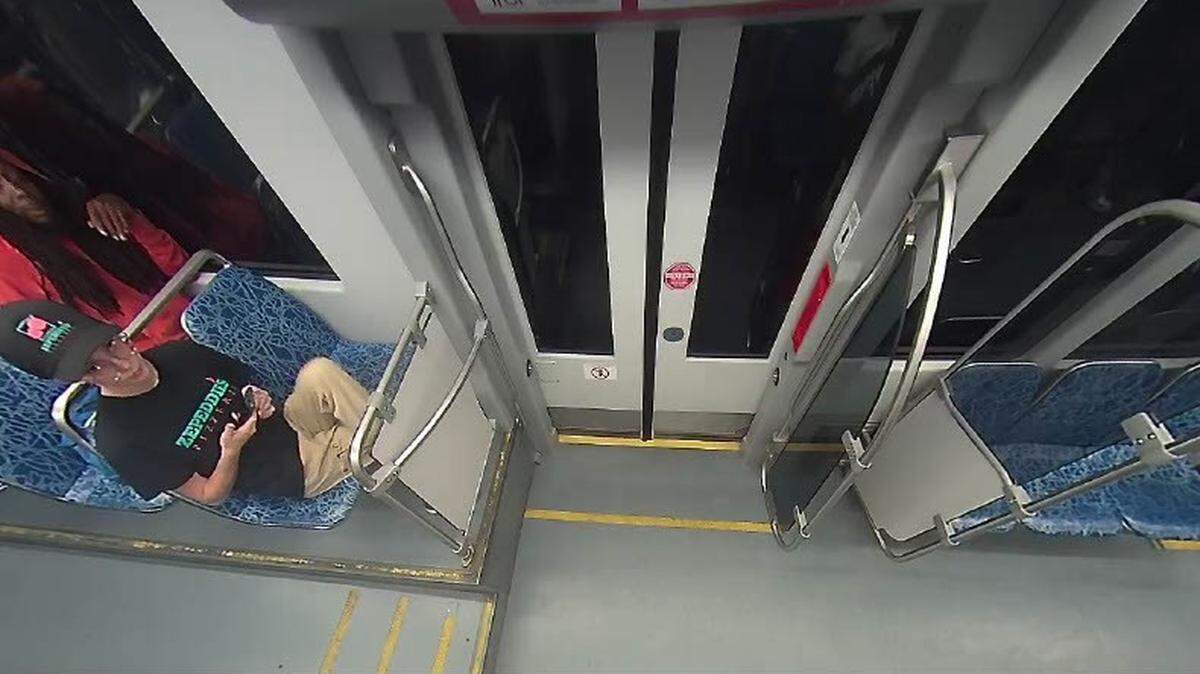
Trump’s call for Brown to receive a death sentence in the stabbing of Zarutska, which became a major story across the state and the country after gruesome surveillance video was released by authorities last week, could renew attention on the status of the death penalty in North Carolina.
The last time North Carolina executed an inmate on death row was in August 2006, when Samuel Flippen was put to death for the murder of his two-year-old stepdaughter.
Since then, court disputes have blocked the death penalty from being carried out.
Legal challenges began when, in 2007, the state medical board forbade doctors from any involvement beyond observing executions, which were only carried out by lethal injection after a move by state lawmakers to eliminate another method, lethal gas, in 1998.
The N.C. Supreme Court ruled in 2009 that the medical board couldn’t prevent doctors from participating, but the legal battle had already led to an unofficial moratorium on executions that remains in place today.
Racial Justice Act cases
A series of legal challenges brought under the Racial Justice Act by more than 100 of the 121 inmates currently on death row have further complicated matters. The law was passed by Democrats in the General Assembly in 2009, and subsequently repealed by Republicans in 2013, after they gained control of both legislative chambers.
Under that law, race could not be considered in implementing the death penalty, and inmates could challenge their sentence if they believed race was a factor in jury selection or their sentence.
Though the law was repealed, the N.C. Supreme Court ruled in 2020 that inmates who had filed a challenge under the act before its 2013 repeal could be heard in court.
In February, after a two-week hearing last year in the first Racial Justice Act claim to be heard since the Supreme Court’s ruling, a Johnston County judge ruled that race was “a significant factor” in the jury selection and sentencing of Hasson Bacote, a Black man who was sentenced to death in 2009 and who was spared from death row last year.
Prosecutors at the N.C. Department of Justice have appealed that ruling to the Supreme Court, which currently has a 5-2 Republican majority.
Gov. Roy Cooper’s death row clemency
Bacote was one of 15 death row inmates who received clemency from former Democratic Gov. Roy Cooper on his last day in office last year.
The clemency granted by Cooper, which followed a two-year campaign by advocates against the death penalty calling on Cooper to use his power more widely, changed the sentences of the 15 inmates from death to life in prison without the possibility of parole.
Cooper’s office said he weighed their criminal history, their mental and intellectual capacity at the time of the crime, the influence that race played in the case and other factors.
The death row clemency, and the manner in which it was granted, generated strong pushback from Republican lawmakers and district attorneys for commuting sentences that were imposed by juries after lengthy trials.
The backlash led in part to a proposal by a small group of House Republicans earlier this year to limit the governor’s clemency power by amending the state constitution to require that all reprieves, commutations, and pardons granted by the governor be approved by majorities in both chambers of the General Assembly.
A few months later, some GOP lawmakers proposed another bill that suggested approving alternate methods of execution under state law to move the state closer to lifting the hold on the death penalty.
Neither bill ultimately went anywhere as Republicans found themselves occupied with other legislative priorities and an ongoing stalemate over the state budget as negotiations between GOP leaders of the House and Senate appear to have stalled.
This story was originally published September 10, 2025 at 11:07 AM with the headline "Death penalty is on the books in NC, but executions have been on hold since 2006."






.png)