After Charlotte stabbing, NC legislative leaders will target city, county budgets
AI-generated summary reviewed by our newsroom.
- Legislators plan to review Charlotte's and Mecklenburg's budget allocations.
- Proposed crime bill may target grants tied to bail reform and incarceration.
- Leaders cite light rail stabbing as failure of local public safety policies.
READ MORE
Charlotte light rail train stabbing
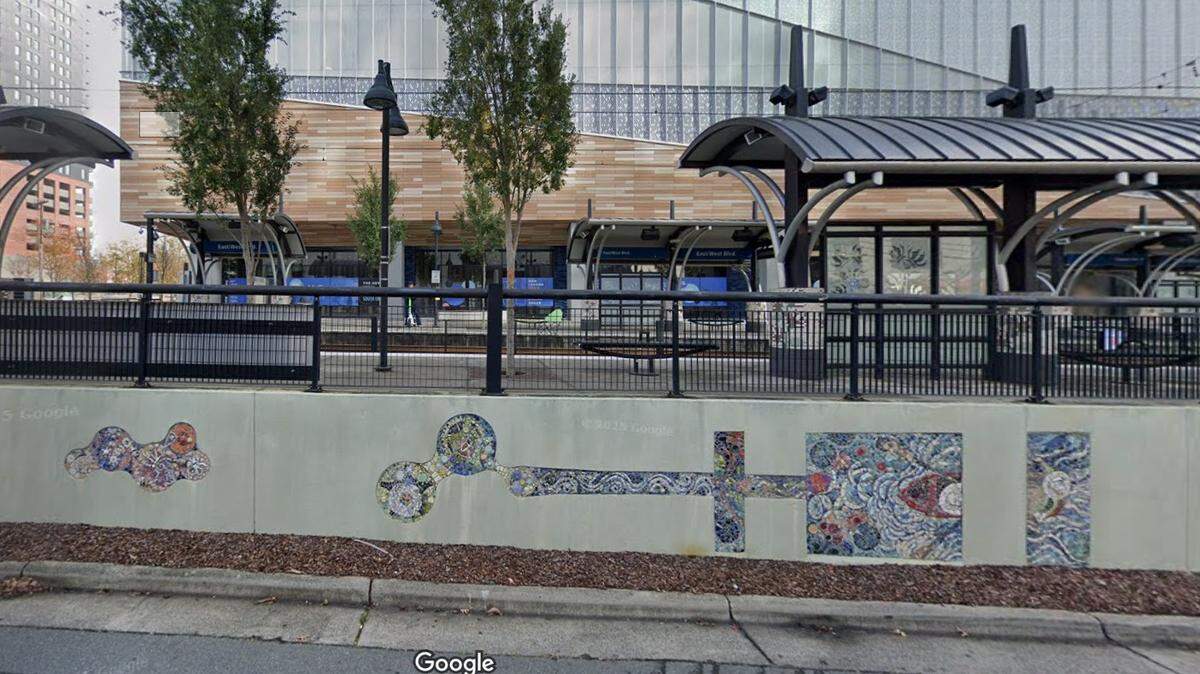
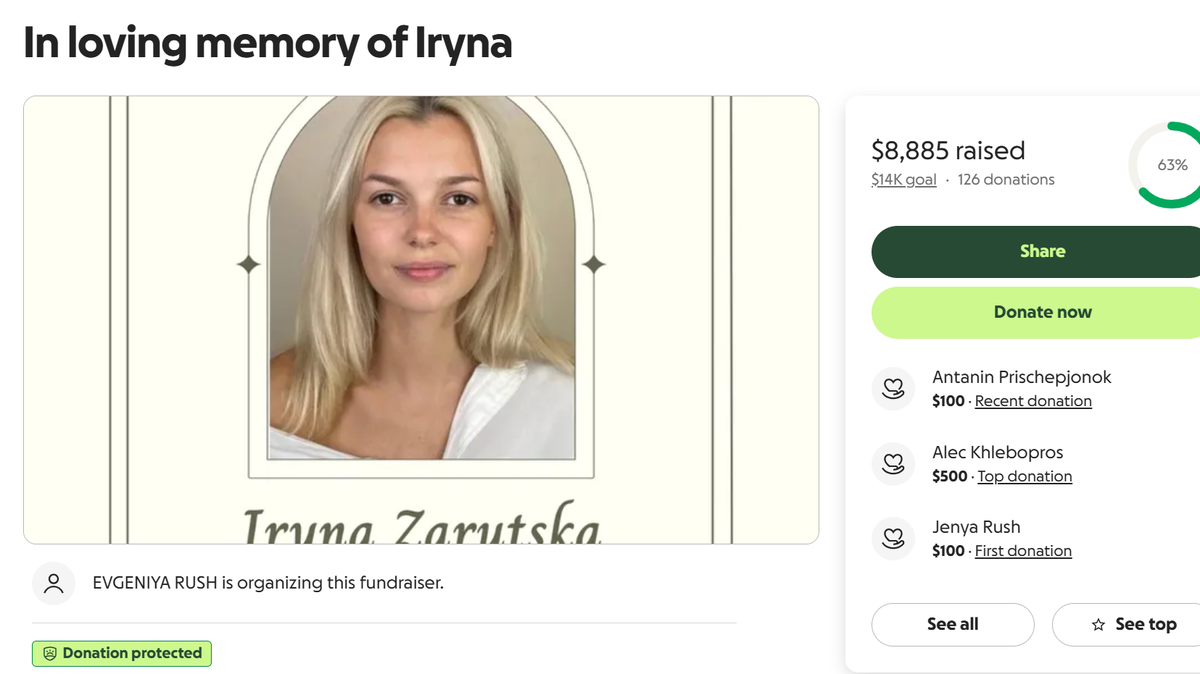
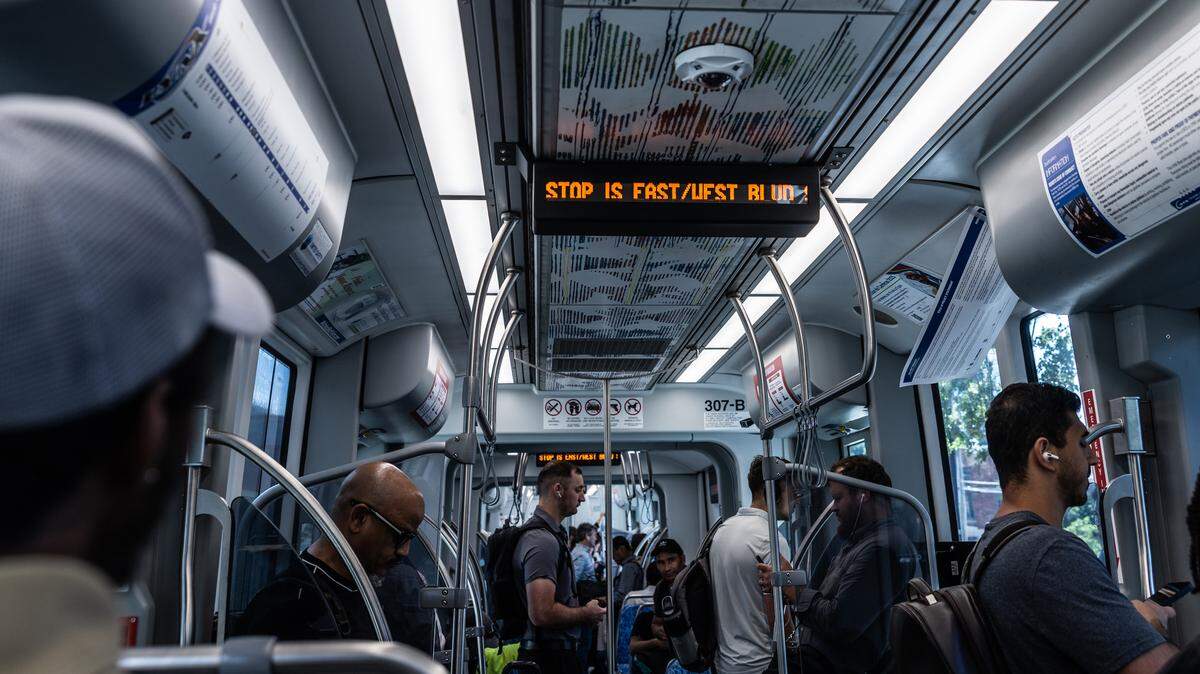
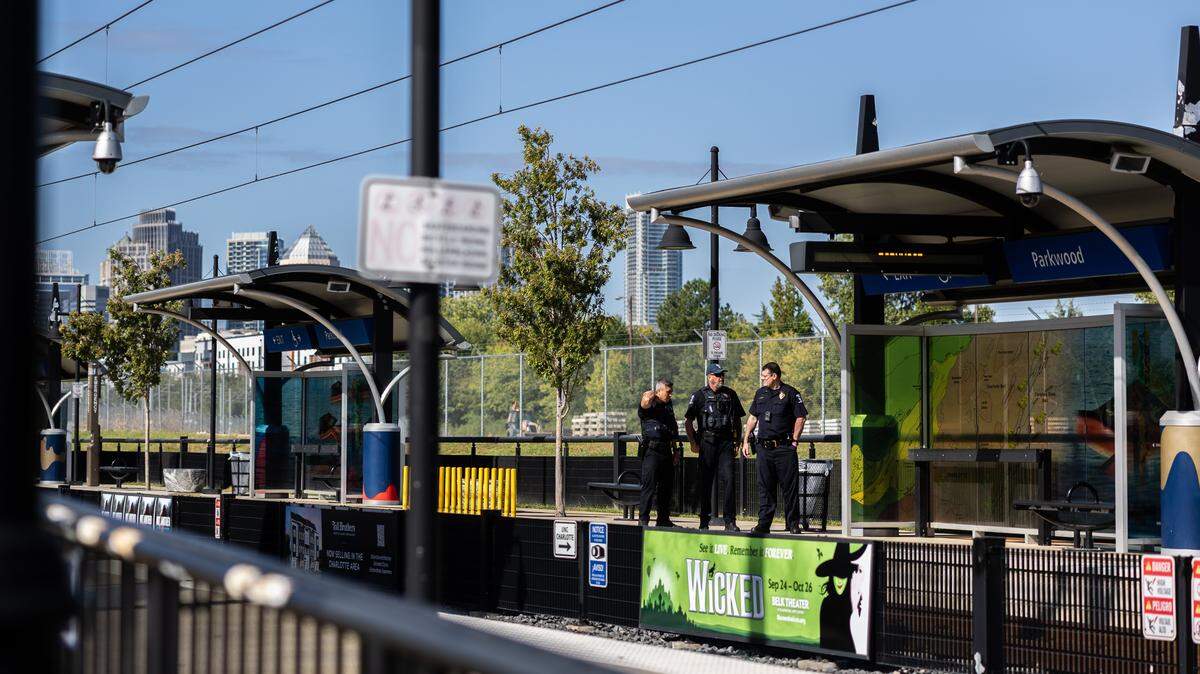
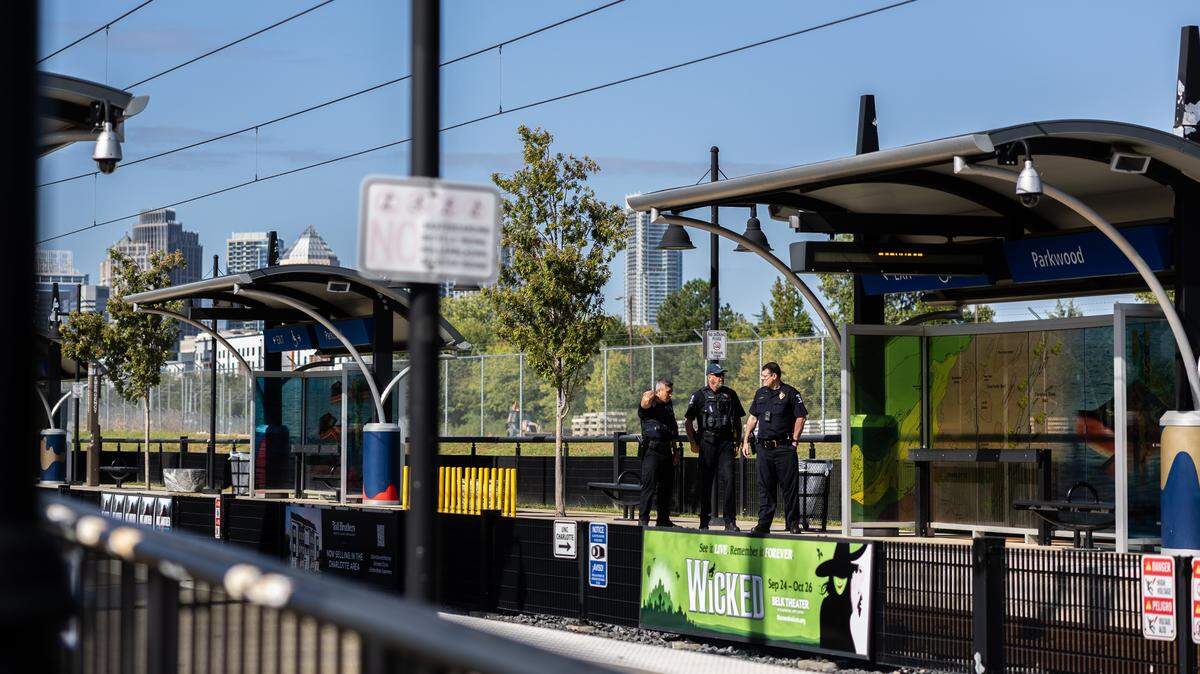
A 23-year-old Ukrainian refugee, Iryna Zarutska, was fatally stabbed on Aug. 22 on the light rail line in Charlotte’s South End. 34-year-old DeCarlos Brown Jr., who has a reported history of mental health issues, is charged in the killing. Zarutska’s death has received national attention, with public comments from President Donald Trump, Elon Musk, and Charlotte officials.
Expand All
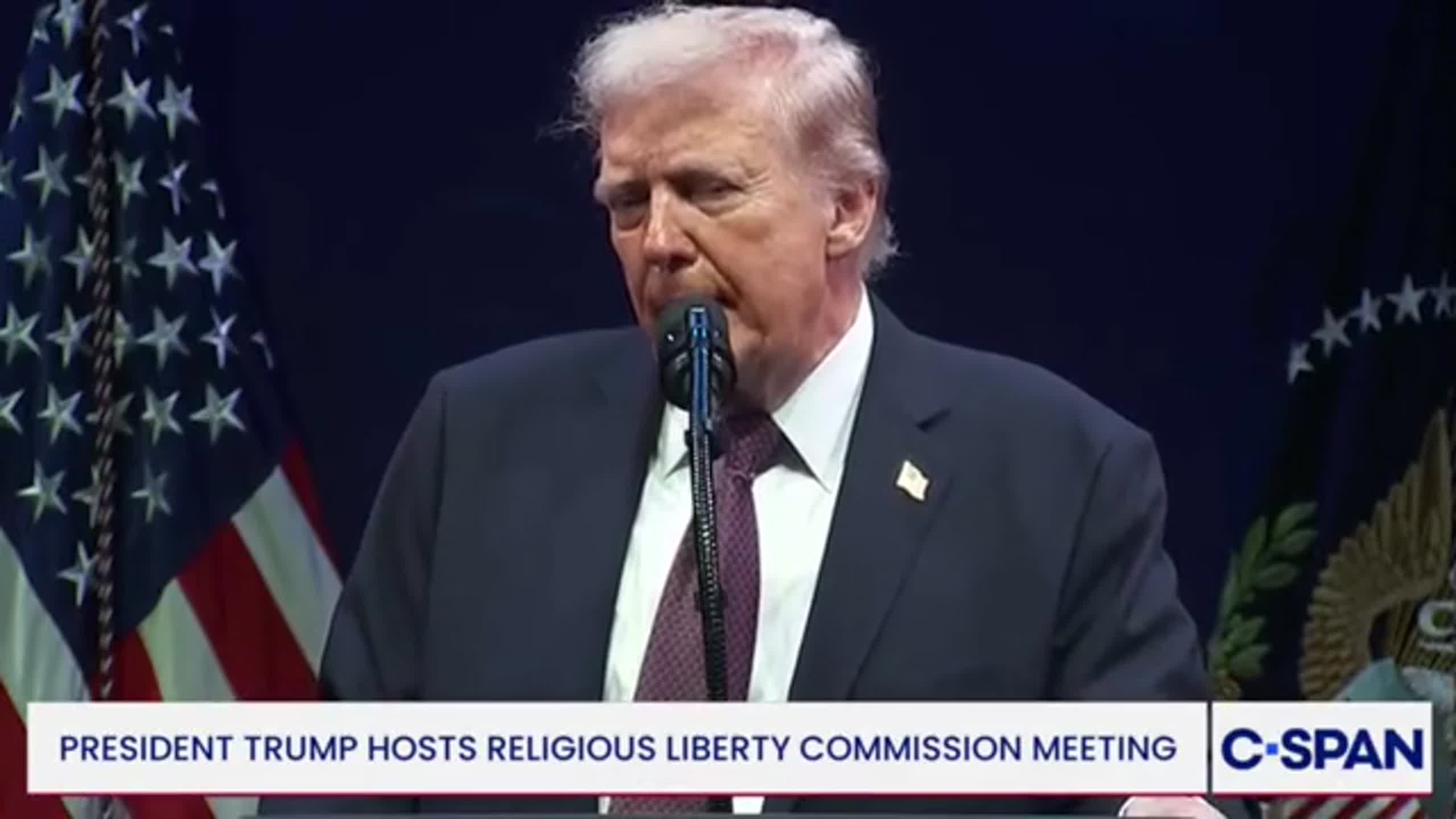
President Donald Trump has made sweeping statements to draw attention to crime in cities, but Republicans in North Carolina’s state government are taking a more targeted approach to Charlotte.
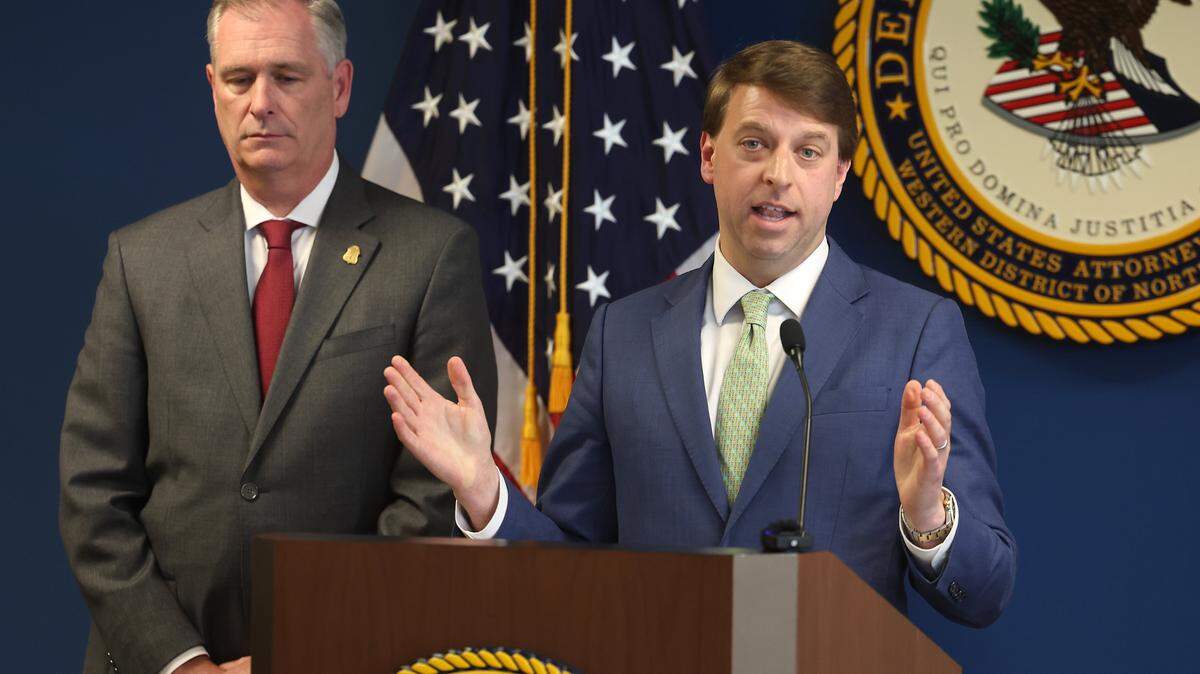
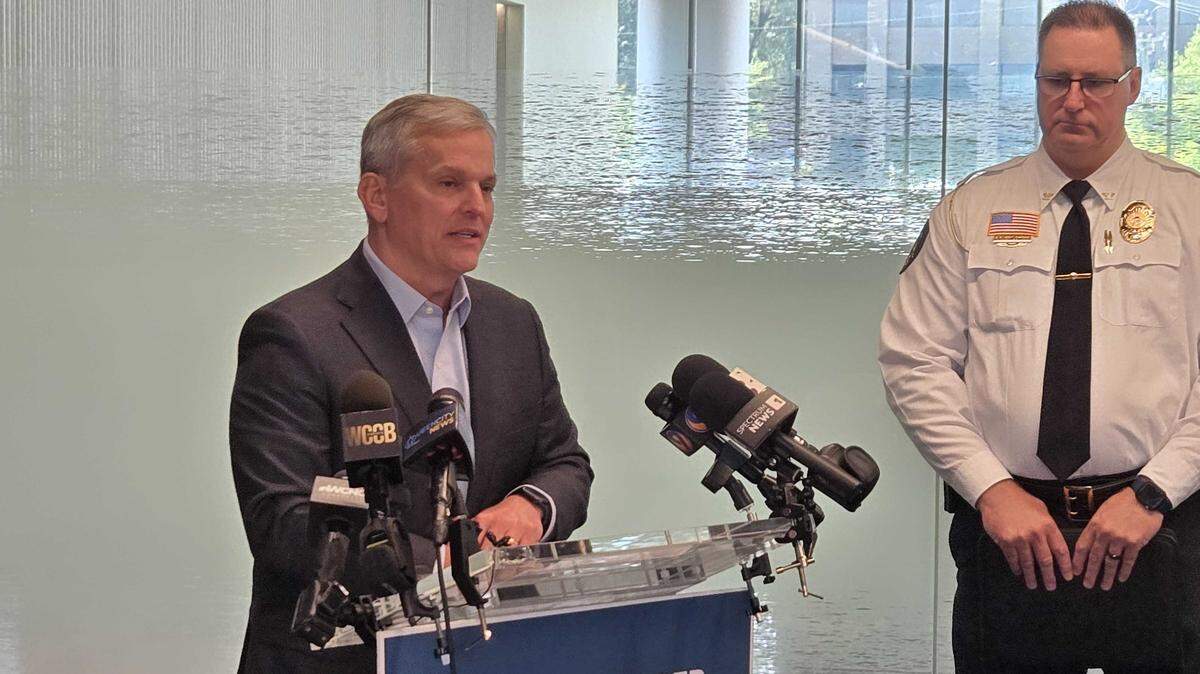
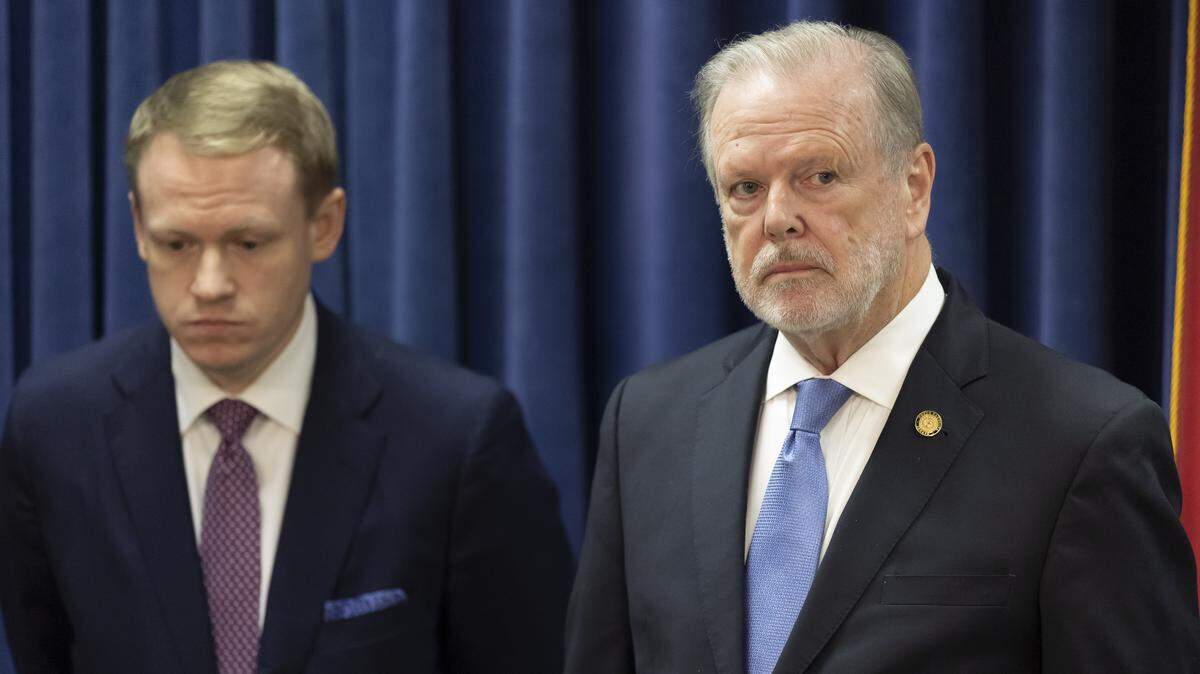
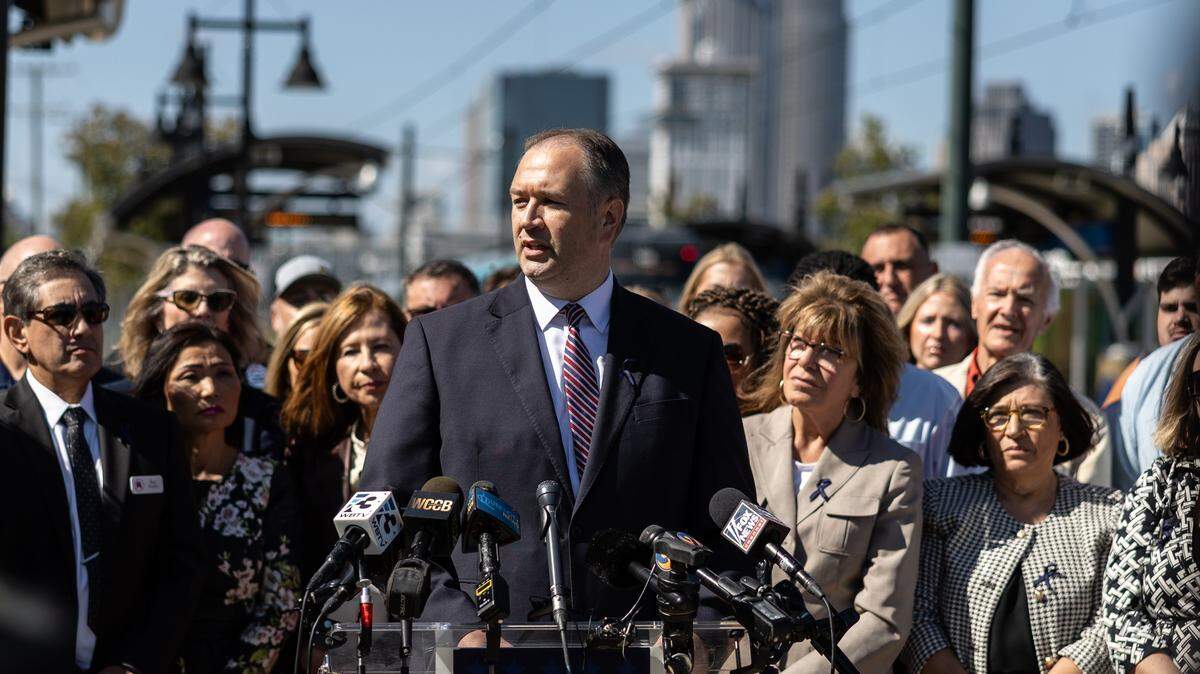
Senate President Pro Tempore Phil Berger and House Speaker Destin Hall, both Republicans who control the General Assembly, told reporters Thursday they’re looking specifically at the local budgets of the city of Charlotte and Mecklenburg County after the murder of Ukrainian refugee Iryna Zarutska on a light rail train in Charlotte on Aug. 22.
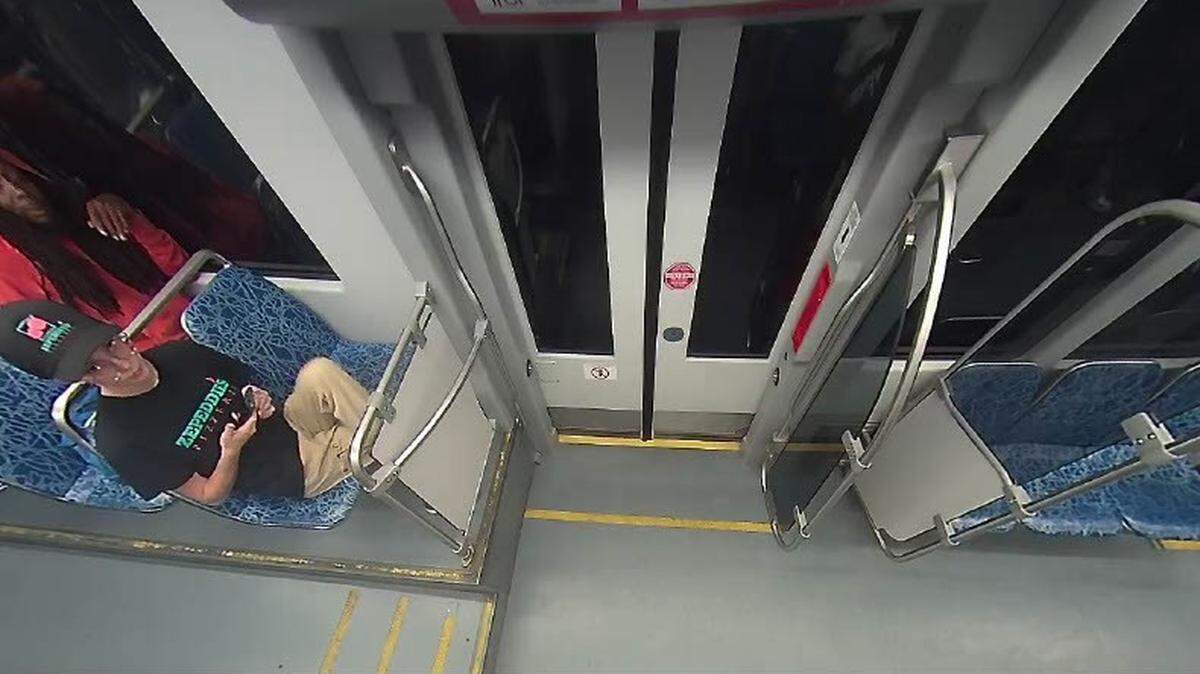
Zarutska’s fatal stabbing gained national attention after surveilliance footage of the murder was released. DeCarlos Brown Jr. faces state and federal charges in Zarutska’s death.
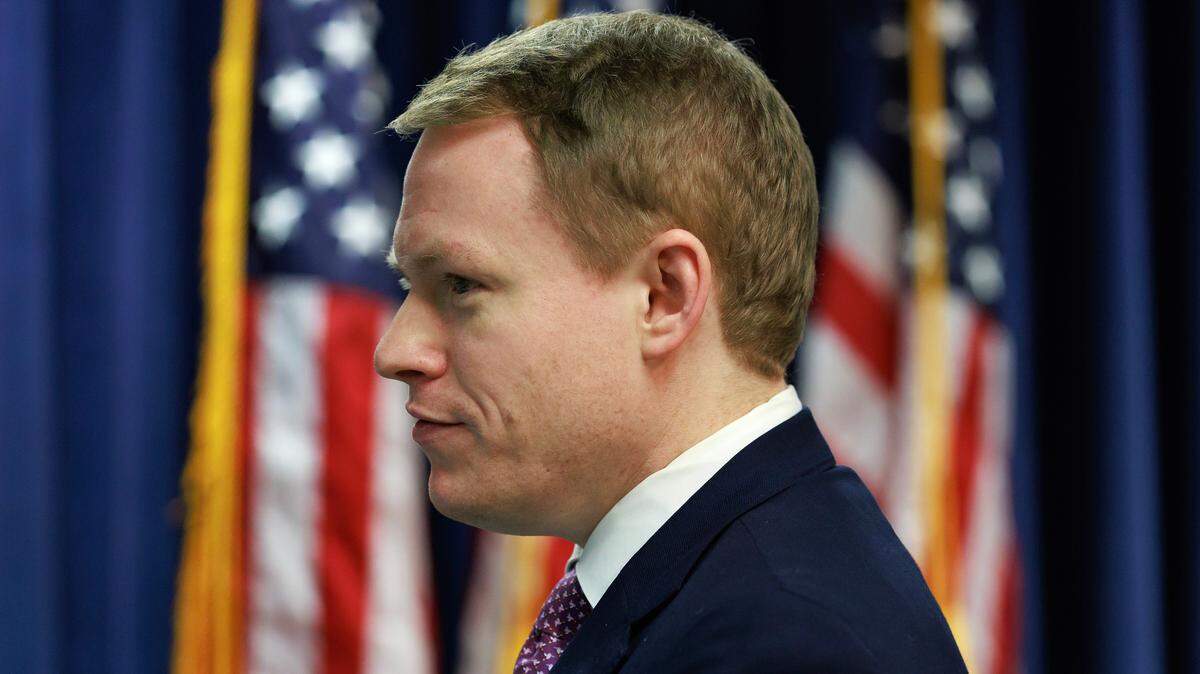
Berger and Hall will reveal a crime omnibus bill when legislators return for a session in Raleigh on Sept. 22 and announced Thursday what they hope to accomplish. Targeting Charlotte and Mecklenburg’s budgets could be part of that bill, or included in other legislation. If a bill passes the General Assembly, it goes to Democratic Gov. Josh Stein’s desk to sign or veto, unless it is a local bill. In that case, it becomes law without the governor taking a role.
Lawmakers want to look at the local budgets and find out “where are they spending money at — where they maybe shouldn’t be,” Hall said.
He added that he has seen some reports about grants they receive “from groups that their purpose is to keep people out of jail, or they’re opposed to requiring cash bail.”
Hall said that lawmakers will look at those local grants to see if they may have played a role in Zarutska’s murder.
“We’re going to go through the entire budget for the city of Charlotte and Mecklenburg County to see where these funds are going. Because ultimately, we’re dealing with ... two local governments that, in my opinion, have lost institutional control of their areas,” he said.
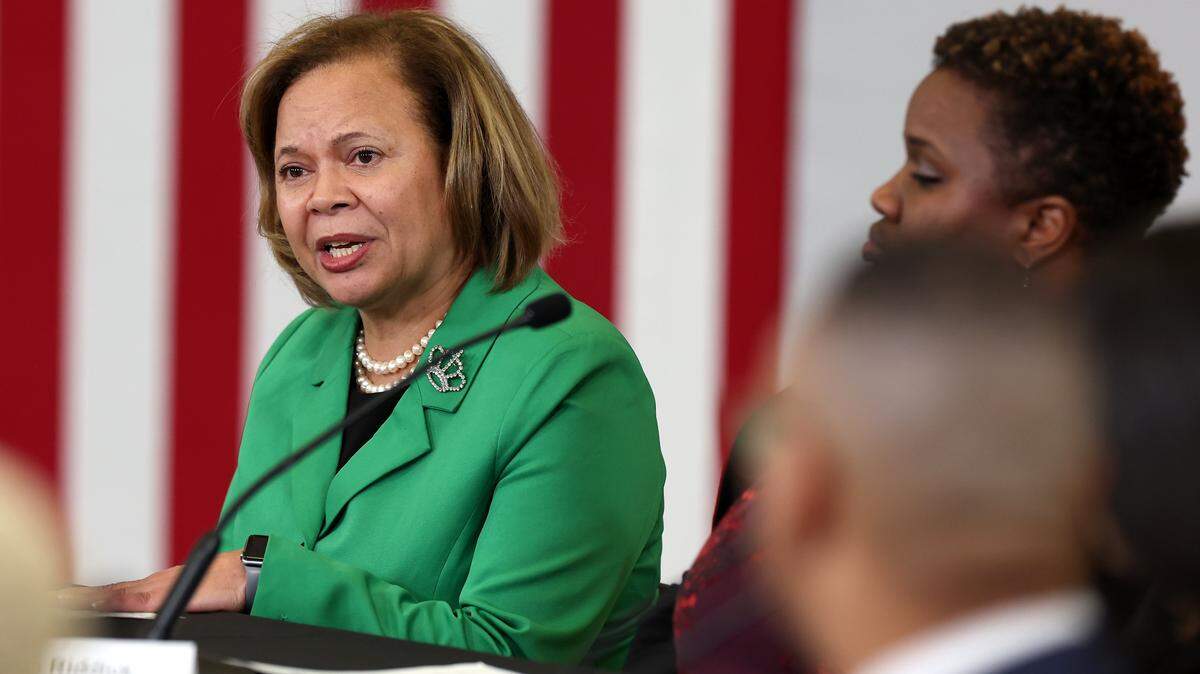
Mecklenburg County Manager Mike Bryant told The Charlotte Observer county government “is an organization filled with public servants who care deeply about our community.”
“As parents and neighbors ourselves, it was shocking to hear, and horrific to learn, about the death of Iryna Zarutska. We send our prayers and condolences to the family. We know the road ahead will have many legal and legislative discussions and changes. Mecklenburg County is committed to being a partner in those efforts,” Bryant said in a statement.
Berger also said that Brown would not have been on the train if Charlotte had enforced fare payments on light rail. Local transit officials previously said Brown did not pay for a ticket on Aug. 22.
Charlotte is already implementing safety upgrades, including increased security presence and fare enforcement, the city said in a statement provided by spokesperson Jack VanderToll. Charlotte seeks bipartisan solutions and “looks forward to collaborating with the members of the General Assembly.”
“Charlotte is one the greatest cities in our country and is consistently ranked as one of the best places to live and work, and our organization has a national reputation for strong fiscal policies and great financial management,” the statement reads.
House speaker blames local governments for being ‘soft on crime’
Hall also criticized the sheriff and city police department over cooperation with U.S. Immigration and Customs Enforcement and previously not giving police a certain type of body armor.
“We have to put a stop to the soft-on-crime policies, when you’re dealing with violent offenders like DeCarlos Brown,” Hall said. “And the folks on the ground are the ones who have to take the action. If they don’t do it, we’re going to continue to have this sort of thing.”
Mecklenburg County Sheriff Garry McFadden has frequently faced criticism over his department’s alleged failures to honor immigration detainers. Law enforcement receiving those detention requests from ICE are required to hold people already in jail for a period of 48 hours if they’re suspected of being in the country illegally. But McFadden says he’s fully complying with the law and that no one’s alleged otherwise.
Hall’s body armor comment references a tense monthslong disagreement between Charlotte-Mecklenburg Police Chief Johnny Jennings and the Charlotte Fraternal Order of Police.
Hall said that while the crime rate in Charlotte and Mecklenburg “may not be as bad as Chicago,” there should not be more than 100 murders a year in a North Carolina city.
Charlotte reported 110 homicides in 2024, up 24% from the 89 homicides reported in 2023. Charlotte-Mecklenburg Police’s crime map lists 39 homicides so far in 2025. The department said in its mid-year crime report overall crime was down 8% year-over-year in the city, including a 29% drop in homicides.
Hall said Rep. Tricia Cotham, a Mecklenburg County Republican, would also be working on the pending legislation addressing public safety.
This story was originally published September 12, 2025 at 6:00 AM with the headline "After Charlotte stabbing, NC legislative leaders will target city, county budgets."








.png)