Dinosaur fossils were destroyed in WWII. Now, photos reveal they were a new species

Nearly a century after a collection of dinosaur fossils were discovered by a collector in Egypt and brought to Germany, newly rediscovered photographs suggest the bones belong to a species new to science.
Richard Markgraf, an Austrian fossil collector, was in the Bahariya Oasis in Egypt on an expedition in 1914 when he discovered prehistoric fossils belonging to a large dinosaur, according to a study published Jan. 14 in the peer-reviewed journal PLOS One and a Jan. 15 news release from The Bavarian Natural History Collections.
The fossils were sent to the Munich-based paleontologist Ernst Stromer who studied the fossils and identified them in a study published in 1931, according to the study.
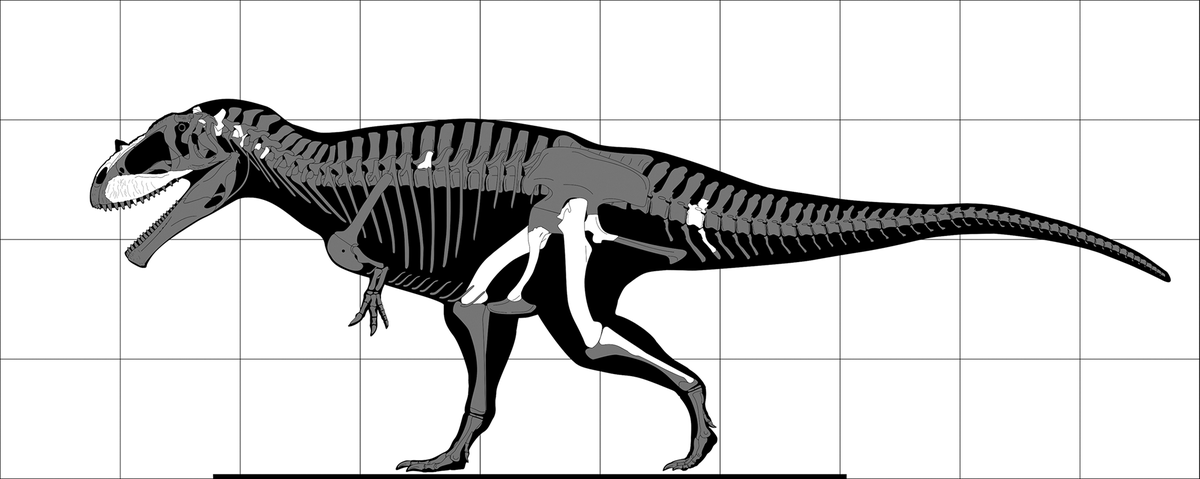
“Stromer assigned the fossil to the genus Carcharodontosaurus, shark-toothed lizard,” researchers said. “At around (32 feet) long, it was one of the largest known land-based carnivores in the history of the earth — comparable in size to the slightly younger Tyrannosaurus rex from North America.”
Less than a decade later, World War II swallowed Germany. The fossils were housed in the Old Academy building of the Bavarian State Collection for Paleontology and Geology when the campus was hit by air raids on July 21, 1944, completely destroying the wing containing fossils from Egypt, researchers said.
Markgraf’s bones were destroyed, and all that was left to remember the discovery were Stromer’s notes, illustrations and a few photos, according to the study.
Then, a paleontology master’s student named Maximilian Kellermann discovered photographs of the original fossils that hadn’t been studied before and that were taken from different angles of the fossil display, researchers said.
Kellermann brought the images to dinosaur specialist Oliver Rauhut and Elena Cuesta, and they were shocked by what the photos showed.
“What we saw in the historical images surprised us all,” Kellermann said. “The Egyptian dinosaur fossil depicted there differs significantly from more recent Carcharodontosaurus finds in Morocco. Stromer’s original classification was thus incorrect. We identified a completely different, previously unknown predatory dinosaur species here and named it Tameryraptor markgrafi.”
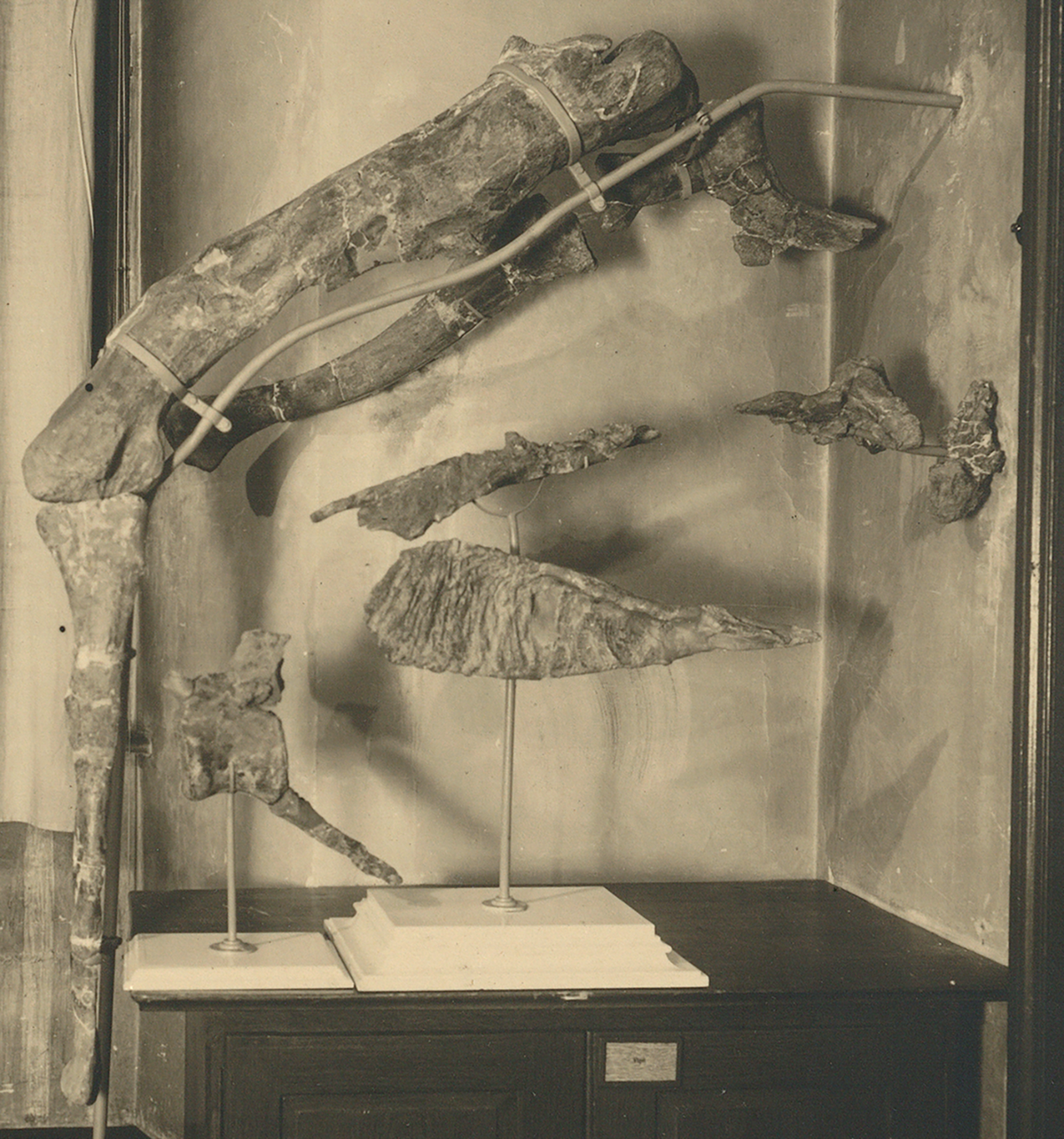
The Carcharodontosaurus saharicus species was last studied when fossils were found in Morocco in 1996, according to the study, but since the holotype bones (or original specimen used to describe the species) were destroyed, a close comparison couldn’t be made.
The photos revealed a few key differences between the 1996 samples and the original 1931 now-destroyed fossils, including a small horn in between the dinosaur’s nostrils.
The genus name, Tameryraptor, meaning “thief from the beloved land,” combines the Egyptian name for beloved land, ta-mery, and the Latin word for thief, raptor, according to the study.
The species name, markgrafi, honors the fossil collector who gathered most of the bones later described by Stromer, researchers said.
The dinosaur was about 32 feet long with “symmetrical teeth,” researchers said.
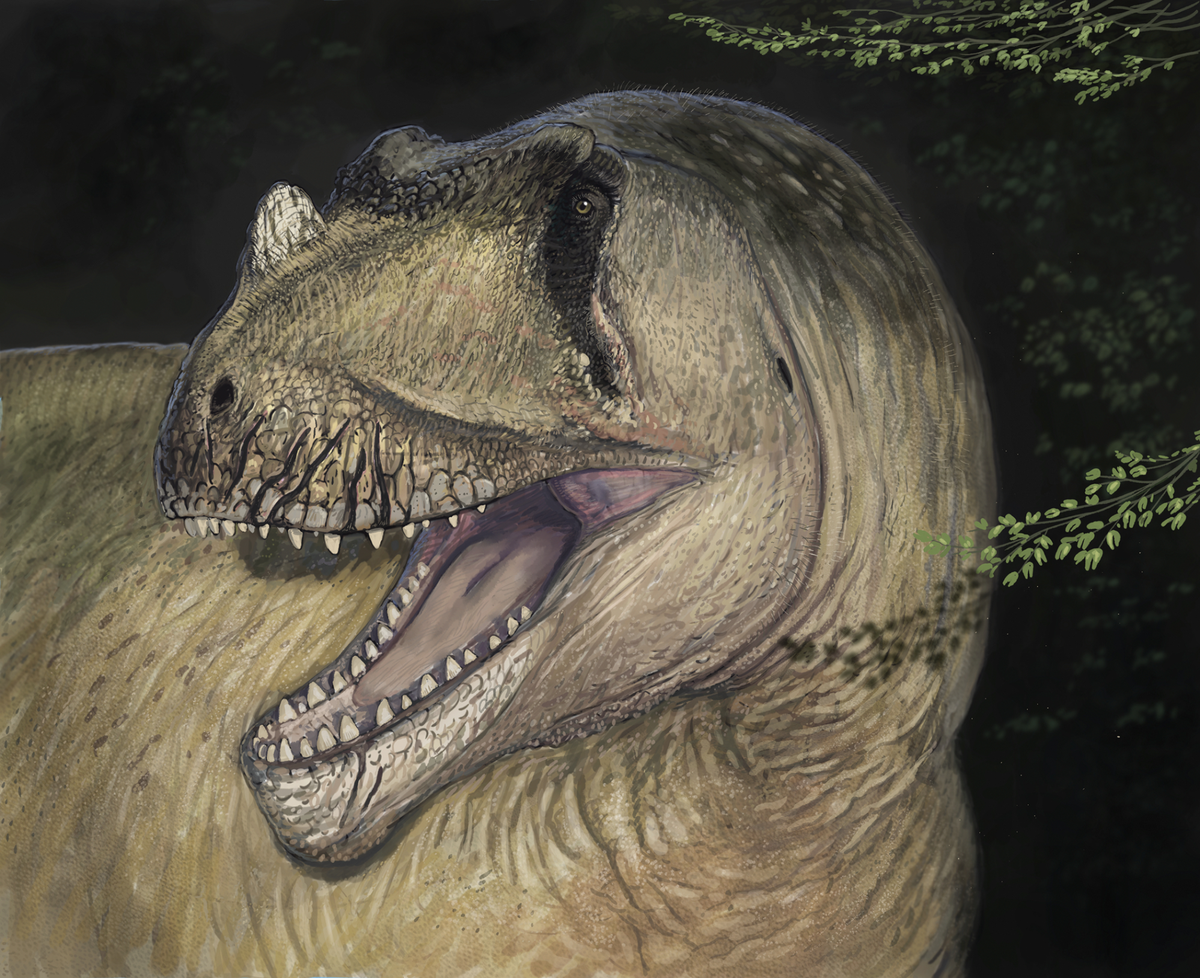
The dinosaur lived during the Cretaceous period, between 66 and 145 million years ago, and would have been a fierce predator, according to the study.
“Presumably, the dinosaur fauna of North Africa was much more diverse than we previously thought. This work shows that it can be worthwhile for paleontologists to dig not only in the ground, but also in old archives,” Rauhut said. “However, a more comprehensive assessment of the Cretaceous predatory dinosaur fauna from the Bahariya Oasis would require the recovery of more fossils from the site.”
The Bahariya Oasis is in north-central Egypt, about a 230-mile drive southwest from Cairo.
The research team includes Kellermann, Cuesta and Rauhut.
This story was originally published January 15, 2025 at 3:11 PM with the headline "Dinosaur fossils were destroyed in WWII. Now, photos reveal they were a new species."