50-million-year-old ‘worm lizard’ — the ‘largest’ ever — found as new species in Tunisia
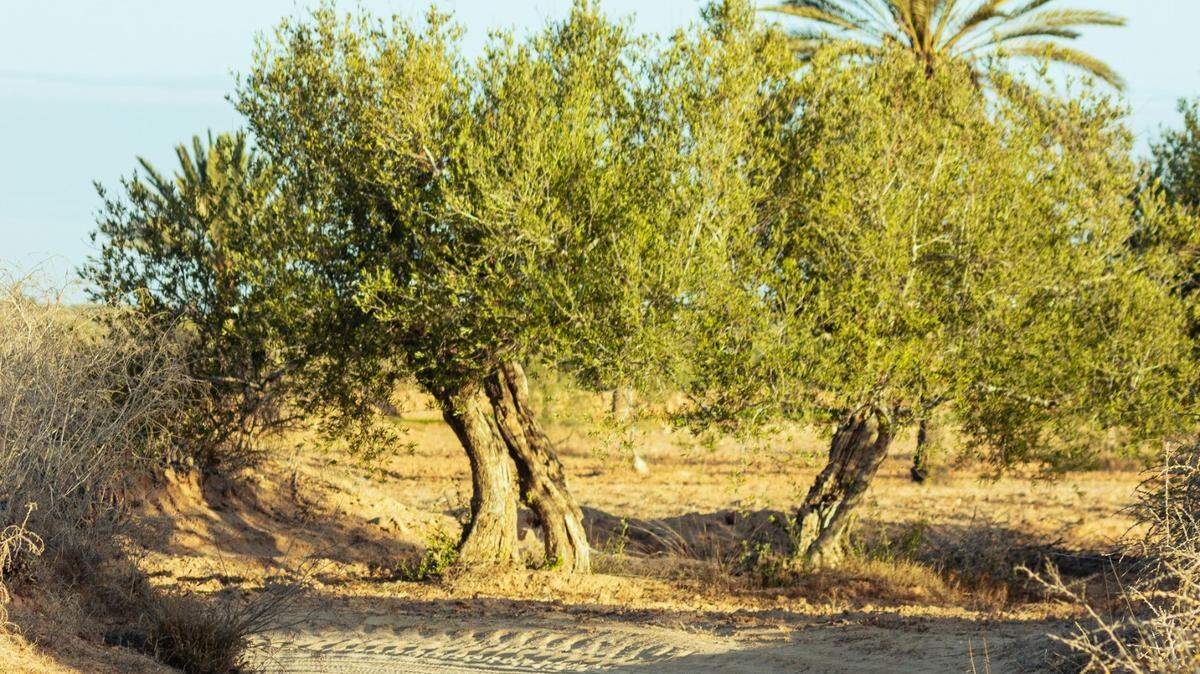
Just south of the Mediterranean Sea in the arid landscape of Tunisia, layers of rock and soil hold evidence of past eras. Millions of years of pressure make the remains of ancient species turn from soft bone to hardened fossils.
Here, paleontologists discovered the jaw of an unusual prehistoric creature — and it’s a species new to science.
The fossils belong to a species of amphisbaenian from the Eocene epoch, about 50 million years ago, according to a study published Nov. 21 in the peer-reviewed Zoological Journal of the Linnean Society.
Amphisbaenians are a group of worm-like reptiles, typically limbless, that are long and thin like a worm, but covered in a hard, scaly exterior like a lizard and have a head similar to a snake. Related species are still living today, and a few amphisbaenians have even retained their two front limbs. Others have a tail that mimics their head to throw off predators.
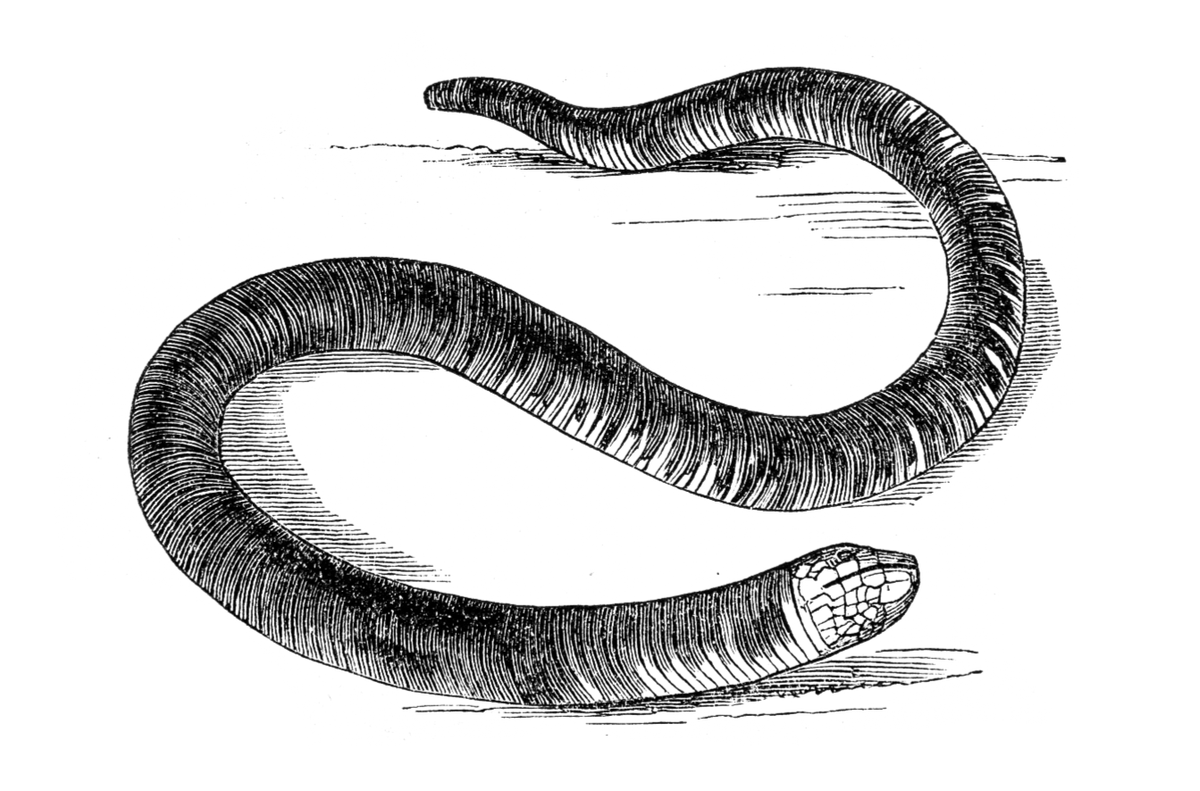
Researchers found the right side of the 50-million-year-old amphisbaenian’s upper jaw and the left side of its lower jaw, according to the study, but while it clearly belonged to this odd reptilian family, there were unique features the paleontologists hadn’t seen before.
The animal “bears a certain degree of resemblance to extinct and extant (worm lizards), but also possesses some highly distinctive features that can readily differentiate it from all other amphisbaenians,” according to the study.
Both jaws had “really strange dentition” including “an enormous tooth in each upper and lower jaw,” study author Georgios Georgalis said in a Nov. 21 Facebook post.
It wasn’t just a new species, it was “the world’s largest worm lizard,” researchers said.
The species was named Terastiodontosaurus marcelosanchezi, or the Marcelo Sánchez giant trogonophid. The genus is derived from the Greek words “τεράστιος” (terastios), which means huge or enormous, “ὀδούς” (odontos), which means tooth, and “σαύρα” (saura), meaning lizard, according to the study. The species name honors Marcelo Sánchez-Villagra, a paleontologist and long-time friend of Georgalis.
“Giant,” however, is relative, according to the study. Researchers estimate the complete skull length is around 2 inches long, but would have allowed for a “very high bite force.”
A strong jaw would allow the species “to crush a wide variety of snails,” researchers said, the species’ primary food source.
Using the length of the skull, researchers could estimate the full length of the new species, roughly 31 inches long, making it “the largest known amphisbaenian ever to have lived,” according to the study.
The fossils were discovered in Djebel Chambi National Park in northwestern Tunisia.
The research team includes Georgios Georgalis, Krister T. Smith, Laurent Marivaux, Anthony Herrel, El Mabrouk Essid, Hayet Khayati Ammar, Wissem Marzougui, Rim Temani and Rodolphe Tabuce.
This story was originally published November 22, 2024 at 5:51 PM with the headline "50-million-year-old ‘worm lizard’ — the ‘largest’ ever — found as new species in Tunisia."