Armored prehistoric creature — with ‘unusual’ jaws — discovered as new species. See it
For millions of years, Earth was the planet of reptiles. Giant flying reptiles controlled the skies while massive dinosaurs were kings of the land.
Other prehistoric animals, however, may not have had such a dominating presence.
Take procolophonids, for example. These small, lizard-like animals belong to a group called parareptiles, and while technically related to reptiles and eventually birds, they are more like distant cousins than direct descendants.
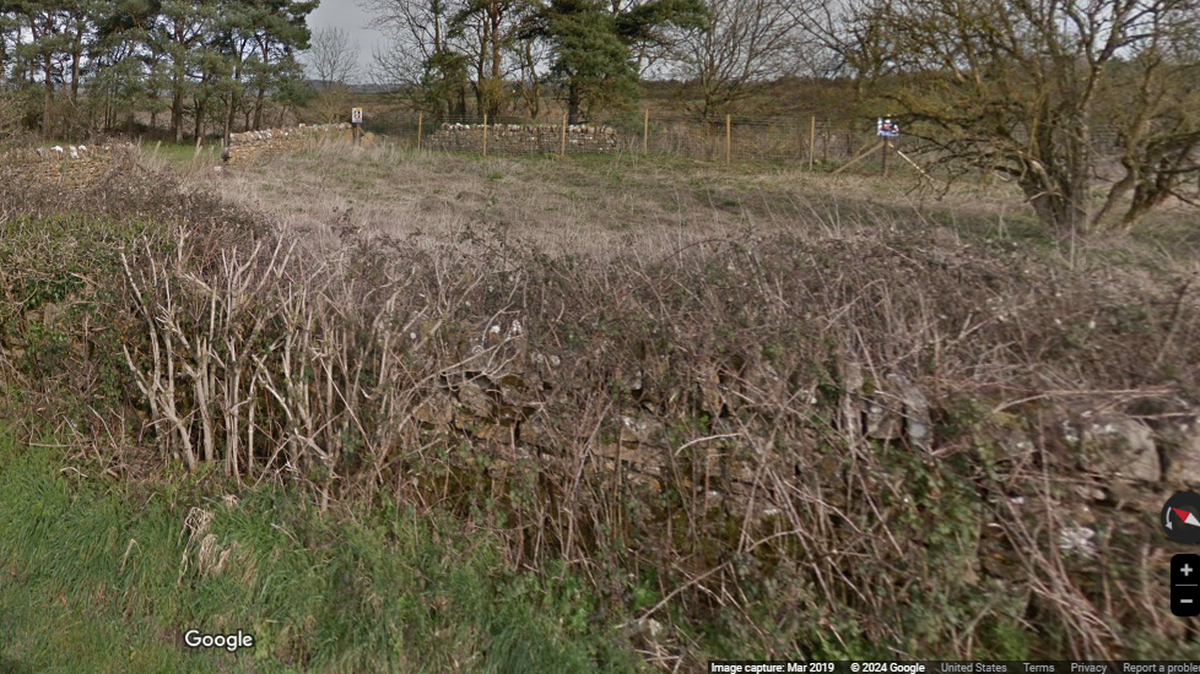
The bones from one of these 200-million-year-old creatures were discovered in a former quarry in Cromhall, England, and now, researchers believe they belong to a species new to science.
“Some of the best known procolophonids from the U.K. have been discovered in geological features known as fissure fills. These deposits, which include Cromhall, formed when the remains of ancient wildlife fell into rocky crevices which were then covered over and buried,” researchers said in a Dec. 5 news release from the Natural History Museum in London.
Over time, multiple pieces of unidentified jawbone were found in the quarry’s fissures where they were relatively well preserved, researchers said in a Dec. 5 study published in the peer-reviewed journal Papers in Palaeontology.
When paleontologists compared the pieces with known species, they noticed some key differences.
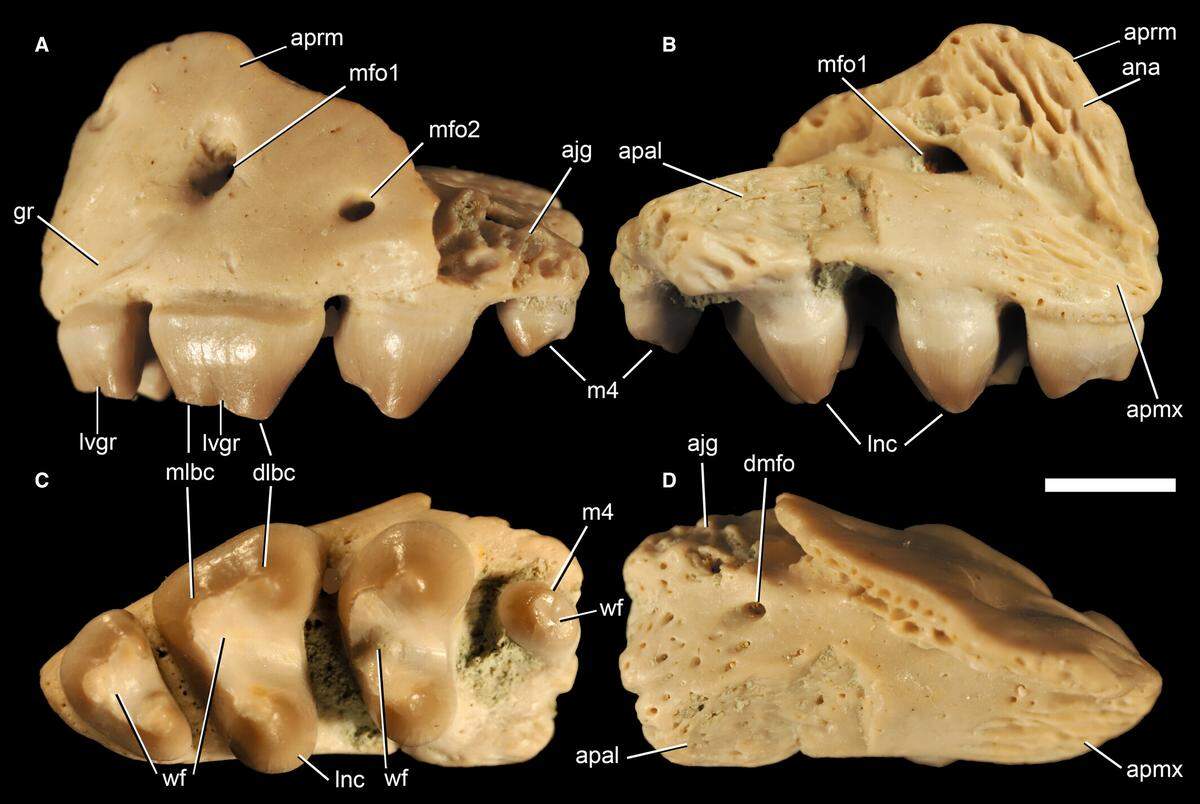
“These specimens had a lot of unusual characteristics,” study author Marc Jones said in the release. “The front of the jaw, for example, isn’t fused together, and there’s no obvious site where they would connect together. Instead, we think that the two halves of the jaw were probably connected by ligaments.”
This softer section of the jaw would have allowed for it to be more flexible, Jones said, and may have helped prevent “tooth-on-tooth” contact while the animal chewed, as well as distributed pressure throughout the side of the jaw.
The bones belonged to a new species, Threordatoth chasmatos, according to the study.
The genus, Threordatoth, earns its name from the three points of the animal’s teeth, called tricuspids. It is a combination of Old English words “þrēo,” meaning “three,” “orda” meaning “points” or “spear points,” and “tōþ” meaning tooth, according to the study.
The species name, chasmatos, comes from the Greek word “χάσμα,” meaning “yawning chasm” or “fissure,” representing where the bones were found, researchers said.
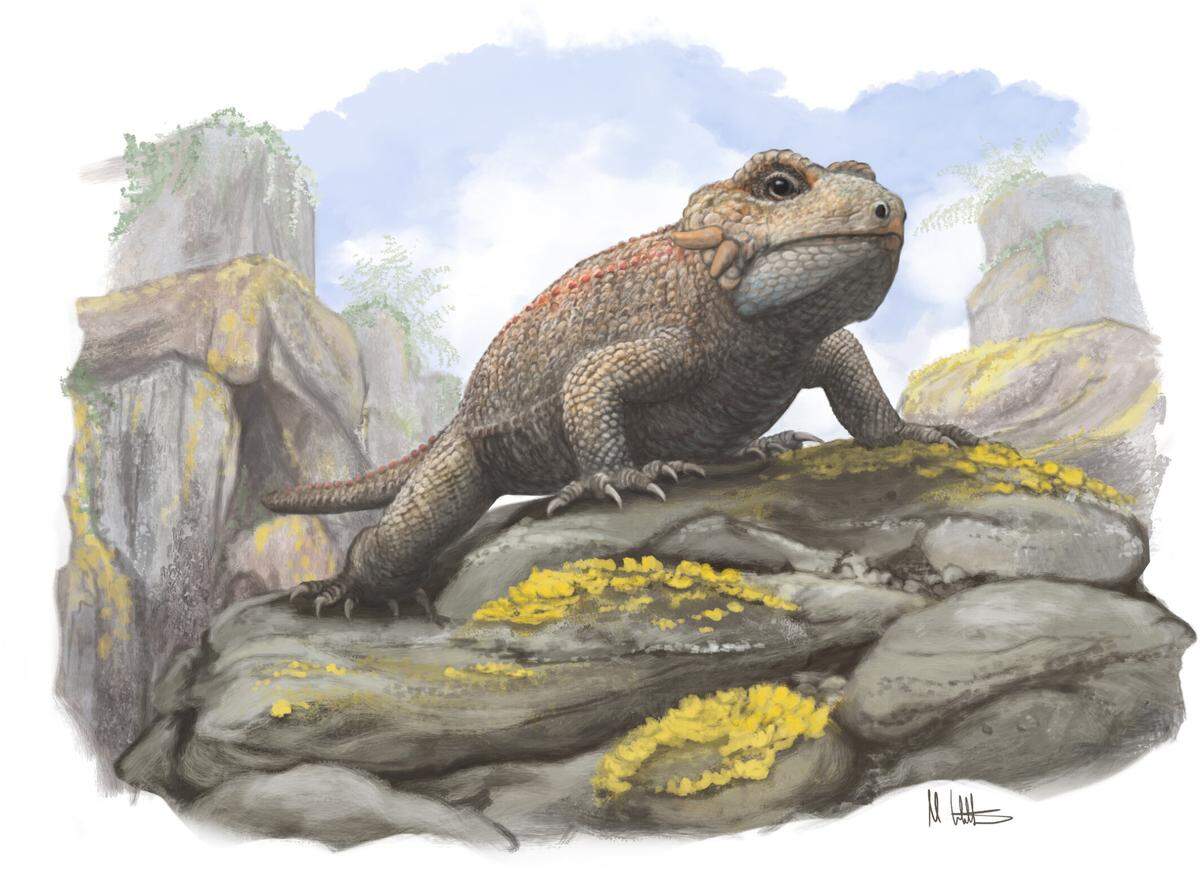
“Based on its relatives, Threordatoth would have been a small reptile with bony spikes on its head and potentially some bony armor on its body,” study author Luke Meade said. “I like to imagine them scampering around the sinkholes and fissures of southwest England in the Late Triassic, looking for plants and bugs to eat while avoiding the early relatives of dinosaurs.”
Jones said because these animals are small, their bones tend to be delicate and therefore poorly preserved, meaning not too much is known about their lives millions of years ago.
Fossils of procolophonids are primarily teeth and jaws, so the new species will help paleontologists answer some unknown questions.
“The teeth of procolophonids are complicated, with enamel that is relatively thick compared to other reptiles. It’s been suggested that the complexity of these teeth allowed them to process a range of foods including plants and insects,” Jones said.
Procolophonids started as a diverse group of animals, but as time went on, they started to lose their tooth variety and developed two-point teeth of fewer numbers, researchers said.
“Threordatoth took the tooth reduction trend further than any other procolophonid in the Late Triassic. It has just four teeth on either side of its jaw,” Meade said, and those teeth have three points instead of two.
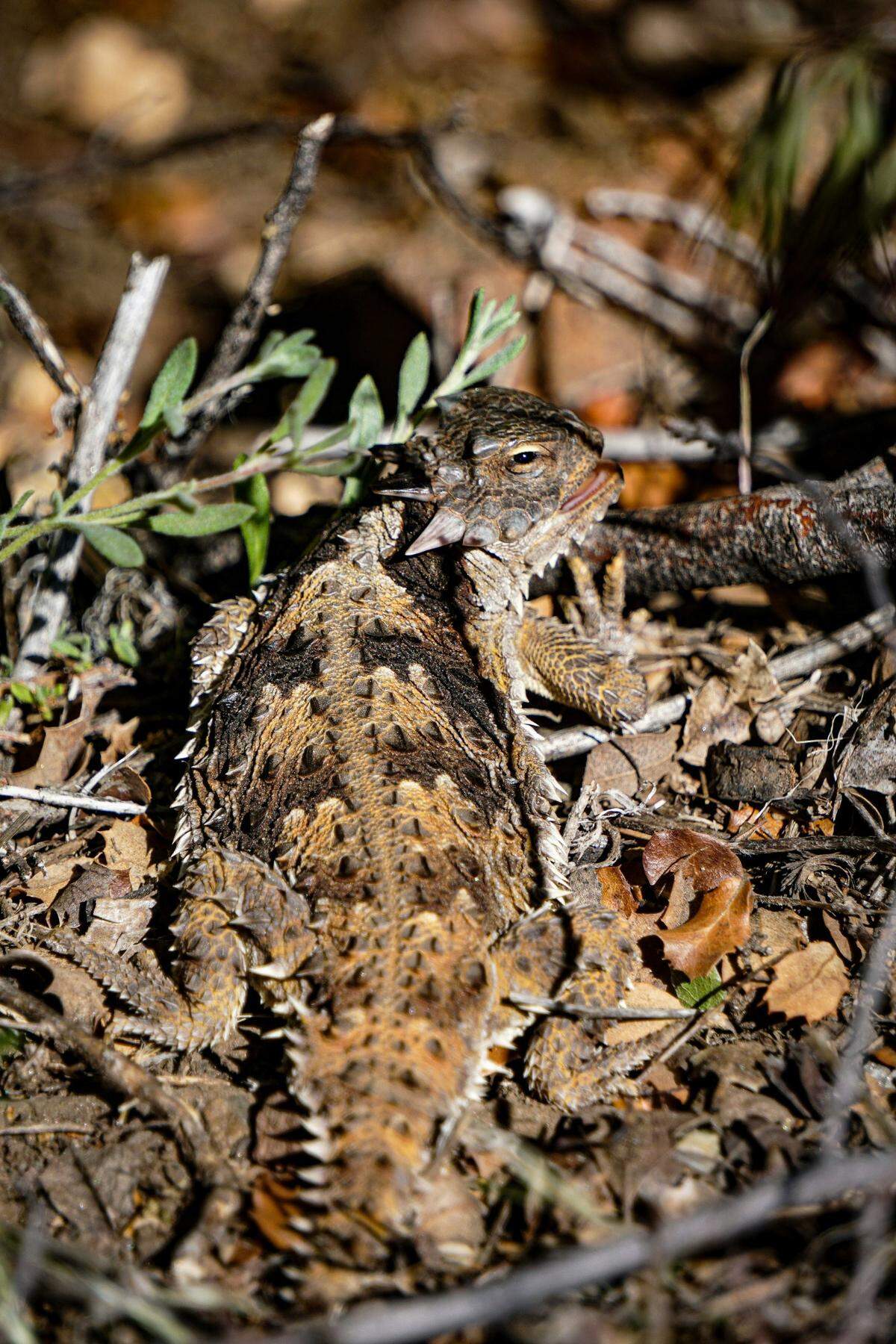
Meade said while not related, the new species probably looked a lot like horned lizards alive today.
“A range of species from all sorts of different groups have already been found at Cromhall. However, there’s a lot more material that’s yet to be investigated which could contain many other species,” Meade said. “Sifting through this material for tiny fossils is time consuming, but it could help to explain more about the diversity of animals like the procolophonids.”
Cromhall is just north of Bristol in southwestern England.
The research team includes Meade, Jones, Richard J. Butler and Nicholas C. Fraser.
This story was originally published December 9, 2024 at 5:53 PM with the headline "Armored prehistoric creature — with ‘unusual’ jaws — discovered as new species. See it."