210-million-year-old fish — that breathed air — discovered as new species in Zimbabwe
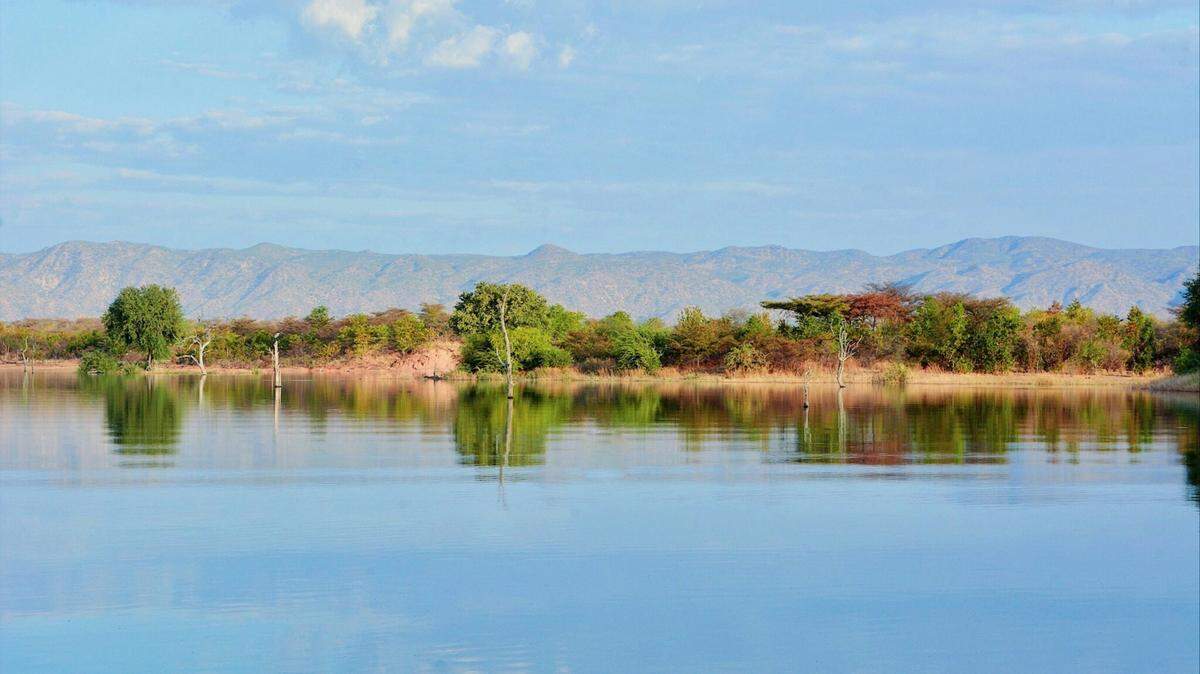
Along the shoreline of Lake Kariba in Zimbabwe’s Matusadona National Park, the muddy and sandy shoreline is a catch-all for prehistoric remains.
Nicknamed “The Dentist,” the site was discovered by safari guide and amateur fossil hunter Steve Edwards, according to an Aug. 6 news release from the Natural History Museum in London.
Among the fossils found at The Dentist were a series of tooth plates, or a series of teeth that are fused together, often found in fish, according to a study published July 31 in the Journal of Vertebrate Paleontology.
Not only did the tooth plates belong to a previously undiscovered species, but the creature has living relatives hundreds of millions of years later.
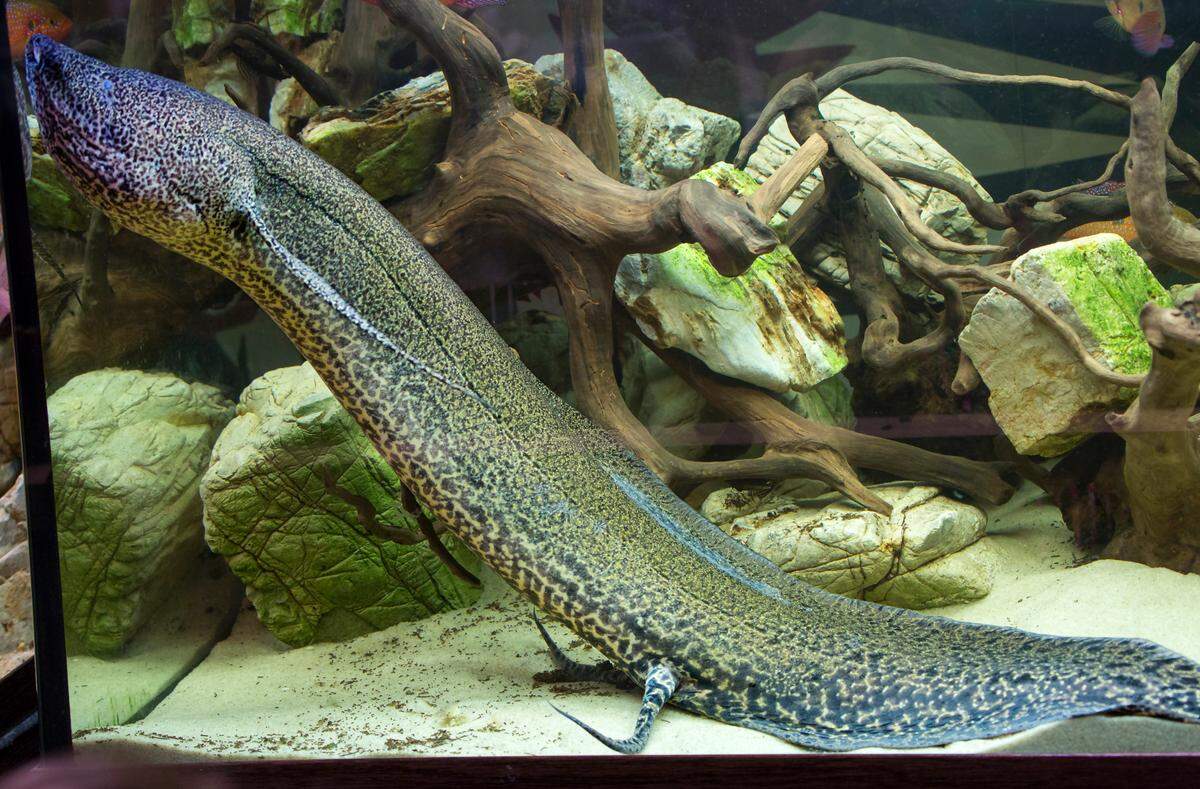
Ferganoceratodus edwardsi, named after Edwards, is a new species of lungfish that lived around 210 million years ago, according to the release.
It was identified using the grooves and ridges in the tooth plate shape, researchers said, similar to a species identified in Madagascar, but different enough to constitute a new species.
“By comparing the tooth plates from a variety of genera, we found that they’re often very similar,” study author Paul Barrett said in the release. “While we’re confident that the fossils indicate many different species of lungfish, we think that they all belong to the same group of close relatives, known as a genus.”
Based on where other tooth plates from prehistoric lungfish have been found, the species likely lived in southern Gondwana — the supercontinent — during the Triassic period, according to the study. At the time, the southern tips of South America, Africa and Antarctica would have been one landmass, meaning related species would not have been separated geographically like the fossils are today.
“More fossils will allow us to better compare this area of Zimbabwe to similar fossil sites in southern Africa, and put them into a wider context that lets us better understand what was happening in the Late Triassic,” Barrett said.
Despite the new species living so long ago, it has living relatives that look very similar to extinct species, the Natural History Museum said.
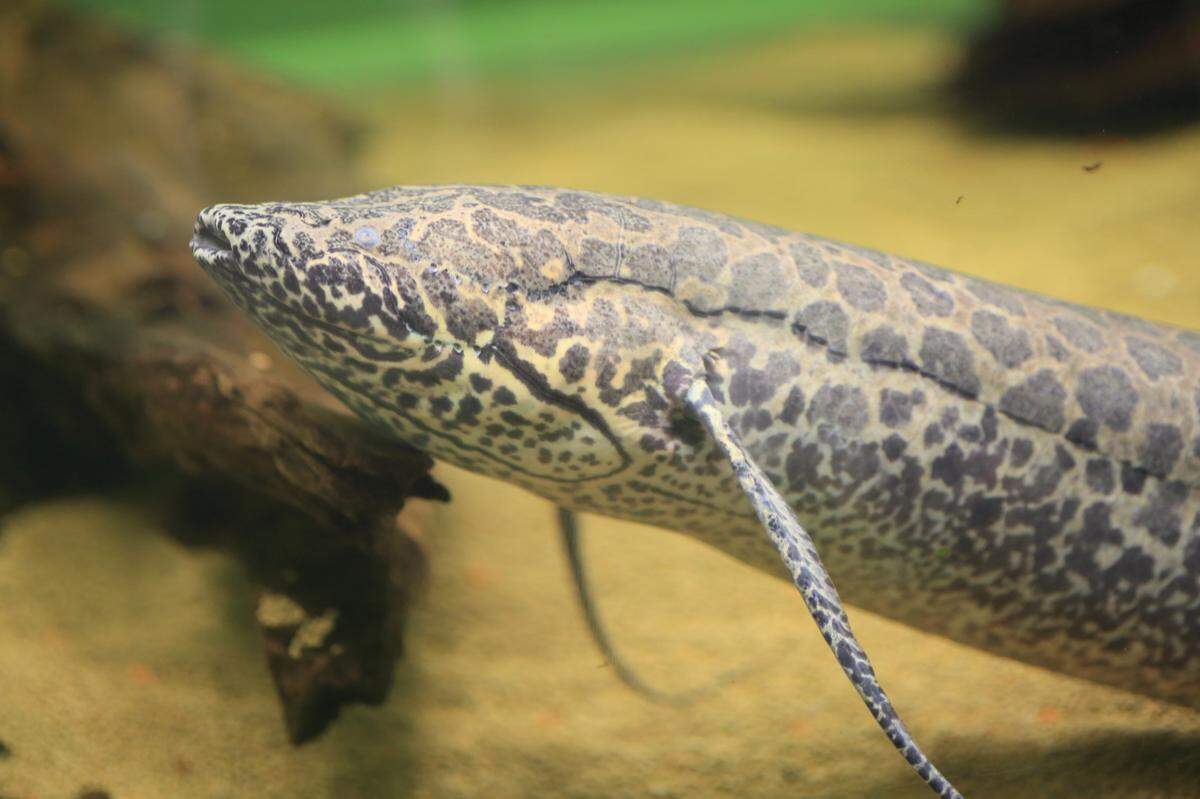
“Lungfish are an unusual group of freshwater fish which have long drawn the attention of scientists. They are the closest living relatives to all animals with four limbs, helping to reveal how the ancestors of all amphibians, reptiles, birds and mammals might have lived,” according to the release.
They are also special because they breathe air.
Lungfish do have gills, but they also have specialized organs that allow the species to breathe atmospheric air from the water’s surface, according to Britannica. The organs are like a primitive set of lungs, but derive from a swim bladder that is normally used as a buoyancy tool for bony fishes.
The fish also live an incredibly long time. In 2023, genetic analysis found that an Australian lungfish living at the California Academy of Sciences’ Steinhart Aquarium in San Francisco was 92 years old.
The existence of lungfish from the first fossil record gives them the nickname a “living fossil,” the Natural History Museum said.
“Lungfish have a fairly paradoxical fossil record,” Barrett said. “Generally, we expect there to be fewer fossils as we go back in time, but it’s the other way around for lungfish.”
The new species was discovered in Matusadona National Park in northern Zimbabwe, along the border with Zambia.
This story was originally published August 9, 2024 at 5:23 PM with the headline "210-million-year-old fish — that breathed air — discovered as new species in Zimbabwe."