Why did a 15-year-old open fire on Hedingham? The question that haunts Raleigh
READ MORE
Raleigh mass shooting in Hedingham neighborhood
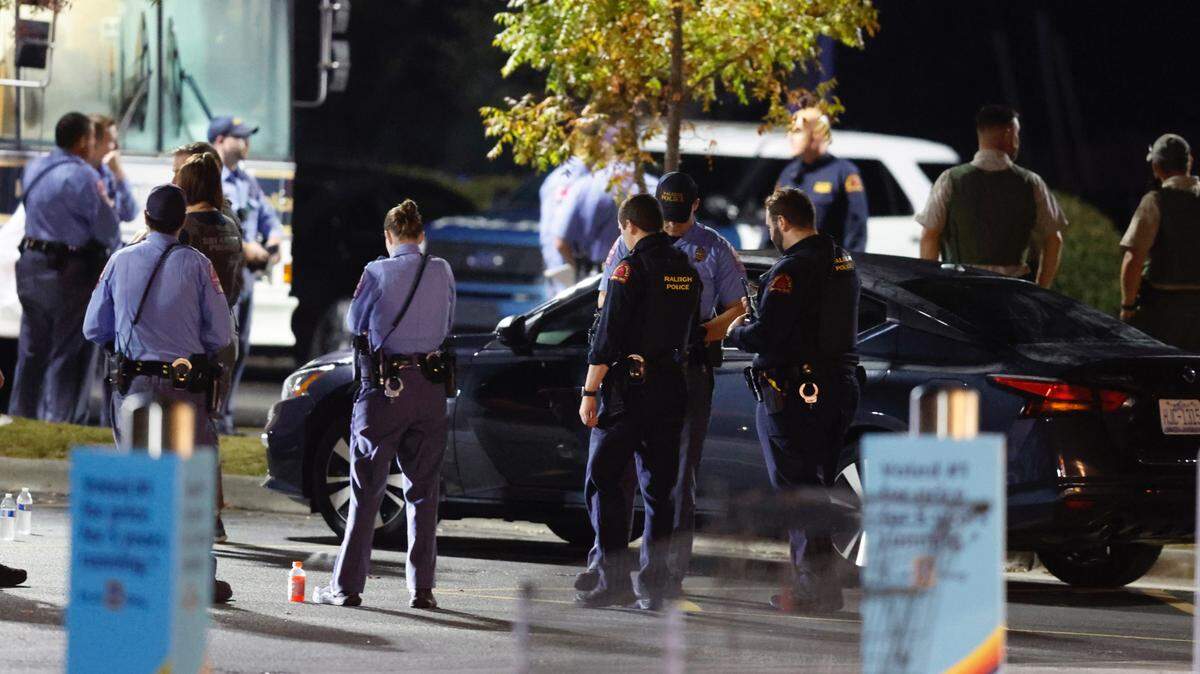
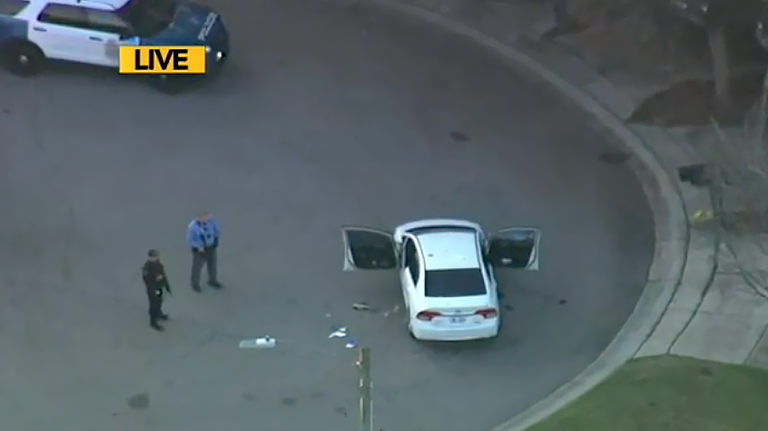
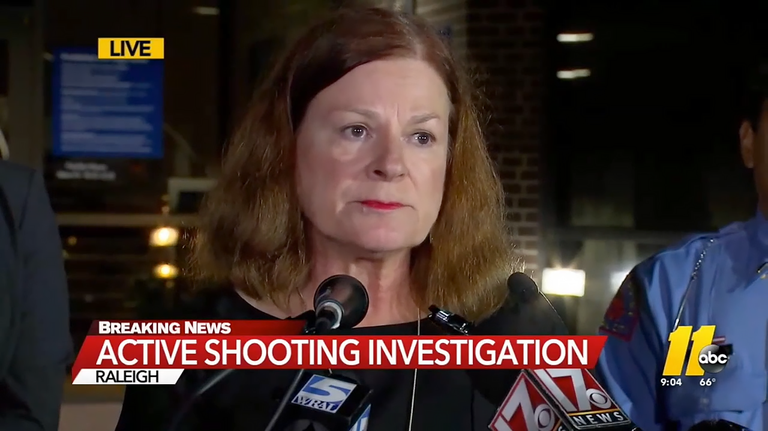
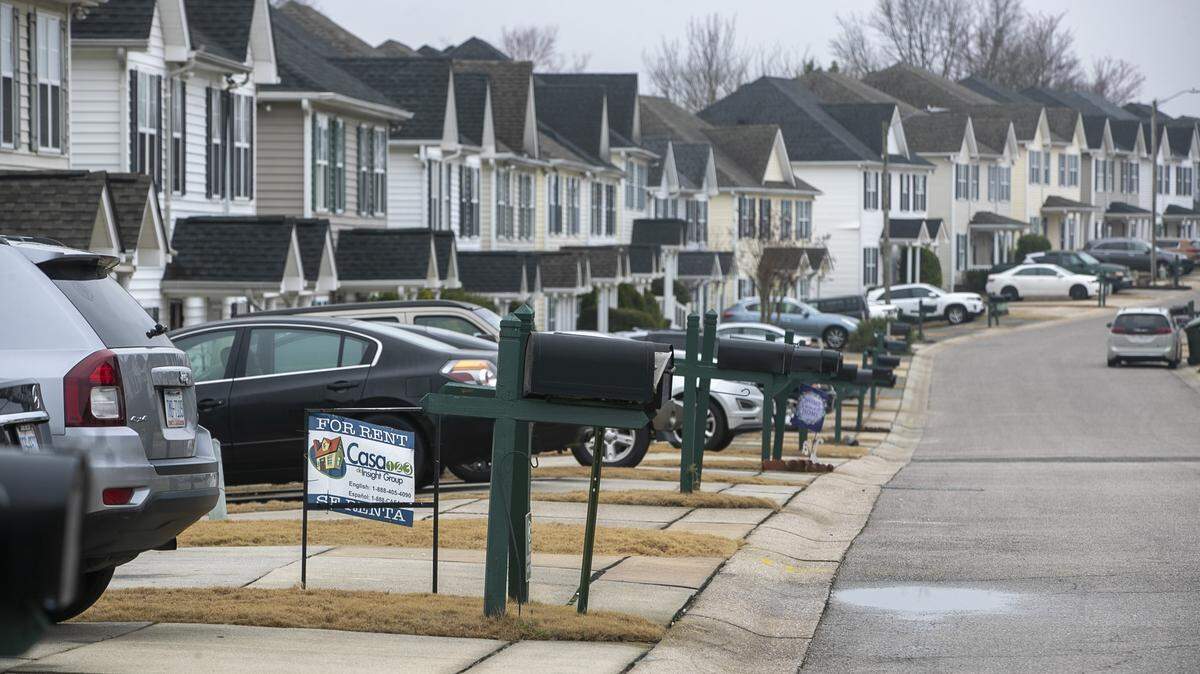
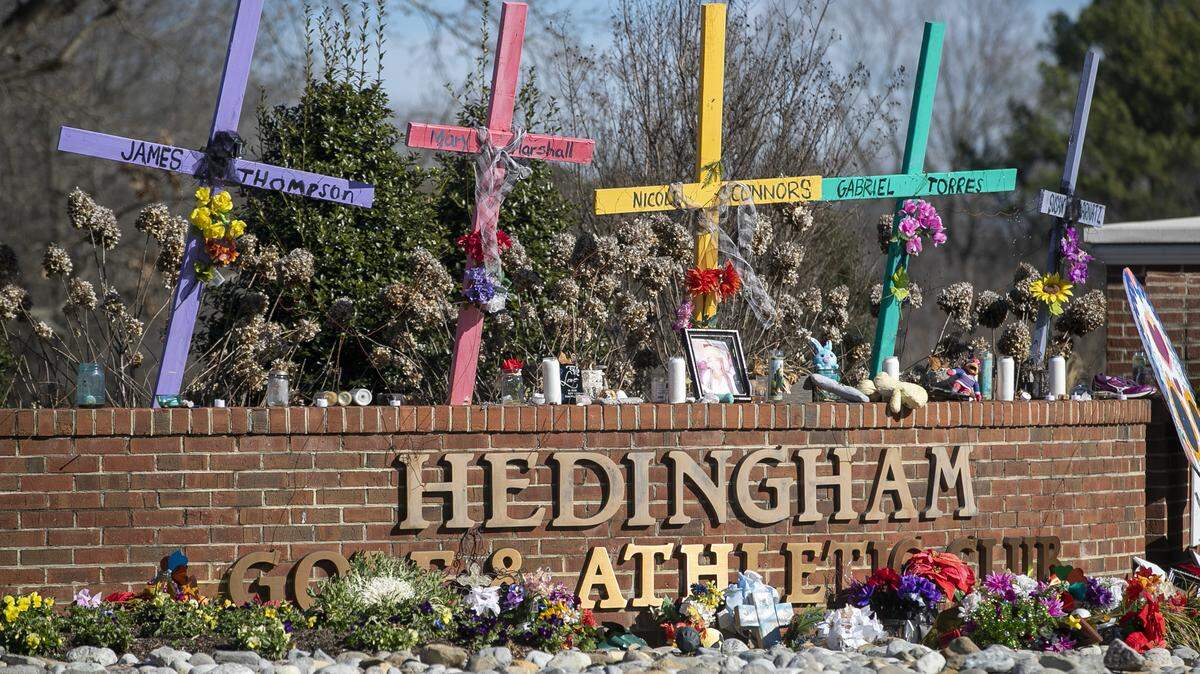
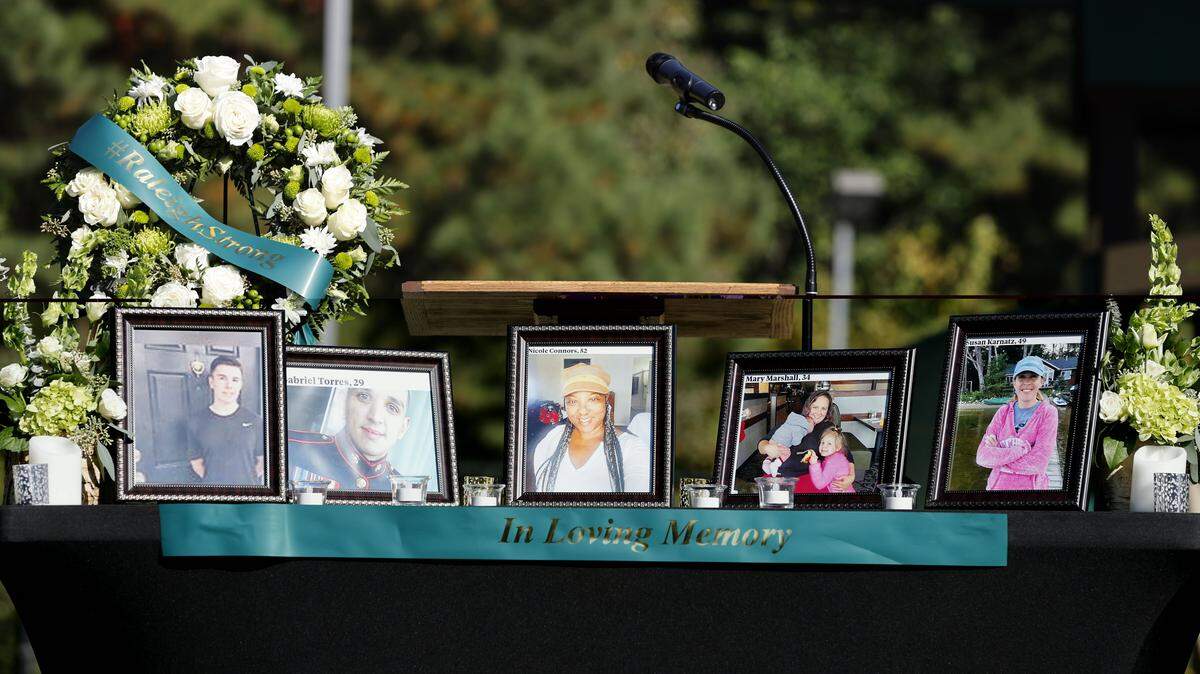
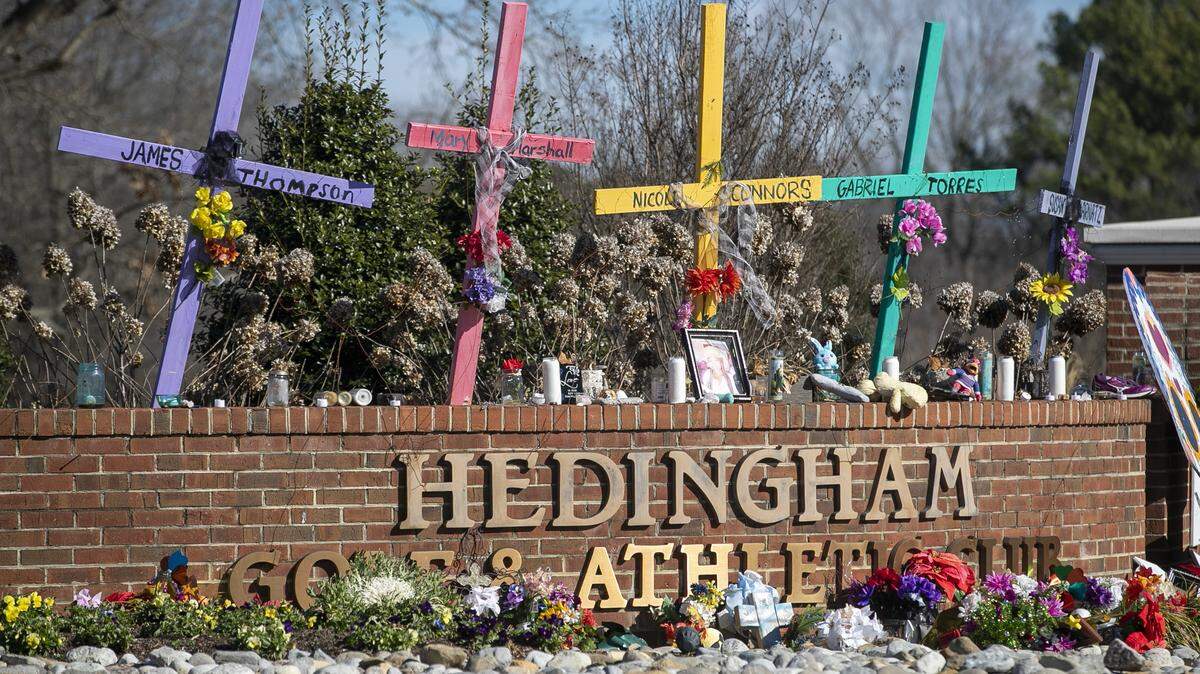
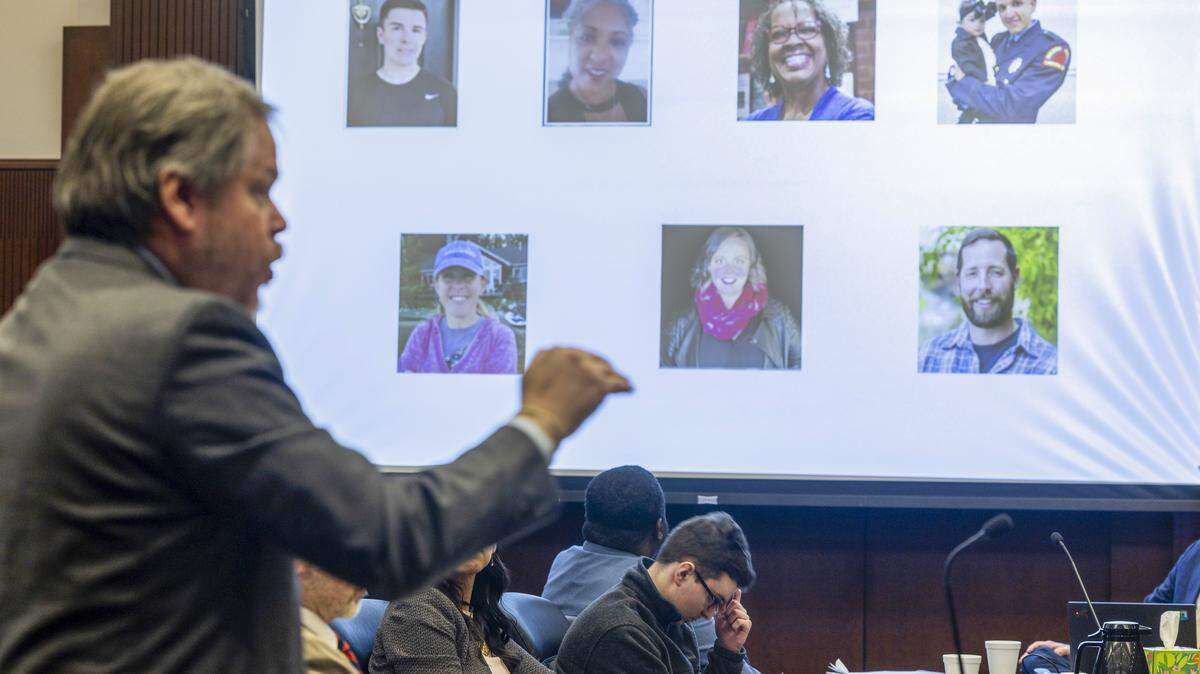
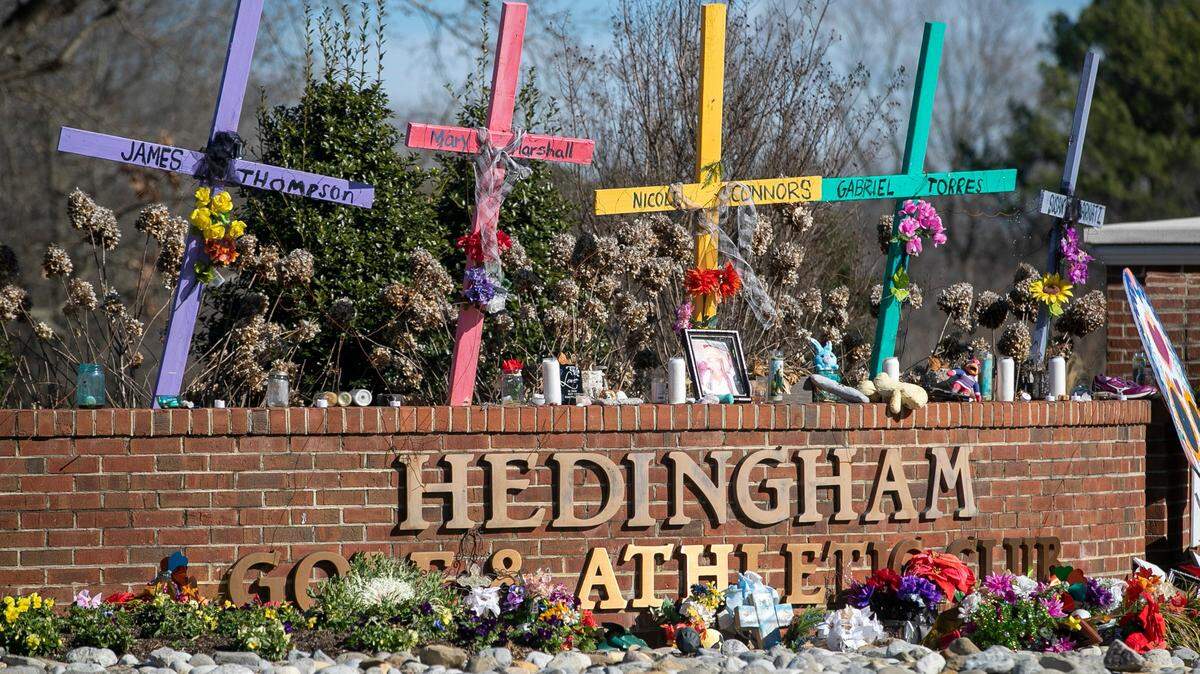
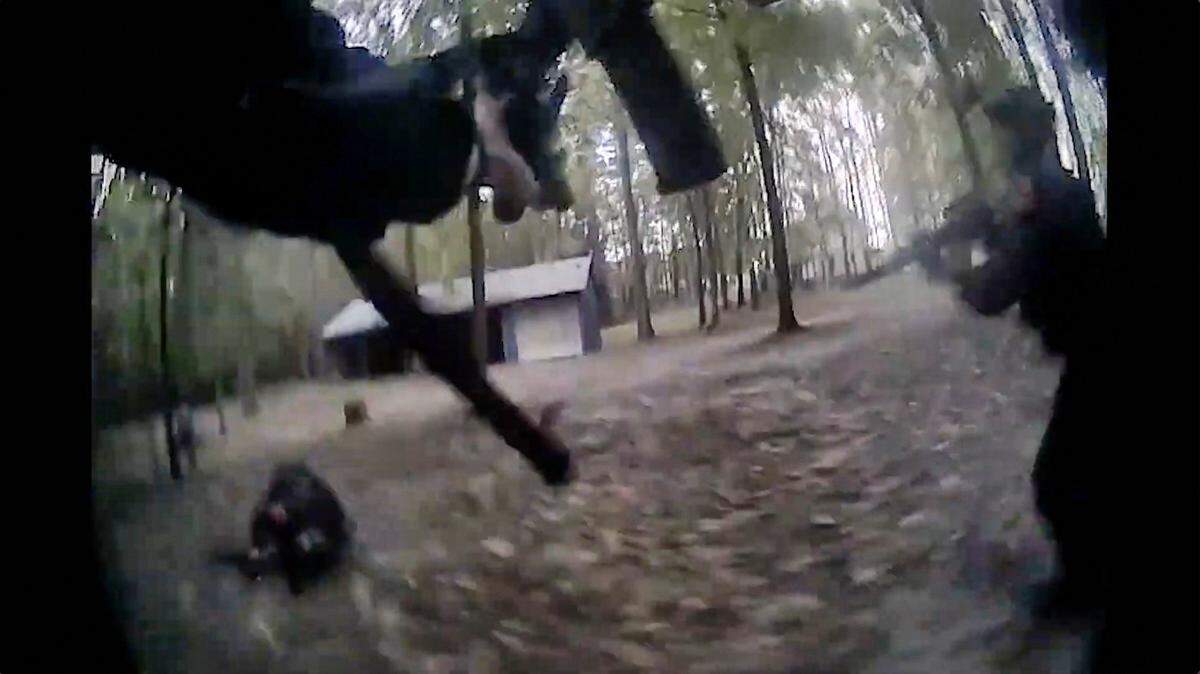
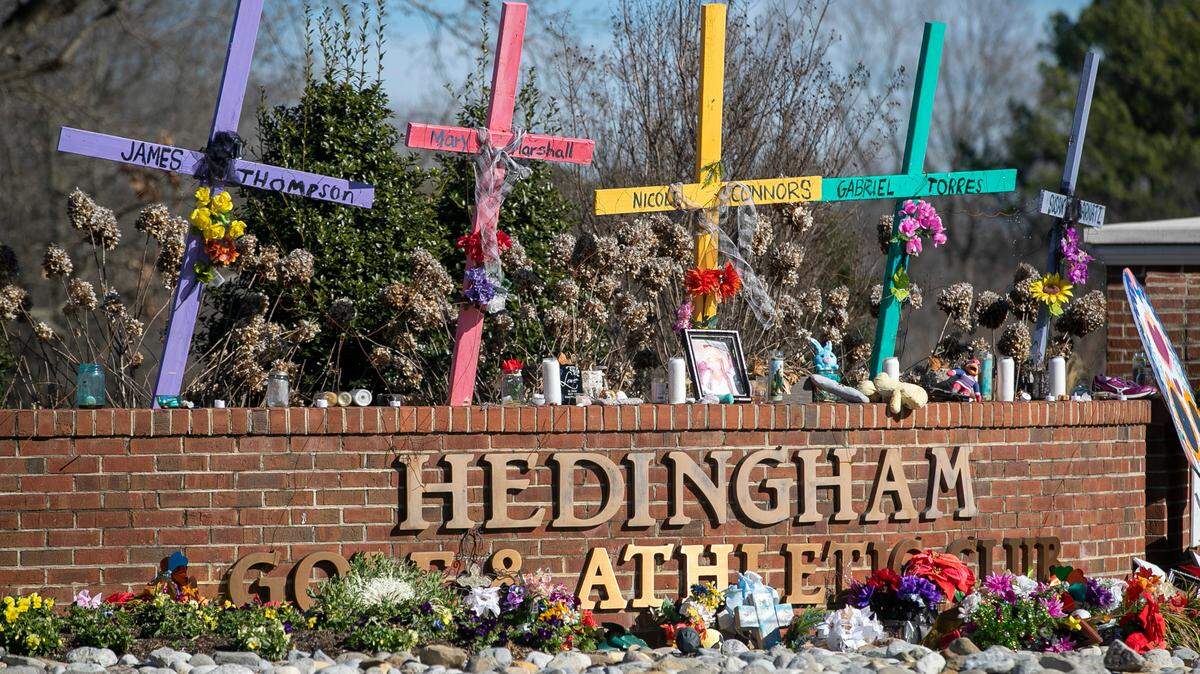
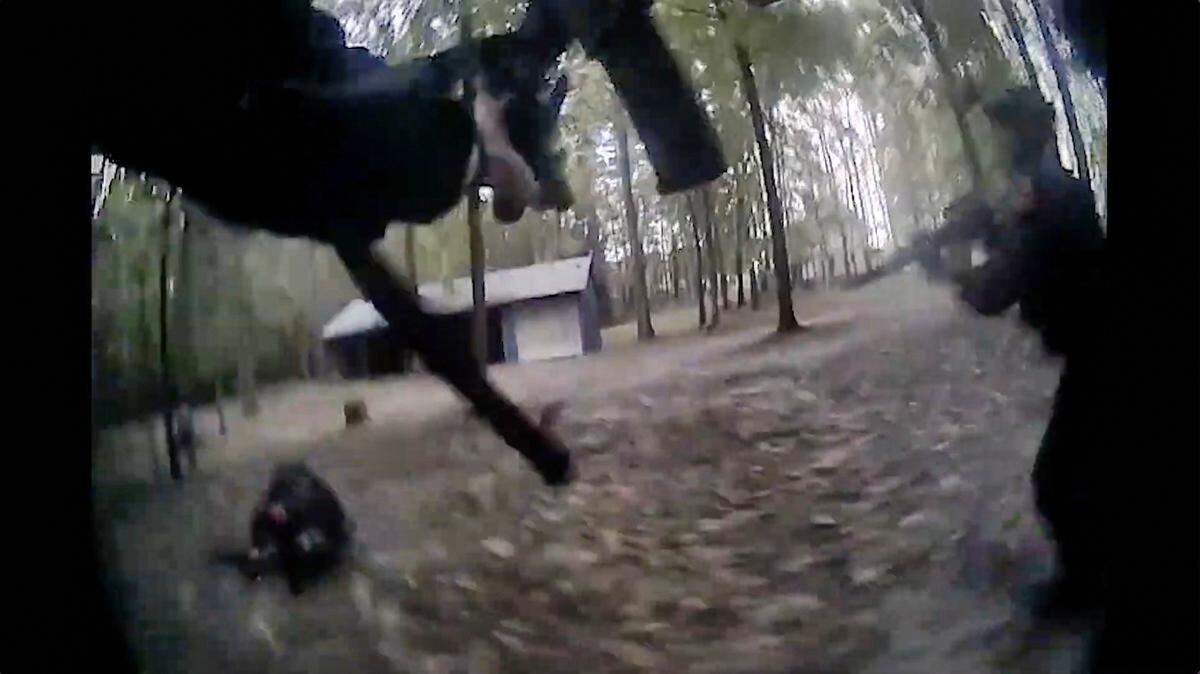
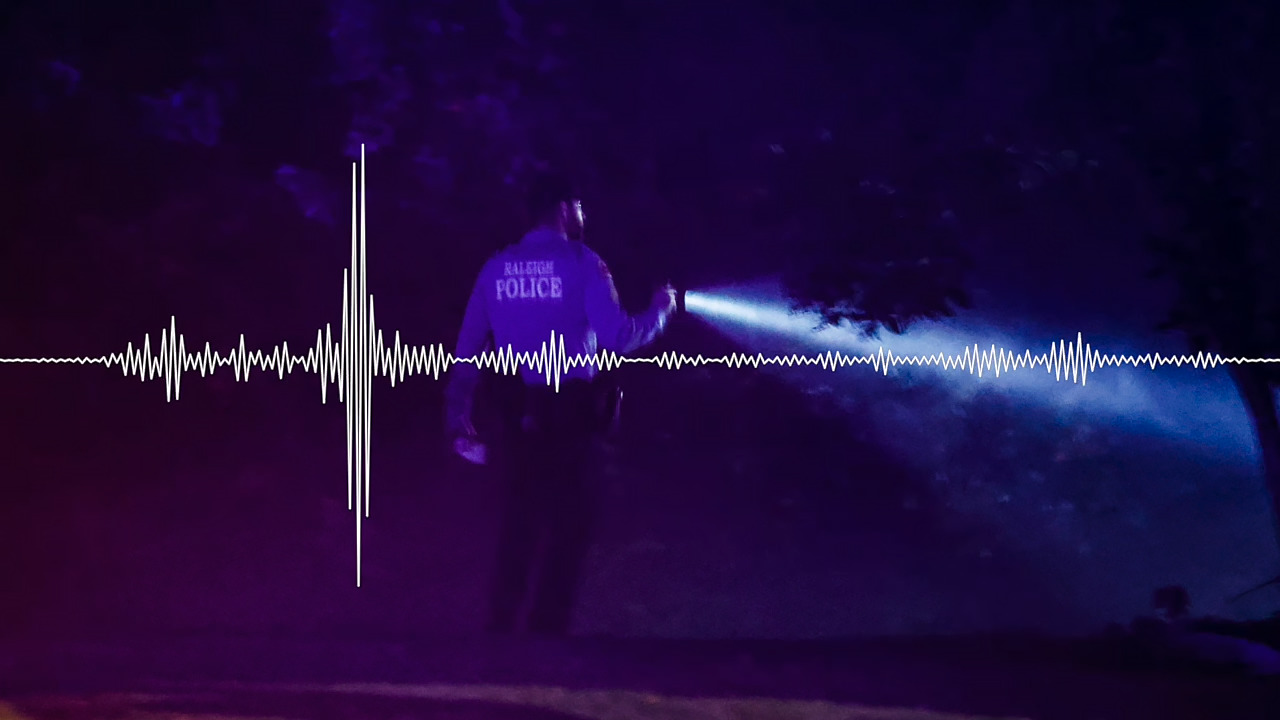
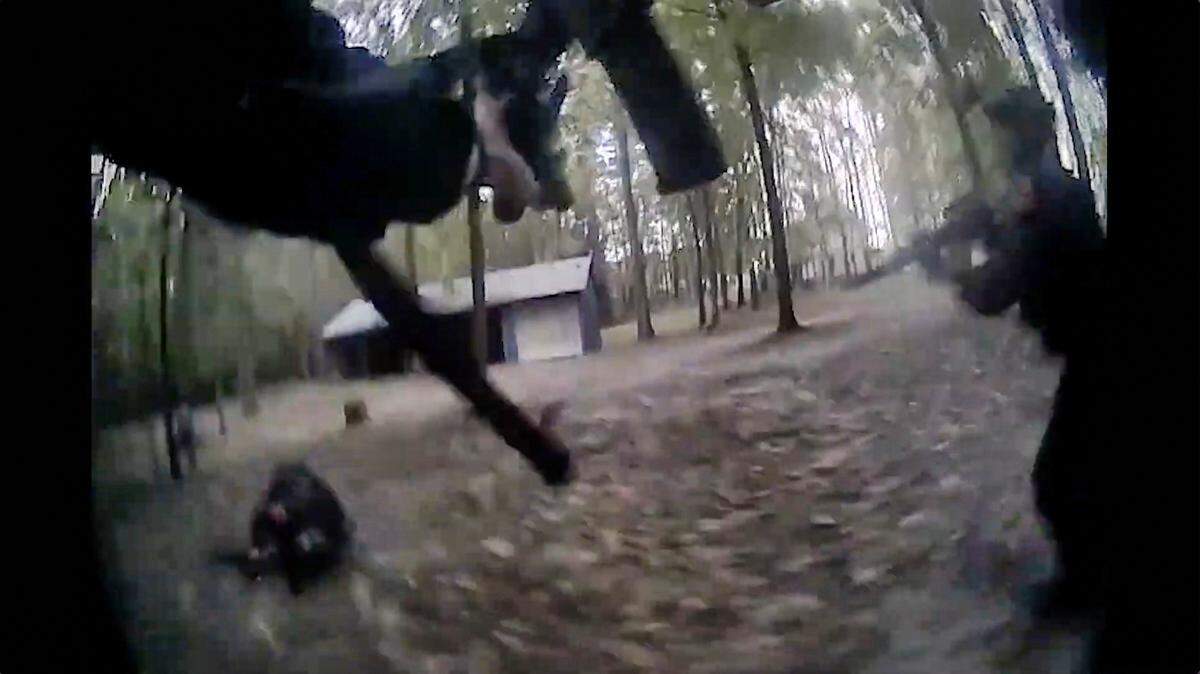
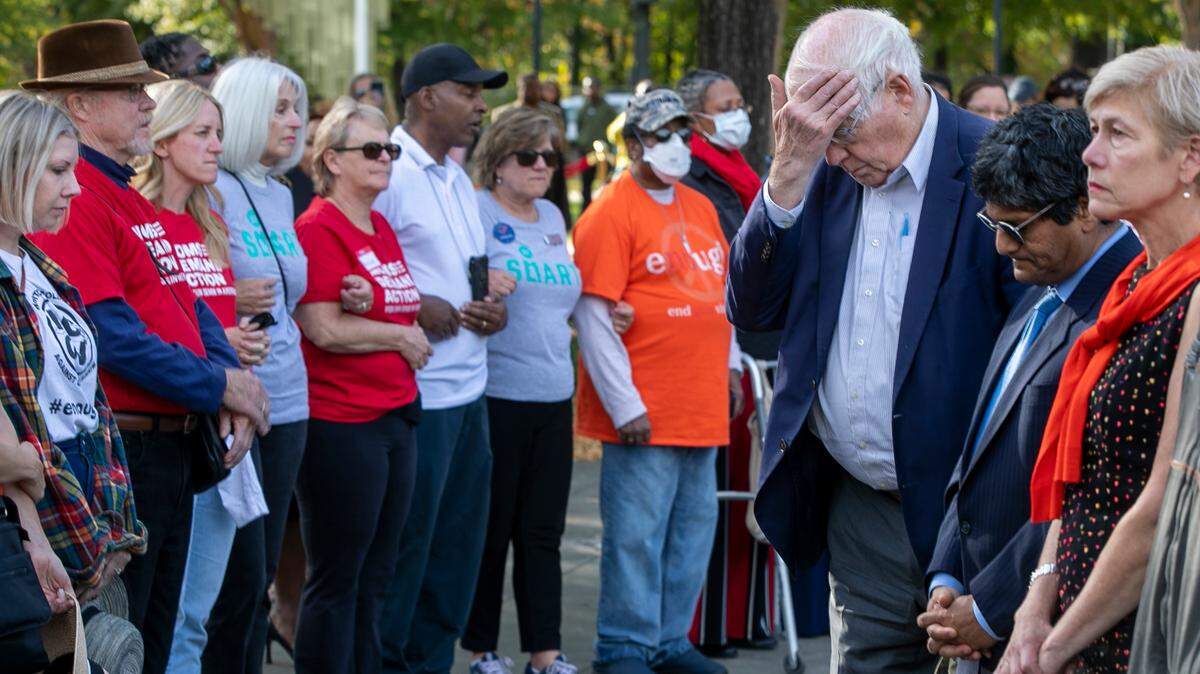
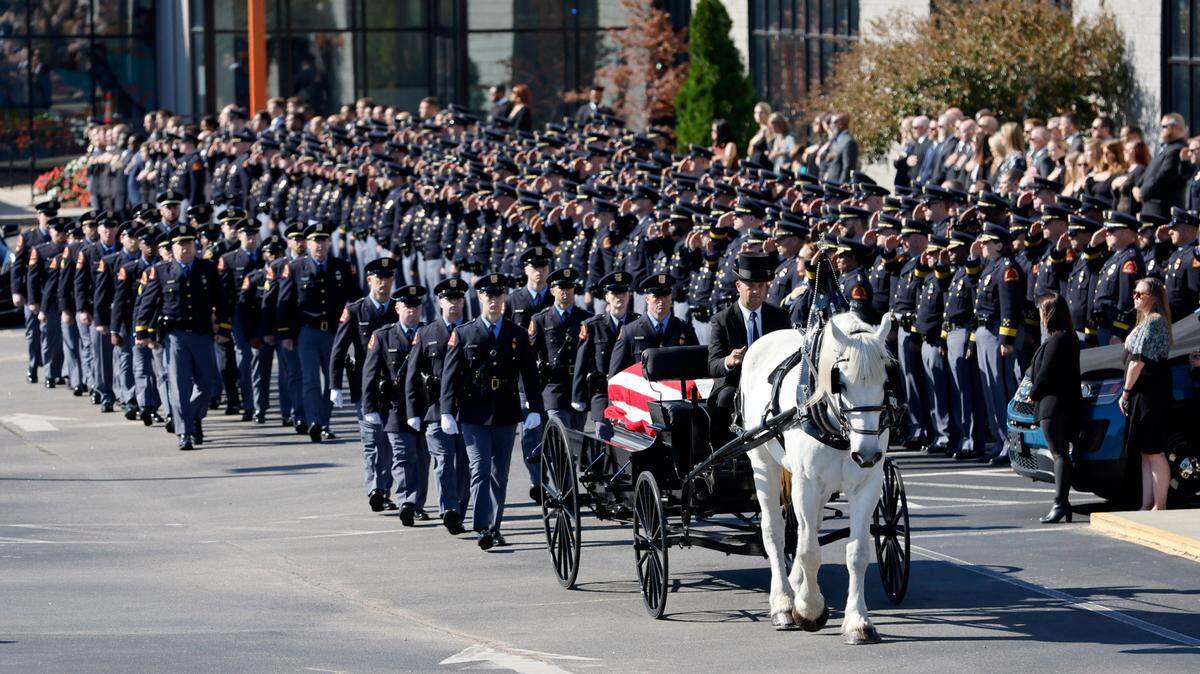
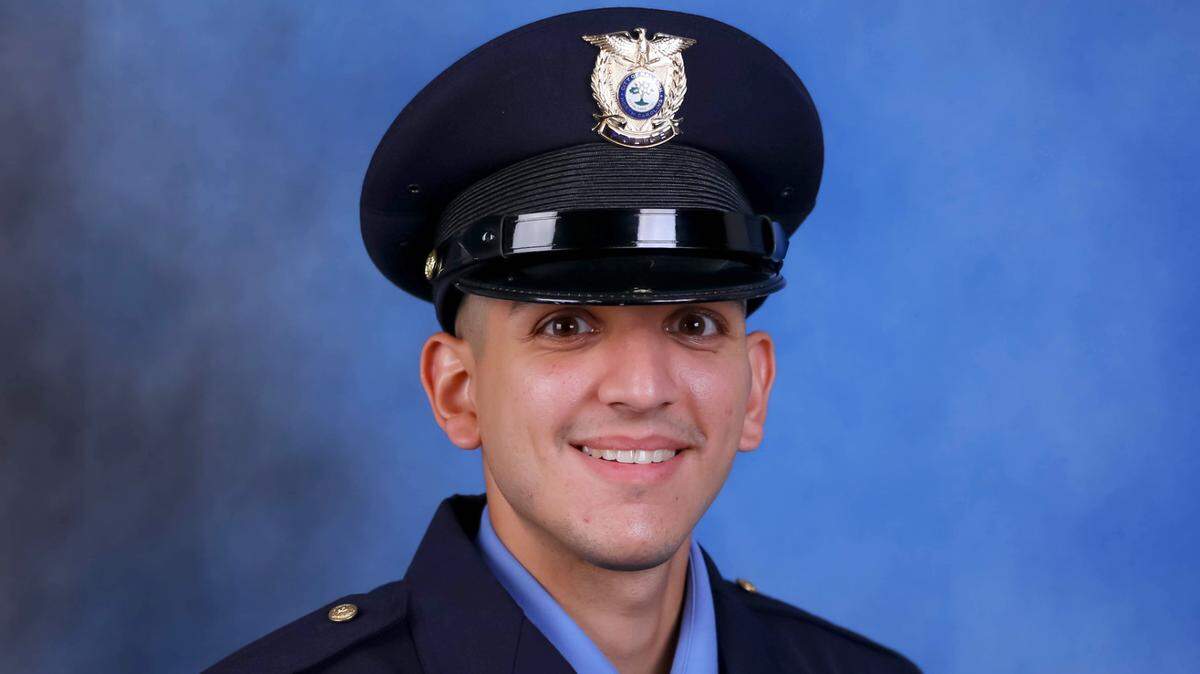
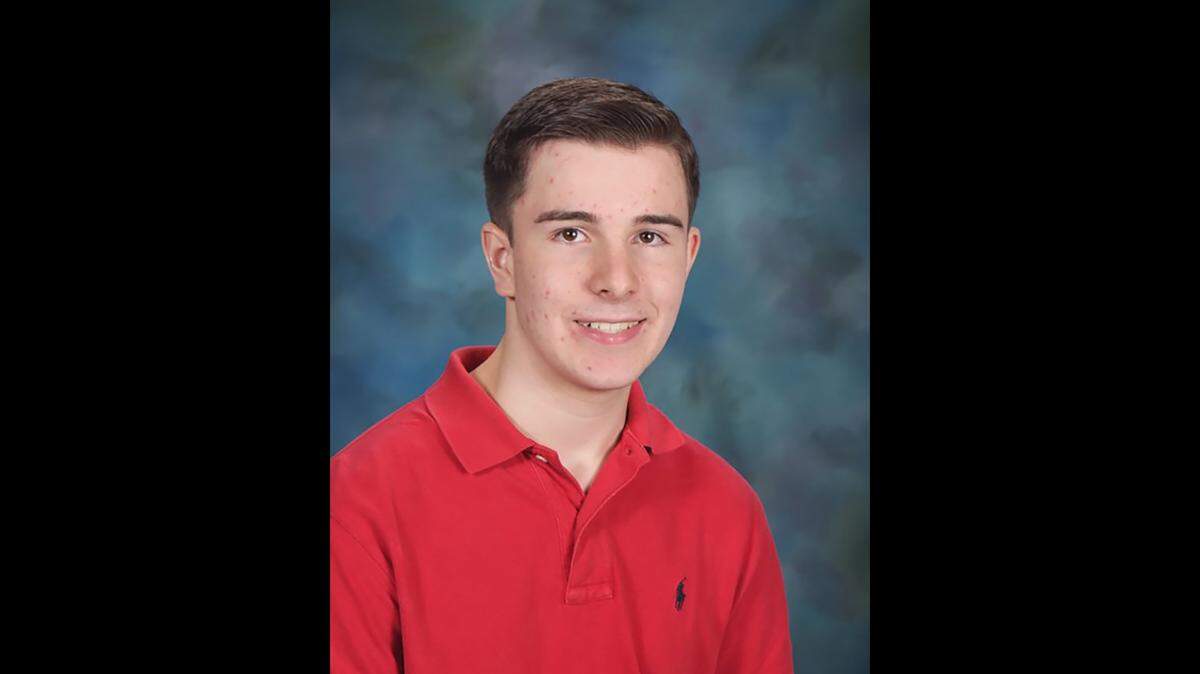
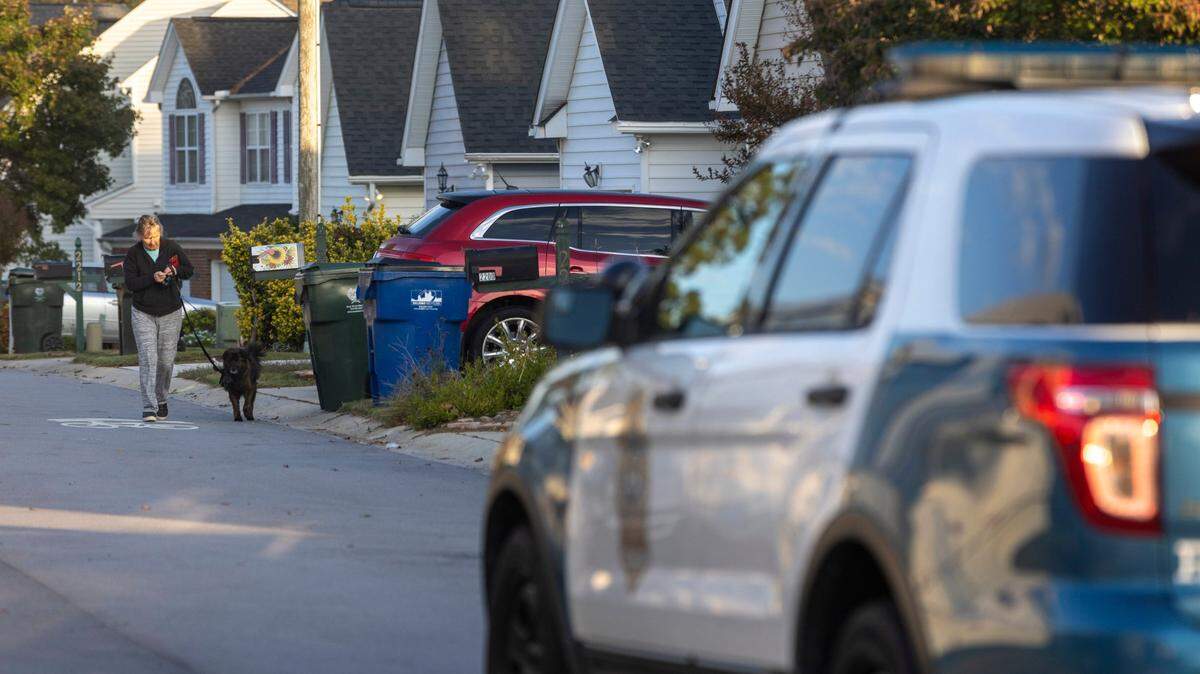
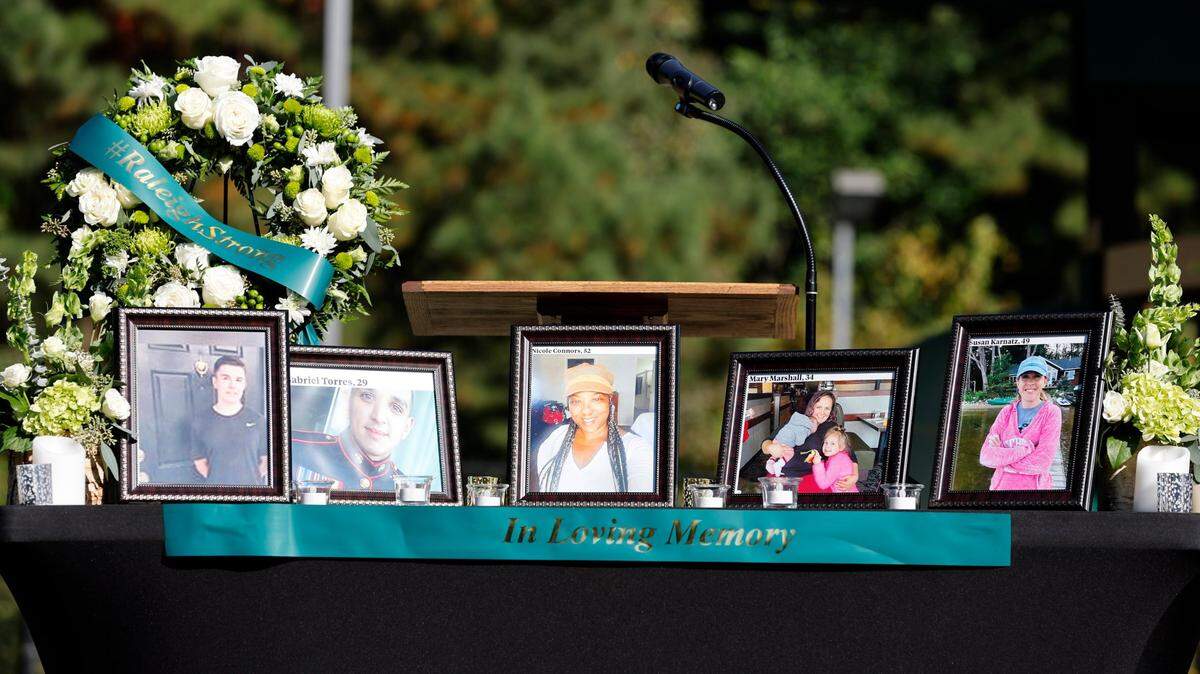
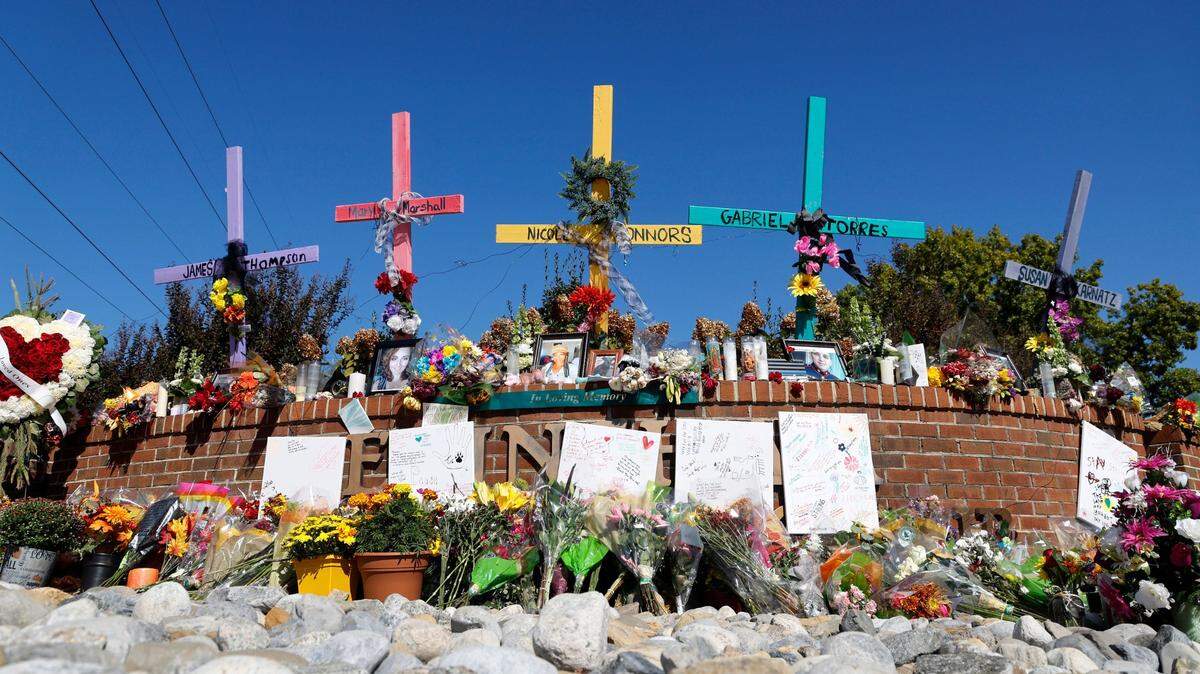
On Oct. 13, 2022, seven people were shot in Raleigh, NC, in the Hedingham neighborhood near the Neuse River Greenway Trail. Five were killed, including a Raleigh police officer. High school student Austin Thompson was charged with their murders. Read The News & Observer’s ongoing coverage of the mass shooting, Thompson’s guilty plea and ongoing civil lawsuit.
Expand All
Why would a 15-year-old do this?
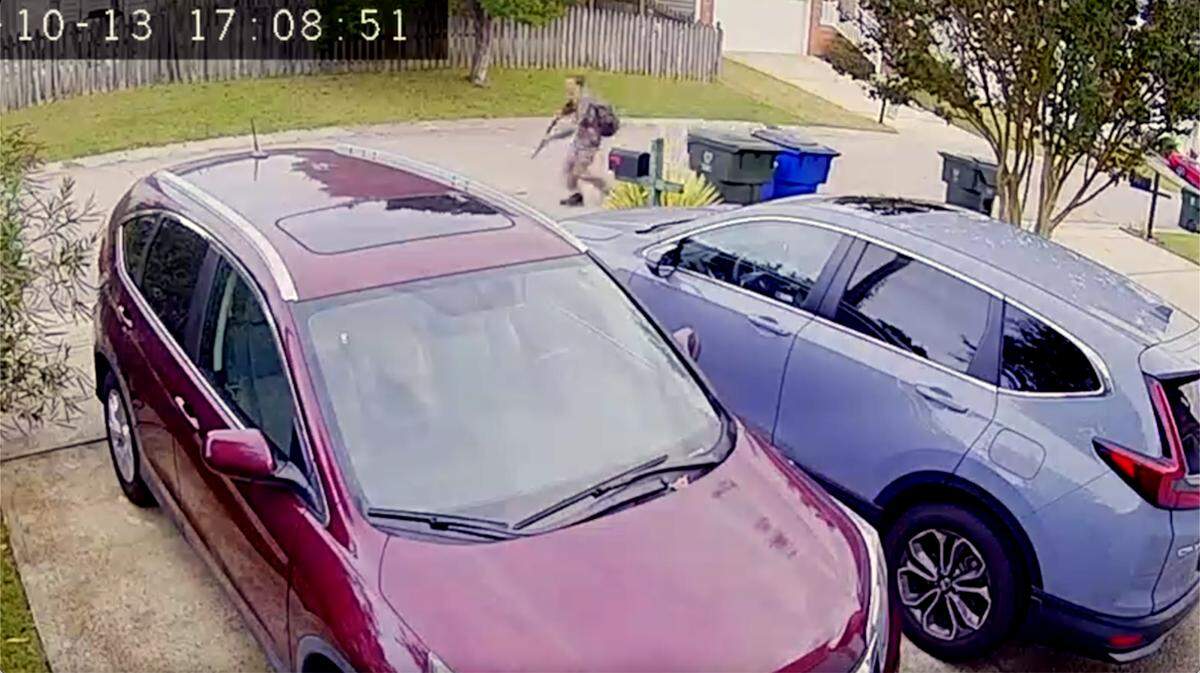
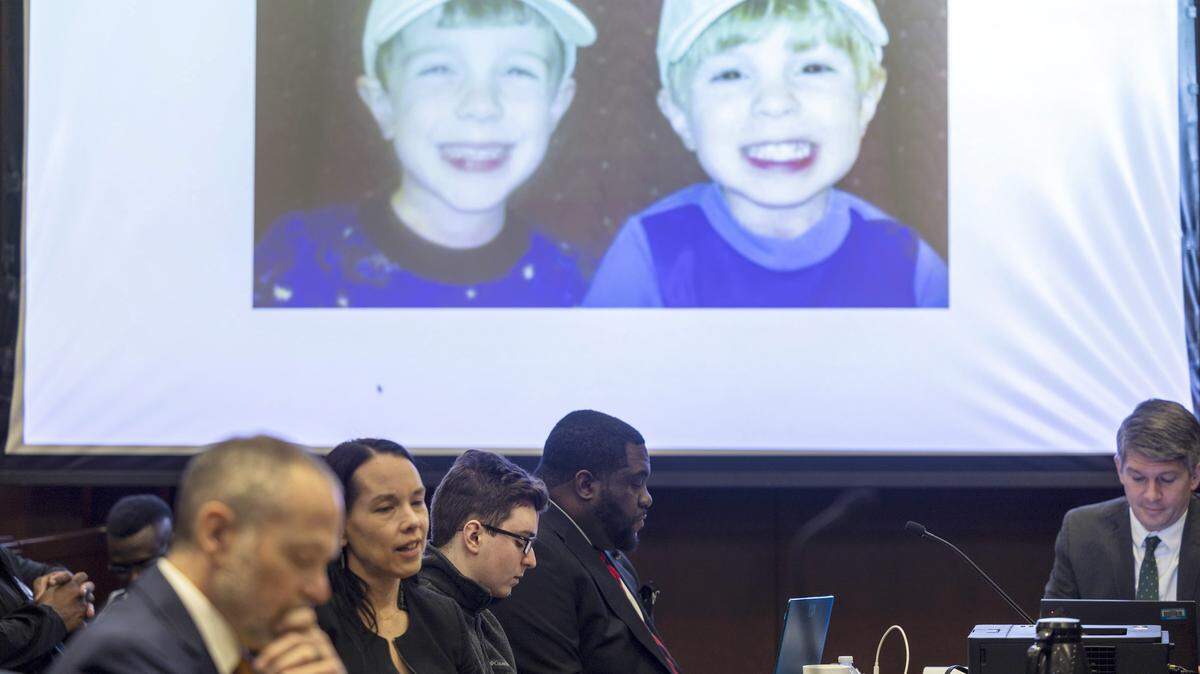
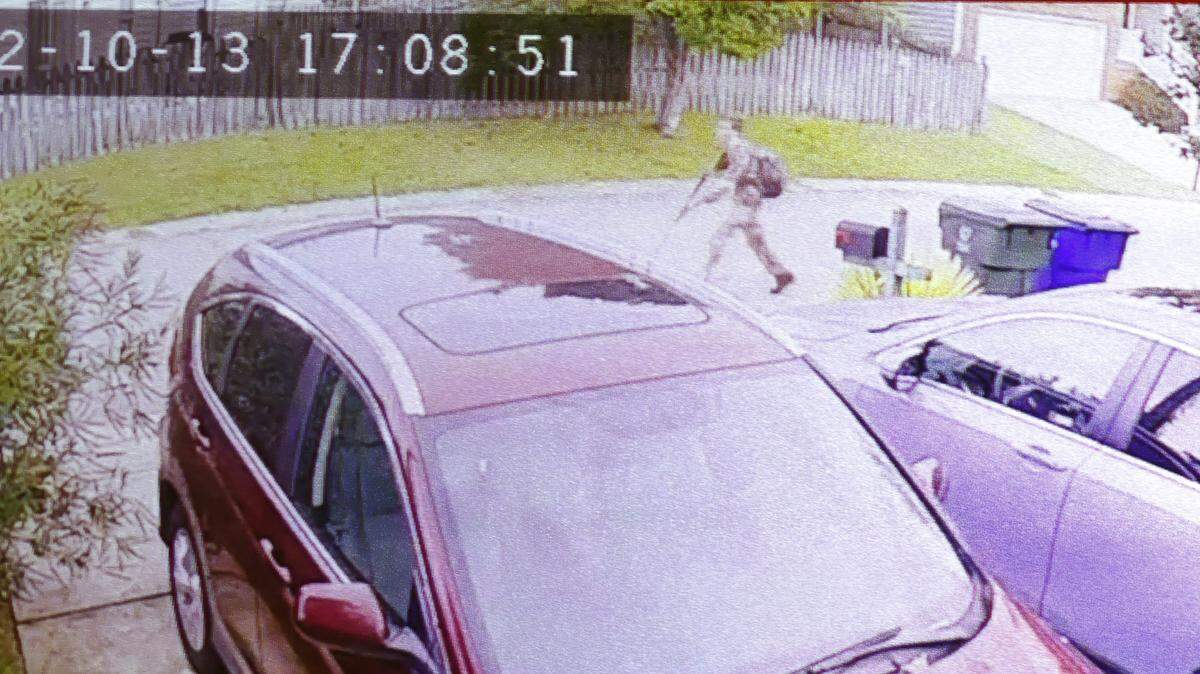
The question has hung over the city of Raleigh since October 2022, when Austin Thompson killed his brother, pulled on camouflage and walked out of his home to launch an attack in Hedingham, slaying neighbors and strangers.
The truth is, there may never be a definitive answer.
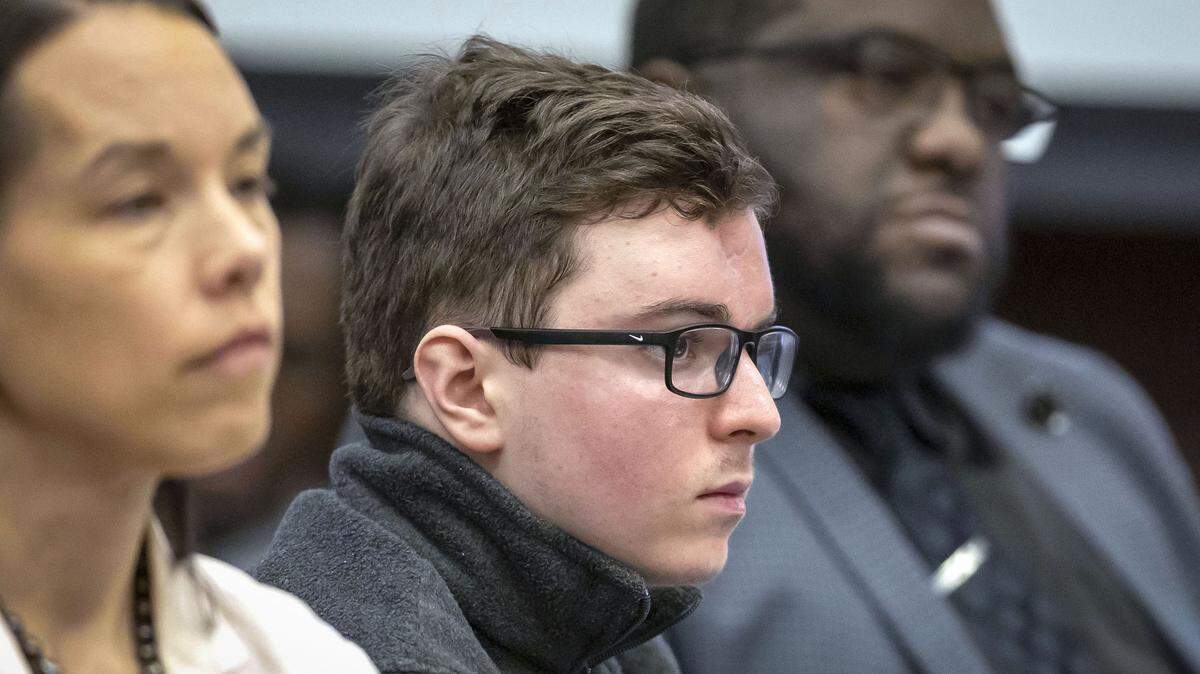
Over two weeks of testimony, investigators, psychologists and those who best knew the now 18-year-old offered competing opinions on what likely led us here. But no one fully explained it.
Not even Austin himself, who blew off part of his skull when he shot himself in the head during a standoff with police.

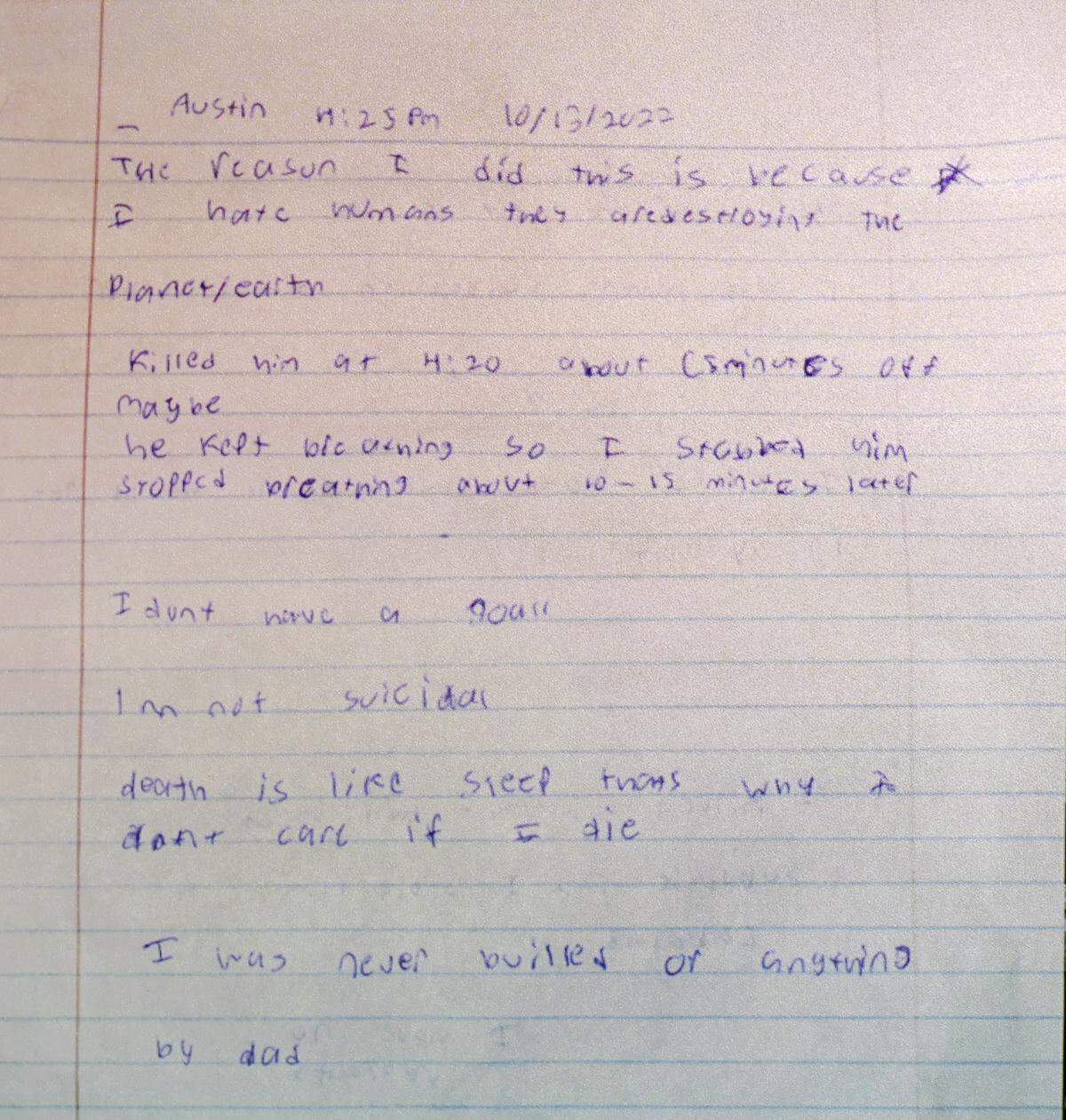
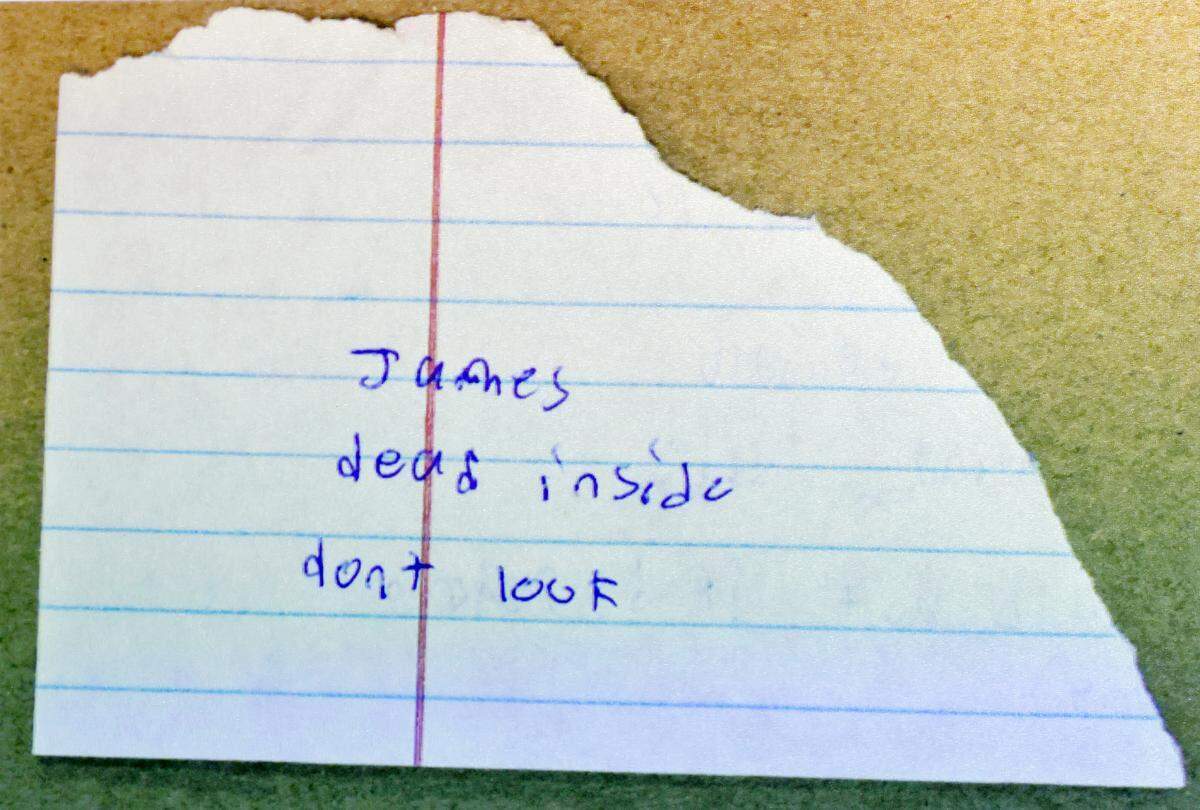
He admitted guilt but doesn’t remember what a note found in his home means. Nor what drove him to strap on a backpack filled with ammunition, facepaint and toilet paper on a lethal mission, said Jennifer Sapia, a psychologist who examined Austin Thompson two years after the nightmarish shooting.
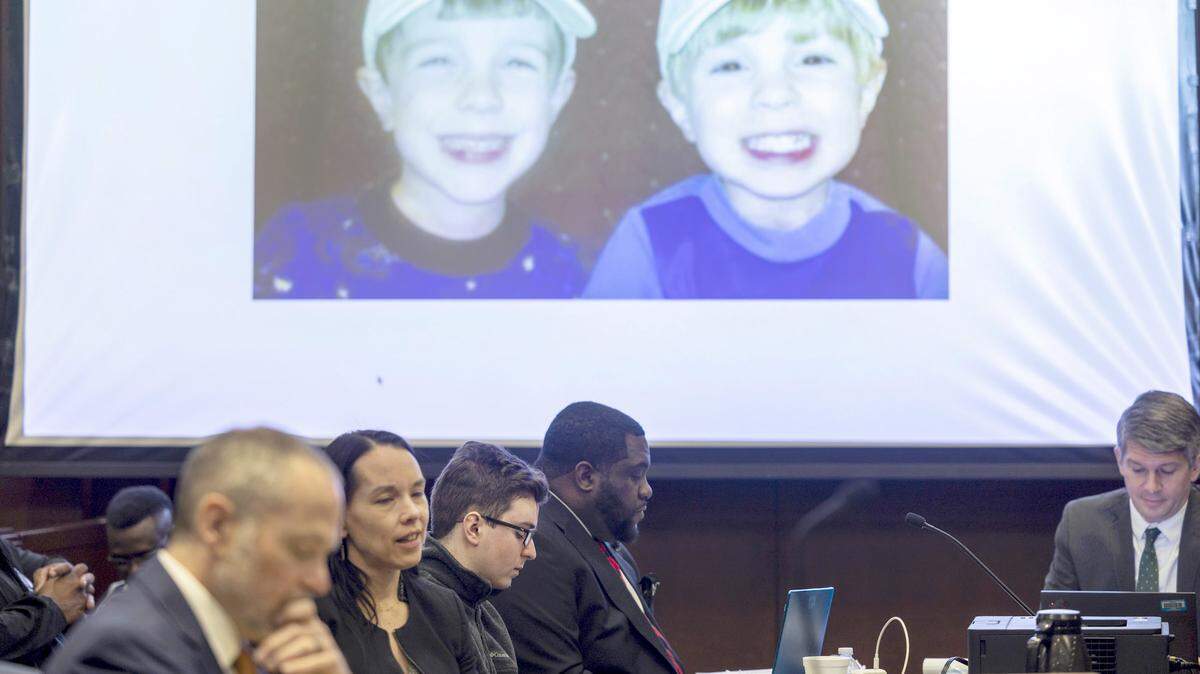
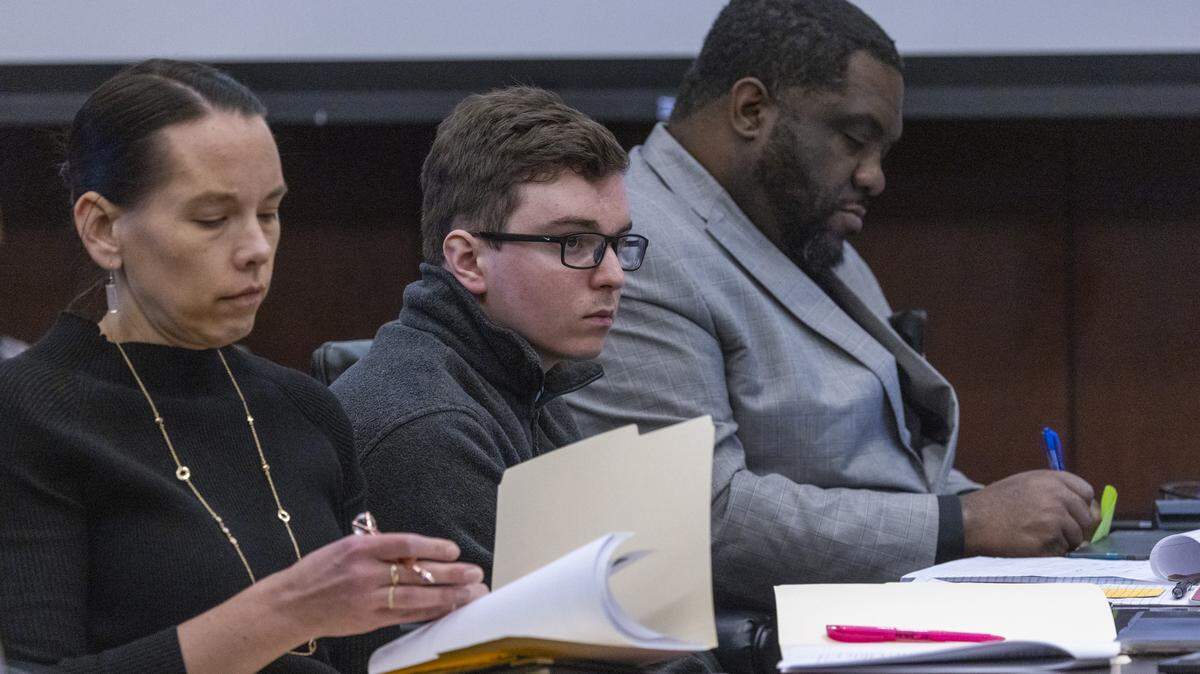
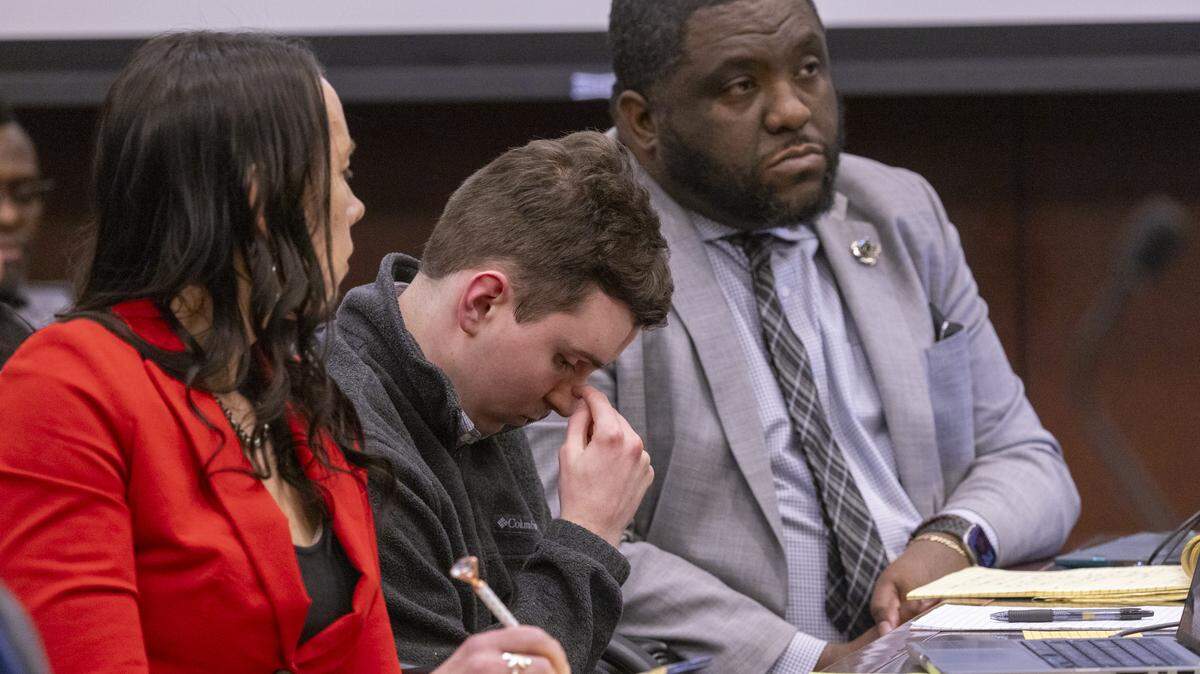
“He woke up in the hospital, no memory of doing this, no reason why, but a fundamentally different human than he was before,” said Kellie Mannette, his attorney, during a gripping sentencing hearing this month.
What did the prosecution say?
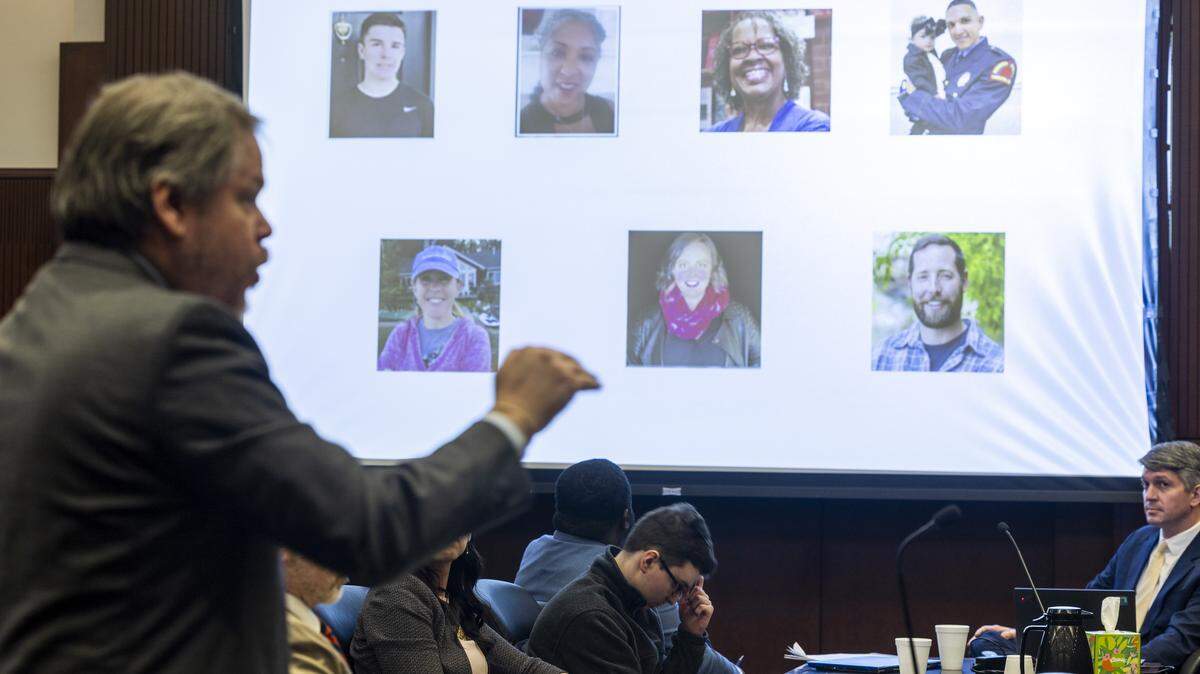
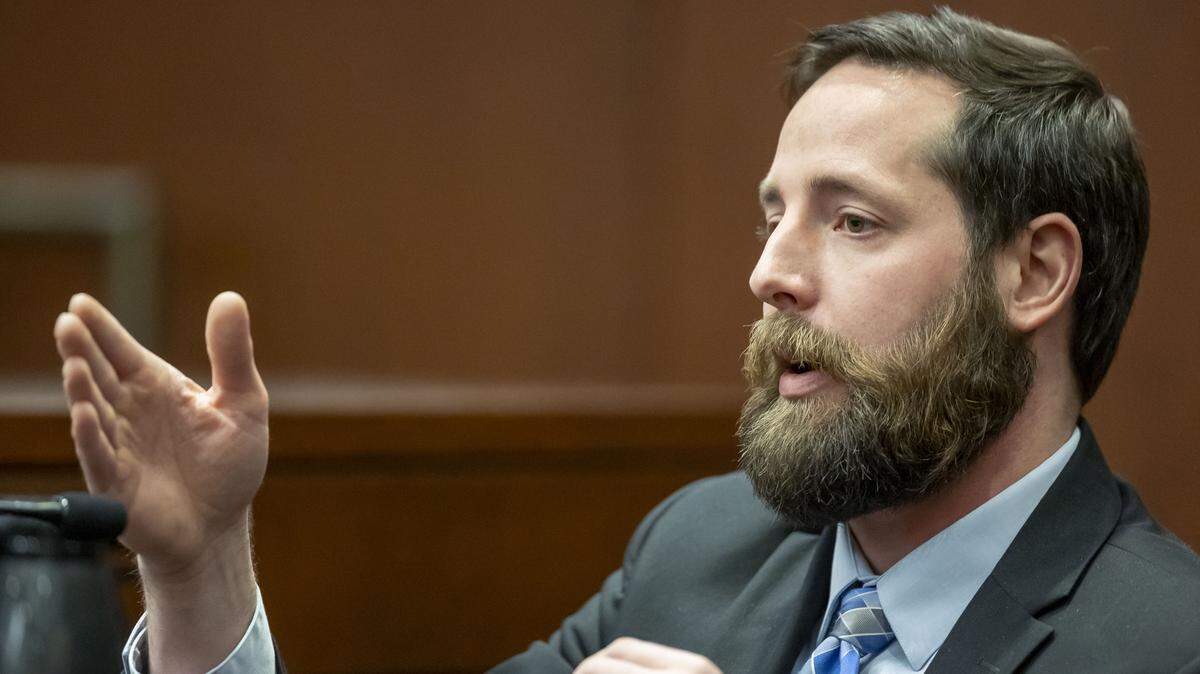
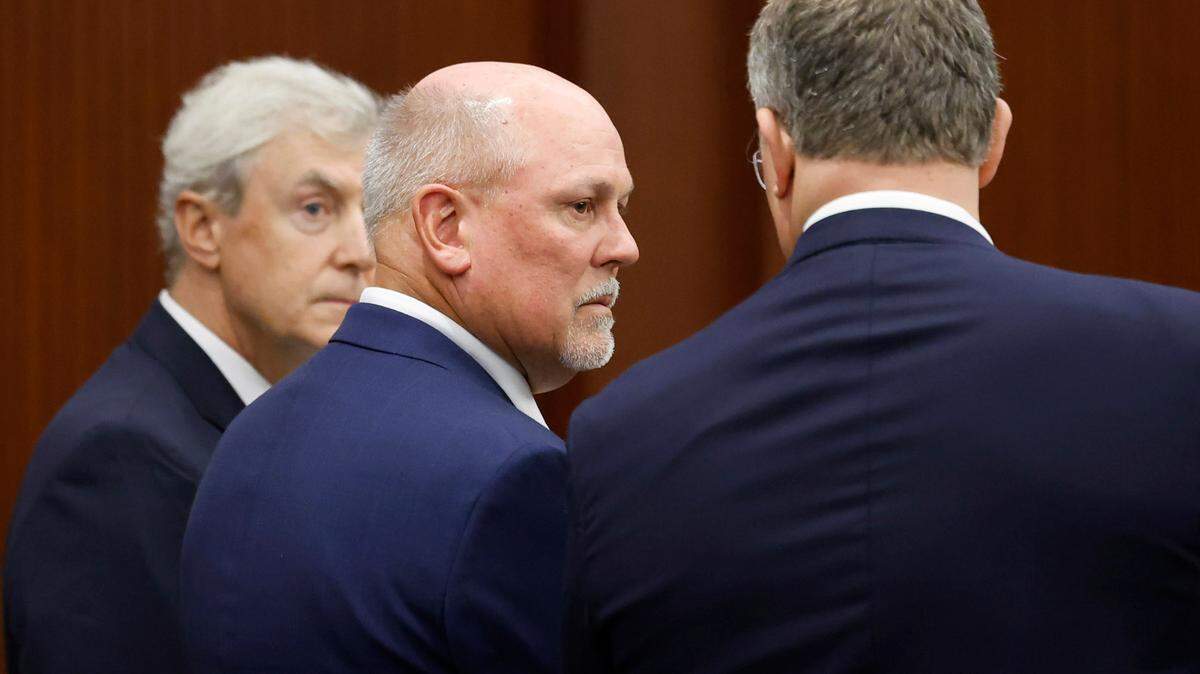
In court, Wake County Assistant District Attorney Patrick Latour described Austin as an intelligent, goal-oriented teen who secretly planned an attack over the years.
The teen knew discretion was imperative to success, so he planned in secret, leaving an unchecked trail of red-flag internet searches on his phone, the prosecutor said. Searches that ramped up over time.
The teen’s online history revealed a fixation on age and notoriety, Latour said during the hearing.
“A common thread in his search history was: What are the most deadly? Who was the youngest to do this? Who’s the youngest bank robber? Who’s the youngest mass shooter?”
Initially, Austin researched bombs, robbing banks and other acts but at some point decided to plan a mass shooting that included killing his brother, slain in their home first, the argument went.
“If he’s wanting to get out there, you’ve got this good brother that, you know, by all accounts, is going to do everything he can to stop this terrible thing from happening,” Latour said.
Karie Gibson, chief of the FBI’s Behavioral Analysis Unit, described steps studies show people take toward violence. It often begins with a perceived slight, humiliation or injustice.
As a person struggles to resolve that grievance, Gibson said, the focus can shift toward violence as the only solution.
Some fixate on killing themselves. Others on killing someone else. Some immerse themselves in violent content, video games, YouTube clips, movies and news reports about other attackers.
“Really kind of marinating in violence,” Gibson said.
Further along the pathway, individuals may begin researching past mass killers, studying tactics and fantasizing about an attack. But those fantasies rarely unfold as imagined.
“Ultimately,” she said, “they take what’s available.”
What did the defense say?
Mannette, the defense attorney, dismissed the internet searches, arguing that investigators cherry-picked entries from more than 30,000 online queries to fit their theory.
They took them out of context and relied on an evaluation that, she said, could raise concerns about many Americans’ online habits, she said. And key indicators were absent.
“There is nothing here that indicates a plan,” Mannette said. No mapping of the killing, no packing list, no drafts of the note.
Austin’s parents and teachers described him as a universally liked honor roll student who did not appear to be bullied, depressed or even sneaky enough to carry out the rampage.
“Austin had no grievance, no cause, no extremism, no preoccupation, no escalating marination in violence,” Mannette said.
Defense attorneys pointed to a possible external cause, Austin’s acne medication minocycline, which they claim triggered a disconnection to reality.
“I think it’s too simple to say this happened because of minocycline, but I think it can be summed up by saying that this wouldn’t have happened without minocycline,” Mannette told The News & Observer this week.
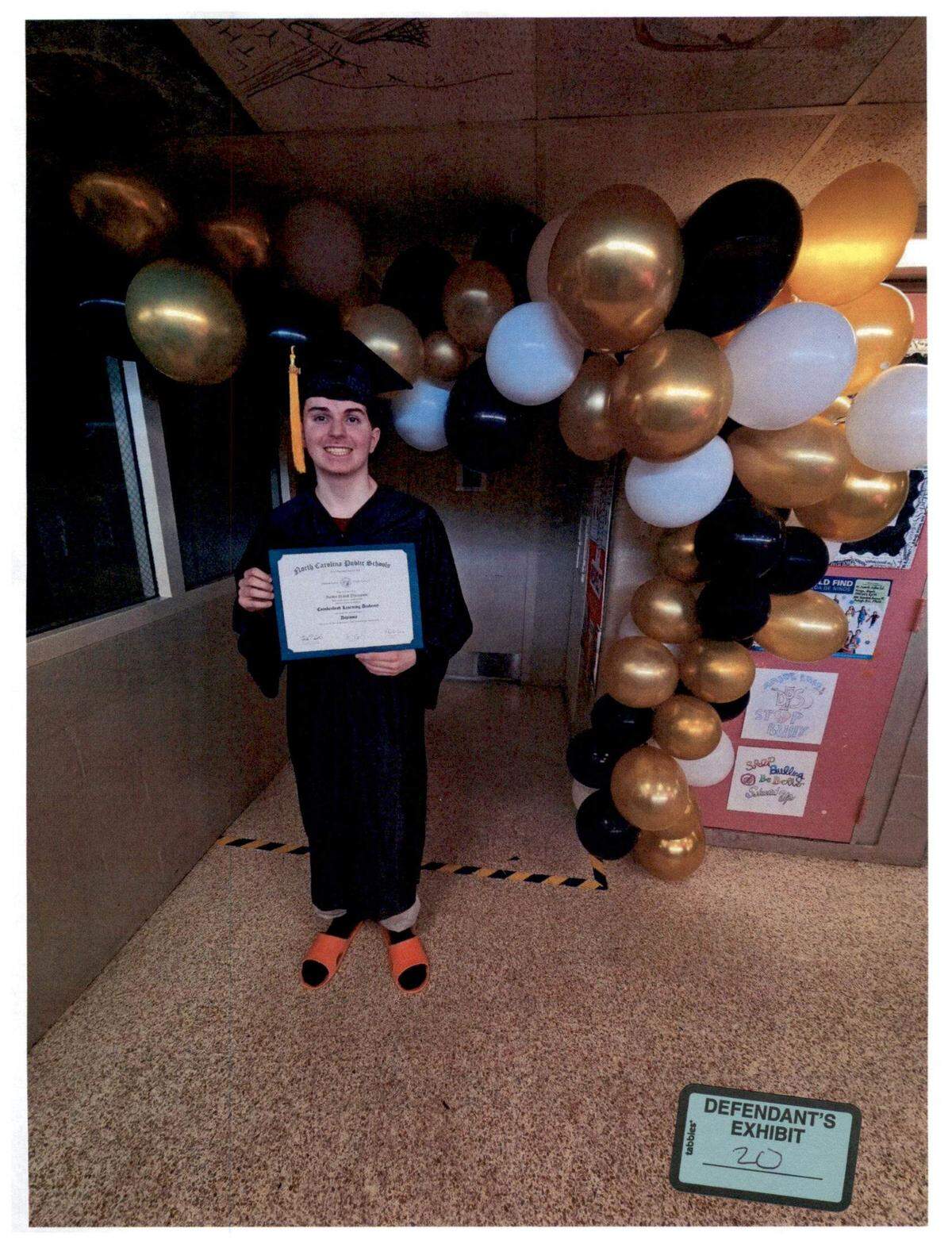
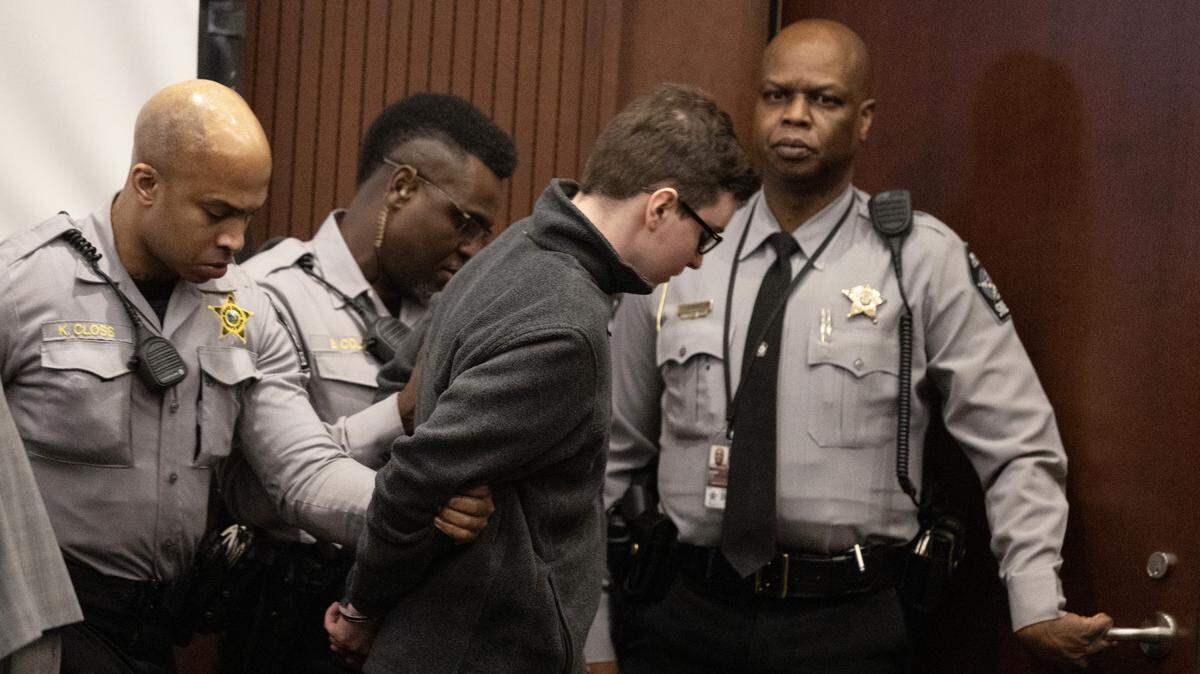
Wake County Superior Court Judge Paul Ridgeway sided with the prosecutors, finding Austin’s crime reflects “irreparable corruption,” the legal standard to impose a life sentence for someone who committed a crime as a minor with no possibility of parole.
Wake County District Attorney’s take
Wake County District Attorney Lorrin Freeman told The News & Observer this week that sentencing-hearing testimony did point to a correlation between Austin Thompson’s conduct and behaviors often linked to violence, including an increasing exposure to violent video games and online searches related to mass shootings.
The public may never get a definitive answer to why, she stressed. But she sees a clear lesson in how easily it was carried out.
Austin’s internet searches were not monitored. Most importantly, he was a teen with knowledge of and access to a dozen guns and many boxes of ammunition.
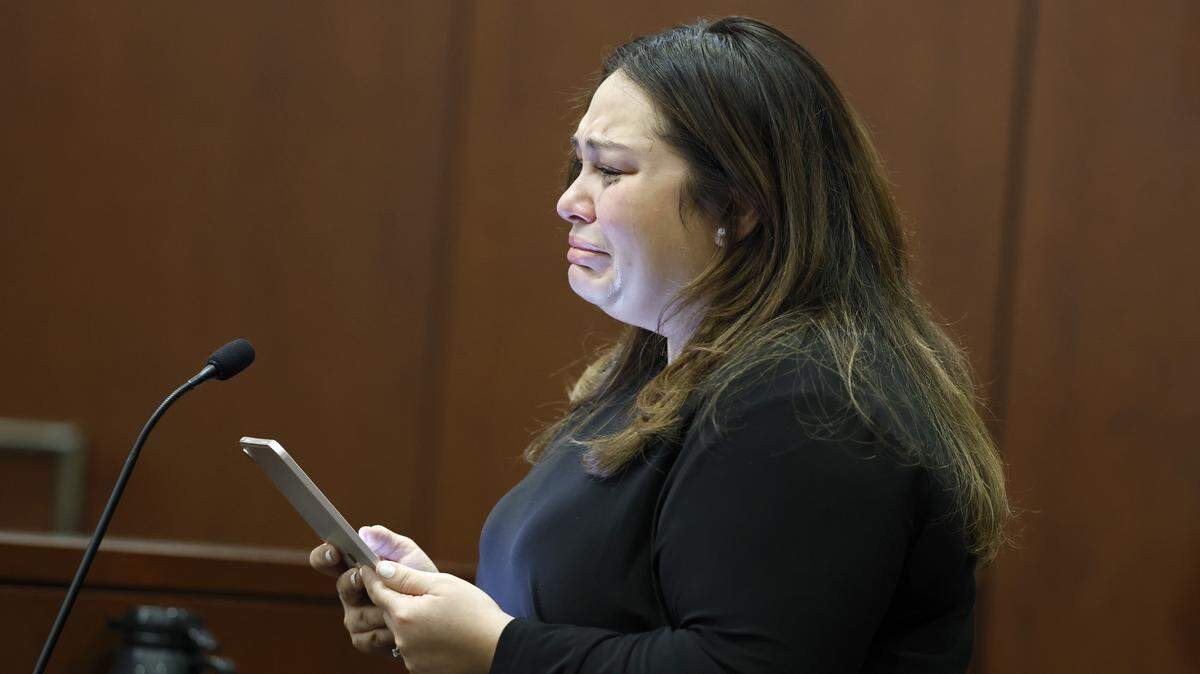
“We all feel at this point that the Thompson family has suffered tremendous loss,” she said, referring to Austin’s murder of his older brother. “But the reality remains that there was significant access to firearms in this household by minors who were unsupervised.”
This story was originally published February 19, 2026 at 1:51 PM with the headline "Why did a 15-year-old open fire on Hedingham? The question that haunts Raleigh."




























_474_fitted.jpeg)