Testimony answers how Hedingham shooting rampage began at teen killer’s home
READ MORE
Raleigh mass shooting in Hedingham neighborhood
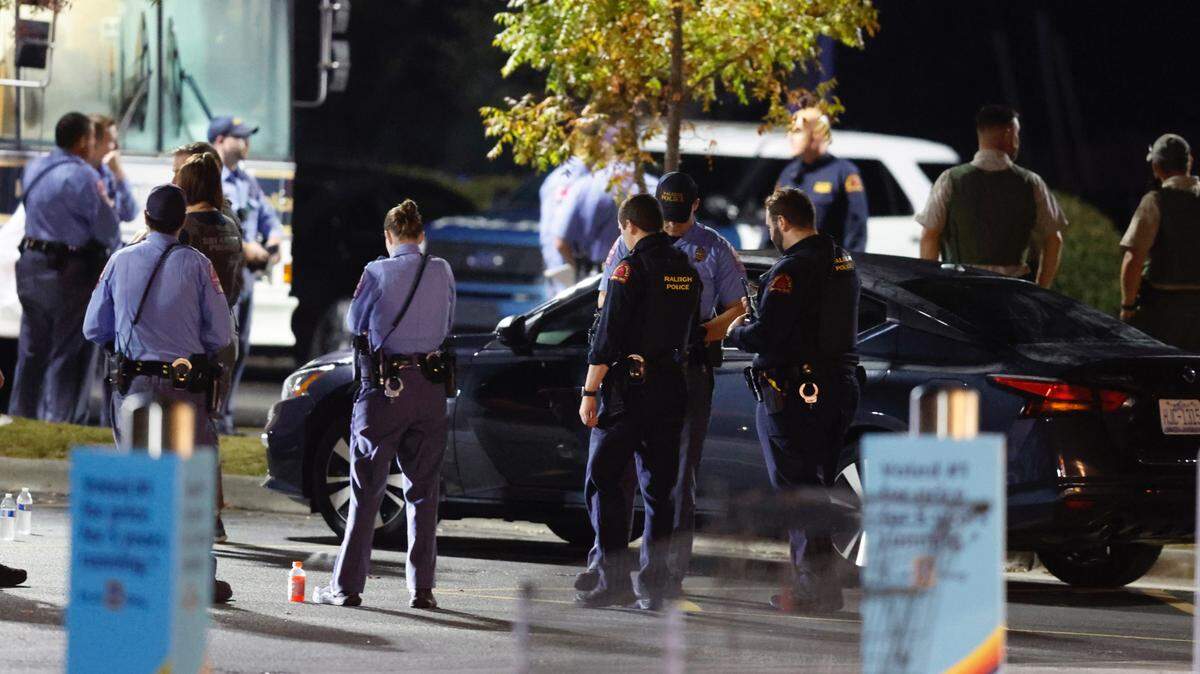
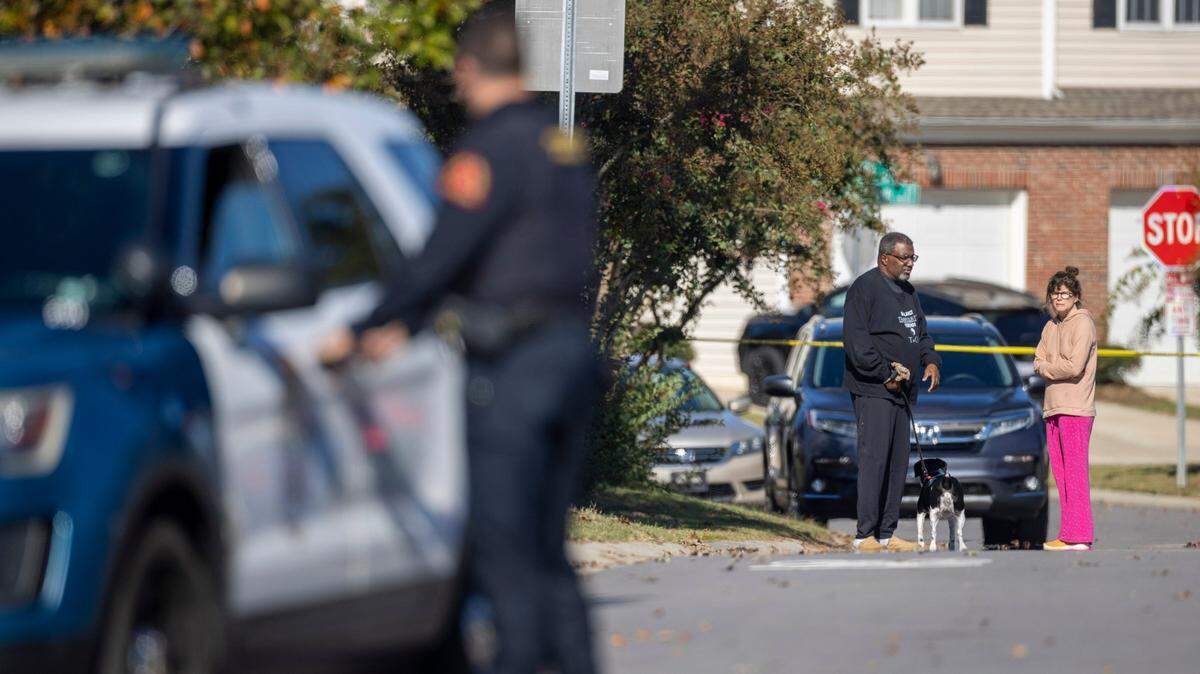
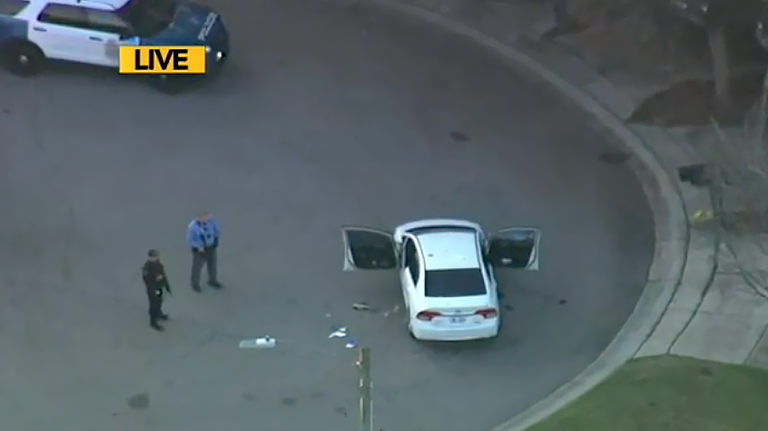
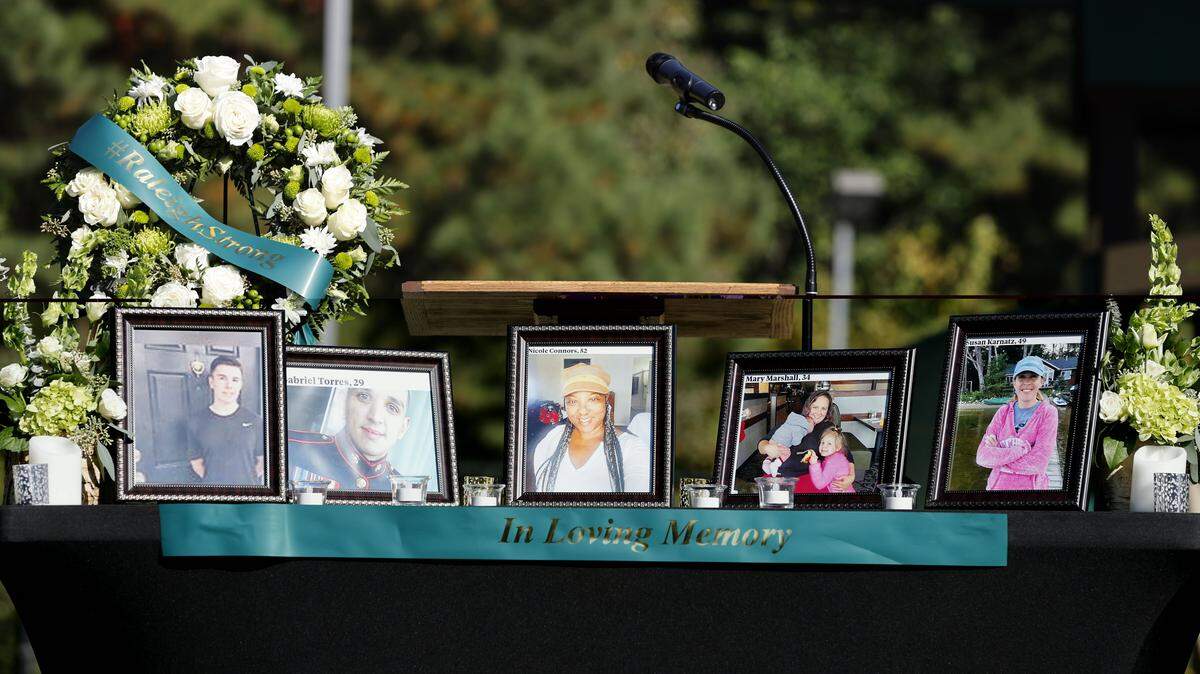
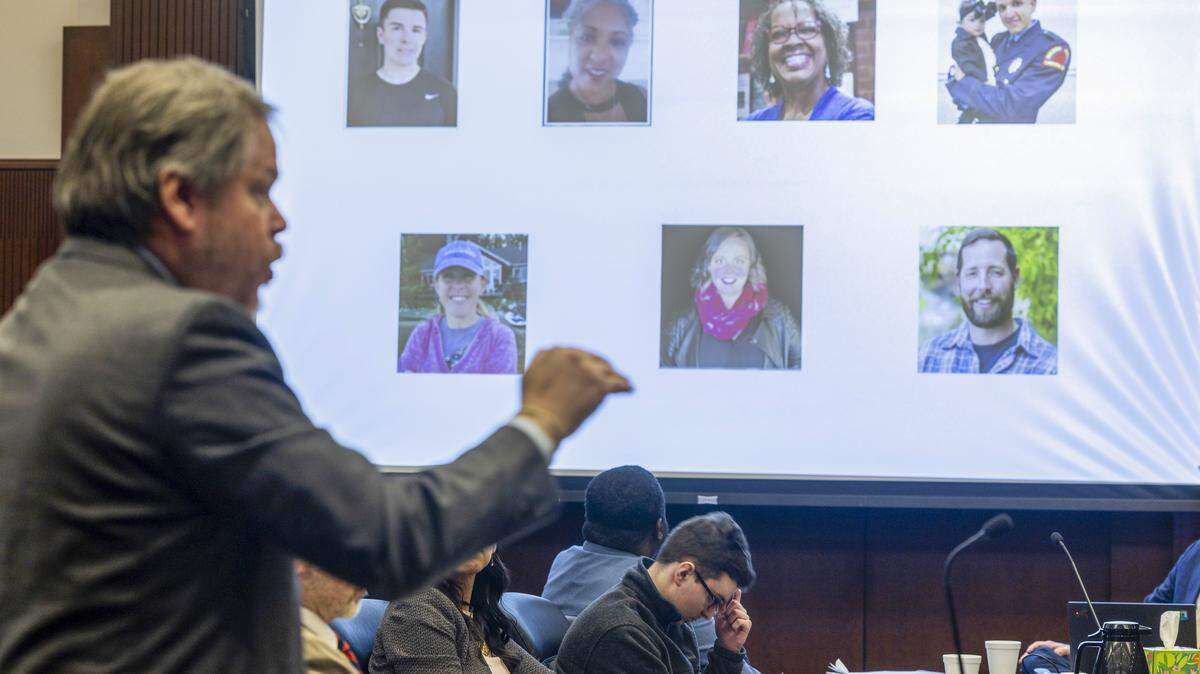
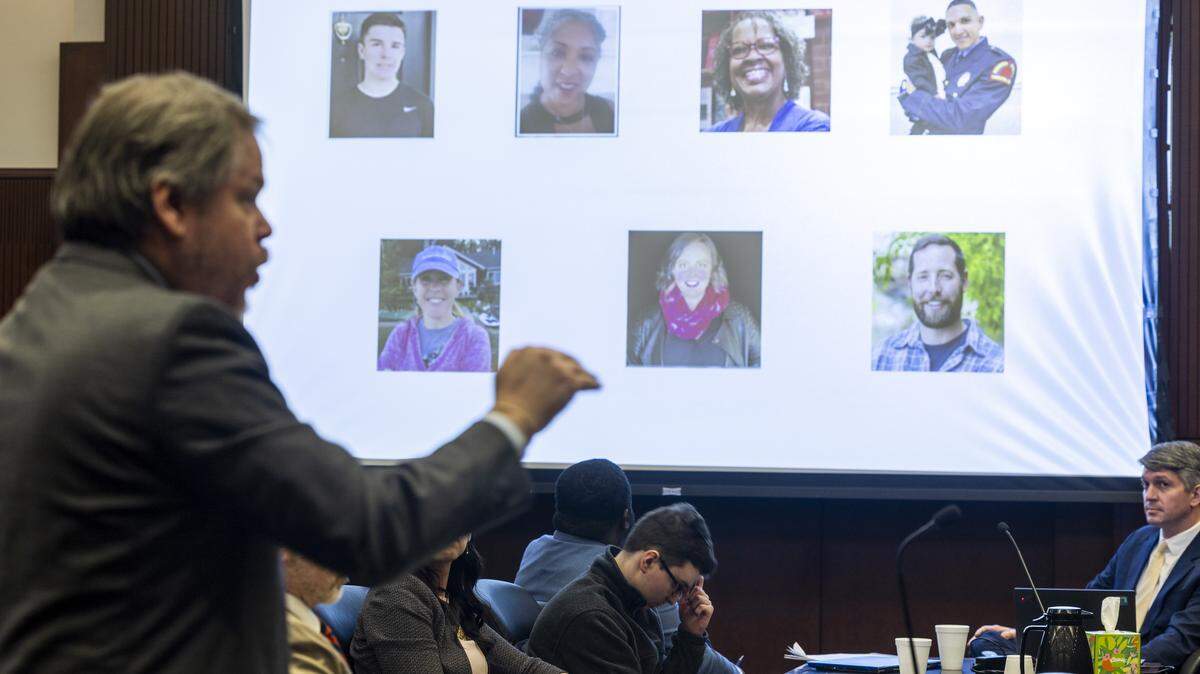
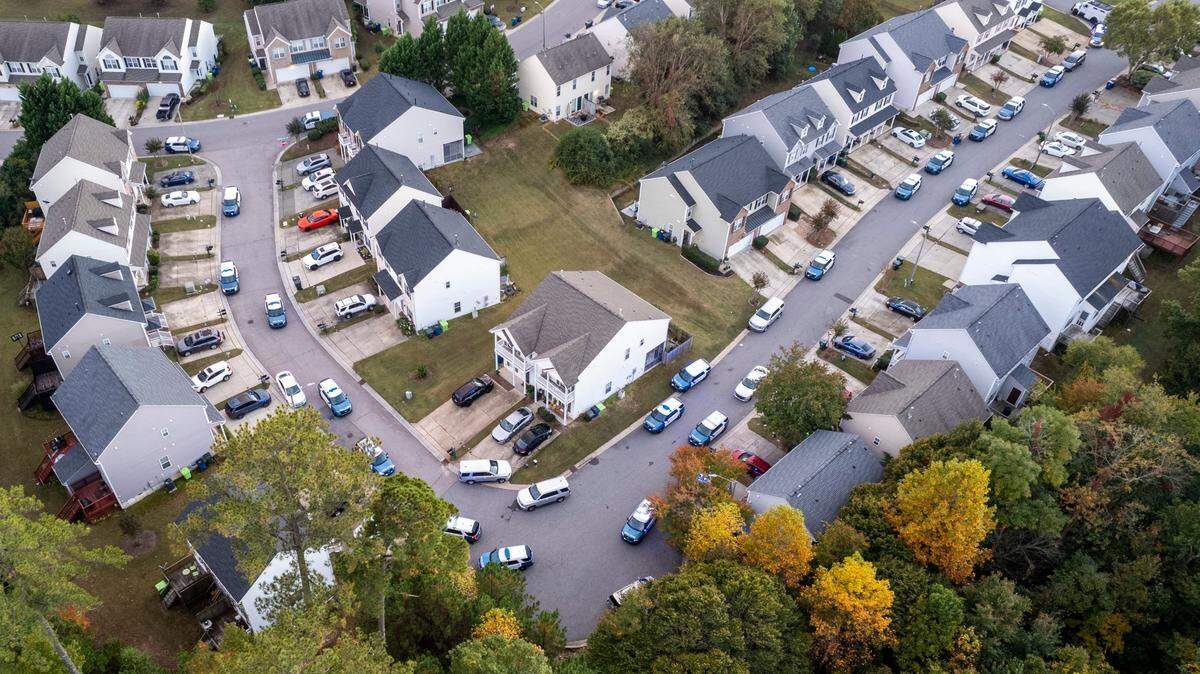
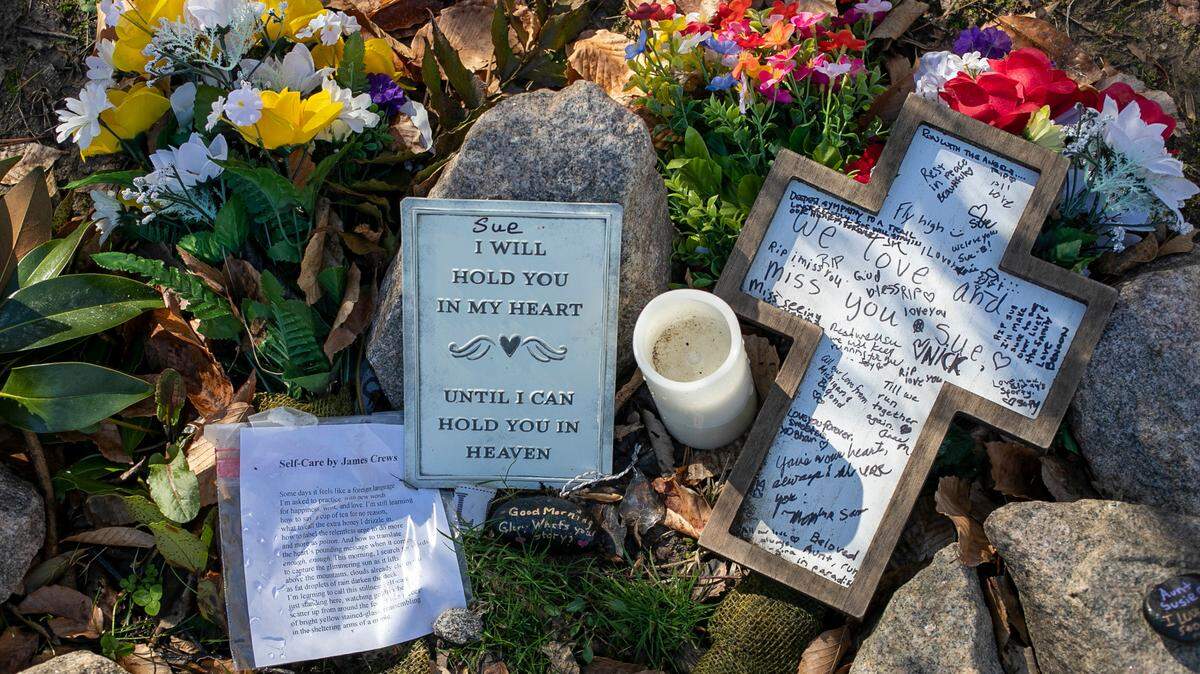
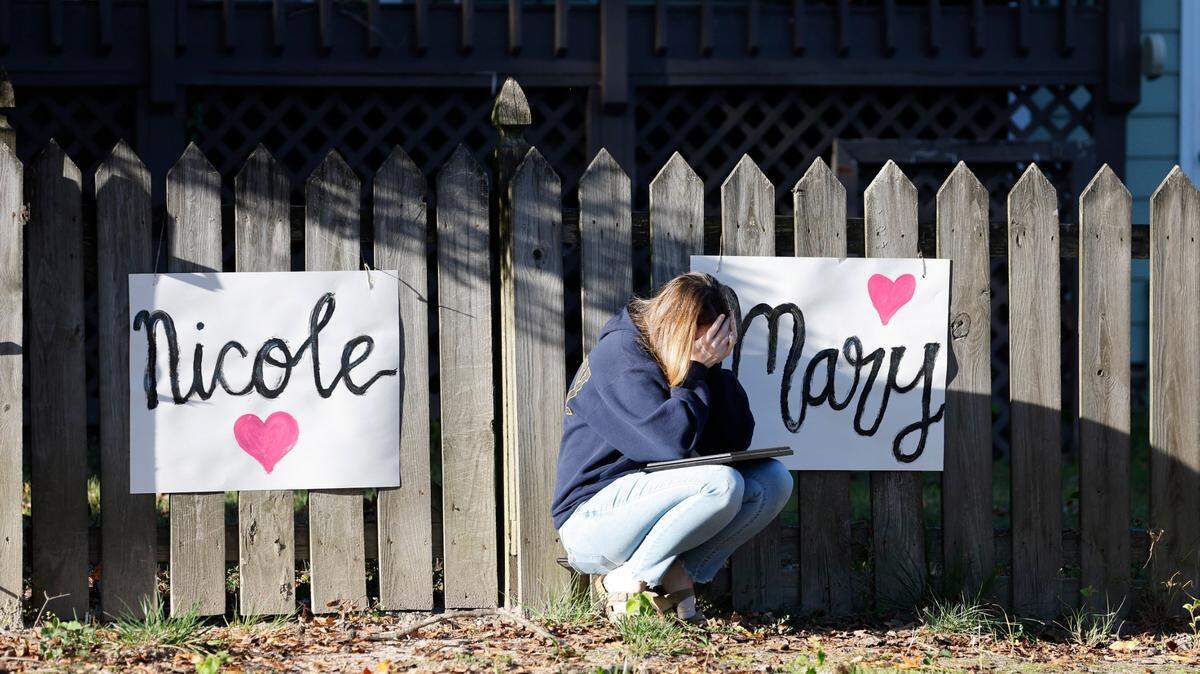
On Oct. 13, 2022, seven people were shot in Raleigh, NC, in the Hedingham neighborhood near the Neuse River Greenway Trail. Five were killed, including a Raleigh police officer. High school student Austin Thompson was charged with their murders. Read The News & Observer’s ongoing coverage of the mass shooting, Thompson’s guilty plea and ongoing civil lawsuit.
Expand All
Before Alan Thompson headed to the grocery store on the afternoon of Oct. 13, 2022, he called his two sons to see if they needed anything.
James, 16, didn’t answer, which irritated his father. But Austin, 15, picked up and told his dad they didn’t need a thing.
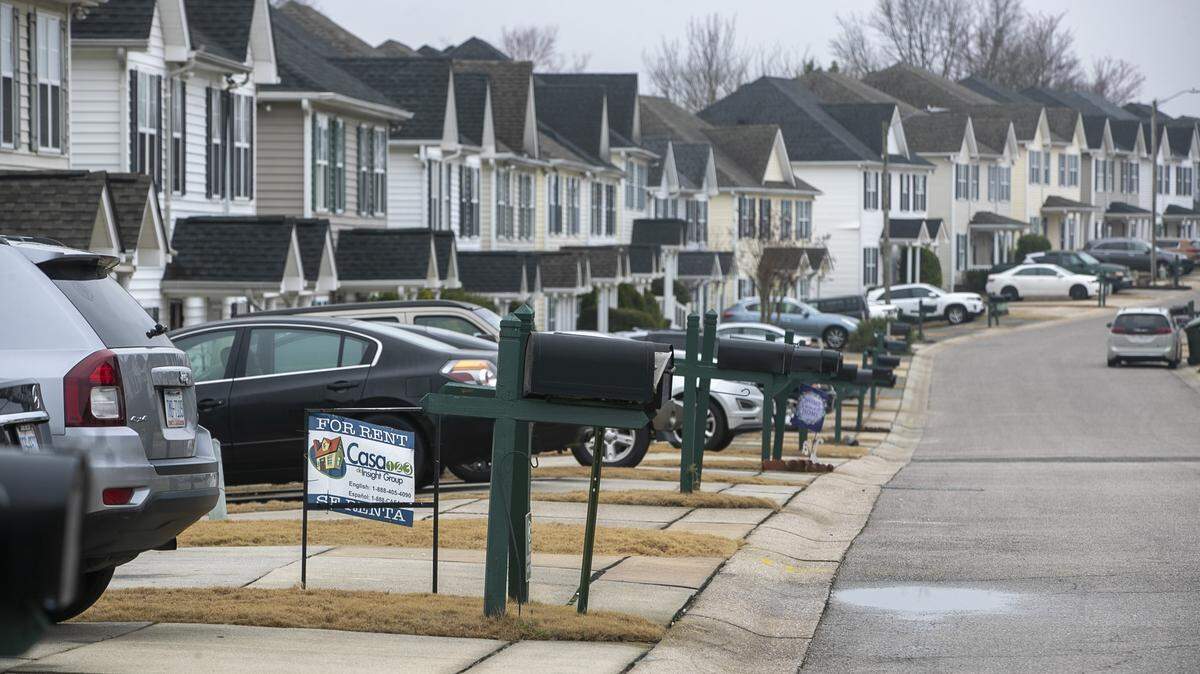
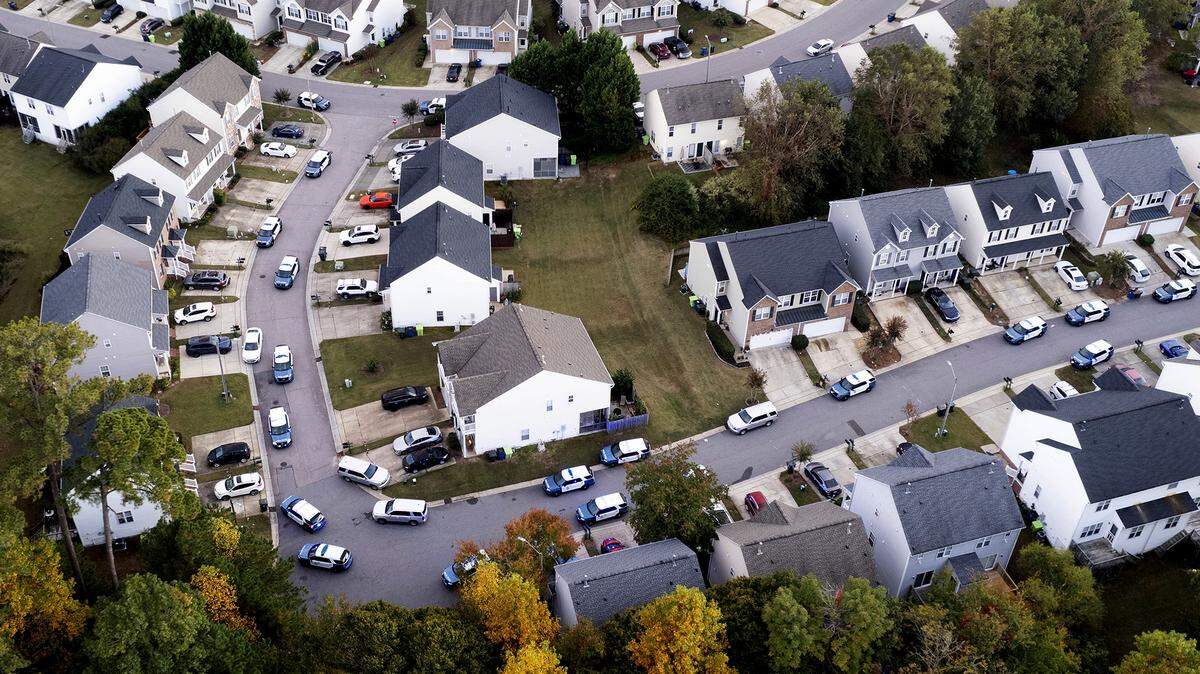
About 30 minutes later, Alan saw patrol cars racing toward Hedingham, their neighborhood in northeast Raleigh. He called Austin again and told the boys to hunker down at the house.
“OK,” Austin replied, his father said.
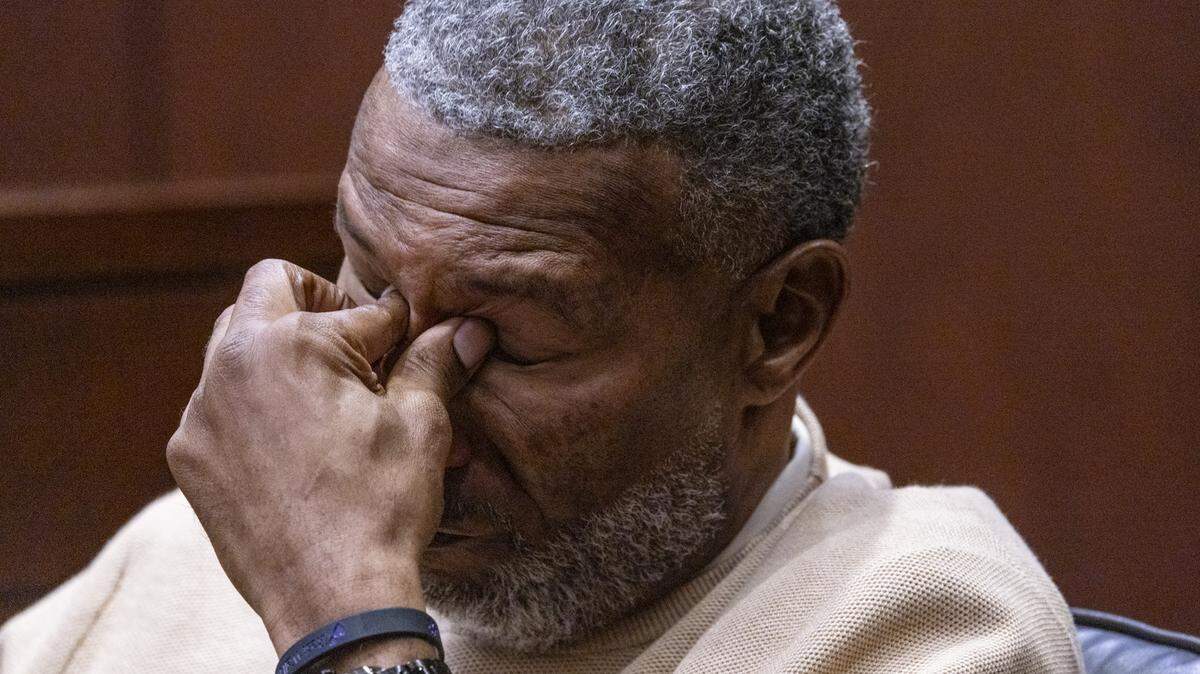
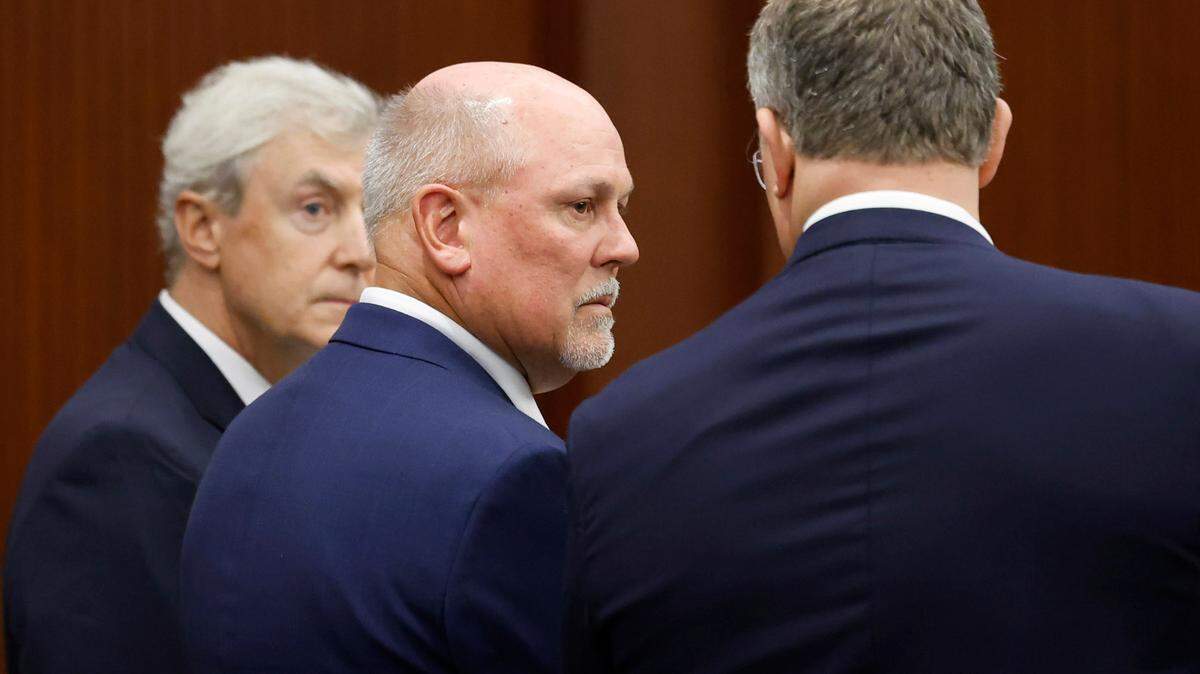
“A regular, calm voice on both occasions,” Alan testified at the sentencing hearing held this month after Austin pleaded guilty to murdering five people and shooting two others.

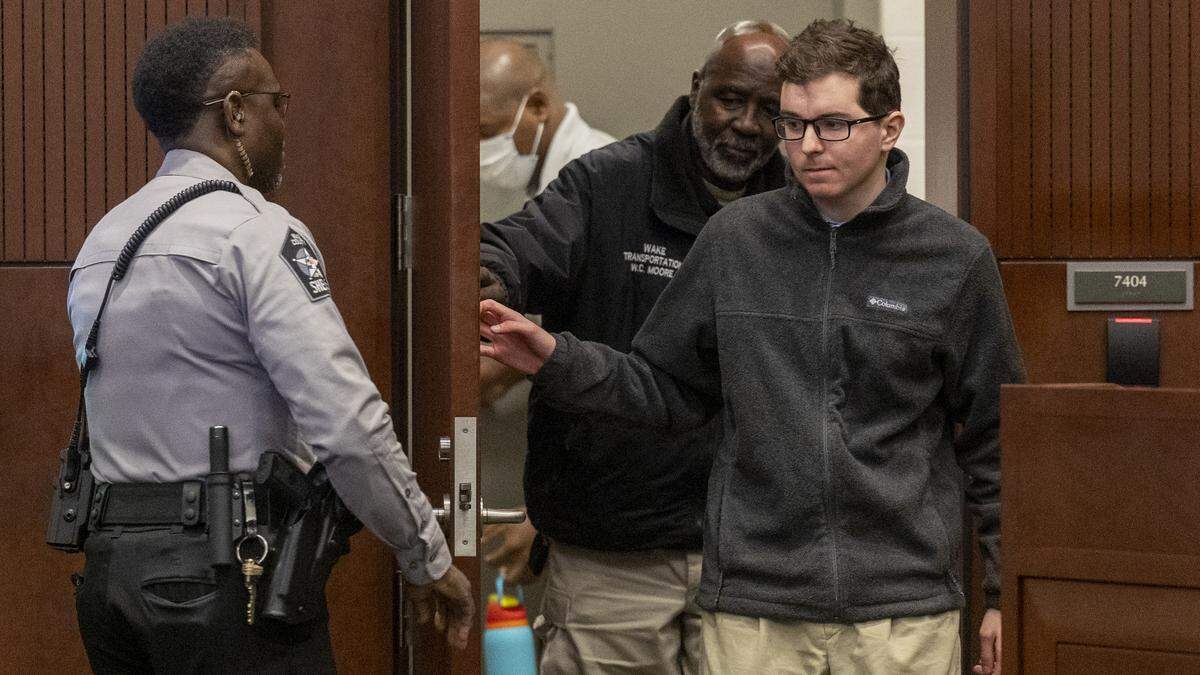
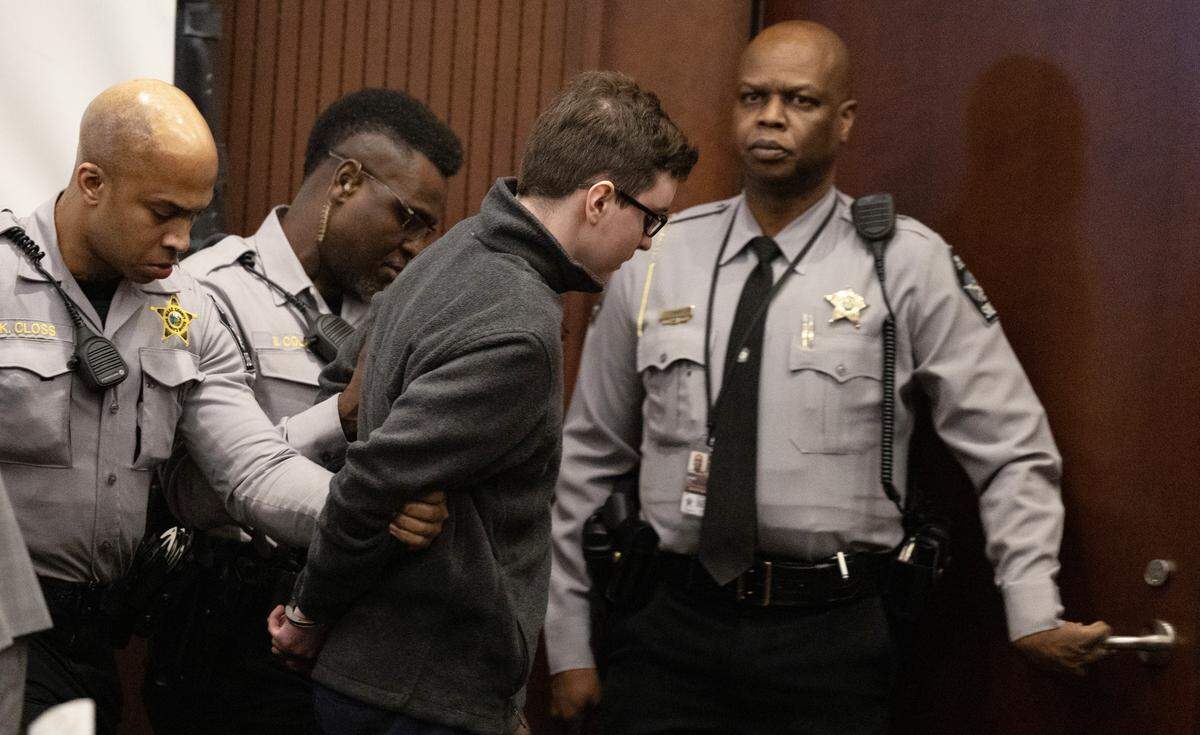
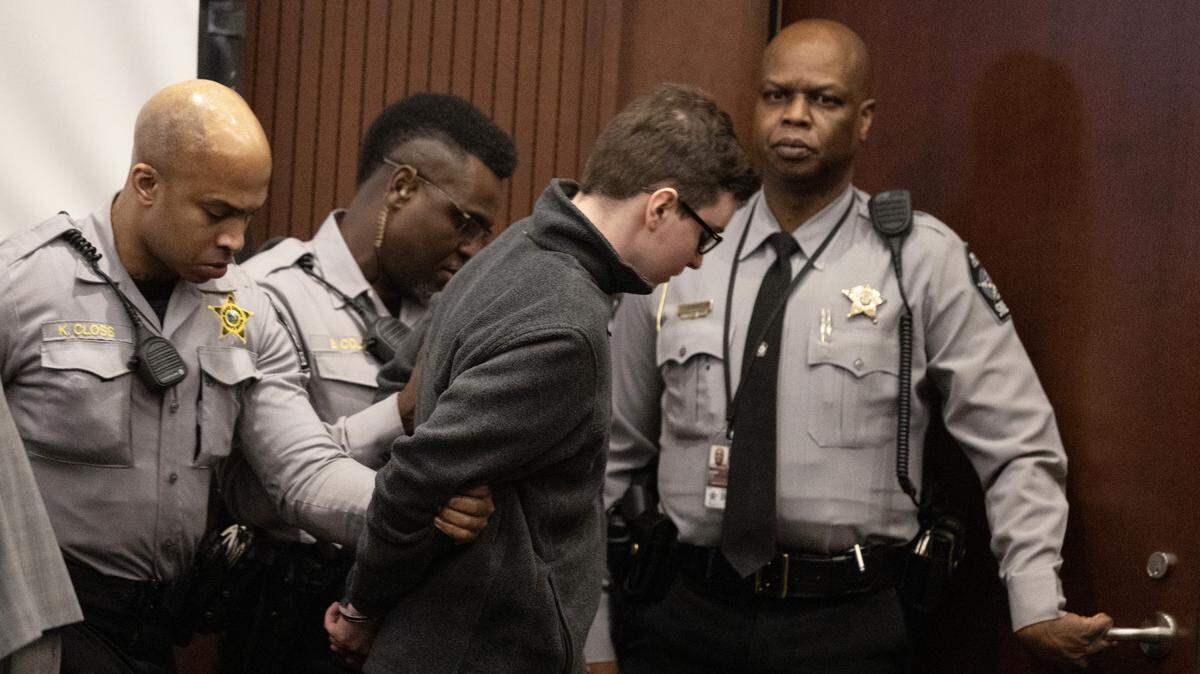
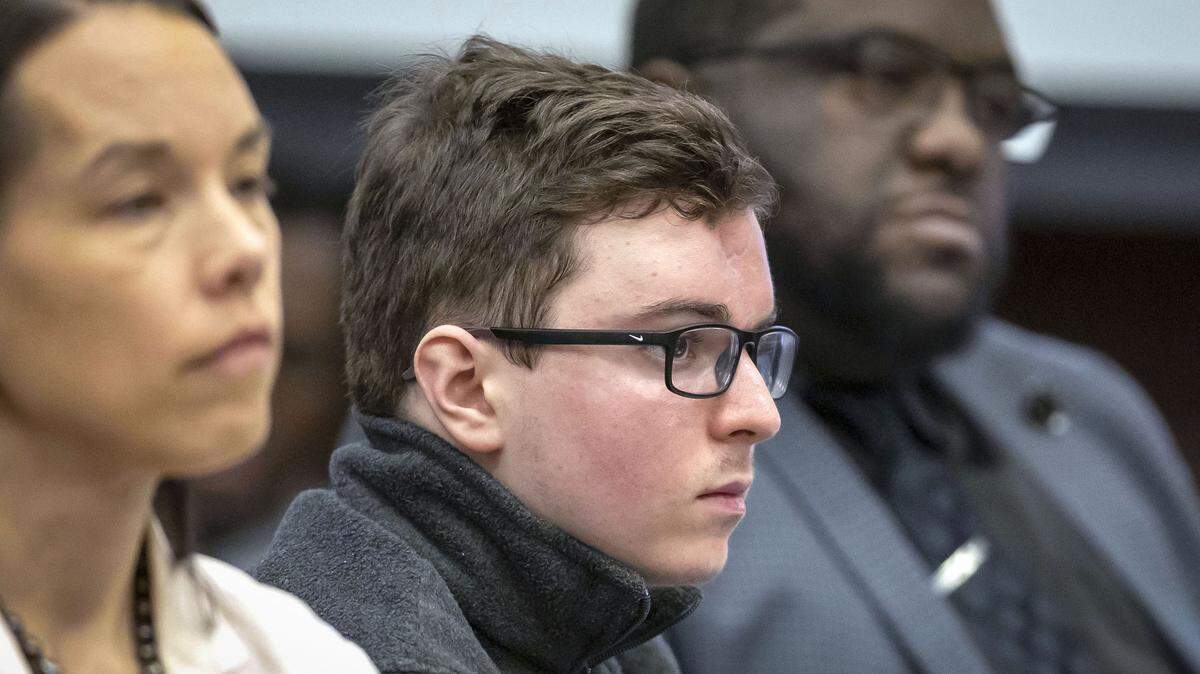
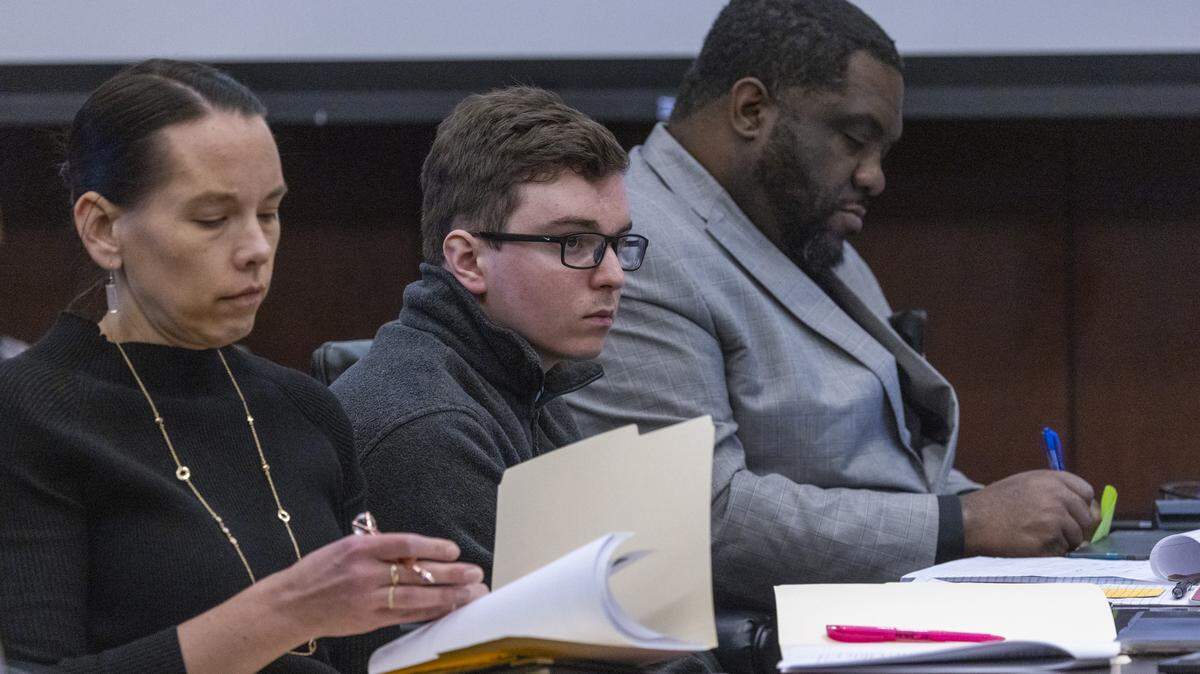
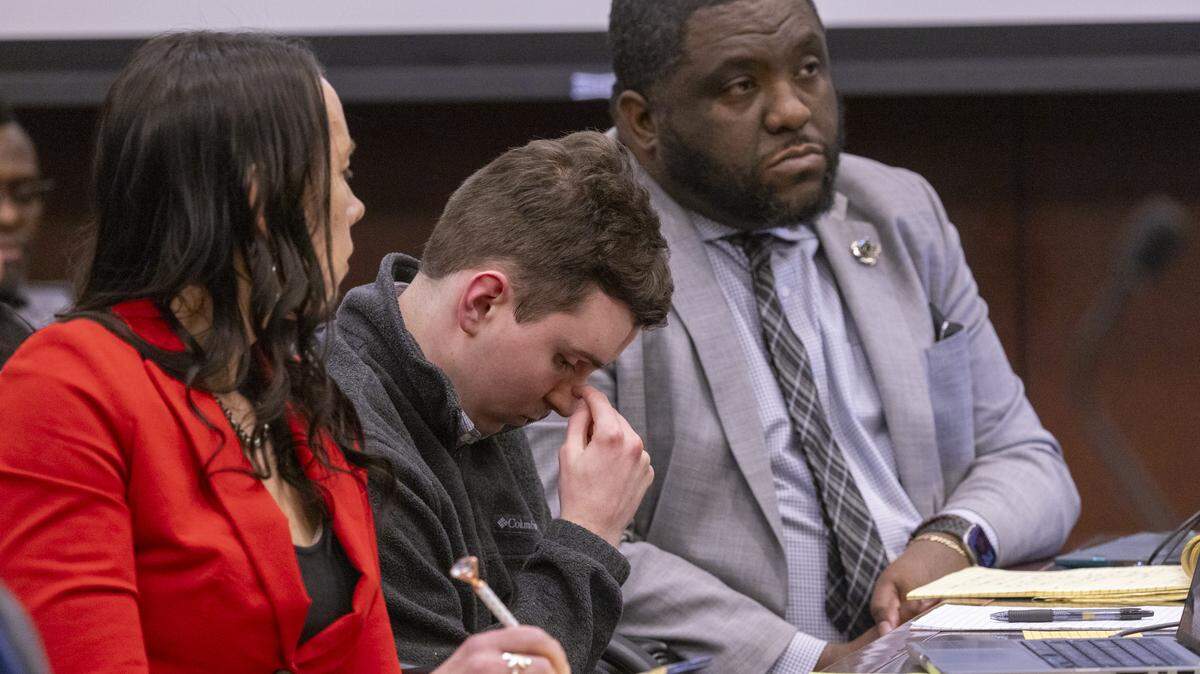
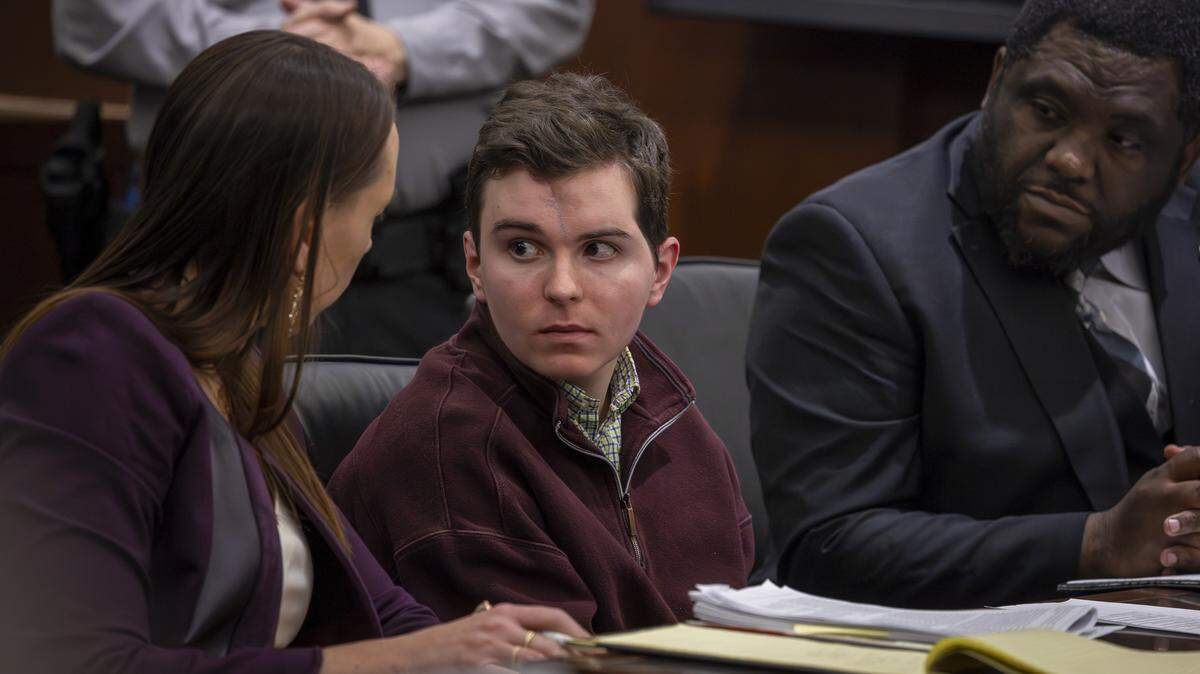
Wake County Superior Court Paul Ridgeway sentenced the teen on Feb. 13 to life in prison with no chance of parole, a rare fate today for someone who commits the most serious crimes while a minor.
Much was known about Austin’s killing and shooting spree, which produced profound physical and psychological pain expected to last for years in its wake.
But two weeks of gripping testimony soaked in grief and anger revealed new details about what happened at the Thompson home as Alan and Elise became both parents of a mass shooter and one of his victims.
And about the disbelief that Austin’s parents say still grips them, despite claims by others that they should have seen warning signs.
Mass shooting starts with a murder at home
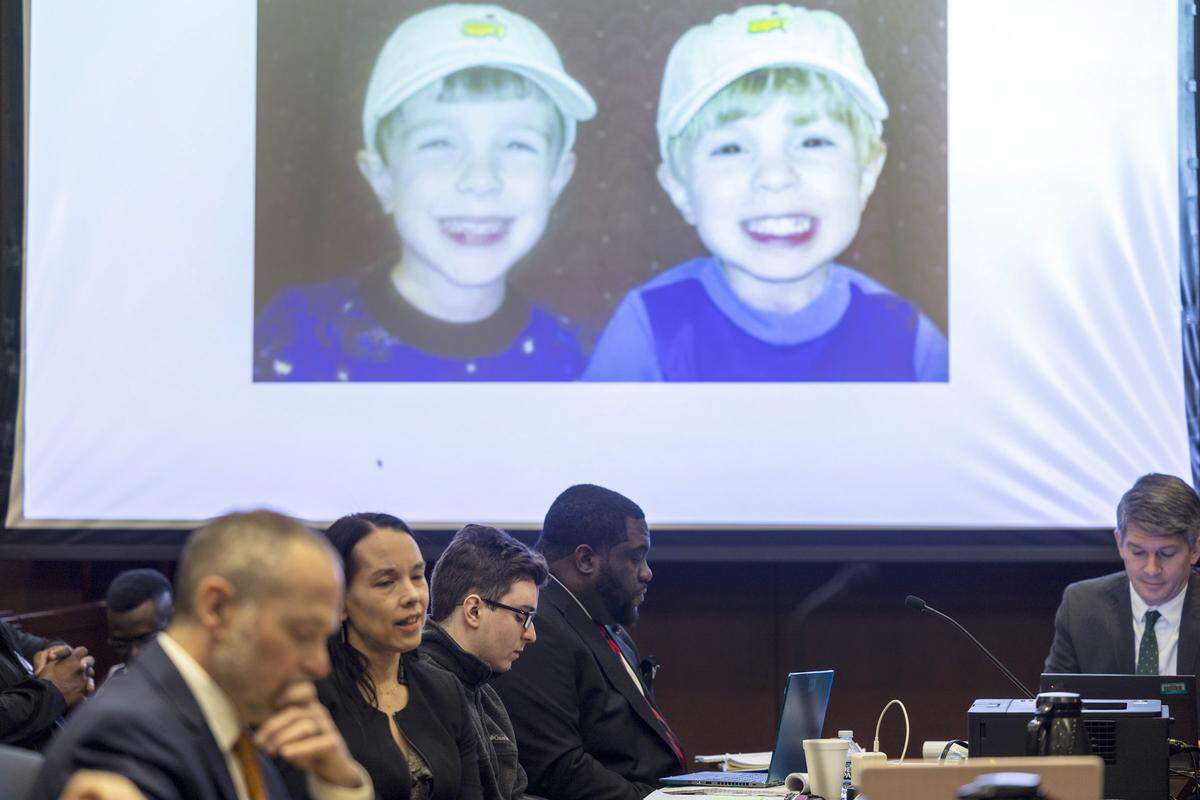
The first crime scene unfolded at the Thompson family’s longtime home on Sahalee Way, where the couple’s two little boys had grown from blond-headed toddlers to honor-roll teenagers.
It was a time of transition. The parents had told their sons they were separating.
They were good boys, Elise insisted during her time on the stand. Self-sufficient. Unlike many teens, they woke up on their own in the morning, Elise said.
James was the outgoing one, his mother said. Austin took longer to warm up to new people.

Austin and James usually stepped off the school bus around 3:10 p.m. and walked home together. The boys took turns playing Call of Duty on the gaming system set up in the middle of the Thompsons’ living room.
They’d sink into the high-back gaming chair, passing the controller back and forth. Austin often wore headphones, talking to players across the world, which impressed his parents, they said.
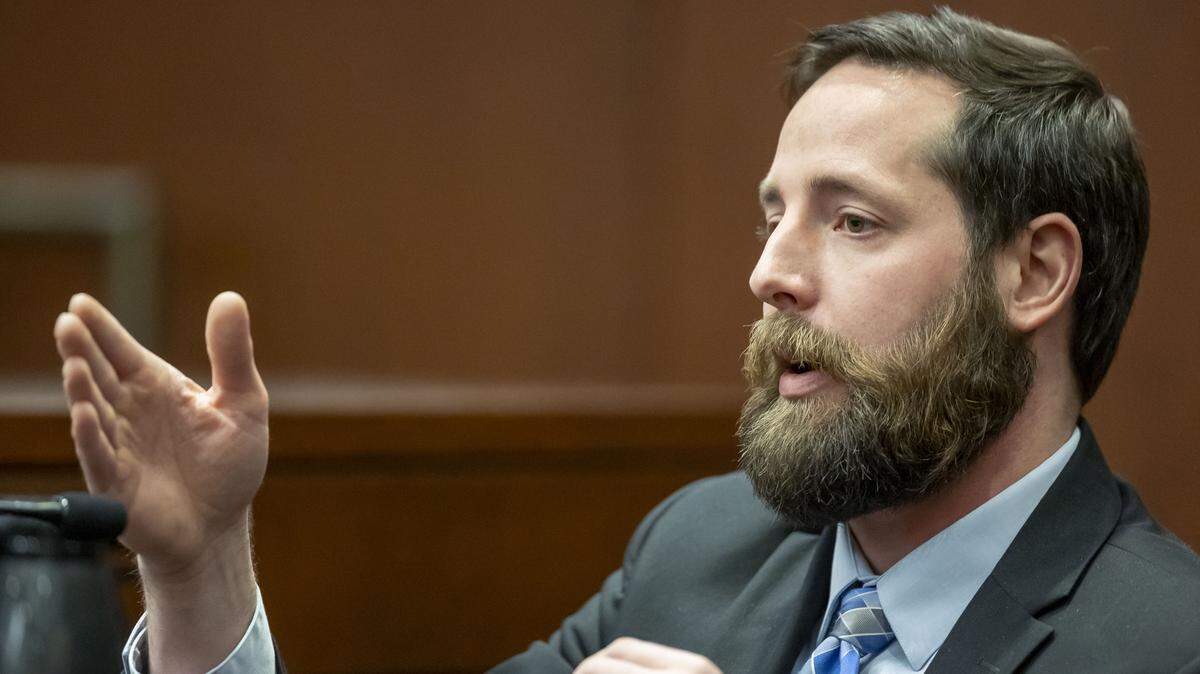
At 4:20 p.m., about the same time Austin spoke to his father about groceries, James was in the gaming chair, playing, police investigators testified. Austin lifted a rifle to the back of his brother’s head and fired.
James either stumbled or was dragged into the bathroom, where Austin stabbed him about 50 times.
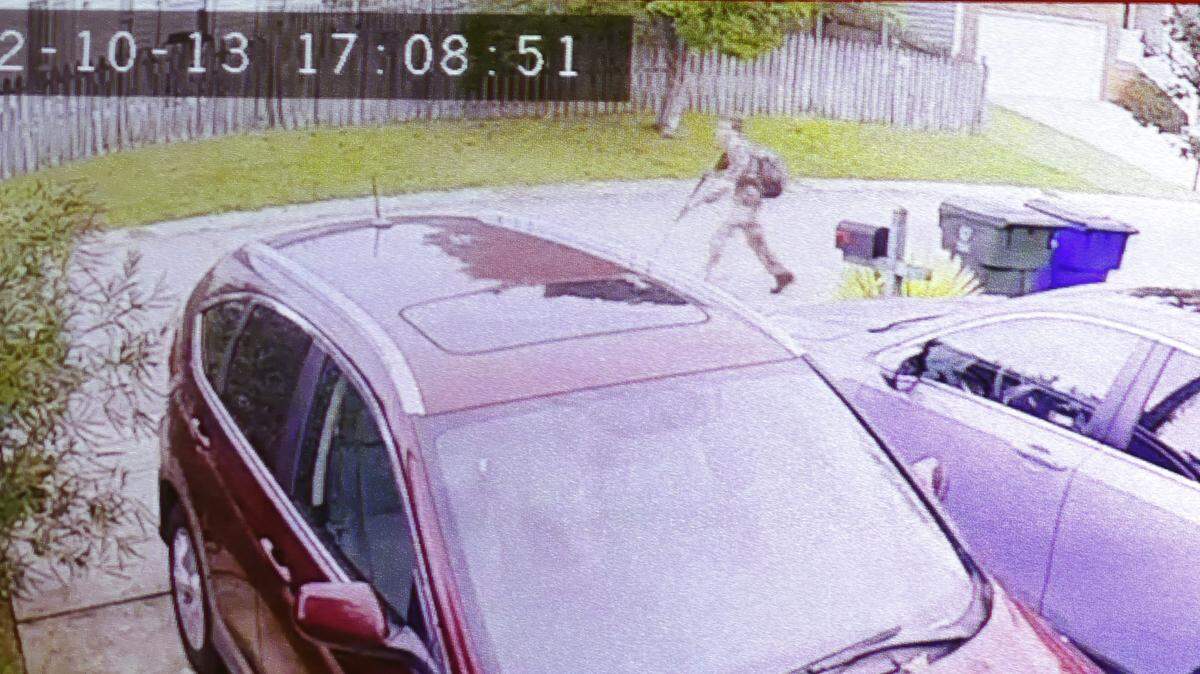
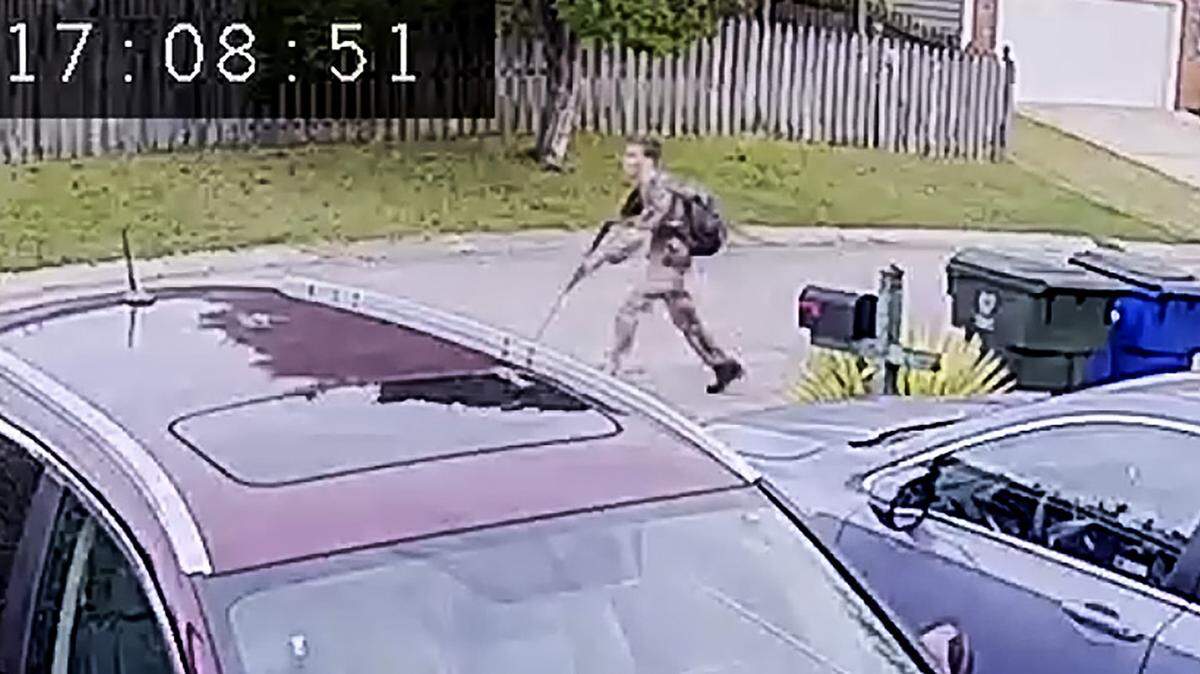
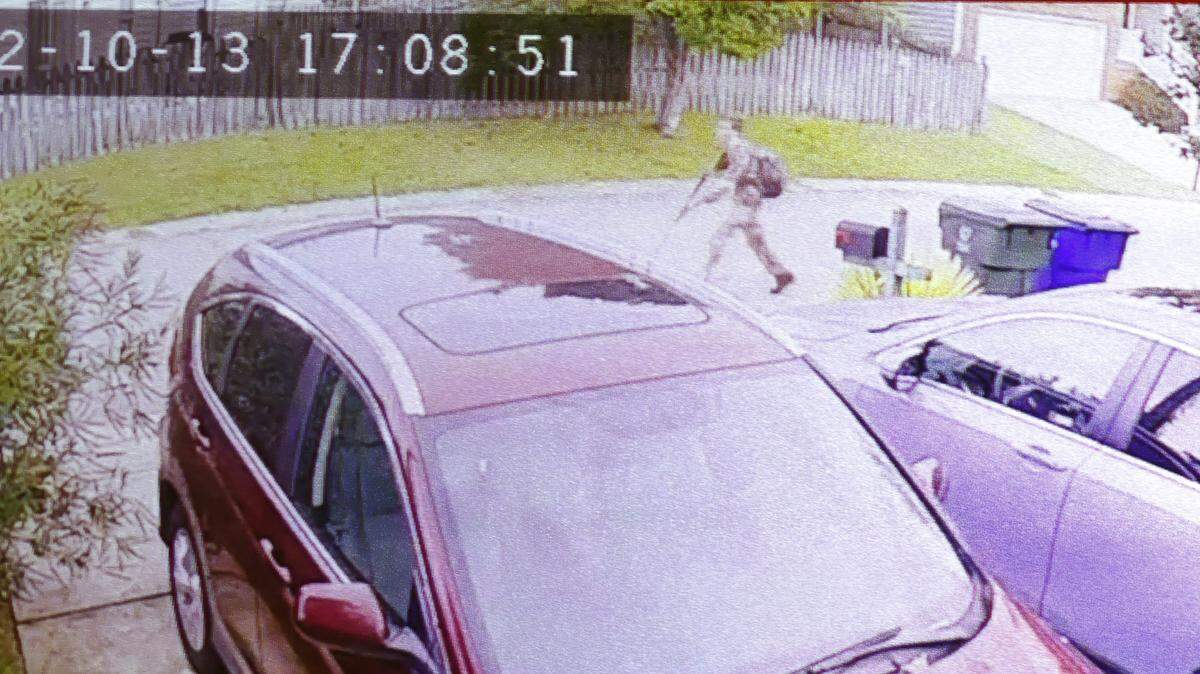
At 5:08 p.m., around the time of the second phone call from Alan, Austin left his home wearing camouflage, running down the neighborhood street with a long gun like he was advancing on enemy ground. He covered 2.4 miles during his rampage.
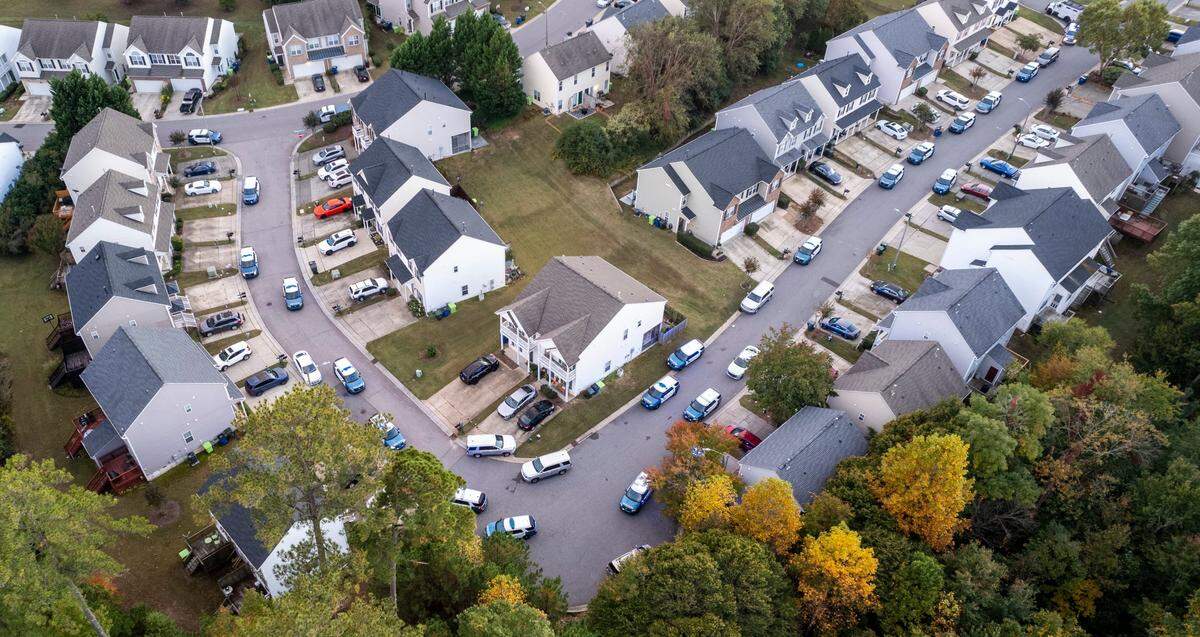
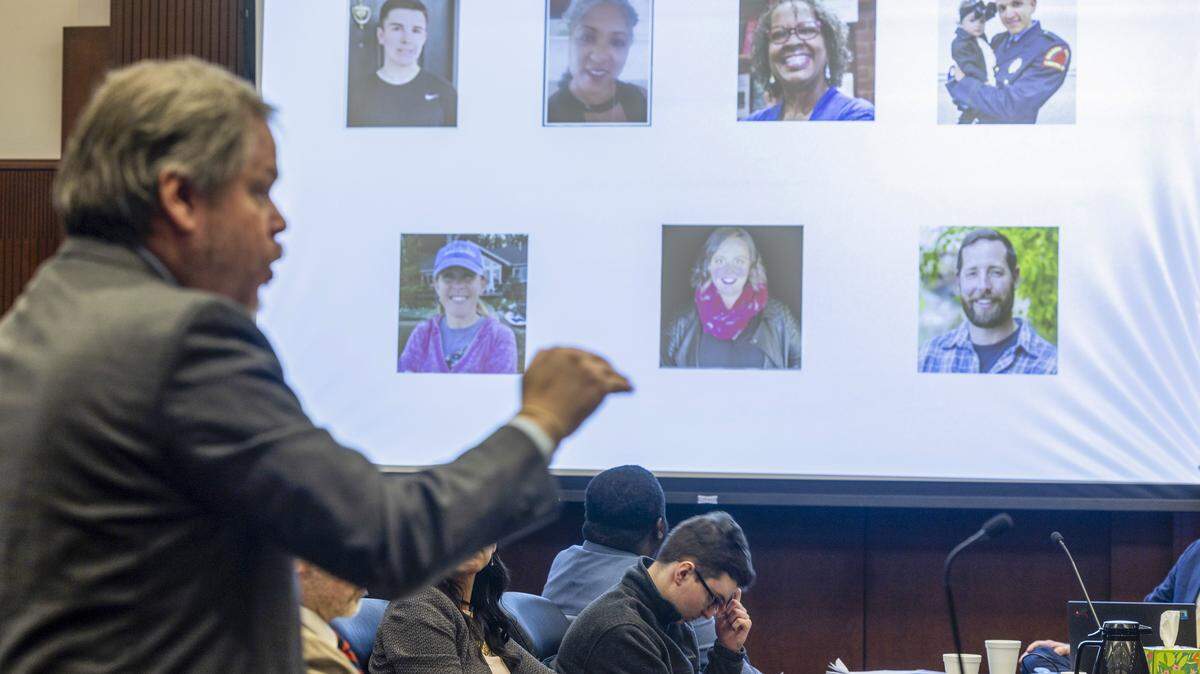
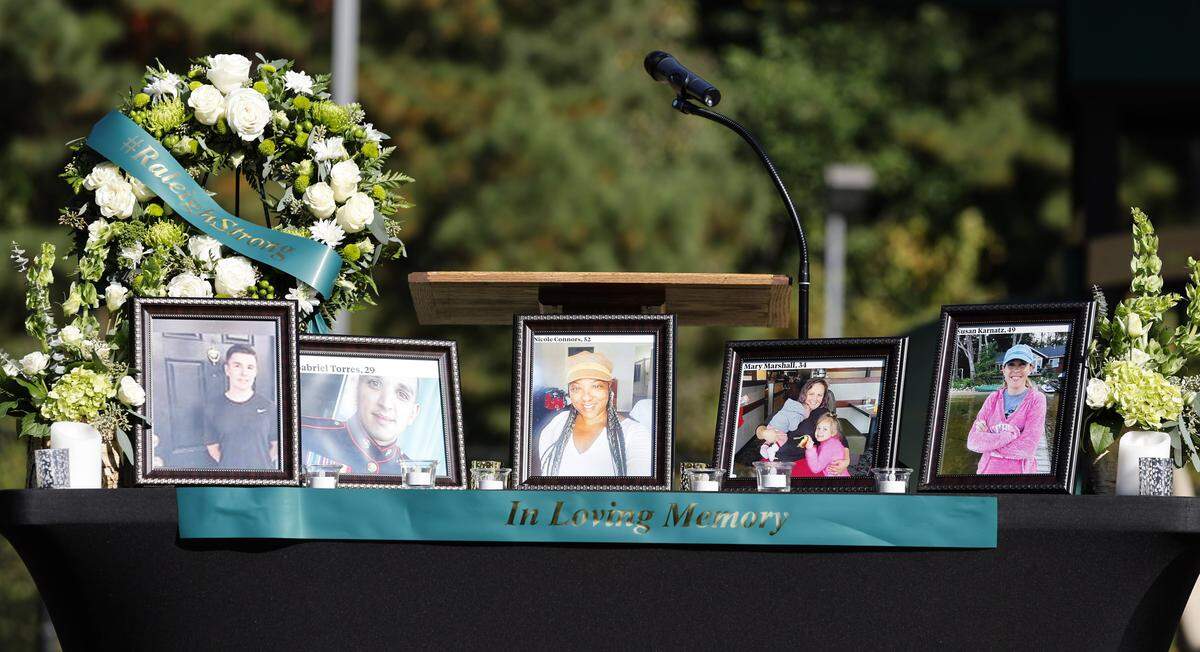
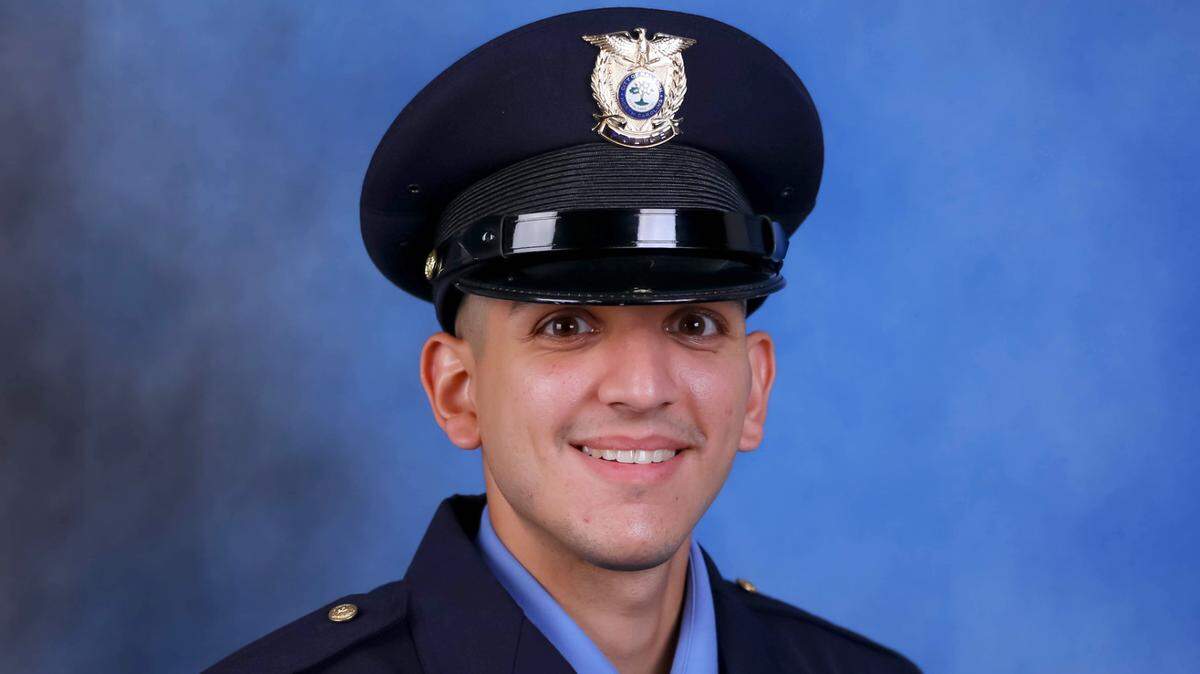
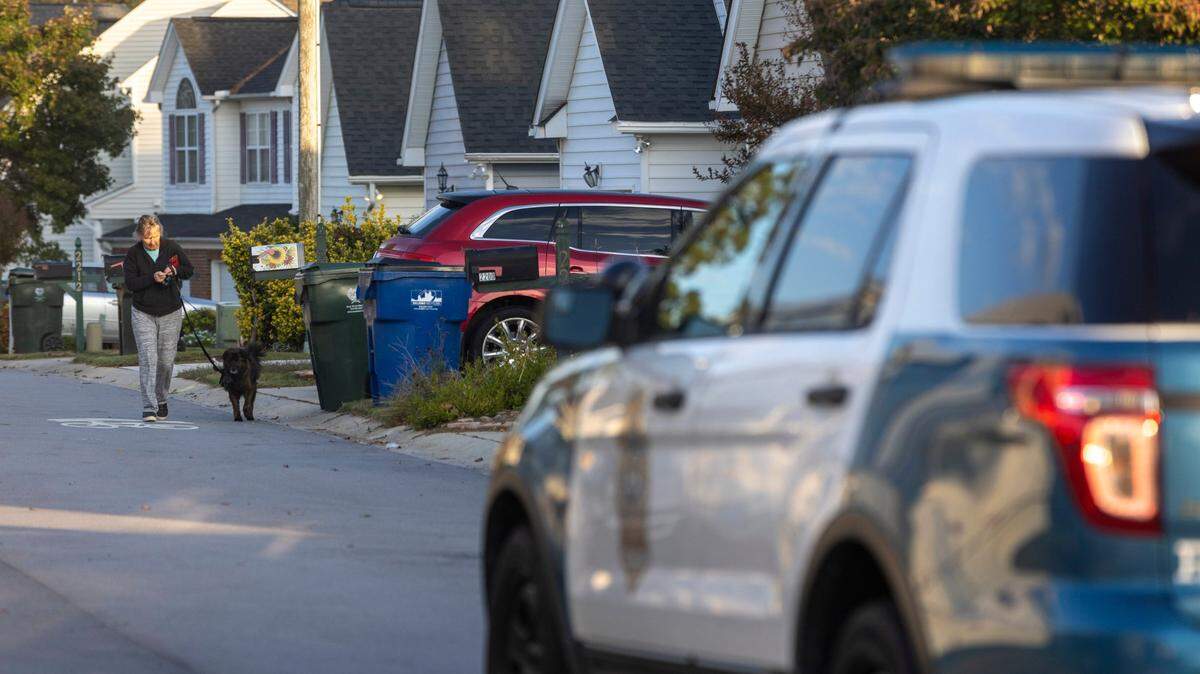
He killed two neighbors, a woman walking her dog and a Raleigh police officer going to work, and two others on the Neuse River Greenway. He shot another neighbor and another Raleigh officer trying to stop him, both of whom survived.
An ordinary day shifts to a nightmare
As Austin stalked through the neighborhood that Thursday in October, his parents were walking through their ordinary day, they testified.
Elise usually got home around 5 p.m., she testified, but on the day of the shooting, she had a 6 p.m. hair appointment. Her stylist was coloring her hair when the television brought word of a shooter moving through Hedingham.
Elise called and texted James and Austin around 6:15 p.m. Neither answered. She called Alan, who was trying to fix a flat tire that he discovered leaving the grocery store.

Alan had spoken to Austin twice but was having trouble reaching him again, the parents testified.
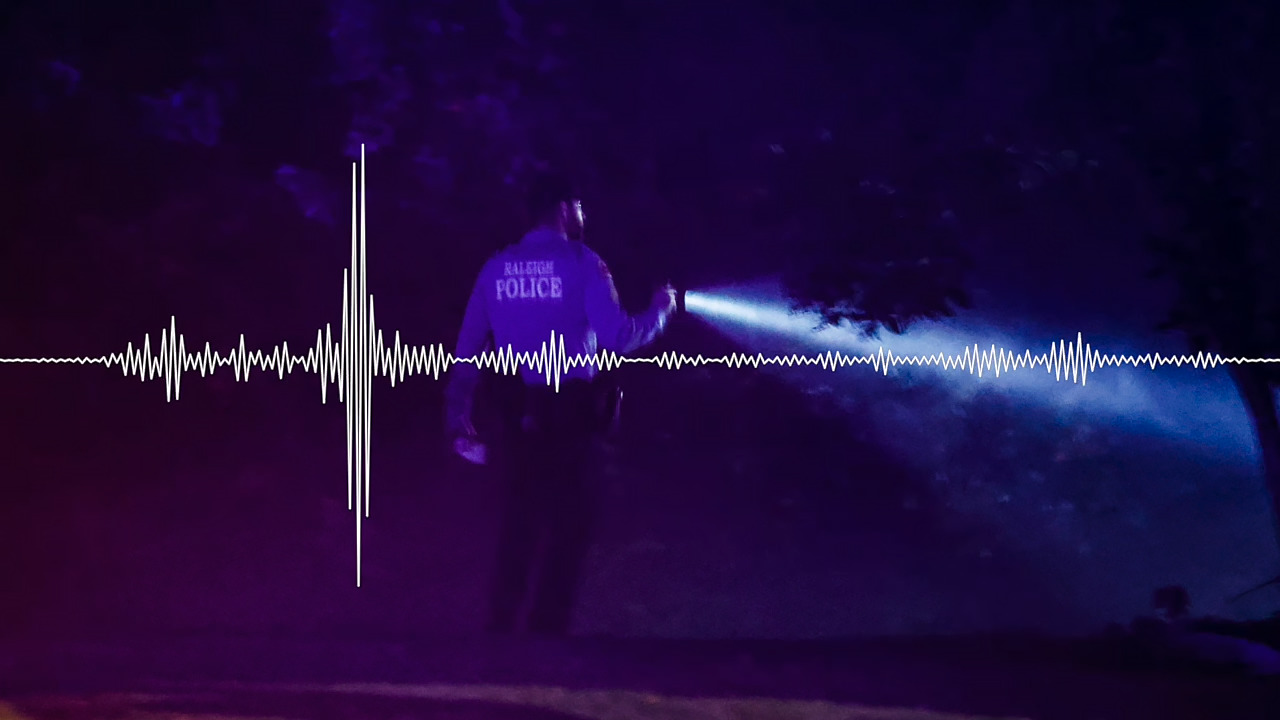
Since the father couldn’t get the boys to answer the phone he called a neighbor to check on them, then called 911 to ask police for a wellness check when the neighbor said no one came to the door.
Alan, however, said he wasn’t concerned. Austin probably had his headphones on playing video games.
“I mean, I know my sons very well,” Alan said confidently. Or so he thought.

Mother returns home
After the tire was fixed, Alan went to a previously scheduled handyman job. Elise was first to arrive home.
When Elise got there, a police car was in front of the house. She ran to the garage, but the door was locked — unusual. She hurried to the front porch, rang the doorbell, before realizing the door was slightly open.
Inside, she moved through the house, her head on a swivel, looking for her boys.
She saw James’s body on the floor of the master bathroom amid a gruesome scene and bolted outside, screaming, “They killed him. They killed him.”
Moments later, she went back inside to clean up and change clothes. A female officer followed her and insisted that she come outside. The officer led the stunned mother to a rocking chair in the driveway, where a detective waited.
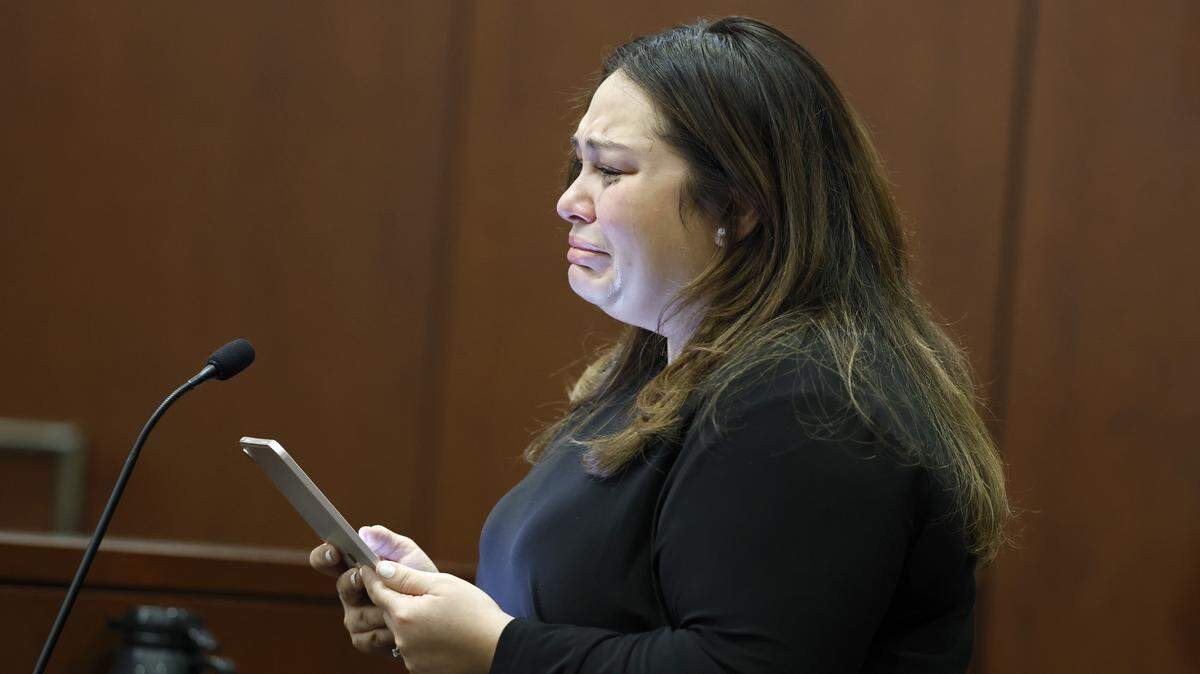
“Austin did this. He left a note,” Elise said the detective tried to explain, but she couldn’t comprehend his words. After a panic attack struck, she was carried to a hospital in an ambulance.
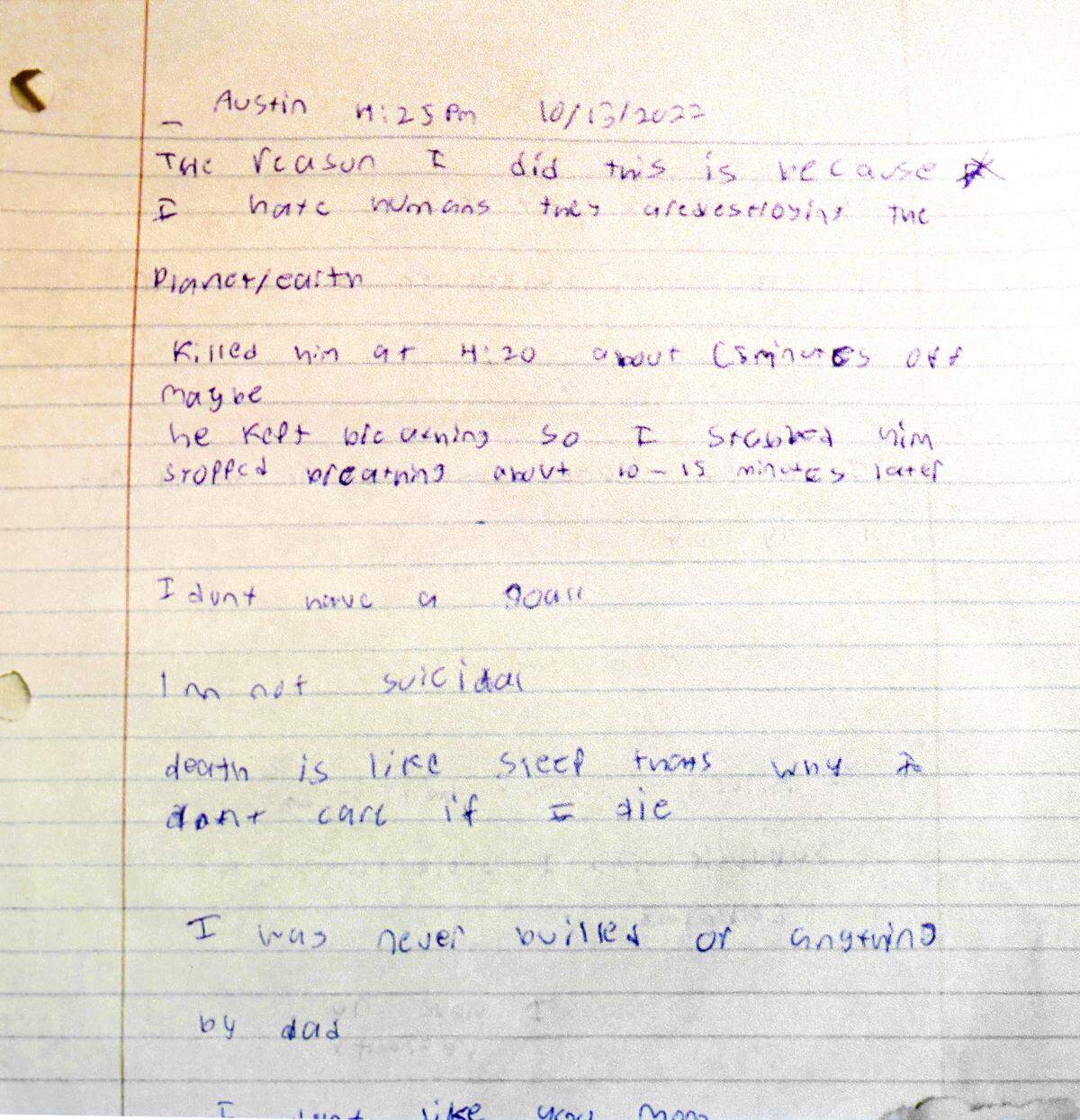
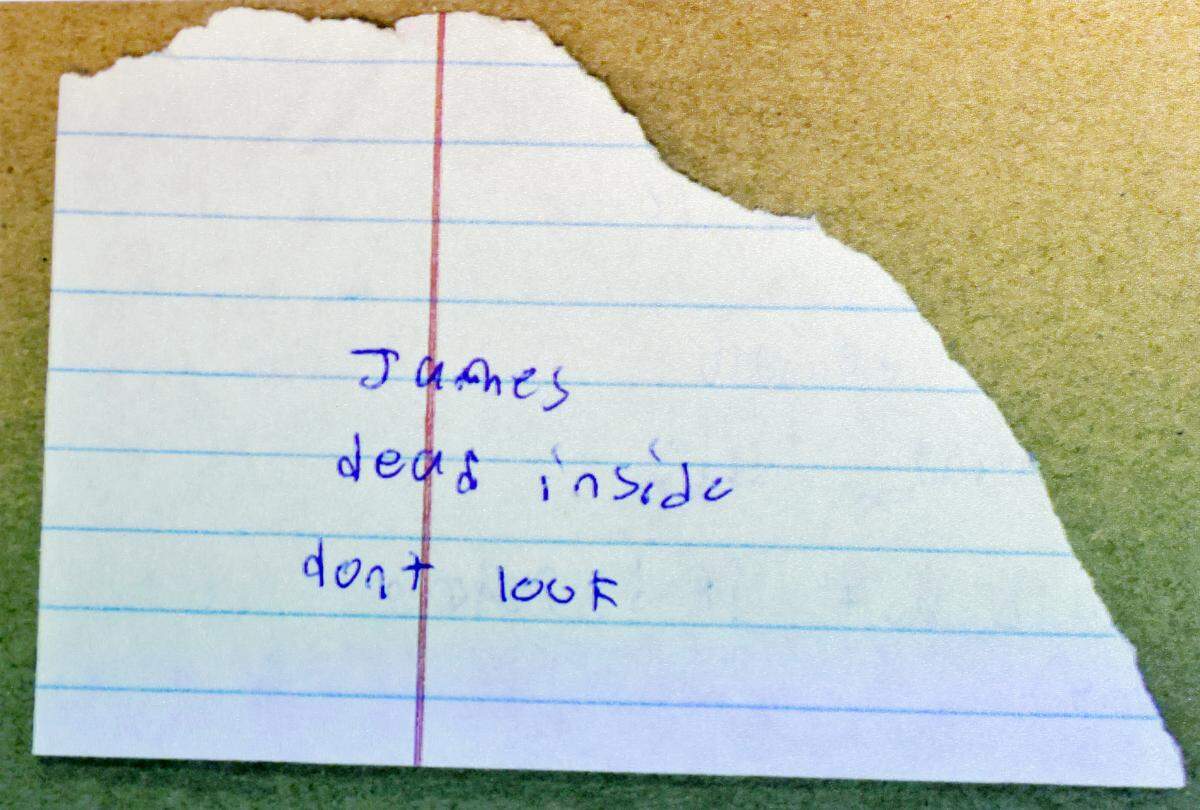
“The reason I did this is because I hate humans. They are destroying the planet/earth,” read Austin’s rambling note, which was first made public during the hearings. It said that he killed James because he would get in the way, and that he loved his Dad and didn’t like his mother.
“I have no regrets. I’m not mental, either. I was sane when I did this,” it said.
Father tries to get home
As Alan drove home, a 911 dispatcher called him, he said, asking whether he had spoken to Austin. He started to get upset, believing that the police ignored his previous wellness-check request. The dispatcher advised Alan to go home.
Police cars blocked the roads, so Alan parked his car and handed his house keys to an officer who approached him.
“Check and see if my sons are being held hostage,” Alan recalled telling him.
Police would soon tell him that Elise had found James dead, and she had been taken to the hospital. Austin, he was told, was missing.
What followed is a “little blurry,” he recounted, as his mind grappled with the information.
At the hospital, officers told Alan that they were in a standoff with Austin after they had cornered him in a barn. “Let me go talk to him. I can get him out of the shed,” he said. The police said no, he said.
Austin’s parents were there when he arrived at the hospital. He had shot himself with a rifle, they learned, blowing off part of his skull.
Alan and Elise stayed the night. And the next night. And the next.
For three weeks, they sat beside Austin, waiting to see whether he would live and what his and their new reality would look like.

Disbelief, a quest for accountability
There were no warning signs that Austin would do what he did, his parents and defense attorneys said.
No visible friction between the brothers, nor anything to suggest that one of their sons was contemplating a mass killing, his mother and father testified.
But Assistant District Attorney Patrick Latour argued that Austin had been quietly planning the killing spree for years, search by internet search.
Victims of the mass shooting and their families filed a civil lawsuit against the family and others. In court documents they say that there were warning signs that the parents, as well as Hedingham security guards, should have noticed.
Police found 11 guns in the Thompson home. Austin took two more guns from the home, a 9 mm pistol and a shotgun, after he killed his brother.
Police also found 160 boxes of ammunition, some of which were empty, according to court documents. Alan Thompson testified that he had been buying up ammunition whenever he found it due to the shortages around the time of the shooting.
In 2024, he pleaded guilty to the misdemeanor charge of improperly storing a 9mm handgun on a bedside table, allowing unsafe access to a minor.
This story was originally published February 18, 2026 at 5:30 AM with the headline "Testimony answers how Hedingham shooting rampage began at teen killer’s home."
































_474_fitted.jpeg)