FBI expert wraps state’s evidence in Hedingham mass-shooting sentencing
AI-generated summary reviewed by our newsroom.
- The sentencing hearing for Hedingham mass shooter Austin Thompson continued Friday.
- The state finished presenting its evidence and the defense will start Tuesday.
- Friday’s witnesses testified on Thompson’s web activity and violent offenders’ psychology.
READ MORE
Raleigh mass shooting in Hedingham neighborhood
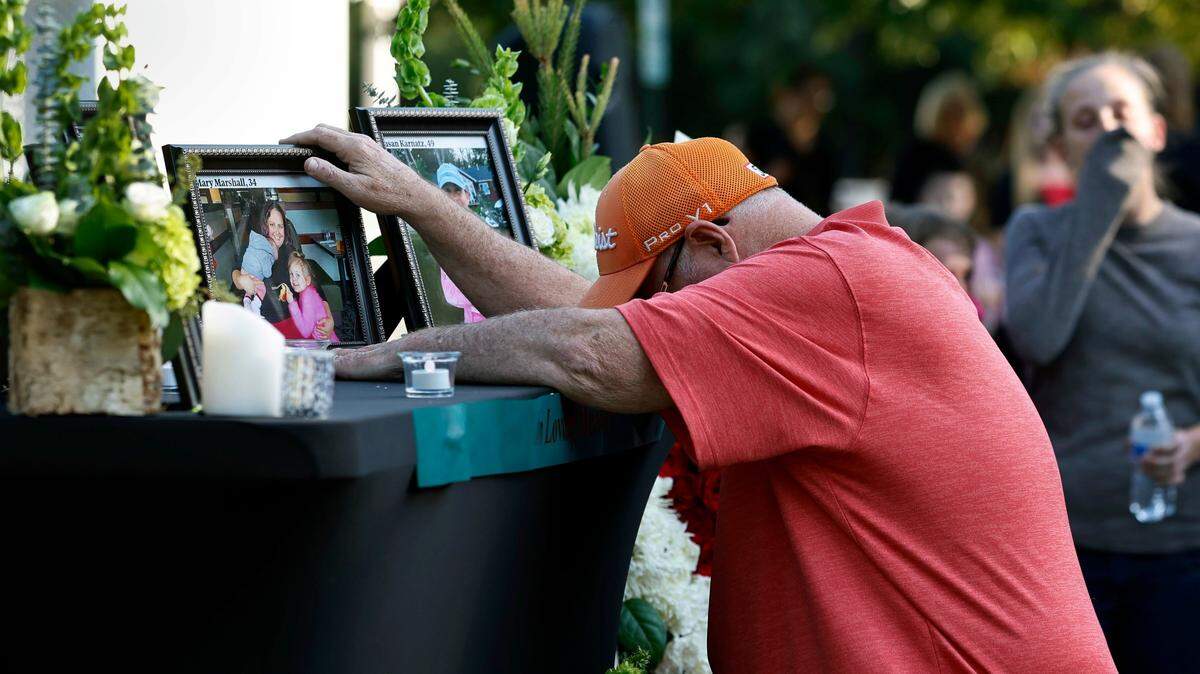
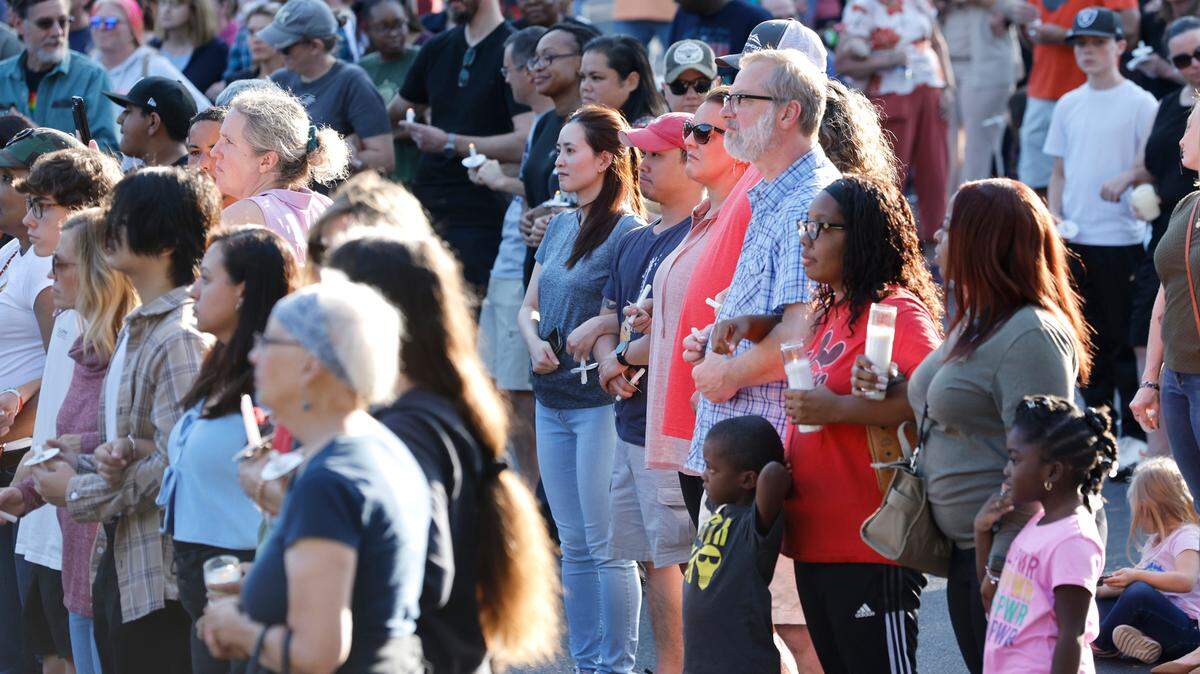
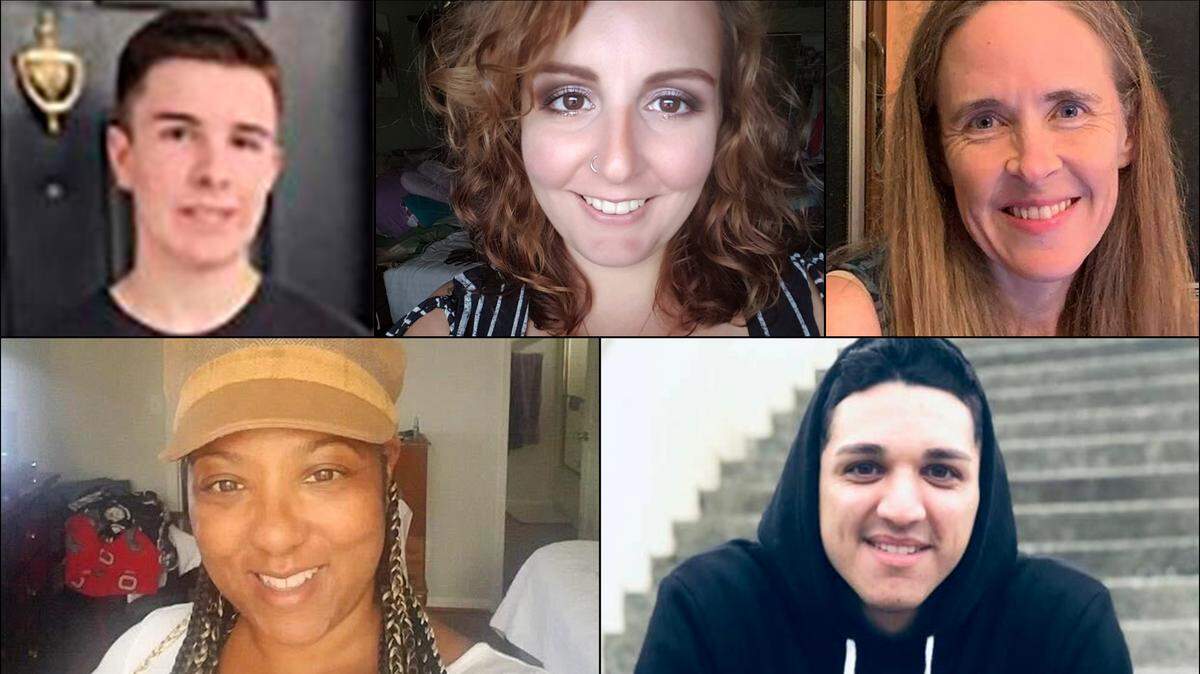
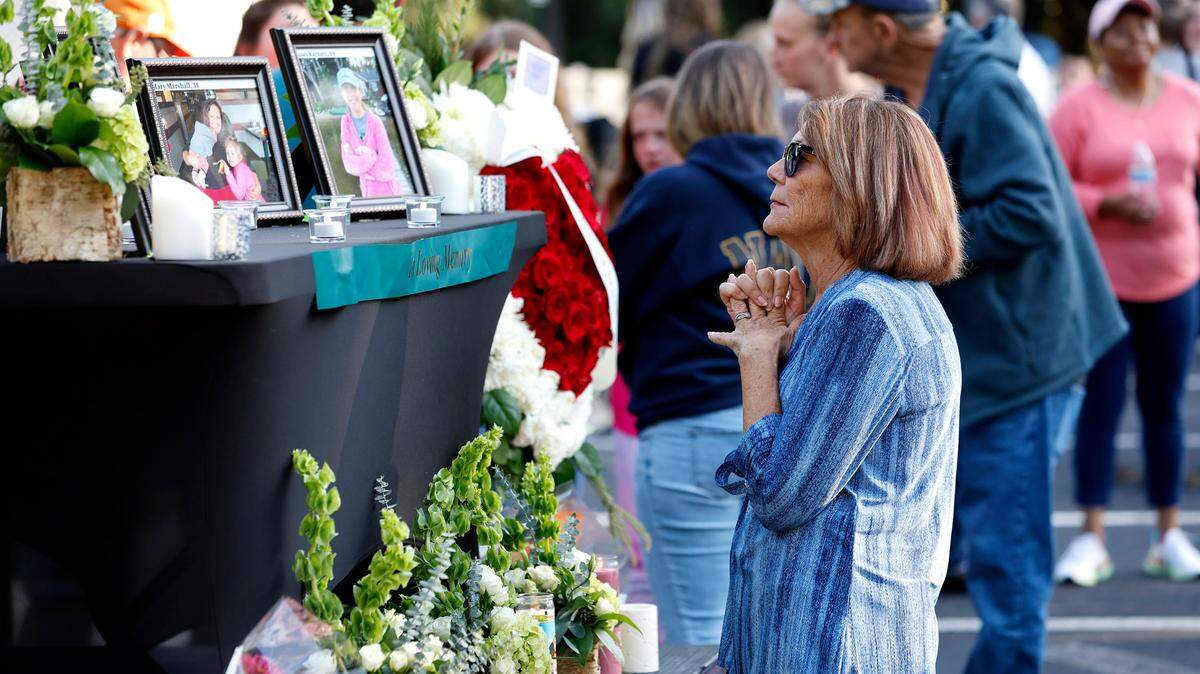
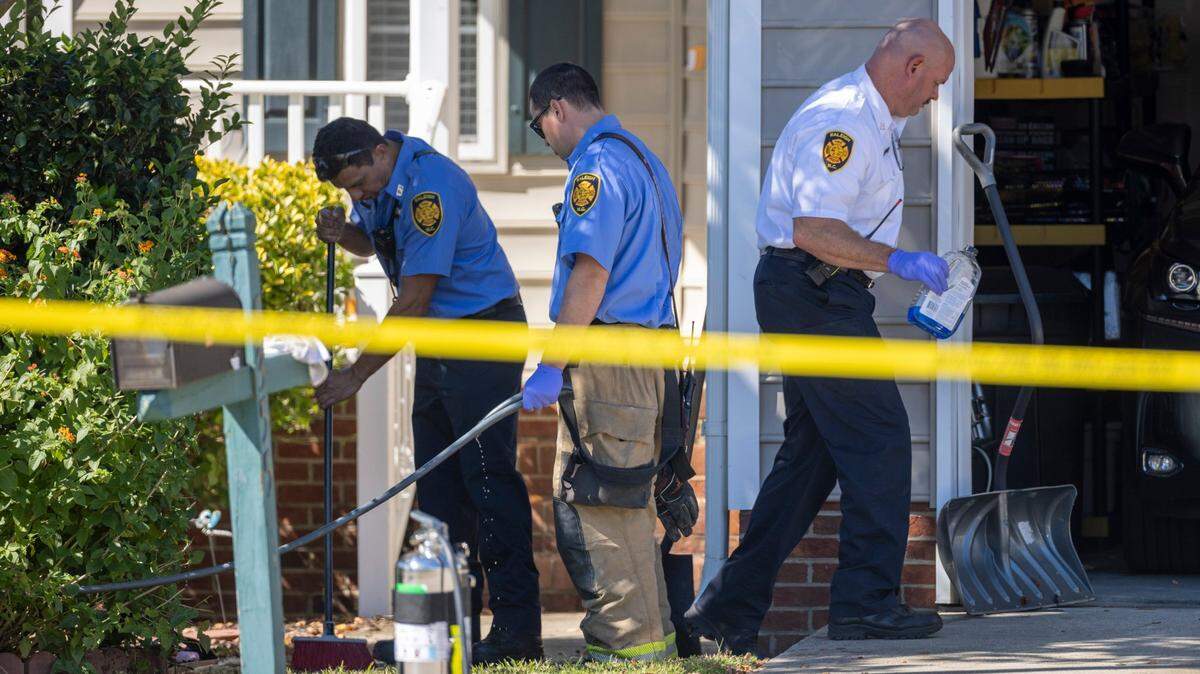
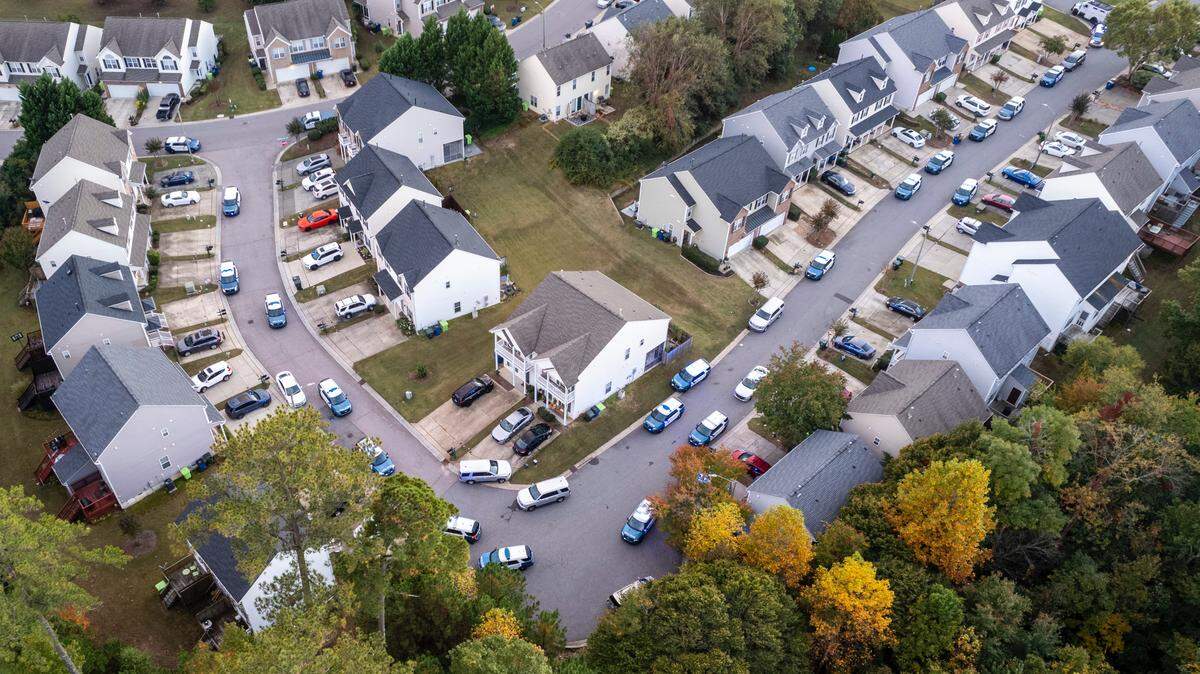
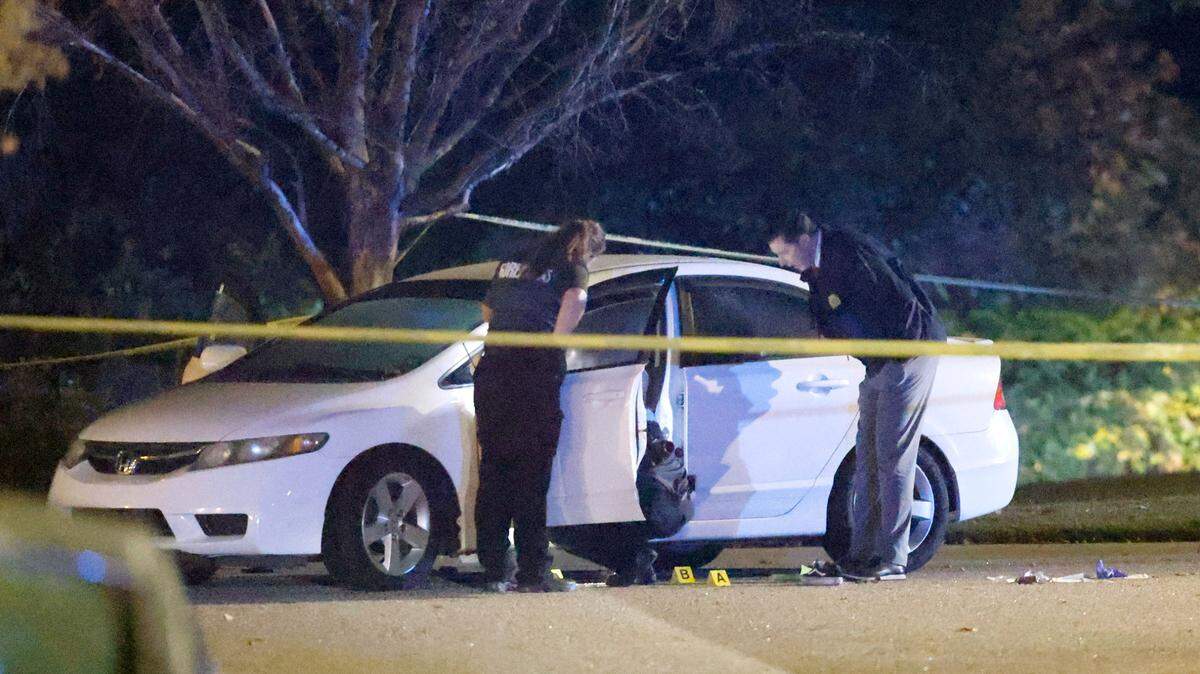
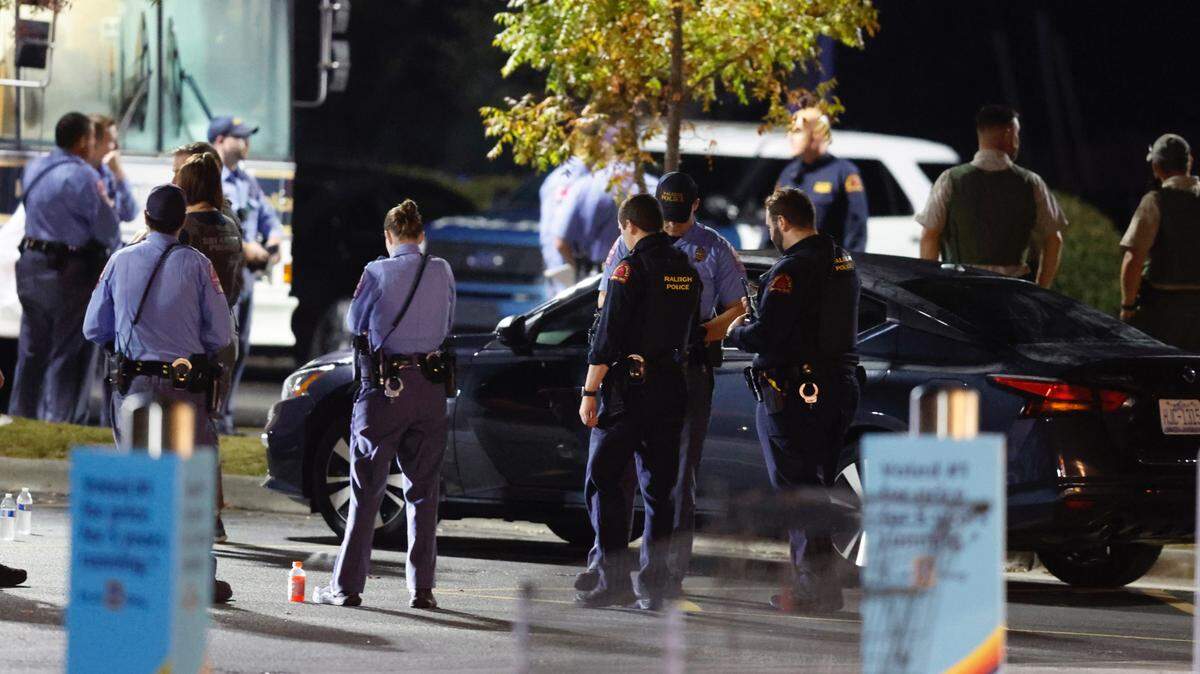
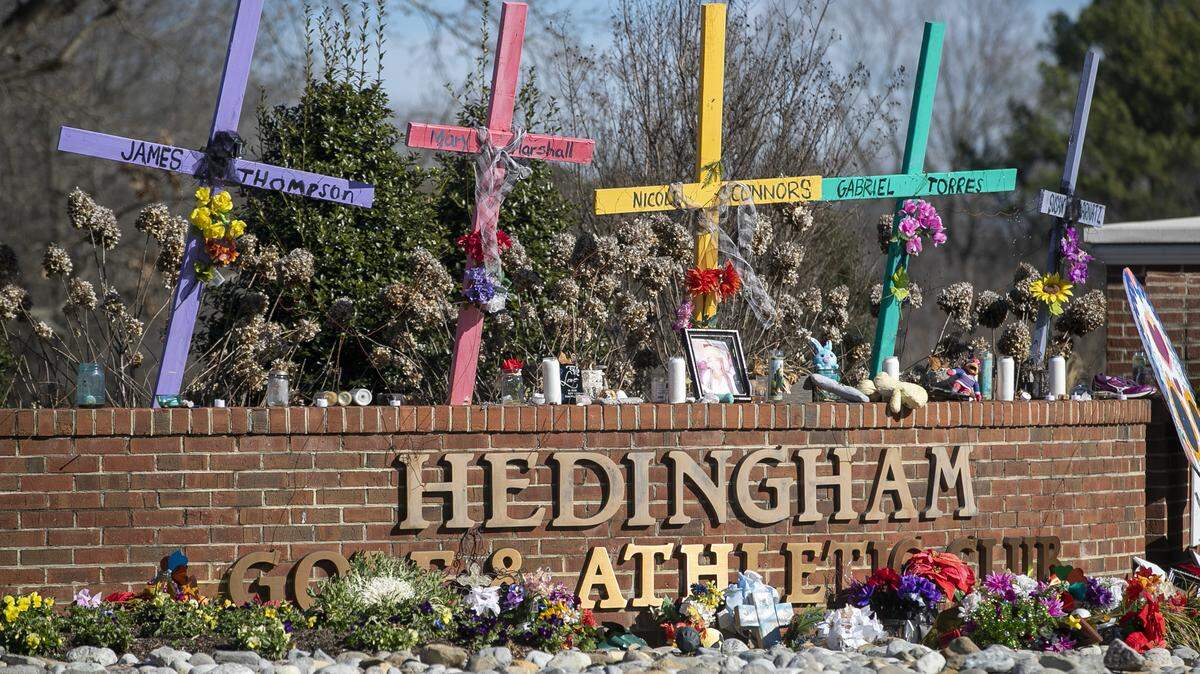
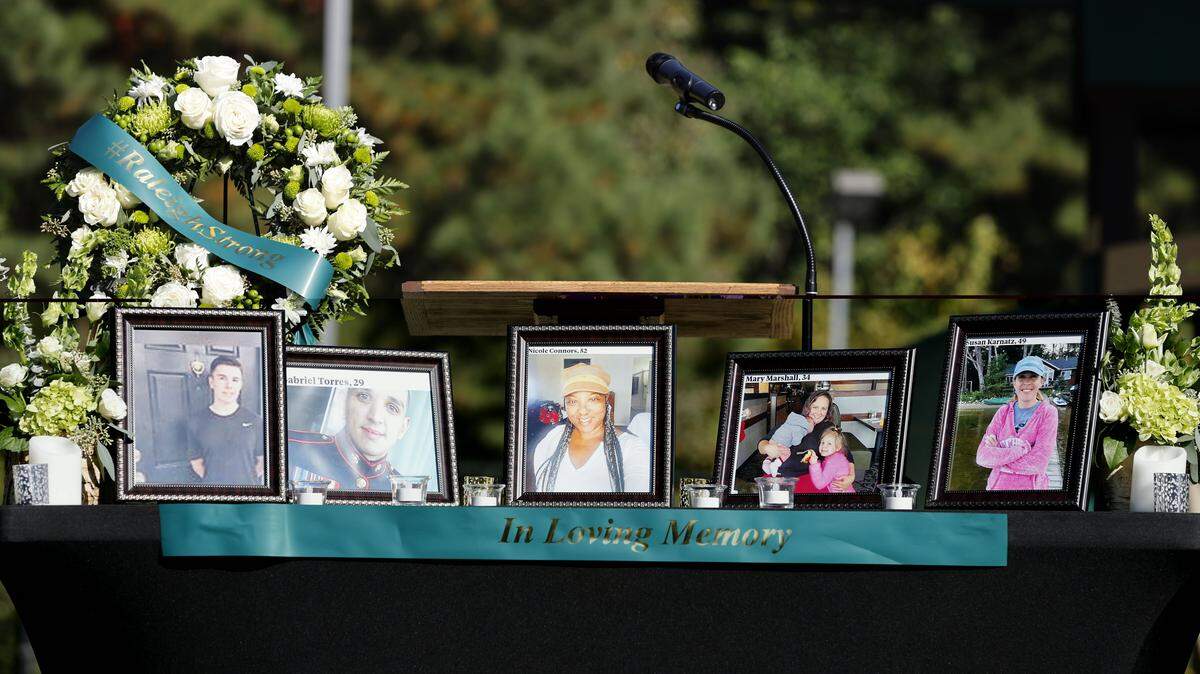
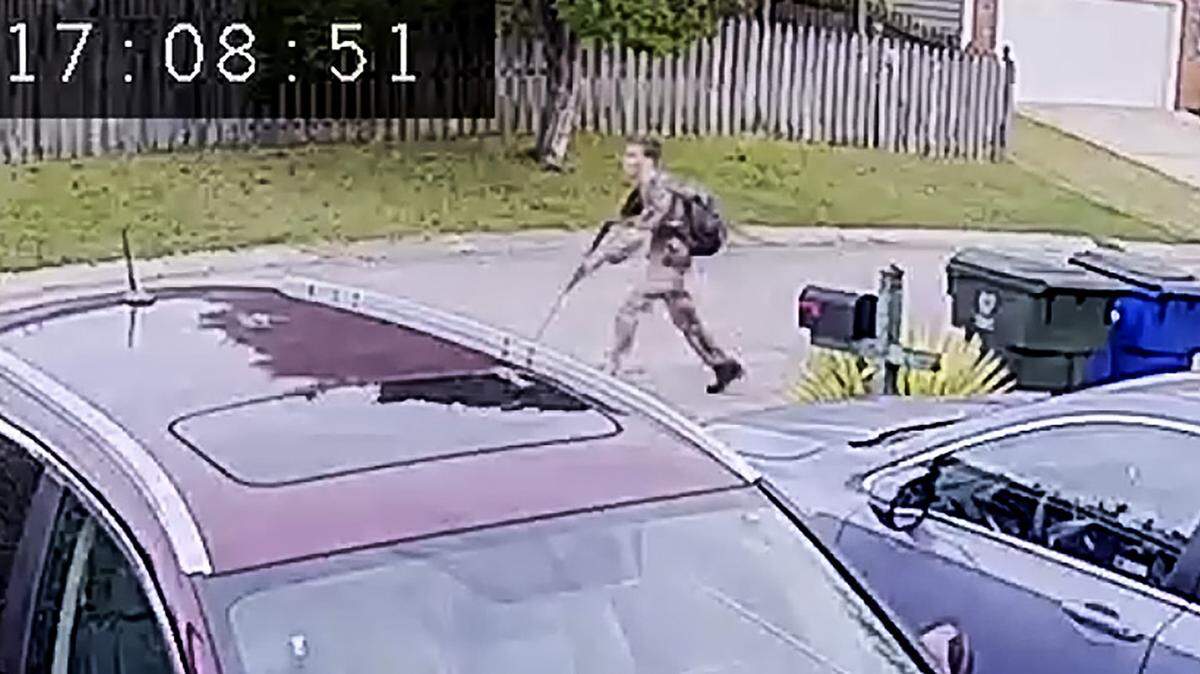
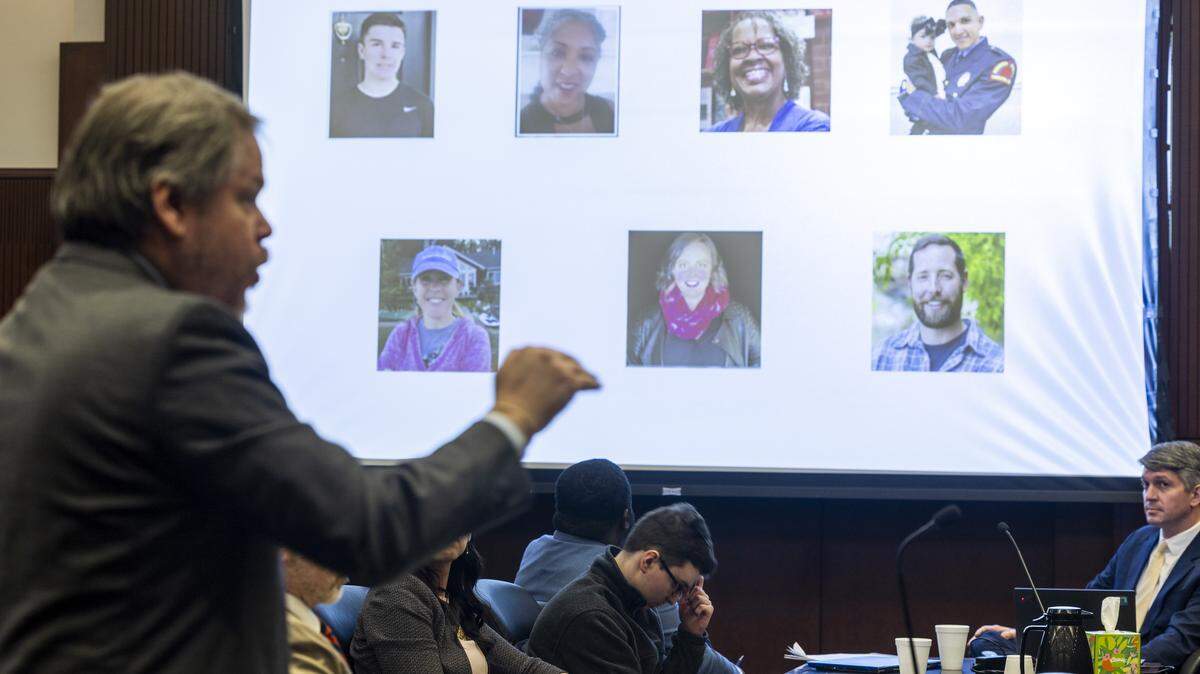
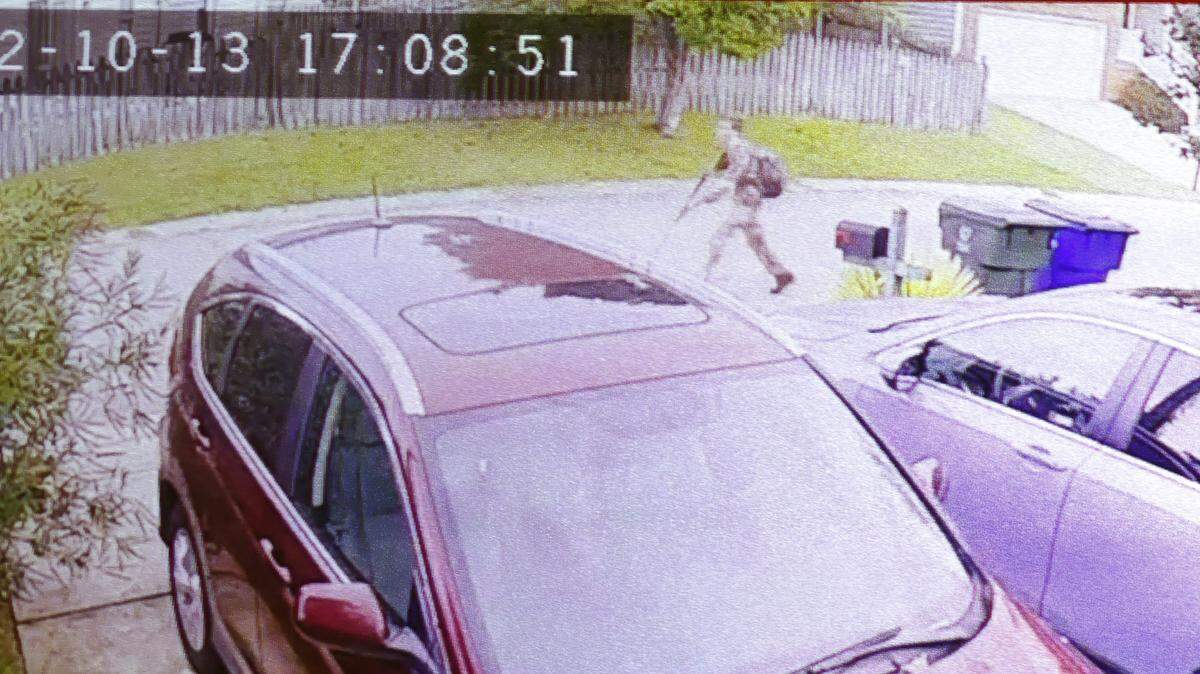
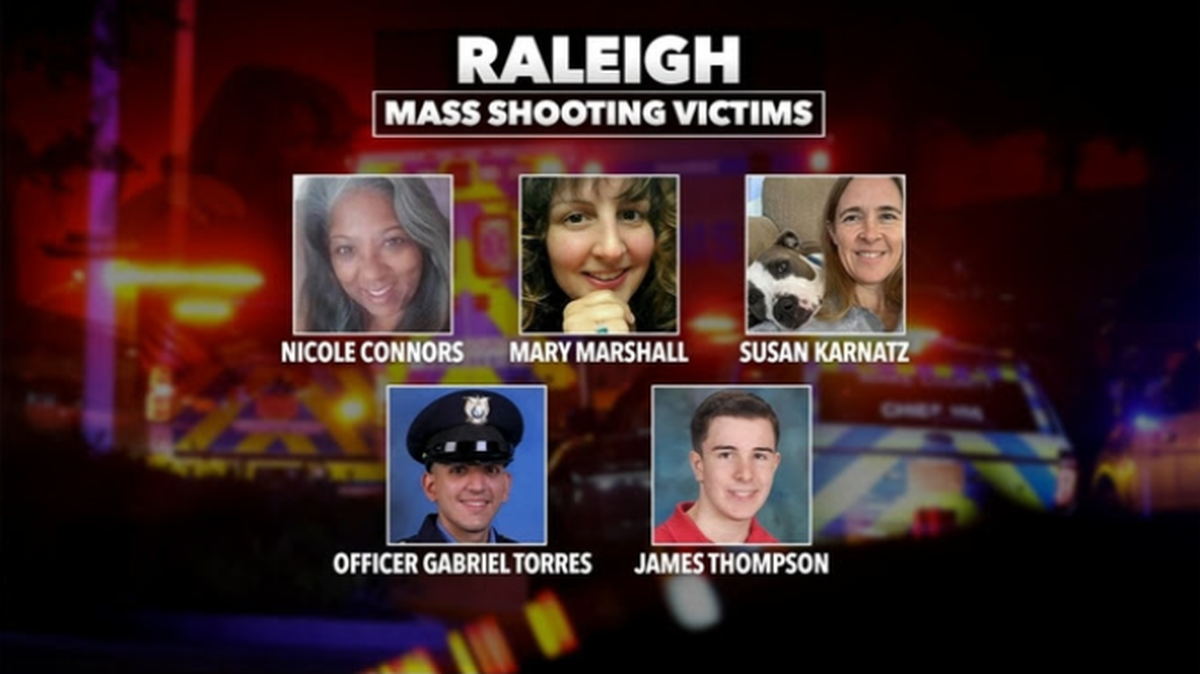
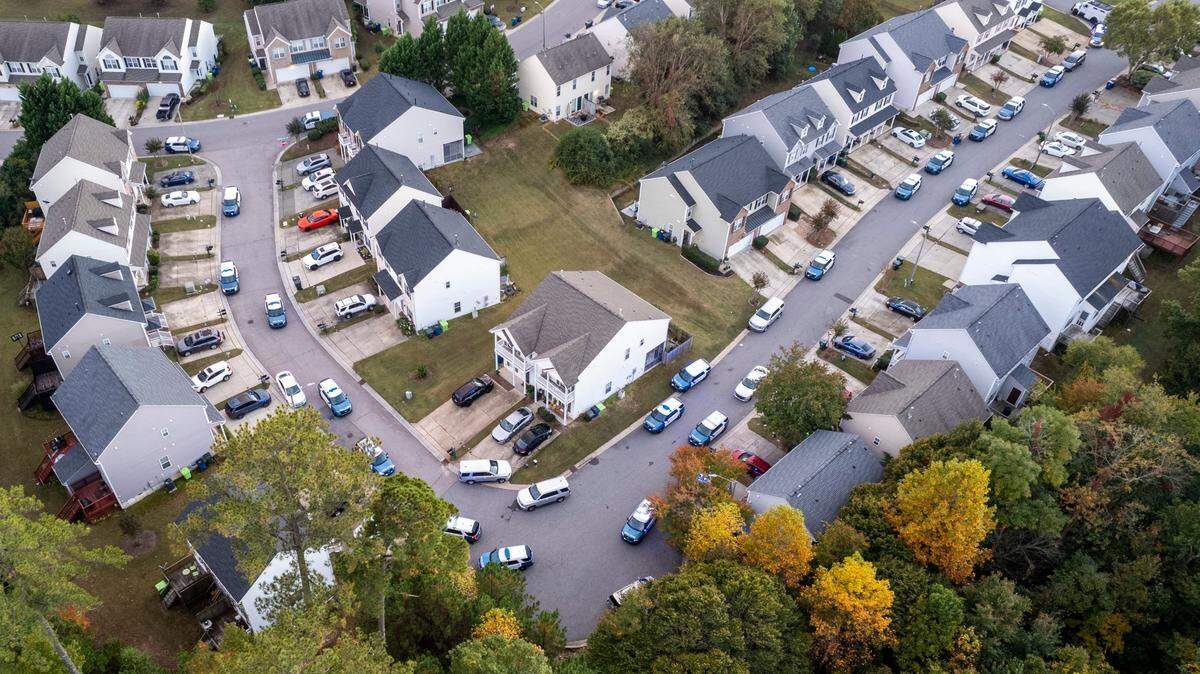
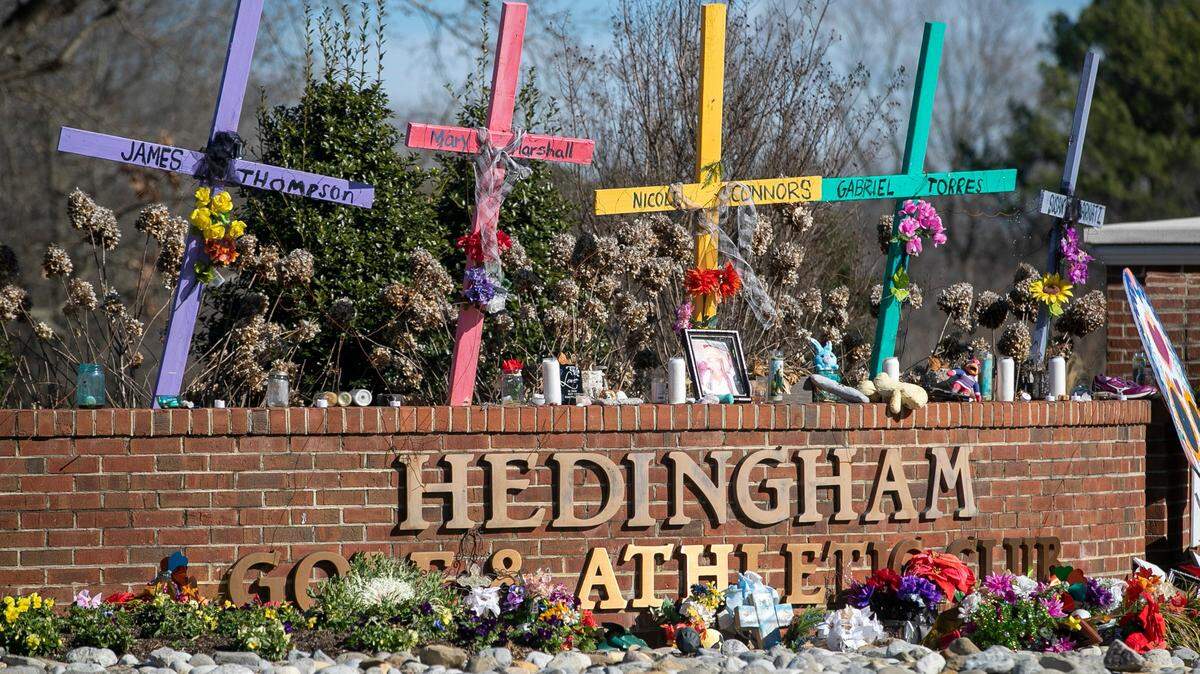
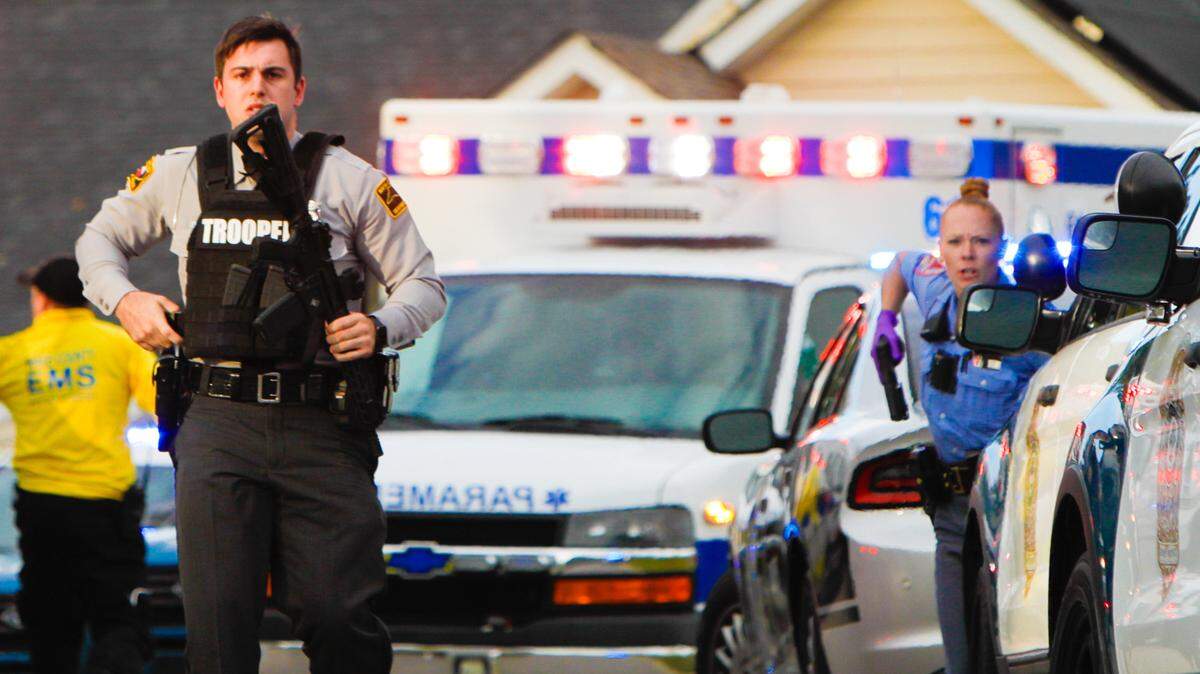
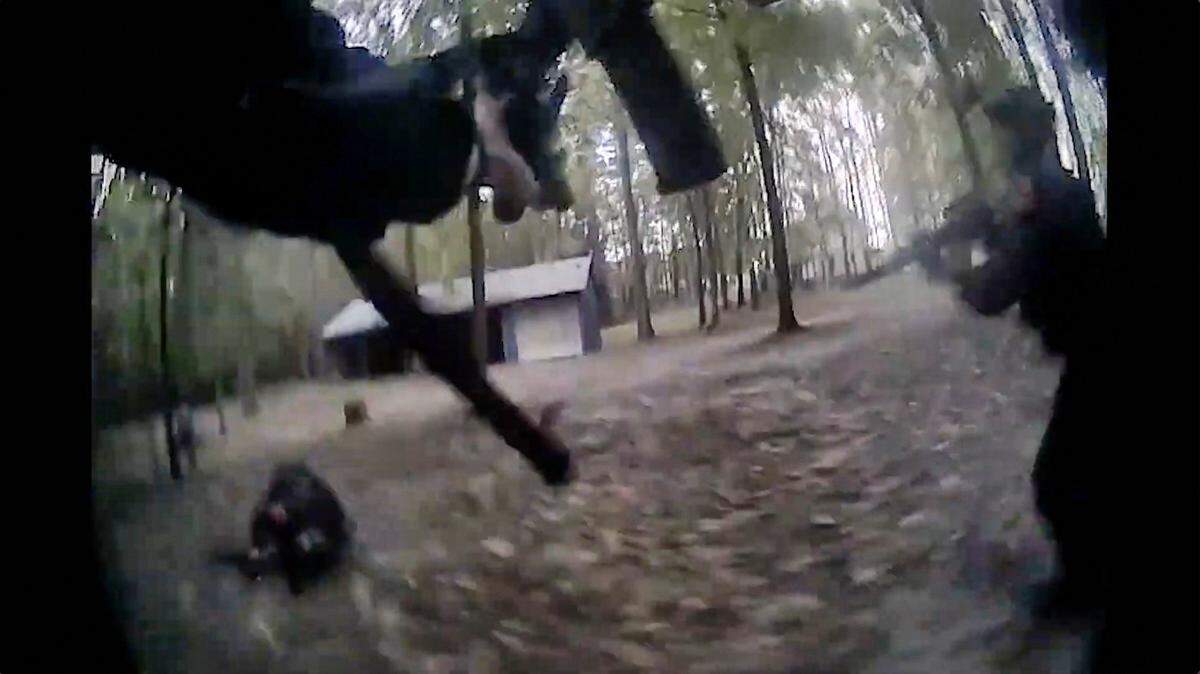
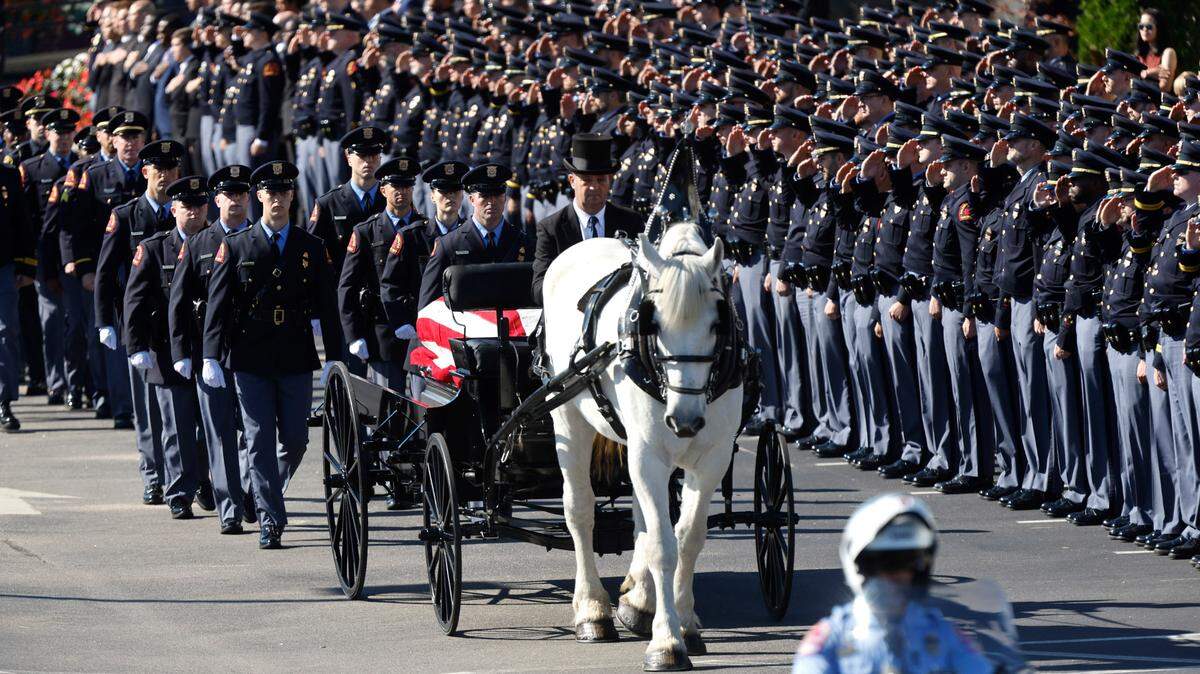
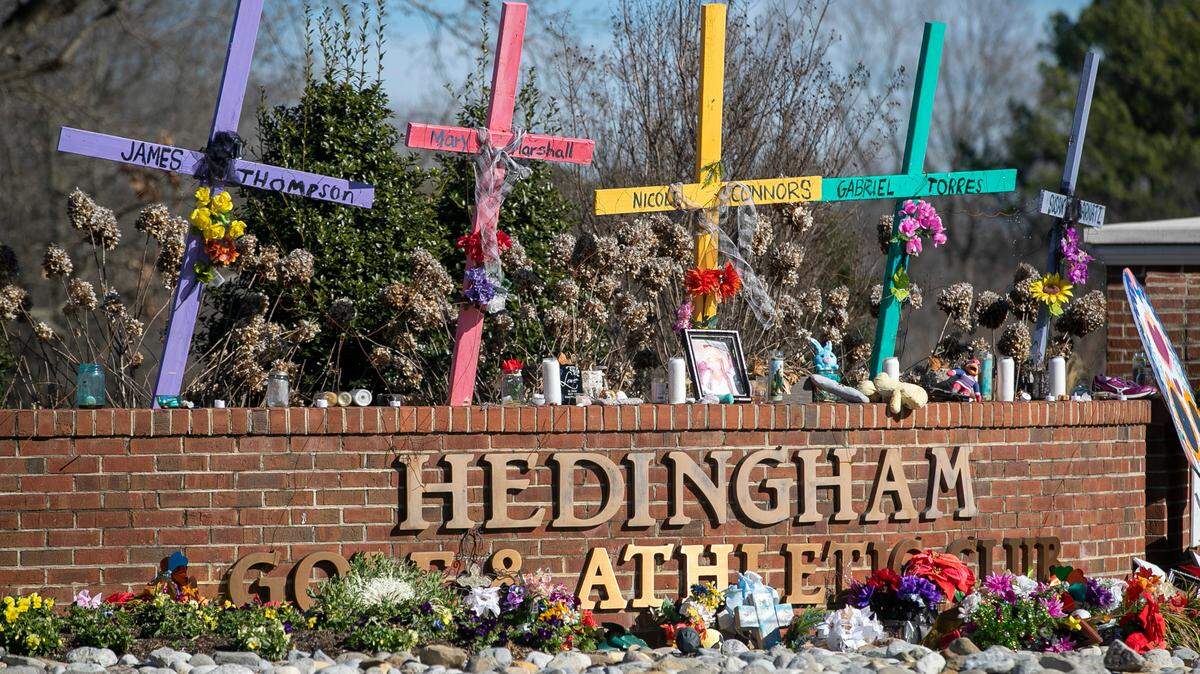
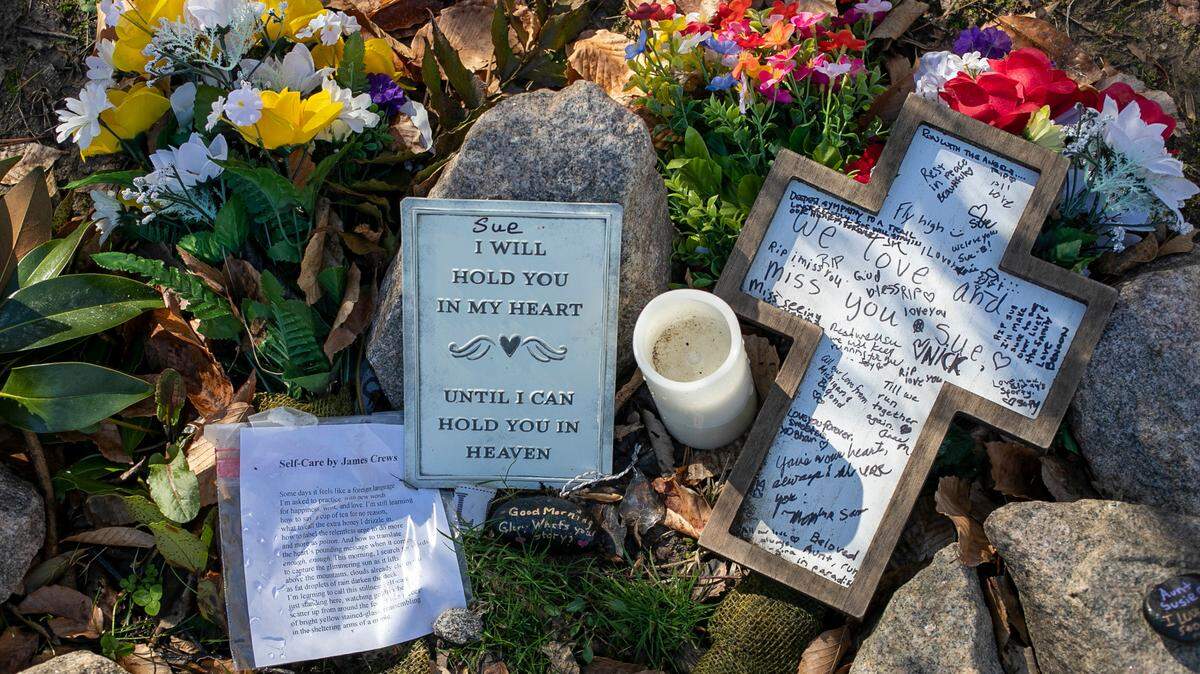
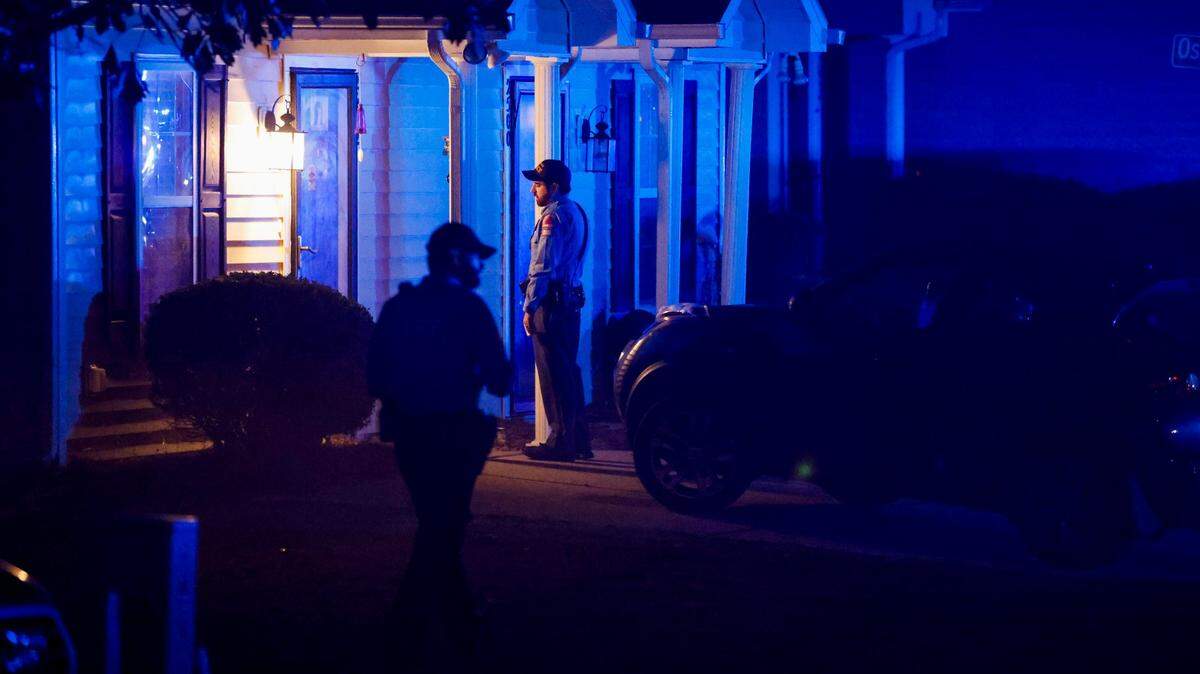
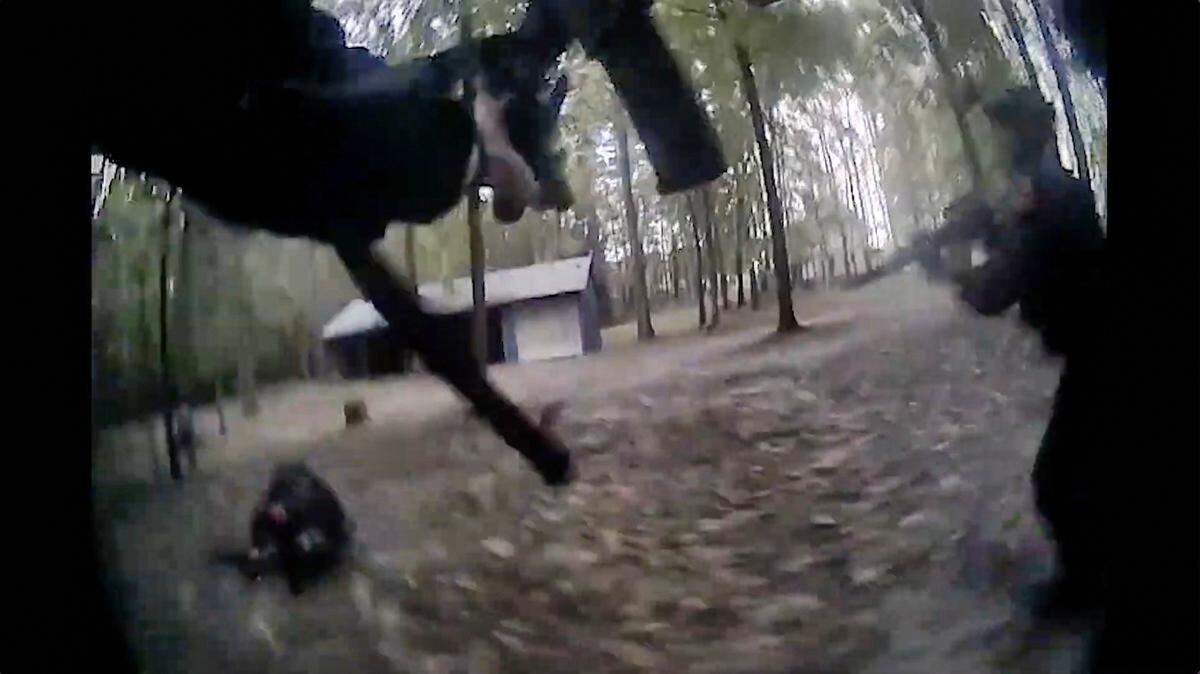
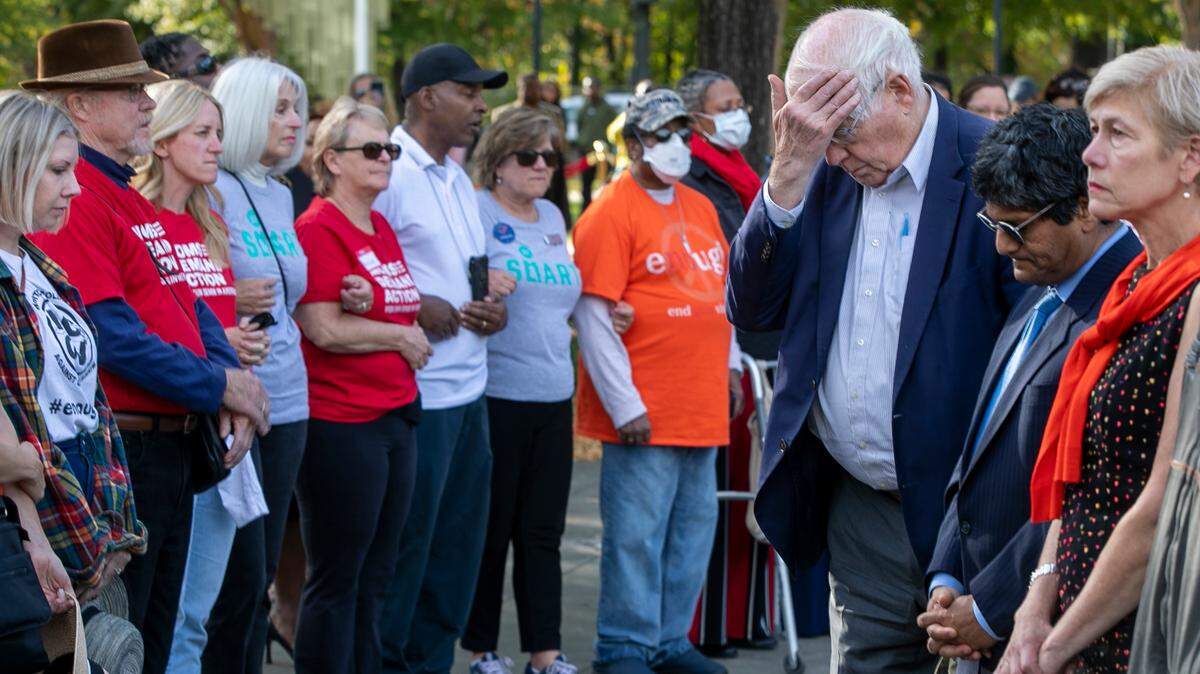
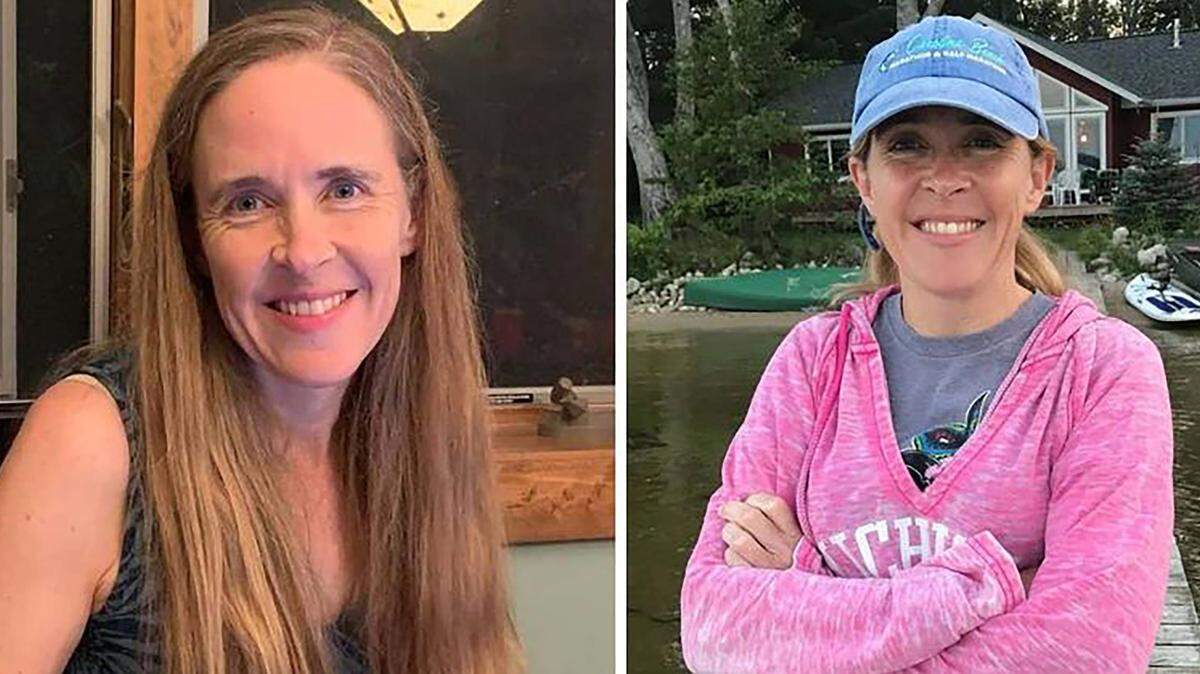
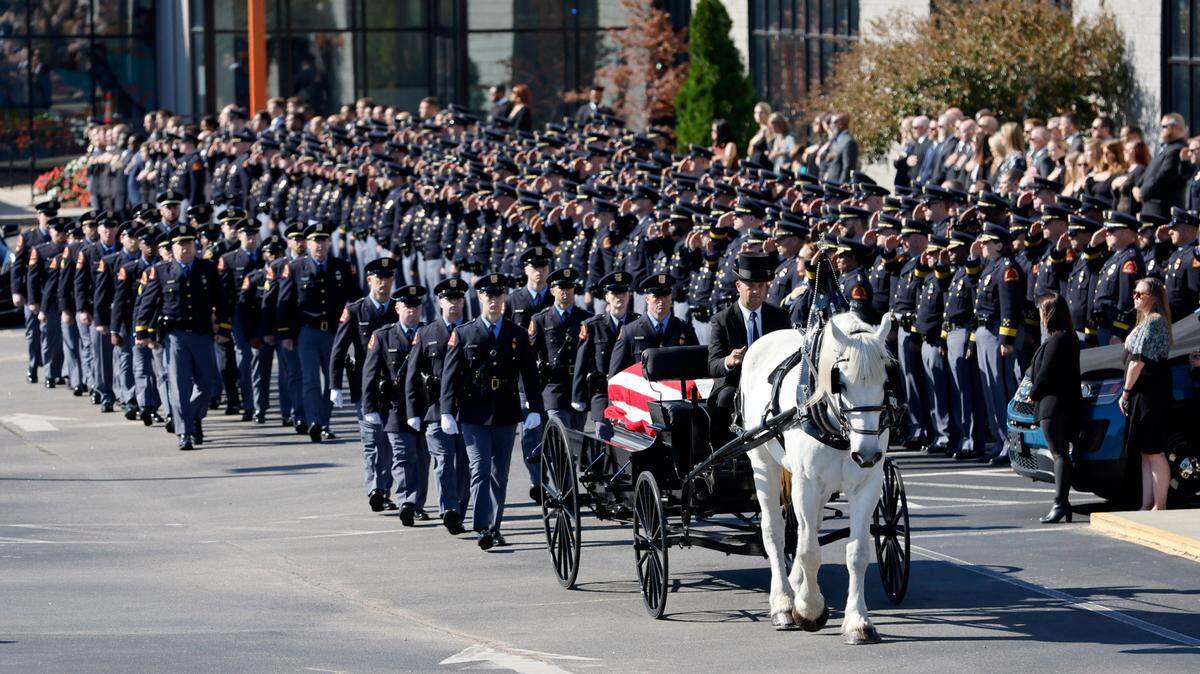
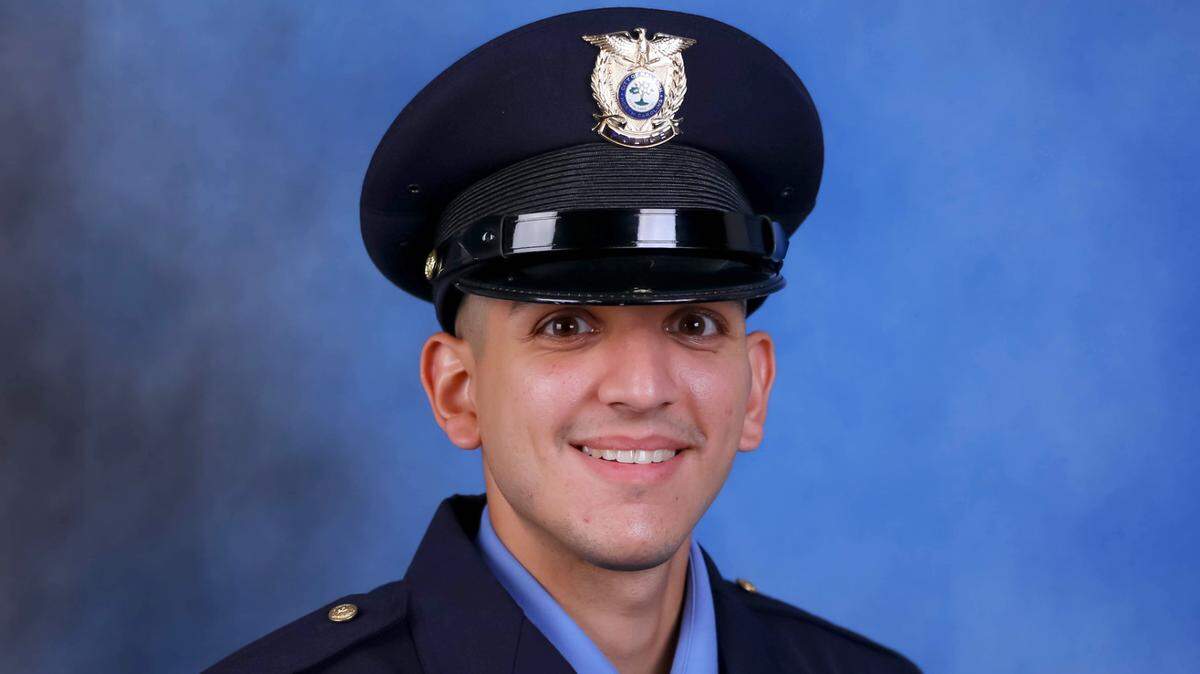
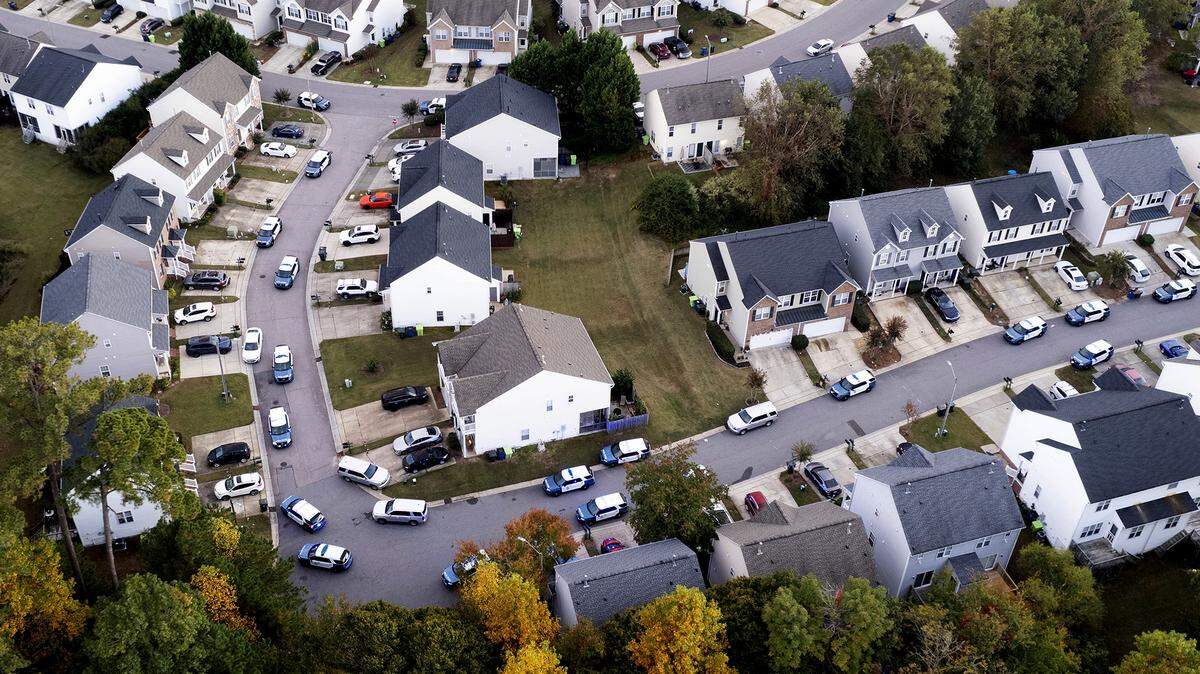
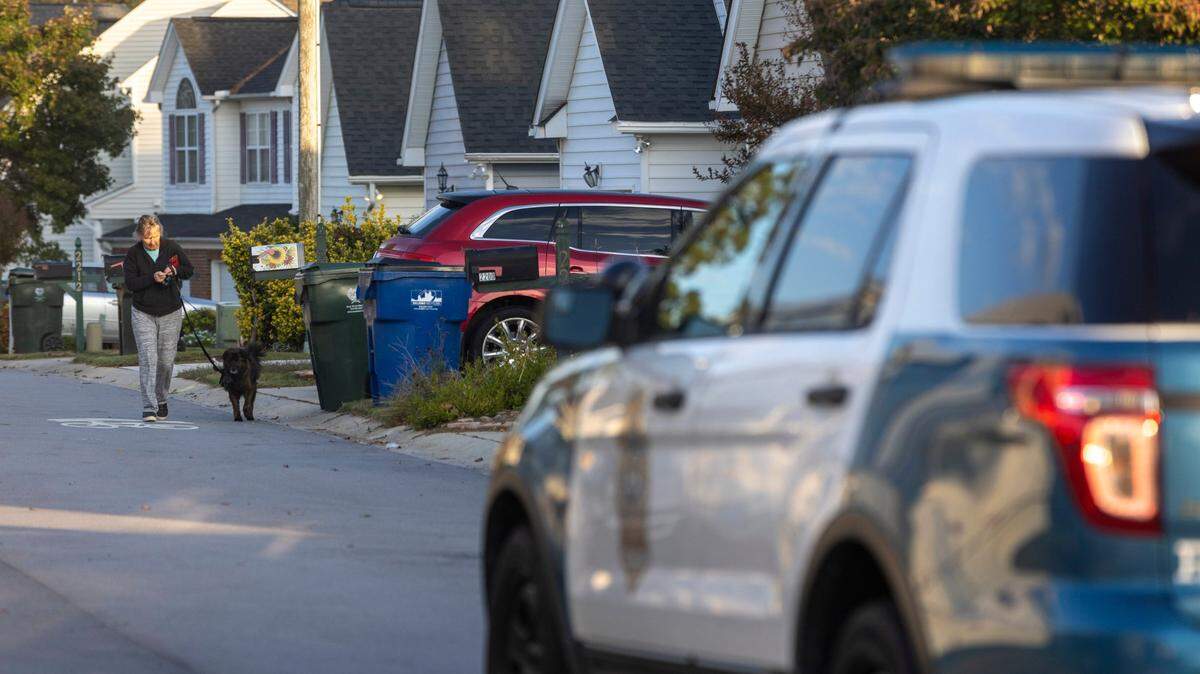
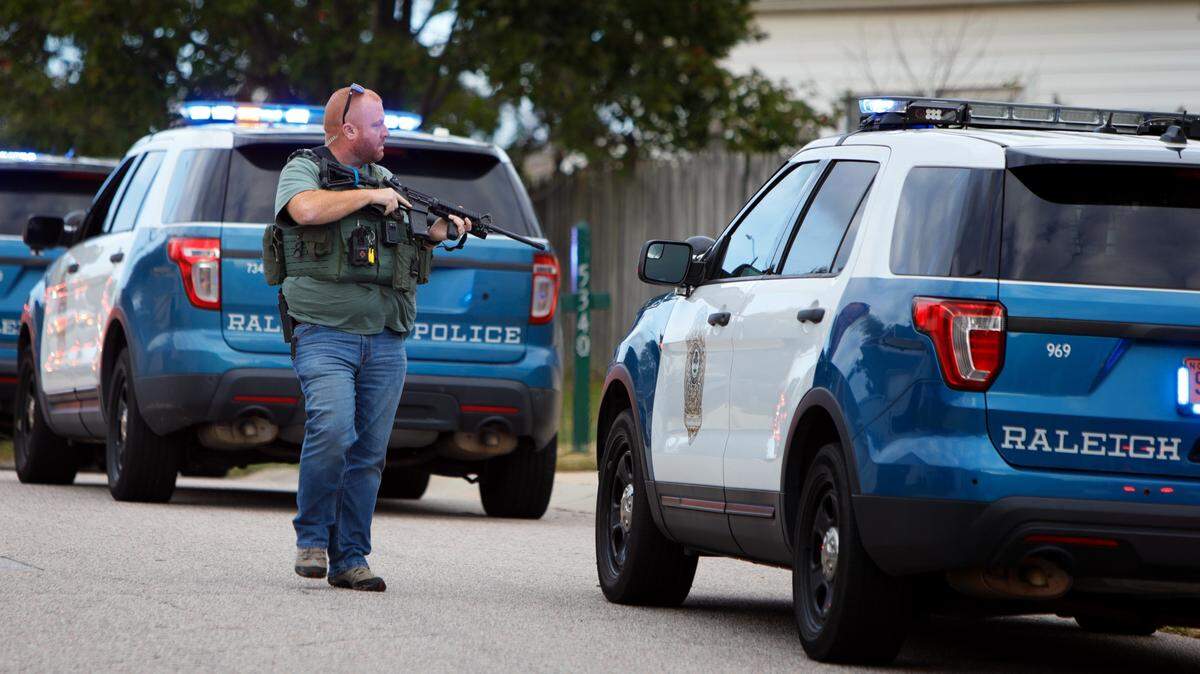
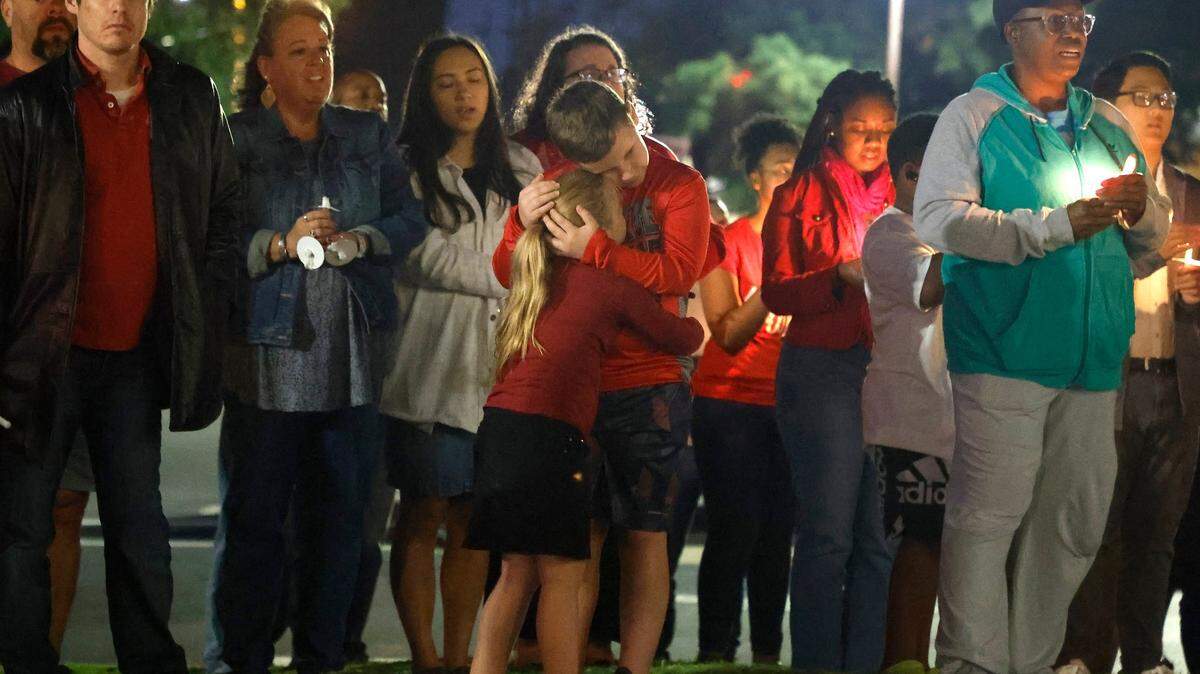
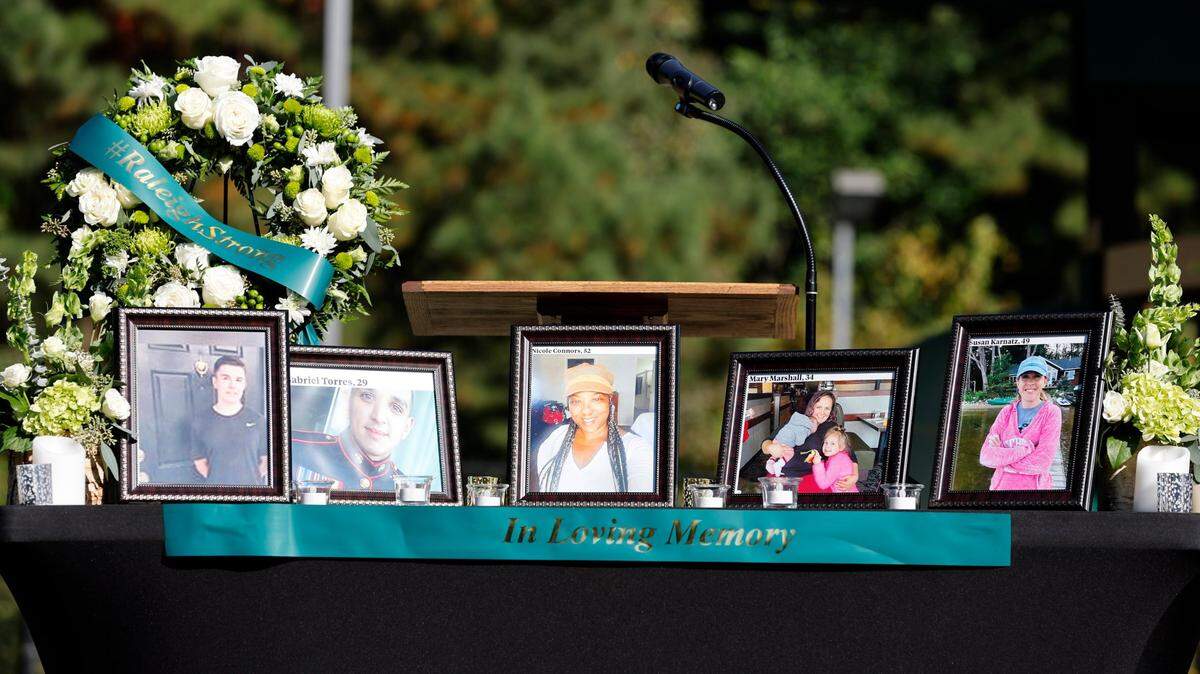
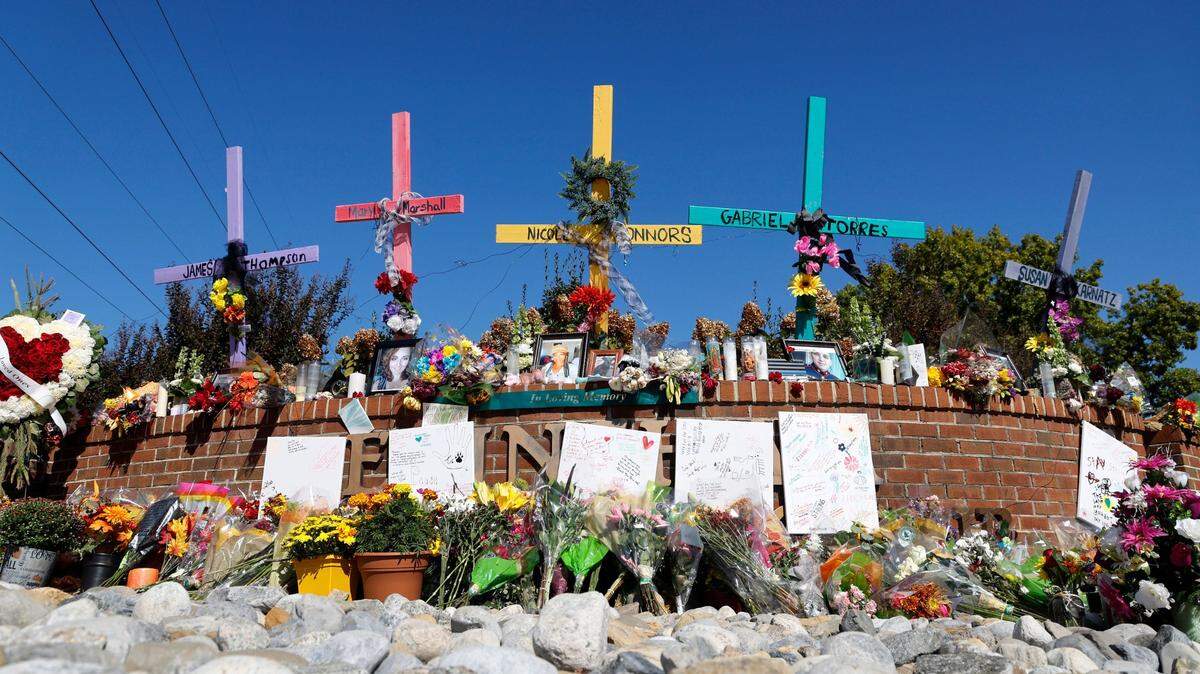
On Oct. 13, 2022, seven people were shot in Raleigh, NC, in the Hedingham neighborhood near the Neuse River Greenway Trail. Five were killed, including a Raleigh police officer. High school student Austin Thompson was charged with their murders. Read The News & Observer’s ongoing coverage of the mass shooting, Thompson’s guilty plea and ongoing civil lawsuit.
Expand All
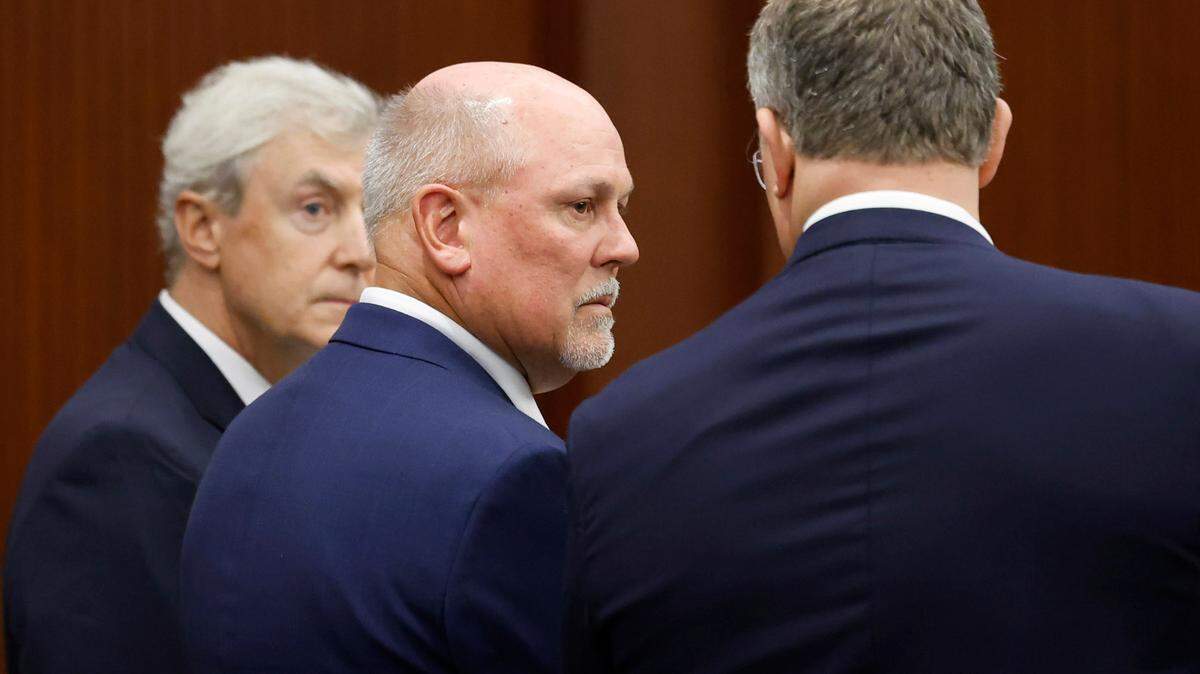
The prosecution finished presenting evidence Friday morning in the sentencing hearing for a Raleigh teen who carried out a mass shooting three years ago.
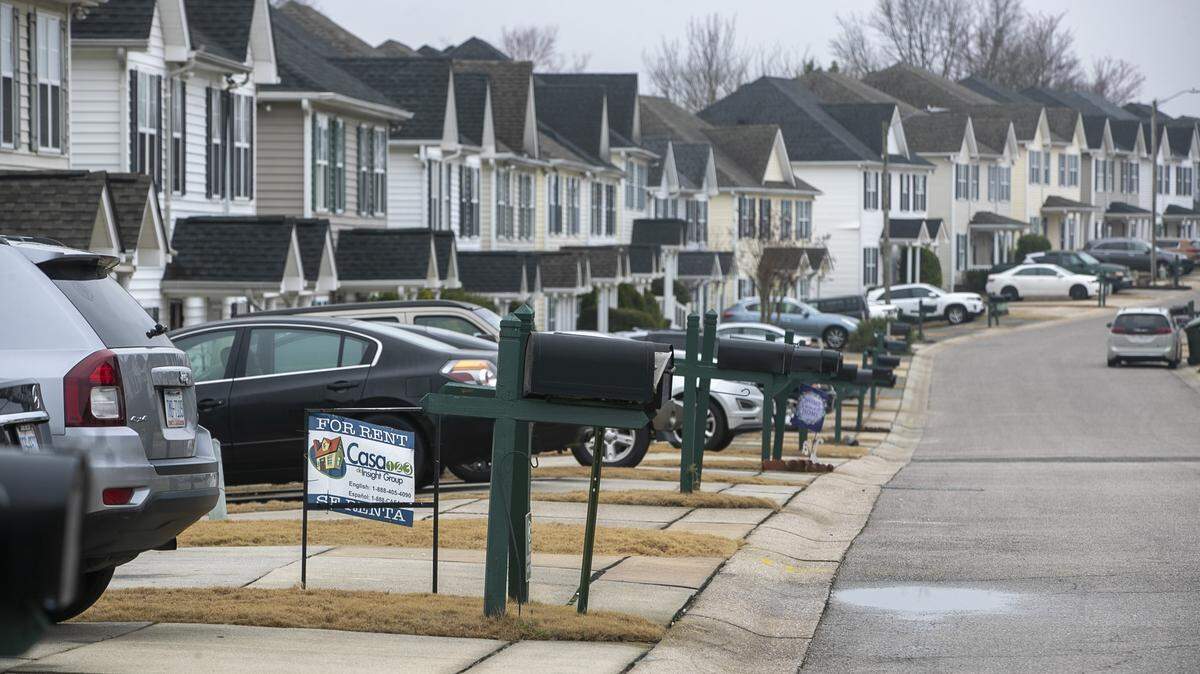
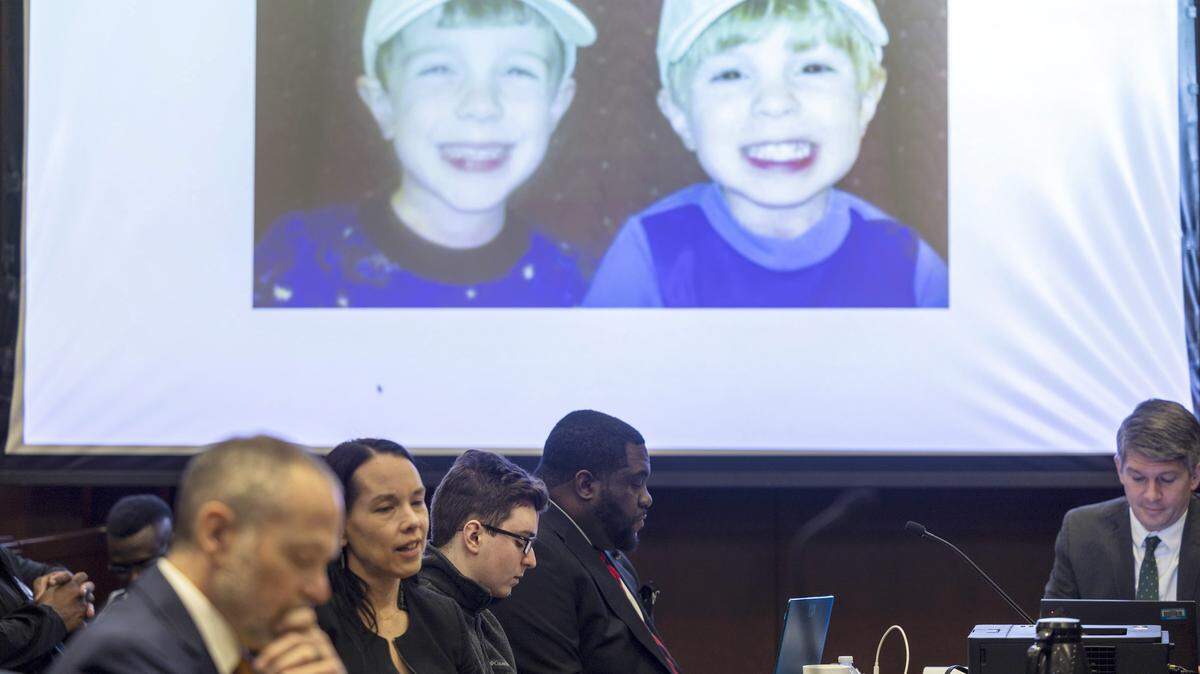
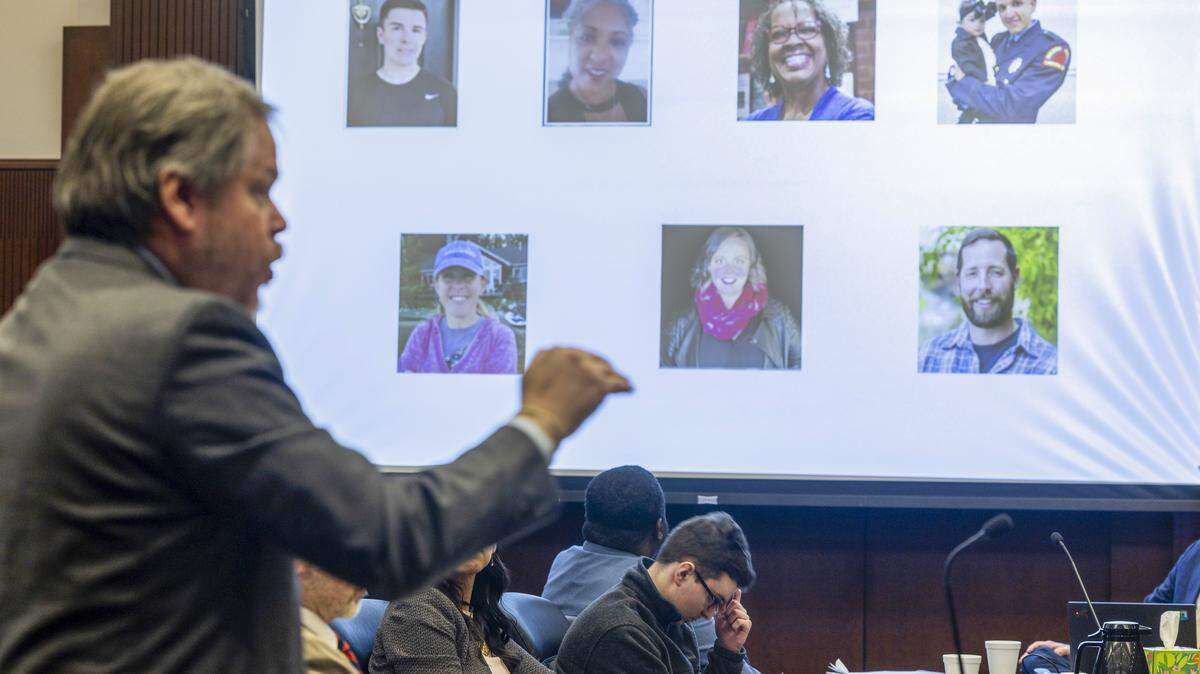
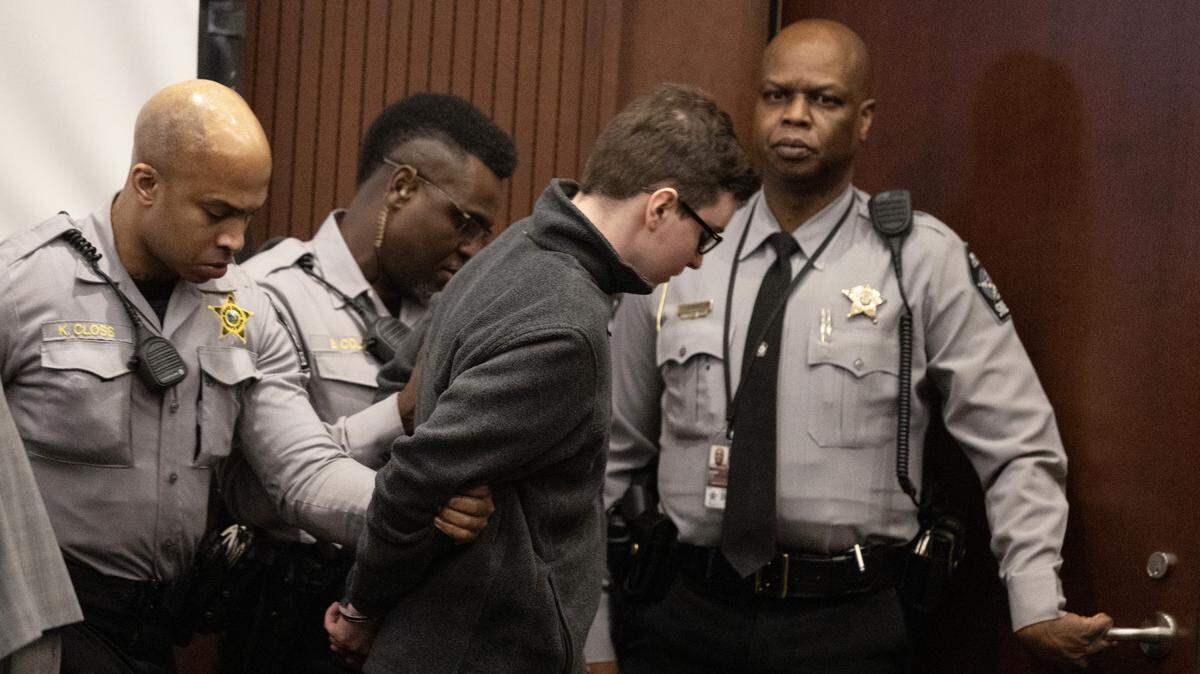
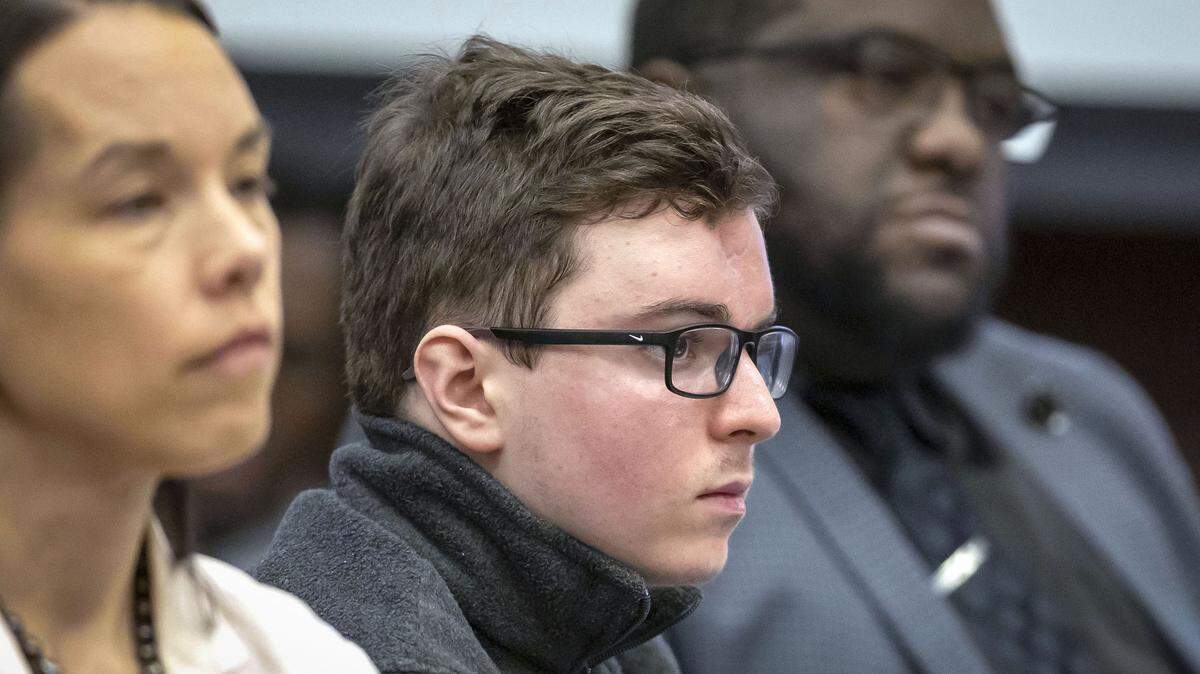
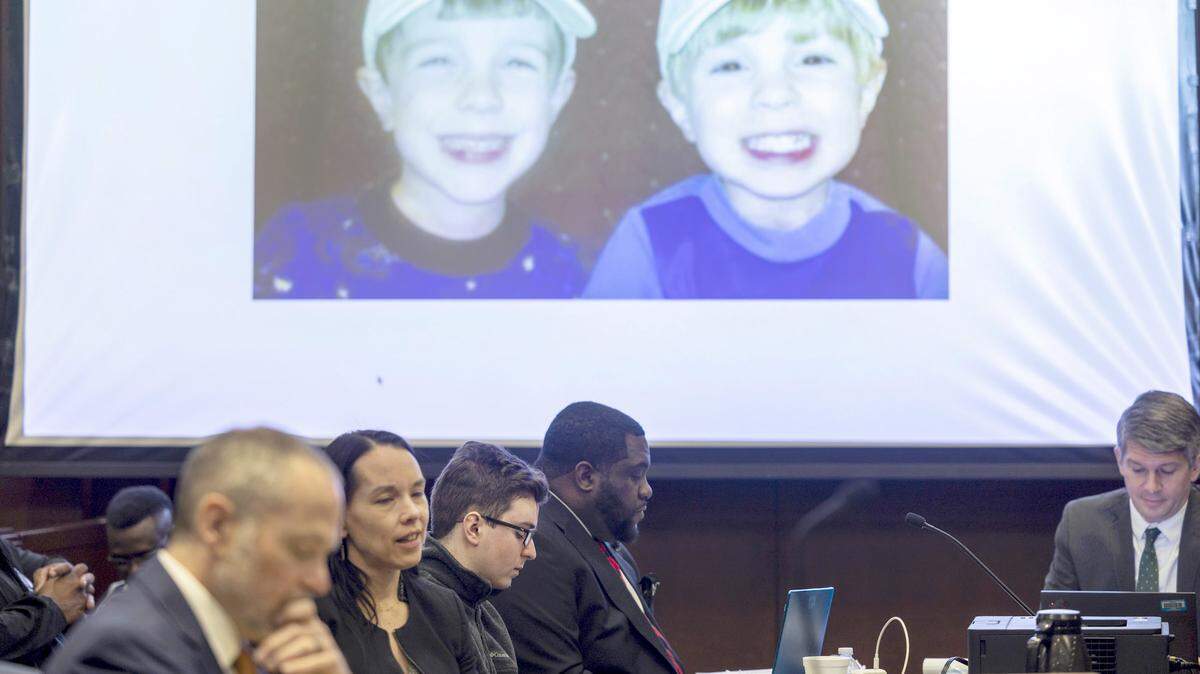
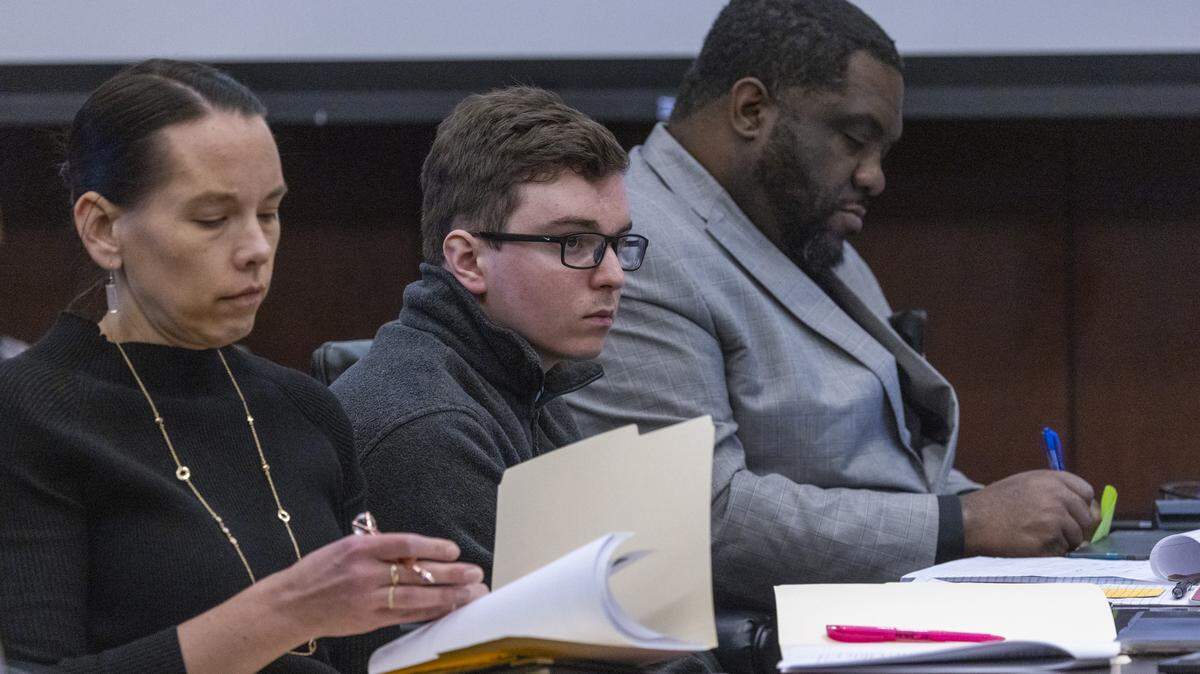
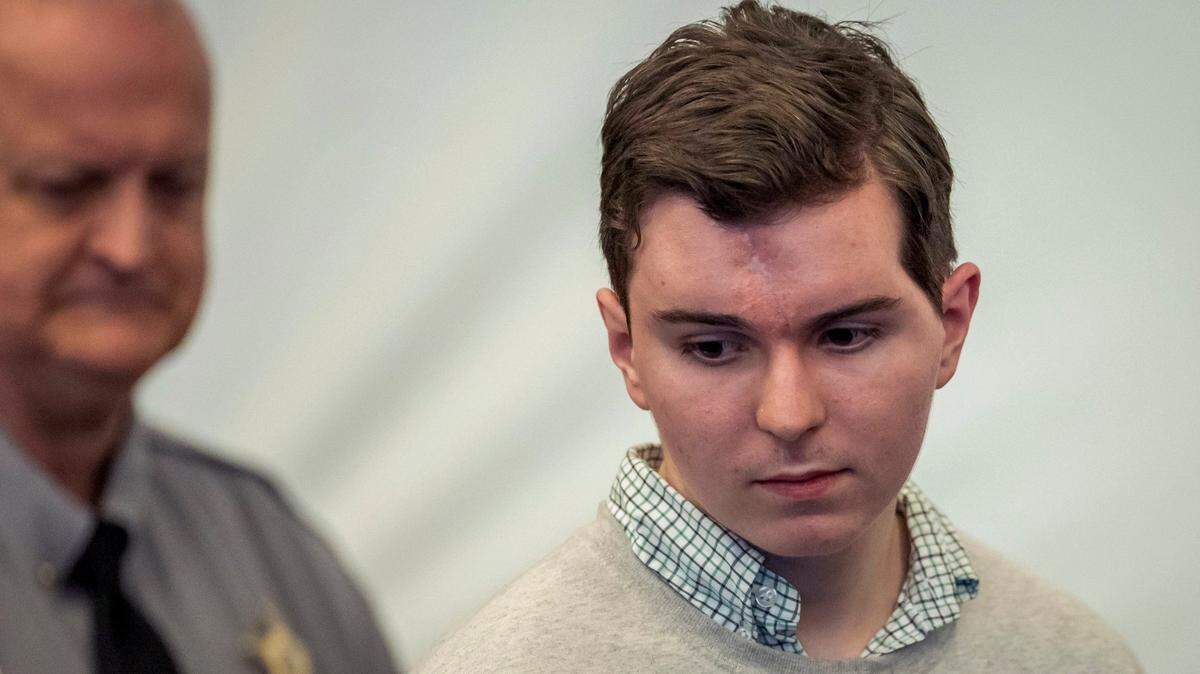
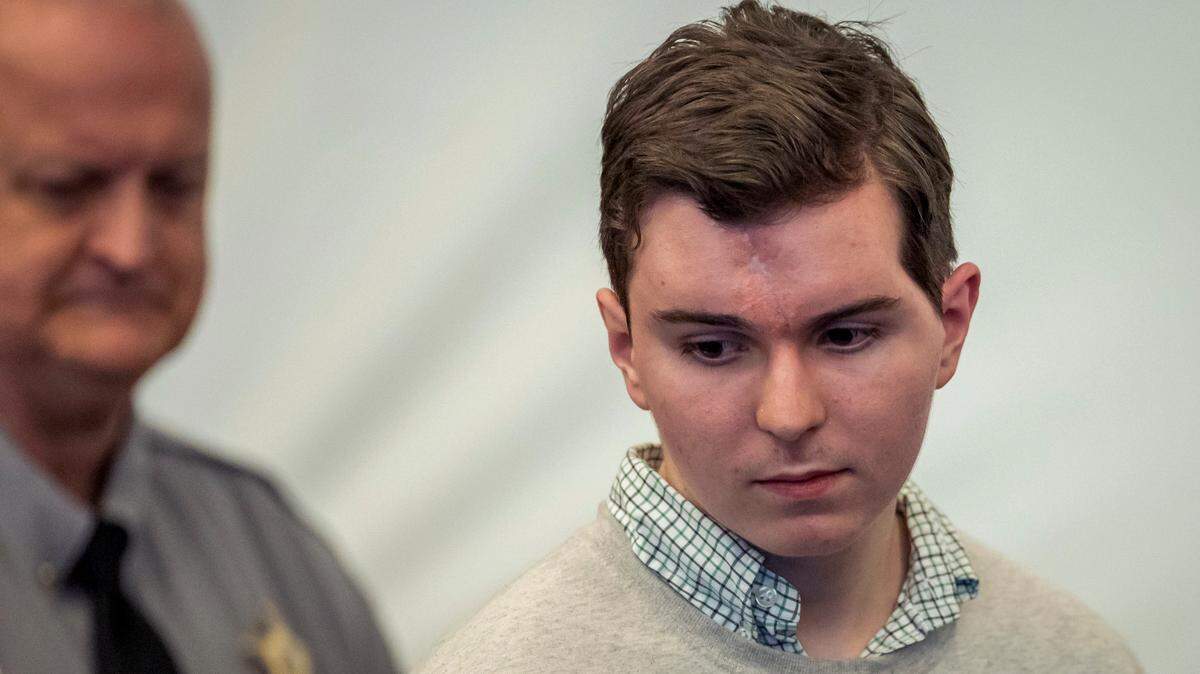
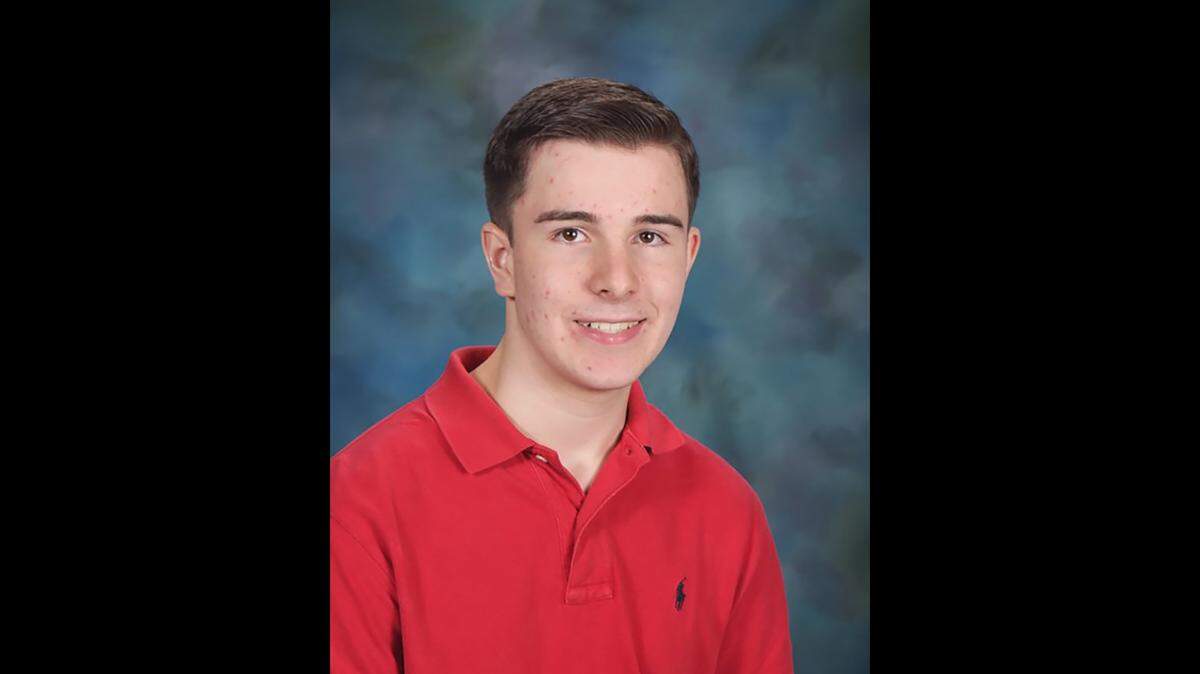
Austin Thompson, 18, pleaded guilty last month to five counts of murder and other charges in the shootings in the Hedingham neighborhood. The Oct. 13, 2022, killings left five dead, including Thompson’s older brother, and two seriously injured.
The hearing, which is expected to last through next week, is meant to provide Superior Court Judge Paul Ridgeway with evidence to determine if Thompson will have a chance at parole after serving 25 years in prison. It’s a requirement under North Carolina state law because Thompson was 15 at the time of the shooting.
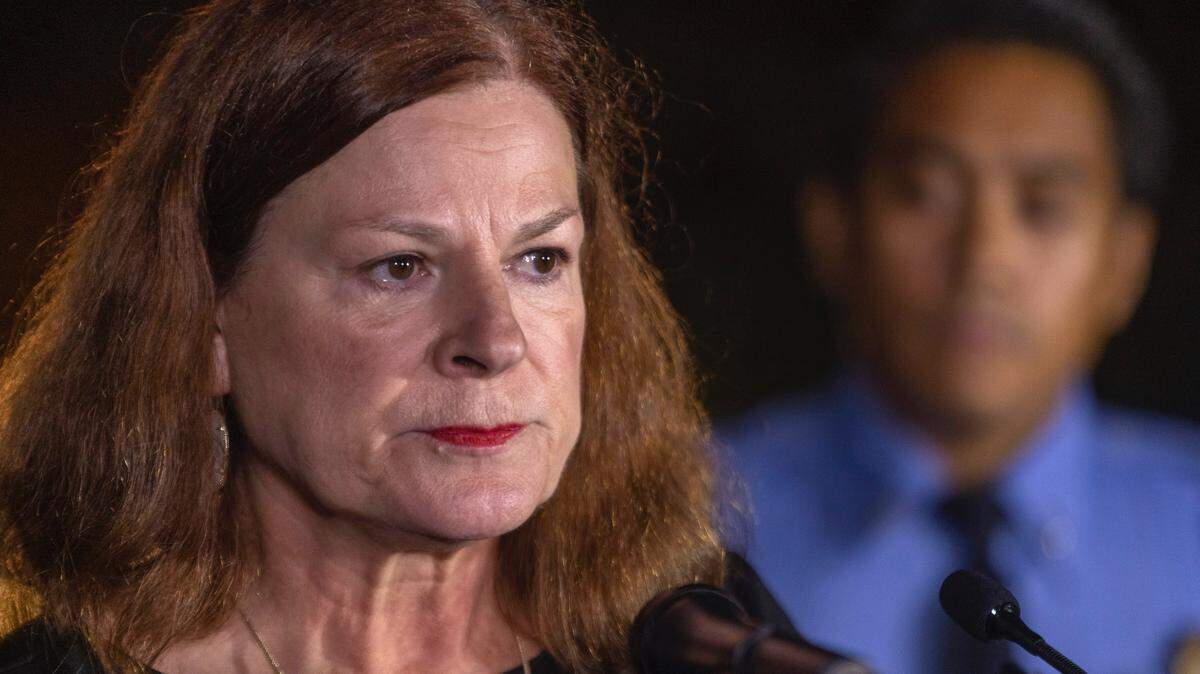
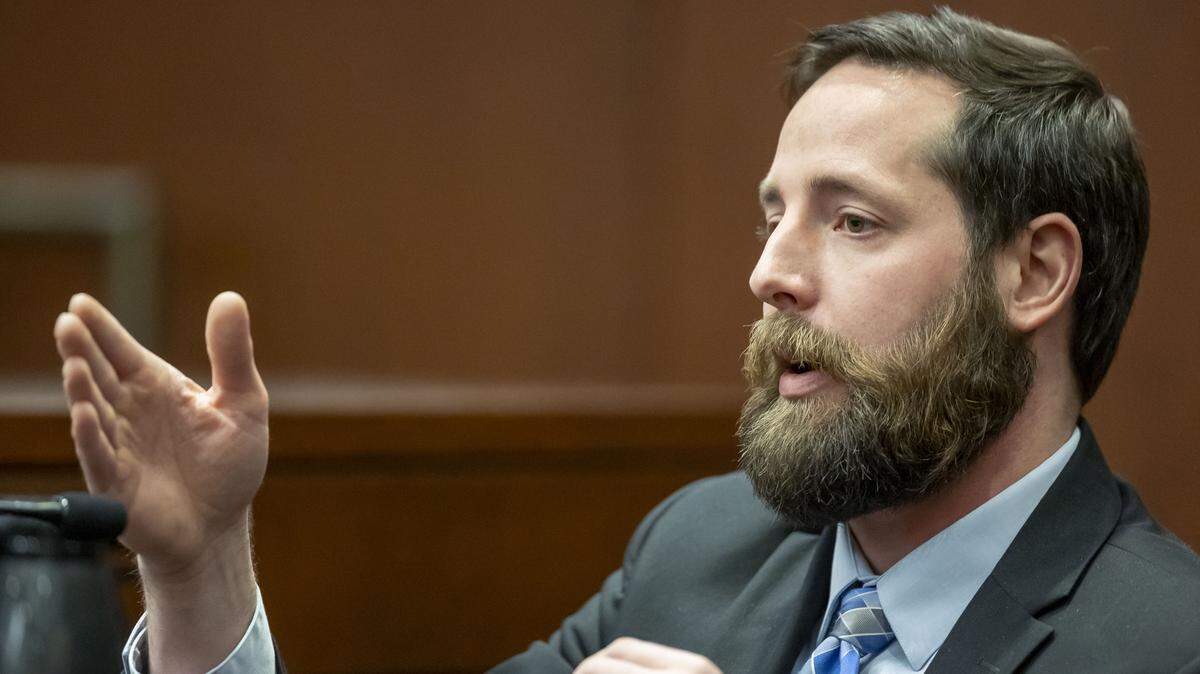
The court heard continued testimony from Raleigh Police Sgt. Robert Pike, who reviewed Thompson’s internet activity on his phone and laptop, and expert testimony from Karie Gibson, the chief of the FBI’s Behavioral Analysis Unit.
The testimony focused on Thompson’s possible state of mind leading up to the killings and how long he may have been planning the shooting.
Concerning web searches
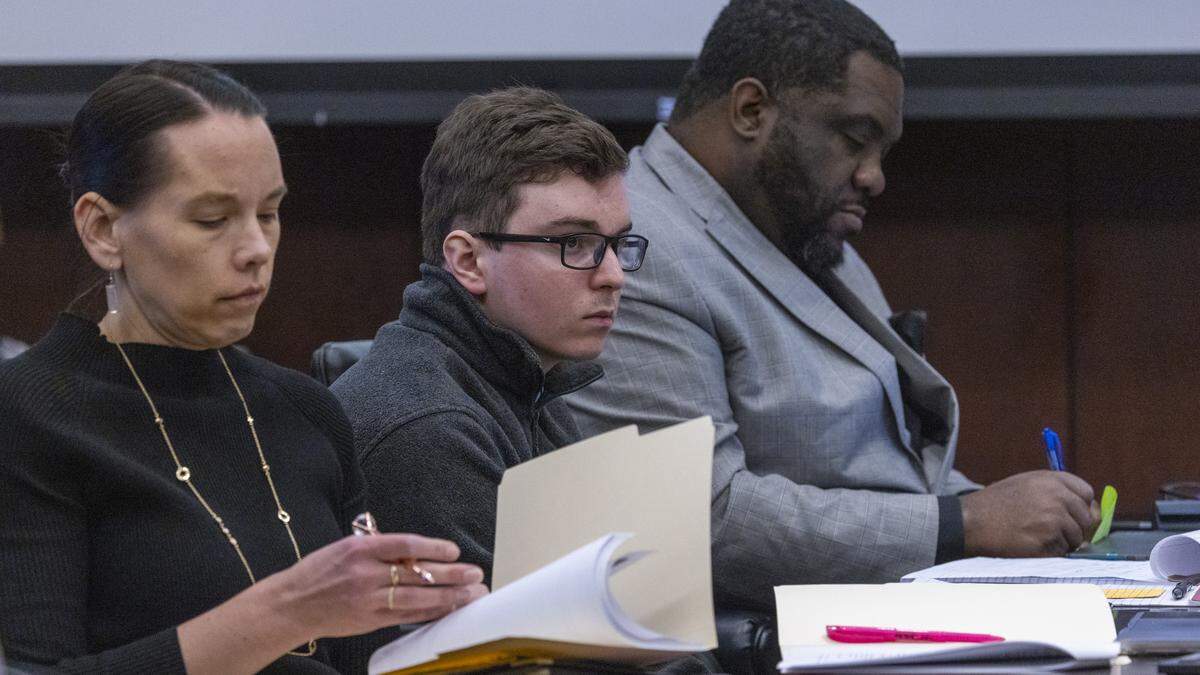
As she questioned Pike, defense attorney Kellie Mannette challenged assertions that Thompson fixated on mass shootings during a two-year period before the massacre, noting that many of the searches police cited as evidence were tied to events in the news. That included the mass shootings at a Buffalo, New York, grocery store and at Uvalde Elementary School in Texas.
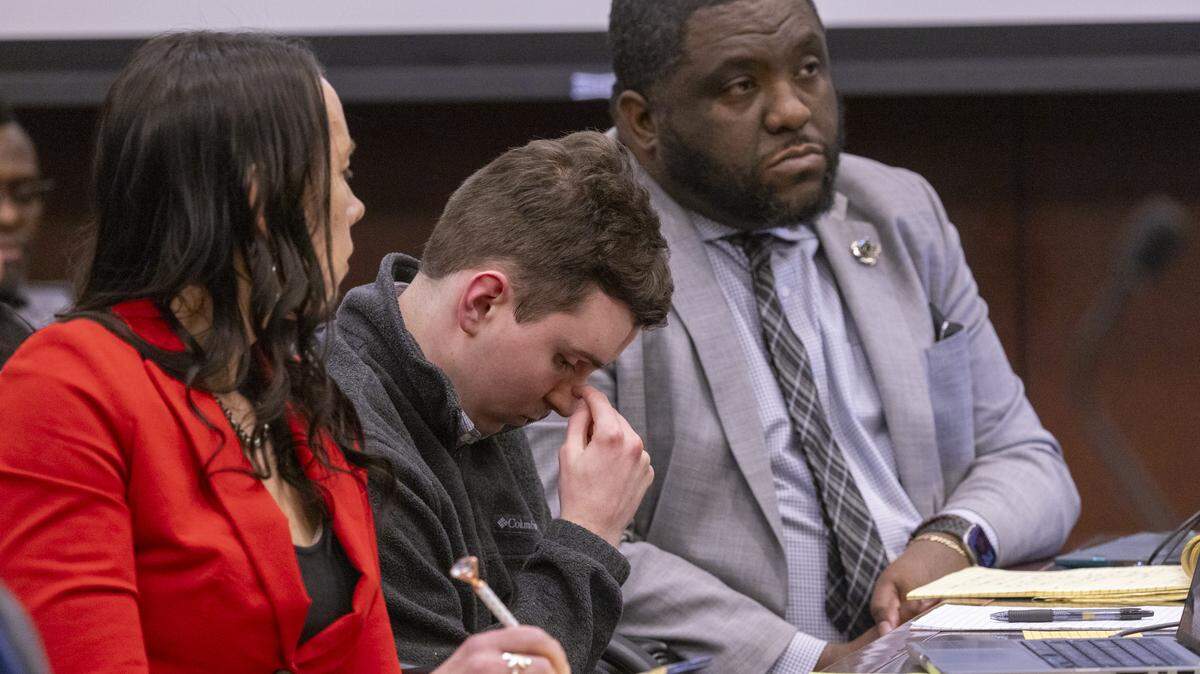
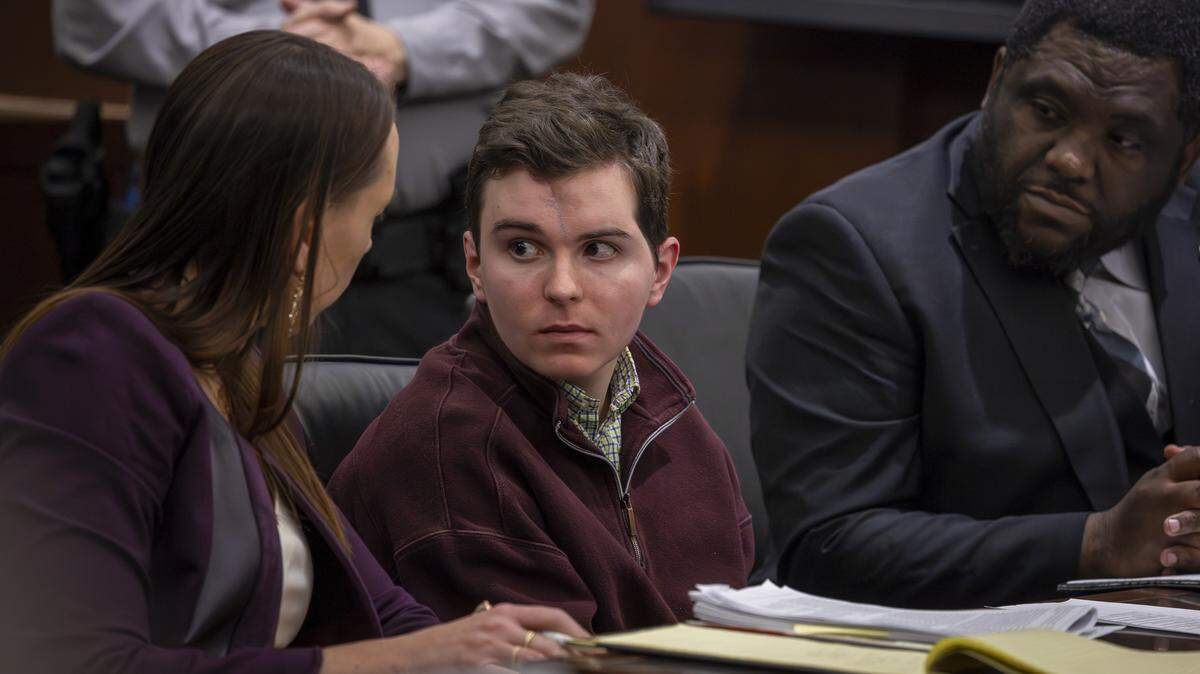
Thompson appeared to briefly laugh with public defender Deonte’ Thomas when Mannette asked Pike if he had any knowledge of the teen planning to prostitute himself. The question was tied to Google searches of legal consequences for a variety of crimes, including prostitution, which appeared to have been made on Thompson’s phone in the fall of 2021.
Mannette raised the possibility that some of the searches police found concerning may have been related to schoolwork, like Google searches for the interior of Knightdale High School, where Thompson was a sophomore at the time of the attack. She claimed Thompson had a homework assignment involving a diagram of the school.
Thompson had accessed a Washington Post article on why many mass shooters were “angry young men” on the afternoon of Oct. 7, 2022, Pike testified. It wasn’t clear whether the article had been sent to him or if he’d searched for it.
At one point in her questioning, Mannette stood next to Pike and took him through the arithmetic behind Thompson’s web activity, guiding him through calculating the percentages of different categories of entries noted by police.
Of the 29,460 entries of web activity police reviewed, Mannette noted, 0.5% (or 148) of those involved searches for consequences of violent crimes; 0.1% involved searches of serial killers. Every other type of concerning entry comprised less than 0.01% of Thompson’s total search history, she argued.
Ultimately, Pike testified, less than 10% of Thompson’s total web searches accounted for investigators’ focus in the Hedingham case. There was no evidence on his electronic devices that he held extremist views, wanted notoriety or indicated to anyone he planned to do something violent, he said.
Pathway to violence
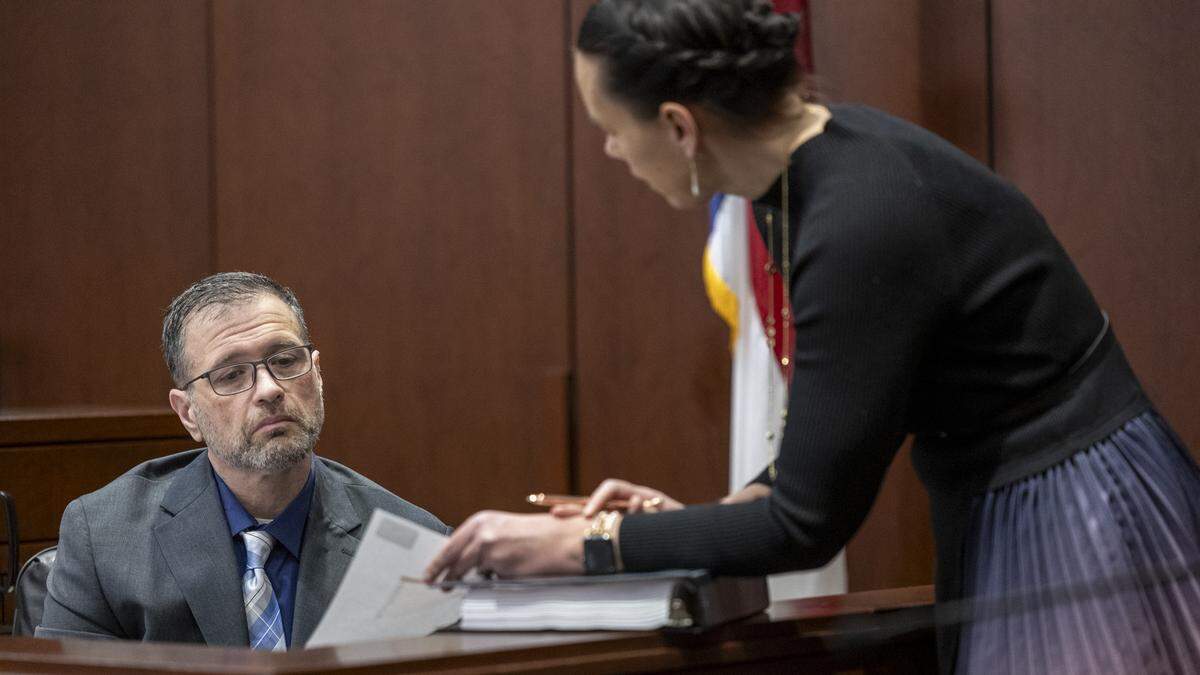
Gibson provided expert testimony on how those behind acts of mass violence typically plan out their crimes. Mannette objected to her testimony, but Ridgeway overruled her objection.
“This is a FBI profiler who has no individual information about Austin Thompson,” Mannette said. “I cannot imagine how this is relevant at a sentencing hearing. She doesn’t know anything about Austin or this crime.”
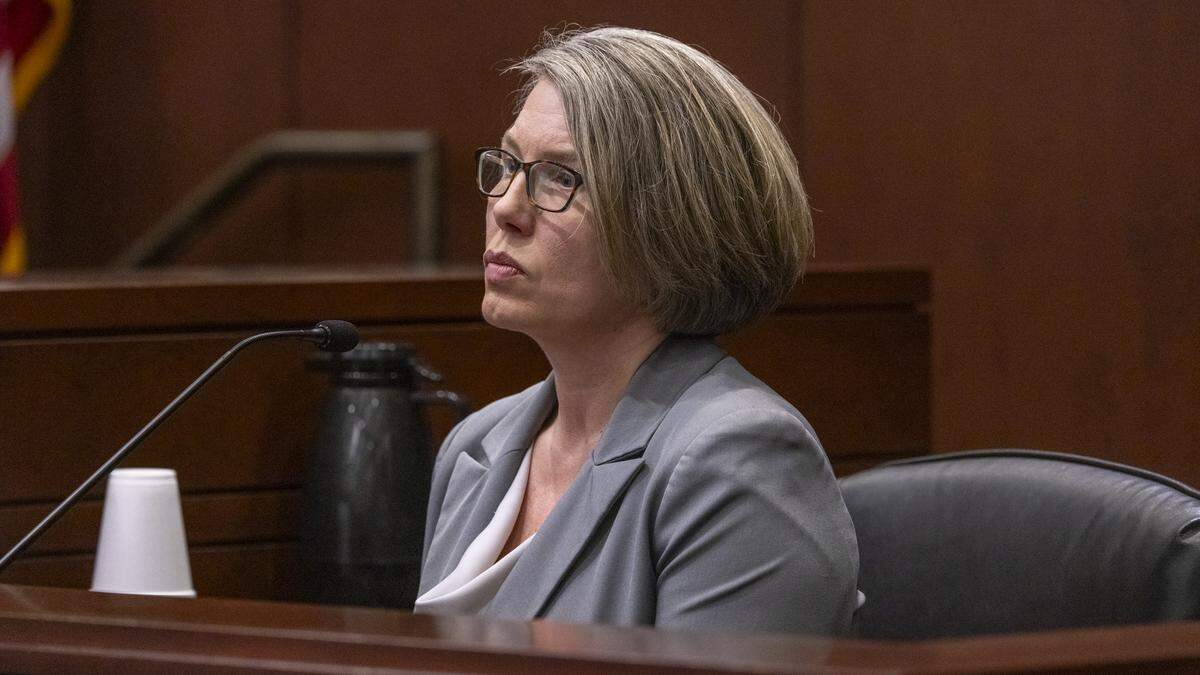
Gibson is a clinical psychologist who has worked for the FBI for 19 years, including a stint as a special agent in Minneapolis and four years leading the 20-person Behavioral Analysis Unit. The BAU helps law enforcement with psychological profiles of violent offenders.
People who commit acts of targeted violence typically follow a “pathway to violence,” Gibson said, referencing a staircase-like graphic that displayed five steps preceding an attack. The pathway can vary from person to person but typically involves a grievance, ideation, research and planning, preparation and breach before the attack, she testified.
“When you have an individual that is beginning to progress on the pathway to violence, there is this grievance ... a personal slight or an injustice that has occurred for them,” Gibson said. “They’re trying to work through that to understand what that really means and what they can do with that.”
Those grievances can be real or perceived, she noted, but aren’t always clear to outsiders. Researchers found that in 21% of the cases they reviewed, they couldn’t determine the violent offender’s grievance, likely because it was “highly personal” and would need to be shared by the offender, Gibson said.
When people can’t figure out how to resolve that grievance, it can progress into violent ideation, Gibson testified.
“It can be suicidality, it can be homicidality, it can be consumption of violent content online, it can be consuming violent imagery or movies,” she said.
As they research and plan their attack, they may fixate on notorious figures who are well-known for their own violent acts, Gibson said. The research and planning phase can range from a month to two years in duration.
“The next step after research and planning is preparation, and really, this is where you actually get the tools to do the attack,” Gibson said. “We will find that individuals, once they enter preparation, they can ultimately do the attack within 24 hours to 7 days when they obtain the weaponry to do the attack.”
Breach is the stage where an attacker does a “dry run” of their plan to ensure their success, according to Gibson. It’s not clear if Thompson ever did this.
“When we look at these cases, what we find is that when someone is selecting the targets, they are going to look at three different factors,” she said. “What’s desirable to them ... then they have to look at what is vulnerable, because that most desirable target might not be vulnerable. And then they, after that, will consider what’s available.”
Gibson testified that in 100% of the cases she reviewed, at least one person had reported an offender’s concerning behavior before the attack. But bystanders often didn’t understand what that behavior meant at the time, she noted. Thompson’s parents have testified they had no warning signs from their son.
Only about 10% to 13% of cases involve a primary family member as a victim, Gibson said.
“We don’t have key research findings that say exactly why that is,” she said.
But in her experience, when a family member is injured or killed it’s often for one of three reasons, she testified:
- The family member was part of the offender’s original grievance.
- The offender wants to spare their family member from the aftermath of what they’re about to do.
- The offender wants to punish someone left behind.
Additionally, 88% of active shooters 17 and younger had shared their intent to commit violence with someone else, whether through discussing violence or hinting at their fixation on violence, Gibson testified.
Gibson’s testimony marked the conclusion of the state’s evidence. Thompson’s defense team will start calling witnesses Tuesday morning when the hearing resumes.
This story was originally published February 6, 2026 at 1:21 PM with the headline "FBI expert wraps state’s evidence in Hedingham mass-shooting sentencing."







_474_fitted.jpeg)