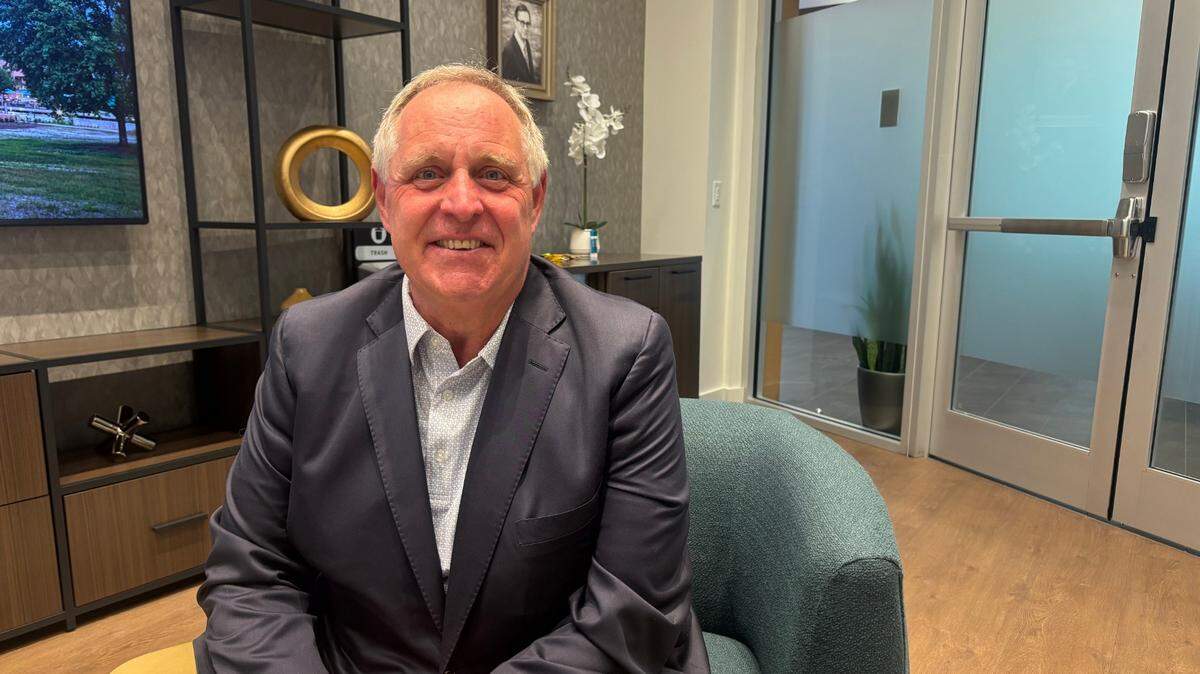
He runs Durham’s Black-owned bank as Trump administration holds funds in limbo
AI-generated summary reviewed by our newsroom.
- M&F Bank’s CEO warns halted CDFI funds threaten underserved communities’ access.
- OMB delays $324M in approved federal grants, shifting focus to rural-only aid.
- Community banks face rising tech, talent and competition pressures statewide.
READ MORE
Open Source Conversations
Business and tech reporter Brian Gordon talks to leaders of some of the most influential institutions in the Triangle to learn how they’re handling challenges, including state and federal funding cuts, while still serving North Carolina and beyond.
Expand All
As a community institution, M&F Bank faced challenges before the second Trump administration. National chains with bigger budgets poached employees and offered clients a constant stream of new tech services for smaller competitors to keep pace with. Chase and PNC Bank have aggressively expanded in North Carolina since 2019, adding pressure on the historic Durham financial institution.
But the White House’s approach toward one federal program has the leader of M&F and community-focused financial institutions nationwide alarmed.
The Community Development Financial Institutions Fund gives grants to organizations (CDFIs) that focus on lower-income and underserved communities. Congress appropriated $324 million to the fund for the 2025 fiscal year, yet the U.S. Office of Management and Budget under director Russell Vought has not released this money.
“Past awards may have made race a determinant of access to loan programs,” OMB noted in the White House’s 2026 discretionary budget proposal, which eliminates $291 million in CDFI Fund grants and instead establishes a new $100 million grant program geared exclusively for rural communities and a continuation of the New Markets Tax Credit, which incentivizes private investment in underserved areas.
On July 29, a group of 25 senators — 13 Democrats and 12 Republicans — sent a letter to Vought requesting OMB explain how it will disburse this year’s already approved funds to support more than 1,400 CDFIs across rural and urban communities. Vought has not responded to the letter, a spokesperson for Sen. Mark Warner of Virginia told The News & Observer.
There are 26 CDFIs in North Carolina, but only one is a bank.
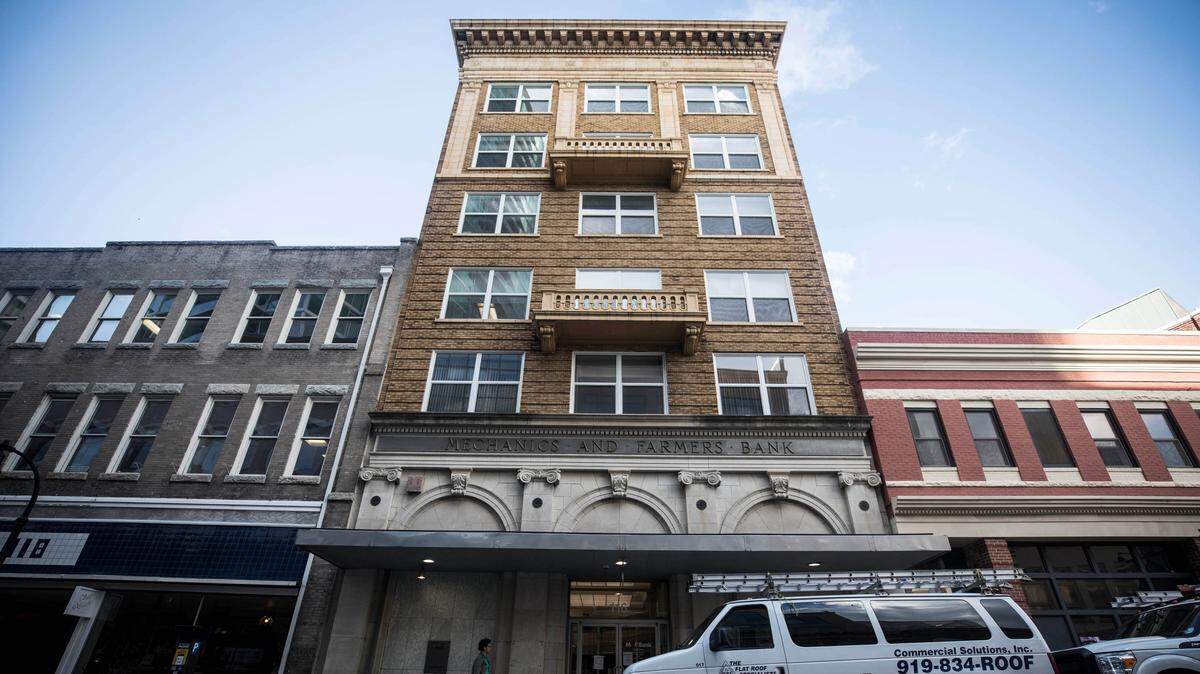
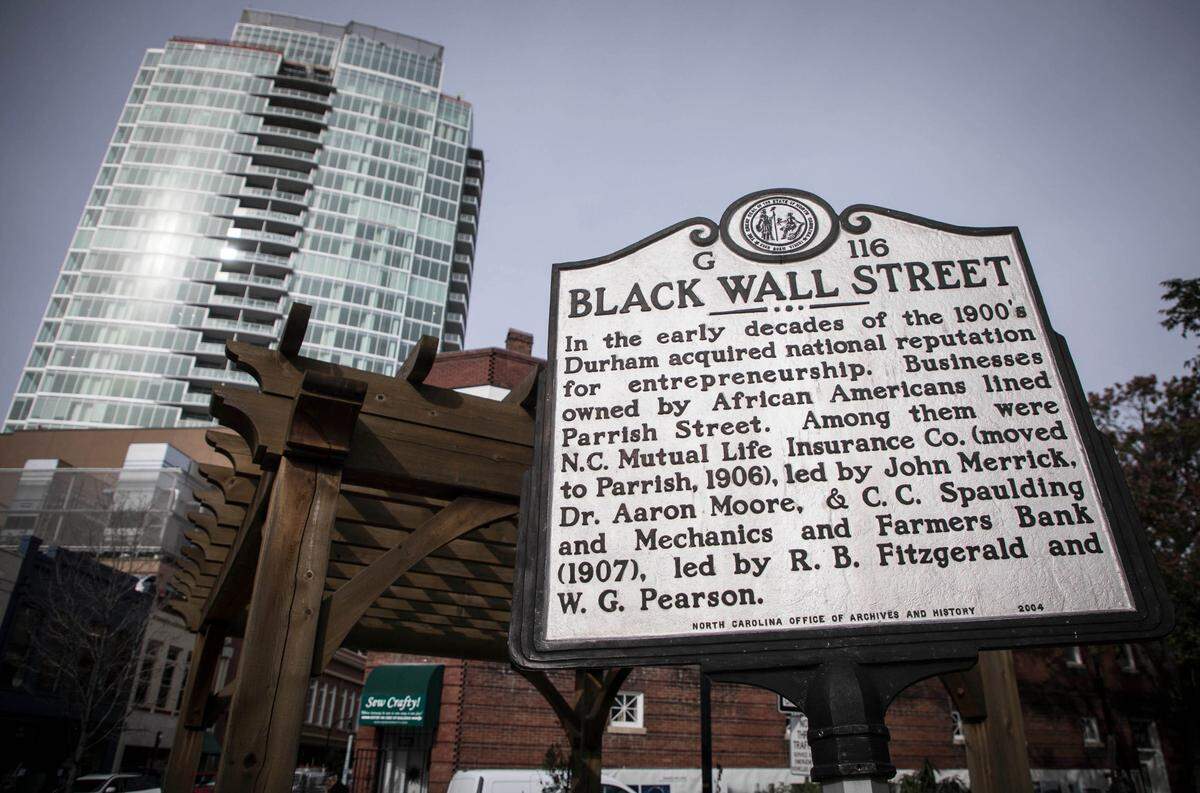
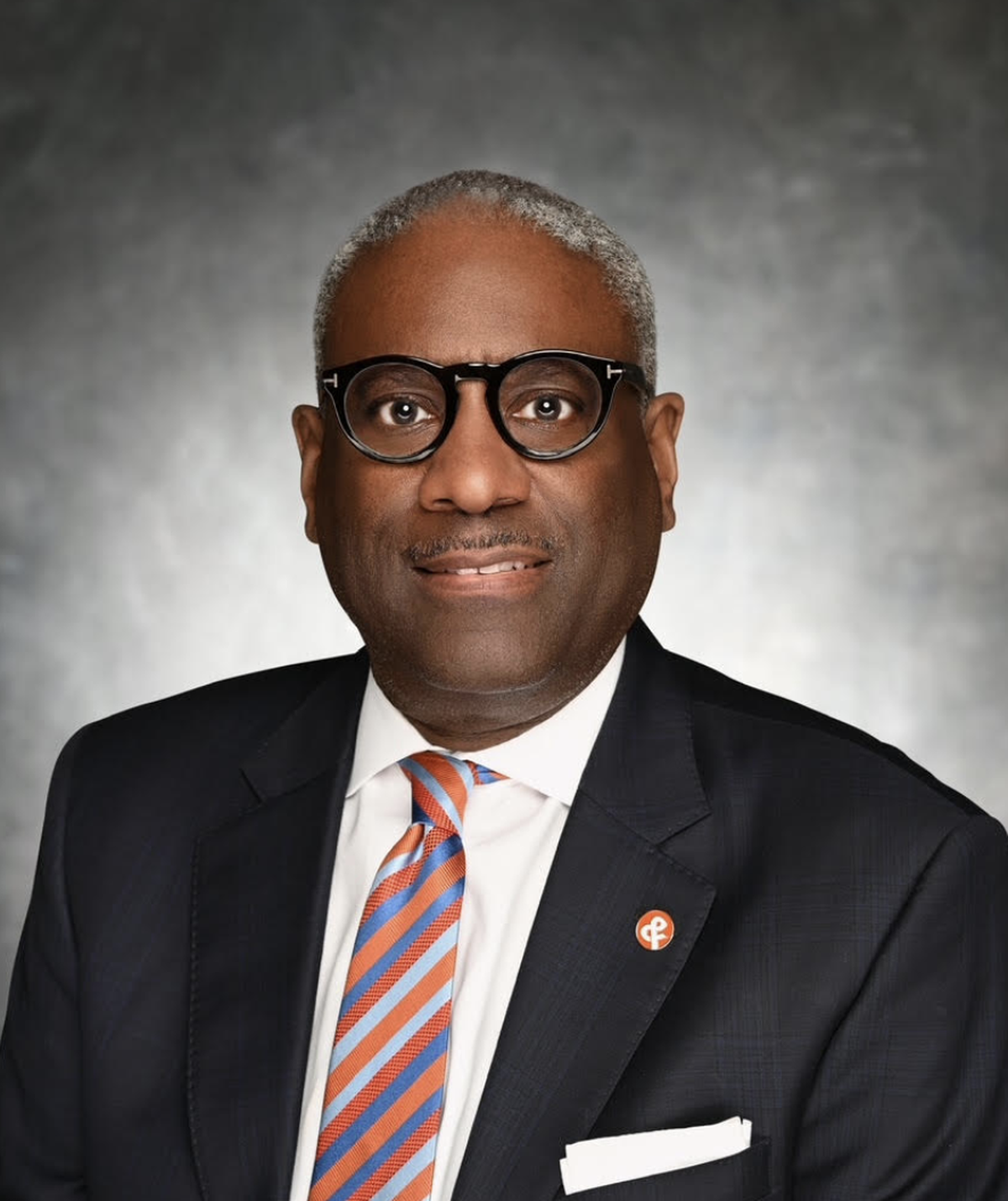
Established in 1907, M&F Bank (named Mechanics and Farmers Bank until 2015) is the second-oldest Black-owned bank in the country. Today it has seven branches across North Carolina, including two each in Raleigh and Durham, where it is headquartered. The bank last year received $280,370 in CDFI funds, while the year prior, M&F had originated more than 10 times as much in CDFI-qualified loans, CEO James Sills III says.
Sills spoke with The N&O about the future of the CDFI Fund, what he’s heard from North Carolina’s congressional delegation, and why he believes the government should “take race out” of small business programs.
The conversation has been edited for clarity and length.
N&O: What would be the impact of losing CDFI for urban communities?
Sills: I think it would be terrible. That is one of the best programs in the federal government system, because they’re leveraging about $324 million to about $300 (billion) to $400 billion in funding for communities all across the United States.
We’re still going to do what we’ve been doing for 118 years, but (CDFI) does help us continue to do the lending to serve the communities that we serve.
N&O: Have you spoken to any politicians about it? And if so, what kind of response did you get?
Sills: Yes, I have. I’ve been up to Capitol Hill three times this year. I’ve spoken with our North Carolina delegation and some of their staffers. They are, generally speaking, supportive of the CDFI Fund. But like I said, there’s two facets to this. You have the congressional facet, but you also have the administration facet. And one is pushing for one thing, and one is pushing to kind of reduce the fund and to reduce any future funding.
‘Take race out of it’
N&O: CDFI is one bucket through the Treasury, and then there’s the Minority Business Development Agency through the Department of Commerce. How does that compare to CDFI?
Sills: (MBDA) doesn’t do a whole lot of grants to small businesses. They’re more of an advocate for small businesses all across the United States.
They do help certain firms with government contracts or making them aware of potential government contracts.
N&O: So much of the administration debate right now is about race preferences and race-based policies. What is the value, if at all, of having the MBDA? Does it feel fair and necessary?
Sills: On principle, I think it’s a worthwhile program... 10% of all government contracts go to minority firms. And so having that type of organization as a component of the Department of Commerce generates business activity for everybody.
Small business is really the backbone of the economy, and so I think we need an agency like that that’s actually promoting small businesses and minority-owned businesses to make sure that they’re aware of these opportunities.
N&O: I think a lot of people in the federal government are saying no business program should have racial preferences. What’s your ideological response to that thought that seems pervasive in the government right now?
Sills: It’s one of those things where the pendulum has swung back the other way since the murder of George Floyd that the demand for those types of programs is still real. It’s still necessary. I think we have to change our language a little bit to focus more on, ‘We are creating jobs. We are being innovative. We are helping the overall economy when we’re assisting small and medium-sized businesses.’
So, I kind of take the race aspect out of it, because it’s all about business, and I don’t care what the color of the person is. If they’re a small business, we need them because they’re the drivers of the economy. So why not have different policies that just focus on small business? Take race out of it.
What M&F offers that big banks don’t
N&O: You mentioned the murder of George Floyd. There’s obviously been such a shift over the last five years. As an owner of a Black-founded bank, how have you thought about the pendulum shift that America has gone through?
Sills: It’s important for me as a CEO to kind of accept this pendulum change and to make adjustments to how we go about our business. But at the same time, think of the history of the bank and all the shoulders of all the leaders that have led the bank over the last 118 years that they want me specifically in our board of directors and our management team to continue the mission.
N&O: Outside the federal policy debates, what is the biggest challenge facing community banks right now?
Sills: There has been an influx of large scale banks that have come into the communities where we’re located. We’re located in the five largest markets in North Carolina. And so the biggest challenge is, number one, is competition compared to five or six years ago, because you didn’t have these new entrants to the markets where we’re located.
The second biggest challenge for us is talent, is hiring and retaining top talent.
And then the third thing is just keeping pace with technology. Those large scale banks have significant technology budgets. We’ve made a significant investment in nCino to make sure we are staying abreast with how to be able to generate and close more loans, just like large scale banks.
N&O: You mentioned relationships with banks. Could you give an example where that personal relationship comes into the equation?
Sills: One of the things we do well compared to a larger institution is when somebody is turned down for a loan, we tell them why they were turned down for the loan and how they can improve upon their financial situation and come back to us in 12 months, if you do these things.
Community banks do that really well, where they educate customers on what you need to do to get a loan here or to improve your financial standing. So that’s one of the biggest differences about a community bank versus large-scale.
This story was originally published August 15, 2025 at 5:15 AM with the headline "He runs Durham’s Black-owned bank as Trump administration holds funds in limbo."