Morning Newsletter

Should North Carolina spend settlement money on efforts to prevent tobacco use?

A smoker lights up outside Woody’s Sports Tavern & Grill in Cary. Almost 90% of adult smokers became addicted to tobacco at or before age 20.
A smoker lights up outside Woody’s Sports Tavern & Grill in Cary. Almost 90% of adult smokers became addicted to tobacco at or before age 20. 2010 News & Observer file photo

READ MORE


Big Tobacco’s Big Decline

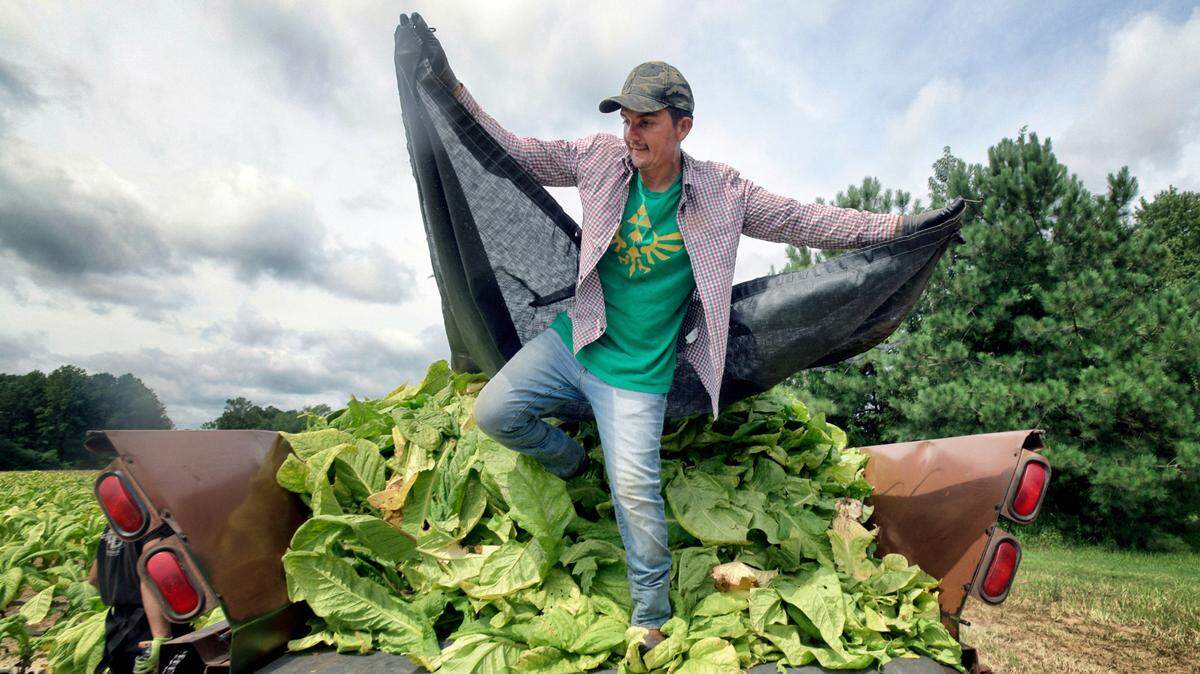
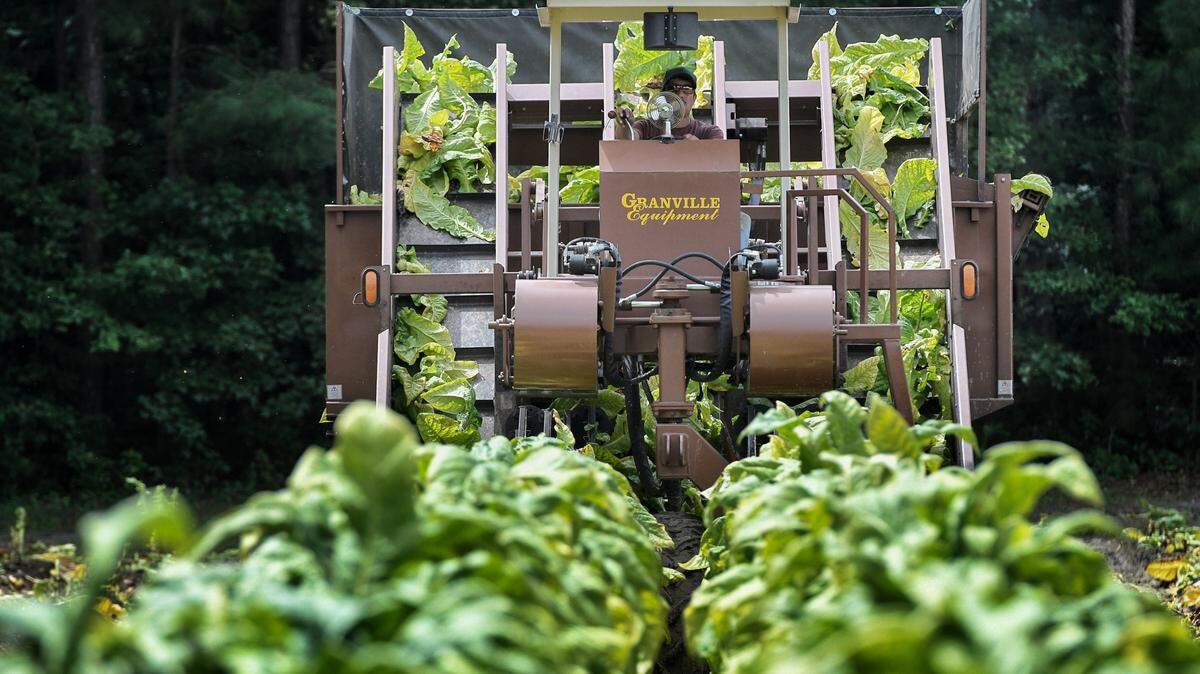
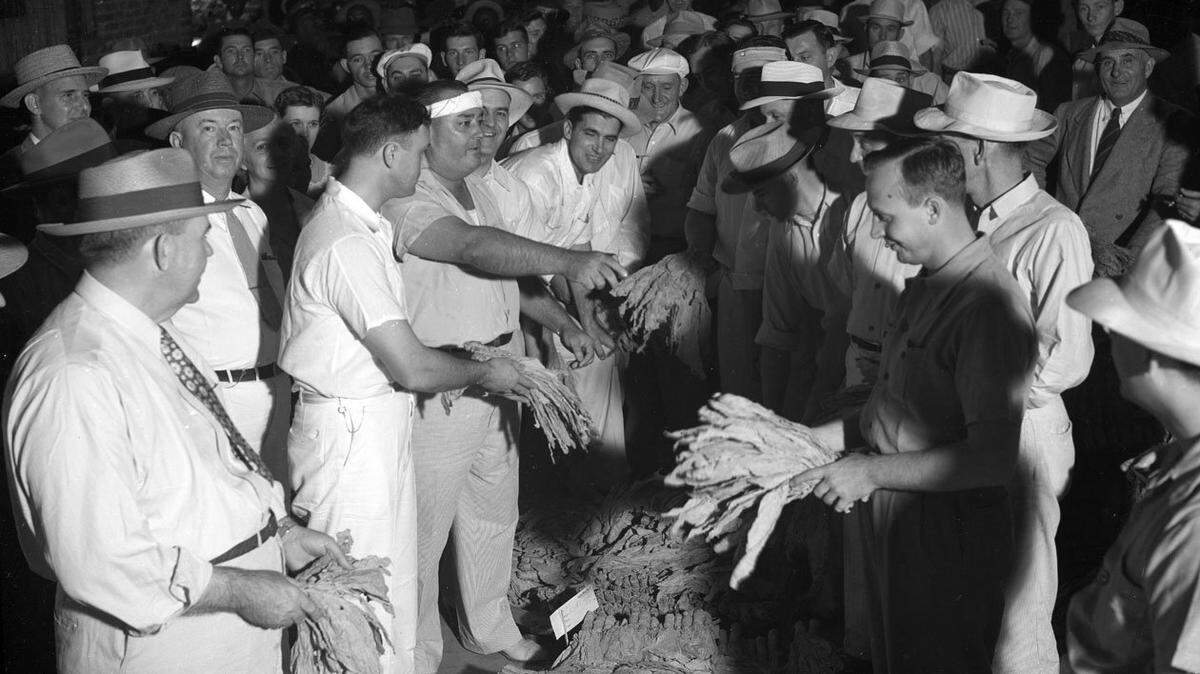
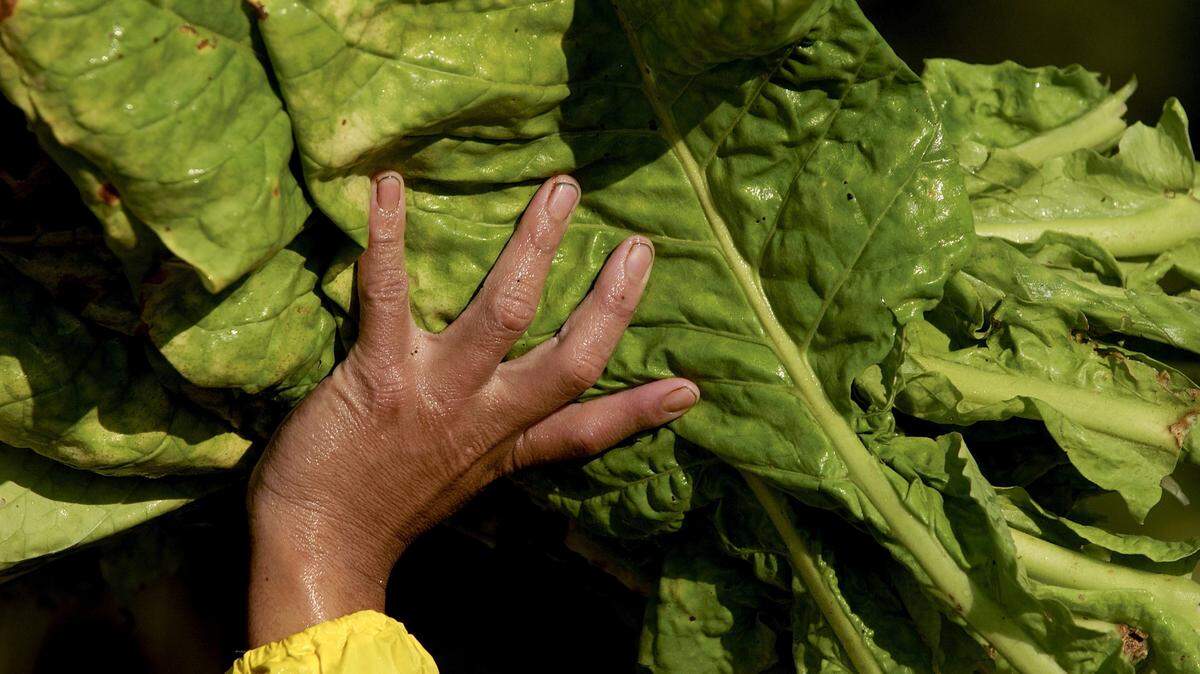
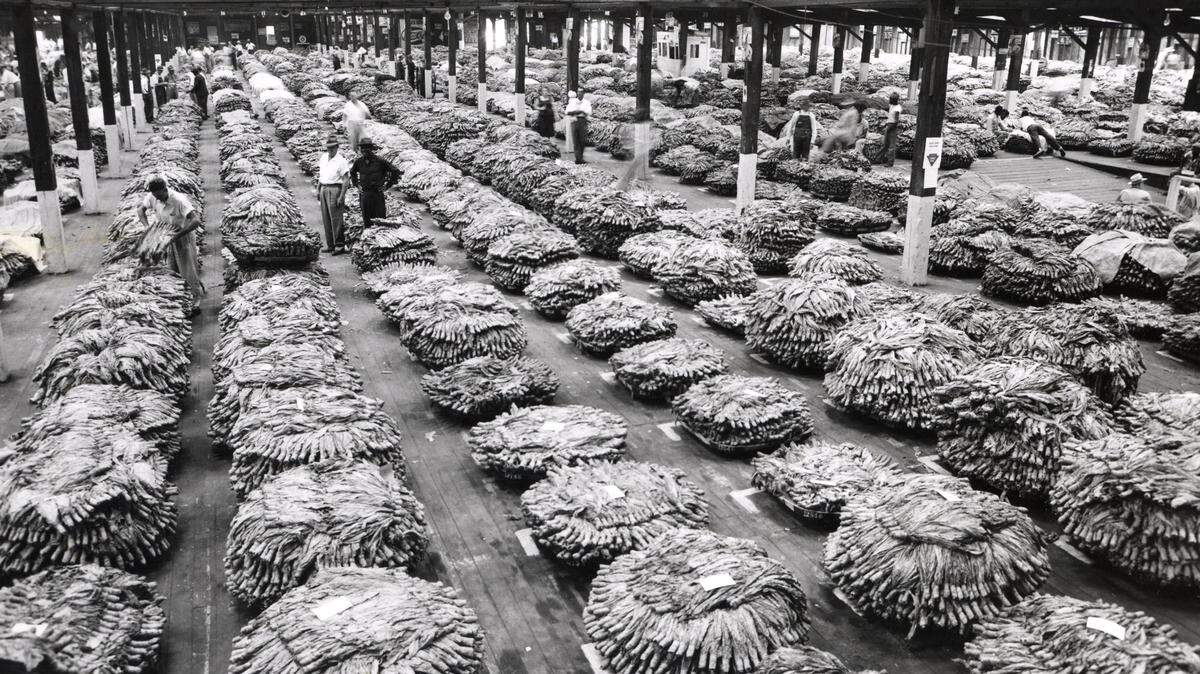
After more than four centuries of ubiquity and profits, North Carolina’s tobacco production bottomed out in 2020 to a level not seen in nearly 100 years. Now, the state is down to about 1,300 tobacco farms, and many growers say this could be the year that pushes them out of the business, too. How are current — and former — tobacco farmers reacting?

Expand All

Tobacco use remains the number one preventable cause of death and disease in North Carolina and the United States.

Almost 90% of adult smokers became addicted to tobacco at or before age 20. In North Carolina in 2018, 17.4% of adults smoked. Nationally, the rate was 16.1%.

In fiscal 2020, North Carolina received an estimated $455.7 million in revenue from tobacco settlement payments and taxes. Of this, the state allocated $2.2 million in state funds on tobacco-use prevention efforts.

This story was originally published February 24, 2022 at 6:49 PM with the headline "Should North Carolina spend settlement money on efforts to prevent tobacco use?."

Thad Ogburn
The News & Observer
Thad Ogburn is The News & Observer’s Managing Editor. A North Carolina native, he’s held a variety of editing and leadership roles across the newsroom for the past 35 years. He lead The N&O’s joint coverage with The Charlotte Observer of the aftermath of Hurricane Helene in North Carolina -- a 2025 Pulitzer Prize finalist for Breaking News Coverage.
Get unlimited digital access
#ReadLocal

Try 1 month for $1

CLAIM OFFER

Big Tobacco’s Big Decline

After more than four centuries of ubiquity and profits, North Carolina’s tobacco production bottomed out in 2020 to a level not seen in nearly 100 years. Now, the state is down to about 1,300 tobacco farms, and many growers say this could be the year that pushes them out of the business, too. How are current — and former — tobacco farmers reacting?