‘I’m afraid this year’: NC without the golden leaf was once unimaginable. But no more.
READ MORE
Big Tobacco’s Big Decline
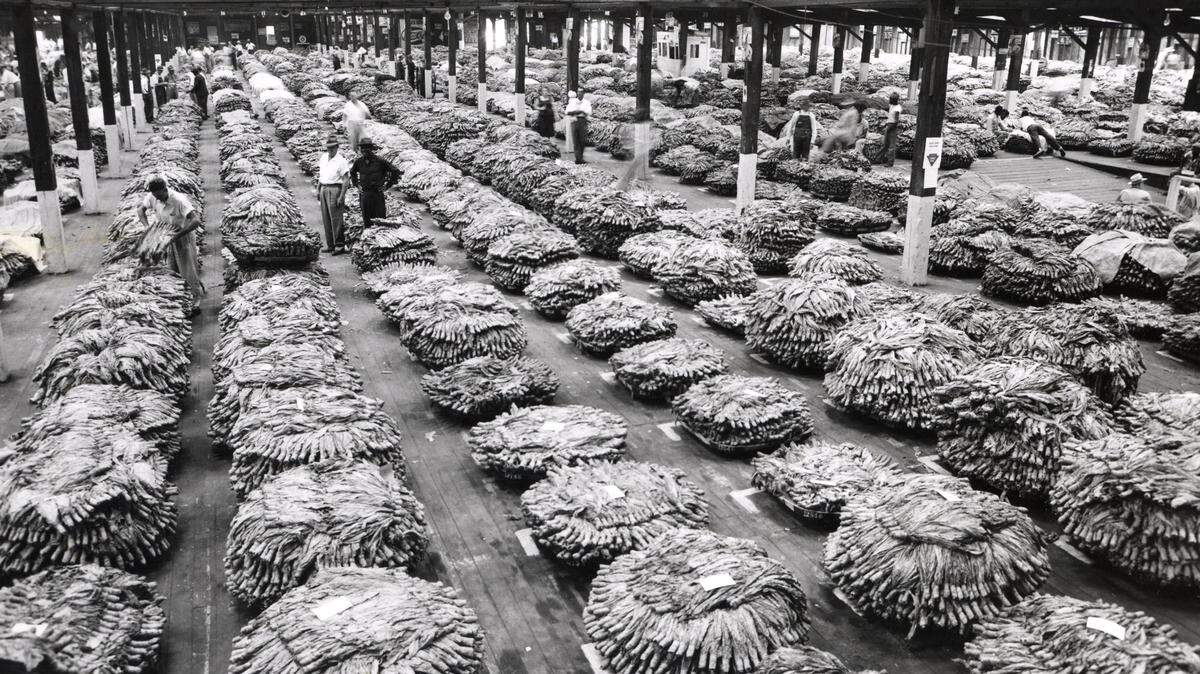
After more than four centuries of ubiquity and profits, North Carolina’s tobacco production bottomed out in 2020 to a level not seen in nearly 100 years. Now, the state is down to about 1,300 tobacco farms, and many growers say this could be the year that pushes them out of the business, too. How are current — and former — tobacco farmers reacting?
Expand All
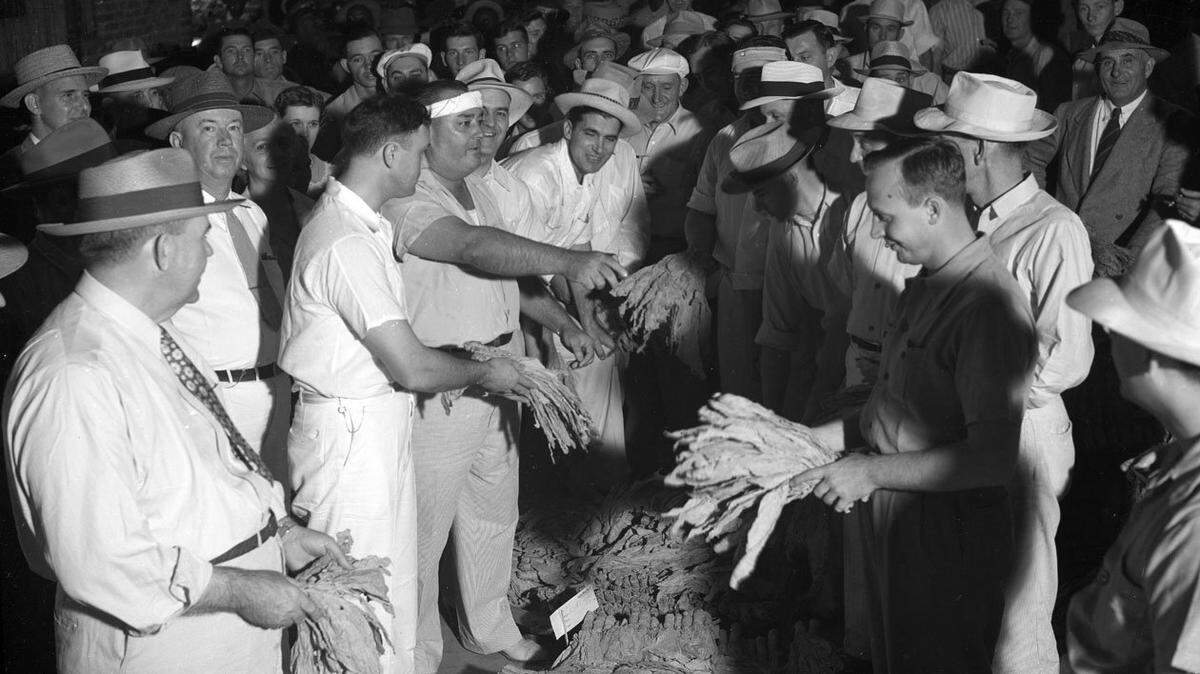
A generation ago, tobacco was like a good pair of boots or heavy gloves or the latest edition of the almanac. Every farmer had some, maybe 5 acres or 15, as a hedge against fickle prices on other commodities.
Now, of the dozen families who live on his rural road outside Louisburg in Franklin County, only Stephen Nelms still grows tobacco. And he needs about 400 acres to make it profitable.
“I would say today, it would take at least 100 acres to make a living off tobacco, and you’d better not have too big a debt load,” said Nelms, who said he “made a commitment” to farming when he was 20, the way some men might commit to the ministry.
“It just takes a lot of volume to make any money. And I’m afraid this year, volume still may not make you any money because of the input costs.”
Economies of scale for farmers
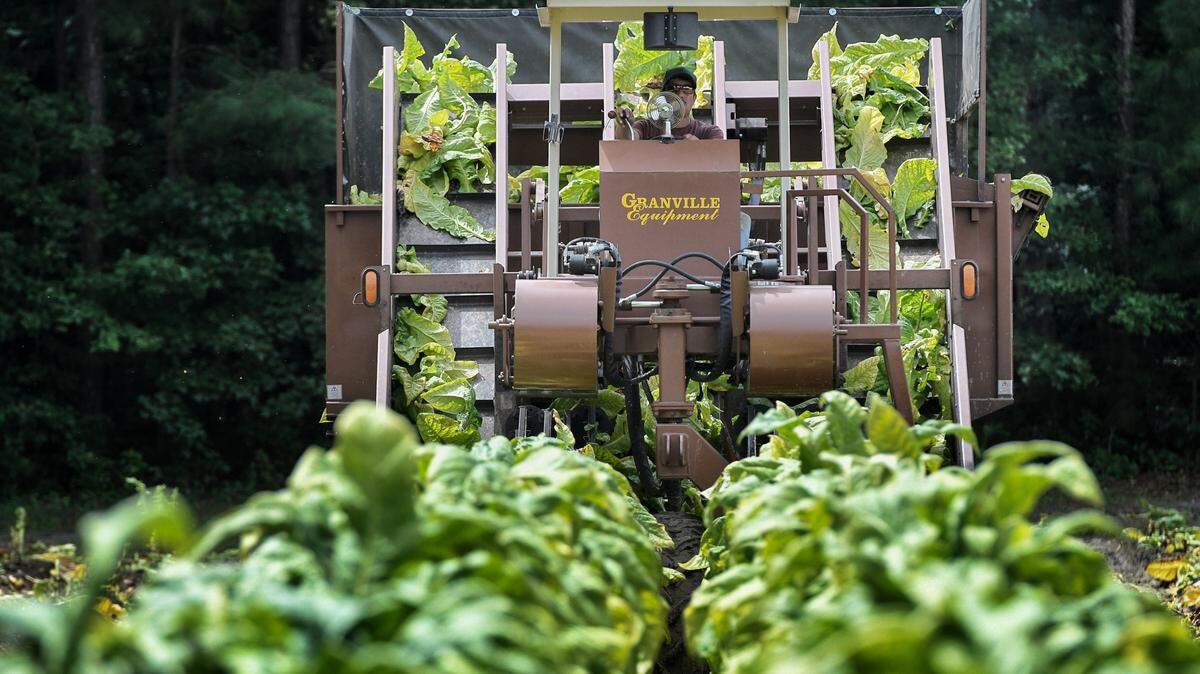
As the number of tobacco farmers in North Carolina has shrunk from more than 22,000 in 1987 to under 1,300 today, the number of acres each farmer works has gone up. That’s true with other crops and livestock as well, and it’s because it allows the farmer to take advantage of economies of scale. In the increasingly mechanized world of tobacco farming, it takes more acreage to amortize the cost of a harvester, which might run $130,000 new, or curing barn that might run $10,000.
At the same time, land costs have skyrocketed, especially in places close enough to metro areas that they’re attractive to residential developers. In some parts of Franklin County, land is being offered for sale for $70,000 an acre, putting it out of most farmers’ reach.
Nelms, 68, and his son and partner, Travis, who is 47, have done what they can to cut expenses.
“We didn’t want the machines, but we’ve been fully automated for three years,” Nelms said, adding that he bought his harvesters used for a good price when the outlook for tobacco started looking bleak several years ago. Like other growers, Nelms relies on migrant workers in the H-2A program for the labor he does need, about 15 people per season. But he said those workers are becoming more like the American labor force, increasingly unwilling to toil outdoors in the heat and humidity.
Some days, he said, the crew would return to their air-conditioned trailers at lunch, and several members of a crew would refuse to come back to work afterward.

Hasn’t been this worried about crop since 1970s
Nelms said he hasn’t been this worried about a crop year since President Jimmy Carter was in office in the late 1970s and inflation was at 7% to 9% per year.
While he says he can’t really imagine North Carolina with no tobacco, he believes that if farmers here stop growing it, “Brazil will just double their crop” to make up for it.
With what it costs to produce tobacco — more than $4,000 per acre in 2019 — Nelms thinks this may be his last crop.
“Call me back in November,” he said.
Read next: ‘The point where there’s no money there’: Some have moved on to soybeans, corn and wheat.
News & Observer readers: Click here to continue.
Durham Herald-Sun readers: Click here to continue.
Charlotte Observer readers: Click here to continue.
This story was originally published February 27, 2022 at 6:00 AM with the headline "‘I’m afraid this year’: NC without the golden leaf was once unimaginable. But no more.."


.JPG)