I don’t want a U.S.-involved war in Ukraine. But...
READ MORE
The inescapable costs of war
From inflation to mental health, Russia’s invasion of Ukraine can be felt all over the world. How is it affecting the people in the Triangle, and how are North Carolina-based forces involved in the defense against Russian aggression?
Expand All
I don’t want another U.S.-involved war. But it seems wrong to watch a 40-mile-long convoy of Russian tanks and equipment inch towards the largest city in Ukraine knowing we have the military capability to stop it. But I don’t want a direct military confrontation between the two nations with the largest stockpiles of nuclear weapons on Earth.
But images of the bloodied and burned and mangled bodies of children compel me to want us to assist Ukrainians with more than the historic-levels of sanctions that have already begun cratering the Russian economy and putting enormous pressure on Vladimir Putin to rethink his invasion of a country that doesn’t want to be under Russian control.
But I can’t forget sitting across from the parents of a veteran of the Iraq and Afghanistan wars. Their son had recently killed himself on a U.S. military base after he had left those warzones. Or standing in the kitchen of a woman crying over news that her son had been killed in Iraq. Or the former teammate of mine who lost a leg in combat. Or that my 17-year-old daughter has friends who are about to head into the U.S. Army and Marines, or the going-away cookout we held for a nephew just months ago after he enlisted.
It doesn’t feel right to not do everything in our power to stop Russia from lobbing cluster bombs into residential areas in Ukraine, attacking hospitals and playgrounds. But there’s a brutal war in Yemen and an increasingly-egregious humanitarian crisis in Afghanistan and ugly conflicts in parts of Africa I hadn’t thought of for weeks before Putin tried to sell his invasion with a lie about wanting to fight Nazis.
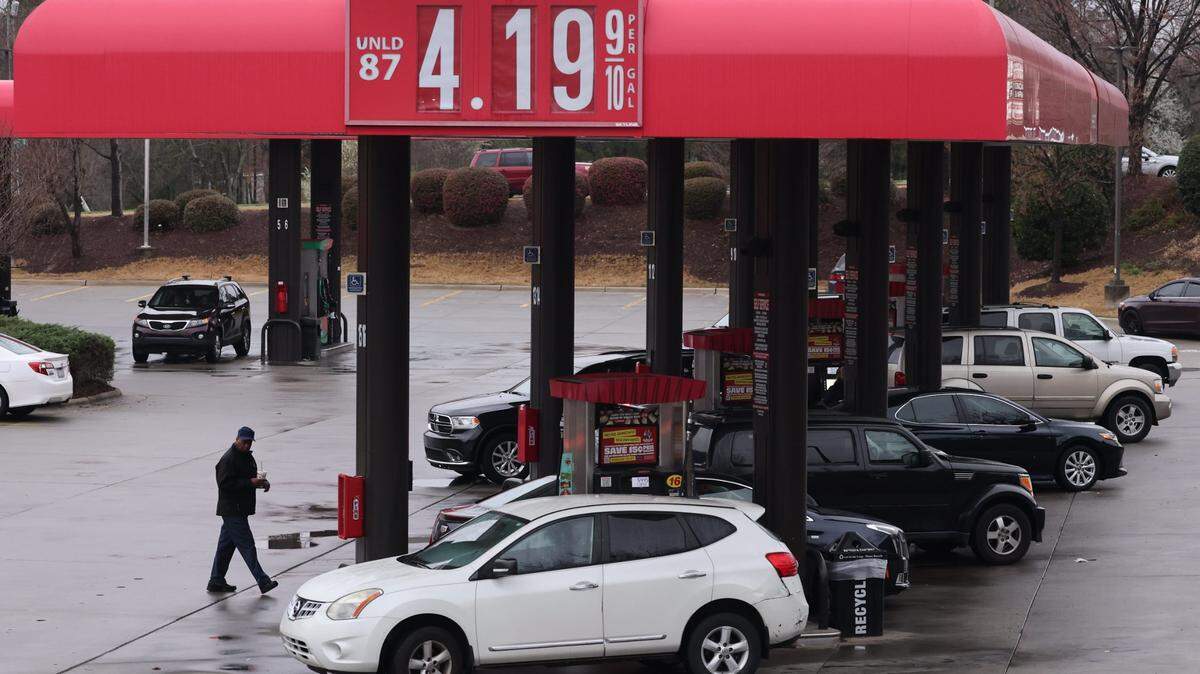
I don’t care if already-high oil and gas prices have to go even higher if strangling Russia’s energy sector is the only way to end the invasion in Ukraine. I would pay a few cents, a quarter, a dollar more per gallon here if it would save lives on the other side of the world. I can afford it. But I know a lot of Americans on the economic edge might not be able to, especially given the refusal of some moderate Democrats and nearly every elected Republican in Washington to provide more safety net assistance.
We can’t risk going down a path that might lead to World War III, which is why we must tread carefully even in the face of ungodly Russian aggression. But it’s hard to escape the echoes of World War II when Russian missiles land near the area of the Babyn Yar Holocaust Memorial Center in Ukraine’s capital Kyiv, where more than 33,000 Jews were killed over a two-day span in 1941.
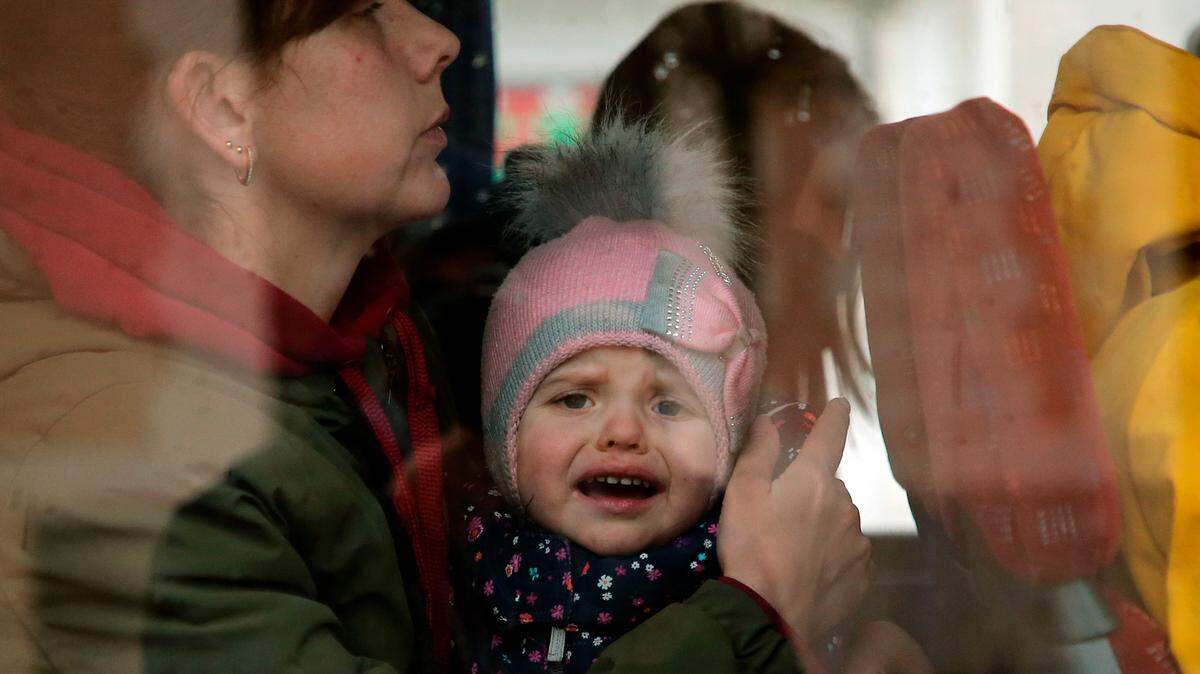
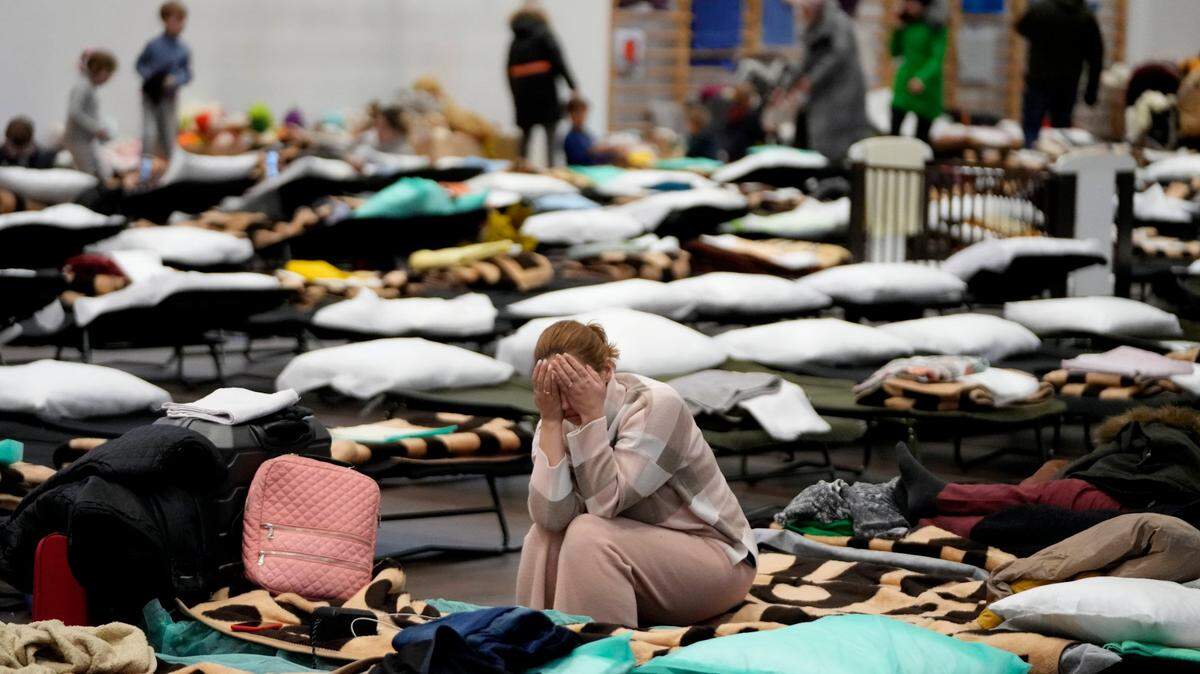
It grieves my heart to know that hundreds of thousands, soon to be millions, of people are becoming refugees through no fault of their own. I wish I had a home to house them all, to feed them, to love on them. But it angers me that even during a time like this some refugees are being prioritized above others based on the color of their skin and their ethnicity, with growing reports about Africans being pushed to the back of the line of people fleeing Ukraine and being welcomed into neighboring countries.
The more I think about Russia’s invasion of Ukraine, the less certain I am about what the right thing for us to do is, if we are already doing it, if there is even such a thing. Sending my thoughts and prayers feels so inadequate, superficial, callous. But I don’t know what to do. I know I’m not alone.
This story was originally published March 5, 2022 at 5:00 AM with the headline "I don’t want a U.S.-involved war in Ukraine. But...."
.JPG)