How NC-based military forces are helping to defend against Russian aggression
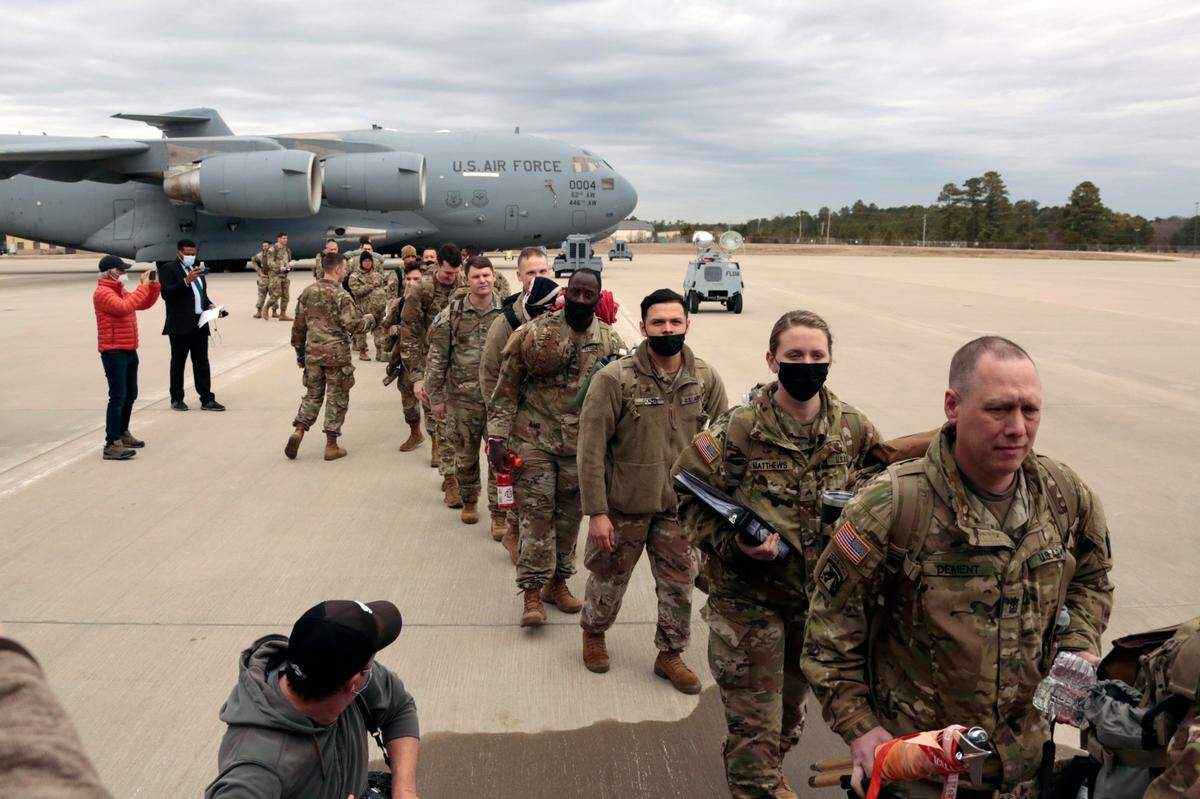
.JPG "A U.S. Army soldier from the 18th Airborne Division carrying his weapon and other gear is weighed as he arrives at the staging area before boarding a C-17 aircraft to deploy to Europe on Thursday, Feb. 3, 2022 from Fort Bragg, N.C. President Joe Biden is ordering 2,000 U.S. troops to Poland and Germany amid the stalled talks with Russia over the Kremlin’s military buildup on Ukraine’s borders.")
READ MORE
The inescapable costs of war
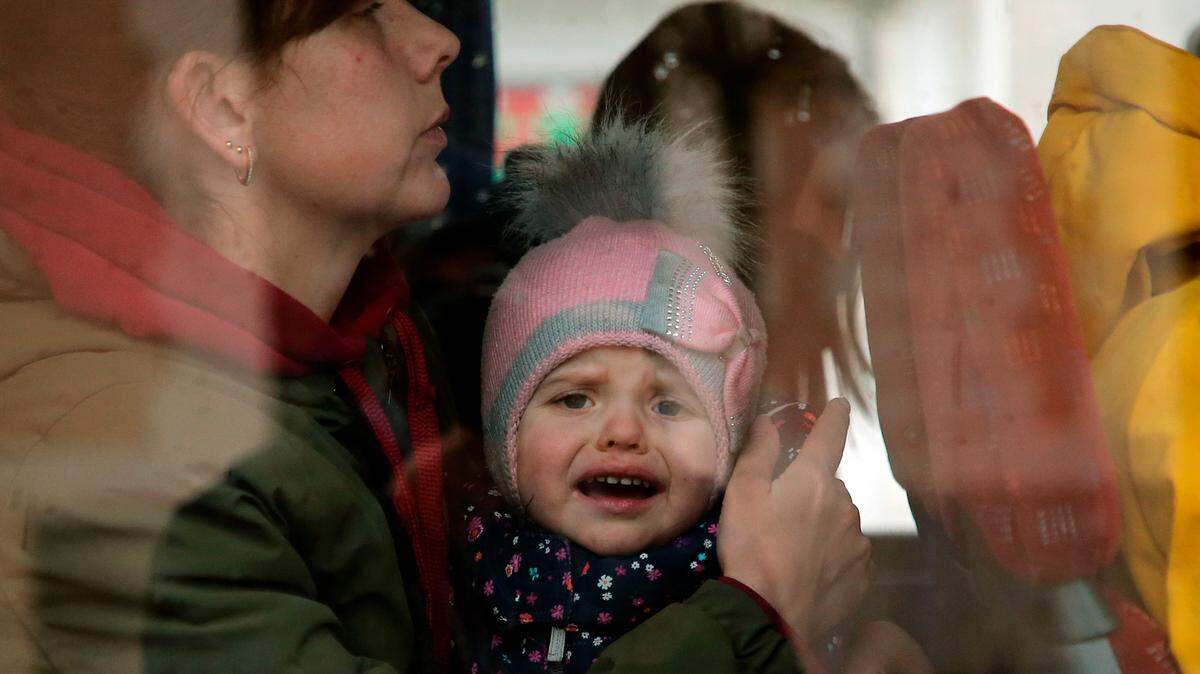
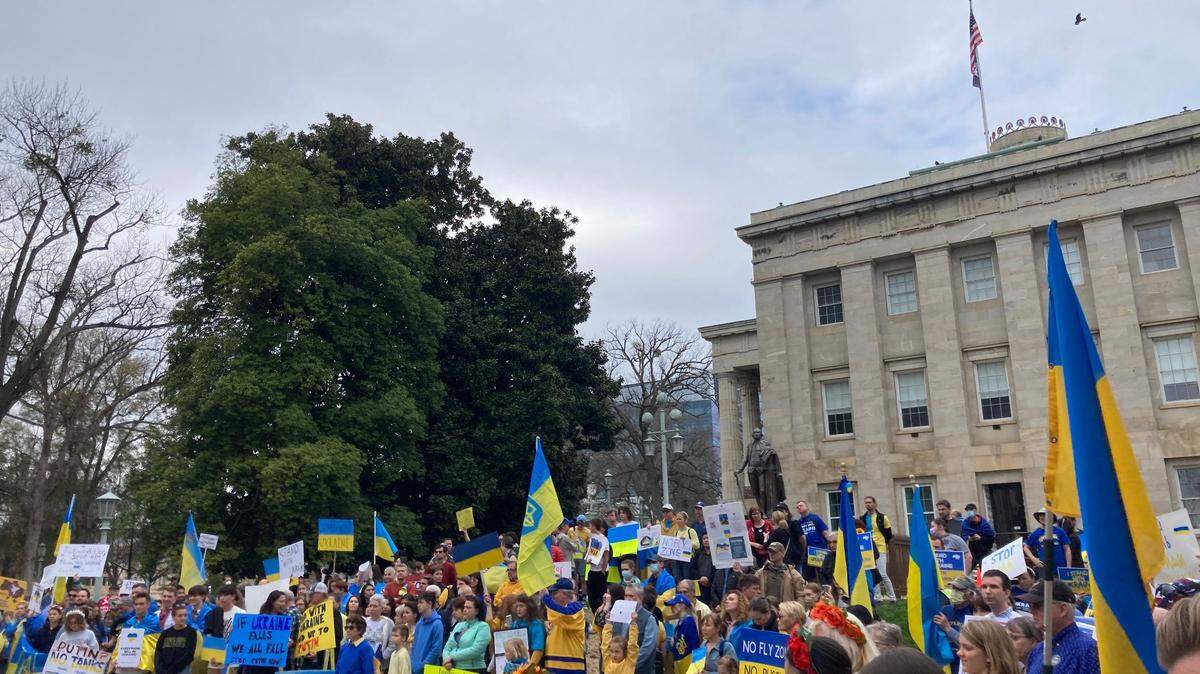
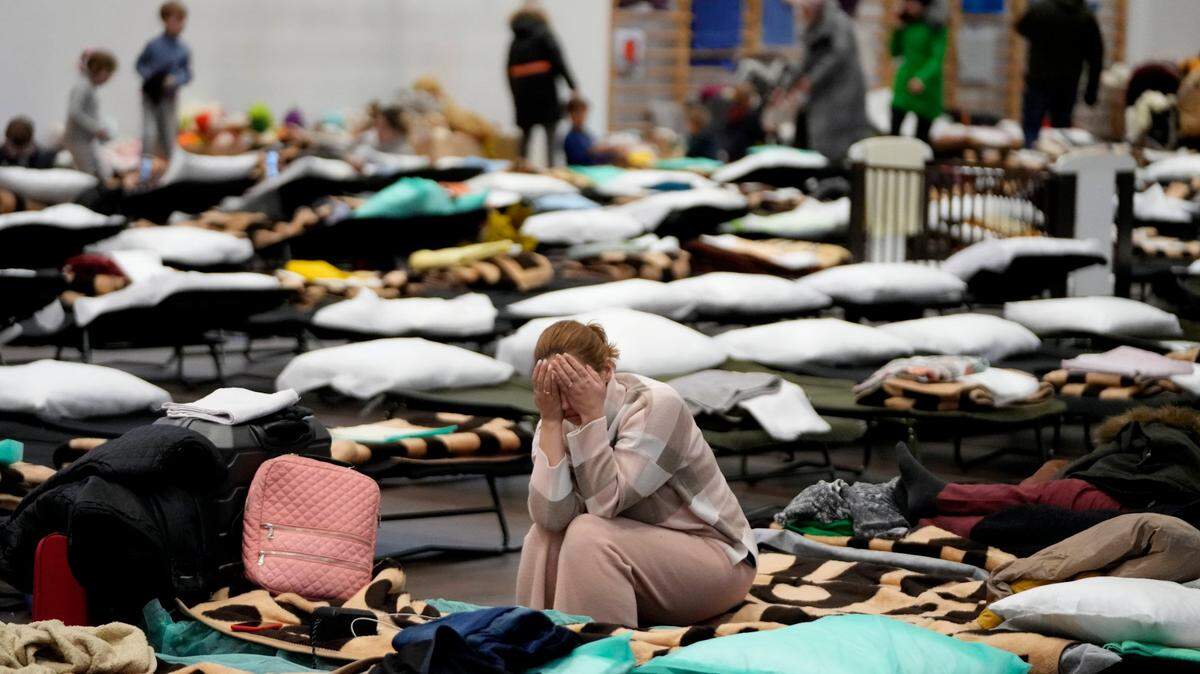
From inflation to mental health, Russia’s invasion of Ukraine can be felt all over the world. How is it affecting the people in the Triangle, and how are North Carolina-based forces involved in the defense against Russian aggression?
Expand All
Tens of thousands of service members on active duty at bases in North Carolina – and their family members – are keeping an eye on the Russian invasion of Ukraine.
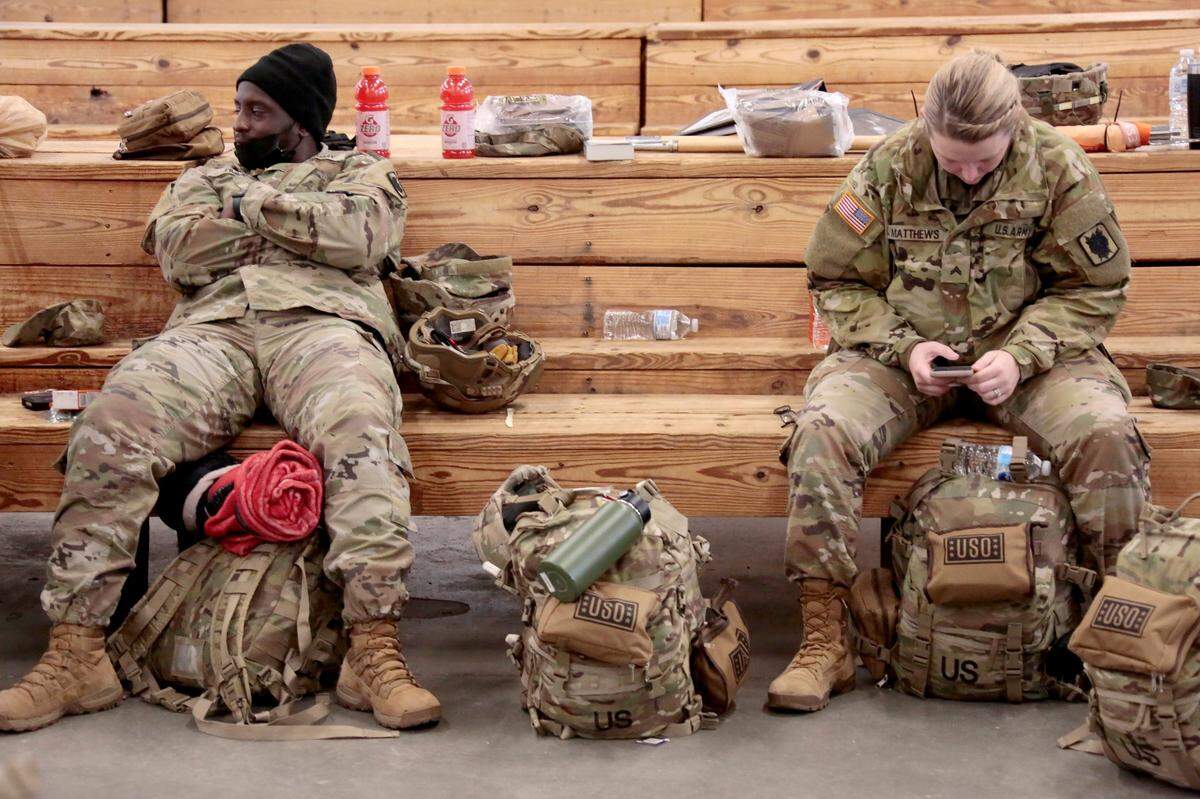
Experts say the U.S. is unlikely to get involved in the fighting. But about 2,000 troops based at U.S. Army Garrison Fort Bragg outside Fayetteville already have been deployed to Poland and Germany for training and to help prevent the spread of hostilities into allied countries.
Most of the N.C.-based troops deployed so far are with the 82nd Airborne. North Carolina is also home to Marine Corps Base Camp Lejeune and Marine Corps Air Facility New River, both near Jacksonville; Seymour Johnson Air Force Base in Goldsboro; and Marine Corps Air Station Cherry Point in Havelock. North Carolina also has a force of 11,000 members of the National Guard who can be called to active duty.
“The U.S. has made it clear that it does not want to get involved militarily in the Ukraine conflict,” said Charlie Dunlap, a retired U.S. Air Force major general who is now a professor and executive director of the Center on Law, Ethics and National Security at Duke University’s Law School. “However, the risk of misunderstanding and miscalculation is very real, and extremely dangerous.”
For example, Dunlap said, as the war wears on and casualties increase, Russian President Vladimir Putin could interpret U.S. arms transfers, sanctions and intelligence support to Ukraine as acts of war.
“In fact, Putin has already declared the sanctions are ‘akin to a declaration of war,’” Dunlap said. “We also can never forget that Russia has a massive nuclear arsenal.”
What effects could be seen in the U.S.?
Even without getting involved in a traditional armed conflict, Dunlap said, Americans can expect to see effects of the war here, including the possibility of Russian cyber attacks.
“They could aim them at what they believe are ‘soft’ civilian targets such as businesses, schools, banks, and even individuals,” Dunlap said. “Americans might not fully appreciate how so much of our day-to-day life depends upon functioning cyber systems, but their loss – even temporarily – could be very disruptive.”
In addition, he said, the U.S. would likely need to increase military spending, which could upset the federal budget, already strained by the effects of the COVID-19 pandemic.
The U.S. will need to replenish arms sent to Ukraine and invest in creating a stronger deterrent against aggression by Russia and other potential adversaries such as China, North Korea and Iran, Dunlap said.
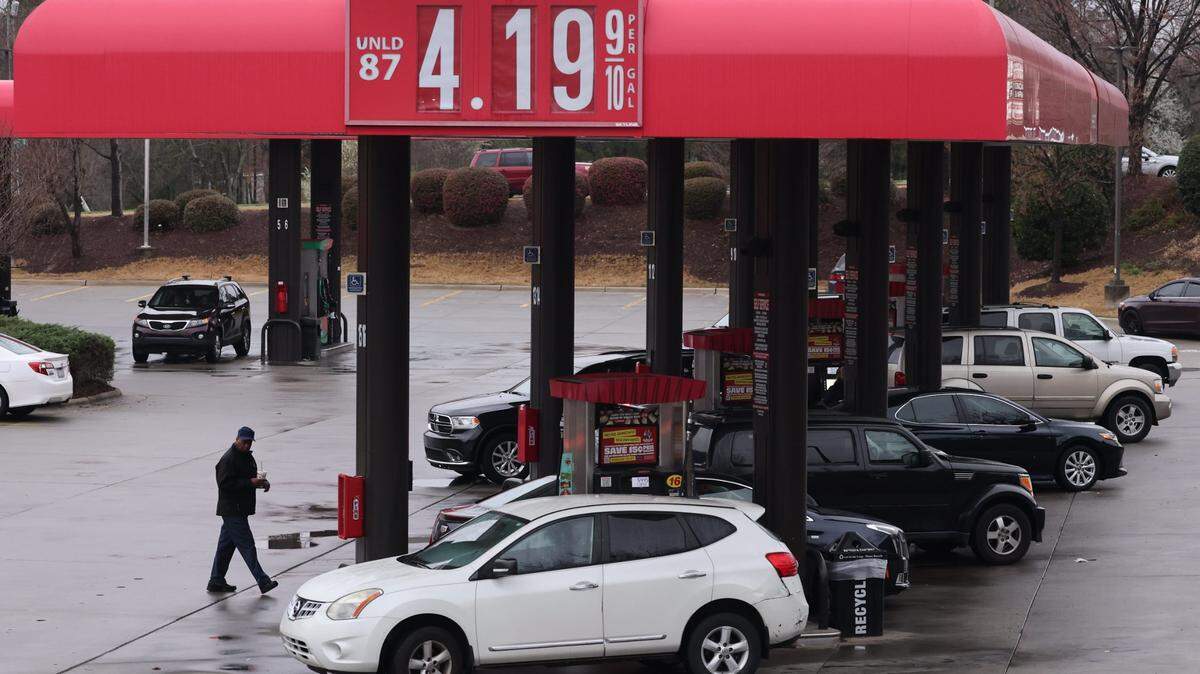
Economic sanctions against Russia, he said, could have effects here, causing greater inflation than the U.S. already is seeing, starting with the price of gas and cascading through the economy. While the U.S. is not a major importer of Russian oil, other countries that rely on Russian oil supplies will now be competing to buy from other international producers.
Supporting Ukraine, sanctioning Russia
Michael Struett, associate professor and chair of the Political Science Department at NCSU’s School of Public and International Affairs, said he believes Putin still draws a distinction between providing support to the Ukrainian government and actively participating in the fighting, and will not regard that help as an act of war.
But Struett said the U.S. should not try to enforce a no-fly zone over Ukraine, as some have suggested. “It would be an act of war to shoot down Russian planes,” Struett said, and that could escalate to nuclear war.
“The U.S. would never choose that because that would be insane,” Struett said.
Providing support to the Ukrainian government and imposing sanctions against Russia – actions short of direct military involvement – are necessary, Struett said.
“The alternative is allowing dictators to use military force to conquer their neighbors,” he said. “We decided this was illegal in the 1920s and we want the world to reaffirm that it’s still committed to this value system, which it has.”
In the absence of a response by the U.S. and others, he said, “The world needs to know that there would be many more Putins.”
Struett said he agreed with President Joe Biden’s assessment that higher gas prices in the U.S. are a price worth paying “in order to preserve the idea of democracy and freedom, and the right to live in societies where people govern themselves and aren’t conquered by outside powers.
“If we don’t defend it around the world,” Struett said, “we won’t have it in the U.S. for much longer either.”
This story was originally published March 13, 2022 at 6:00 AM with the headline "How NC-based military forces are helping to defend against Russian aggression."