‘Everyone feels the effects of it.’ How is the war in Ukraine really impacting NC?
READ MORE
The inescapable costs of war
From inflation to mental health, Russia’s invasion of Ukraine can be felt all over the world. How is it affecting the people in the Triangle, and how are North Carolina-based forces involved in the defense against Russian aggression?
Expand All
The war in Ukraine feels inescapable — even 5,000 miles away in downtown Raleigh, where the skyline is lit blue and yellow and pictures of bombed hospitals pop up on phones.
The immediate impact strikes, as usual, at the gas pump, then threatens to hike food costs, energy bills and even the price of beer.
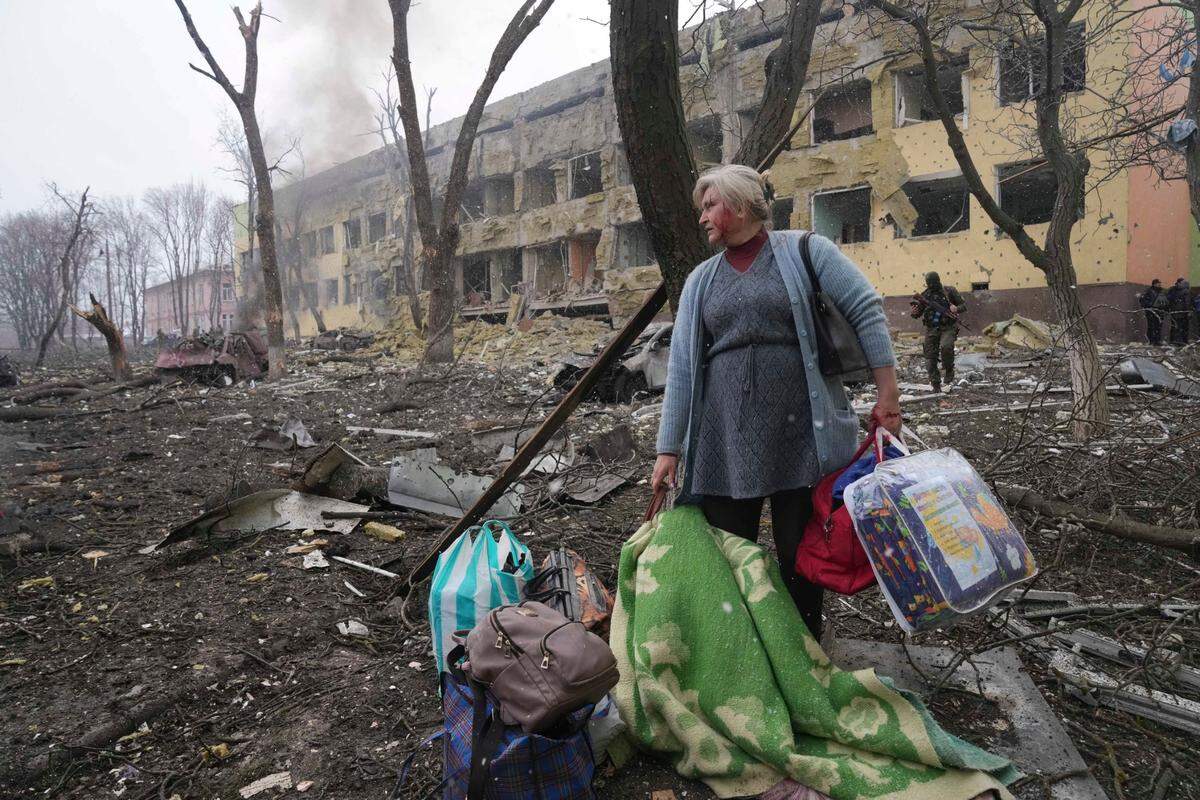
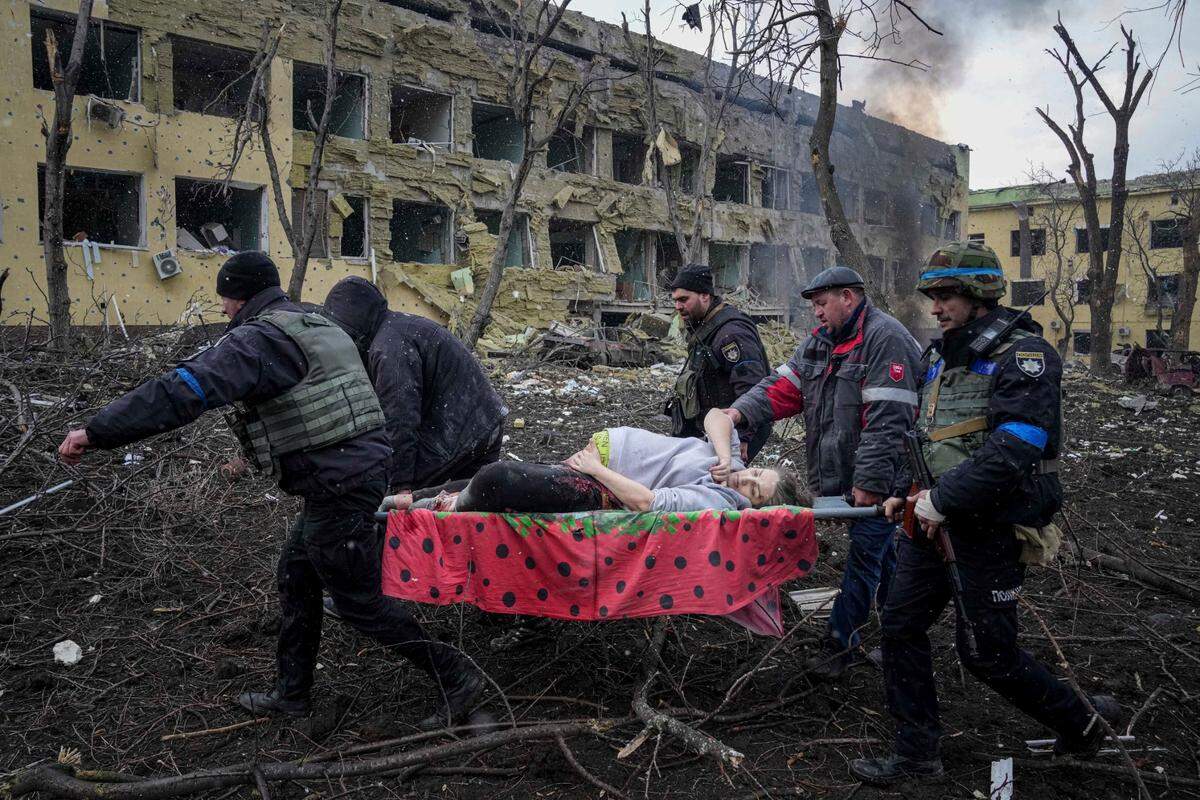
But the Russian invasion strikes deeper than the Triangle’s wallet, with live-streamed news showing tanks on fire and victims being dragged to mass graves.
For the million-plus people who live here, the war in Ukraine can feel like trauma on top of trauma — a sign the world may never feel right again, if it ever did.
“We’re starting to come out of the pandemic, and this war happens,” said the Rev. Nancy Petty, pastor at Pullen Memorial Baptist Church in Raleigh. “What can we do about that? How do we manage this time?”
Much remains uncertain, but here are the repercussions reaching all the way to North Carolina.
The rising price of gas
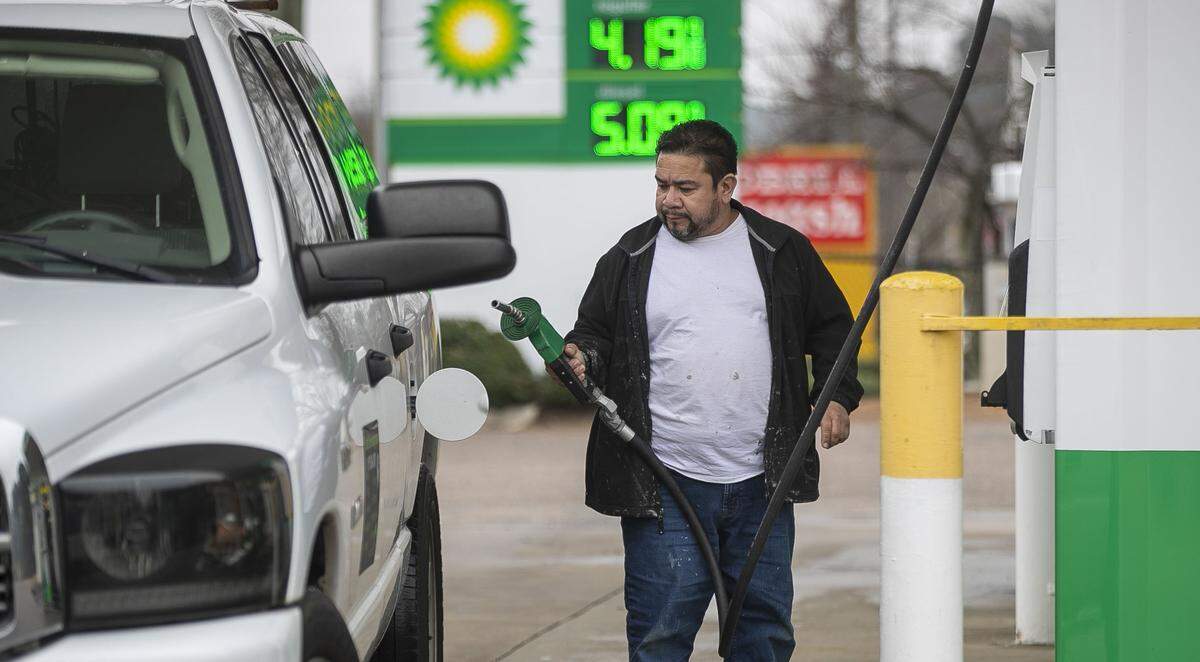
So far, the most direct and widespread impact of the Russian invasion on Americans is the sharp rise in the cost of gasoline.
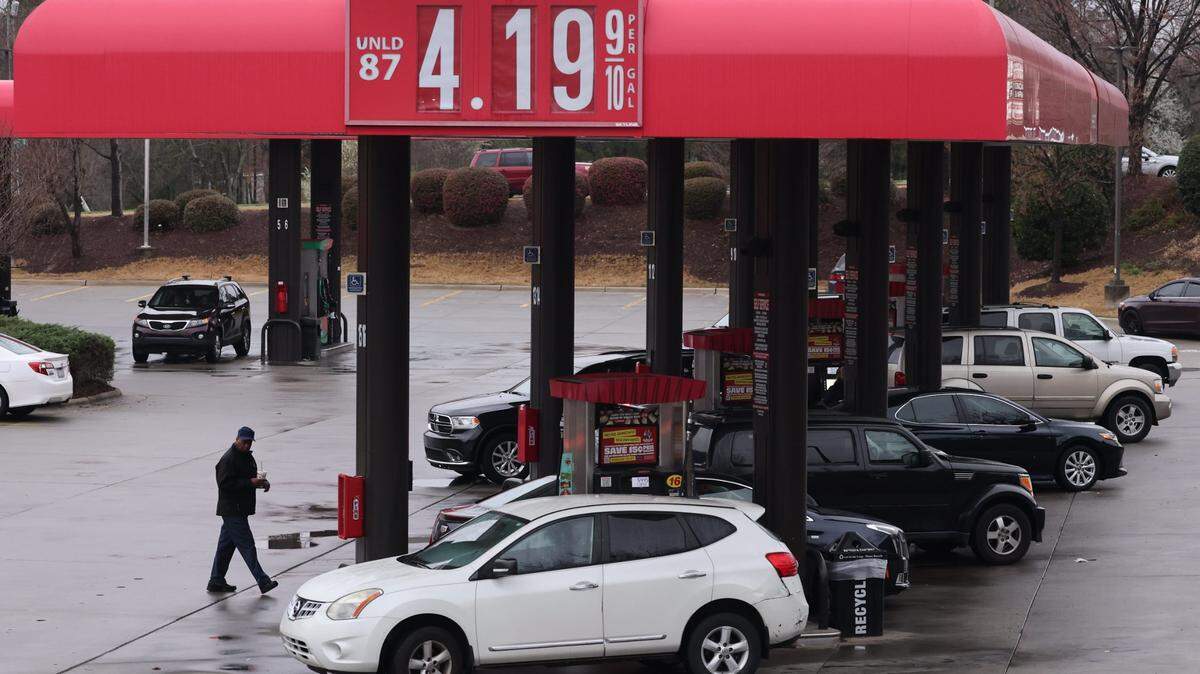
Gas prices in North Carolina had risen an average of 36 cents a gallon in the month before the invasion, according to AAA. Since Russian troops and tanks crossed into Ukraine on Feb. 24, they’ve risen another 72 cents, to $4.19 a gallon, as of Friday.
With the support of politicians from both parties, President Joe Biden banned the import of Russian oil and oil products last week, and warned Americans to expect to pay even more at the pump.
Gas prices will continue to inch up, though they could explode if the European Union opts to cut off Russian energy, said Patrick De Haan, an analyst for the website GasBuddy.com. Nationwide, he said, he expects the price to top $4.50 a gallon on average. Diesel prices have already surpassed $5 a gallon.
“This is a global commodity. And so everyone feels the effects of it,” De Haan said. “When we have a hurricane that knocks out U.S. oil production, oil prices don’t just go up in the U.S.; they go up globally as well. And that’s because we’re all tied together.”
[Read more about the war’s effect on gas prices here.]
The surging cost of wheat
So far, the war’s effect on price tags is hard to gauge — a train approaching from a distance.
Russia and Ukraine combined provide 25% of the world’s wheat exports, according to MarketWatch. Forbes reports wheat prices have surged by about 40% so far in March, and higher wheat prices mean Triangle consumers will likely pay more for bread, cereal, crackers, pasta, pizza dough, baking mixes and beer.
But, “It’s way too early to know where this will go,” said Andy Ellen, president of the N.C. Retail Merchants Association. “That wheat that’s in the field, it takes a while to get on the commodities market as bread.”
With fuel prices rising, it costs more to get products to retailers. It costs more for grocers to keep those products frozen. This compounds higher-than-normal fuel prices that predate Ukraine’s war.
“Already,” Ellen said, “we had those pressures on us as an economy.”
The mental health consequences of watching war in real-time
At Binkley Baptist Church in Chapel Hill, the congregation feels a long chain of weights tied around its shoulders, making life’s rows harder to plow.
The congregation dwindled under the isolation of the pandemic only to awaken to news of civilian bombing, adding to anxiety that continues to build.
“This is war in livestream,” said the Rev. Marcus McFaul, senior minister, “so that in real-time we are seeing the ravages of bridges and buildings blown up the weight of an already heavy time in a season of, say, six years.”
But this Sunday, the common lectionary in most mainline churches calls for Psalm 27: “The lord is the strength of my life; of whom shall I be afraid?”
Rely on the prayer and meditation that bring inner peace, McFaul counsels, and try not to lose the spiritual practices that can be grounding — even when world affairs turn grim.
“My counsel isn’t easy-peasy, as in don’t be afraid,” he said. “Ask yourself what is it you’re afraid of with this. Even articulating, it getting out there, releases some of the power.”
The rules of immigration
Every day, immigration attorney Alexander Eiffe handles eight Zoom or Skype calls from Ukrainian nationals – some of them stuck here on vacation, others offering their homes to friends under siege in Kyiv.
In February, his Greensboro firm AG Linett & Associates offered free consultations to anyone from Ukraine, waiving the $100 fee.
Since then, he works constantly on their cases from around the world, with everyone wanting to move themselves or their families someplace safe.
It isn’t easy.
Those seeking asylum find out they need to be here already.
Those seeking to extend a tourist visa find out they won’t be able to work in the United States.
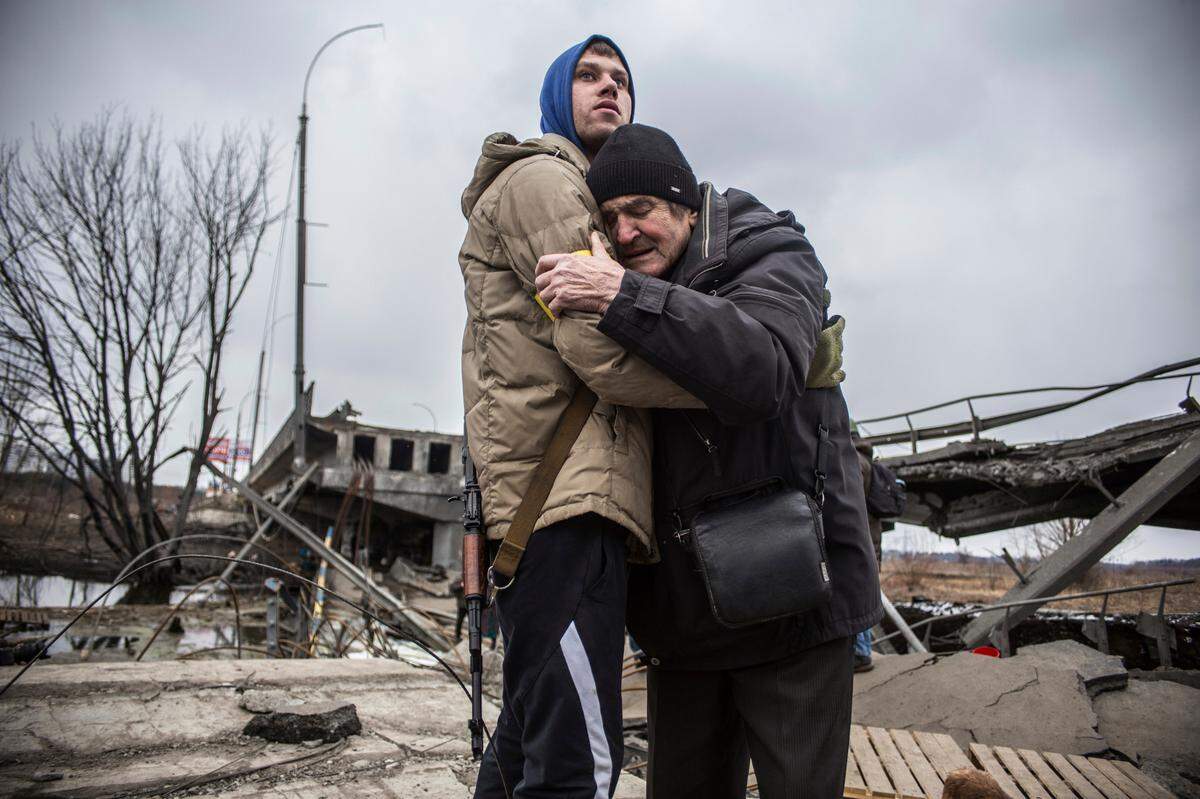
“I talked to some people yesterday who were on vacation in Mexico and they can’t go back because home is now a war zone,” Eiffe said. “Some people have apartments that don’t exist anymore. Some are contemplating leaving their husbands. It’s just a lot.”
With millions fleeing war, some of the pipelines out of Ukraine might open up wider soon as immigration rules change. And if Russian President Vladimir Putin sets up a puppet government, asylum becomes easier to seek.
But for now, he keeps taking free calls until the end of March – one family at a time.
The search for peace after a pandemic, during war
In late February, Pullen Memorial Baptist Church in Raleigh was set to celebrate a big anniversary: 25 years since blessing its first same-gender union.
The sanctuary was full of people ready to shake off two years of pandemic and embrace life anew. Then came a hurdle.
“How in the world do you have this big celebration and all this gratitude while this war’s broken out and people are suffering and being killed?” asked Pastor Nancy Petty.
Pullen borrowed a Ukrainian flag and draped it over the communion table. And the general acceptance came that gratefulness and grief can coexist, as in life.
“To look at what can we do, for Christians right now, we’re in Lent,” Petty said. “We can intentionally make space to hold the Ukrainians in our prayers. We can fast and take the money that we might spend on a meal and give that to an organization that’s on the ground in Ukraine. To manage what can feel overwhelming, you find these small acts. Sit quietly and hold some space. Send your energy toward peace.”
The stoppage of sales and service in Russia
IBM and Red Hat, two of the largest technology employers in the Research Triangle, said last week that they would stop sales and services to companies based in Russia and neighboring Belarus, which is supporting the Russian invasion.
Both companies have employees in Ukraine and Russia, and have begun efforts to help support them or help them leave the country. (Many workers cannot leave the country because Ukraine barred adult men from leaving, asking them instead to stay and fight.)
Red Hat chartered several buses to help families of its workers escape to Poland. IBM created a mapping app that helps Ukrainian employees and contractors connect with colleagues in Eastern Europe who can offer lodging, transportation and food.
“The safety and security of IBMers and their families in all areas impacted by this crisis remains our top priority,” IBM CEO Arvind Krishna said in a letter to employees.
SAS, Cary’s largest employer, has also halted business in Russia, and put its nearly 200 employees there on paid leave, a SAS spokesperson told the Triangle Business Journal.
Epic Games, the Cary-based video game company behind the popular game Fortnite, said, in a Tweet, that it was “stopping commerce” with Russia in its games. However, the company added, it would not restrict access.
In regards to Russia, GSK is taking a stand that appears to be popular among many health-focused companies: halting advertising, but not the sales of health products.
“In line with our purpose to support people’s health, regardless of race, sex, nationality, ethnicity, language or religion, we believe everyone has the right to access healthcare,” the company wrote.
[Read more about how Triangle companies are responding to the war here.]
The shifting economy
Russia’s invasion of Ukraine has roiled the global economy and panicked investors, but adjusting an investment strategy in response to war can be treacherous, advisers say.
“Don’t pull your money out. Don’t stop investing,” Jeremy Schneider, a finance expert at Personal Finance Club, told Time Magazine. “Any reaction you have to the situation is more likely to hurt you than help you.”
But Russia’s invasion might signal a shift in the worldwide economy, causing investors to rethink their long-term approaches to wealth management.
Decades of relative harmony among the world’s largest nations fostered an international trading ground. Russia’s attack on Ukraine has disrupted that unity, instigating what some fear could be “the Cold War 2.0.”
Christian Lundblad, a UNC-Chapel Hill distinguished professor of finance, expects the same. Consumer inflation jumped 7.9% over the past year, according to a Thursday report from the U.S. Labor Department. The increase reflects 12 months ending in February – before oil and gas prices surged – and still marks the sharpest spike in 40 years.
“If this is creating a kind of new world order,” Lundblad told The News & Observer, “perhaps where there is more fragmentation of the kind of globalization that we’ve seen since the end of the Cold War, that means the arguments for how we want to structure a well-diversified portfolio just get more complicated.”
[Read more about the war’s effect on stock prices and the economy here.]
The fear of a war with Russia
Michael Struett knows most Americans couldn’t place Ukraine on a map within 1,000 miles, and have only the vaguest idea of the republic’s history with neighboring Russia or the role the U.S. played in the expansion of NATO in the region in the 1990s.
“But then they see pictures in the media of the human suffering, of people whose homes are being bombarded,” said Struett, associate professor and chair of the Political Science Department at NCSU’s School of Public and International Affairs, “and I think everybody understands what that means. The assault on innocents. I think that’s clearly what gets people’s attention. ... To some extent people always have in the back of their minds, ‘Are we going to get into some kind of war ourselves? War with Russia?’ “
Struett said he believes there is very little chance the U.S. would get involved in the conflict militarily, risking regional escalation and possible nuclear attacks.
But he said it’s likely Russia’s assault on Ukraine will grind on for a long time.
“The U.S. tends to be somewhat insular because of these nice big oceans we have on the east and west,” Struett said. “The rest of the world seems very far away. But we have a very big impact on what happens around the world.”
The expanding roles of educators
UNC-Chapel Hill political science professor Graeme Robertson has been conducting research and working with colleagues in Ukraine and Russia for decades, so this “brutal act of aggression” by Vladimir Putin is personal for him.
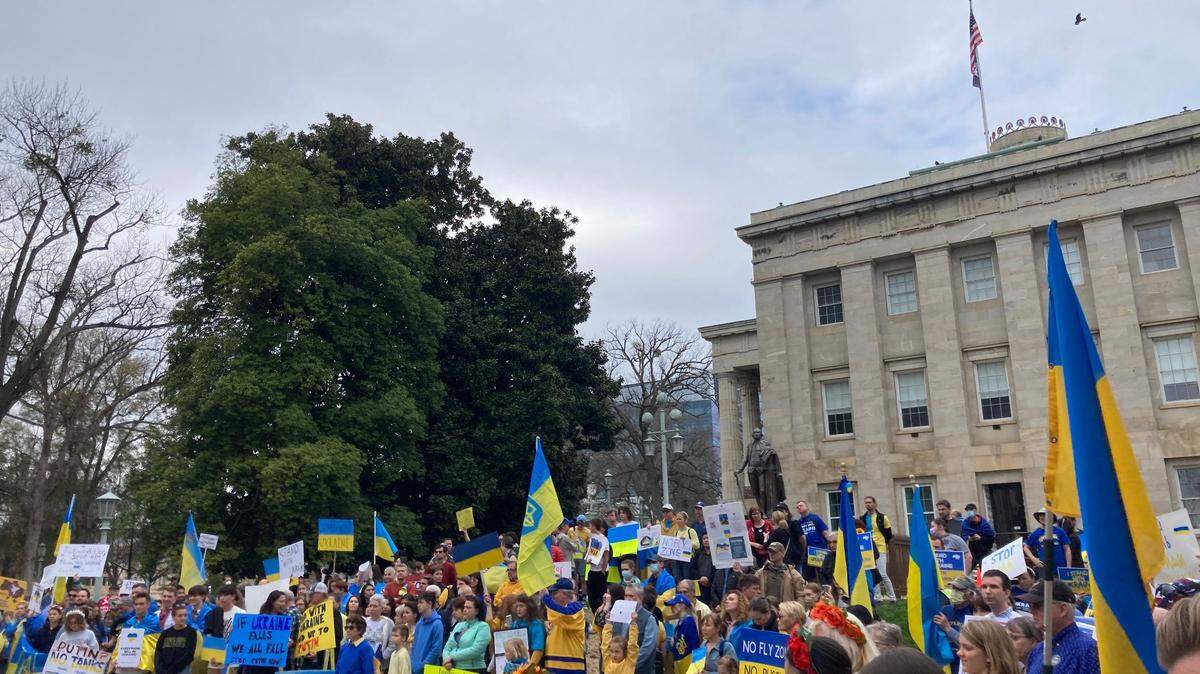
But, since the invasion, he’s embraced his role as an educator for students and local residents. As director of UNC’s Center for Slavic, Eurasian and East European Studies, Robertson and his colleagues organized a rally on campus, set up Zoom calls with colleagues from Kyiv and spoke to high school students about the attacks and their political implications.
“It’s our job to amplify the voices of Ukrainians and to as far as possible get their authentic messages, their emotions, their political demands, their needs - humanitarian and otherwise out,” he said.
Robertson said he’s never had an audience so large, engaged and emotional. He attributes some of the attention and resonance to the sheer access students have to the conflict through social media, particularly on Twitter, TikTok and the authentic videos from Ukrainian President Volodymyr Zelenskyy.
“Students I’ve spoken to in high schools and undergraduates on campus, they refer to this as the TikTok war sometimes,” Robertson said. “It’s on their minds in a way that they don’t have to reach out of their normal comfort zone to access news about this, it comes to them.”
The angst of knowing family is in harm’s way
Teresa Jones’ daily prayers keep getting longer.
It is one thing to coordinate relief for Baptists on Mission in Cary, arranging food, blankets, clothing and medicine for the refugees pouring out of Ukraine.
But on the other end of the phone, the site manager in Hungary is her 33-year-old daughter, Alicia – precariously close to the fighting.
“Any time you let your children go and live in a foreign country there is a certain amount of angst,” Jones said. “What helps me – and her – is that she has a very strong calling from God to be there. She is fluent in Hungarian.
“She called me when this war first broke out and she said, ‘I know I am called to be here and I am supposed to stay here,’” Jones said. “She actually has felt quite prepared for this because of all the relationships she has developed there over the past 10 years.”
Alicia works in eastern Hungary, her mother said, about 45 minutes from the Ukrainian border. Before the conflict started, some of her main work for Baptists on Mission involved a week-long Bible camp for public school children.
Now Jones is sending teams of volunteers to help with basic humanitarian needs, and she expects to send more. Meanwhile, it is impossible not to think about the danger.
“I pray for wisdom for myself and my daughter, because we’re making a lot of decisions,” Jones said. “I pray for her safety. I pray for continued strength to get the task before us done. I pray for all of the workers I know in Hungary. I pray for the people of Ukraine. And I pray this war will end.”
Staff writer Brooke Cain contributed to this report.
This story was originally published March 13, 2022 at 5:45 AM with the headline "‘Everyone feels the effects of it.’ How is the war in Ukraine really impacting NC?."
.JPG)