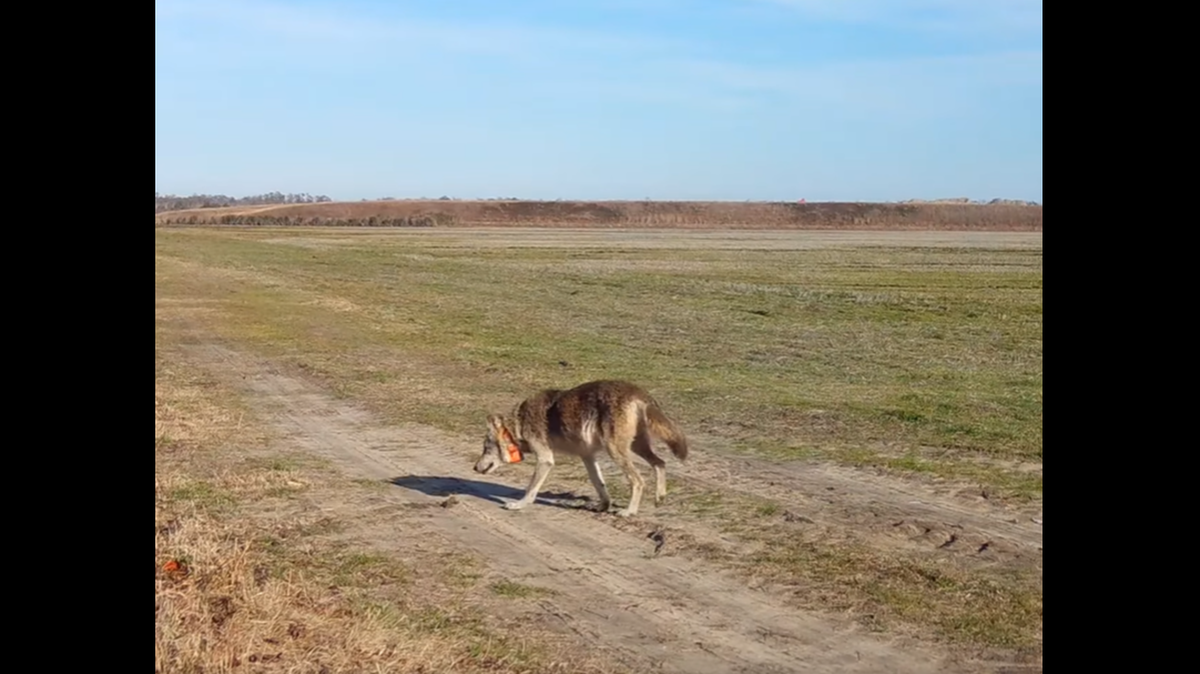
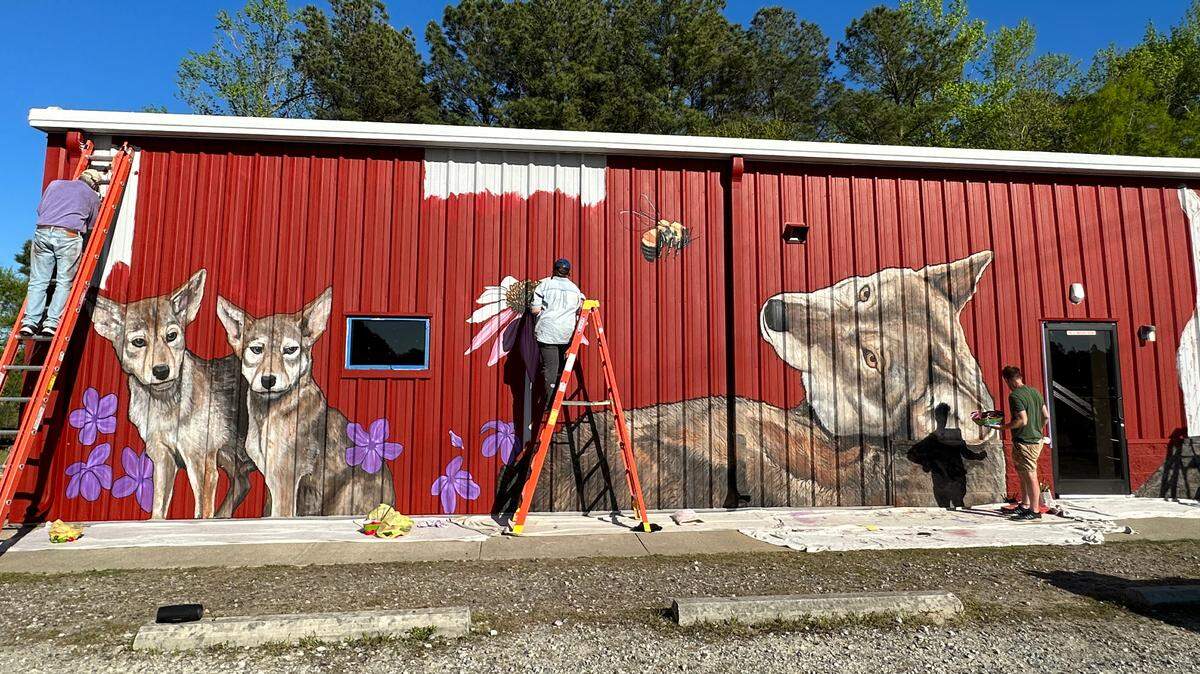
Nearly 20% of wild red wolves have died on NC roads, including one this month
READ MORE
The endangered red wolf
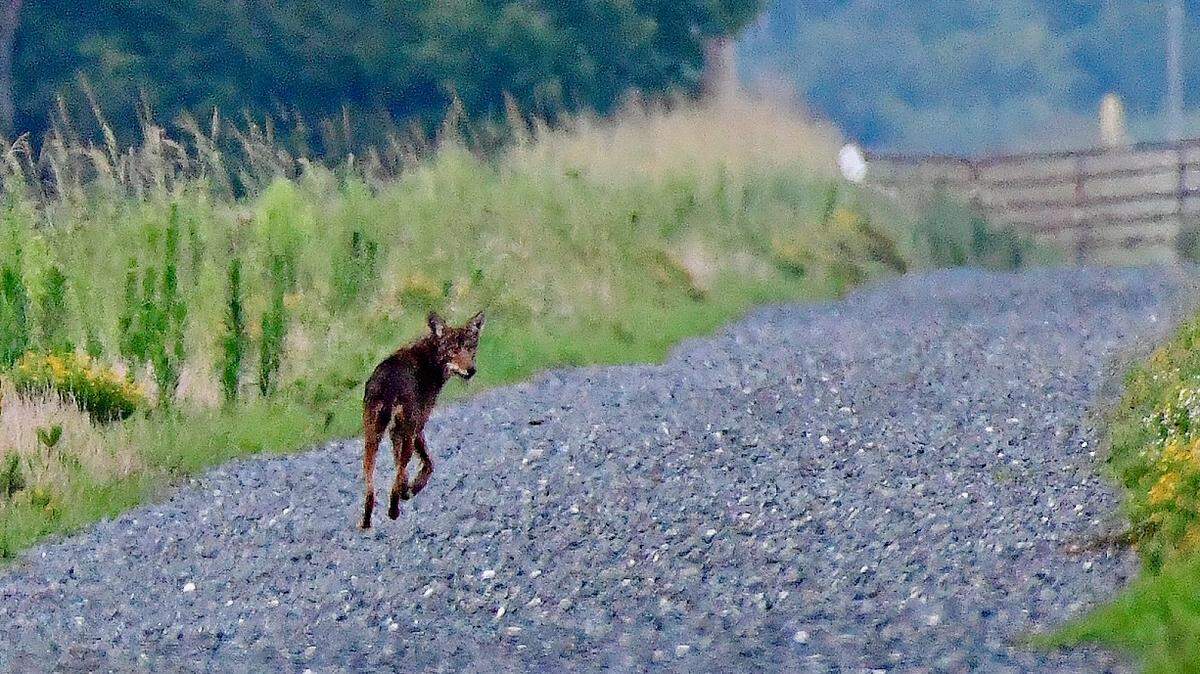
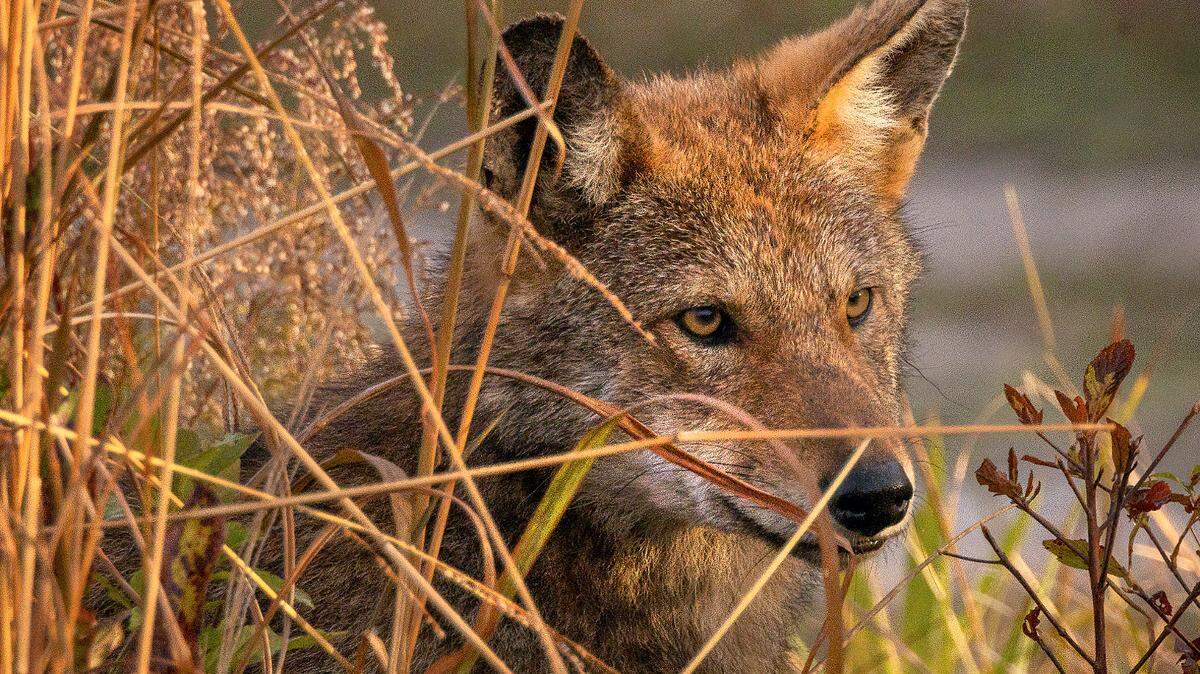
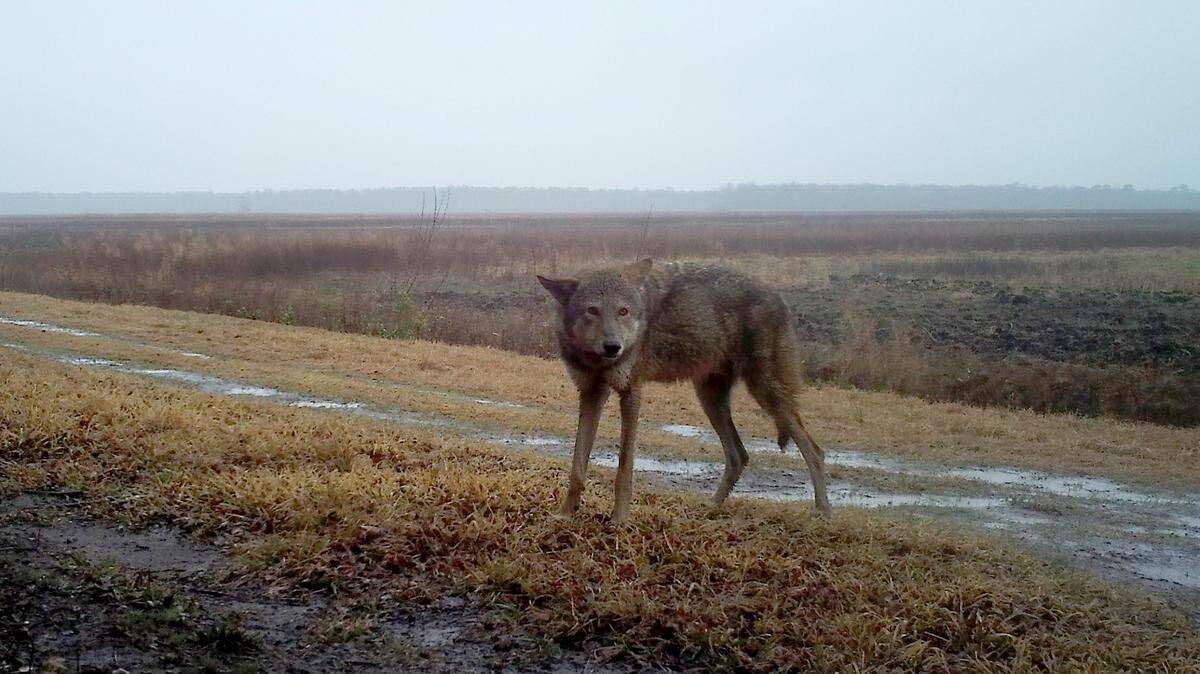
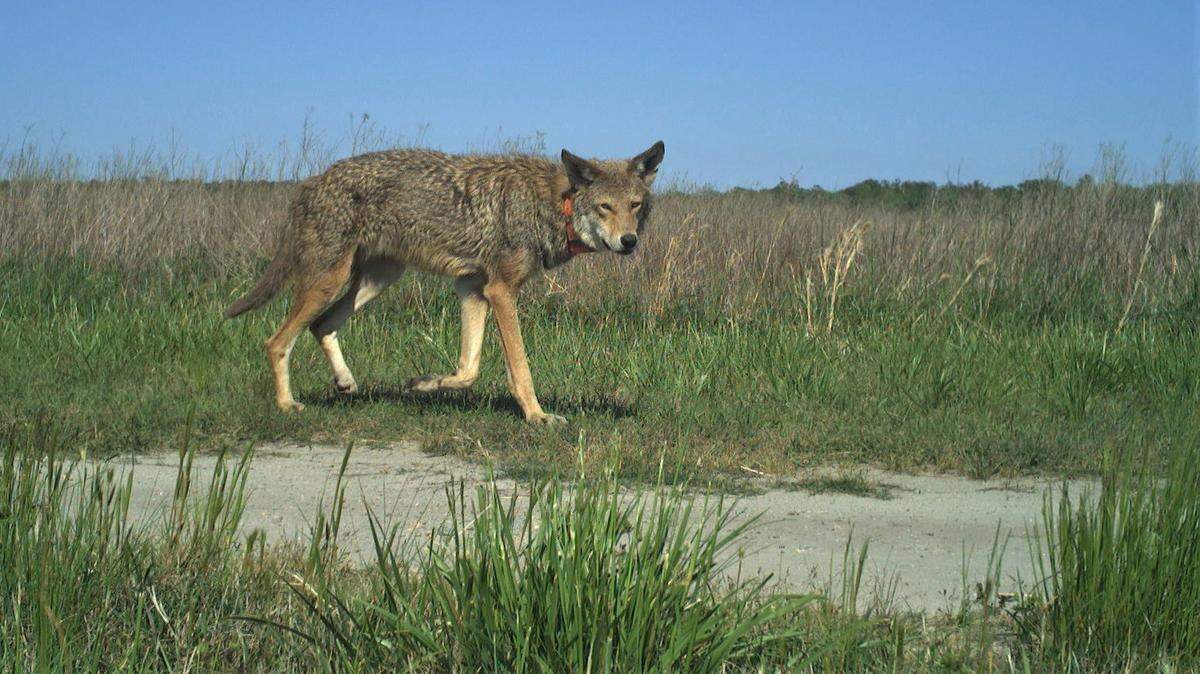
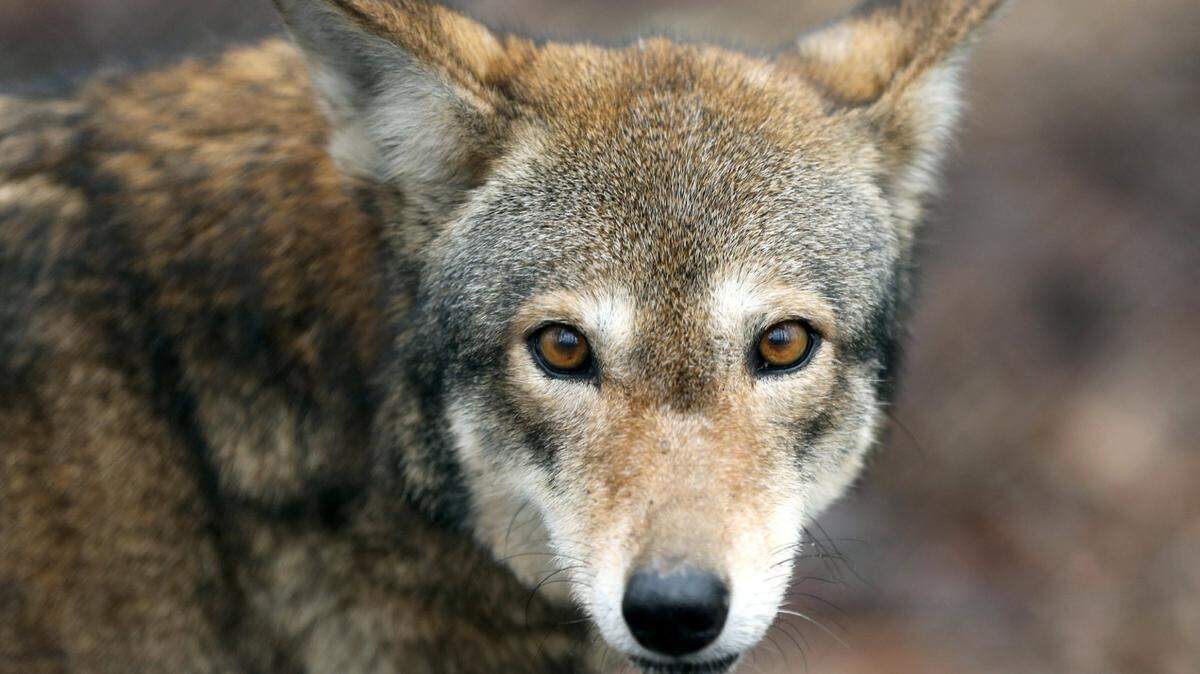
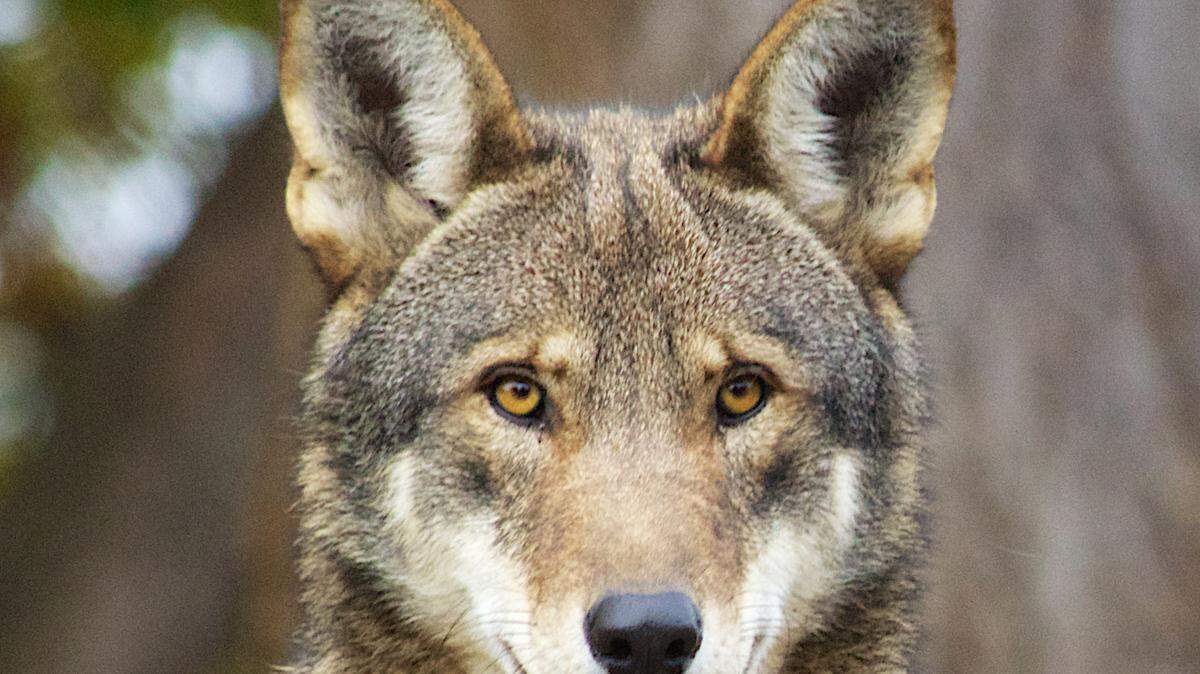
North Carolina is the only place where endangered red wolves live in the wild, but the species has been in perilous decline for a decade due to illegal gunshot injuries, vehicle strikes and, sometimes, natural causes. Now, North Carolina scientists are studying the correlation between their decline and the effects that has on the broader ecosystem. The News & Observer looks at what happens when red wolves start to disappear.
Expand All
An endangered red wolf was hit by a vehicle and killed on U.S. 64 in early June, according to the U.S. Fish and Wildlife Service, the third wolf killed on the road since September.
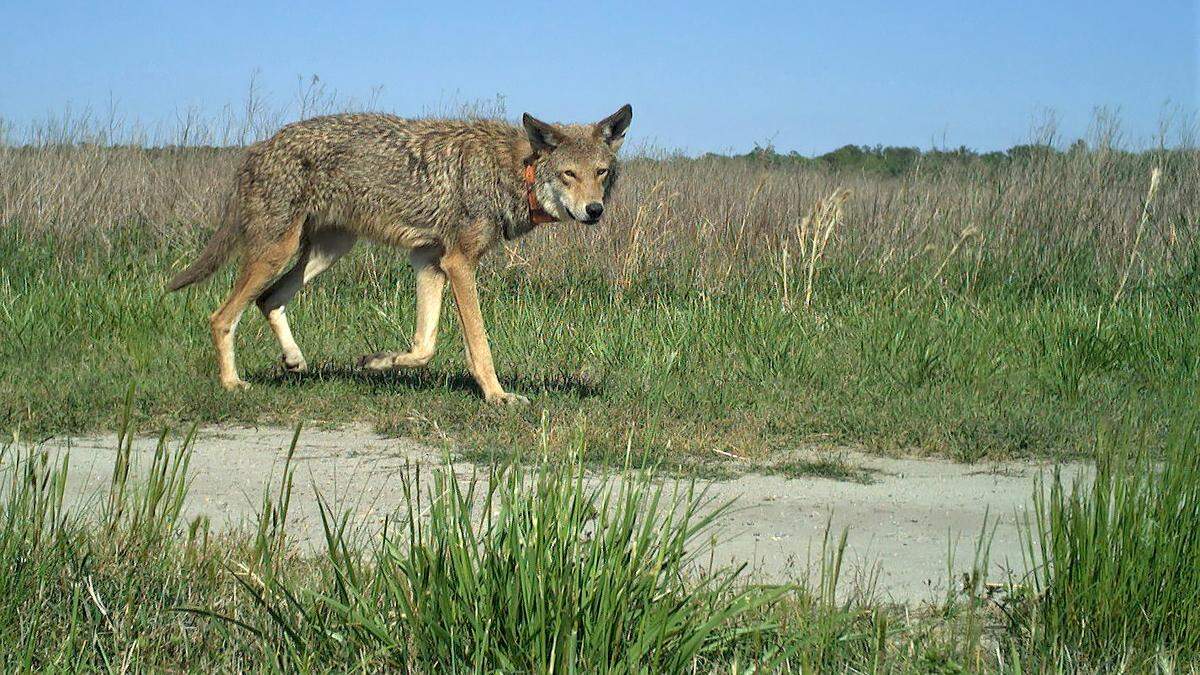
About half of he wild population of red wolves live on the Alligator River National Wildlife Refuge in Dare and Hyde counties, with others spread across the Albemarle Peninsula.
U.S. 64, a key thoroughfare for tourists traveling to and from the Outer Banks, splits the Albemarle Peninsula refuge. Signs in the area warn drivers to be aware of red wolves crossing the road. That hasn’t stopped the spate of recent deaths.
“With the right road crossing structures and fencing to guide the wolves to those structures, we could seal up US 64 and keep the red wolves safe at Alligator River National Wildlife Refuge,” said Ron Sutherland, chief scientist of the Wildlands Network.
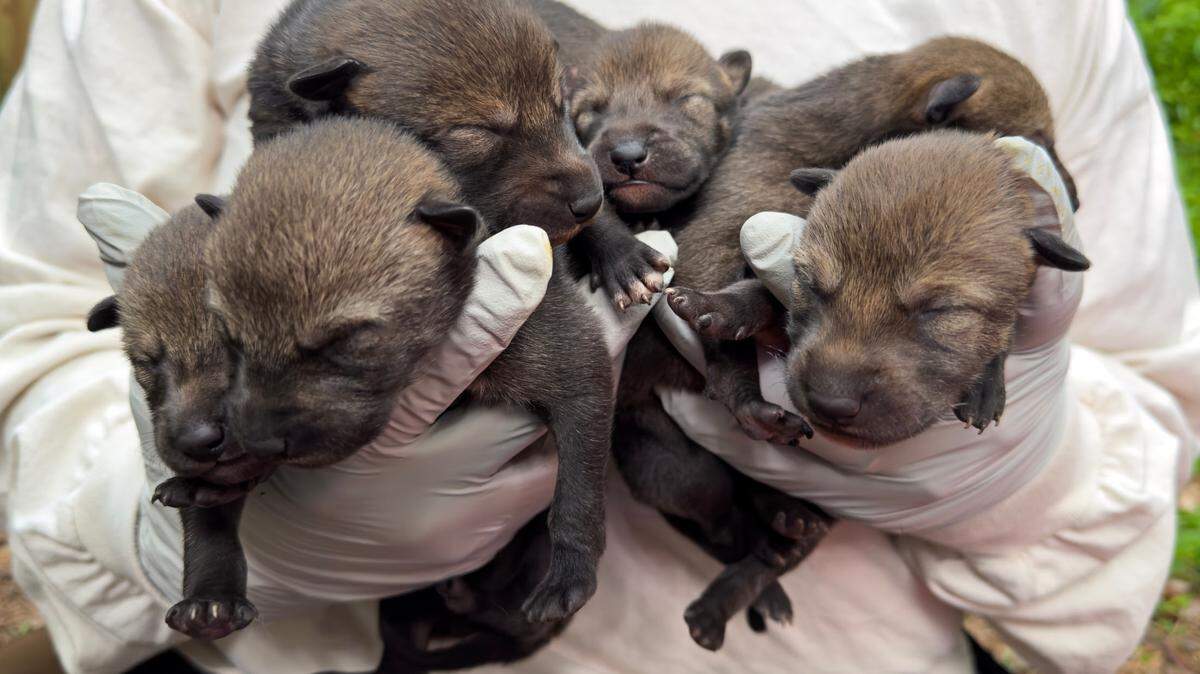
The red wolf killed this month, known as 2444M, was about 2 years old and was born at the Endangered Wolf Center in St. Louis, Missouri. He had recently fathered five pups, who were born in a pen the Fish and Wildlife Service uses to help wolves become familiar with each other and with living in the wild.
When the pen was opened, the family group moved a few miles away, according to the Fish and Wildlife Service. The male red wolf appeared “to be transitioning well into the wild and as a new father,” Fish and Wildlife Service officials wrote.
On June 5, a vehicle struck and killed the red wolf on U.S. 64 near Buffalo City Road.
Another breeding male whose mate had recently given birth to a litter of puppies was killed on U.S. 64 last September. In April, one of his offspring, a red wolf known as Muppet for his long, thin neck, was also killed on the road.
There are between 18 and 20 red wolves in the wild, living in a five-county Northeastern North Carolina area that includes Beaufort, Dare, Hyde, Tyrrell and Washington Counties This spring, 13 puppies were born in the wild, wolves that won’t be added to the population count until they are a year old.
Another 257 red wolves live in captivity, including some across North Carolina.
Earlier this year, Adeyha, a red wolf at the Museum of Life and Science in Durham, gave birth to a litter of seven pups.
Seeking funds for a crossing
A group of conservation organizations are seeking money that could be used to secure federal funds to build wildlife crossings on U.S. 64.
The Bipartisan Infrastructure Law included $350 million for wildlife crossings, with the second round of funding taking place this year. To receive federal money, 20% of the money for a project needs to come from private or state sources.
An anonymous donor has pledged $2 million to the estimated $20 million U.S. 64 project. That money will be delivered to the N.C. Department of Transportation if an additional $2 million can be raised.
The coalition seeking funds includes the Center for Biological Diversity, the National Parks Conservation Association, the Tuscarora Nation of North Carolina and the Wildlands Network.
“It is incredibly hard hearing this steady drumbeat of dead wolves on the highway when there are so few left in the wild, and when the science-based solution is so close at hand if we can just raise the money,” said Sutherland.
There isn’t an official deadline to raise money, but last year’s Wildlife Crossing Pilot Program application period ended Aug. 1.
Will Harlan, the Center for Biological Diversity’s Southeast director and senior scientist, noted that about 20% of wild red wolves have been killed by vehicles in the past year, including a female red wolf found fatally injured on the side of a road in the Pocosin Lakes refuge last July and another female red wolf killed on U.S. 264 in December.
“That’s 20% of the population lost in a year to vehicle collisions. It’s heartbreaking, and the population can’t sustain these types of losses that much longer,” Harlan said.
Those interested in learning more or donating can visit www.saveredwolves.org.
NC Reality Check is an N&O series holding those in power accountable and shining a light on public issues that affect the Triangle or North Carolina. Have a suggestion for a future story? Email realitycheck@newsobserver.com
This story was produced with financial support from the Hartfield Foundation and Green South Foundation, in partnership with Journalism Funding Partners, as part of an independent journalism fellowship program. The N&O maintains full editorial control of the work. If you would like to help support local journalism, please consider signing up for a digital subscription, which you can do here.
This story was originally published June 14, 2024 at 7:00 AM with the headline "Nearly 20% of wild red wolves have died on NC roads, including one this month."
CORRECTION: The wild population of red wolves lives across the Albemarle Peninsula, with about half living on the Alligator River National Wildlife Refuge in Dare and Hyde counties. An earlier version of this article incorrectly stated where the population can be found.