Rare, red wolf shot and killed in eastern North Carolina. Now there’s a reward.
READ MORE
The endangered red wolf
North Carolina is the only place where endangered red wolves live in the wild, but the species has been in perilous decline for a decade due to illegal gunshot injuries, vehicle strikes and, sometimes, natural causes. Now, North Carolina scientists are studying the correlation between their decline and the effects that has on the broader ecosystem. The News & Observer looks at what happens when red wolves start to disappear.
Expand All
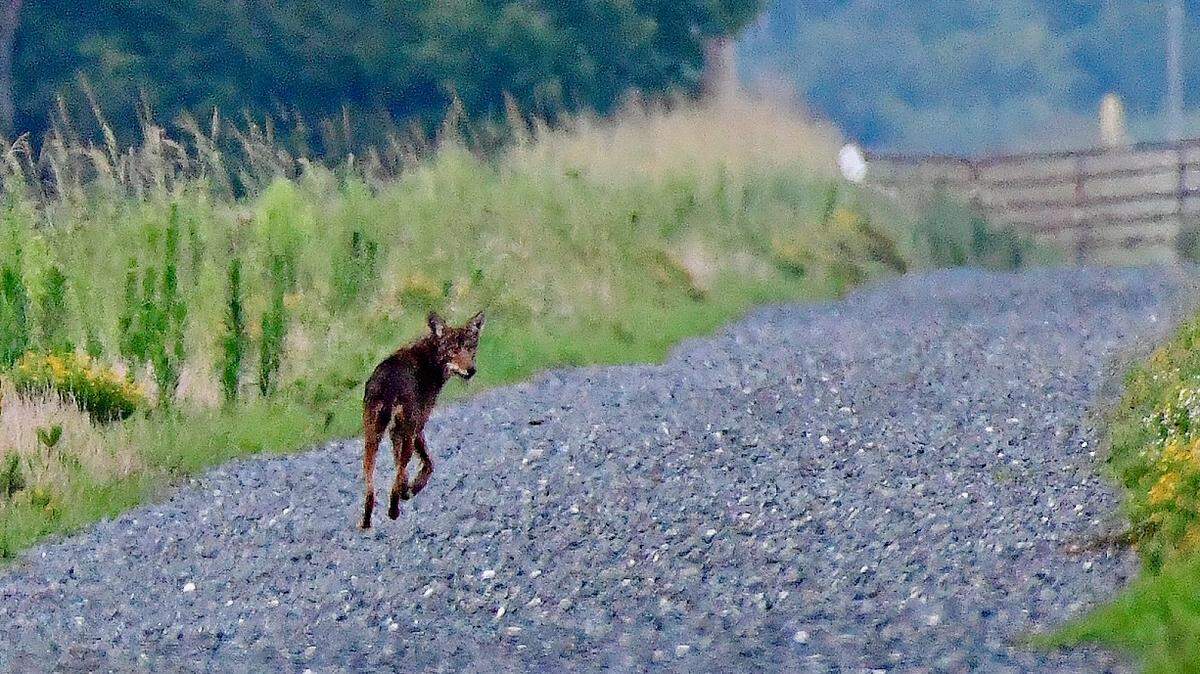
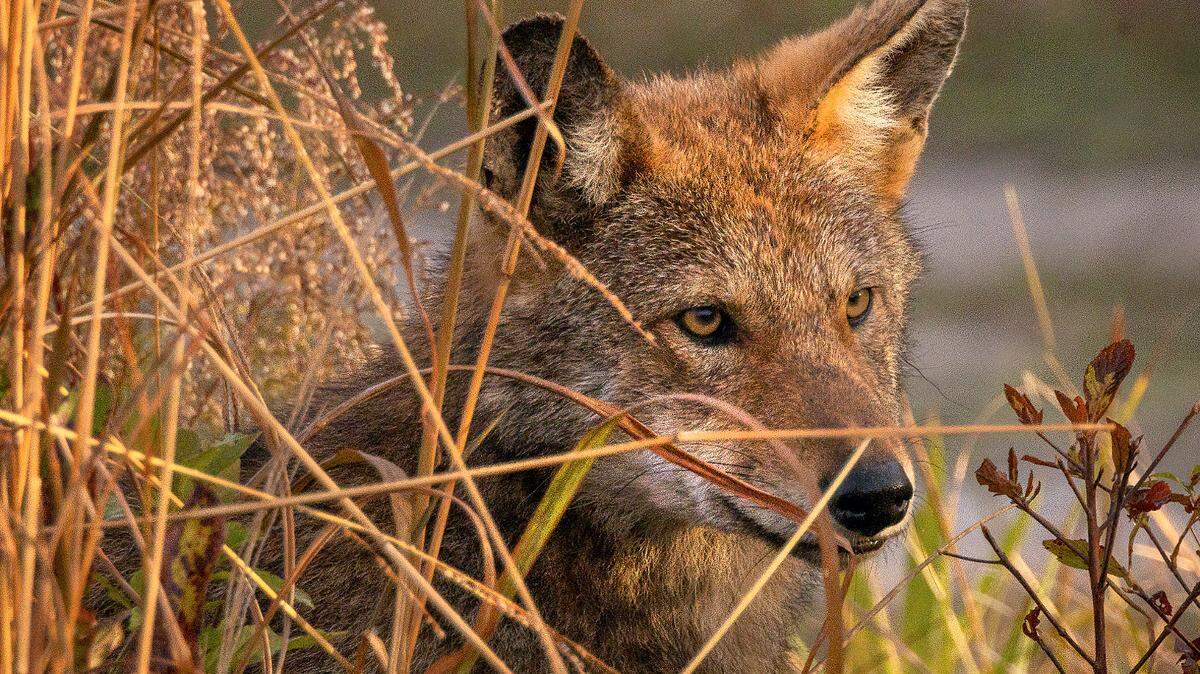
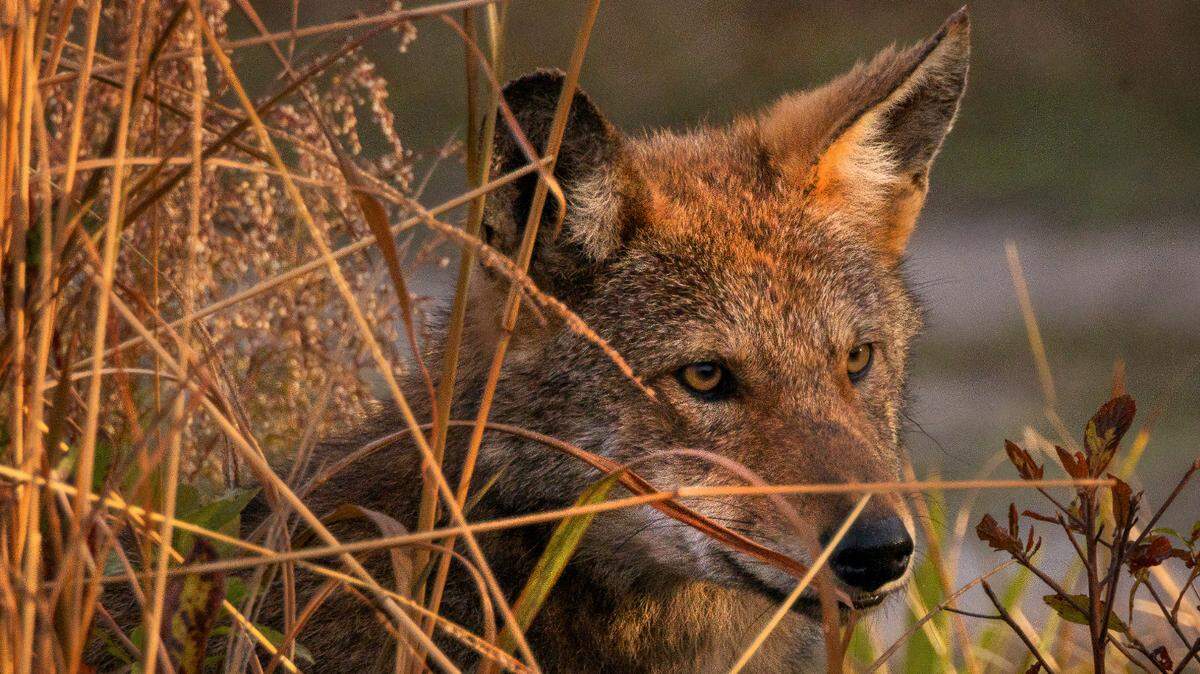
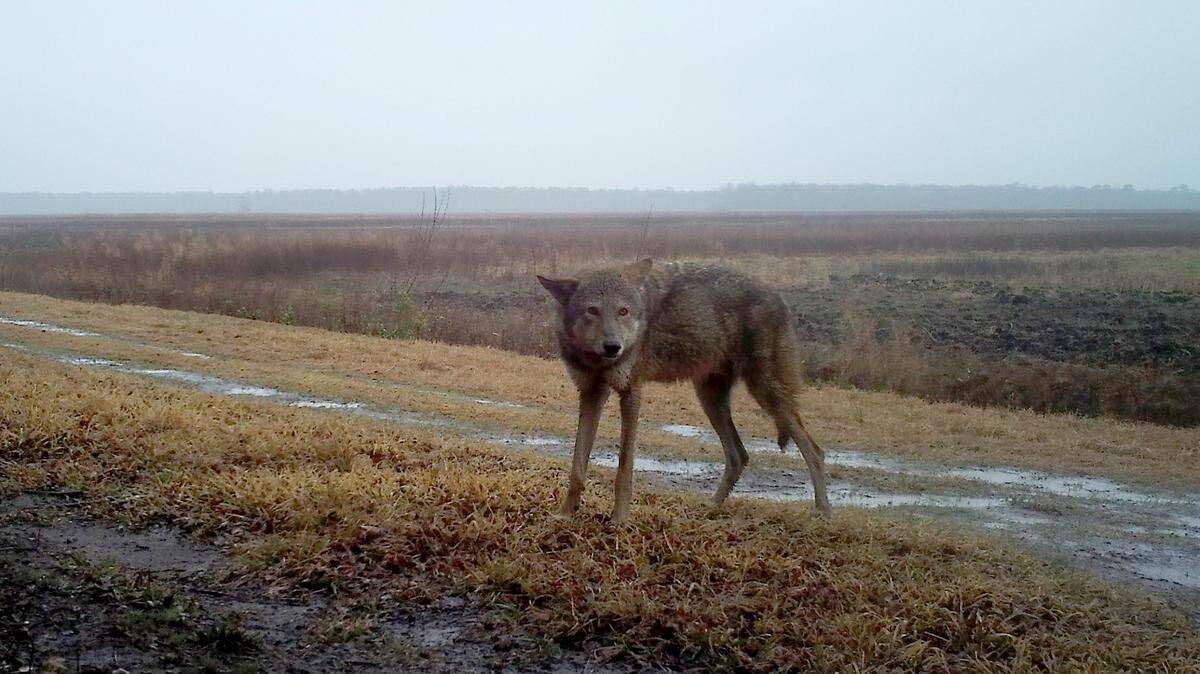
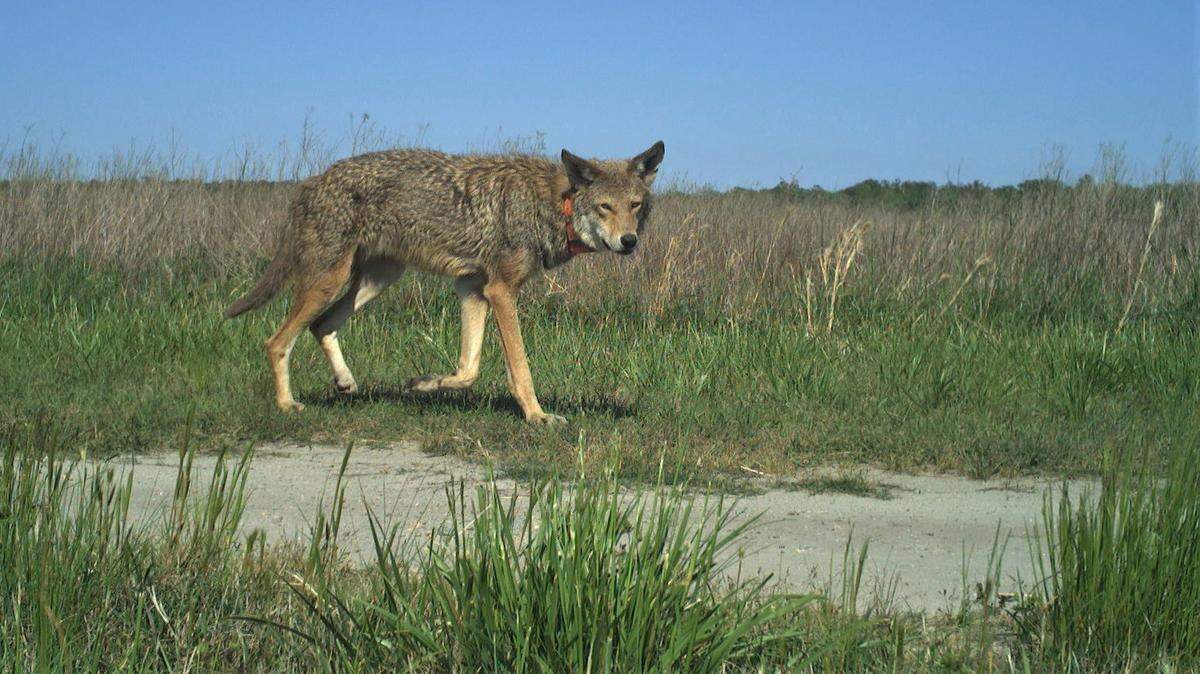
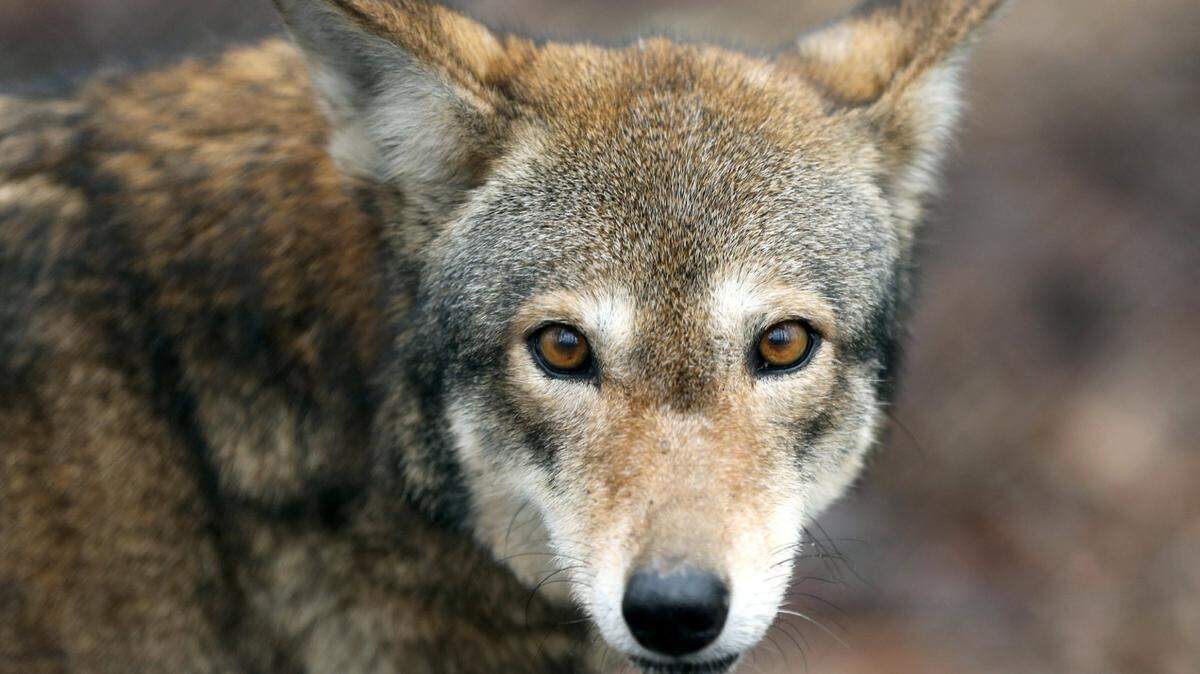
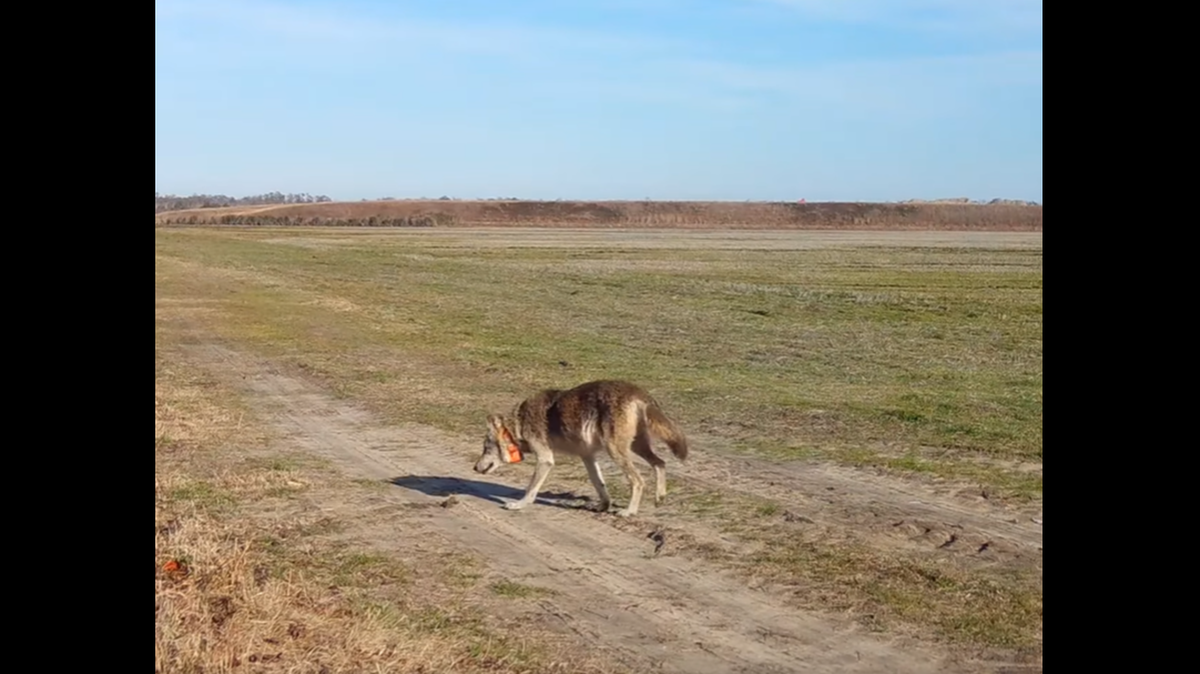
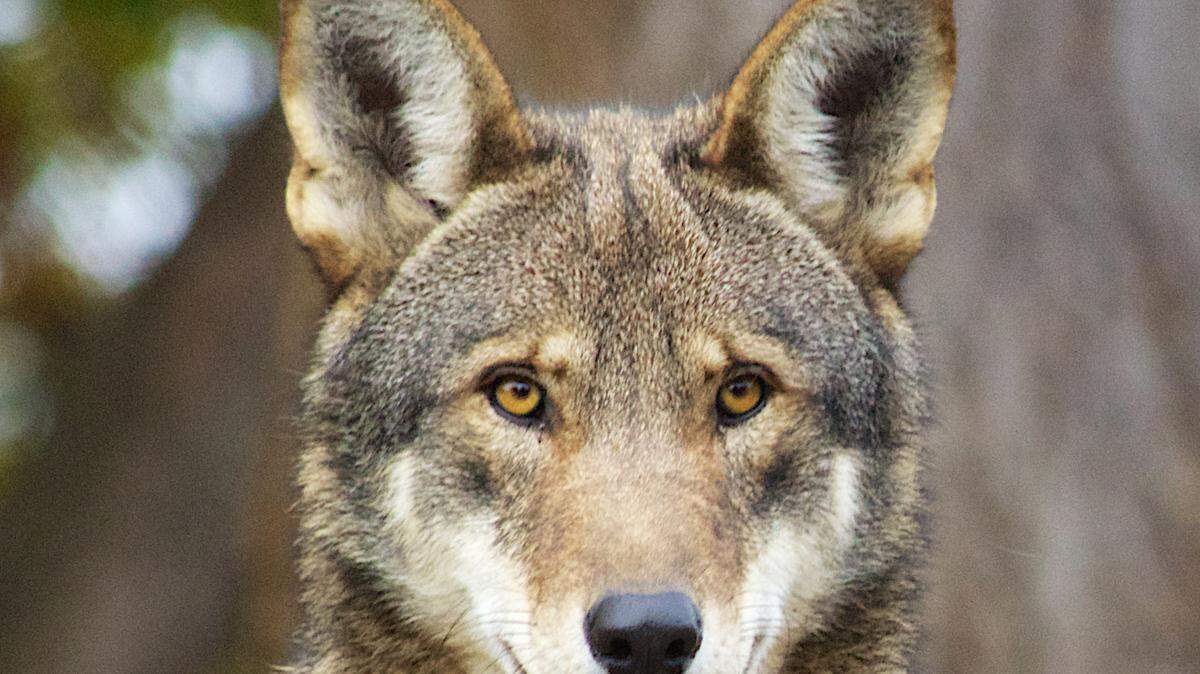
One of the very few red wolves left in the world was found shot to death in a small eastern North Carolina town three months ago.
Now there’s a reward out to find who killed him.
The male red wolf was found May 18 along a fence line in Washington, in Beaufort County, with a gunshot wound to his torso. A recent necropsy also found the wolf’s lungs had collapsed.
His death brought the species’ population in the wild down to 13, all of them known, collared and found in five counties in North Carolina surrounding the Alligator River National Wildlife Refuge.
Gunshots are the leading cause of death for red wolves.
Last week, the U.S. Fish and Wildlife Service announced a $5,000 reward for any information related to the killing.
On Monday, the Center for Biological Diversity, based in Arizona, added $10,000 to the reward, bringing the total to $15,000 for anyone with information that leads to the person who shot the wolf.
The Endangered Species Act protects the wolves, and anyone who accidentally kills one must alert the Fish and Wildlife Service.
Violations can result in a penalty of up to $50,000 and a year in prison. Civil penalties can range up to $25,000 for each violation.
Anyone with information about the shooting of the red wolf is asked to contact Capt. Frank Simms of the N.C. Division of Refuge Enforcement at 252-216-7504 or Special Agent Matthew Brink at 919-856-4786 ext. 37
Efforts to save red wolves
Red wolves were once found throughout the southeastern United States. Since the 1960s, their numbers have dwindled due to the loss of habitats and predator-control programs.
The elusive wolves, which live in pairs or in family packs, were declared endangered in 1973, and by the 1980s, the federal government began reintroducing captive-bred red wolves into eastern North Carolina.
Within the past decade, however, their numbers have plummeted again due to habitat loss and car collisions. Red wolves are also mistaken for coyotes, which contributes to the high number of shootings.
In 2015, the Fish and Wildlife Service stopped releasing captive-bred wolves into their recovery areas, according to the Center for Biological Diversity, and ended a program to educate the public. Advocacy groups have said inaction on the federal level has further hurt the species.
The Southern Environmental Law Center in Chapel Hill has been one of the groups in the state leading efforts to expand protections for red wolves.
Three years ago, the law center sued the Fish and Wildlife Service on behalf of local conservation groups to get nine red wolves currently in captivity released into the wild.
This month, the law center announced a settlement requiring the Fish and Wildlife Service to resume its red wolf conservation efforts, release captive wolves, and provide briefings on coyote management.
Additionally, the state has several rehabilitation efforts for red wolves in zoos or museums.
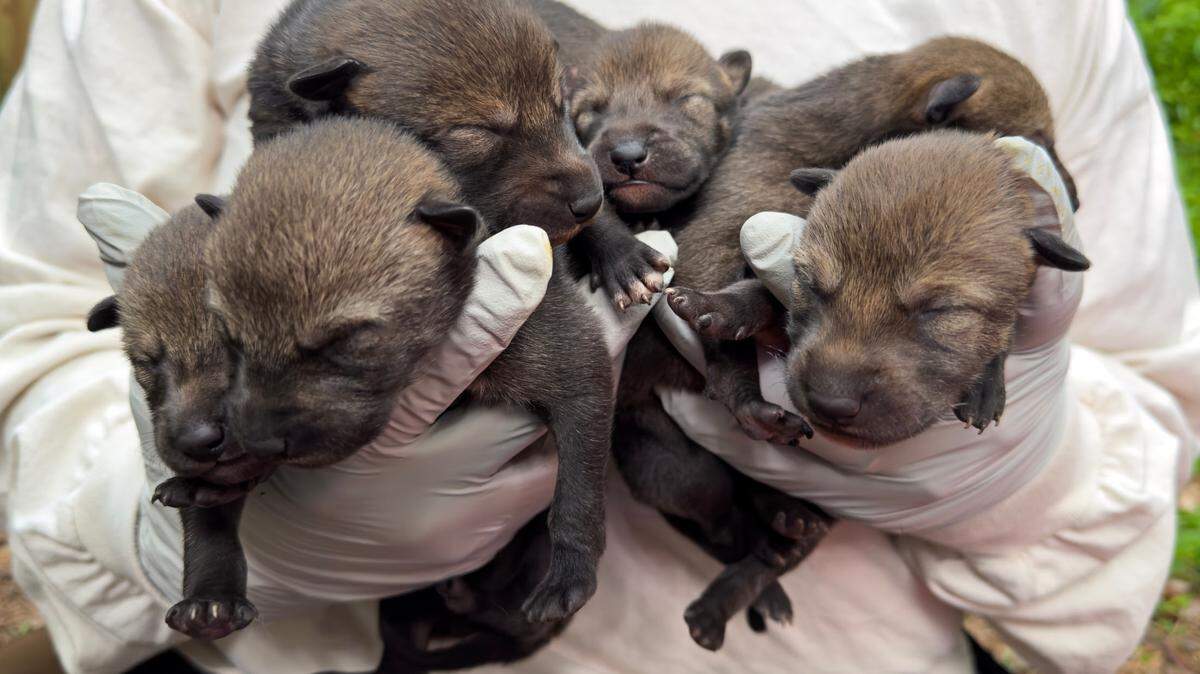
The Museum of Life and Science in Durham has been home to over 50 red wolves since 1992 and provides private support for long-term red wolf restoration. Last year, the museum sent two male wolves, Eno and Ellerbe, to the Red Wolf Center in Columbia, N.C., to help repopulate the species.
This story was originally published August 16, 2023 at 8:00 AM with the headline "Rare, red wolf shot and killed in eastern North Carolina. Now there’s a reward.."