Here’s a timeline of milestones in the attempted recovery of the red wolf in NC
READ MORE
The endangered red wolf
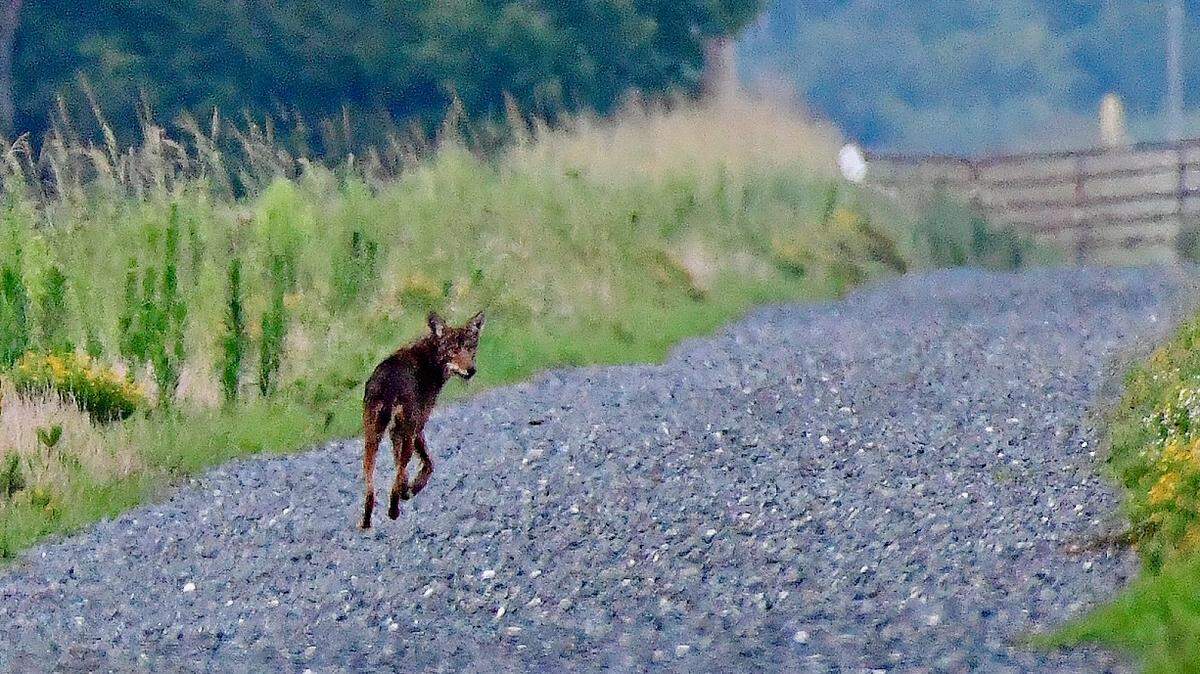
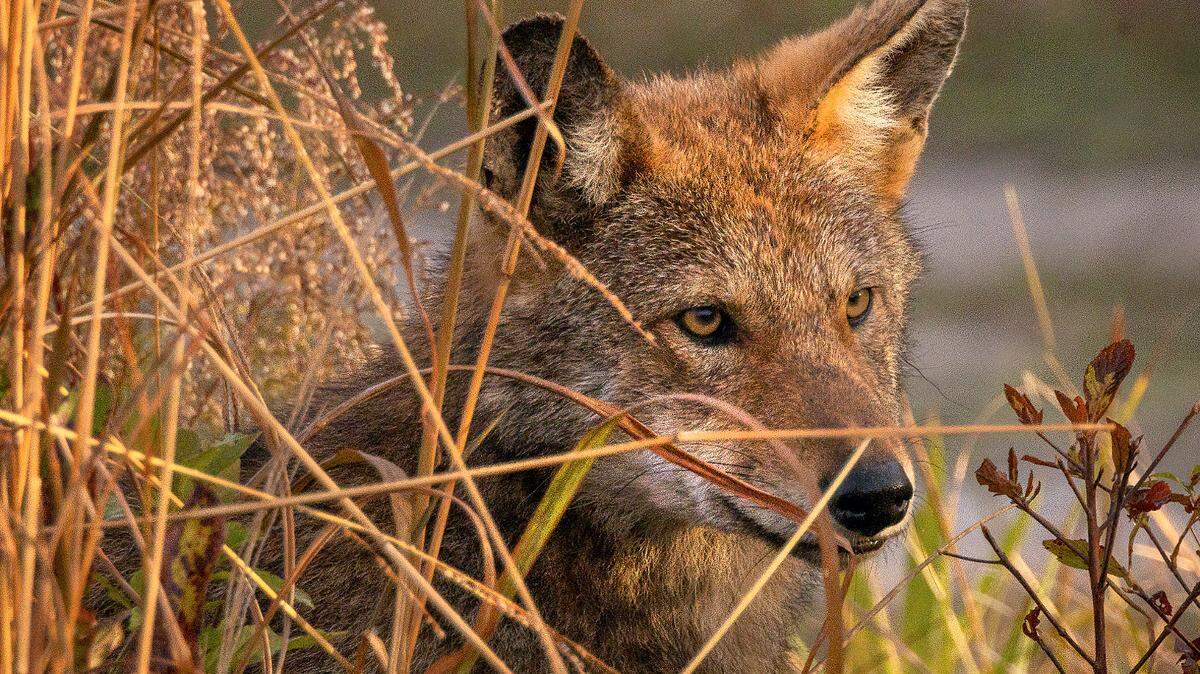
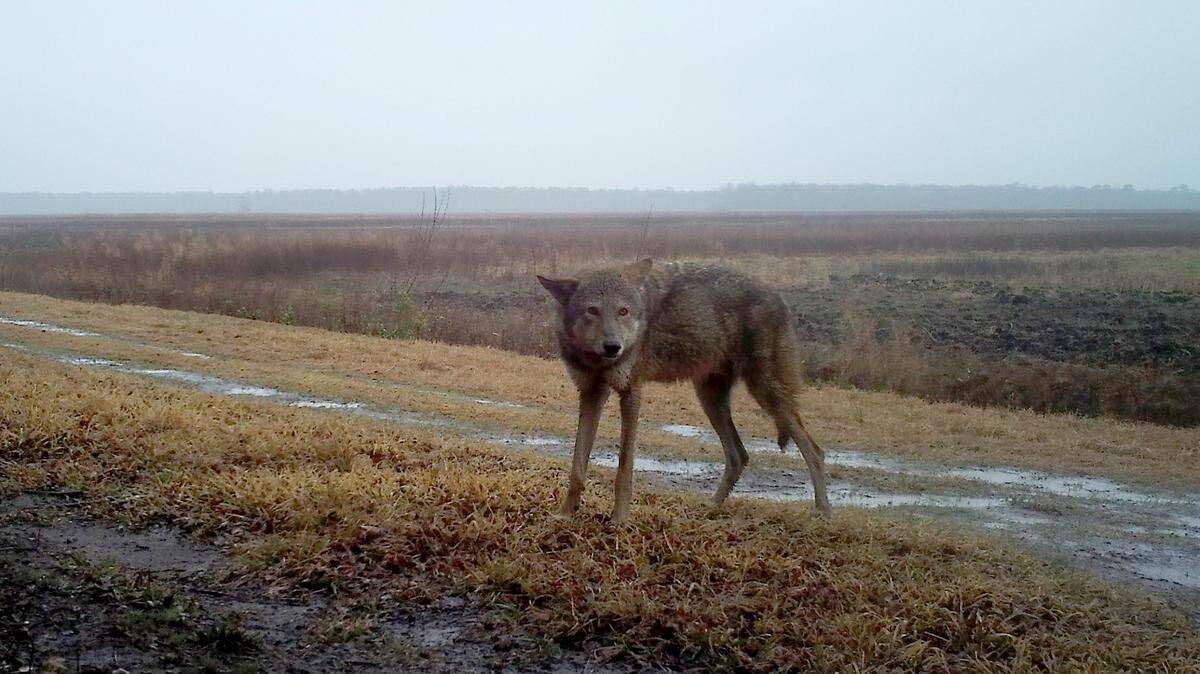
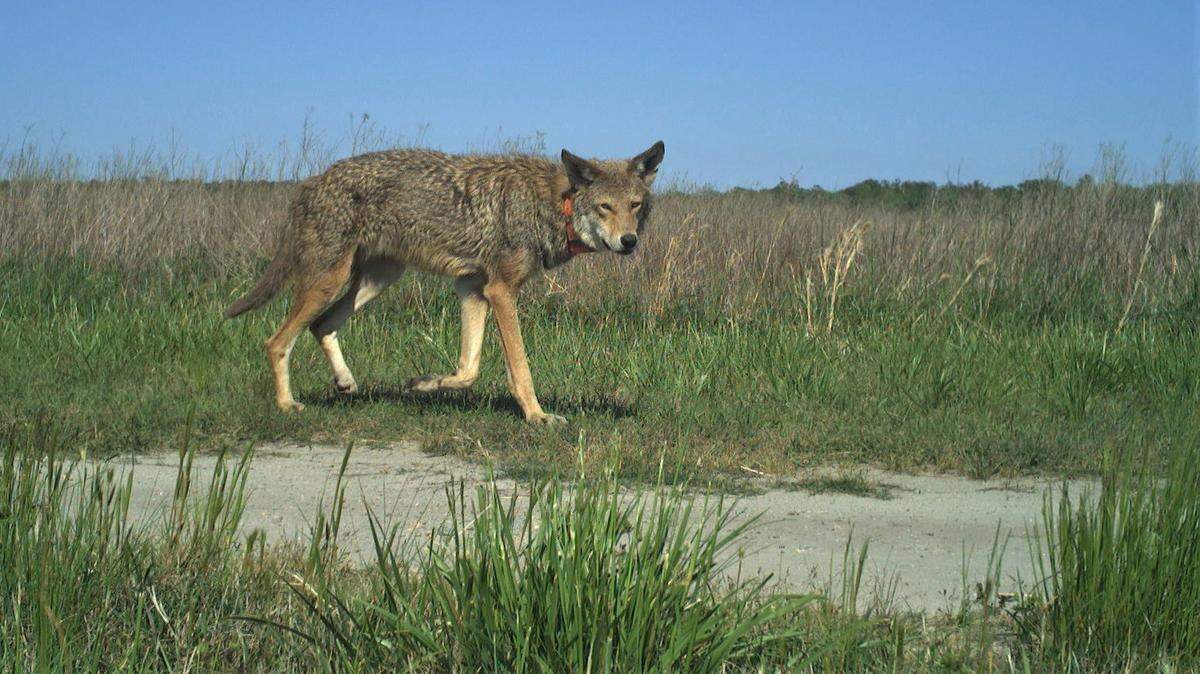
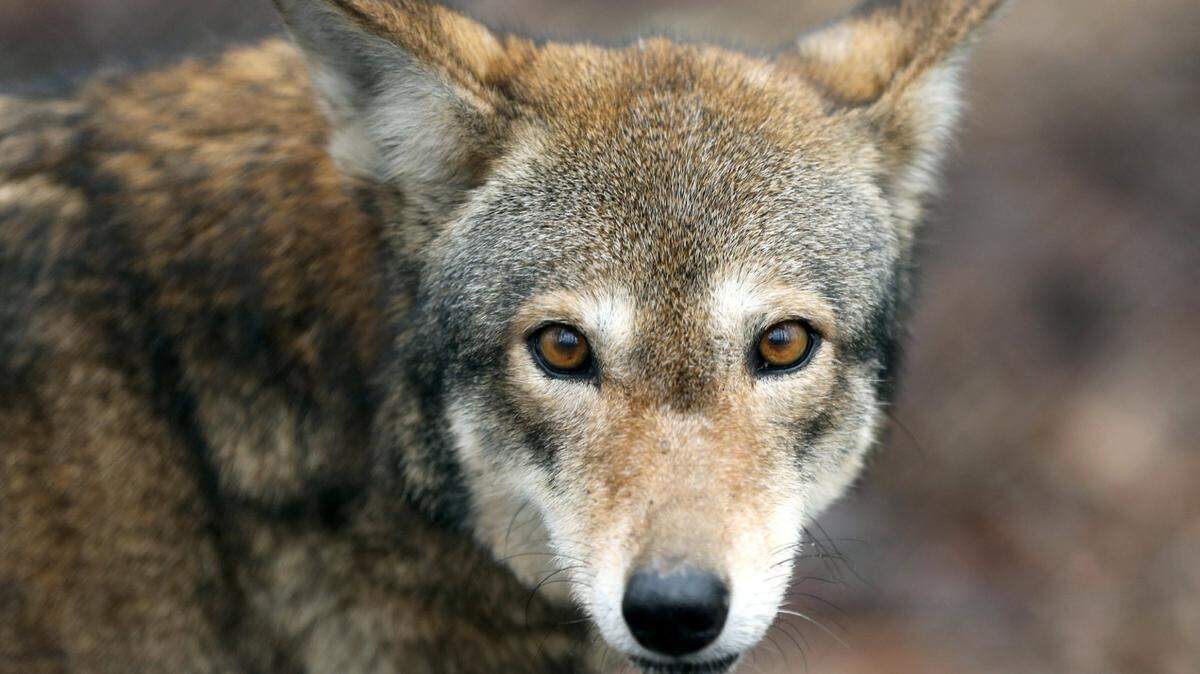
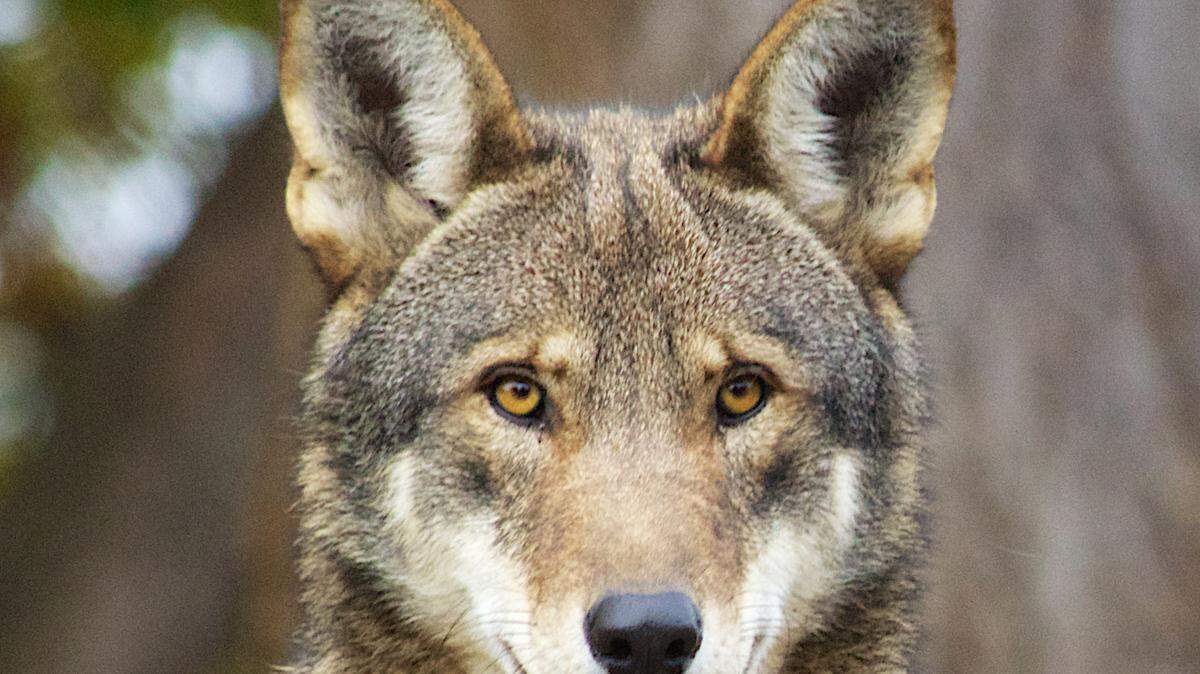
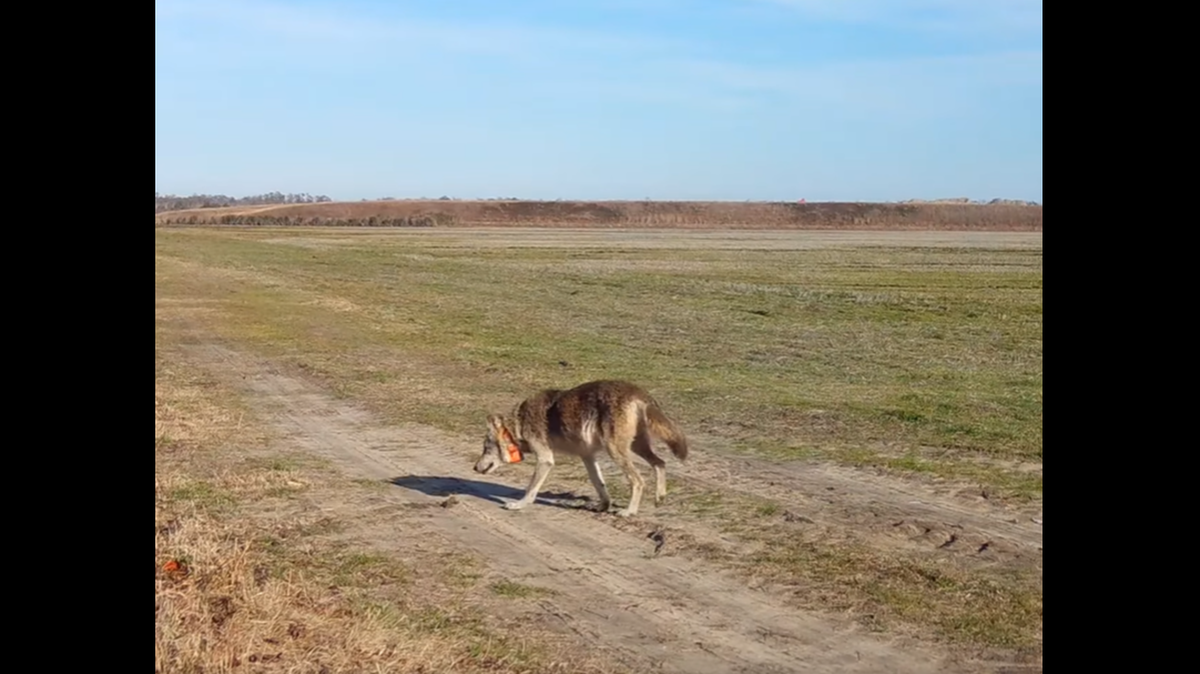
North Carolina is the only place where endangered red wolves live in the wild, but the species has been in perilous decline for a decade due to illegal gunshot injuries, vehicle strikes and, sometimes, natural causes. Now, North Carolina scientists are studying the correlation between their decline and the effects that has on the broader ecosystem. The News & Observer looks at what happens when red wolves start to disappear.
Expand All
The red wolf recovery program has been uneven and sometimes precarious, with the number of red wolves in the wild in North Carolina dipping as low as seven in 2020.
A new study attempts to measure how the wolves impact the ecosystem around them, focusing on both prey and other species the wolves compete with. It found that there was a correlation between the decline of the wolves over the 2010s and the increase of other species.
Here are some of the milestones of the red wolf recovery:
1967: Red wolves are listed as an endangered species for the first time, under the Endangered Species Preservation Act of 1966. The species would later be covered by the Endangered Species Act.
1969: The first red wolf is captured and brought into captivity at Tacoma, Washington’s, Port Defiance Zoo. The zoo would start a breeding program and eventually house 14 wolves.
1972: The last remaining wild red wolves are found in a small corner of southeast Texas and southwest Louisiana. That’s a dramatic decline for a species whose range was believed to stretch as far south as central Florida, as far east as the Atlantic Ocean, as far west as central Texas and Oklahoma and as far north as northwestern Illinois.
1980: The red wolf is declared extinct in the wild.
1984: The Association of Zoos and Aquariums approves the captive breeding program and calls it the Red Wolf Species Survival Plan.
1987: The first red wolves are released into the Alligator River National Wildlife Refuge, with four breeding pairs.
1990: The U.S. Fish and Wildlife Services establishes St. Vincent National Wildlife Refuge, an island off of Florida, as a place to release wolves into a wild but still controlled environment to prepare them for a release into the wider world.
2012: The red wolf population in Alligator River, Pocosin Lakes and the surrounding five-county area reaches an estimated 120 red wolves.
2015: The Fish and Wildlife Service decides to stop reintroducing red wolves into the wild. An estimate that year said there were 50 to 75 red wolves in the wild.
2019: There is no known litter of red wolf pups born in the wild, the first time that’s happened in 30 years. It would be followed with no wild litters in 2020 and 2021.
2020: The Eastern North Carolina red wolf population falls to seven wolves, with wolves often dying after being hit by cars or illegally shot. Also that year, conservation groups sued the FWS, alleging that its decision to stop releasing wolves and to not sterilize coyotes violated the Endangered Species Act.
2021: In response to the lawsuit, the FWS begins releasing wolves again, with two adults and two young wolves. The service also fosters four red wolf pups into a wild pack.
.jpg "rcnx2867_51911915698_o (1).jpg")
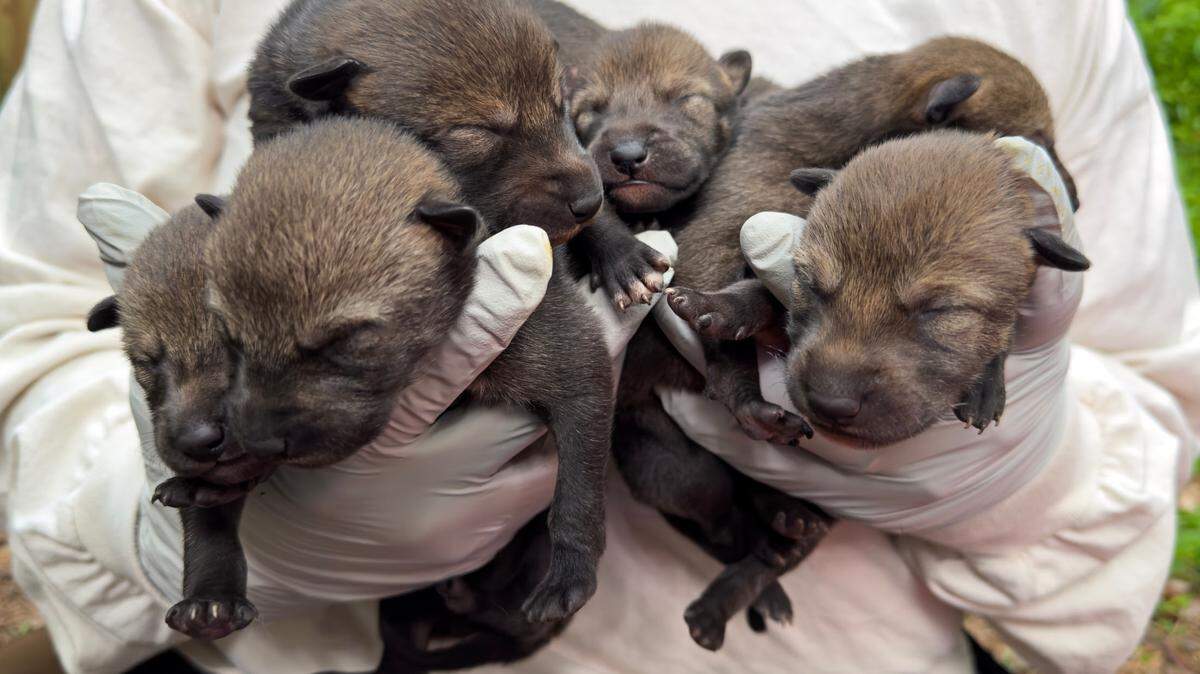
April 19, 2022: A litter of six wolves is delivered at the refuge, the first born in the wild since 2018.
May 18, 2023: A male wolf that was released from an acclimation pen at Pocosin Lakes earlier that month is shot to death. The FWS offers a $5,000 reward for information about the shooting.
June 2023: A 14-year-old female red wolf, the oldest on record, dies of natural causes at Alligator River. At least six more wolves would die in 2023, including the breeding male of the Milltail family group around Alligator River.
August 2023: To settle a lawsuit brought by conservation groups, FWS agrees to continue breeding wolves in captivity with the intention of releasing some to the wild and agrees to consult experts while developing its release plans. FWS also agrees to continue pursuing coyote sterilization around Alligator River and Pocosin Lakes to prevent cross-breeding.
October 2023: The FWS builds an acclimation pen at Alligator River and puts a captive wolf in it with the intention of introducing him to the Milltail family group. A female yearling from the pack would later be added to the pen to help increase interactions between the captive wolf and the family group.
Jan. 26, 2024: The captive male and yearling from the Milltail family group are released from the pen.
Sources: U.S. Fish and Wildlife Service, International Wolf Center; Center for Biological Diversity
This story was produced with financial support from the Hartfield Foundation and Green South Foundation, in partnership with Journalism Funding Partners, as part of an independent journalism fellowship program. The N&O maintains full editorial control of the work. If you would like to help support local journalism, please consider signing up for a digital subscription, which you can do here.
This story was originally published February 21, 2024 at 5:55 AM with the headline "Here’s a timeline of milestones in the attempted recovery of the red wolf in NC."