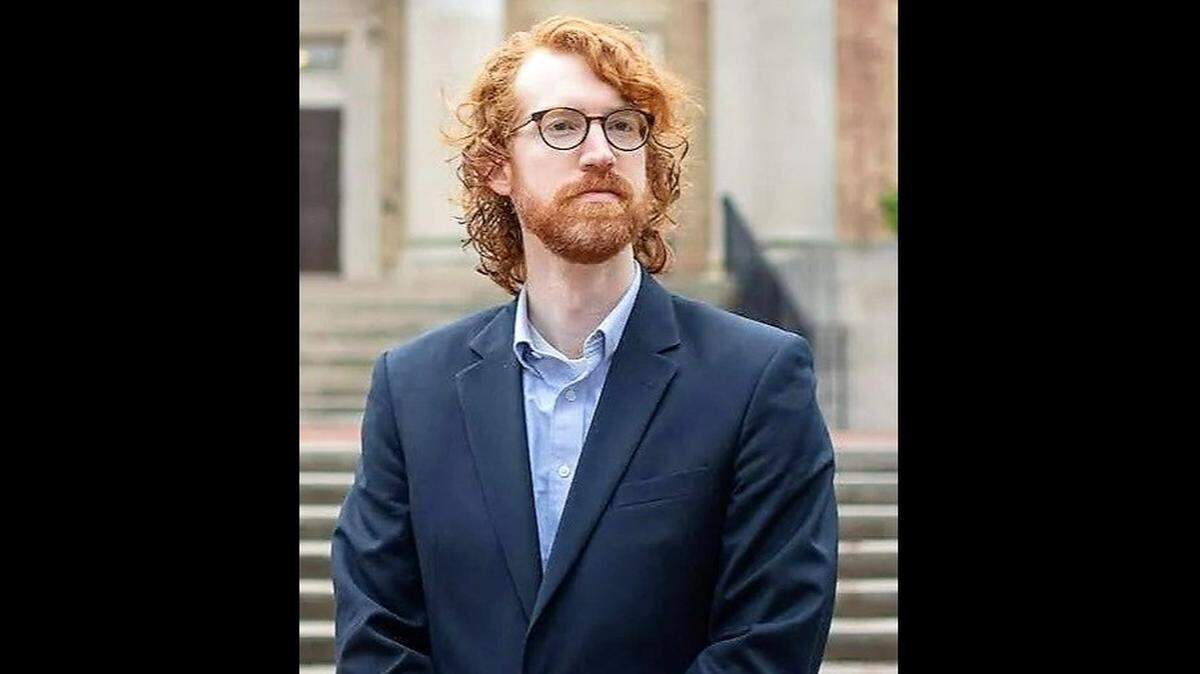
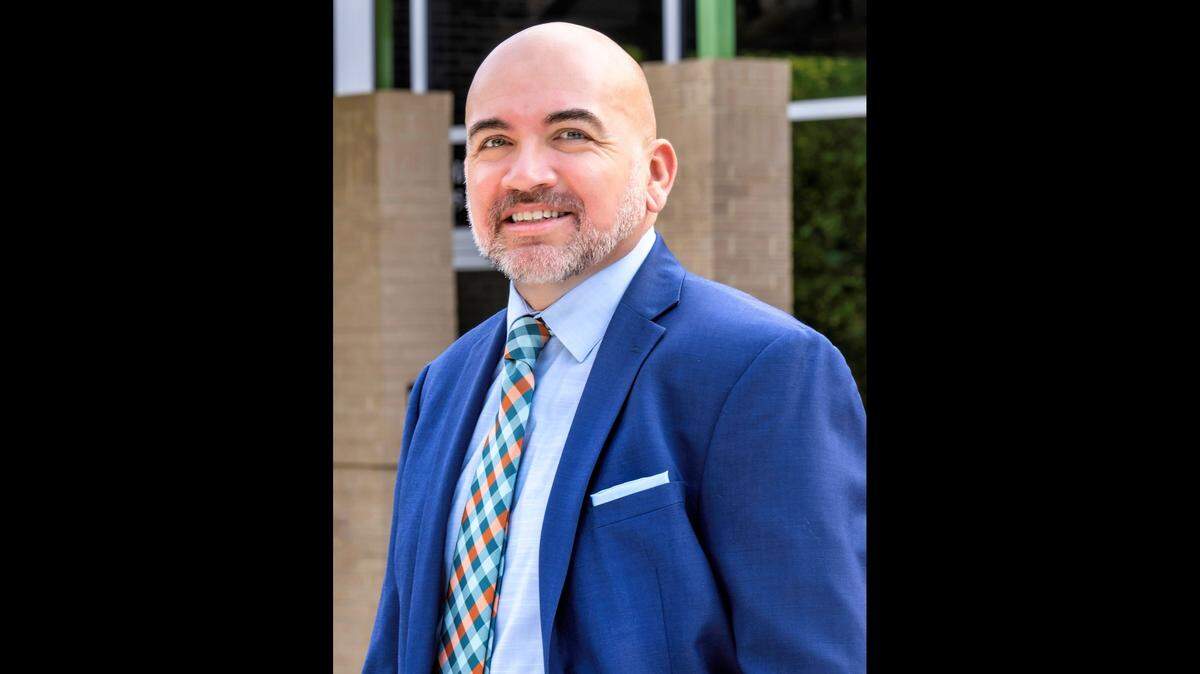
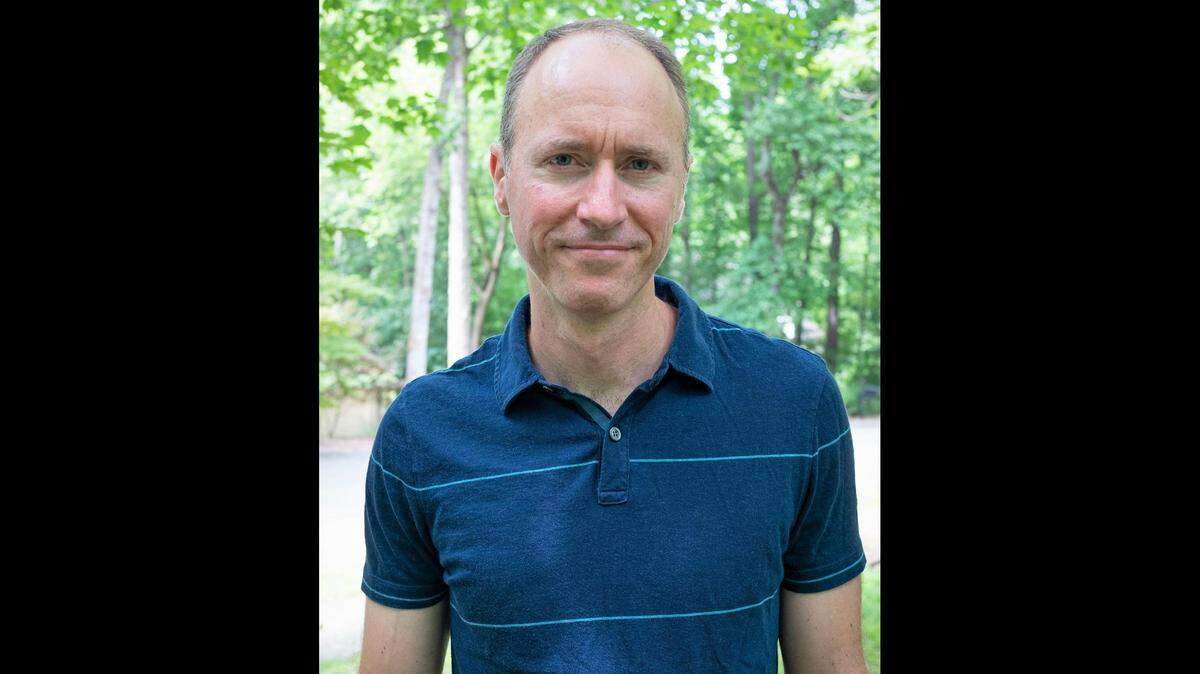
Jon Mitchell, candidate for Chapel Hill Town Council
READ MORE
Chapel Hill mayor and Town Council election
Two Town Council members are vying to succeed outgoing Chapel Hill Mayor Pam Hemminger. Ten candidates are running for four open council seats Early voting starts Thursday, Oct. 19, and runs through Saturday, Nov 4. Voters may cast ballots at any early voting location.
Expand All
Chapel Hill will elect a new mayor and four Town Council members this year, giving voters a chance to check or continue the town’s current management and growth.
Council member Amy Ryan is the only incumbent seeking re-election. Council members Michael Parker and Tai Huynh will vacate their seats in December.
Council member Jessica Anderson’s seat is also open, as she runs against Council member Adam Searing to replace outgoing Mayor Pam Hemminger. Searing is supported by a bloc of four council candidates who have pledged to reverse some town decisions about housing and development.
Searing will remain on the council until December 2025 if he loses the mayoral race.
The Searing-aligned candidates — David Adams, Renuka Soll, Elizabeth Sharp and Breckany Eckhardt — are competing against Ryan and five others — Melissa McCullough, Jeffrey Hoagland, Erik Valera, Theodore Nollert and Jon Mitchell — to fill four council seats.
Early voting in the nonpartisan Nov. 7 election starts Oct. 19 and runs through Nov. 4..
To find polling places and full details on early voting, visit co.orange.nc.us/1720/Elections or contact the Board of Elections at 919-245-2350 or vote@orangecountync.gov.
Name: Jon Mitchell
Age: 43
Occupation: Bank regulatory lawyer, part-time stay-at-home dad
Education: Bachelor of Arts, Cornell University, magna cum laude; J.D., NYU School of Law
Political or civic experience: Third-longest serving current member and chair in 2022-23, Chapel Hill Planning Commission
Campaign website: jon4chapelhill.com
What do you think the town’s top three priorities should be? Choose one and describe how you will work to address it.
One overarching priority: Implement the town’s new development framework (“Complete Community”), which is our best chance of finally shifting away from disjointed, car-oriented development patterns that under-deliver on workforce housing, community benefits, and sustainability.
Moving forward, we’re going to deliver high-quality public places and amenities, walkable, economical housing options, and a rapid expansion of our greenway and linear park network. In the process, we’ll preserve more of our signature tree canopy. I’m running to help the town implement this vision quickly, thoughtfully and collaboratively. My website lists 10 steps to get us there.
What do you think the town is doing right to create more affordable housing? What would you do if elected?
Compared to peers, we’re producing a lot of affordable units and subsidizing generously. I’m proud of that. Unfortunately, housing is complicated and doesn’t lend itself to simple solutions like “increasing supply will lower prices.” I’d like the town to facilitate a frank community conversation about options, impacts and trade-offs. Our civic discussions about housing seem as confused and inadequate as Durham’s. In addition, I’d like us to try harder to address the demand for small, market-rate units in neighborhoods with amenities and green space, where families of average means could realistically live with multiple bikes and one car. That’s my take on the Complete Community vision.
Do you support keeping Orange County’s rural buffer, where the lack of water and sewer limits growth? How do you see the town growing with or without the buffer?
According to the Complete Community Capacity Analysis prepared for the town in October 2022, we have enough land capacity, not including the rural buffer, to “easily” meet housing needs for the next 20 years and, if we build wisely, for at least 50 years. Given this, I don’t sense an urgent need to reconsider the rural buffer. Instead, we should grow through well-planned, well-balanced infill development that advances the Complete Community vision. We should reject mediocre projects that do not further this vision, as the Planning Commission did in its Oct. 3 meeting. The better we plan, the fewer of those projects will be proposed.
Would you consider a tax increase to pay for rising costs and delayed public projects? If not, what specific changes to the town’s budget would you support?
I would *consider* a modest future increase but would much prefer other methods of increasing revenues and controlling costs. We will increase property and sales tax revenues over time by coordinating quality mixed-use development. We will control expenses by doing somewhat more of our planning in-house, making judicious use of consultants, and making thoughtful trade-offs in other areas. I’d also like us to explore greater use of performance budgeting. My day job is bank consulting. Financial soundness is not a magic trick, but the product of effective processes and prudent decisions over time. The devil’s in the details.
How can the town bring people together who have different viewpoints to find workable solutions?
Residents agree on more than they realize. In December 2022, every single Council member voted for a resolution approving the Complete Community framework. We should build on the well-considered choices inherent in it. I’m running a substantive campaign that embraces nuance, even if it’s not the loudest. I’m proud to have been endorsed by four recent Planning Commission chairs (besides myself) who have worked with me extensively and who have very different views on land use. One of them said, “[h]e was always the most prepared and most ambitious in what we could accomplish, but would happily listen to and incorporate the ideas and concerns of others.” That’s how we find workable solutions.
This story was originally published October 16, 2023 at 11:25 AM with the headline "Jon Mitchell, candidate for Chapel Hill Town Council."
.jpeg)