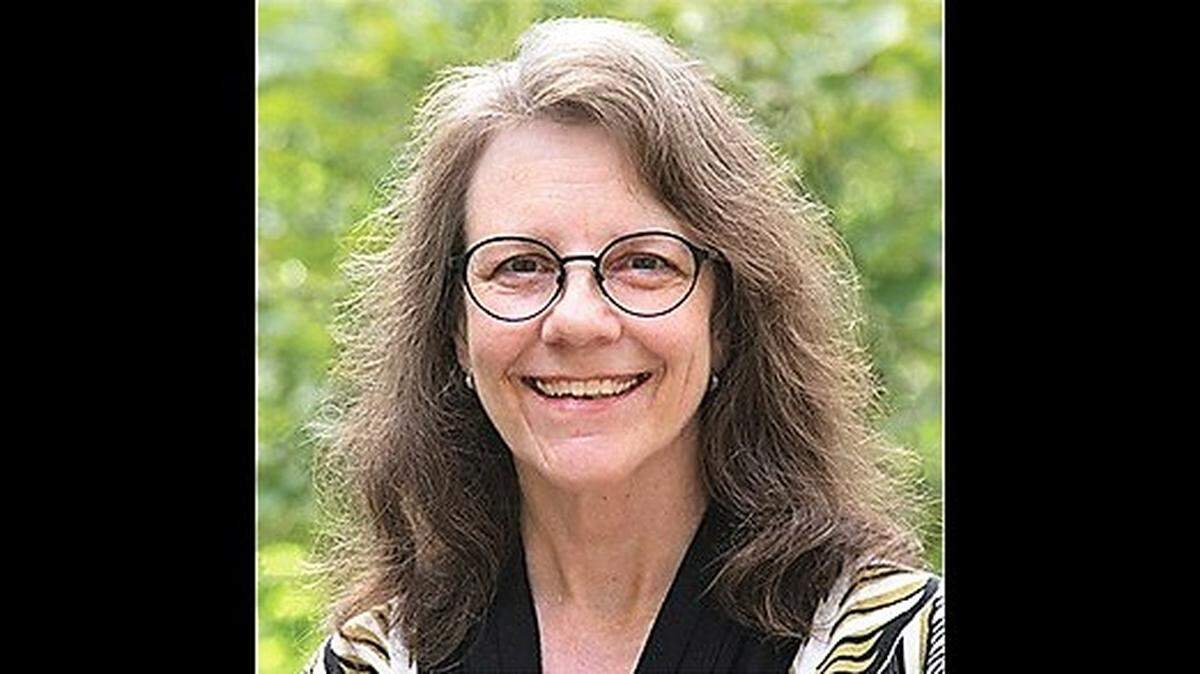
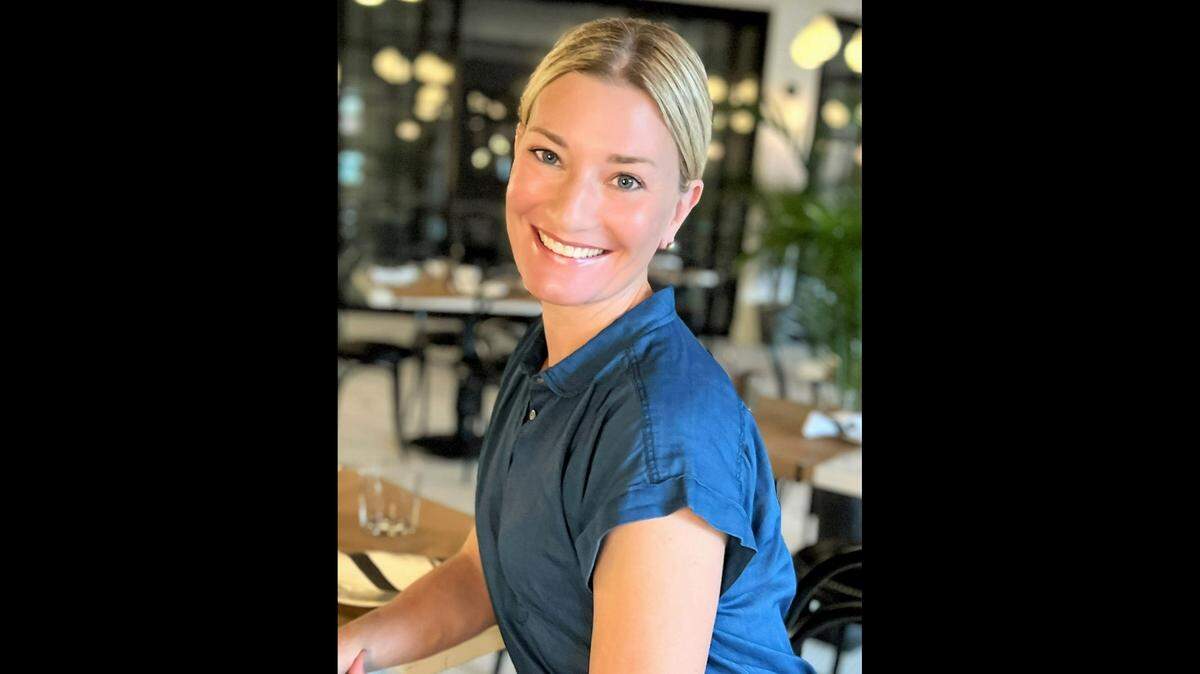
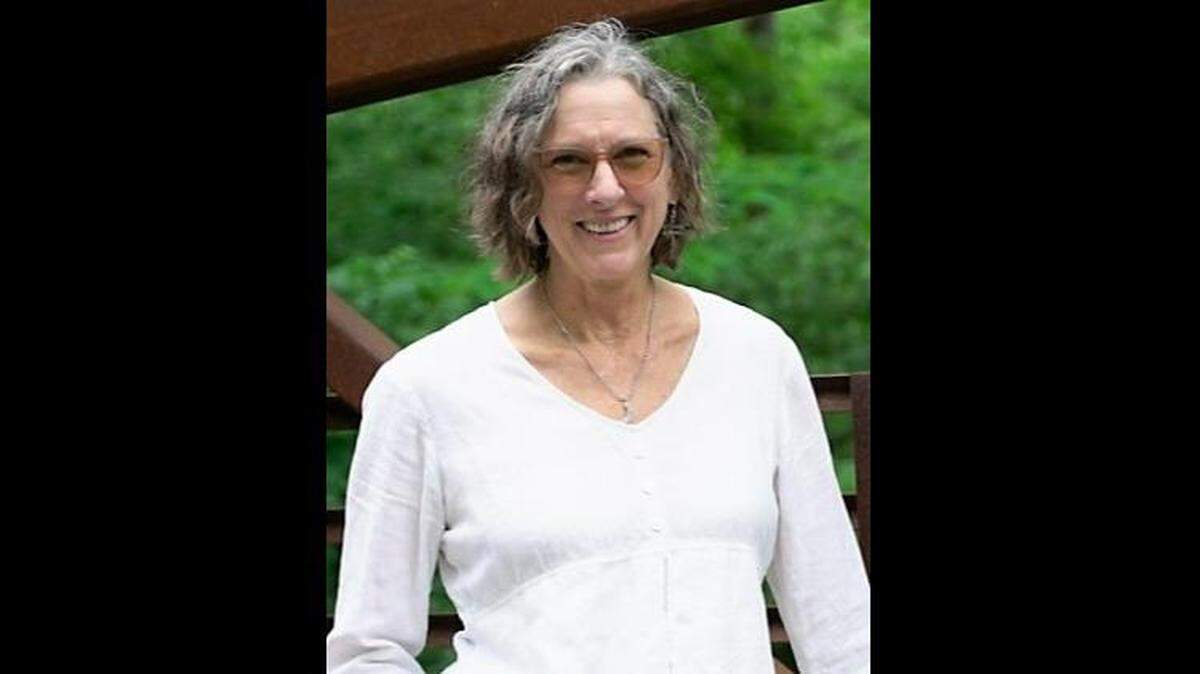
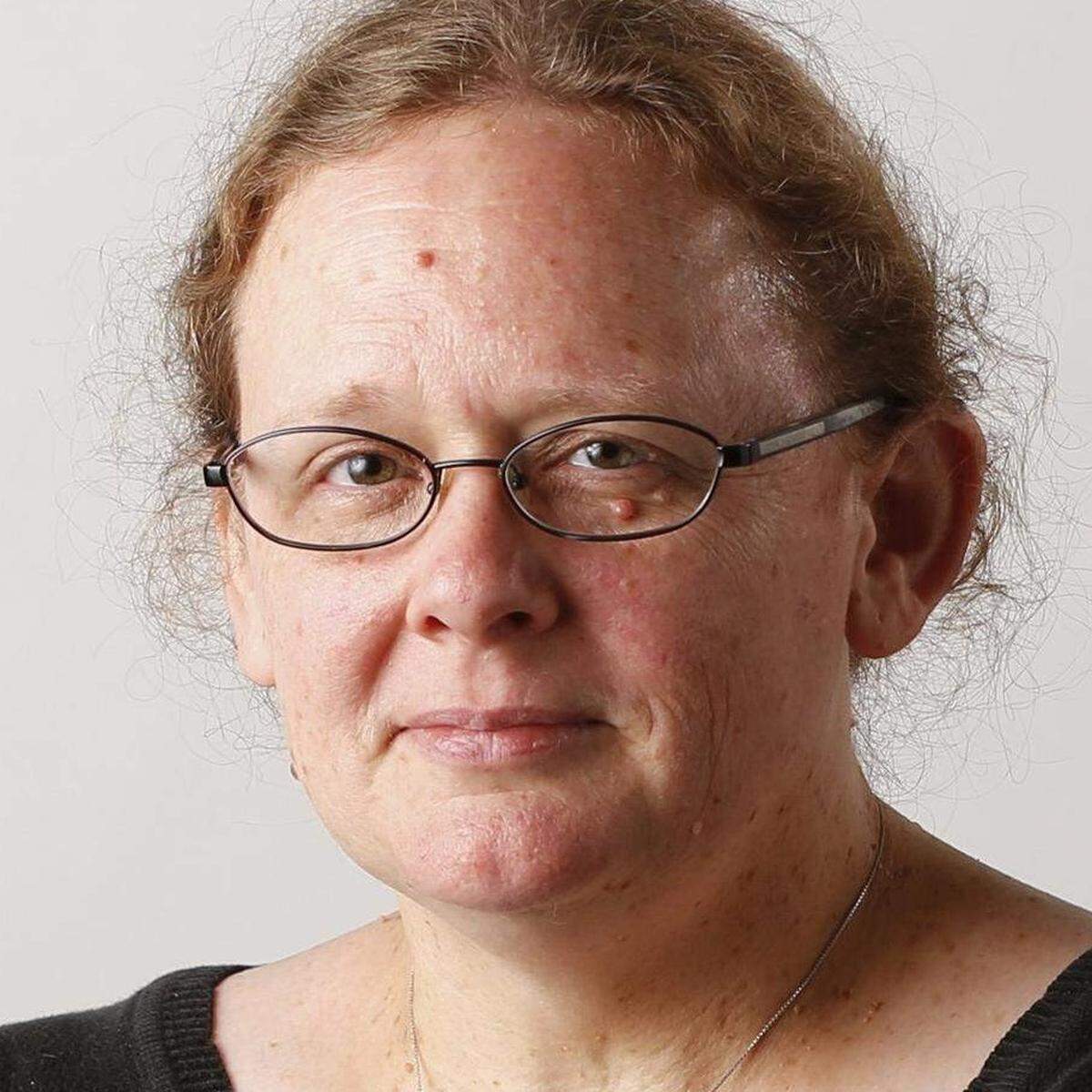
Melissa McCullough, candidate for Chapel Hill Town Council
READ MORE
Chapel Hill mayor and Town Council election
Two Town Council members are vying to succeed outgoing Chapel Hill Mayor Pam Hemminger. Ten candidates are running for four open council seats Early voting starts Thursday, Oct. 19, and runs through Saturday, Nov 4. Voters may cast ballots at any early voting location.
Expand All
Chapel Hill will elect a new mayor and four Town Council members this year, giving voters a chance to check or continue the town’s current management and growth.
Council member Amy Ryan is the only incumbent seeking re-election. Council members Michael Parker and Tai Huynh will vacate their seats in December.
Council member Jessica Anderson’s seat is also open, as she runs against Council member Adam Searing to replace outgoing Mayor Pam Hemminger. Searing is supported by a bloc of four council candidates who have pledged to reverse some town decisions about housing and development.
Searing will remain on the council until December 2025 if he loses the mayoral race.
The Searing-aligned candidates — David Adams, Renuka Soll, Elizabeth Sharp and Breckany Eckhardt — are competing against Ryan and five others — Melissa McCullough, Jeffrey Hoagland, Erik Valera, Theodore Nollert and Jon Mitchell — to fill four council seats.
Early voting in the nonpartisan Nov. 7 election starts Oct. 19 and runs through Nov. 4..
To find polling places and full details on early voting, visit co.orange.nc.us/1720/Elections or contact the Board of Elections at 919-245-2350 or vote@orangecountync.gov.
Name: Melissa McCullough
Age: 68
Occupation: Retired, U.S. Environmental Protection Agency
Education: Bachelor of Science in Psychology, University of the South; Master’s of Environmental Management in Applied Ecology and Environmental Toxicology, Duke University
Political or civic experience: 7 years, Chapel Hill Planning Commission, liaison to two other boards; 3 years, Orange County Climate Council, one as chair; about 15 years on the Sierra Club Executive Committee, two as chair; 8 years as Precinct Chair, Orange County Democratic Party; about 14 years active participation in town and county planning, climate, transportation and sustainability endeavors
Campaign website: MelissaForChapelHill.com
What do you think the town’s top three priorities should be? Choose one and describe how you will work to address it.
Population and climate pressures are here and play out in three principal, interconnected challenges facing town decision makers: housing, transportation and environmental quality.
First priority should be policies and incentives for increasing housing supply — to cut housing costs townwide, provide additional tax revenue, and cut the climate pollution and traffic from the 40,000 people who commute in because it’s too expensive to live here. We need to facilitate more diverse housing choices, like starter-size homes and “granny flats.” Then, we need to focus more dense residential development on transit corridors, so more people can just hop on a bus to our job centers at UNC.
What do you think the town is doing right to create more affordable housing? What would you do if elected?
The town has done well creatively raising and spending funds to build subsidized housing, preserving existing affordable homes, assisting with burdensome taxes for low-income homeowners, and targeting town-owned land for more subsidized housing. To do more, I want us to be more creative in finding funds and creating partnerships. A couple of examples would be: to use the $5 million from UNC Health to create a fund allowing the Housing Coalition to serve like a bank to overcome red tape and fee barriers, as Maryland has done, or to use Inflation Reduction Act funds to weatherize low-income homes, preserving integrity and affordability.
Do you support keeping Orange County’s rural buffer, where the lack of water and sewer limits growth? How do you see the town growing with or without the buffer?
We need to recognize how the rural buffer rules inadvertently created sprawl problems, inside and outside the buffer. Only then can we plan realistically for how to protect its remaining green space. Dense housing along transportation corridors will help people move across the region with less impact. This development could occur through the rural buffer where land has already been developed, while protecting green space outside transit-oriented developments. In addition, we should add to the in-town housing supply, again targeting already-developed areas, like strip malls, in order to have residents who can hop on our excellent transit instead of creating car-commuting traffic.
Would you consider a tax increase to pay for rising costs and delayed public projects? If not, what specific changes to the town’s budget would you support?
Council just budgeted for a significant tax increase. Although our infrequent increases have averaged out to less than 1% each year over the last 14 years and our rate is in the middle of our neighbors’ rates, I don’t suggest an additional increase. We have overdue deferred needs and other important items in our budget, so neither would I suggest any budgetary changes for now. But we do need to increase our tax revenue by diversifying our tax base with more business and denser residential development. Our large percentage of low-density residential land use has low per-acre tax revenue and needs to be offset with higher value land uses.
How can the town bring people together who have different viewpoints to find workable solutions?
First, to find common solutions, any public discussion needs to start with a factual documentation of the problem on which parties agree, so that the actions we take will fix target problems without causing others.
Second, across the country and in Chapel Hill, we’ve lost our sense of community, largely because we don’t know many outside our circles. Sprawl has separated us, forcing us to spend time commuting that we could instead spend socializing. While we may have common goals, we don’t truly understand each other’s issues. I believe we need a community engagement program to facilitate rebuilding foundational relationships across our community, starting with our leaders.
This story was originally published October 16, 2023 at 4:39 PM with the headline "Melissa McCullough, candidate for Chapel Hill Town Council."

.jpeg)