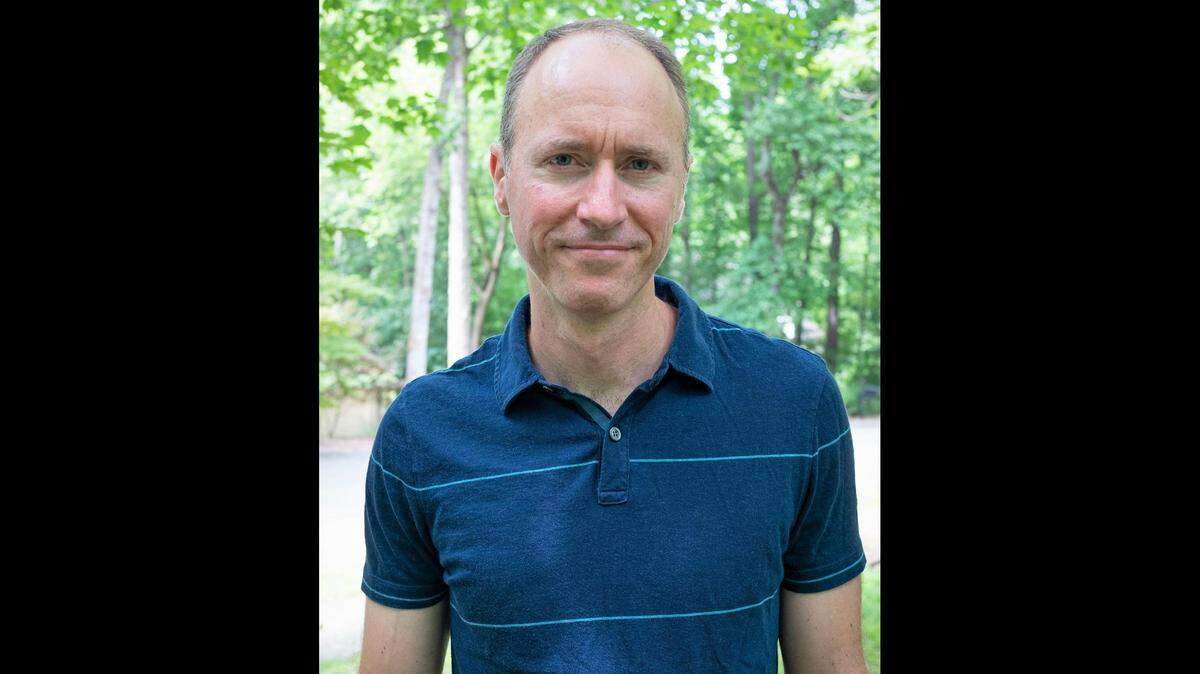
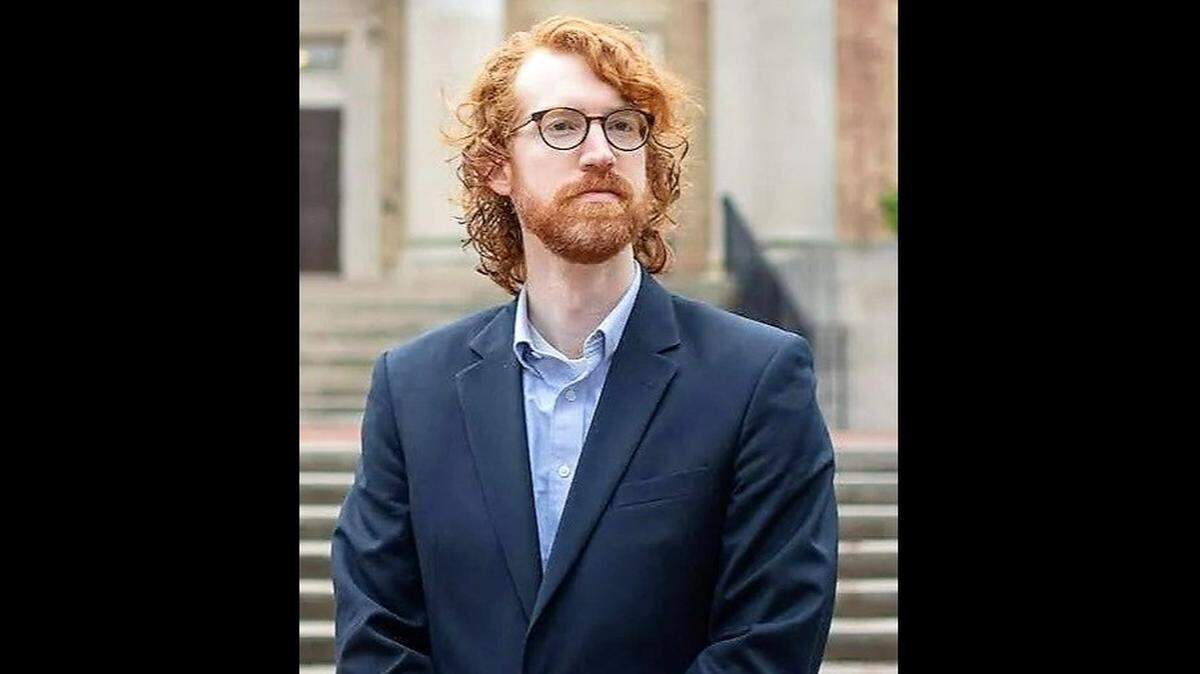
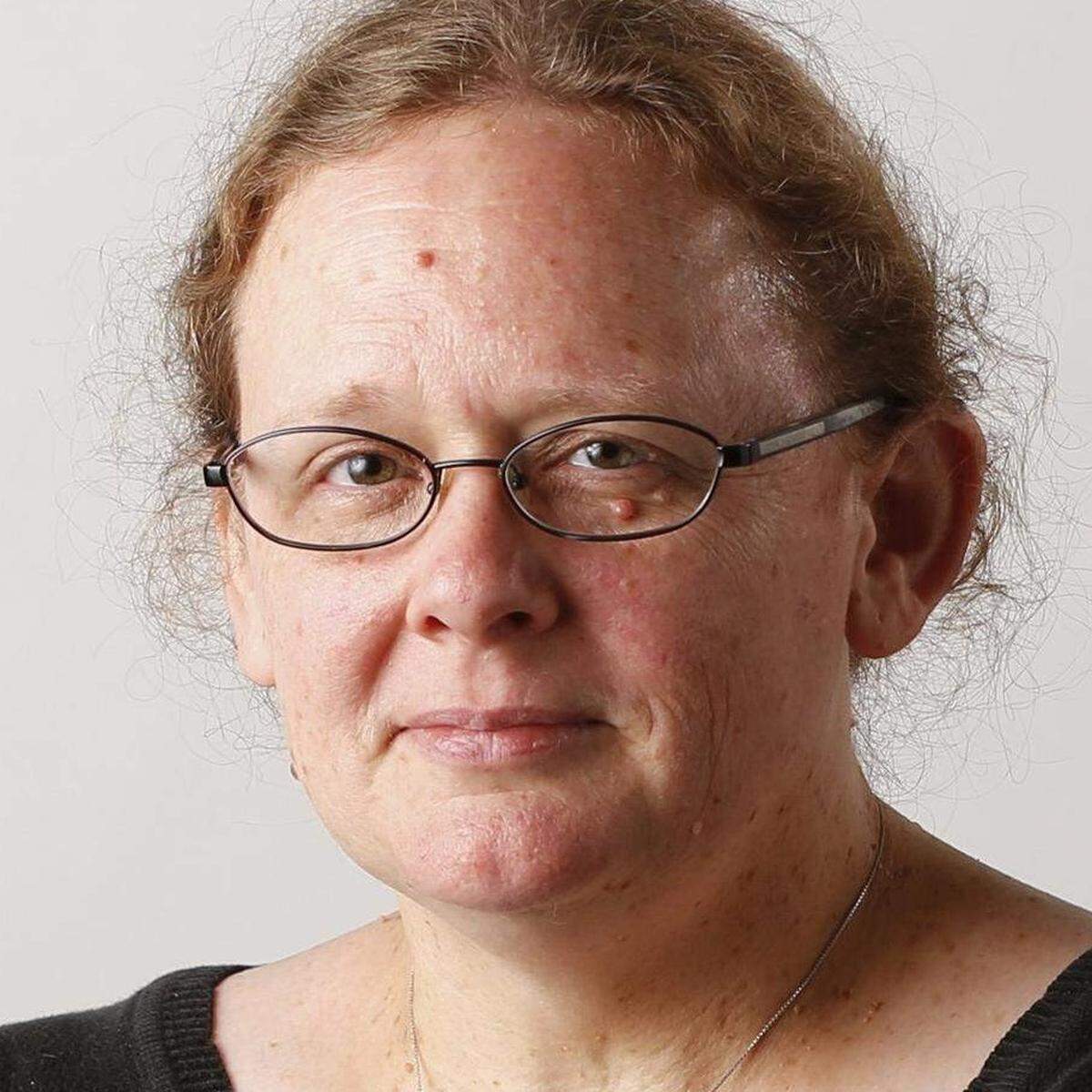
Theodore Nollert, candidate for Chapel Hill Town Council
READ MORE
Chapel Hill mayor and Town Council election
Two Town Council members are vying to succeed outgoing Chapel Hill Mayor Pam Hemminger. Ten candidates are running for four open council seats Early voting starts Thursday, Oct. 19, and runs through Saturday, Nov 4. Voters may cast ballots at any early voting location.
Expand All
Chapel Hill will elect a new mayor and four Town Council members this year, giving voters a chance to check or continue the town’s current management and growth.
Council member Amy Ryan is the only incumbent seeking re-election. Council members Michael Parker and Tai Huynh will vacate their seats in December.
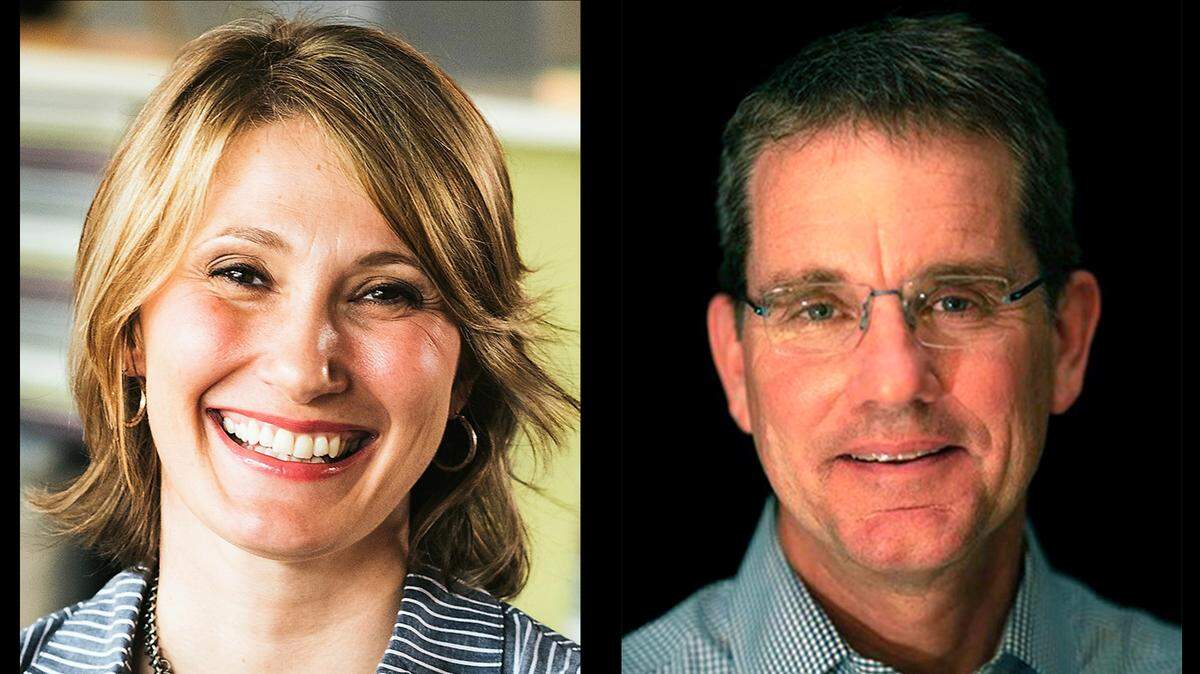
Council member Jessica Anderson’s seat is also open, as she runs against Council member Adam Searing to replace outgoing Mayor Pam Hemminger. Searing is supported by a bloc of four council candidates who have pledged to reverse some town decisions about housing and development.
Searing will remain on the council until December 2025 if he loses the mayoral race.
The Searing-aligned candidates — David Adams, Renuka Soll, Elizabeth Sharp and Breckany Eckhardt — are competing against Ryan and five others — Melissa McCullough, Jeffrey Hoagland, Erik Valera, Theodore Nollert and Jon Mitchell — to fill four council seats.
Early voting in the nonpartisan Nov. 7 election starts Oct. 19 and runs through Nov. 4..
To find polling places and full details on early voting, visit co.orange.nc.us/1720/Elections or contact the Board of Elections at 919-245-2350 or vote@orangecountync.gov.
Name: Theodore Nollert
Age: 29
Occupation: UNC graduate student
Education: Ph.D. candidate
Political or civic experience: Chapel Hill Planning Commission; State Executive Committee, N.C. Democratic Party; President, UNC Chapel Hill Graduate and Professional Student Government
Campaign website: theodore4chapelhill.com
What do you think the town’s top three priorities should be? Choose one and describe how you will work to address it.
The town’s top three priorities should be increasing housing stock, transit options, and commercial activity. It’s fairly self-evident that we have to provide more housing and build the greenway system, so I’ll focus on how we increase commerce. We need more residents, especially in proximity to downtown and the other urban hubs. We should explore the creation of a commercial land trust, a similar model to the Community Home Trust, to acquire and hold some anchor properties along Franklin Street and lease them at rates that work for local merchants. We should also invest more in coordinating and advertising existing cultural assets on and off campus to boost sales and occupancy tax revenue.
What do you think the town is doing right to create more affordable housing? What would you do if elected?
The town has spent around $21 million since 2018 to subsidize affordable housing and has focused on putting this housing on town-owned land in order to maximize the number of units these subsidies produce. That’s the best strategy we have in our arsenal for now. When negotiating with developers, we should keep tabs on what percentage of units were affordable in projects of similar size, and hold out for those rates to be met. Our consultants told us we would have to say “no” to some projects to set a high bar for excellence. This includes getting affordable units.
Do you support keeping Orange County’s rural buffer, where the lack of water and sewer limits growth? How do you see the town growing with or without the buffer?
I support keeping the rural buffer. The promise of the rural buffer was to densify and grow up rather than sprawling outward. The No. 1 contributor to emissions in the U.S. is transit. We have to move toward a more walkable, bikeable and busable town. That’s why the 25-plus miles of greenways — safe, convenient, multi-use paths for walking, rolling, and biking — are a critical investment. More and more people prefer this model over suburban sprawl. It’s also better for the environment, better for our health, reduces transportation costs for households, and increases local spending. What’s not to love?
Would you consider a tax increase to pay for rising costs and delayed public projects? If not, what specific changes to the town’s budget would you support?
The town just increased taxes after keeping them stable for a long while. We need to take pressure off of property taxes. That means investing in grant writers, increasing the amount of commercial property in town, and increasing sales and occupancy tax revenue. Grant writers pay for themselves many times over, as we’re seeing with our greenways and bus-rapid transit planning grants. There are other opportunities to pursue grants that benefit community design, arts and culture, and commerce. In addition, youth sport tournaments, food, art, and music festivals, and improved branding (especially targeting young professionals) can all help to fill Chapel Hill’s coffers.
How can the town bring people together who have different viewpoints to find workable solutions?
First we need to focus on bringing folks whose viewpoints are underrepresented to the table. That means getting out and knocking doors as a town to share town surveys on big questions, satisfaction indices, and strategic planning initiatives. As far as working together goes, the vast majority of town residents and decision-makers are doing this. Our problem is a very small set of very loud people who pretend that not getting their way is the same as not being heard.
This story was originally published October 16, 2023 at 11:28 AM with the headline "Theodore Nollert, candidate for Chapel Hill Town Council."
.jpeg)