Housing is key for Orange County voters. What would commissioner candidates do?
AI-generated summary reviewed by our newsroom.
- Candidates push property tax and valuation changes amid housing concerns.
- Some candidates propose land, infrastructure and subsidy tools for housing.
- Advocates push audits and check‑ins; candidates back aid for seniors/workers.
READ MORE
NC Primary Election 2026
North Carolina’s primary election is March 3, 2026, with early voting starting Feb. 11, 2026. Here are stories on candidates, voting and issues to help voters as they head to the polls.
Expand All
Affordable housing, whether you rent or own, continues to be a big challenge in Orange County, despite numerous projects built with voter-approved bond money, through community partnerships, and on publicly owned land.
The Orange County Board of Commissioners is now taking a serious look, after years of grassroots advocacy, at potential changes in how property values and property tax rates are set.
If housing remains out of reach for low- and moderate-income residents, many fear the county will become wealthier and whiter, forcing more nurses, firefighters and other workers to commute long distances from neighboring counties
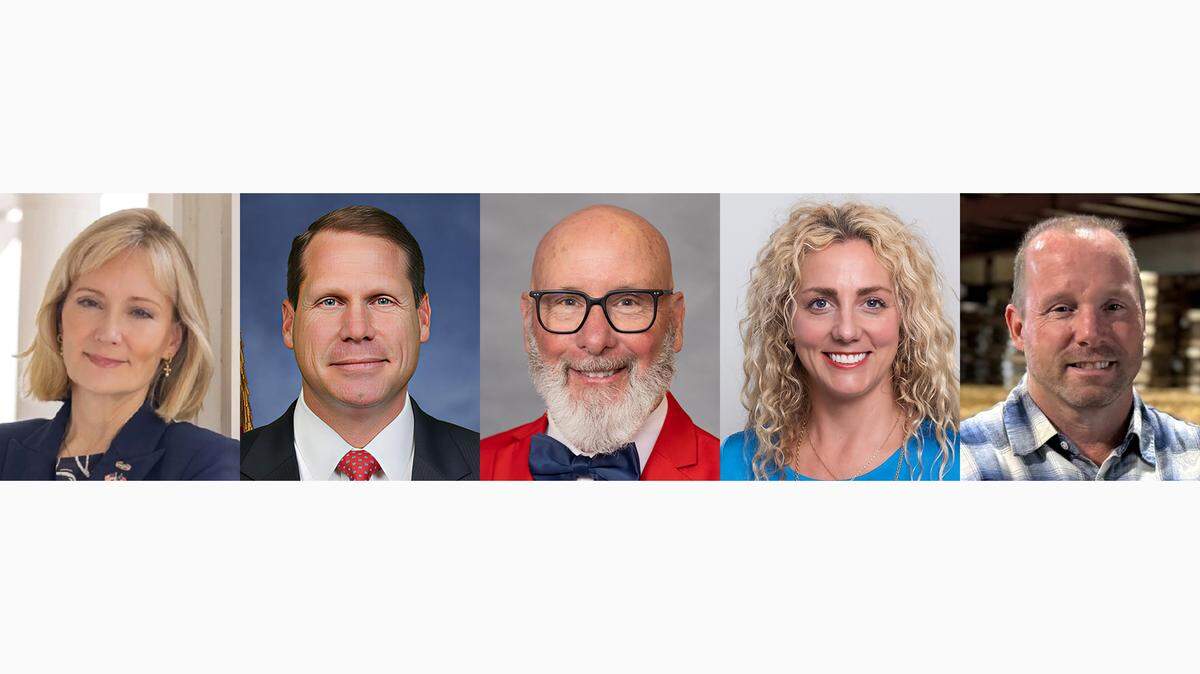
Six Democrats and two Republicans are running for Board of Commissioner seats in District 1, District 2 and the at-large district.
The Democratic winners in the at-large and District 2 primary races will face Republican challengers in a Nov. 3 countywide race. There is no Republican running in District 1, so whoever wins the Democratic primary on March 3 will become the district’s next commissioner.
The News & Observer asked the candidates what they would do about affordability. Find more information about Orange County’s primary here, and full election coverage at this link.
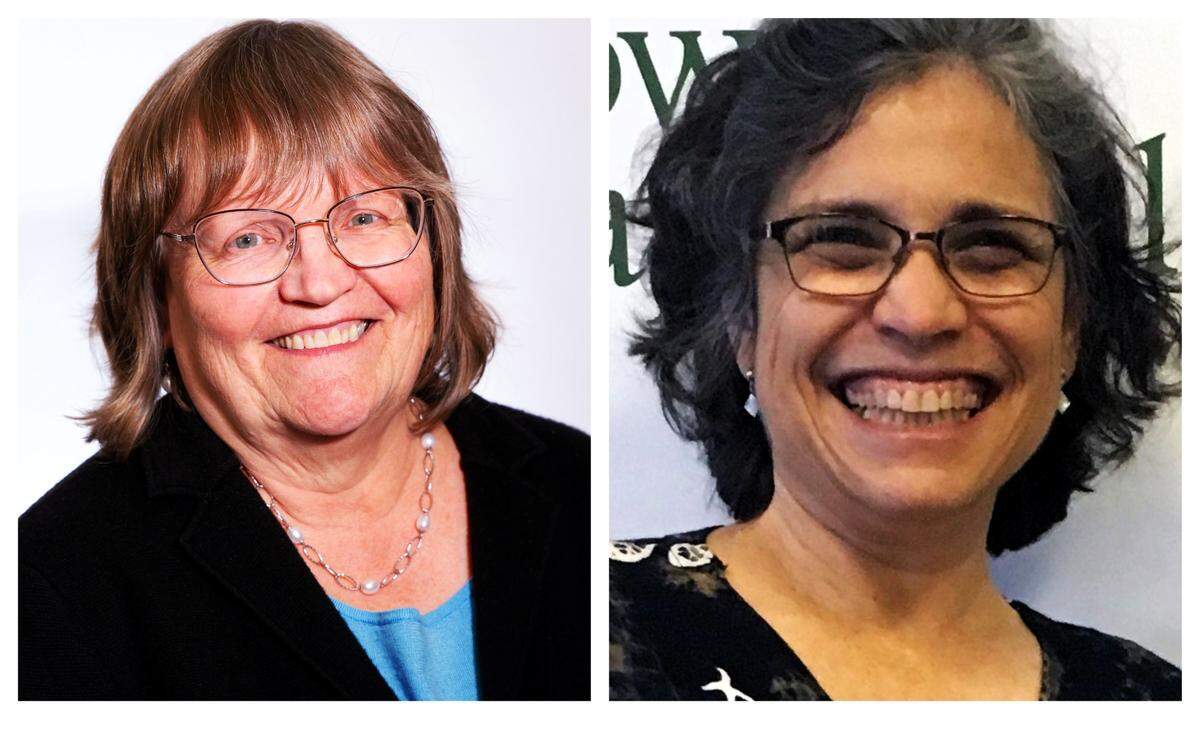
District 1
Jamezetta Bedford: The commissioners have taken several steps to address the affordable-housing shortage, Bedford said.
“I think we’re very involved. We probably just need to educate people more about that,” she said, noting a $5 million bond in 2024 and another $15 million in county debt, which helped to build, in part, Empowerment Inc.’s PEACH Apartments in Chapel Hill, Pee Wee Homes, Habitat for Humanity townhomes in Hillsborough, and Chapel Hill’s Trinity Court redevelopment project.
The county is also working with Chapel Hill and Carrboro to study housing options for the Green Tract south of Eubanks Road. It’s also easing its rules for accessory dwelling units on existing lots and putting more money into repairing older homes, Bedford said.
She would like to see rent and eviction assistance in the future.
“I don’t have a magic bullet,” she said. Housing “is a huge problem, and it’s going to take everything.”
Maria Palmer: Her run for commissioner is directly tied to the housing crisis and property-tax inequities, said Palmer, who is working with Orange County Justice United to push the county toward “urgent intervention.”
“The role of the commissioners is going to be to stay very involved with the community and the advocates, and to then audit the process before it is implemented, not after. We have to create a system of periodic check-ins,” Palmer said.
The county’s current method of valuing property is making the housing crisis worse, Palmer said. She advocated for systemic changes to account for the property’s condition, longtime senior homeowners, and taxing the fair value of newer homes and rental homes.
“It’s true that the house I just bought, you could raze the house and build a mansion, and it’d be worth twice as much. But you can’t tax me on what somebody could possibly one day do,” Palmer said. “You can’t tax just potential.”
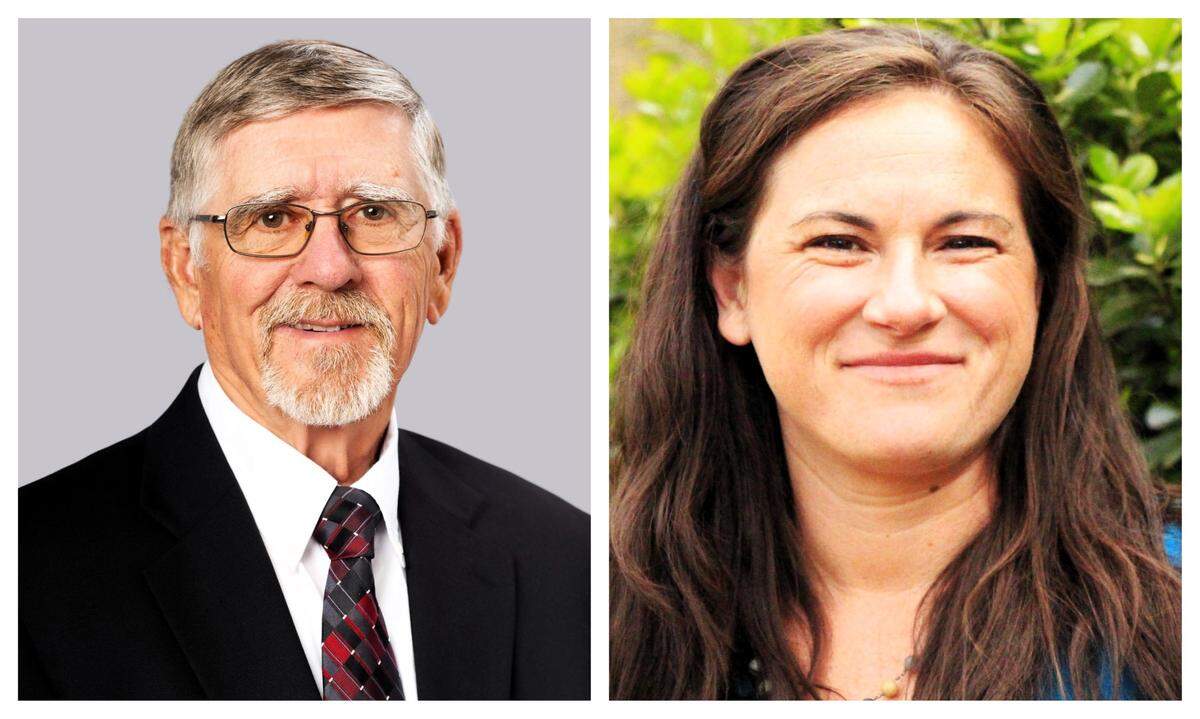
District 2
Earl McKee: Housing and affordability are key issues for the commissioners, and he supports working with nonprofit housing partners, McKee said, but he doesn’t want to see the county in the business of building or operating affordable housing.
Instead, the county could provide land to its partners and help pay for roads, utilities and other infrastructure, he said. The county’s other key role is helping homeowners, especially seniors on fixed incomes and low-wage workers, repair their homes so they can stay, he said.
“Sometimes keeping somebody in their home is as important as building more homes or more housing,” he said, while noting the cumulative effect of small tax increases every year.
“My fear … is that we’re driving people out of the county,” McKee said. “And it’s not only our lowest earners. We’re starting to make it very difficult for people that are in workforce housing: the teachers, the firefighters.
Beth Bronson: Rental subsidies, accessory dwelling units, small homes, and multigenerational living are some ideas she wants to explore, Bronson said. Someone could do 20 hours of volunteer work each month in exchange for subsidized housing, she said, or the county could launch a guaranteed income program, like in Durham County.
“It’s a way to ensure housing can be something that doesn’t stress a family out every month,” Bronson said. “So many of us live paycheck to paycheck, and so it does come to housing and having a roof over your head,” or an apartment where rent increases don’t force you to move.
Transportation is key in rural areas where a car is a necessity, and in urban areas, landlords are part of the solution, she said.
“I don’t want to say that their goals don’t matter and their livelihood, because it absolutely does, but I think that there’s a lot that landlords can do to participate in the conversation,” she said.
Louis Capitanio: The Republican candidate has not responded to The News & Observer’s requests for information.
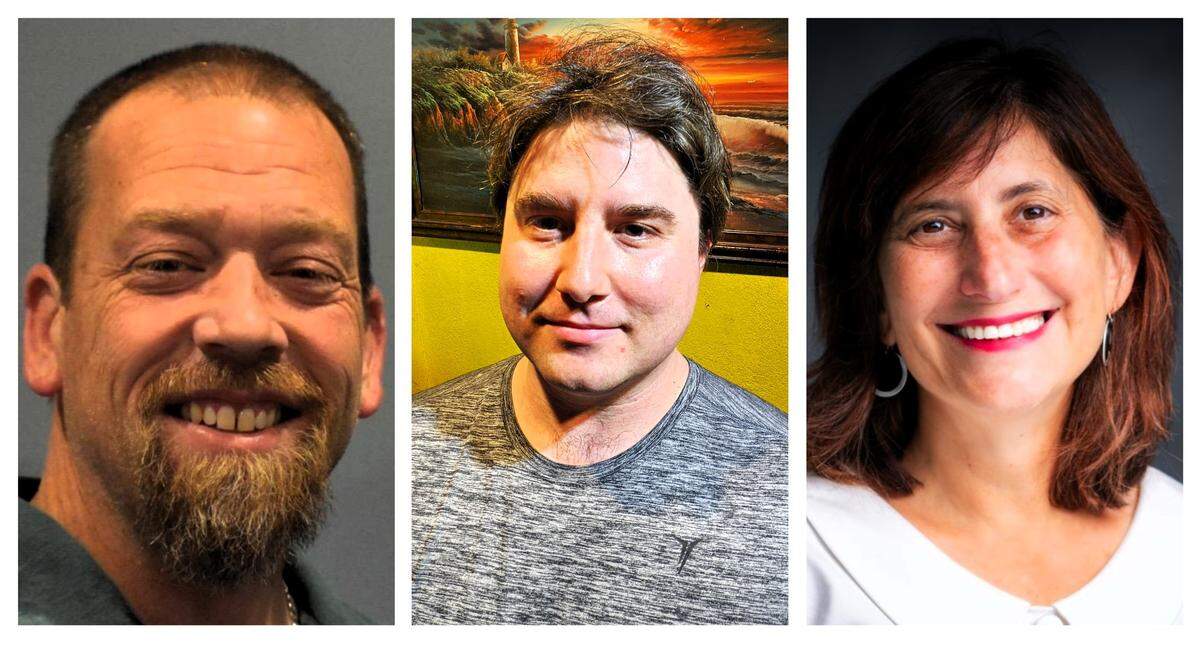
At-large District
Adam Beeman: Beeman questioned 40 years of county policies, homes priced in the $700s that are unattainable for most families, and nonprofit housing providers focused on families earning over $60,000 a year.
Affordable housing is directly tied to water and sewer infrastructure, and pushing that down the county’s major roads could allow for dense, stacked townhomes and attract more businesses to share the tax burden with homeowners, he said.
Another solution is working with high schools to preserve aging homes, especially in older and historically Black neighborhoods, he said. Students could help lower-income homeowners with repairs, earning hands-on training in the trades in return.
The current trajectory “completely reaffirms everything I heard over my years on the planning board that had been said by several different people — that Orange County wants to become a bedroom community, and that’s exactly what we’re pushing to,” he said.
Karen Stegman: Housing is a critical issue that has been discussed for years, Stegman said, but where it should go also affects the county’s desire to protect rural areas and farmland.
The ideal location has utilities, transit, and dense growth that supports climate goals, she said.
“We’ve committed to not sprawl, which is good for the environment, for climate, for maximizing transit, and it also is good for affordability,” Stegman said. “It costs a lot less to serve a denser, compact community than folks sprawled all over a wider area.”
Property taxes are also key, because rising costs hurt both homeowners and renters, she said.
The commissioners can fund affordable-housing projects and streamline county land-use rules that can bog down projects and drive up the cost of housing, she said. It’s also “really, really important” that the commissioners adopt recommendations from the Tax Assessment Work Group and track them over time to see if they bring relief.
Jeffrey Hoagland: Hoagland, the other Republican candidate, said older homeowners and long-term renters especially need help.
But subsidized housing isn’t the solution, he said, because it drives higher taxes, which in turn, increases the cost of housing.
It’s a never-ending cycle,” Hoagland said. “It works great in the short term. It’s just as a long-term solution, it’s not viable. I guess the best way to put it is it’s putting a Band-Aid on something you need to get stitches for. It can work. It’s just not going to be very good for you.”
Instead, he supports changing how property tax is assessed, such as tying the tax value of a home to the level it was when the owner moved in, and finding ways to build affordable housing for less.
This story was originally published February 12, 2026 at 4:42 PM with the headline "Housing is key for Orange County voters. What would commissioner candidates do?."


.JPG)