In his farewell address, Roy Cooper touts North Carolina’s ‘great comeback story’
READ MORE
The Final Days of the Cooper Administration
After eight years in office, the tenure of North Carolina Gov. Roy Cooper is coming to a close. Here’s coverage from The News & Observer that looks at the Democrat’s two terms and what’s next.
Expand All
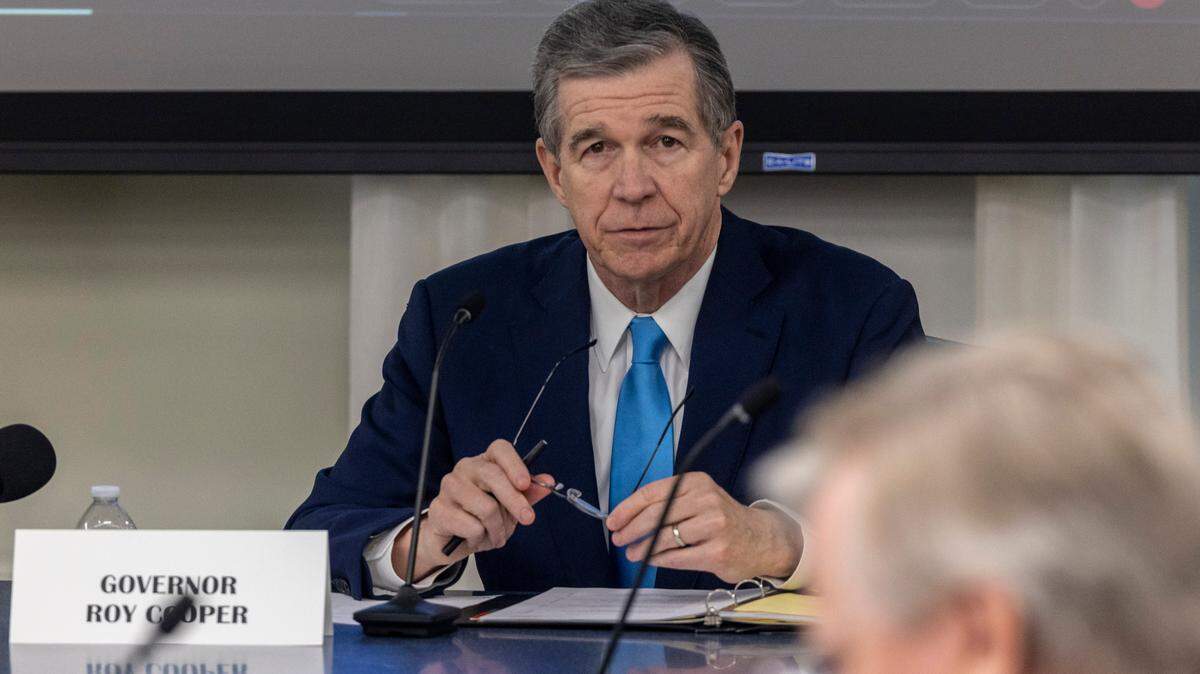
As Biden commutes death sentences, advocates hope Cooper will do the same in NC
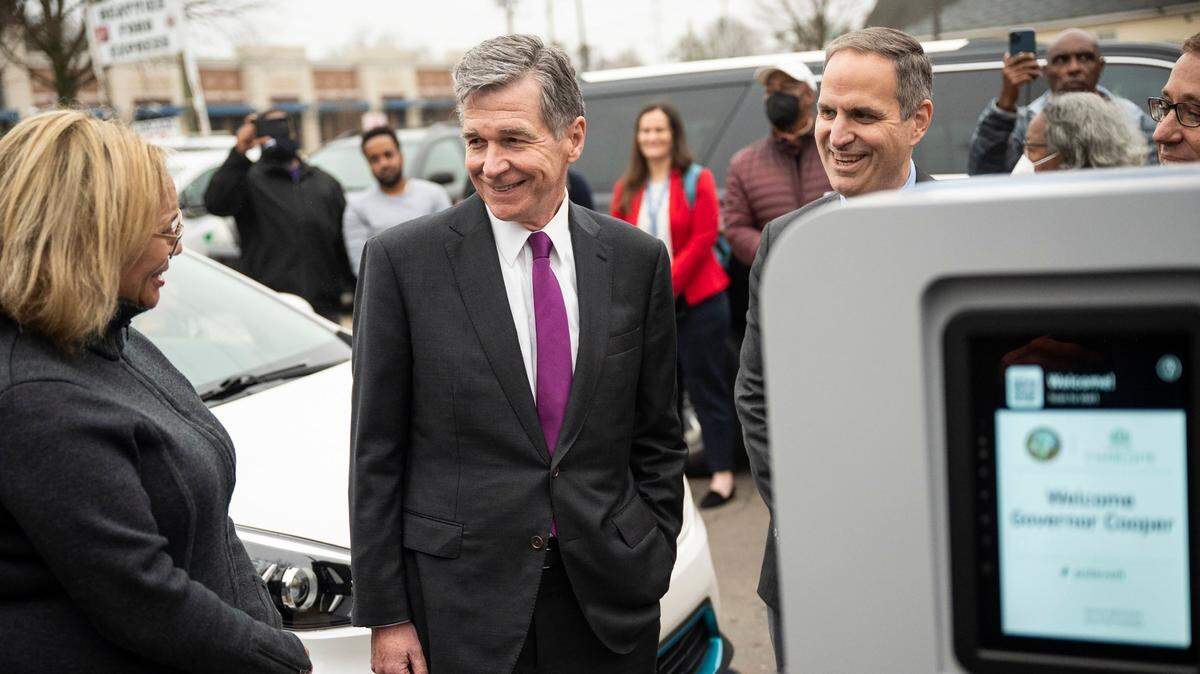
After 2 terms as governor, Cooper looks back at how NC became ‘a clean energy epicenter’
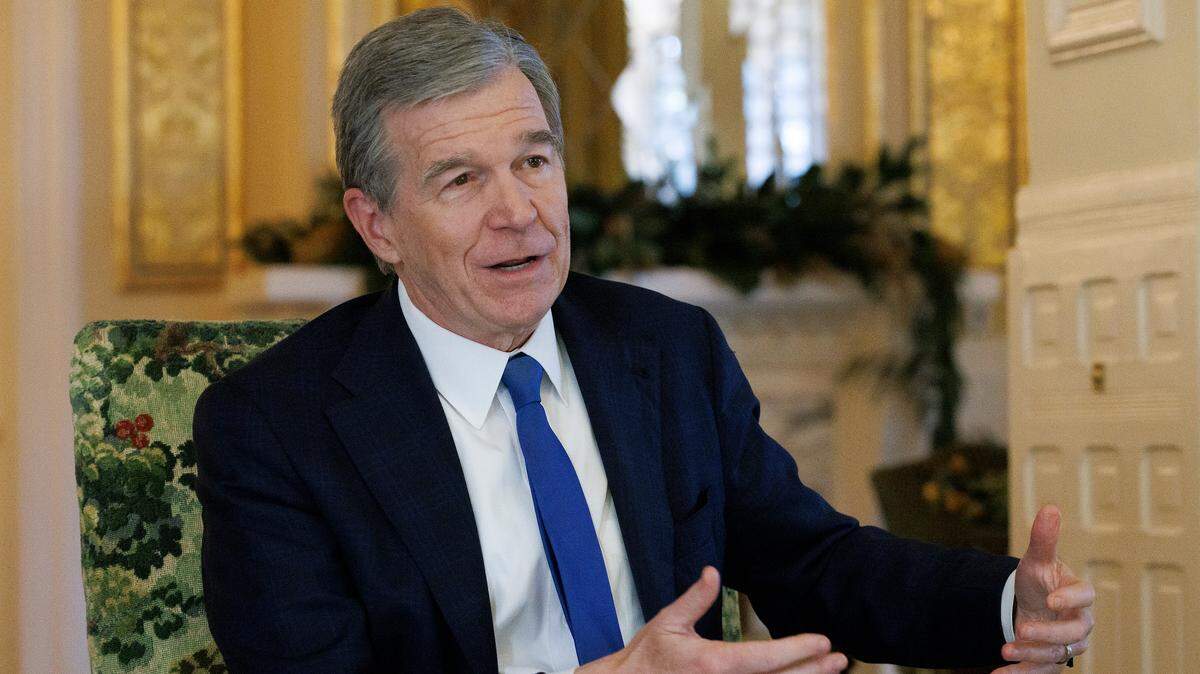
As NC Gov. Cooper leaves office, he’s learned from battles with legislature, business
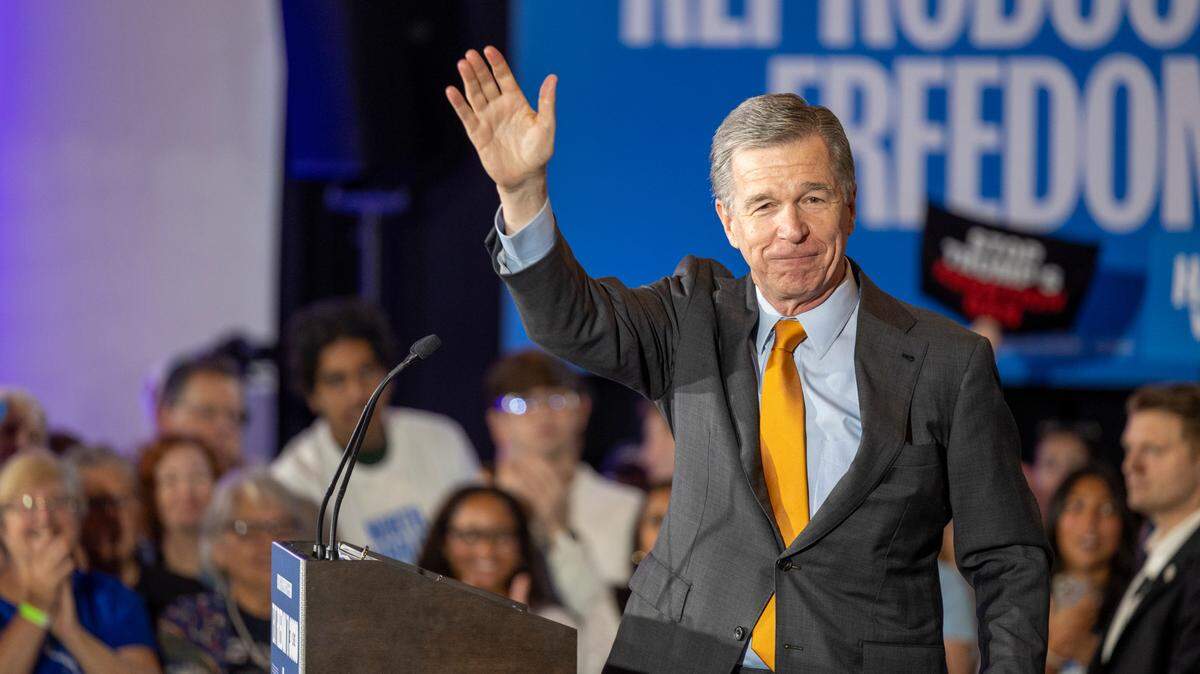
In his farewell address, Roy Cooper touts North Carolina’s ‘great comeback story’
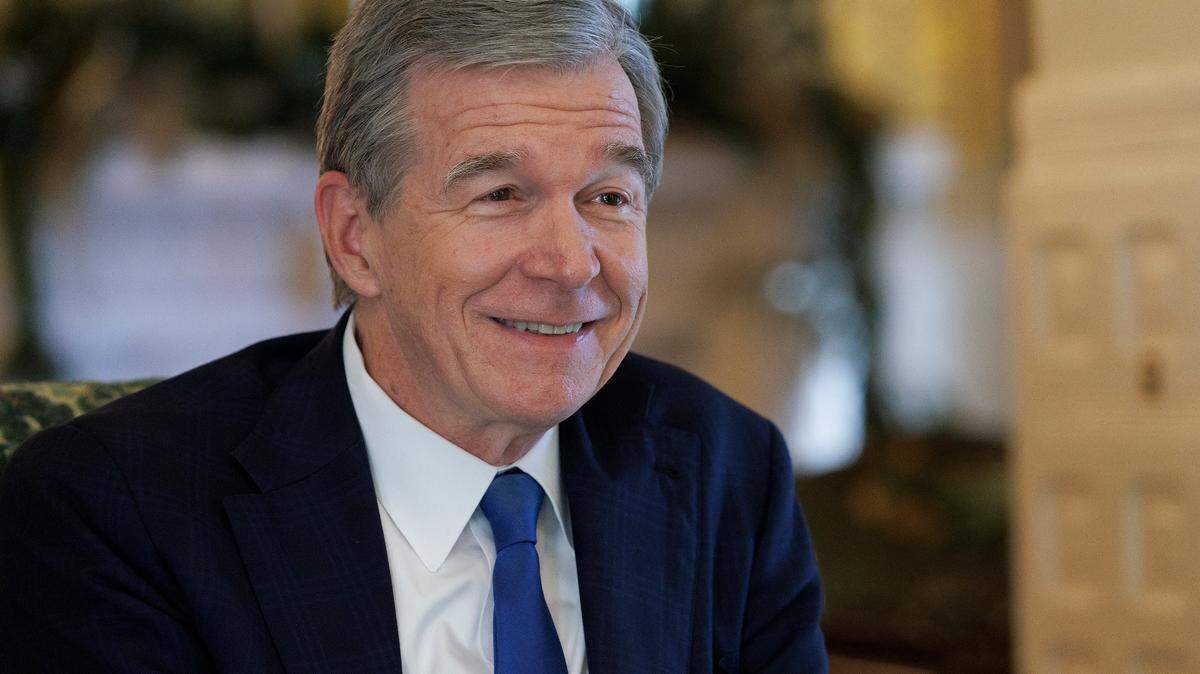
Roy Cooper’s life after the mansion: Sweaters, sports, driving and perhaps the Senate
Reflecting on his eight years in office Wednesday, Gov. Roy Cooper said he was proud to have fought for Medicaid expansion, public education, the state’s growing clean energy economy, and other policies that he said would benefit North Carolinians for years to come.
Cooper returned home to Nash County to deliver his farewell address, the last of a series of speeches the outgoing Democratic governor has been giving this month across the state, highlighting the key accomplishments and themes of his time in office.
Not far from where he grew up, Cooper took the stage Wednesday at Nash Community College, where he had also kicked off his campaigns for attorney general and governor. He thanked his family, his pastor, who delivered a prayer before the speech, and several staff members who he said had been with him for decades. That included his former longtime chief of staff Kristi Jones, who introduced him.
Looking back at his two terms, Cooper said the state has made “remarkable” progress on his goal to make it a place “where people are better educated and healthier, with more money in their pockets, and the opportunity to live a life of purpose and abundance.”
Cooper said that in many ways, the growth and accomplishments the state has seen since 2017 represent “a great comeback story.”
He mentioned several challenges North Carolina has faced in that time, including the COVID-19 pandemic and natural disasters that have included hurricanes Florence, and just a few months ago, Helene.
But he said one of the first major challenges he addressed was the blow-back to House Bill 2, the controversial legislation GOP lawmakers passed in 2016 requiring people to use bathrooms in schools and other government buildings that corresponded to their assigned sex at birth.
Cooper said that while the state’s reputation at the time was “in tatters,” there was “one intangible impact that weighed heavy” on him as he prepared to take office, which he said was the number of North Carolinians who told him: “This isn’t who we are. This isn’t what our state is about.”
“Our comeback story was never a given, but we did come back, today,” he said before listing several accomplishments including turning North Carolina into the third-fastest growing in the country, and the best for business, adding hundreds of thousands of jobs, giving more than 600,000 people health insurance coverage through Medicaid expansion, and restoring the state’s reputation “as a welcoming place where people can thrive, innovate, and grow.”
‘A generational investment in people’s health’
Cooper said one of the most ambitious parts of his agenda when he entered office was expanding Medicaid coverage, something that Republicans in the legislature had staunchly opposed.
“If our current comeback story was never a given, then getting Medicaid expansion passed was little more than a pipe dream when I became governor,” Cooper said. “But the prospect of getting health care for hundreds of thousands of North Carolinians was too important. I knew that passing Medicaid expansion would be the working families bill of the decade.”
Cooper recalled the journey it took to reach an agreement with GOP legislative leaders in 2023, after years of negotiating.
He said the effort was successful in large part because it included a “unique coalition who cared about this for different reasons, but could influence their own Republican legislators. Those supporters included business leaders “who needed healthy workers,” and “tough-on-crime Republican sheriffs” who had seen “the toll of mental illness and substance abuse, and knew that so many people in their jails needed health care and not handcuffs.”
Cooper said the fact that more than 600,000 people have enrolled in Medicaid expansion in its first year of implementation shows “how much it was desperately needed.”
“This is a generational investment in people’s health,” he said. “Because health, like wealth, is passed down. When someone can live a healthier life today, that passes down to their children, and their children’s children.”
He also touted the plan he unveiled in July to leverage Medicaid funds to relieve up to $4 billion in medical debt for 2 million North Carolinians.
The plan quickly received federal approval, and all 99 of the state’s eligible hospitals had agreed to participate in the debt relief incentive program by August. Hospitals that participate in the program would get higher reimbursements for treatment of Medicaid patients.
Cooper said the first-of-its-kind program “is now a road map for other states.”
Importance of funding public schools
Toward the end of his remarks, Cooper turned to public education.
He spoke about his mother, Beverly, a school teacher, and the lasting impression she left on her students, including many who he said still come up to him today and say that she was the best teacher they ever had.
Cooper said he was successful in pushing the General Assembly to make more investments in public schools early in his tenure, but said that the total 19% increase in average teacher pay since the beginning of his first term is “obviously not nearly enough.”
In January, Cooper visited Nashville Elementary School, where he was a student as a child, to proclaim 2024 the “Year of Public Schools” and call on Republican lawmakers to invest more funds in public schools, and stop funding the state’s private school voucher program.
Cooper said Wednesday he made that proclamation because he wanted “North Carolina to know, in all caps and bold face, that quality public education is the key to our state’s success.”
“Right-wing extremists and for-profit schools have peddled a false narrative that our public schools are failing, using that lie to justify their programs to rob public taxpayer money from public schools, and send it to private schools for the wealthy through vouchers,” he said.
This story was originally published December 18, 2024 at 2:42 PM with the headline "In his farewell address, Roy Cooper touts North Carolina’s ‘great comeback story’."