
As NC Gov. Cooper leaves office, he’s learned from battles with legislature, business
READ MORE
The Final Days of the Cooper Administration
After eight years in office, the tenure of North Carolina Gov. Roy Cooper is coming to a close. Here’s coverage from The News & Observer that looks at the Democrat’s two terms and what’s next.
Expand All
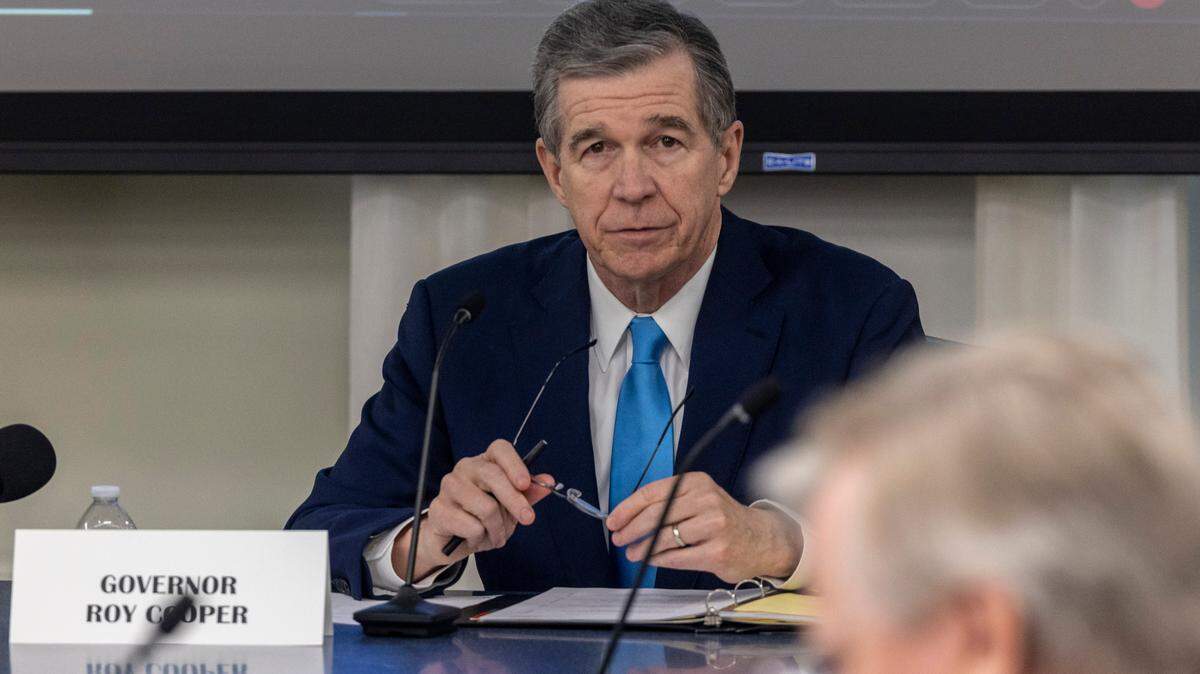
As Biden commutes death sentences, advocates hope Cooper will do the same in NC
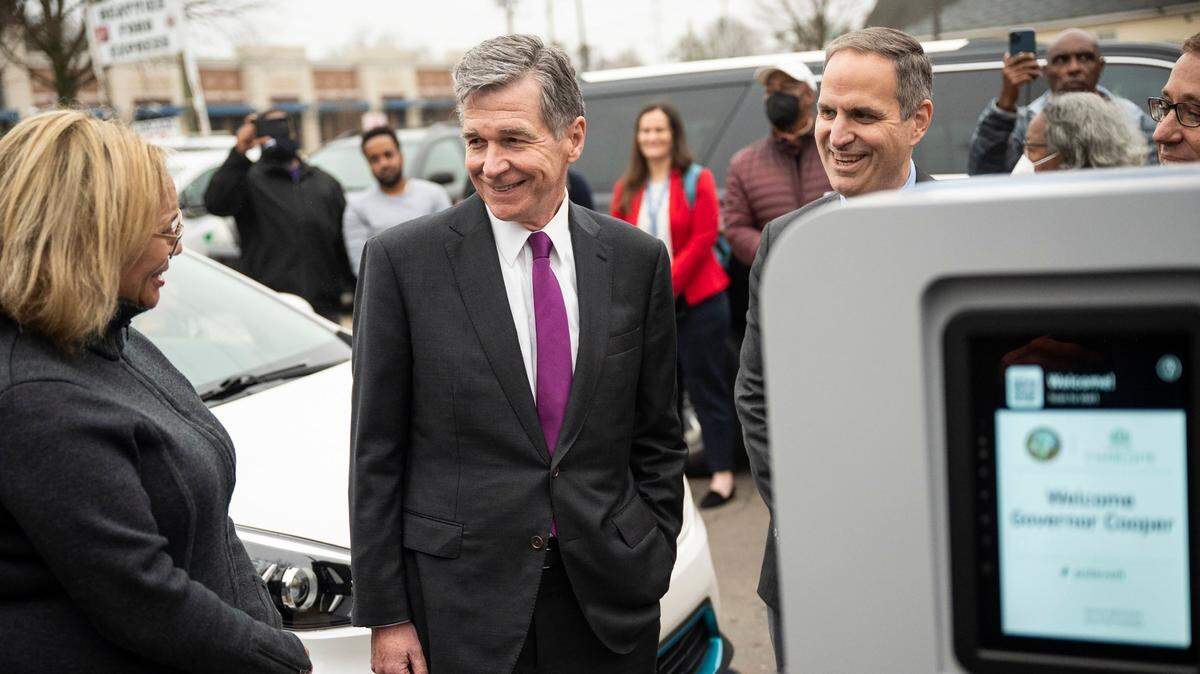
After 2 terms as governor, Cooper looks back at how NC became ‘a clean energy epicenter’
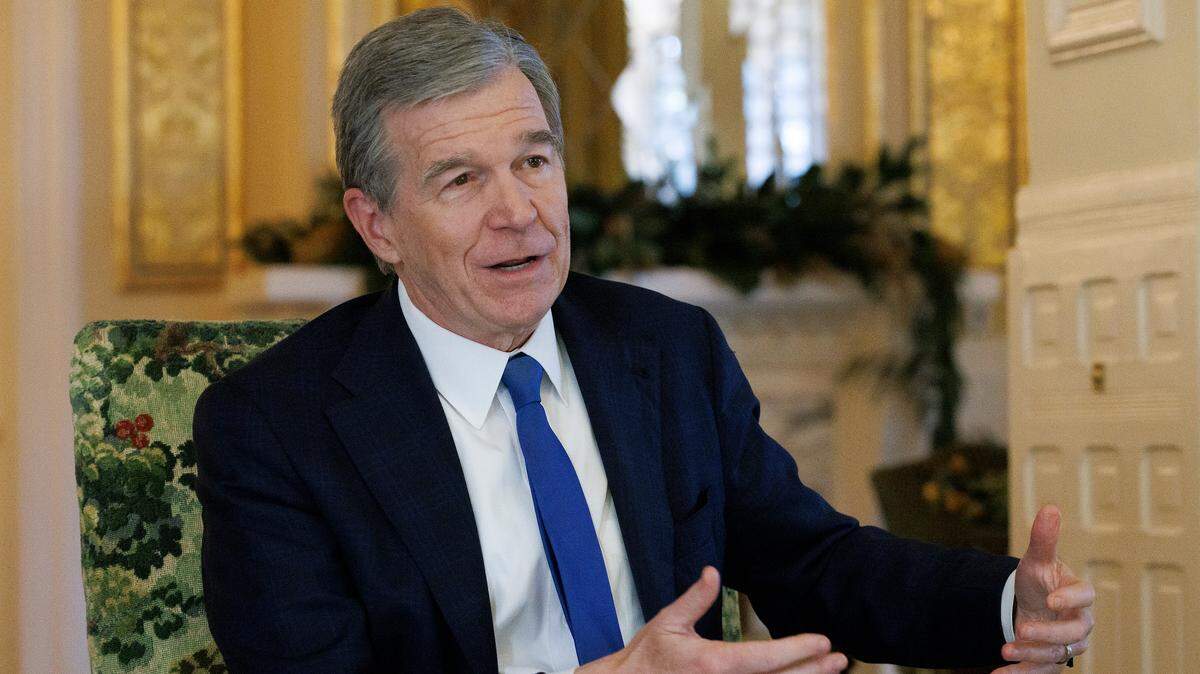
As NC Gov. Cooper leaves office, he’s learned from battles with legislature, business
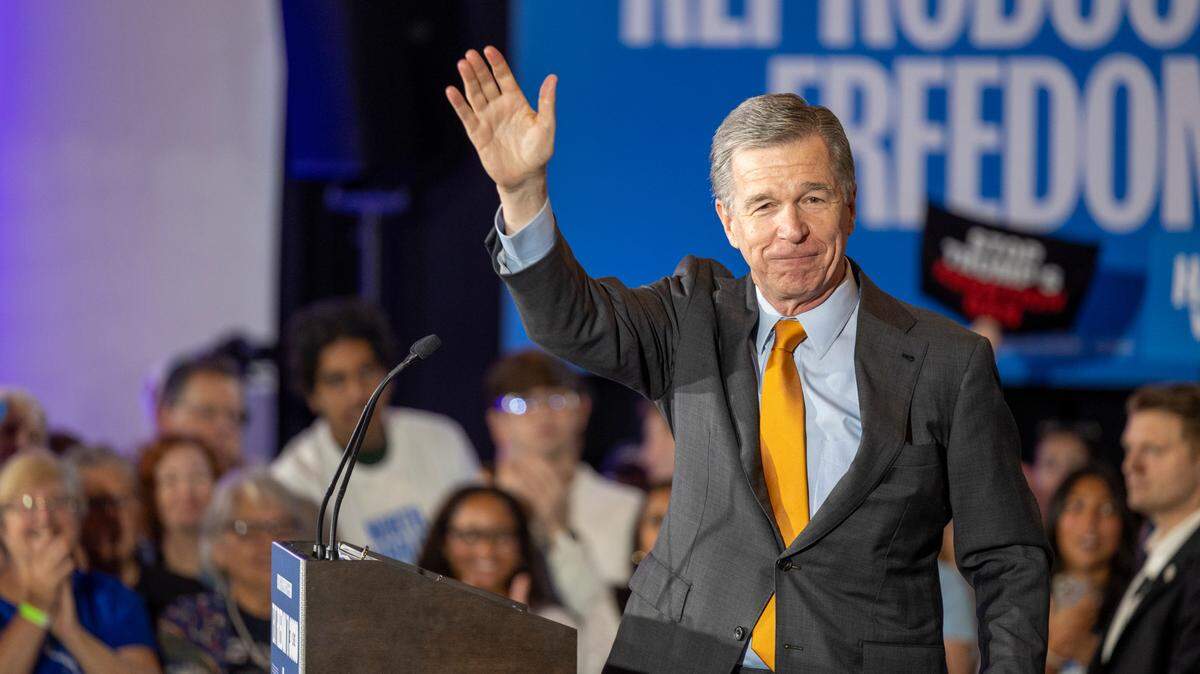
In his farewell address, Roy Cooper touts North Carolina’s ‘great comeback story’
Roy Cooper’s life after the mansion: Sweaters, sports, driving and perhaps the Senate
After eight years in the Executive Mansion, the tenure of North Carolina Gov. Roy Cooper is coming to a close, with his legacy in the state begun but perhaps unfinished.
He spent two terms as the Democratic leader of the executive branch, doing regular battle with the Republican-led General Assembly. He may continue his life in politics — though he won’t say yet if he’s running for U.S. Senate — with lessons learned from his work in state government.
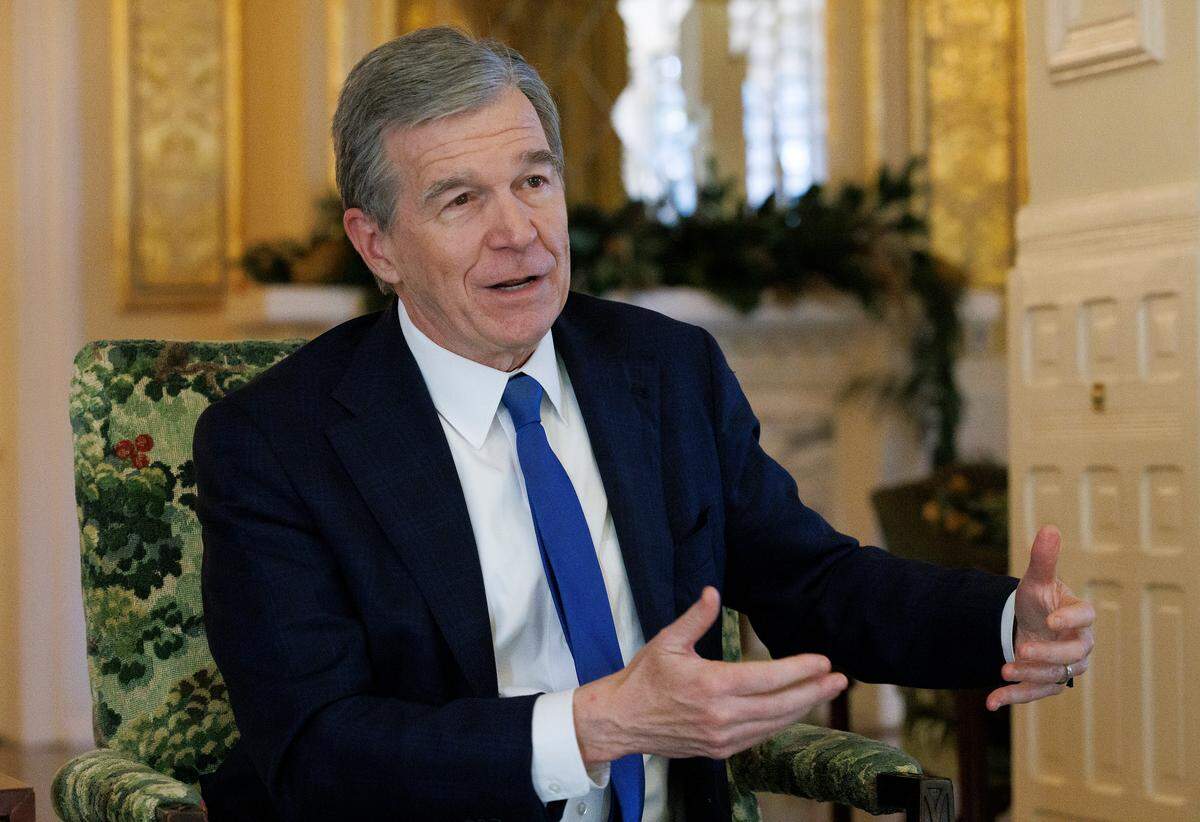
The News & Observer sat down with the outgoing governor in December to look back on his time in the mansion, which will soon be occupied by Gov.-elect Josh Stein, Cooper’s longtime friend and colleague. Like Cooper, Stein will be a Democrat tasked with working with a Republican-controlled General Assembly.
Policy wins and losses can be defined by that balance.
However, the leaders worked together to make major gains in economic development.
With supermajorities, the balance of power has tilted more toward the legislature, as they had the votes to take power away from the governor. They also passed major legislation over his veto, including a 12-week abortion ban in 2023.
Fallout from HB 2, and NC’s business boom
Cooper took office in 2017 after narrowly defeating incumbent Republican Gov. Pat McCrory. A major campaign issue was House Bill 2, known as the “bathroom bill,” which required transgender people to use the bathroom in government buildings that corresponded to the sex on their birth certificates. It was later repealed after predictions that it would cost the state an estimated billions of dollars in lost business over more than a decade.
“When I took the oath of office on January the first at 12:01 a.m., I was physically in the Capitol, but I was standing amidst the rubble of the broad, discriminatory House Bill 2, where businesses were pulling out of North Carolina, and concerts and entertainment and sports weren’t coming, and the film industry pretty much packed up and left,” Cooper told The N&O, words he also echoed days later in his farewell speech.
“We were able to regain respect,” he told The N&O. “We were able to turn it around. We’ve become the third-fastest growing state in the country. Created 640,000 jobs. We’ve become a clean energy epicenter for not only the country, but the world, (which) is looking to us as a place for clean energy. And the fact that all of these great paying jobs are here now, will, I think, help us for generations.”
Republicans, on the other hand, would credit the state’s business success, in part, to their priority of reducing taxes, both the individual income tax rate and corporate income tax rate. The General Assembly passed, and voters approved, an income tax cap of 7% as a constitutional amendment in 2018. Just this month, Senate Republicans passed a measure that would bring it down to 5%.
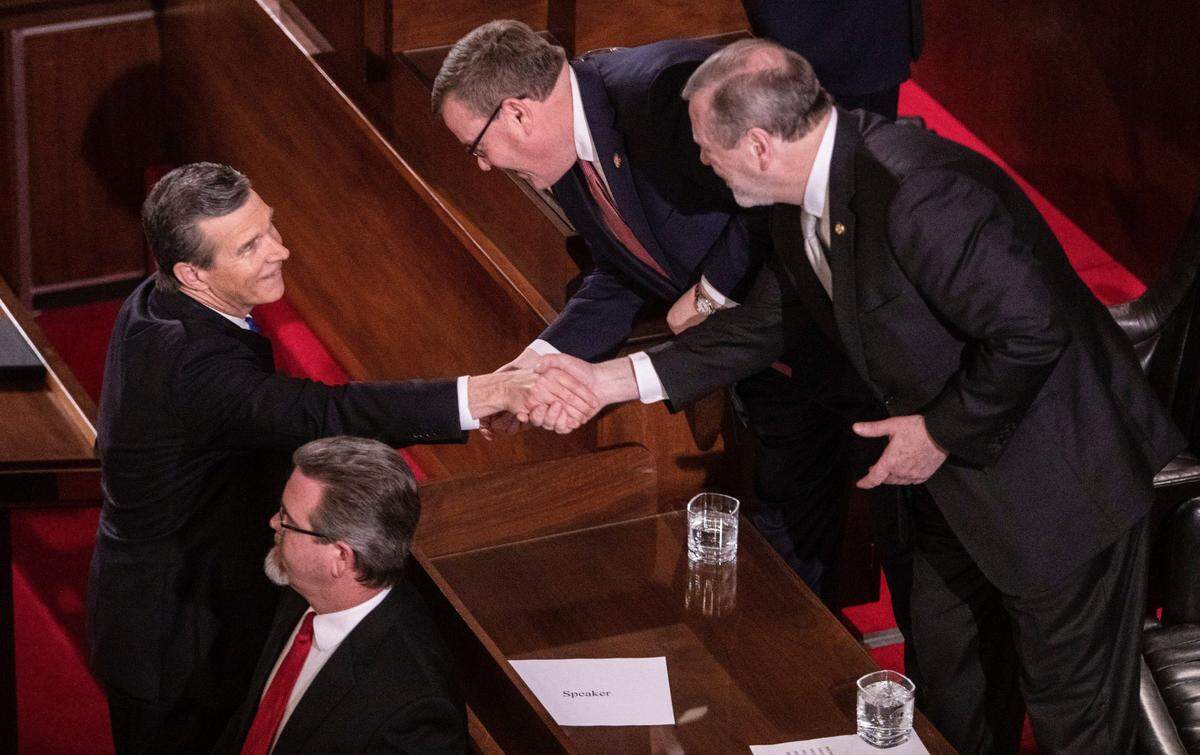
Outgoing Republican House Speaker Tim Moore, and recently reelected Republican Senate leader Phil Berger, have been Cooper’s foils for the past eight years on major policy.
It began to follow a pattern: Republicans would propose tax cuts, and Cooper would oppose them. Cooper would propose teacher raises, and Republicans would propose smaller ones. Cooper opposed private school vouchers; Republican expanded the program, including an additional $500 million this fall. When Republicans didn’t have the votes to overturn a veto, they’d add policy to a state budget Cooper would sometimes sign or let become law because of what he did want in it, like Medicaid expansion.
Medicaid expansion deal
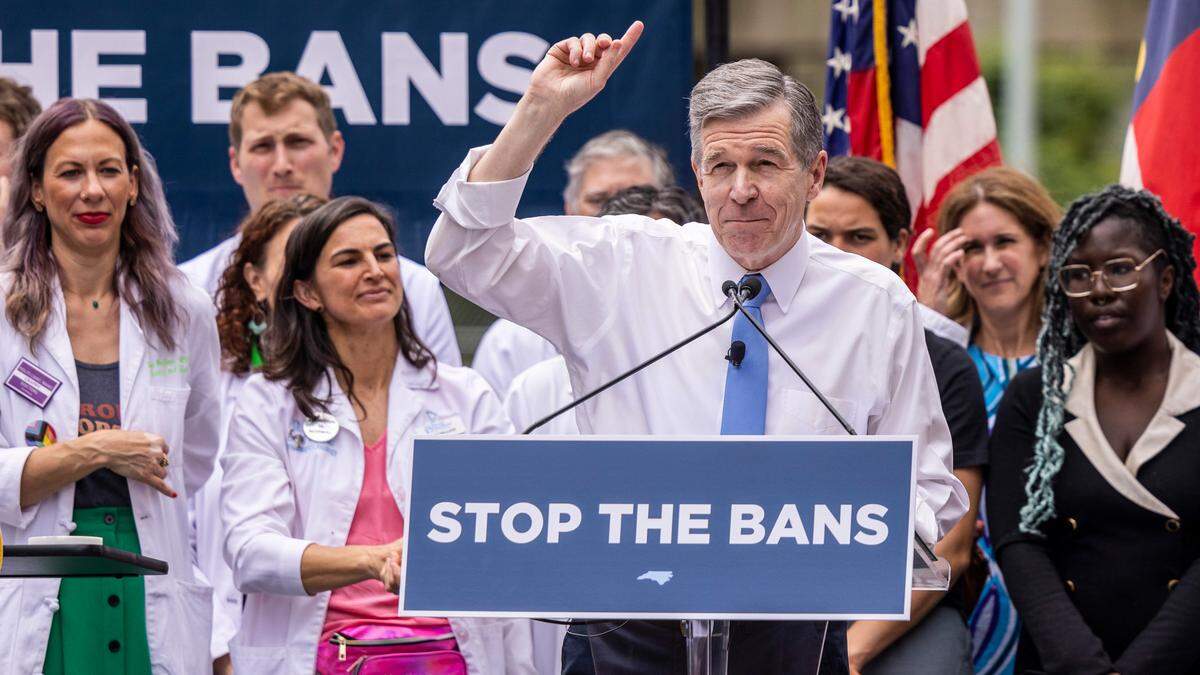
While there are other major issues that define Cooper’s legacy, the expansion of Medicaid after a years-long fight is a contender for the biggest legacy of his time in office.
The year no state budget became law at all — 2019 — happened because Medicaid expansion was at the center of negotiations. Cooper vetoed the state budget that summer, launching months of bitter stalemate. Republicans argued that Cooper issued an expansion-or-nothing ultimatum. The House overrode his veto that September, but the Senate never took a vote. Instead, the legislature passed a series of small budget bills, and state law allowed the state to just maintain the spending levels of the previous year, rather than face a shutdown like the federal government has done.
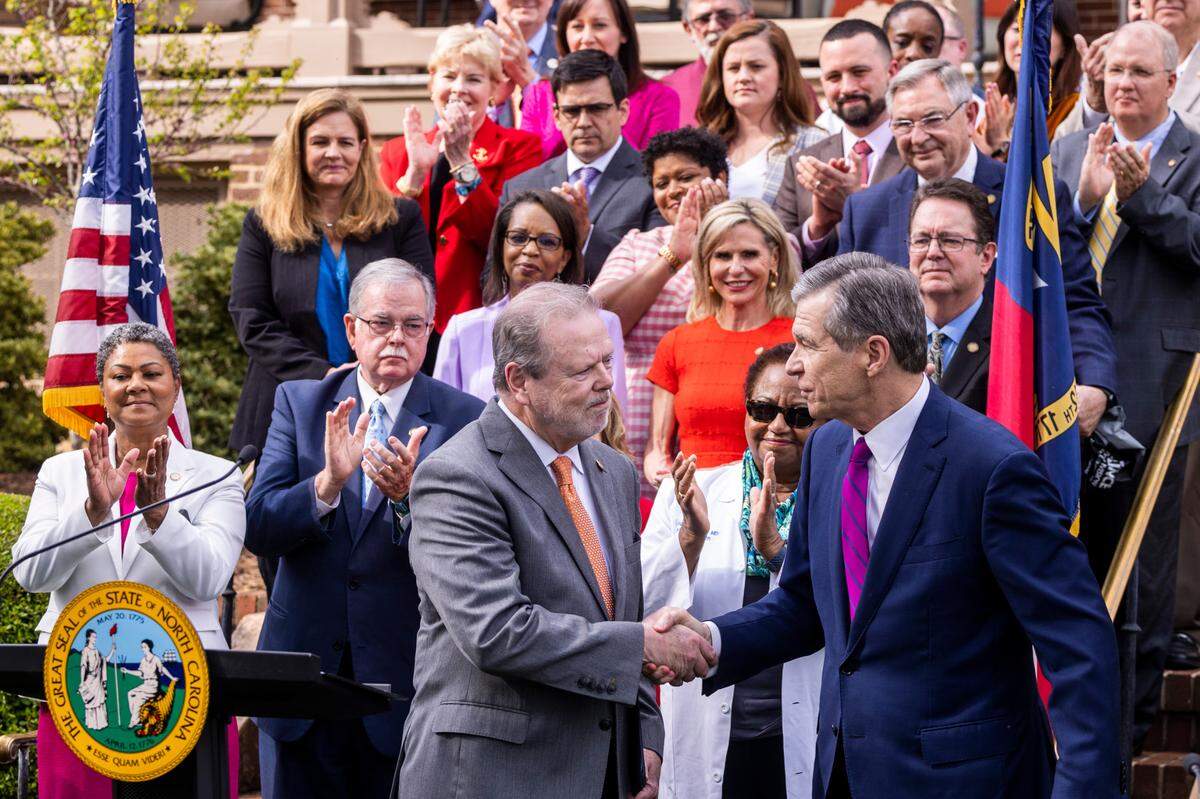
Republicans did not budge, and Cooper did not either. In early 2023, after years of debate, they finally reached a deal. By Dec. 1 of that year, Medicaid expansion had become law and 600,000 people who did not previously qualify were eligible to enroll in the health care coverage.
In his farewell speech, Cooper said getting Medicaid expansion passed started as “little more than a pipe dream when I became governor. But the prospect of getting health care for hundreds of thousands of North Carolinians was too important. I knew that passing Medicaid expansion would be the working families bill of the decade.”
“It’s a story that took many twists and turns, and through all of them, we knew we could never, ever give up. And we didn’t,” he said.
Cooper’s other focuses during his time in office include measures to address climate change and clean energy, as well as improving infrastructure statewide, including high speed internet expansion.
While Medicaid expansion took years, economic interests were something that both sides generally agreed on.
“When it’s come to economic development, it has been a very constructive and a very solid working relationship that I’ve had with all of the governors,” Moore told The N&O in December in response to a question about Cooper.
Losing Toyota once
The N&O asked Cooper if there was anything he would do differently about his time as governor.
He told the story of North Carolina’s losing out to another state to bring Toyota during his first term.
“You learn from everything you do, and we always try to learn from everything we do. In 2017 I wanted so much for Toyota to build their automobile plant in Greensboro, and even had to fly to Tokyo over Christmas to meet with them. It was down to the final two. We lost. It went to Alabama. What we did was tell the Toyota people, come to the mansion, talk with us about what we can do better,” Cooper said.
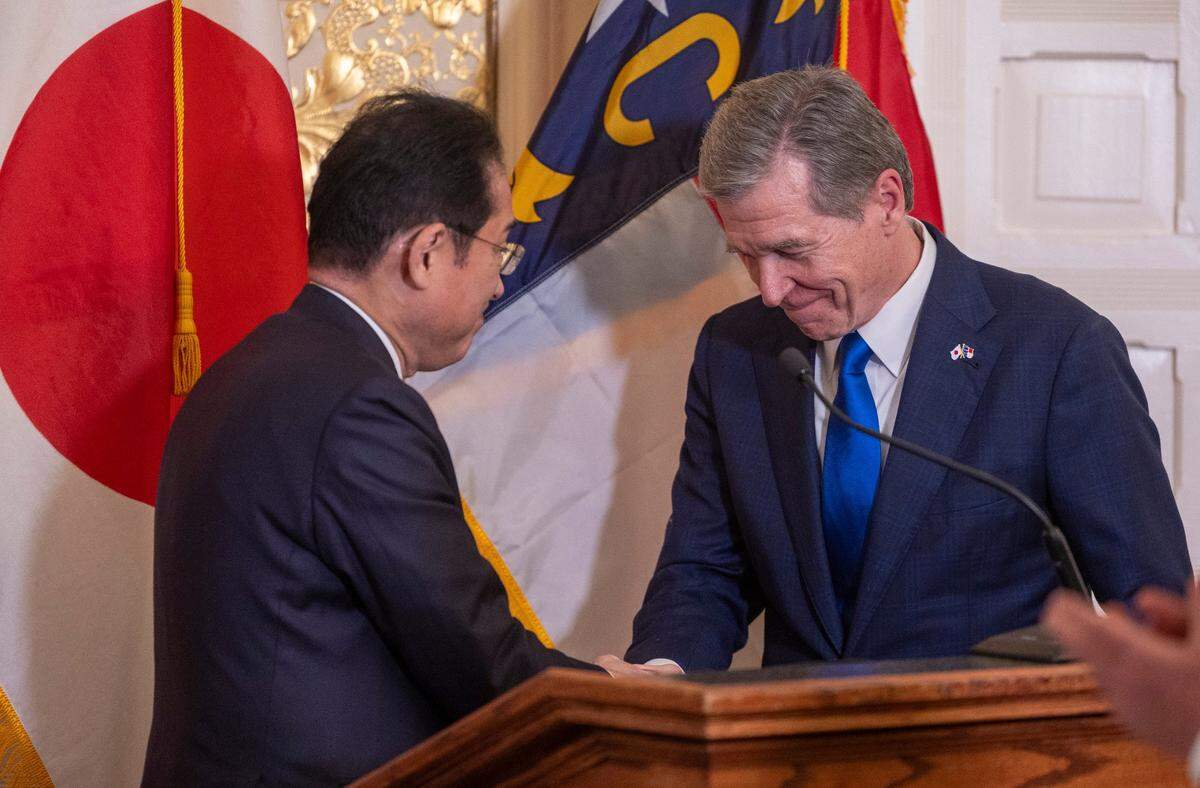
Cooper said he learned Toyota had issues with the site itself, so they fixed that. When Toyota was looking at North Carolina again, this time for a battery plant, they decided to come. The plant is now under construction in Randolph County.
“So that’s an example of not getting what you want, and seeing what you can do better, and being able to succeed once you’ve done those things,” he said.

Cooper said he hopes that the stalled electric vehicle plant that VinFast, the Vietnamese company, was to build in Chatham County will still happen.
“It’s taken them longer than we had anticipated,” he acknowledged.
“The good thing is, is that this site is the perfect site for an automobile manufacturing plant. And the investments that have been made there need to be made anyway, and they’re not going to get their incentives until they perform,” Cooper said.
Cooper and COVID-19 response
Another of Cooper’s battles with the legislature — as well as North Carolina businesses — was over his COVID-19 pandemic restrictions.
For the first few months of pandemic shutdowns in 2020, Republican leaders were supportive of Cooper’s decisions. When vaccinations became readily available, Cooper, Berger and Moore even did a public service announcement together urging people to get vaccinated.
But as Cooper continued a state of emergency, and his “dimmer switch” approach to gradually allowing more people to gather and more businesses to operate, Republicans’ patience waned, “reopen” protests were held downtown and lawsuits were filed.

The biggest pandemic-era compromise between Cooper and legislative leaders came with a school reopening deal after many schools had been closed for in-person learning for about a year. Eventually, as statewide restrictions eased, Cooper left it up to local governments to make decisions.
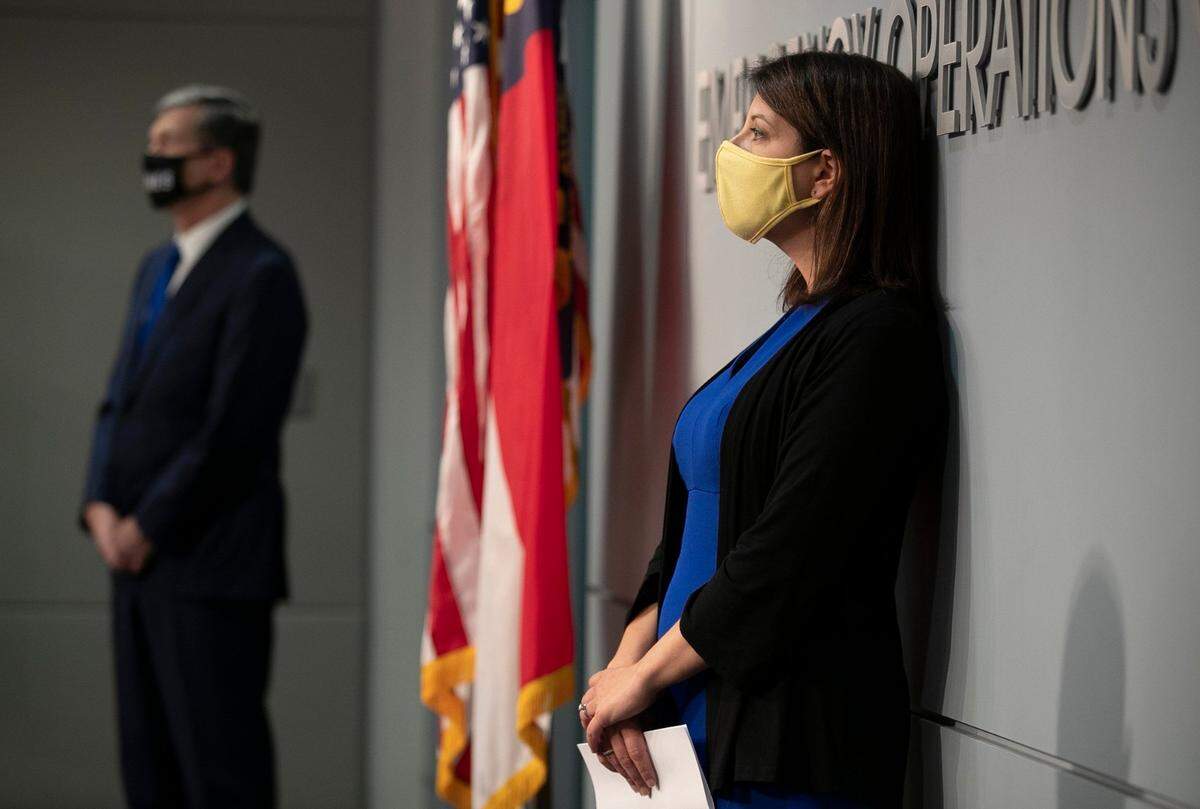
Republican House members marked the second anniversary of Cooper’s state of emergency with a cake and a handmade card signed by the caucus opposing the continued declaration. And lawmakers changed state law to limit governors’ power to issue executive orders and states of emergency, like Cooper did, without getting support from the rest of the Council of State or the General Assembly.
“We had to deal with the information that we had at the time,” Cooper said about his pandemic response. “And let’s look at the results. I mean, we ended up among the lowest states per capita in COVID deaths and job loss. .... We listened to health care professionals and scientists, but we also took what we learned and what we were thinking about, to the business community and got their input and feedback on this.”
.JPG "Election2020GovernorNorthCarolina (4).JPG")
Cooper ran for his second term in 2020, during the height of the pandemic, and defeated his Republican opponent, then-Lt. Gov. Dan Forest, who opposed school and business closures and mask mandates. Forest campaigned on getting the state out of “lockdown, shutdown mode.”
In April 2024, the N.C. Court of Appeals ruled that Cooper had violated the constitution with his restrictions on bars, but not restaurants. Zack Medford, head of the North Carolina Bar and Tavern Association, said then that bar owners just wanted equal treatment. “Unfortunately, these private bars were forced to stay closed for a full year and without relief from the state. The governor’s decision forced many of these bars to eventually close permanently,” he said.
Hurricane recovery scrutinized again
In the final months of his term, Cooper’s administration was heavily criticized for the pace of hurricane relief in Eastern North Carolina, criticism that was amplified as the state responded to Hurricane Helene in Western North Carolina this fall.
Just this month, a state audit found lax oversight of Hurricane Florence recovery funds, The N&O reported. And the chief operating officer of the North Carolina Office of Recovery and Resiliency, known as NCORR, was out of a job in late November, the same day Cooper was in Washington seeking new hurricane relief from the federal government. That was days after a Republican-led committee hearing critical of the agency.
House Rules Chair Destin Hall, the incoming speaker for the 2025 legislative session, called Eastern North Carolina hurricane relief “a scandal.” Moore said he wouldn’t characterize it that way, but that he is “disappointed with the way that the disaster relief on those two storms (Florence in 2018 and Hurricane Matthew in 2016) has been handled. And I think folks want answers. I think that’s part of it.”
The N&O asked Cooper for his response to the comments.
“Well, first I would say that if you look at hurricane Matthew and Florence, you have to look at the overall response, more than 13,000 homes repaired or rebuilt. Hundreds of roads, bridges, public buildings repaired,” Cooper said. He said the federal money used came in “very late and full of red tape. A lot of lessons are learned from that, that I think we’ll be able to move toward Hurricane Helene and response there.” He said houses rebuilt in areas where Matthew and Florence hit are more resilient for future storms.
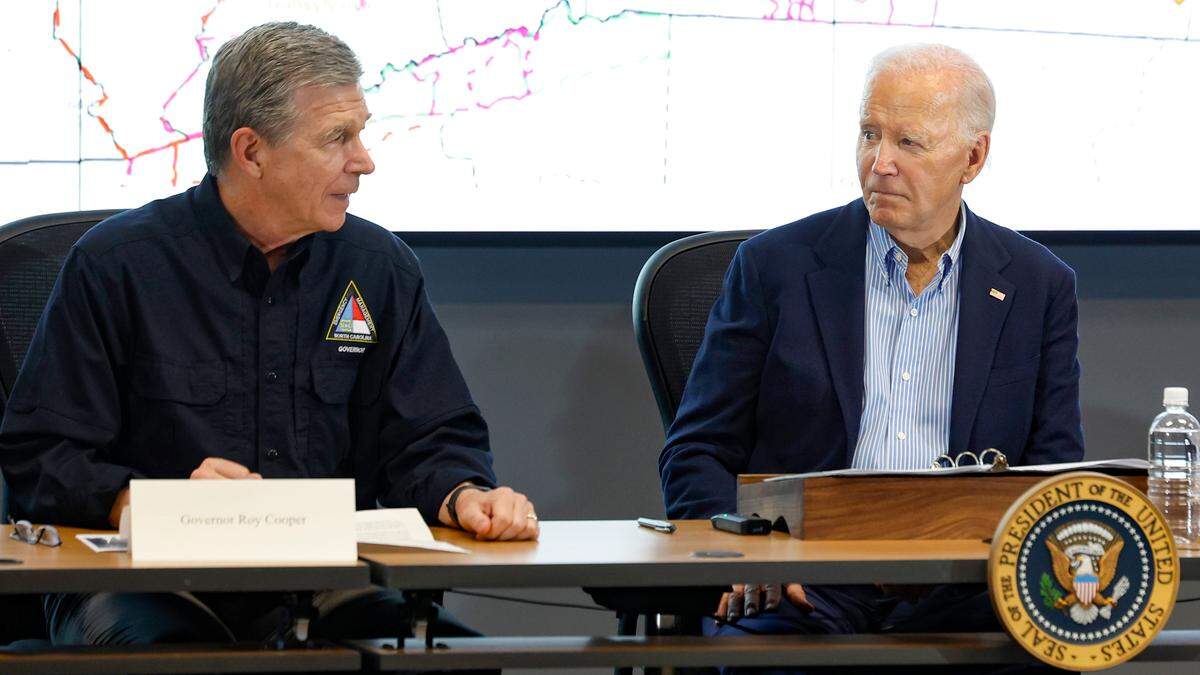
Cooper said the state has made significant progress on Helene response in Western North Carolina. His successor, Stein, will make it the major focus of his new administration. And Republicans in the legislature have already said that the 2025 legislative session’s budget process will be centered on Helene recovery.
Those issues will be for Stein, Berger and Hall to sort out, as Cooper is on to his next venture.
Cooper, Stein and education
Cooper said another lesson learned about advancing policy is to build coalitions county by county earlier, in a way that worked to bring Republicans on board with Medicaid expansion. He’d like to see the same progress with public education funding.
Cooper said even though lawmakers didn’t give teachers raises as high as he wanted them, “while I’ve been governor, they’ve raised salaries about 19%. So that’s positive, but the last few years, they’ve begun to buy the narrative that’s put forward by right-wing extreme groups and for-profit schools saying that our public schools are failing. They are not.”
“We haven’t seen the investment in our public school students over the last few years that we saw before, and now we’ve seen this multi-billion dollar private school voucher problem come into play that’s going to take even more money for public schools in the future,” he said.
Berger, the Republican Senate leader, sees it differently, telling reporters this fall after funding more money for vouchers, called the Opportunity Scholarship Program, that it gives “parents more of a say in their child’s education.”
“And every bill that we’ve had that addresses those kinds of issues that Democrats have been opposed to .... they seem to be more inclined to be supportive of bureaucracies, as opposed to parents and students,” Berger said.
Cooper thinks Stein will take up the mantle on public schools funding, and hopes more Republicans will come around if counties are left to fund what the state doesn’t.
As it is every year, public education funding will be part of the upcoming budget discussions, along with Helene recovery. Those will be issues for Stein to negotiate now.
This story was originally published December 22, 2024 at 5:00 AM with the headline "As NC Gov. Cooper leaves office, he’s learned from battles with legislature, business."
.jpg)