How we got from there to here: A timeline of gambling in North Carolina

Nov. 13, 1997: Harrah’s Cherokee Casino opens in Cherokee.
Aug. 31, 2005: Lt. Gov. Bev Perdue casts the tie-breaking vote in the North Carolina Senate, to create the North Carolina Education Lottery. Two Republican opponents of the lottery were not present. The House had approved the bill in April by two votes. Gov. Mike Easley signs it into law.
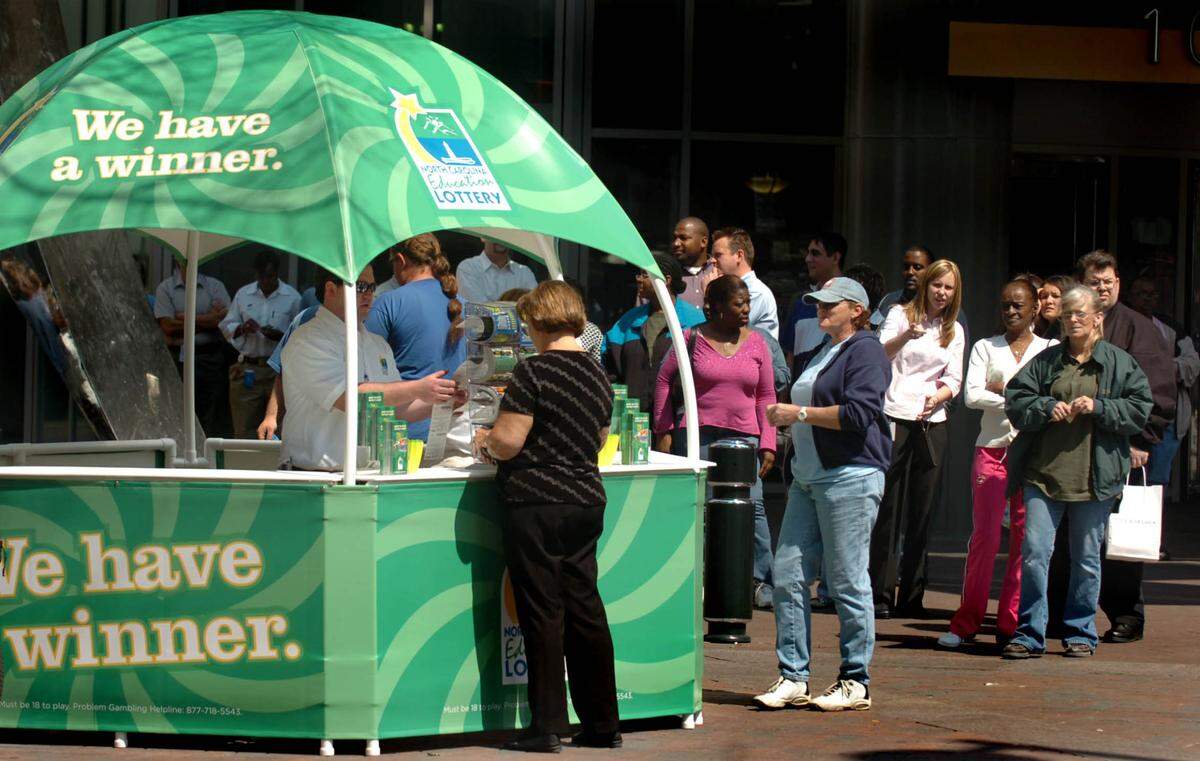
March 30, 2006: North Carolina Education Lottery begins retail sales. Two months later, Powerball sales begin.
Sept. 28, 2015: Harrah’s Cherokee Valley River Casino opens in Murphy.
May 14, 2018: The U.S. Supreme Court, in a 6-3 decision, strikes down the Professional and Amateur Sports Protection Act of 1992, opening the door for states to make their own laws around sports betting. Four states, most notably Nevada, were exempt from the act previously. New Jersey challenged the law and won.
July 26, 2019: Gov. Roy Cooper signs legislation allowing sports wagering on tribal lands in the state. The bill passed the Senate 43-7 and passed the House 90-27 earlier in the year.
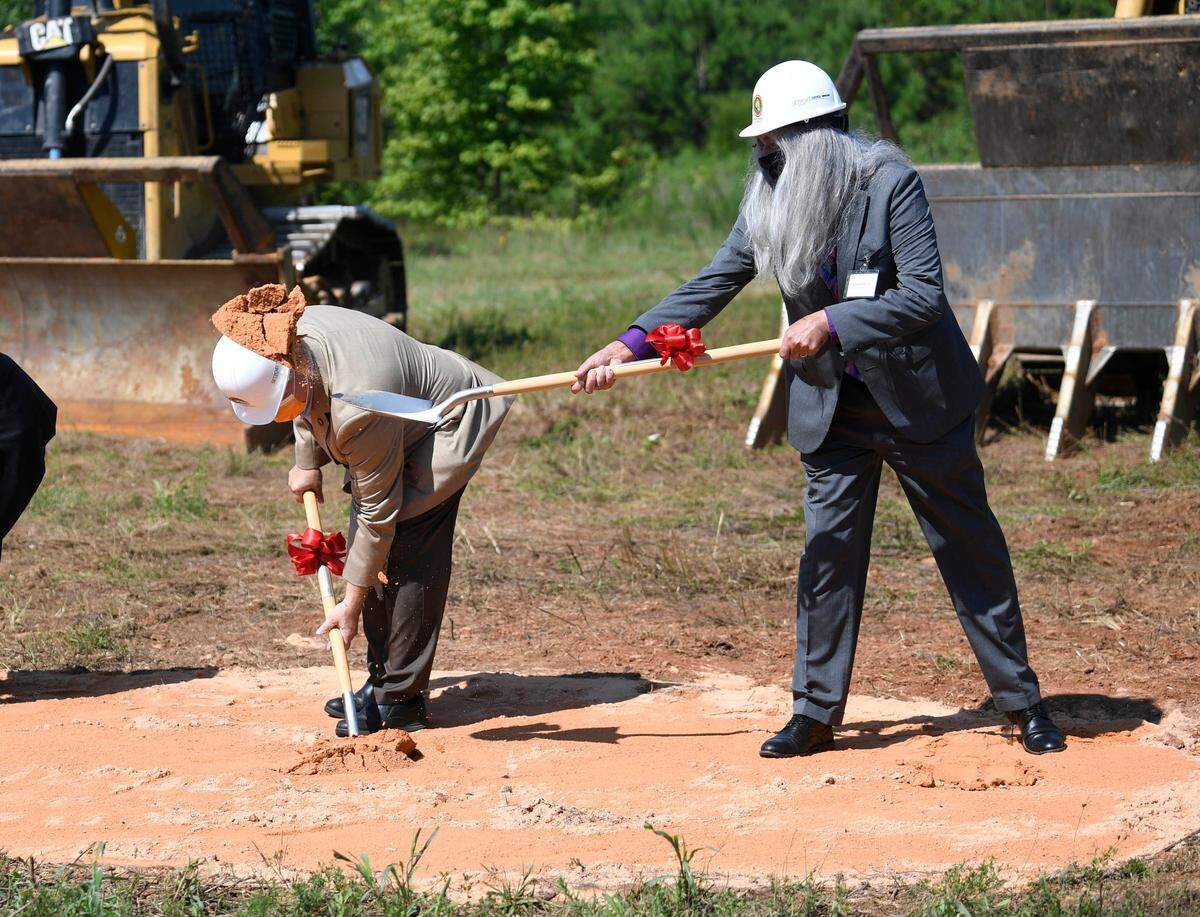
January 2020: Cooper and Catawba Indian Nation sign revenue-sharing agreement, which will allow a Vegas-style casino to be built in Kings Mountain. The Catawba opened a temporary facility in July 2021, and construction is underway at the $273-million Two Kings Casino Resort.
Nov. 1, 2020: Tennessee allows online sports wagering. The state collects 20% of net operator revenue in taxes and has collected $41.4 million through November 2021, according to Axios. Wagering in November 2021 was $365.7 million and wagering in October was $375.3 million.
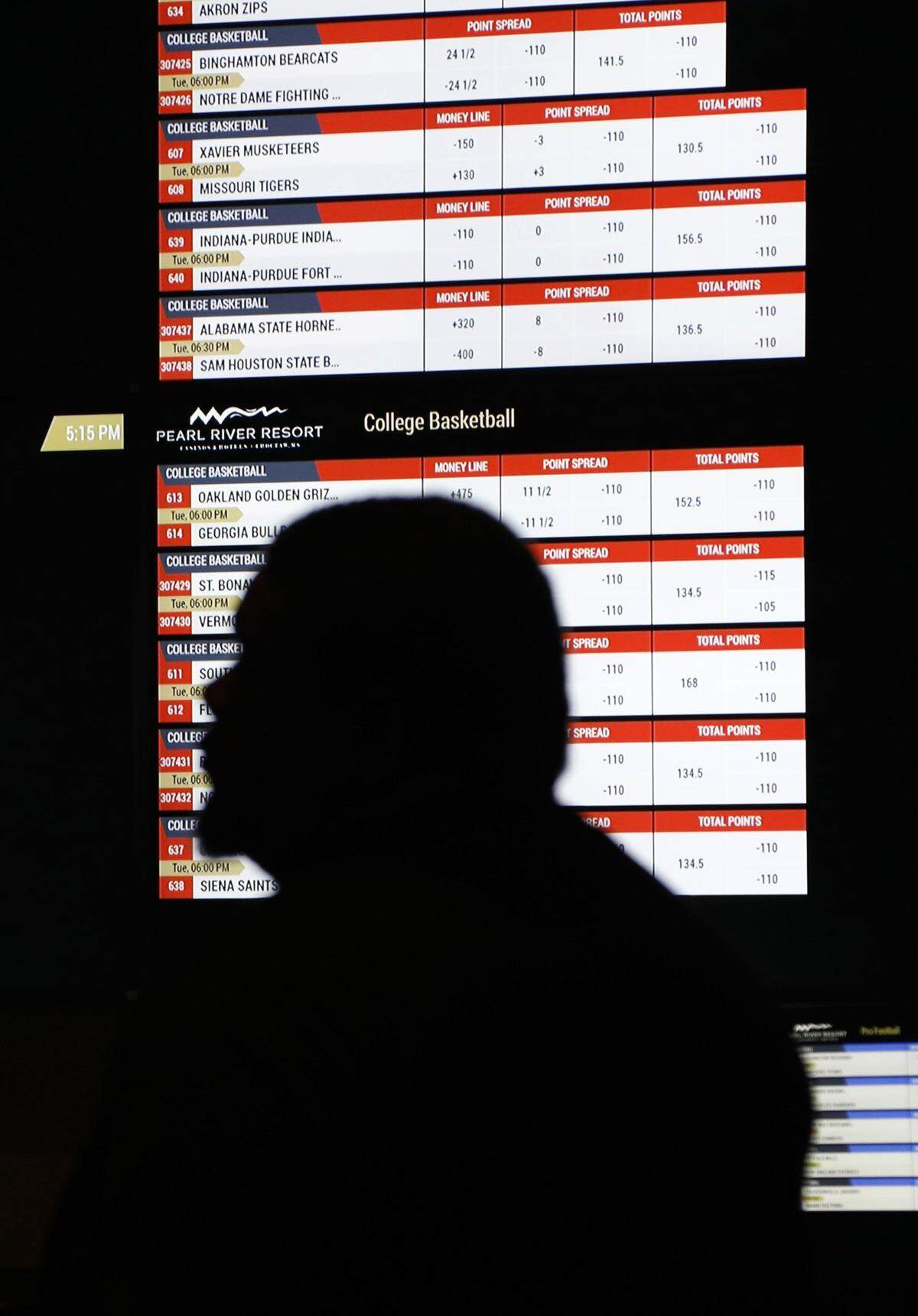
January 2021: Virginia’s first online sports wagering site goes live. Others soon follow. More than $2.79 billion (known as the handle) was bet through November 2021 with gross gaming revenue of $254 million, which is money left from the handle after winners are paid out. In Virginia, operators are taxed 15% on adjusted gross revenue (which is gross revenue minus deductions) with 97.5% of the tax dollars going to the general fund and 2.5% going to problem gambling support, according to PlayVirginia.com.
March 18, 2021: First sports bet is placed at Harrah’s Cherokee Casino.
August 2021: North Carolina Senate passes SB 688, which would allow widespread sports betting in the state via mobile devices and a small number of physical locations. The vote was 26-19 on final passage with bipartisan support and opposition. In November, the legislation passed a House committee.
Jan. 8, 2022: Online sports wagering goes live in New York. The state’s gaming commission reports $603 million in wagers from Jan. 8 through Jan. 16 and $48.2 million in gross gaming revenue for four operators. New York, which has a 51% tax rate on online betting operators’ revenue, took in $24.6 million in tax revenue, according to The New York Post.
This story was originally published January 30, 2022 at 6:00 AM with the headline "How we got from there to here: A timeline of gambling in North Carolina."