
‘Prior to gaming, we had nothing.’ Cherokee deem sports gambling a success
Dying to bet on the Super Bowl this year? If you live in North Carolina, you can, just not as easily as in some of our neighboring states.
The closest (legal) betting window for many North Carolinians will be at Harrah’s Cherokee Casino Resort, about an hour west of Asheville. Tucked in the mountains on Eastern Band of Cherokee Indian lands, near the border of the Great Smoky Mountains National Park, the casino is one of just two places where sports betting is allowed and activated in North Carolina.
With flat-screen TVs, lounge chairs and private rooms for parties, the casino sportsbook — the term used to describe the place where people wager on sporting events — has brought in a whole new clientele for the casino.
It’s been running there for less than a year. So far, it’s exceeded initial estimates for revenue and interest, said Eastern Cherokee Principal Chief Richard Sneed. Casino executives did not provide specific dollar figures for the amount of money that’s been bet at the sportsbook, nor the revenue that it has garnered.
As N.C. lawmakers weigh whether to legalize sports betting on mobile phones, it’s worth looking at how the Eastern Cherokee have experienced their own version of legal sports betting.
Sneed said he has been pleased by the popularity of the sportsbook at the tribe’s two casinos (the other, about an hour southwest of the town of Cherokee, is Harrah’s Cherokee Valley River Casino). The Catawba Two Kings Casino is planning to add an on-site sportsbook this year as well, at the temporary gaming venue in Kings Mountain.
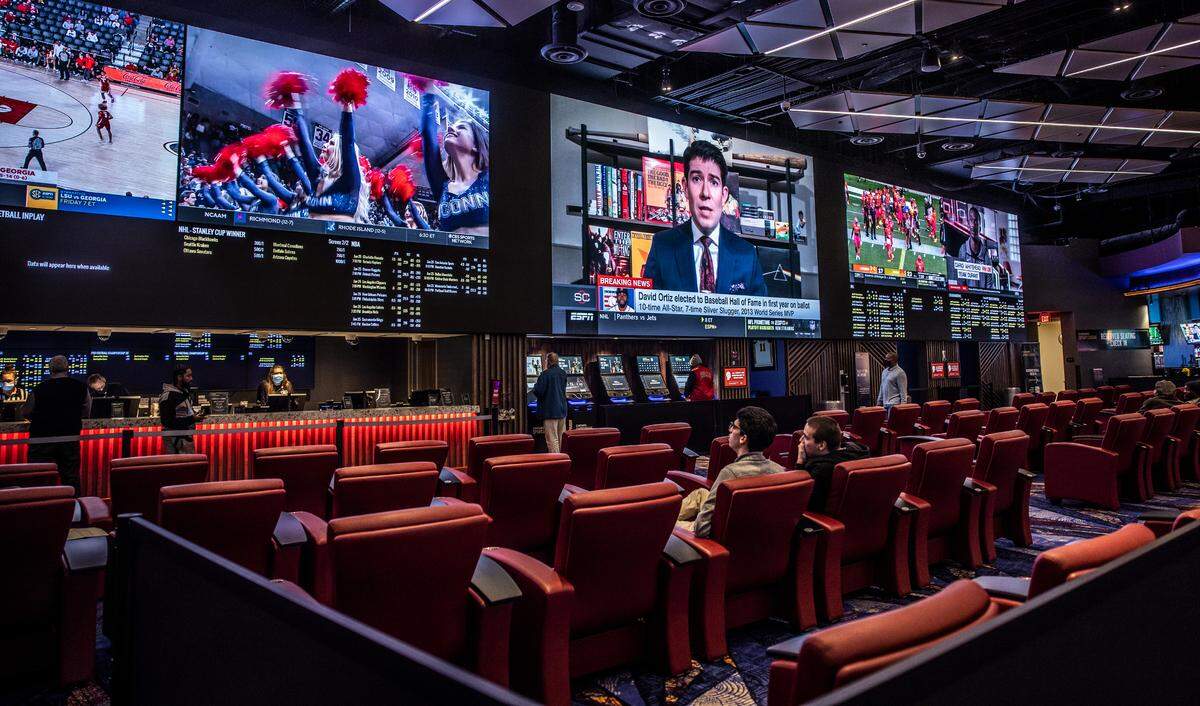
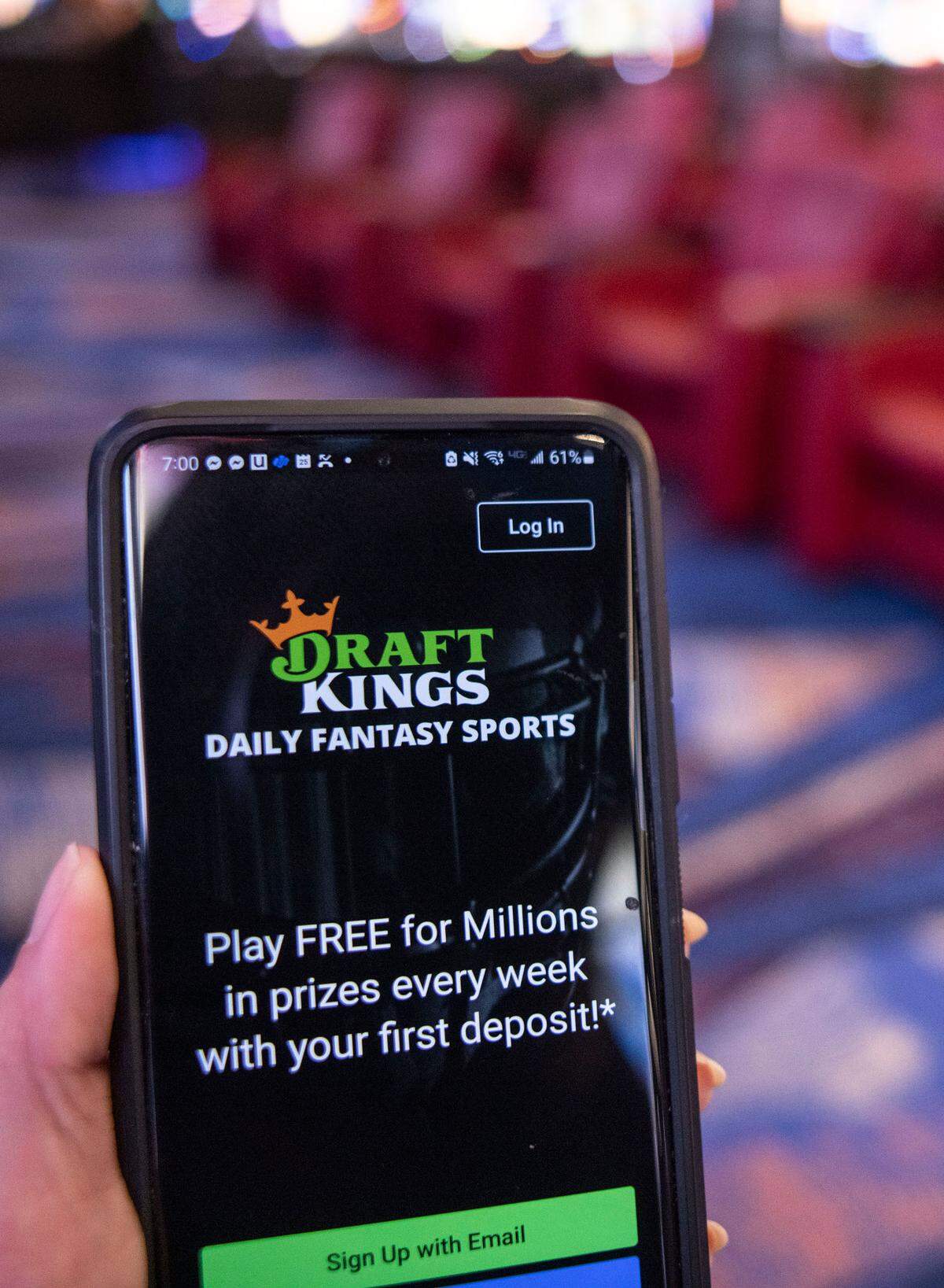
The key difference between Harrah’s betting window and what legislators are considering, though, is the use of cell phones. Mobile sports betting is not allowed on tribal lands. There are ongoing efforts to change that, but for now, bettors have to actually walk up to the casino window to make a wager.
For some critics of mobile betting, that casino experience makes all the difference. Removing that ease of accessibility, even by requiring a short drive to the nearest betting window, could prevent some people from developing an addiction.
It’s unclear to what extent legal mobile betting would, or would not, fuel so-called “problem gambling” in North Carolina. For the Eastern Cherokee, though, Sneed said their sports betting experience has so far not resulted in significant or obvious increases in problem gambling.
North Carolina’s legal betting option
The question of whether gambling is “legal” in a state can be complicated — both by the definition of gambling and by where exactly it is allowed. Forty-five states and the District of Columbia have lotteries. About 30 states allow some form of sports gambling: some in-person, some online and some both. Some states have land-based casinos and a handful more allow riverboat casinos.
Still others, like in North Carolina, have a few casinos on tribal lands.
Harrah’s Cherokee Casino Resort opened in 1997, making many types of gambling far more accessible and, according to Sneed, transforming the economy for the Eastern Cherokee.
“Prior to gaming, we had nothing,” he said. “Our economy was solely tourism, and of course that’s seasonal. I’m old enough to remember in the ‘80s, the early ‘80s, that once the last leaves fell off the trees everything shut down and Cherokee was a ghost town until the spring.”
In debating the merits of regulated gambling, critics bring up the damage that gambling can cause for certain people: relationships strained or ruined; family savings accounts drained; substance abuse and, ultimately, poverty.
Sneed said people within the tribe had those same vigorous debates when considering the legalization of casino gambling. He said, generally speaking, those worries haven’t come to fruition.
“We already had poverty here, we already had substance use disorder here, and what we’ve seen over time is the resources to be able to deal with those issues,” he said. “Not that we don’t still have substance use disorder — that’s everywhere, that’s a national problem — the difference is that we have the resources now to deal with those.”
On sports betting and cell phones
Sneed said he believes that prohibition management for things like alcohol and gambling tend to fail. People find a way, even if the activity is illegal.
He pointed to marijuana. The tribe recently legalized possession for up to one ounce, in part because people who want to use marijuana aren’t going to be held back by the law anyway.
It may be the same with mobile sports betting, but how the reality will play out statewide is unclear. The tribe is in the middle of the bureaucratic undertaking of creating mobile sports betting within their territory. And if the state legalizes mobile sports betting statewide, the Eastern Band of Cherokee Indians will get a license to operate a mobile sportsbook.
Sneed said he’ll advocate for opening mobile betting statewide. As for the concerns over negative impacts, he said the tribe’s experience so far has not given them reason to keep sports betting to within the casino walls.
“It’s like anything else, you can always find a horror story,” Sneed said. “I understand that and I respect that, but it’s not really the norm.”
This story was originally published January 30, 2022 at 6:00 AM with the headline "‘Prior to gaming, we had nothing.’ Cherokee deem sports gambling a success."
.jpg)