Ancient ‘ostrich-like’ creature — 73 million years old — found as new species in Mexico
.jpg "Paleontologists discovered an unidentified dinosaur in the rocks of northern Mexico more than a decade ago.")
In northern Mexico, the Campanian Cerro del Pueblo Formation houses an exceptional number of dinosaur fossils.
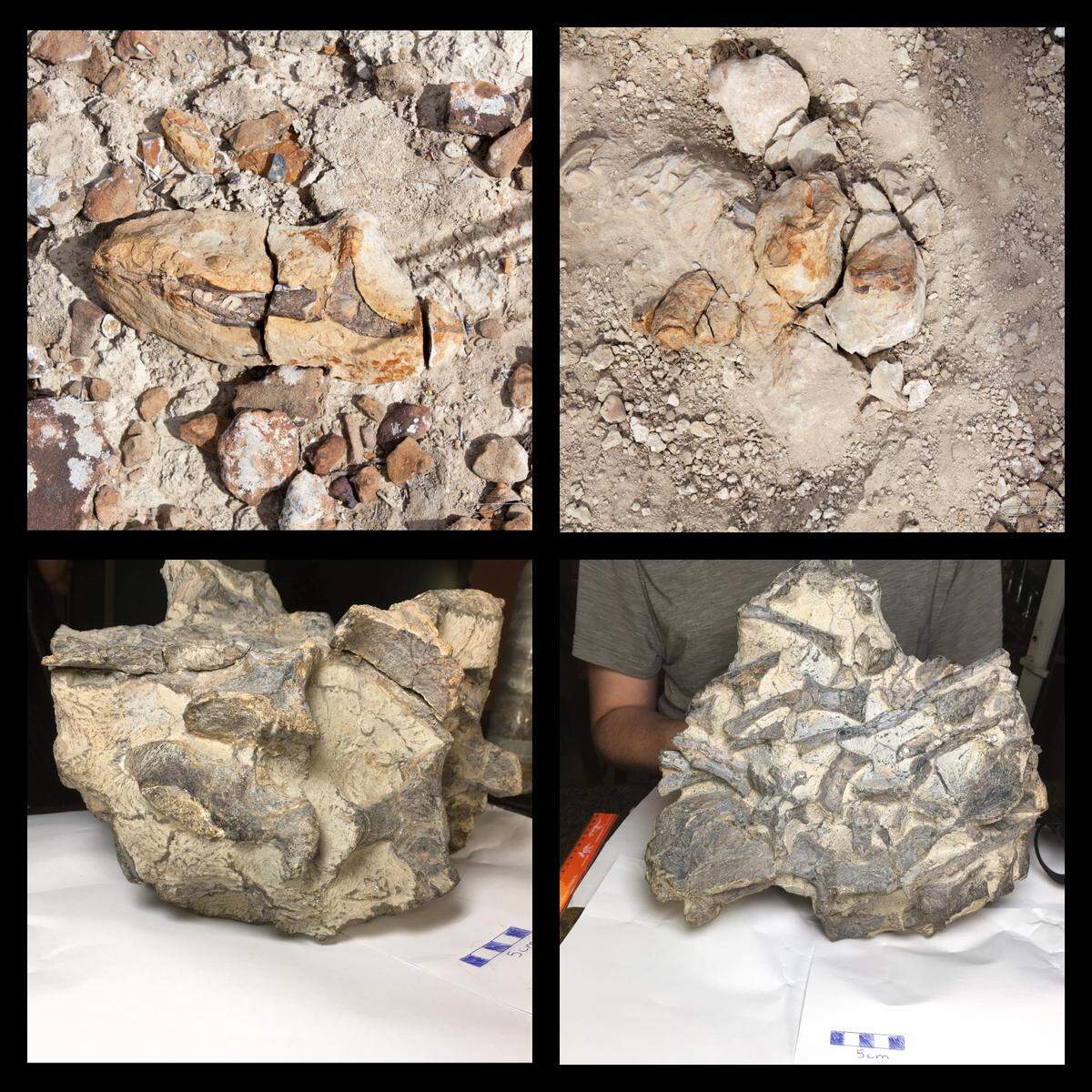
Paleontologist Claudio de León-Dávila and his team were excavating the site in 2014 when he came across fossils belonging to an ornithomimosaur.
The dinosaur had some of the tell-tale features of the “ostrich-like” dinosaurs with long legs and necks and shorter arms tucked to their bodies. But it wasn’t quite like anything they had seen before.
Now, more than a decade later, new analysis of the fossils has found that they belong to a new 73-million-year-old species, according to a study published Jan. 28 in the peer-reviewed journal Cretaceous Research.
A mix between giant flightless bird and roadrunner, the dinosaur has extremely lengthened hand bones, differentiating it from other related species, according to the study.
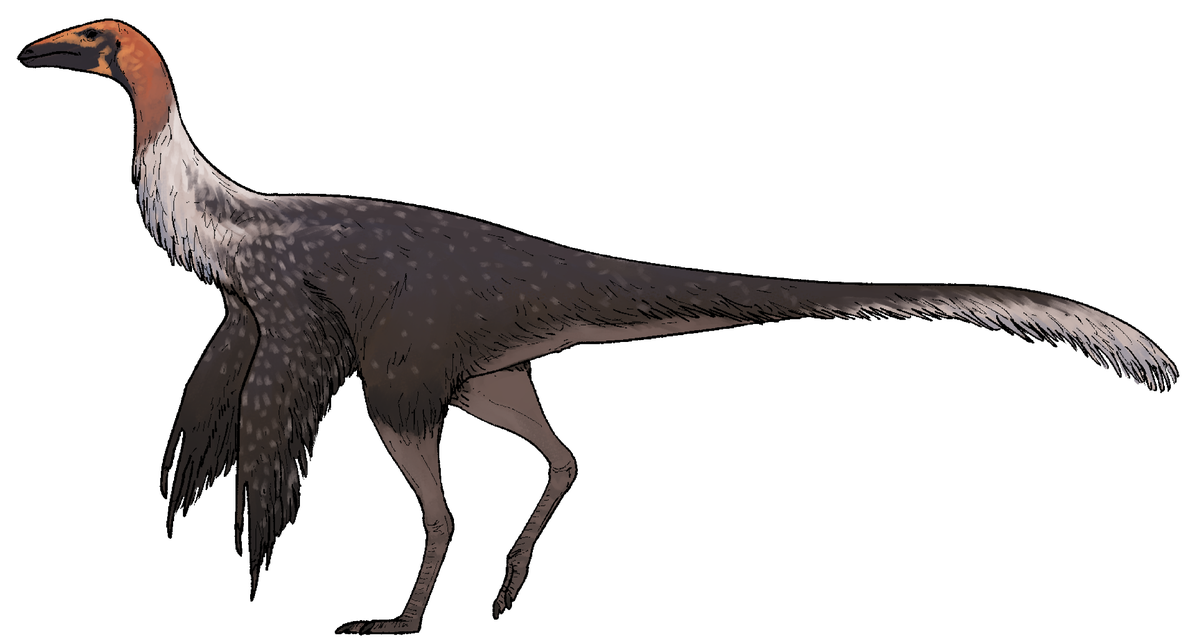
The species was named Mexidracon longimanus, or the long-handed Mexican dragon, according to the study, highlighting the creature’s “most remarkable attribute.”
It has a long neck, tail and legs, and the extended hands give the forelimbs more length, according to the study.
Other ornithomimids were covered with feathers, according to BBC Wildlife, and stripes found on the arm bones of the new species suggest it was also feathered.
The elongated hands were likely used to help the dinosaur feed, researchers said.
The new species was found with sediment that included mollusks and other brackish-water gastropods, according to the study.
“Therefore, M. longimanus could have inhabited, or at least live nearby, these brackish-water environments, probably gathering vegetation with the help of its long hands, as long forearms have been previously claimed to be useful for this task,” researchers said.
Their arms could have also been used to grab prey, like fish, from the nearby water, according to BBC Wildlife.
The most recognizable ornithomimosaur may be Gallimimus bullatus, or the “Chicken Mimic,” which is seen running past fleeing patrons in Jurassic World: Fallen Kingdom, but all ornithomimosaurs are thought to be skilled runners.
“Some scientists suggest that ornithomimids were fast runners; perhaps the fastest of all dinosaurs judging from their hindlimbs,” according to the University of California, Berkeley. “The ornithomimid brain cavity was fairly large for a dinosaur, and quite similar to that of birds — ornithomimids may have been more ‘intelligent’ (whatever that word really means) than most other dinosaurs.”
Other dinosaurs, like tyrannosaurs, horned and duckbill dinosaurs have been found in Coahuila, Mexico, in the 21st century, likely representing groups that were also present in the southern United States, BBC Wildlife reports.
Coahuila is a state of Mexico along the southwestern border of Texas.
The research team includes Claudia Inés Serrano-Brañas, Belinda Espinosa-Chávez, Claudio de León-Dávila, S. Augusta Maccracken, Daniela Barrera-Guevara, Esperanza Torres-Rodríguez and Albert Prieto-Márquez.
This story was originally published February 5, 2025 at 2:35 PM with the headline "Ancient ‘ostrich-like’ creature — 73 million years old — found as new species in Mexico."