Ancient chief buried ‘extremely rare’ Roman equipment. Archaeologists just found it
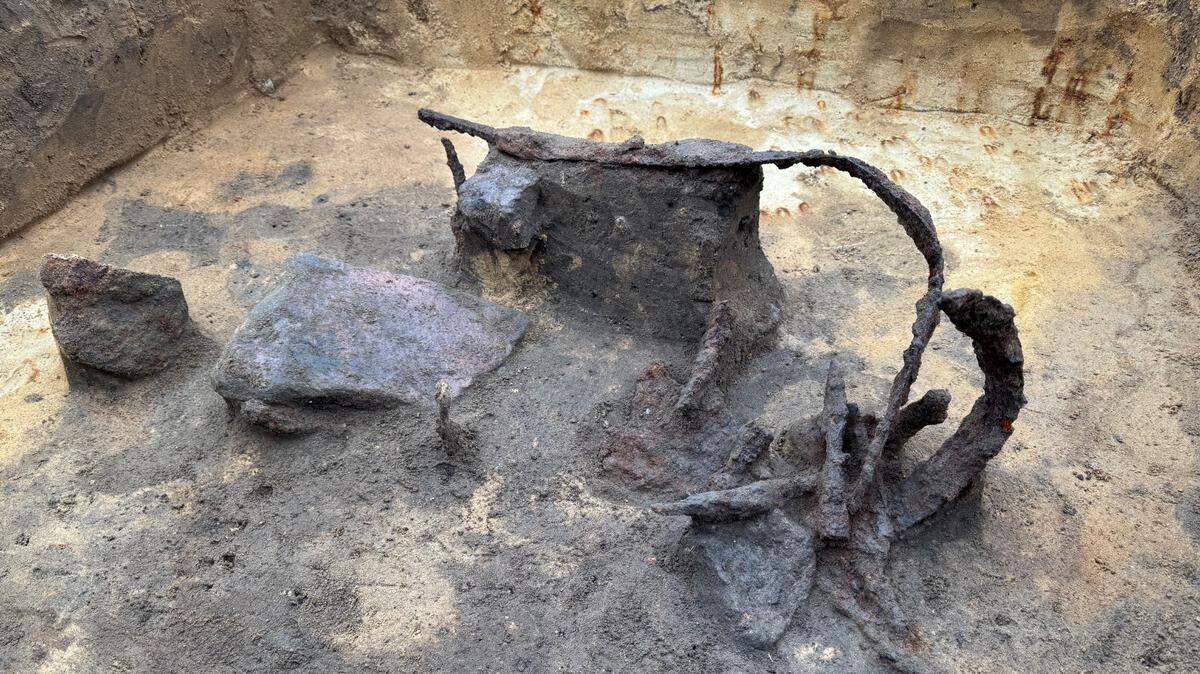
Archaeologists in Denmark recently unearthed a massive stockpile of weapons buried 1,500 years ago by an ancient chief. But tucked among the flashier artifacts sat “two unusual iron plates.”
The fragments turned out to be an “extremely rare” piece of Roman equipment.
Archaeologists began excavations near a highway in Løsning as part of a road expansion project and quickly realized “this would be something spectacular,” the excavation’s leader, Elias Witte Thomasen, said in a November news release from the Vejle Museums.
The dig uncovered an “exceptionally well-preserved” collection of several hundred weapons and other metal artifacts buried 1,500 years ago by a “powerful chieftain” as a “sacrifice” or “an offering to higher powers.”
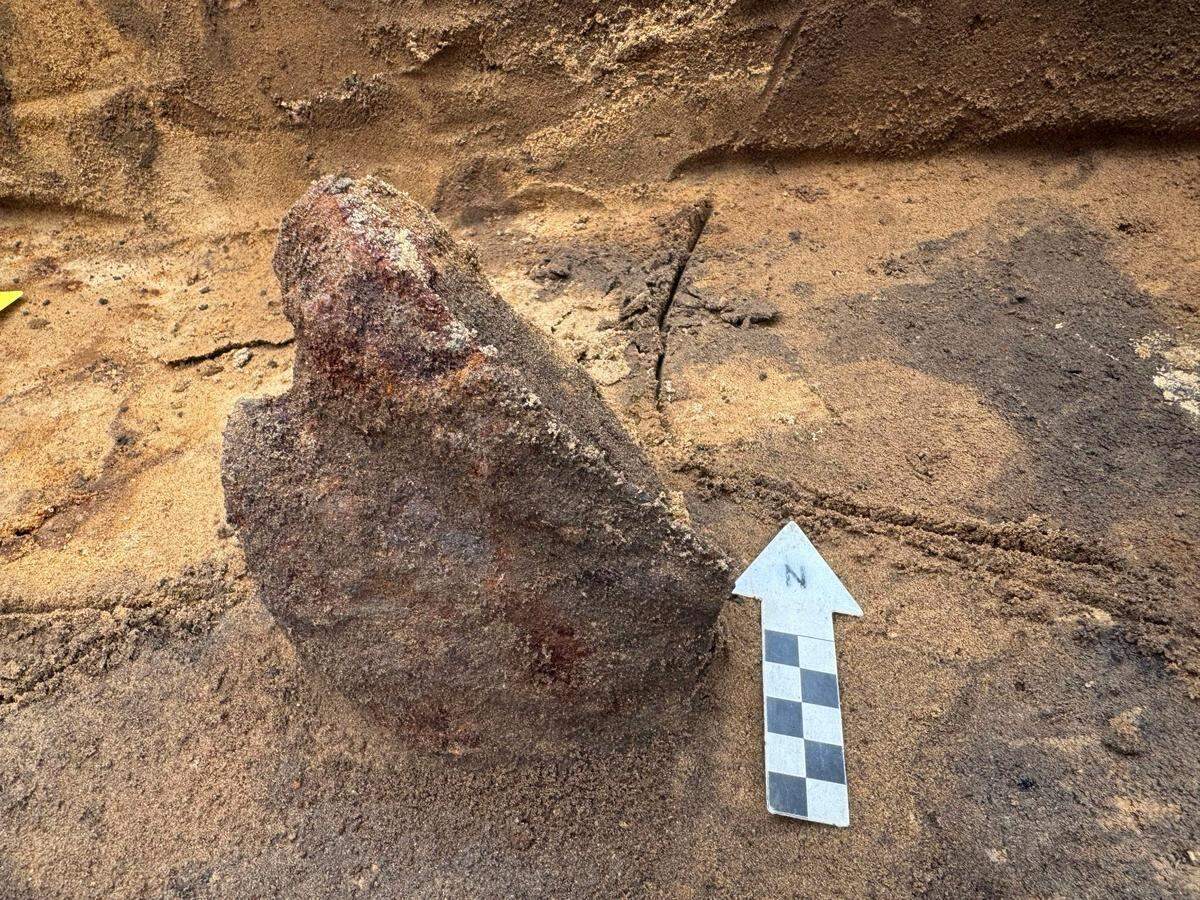
As archaeologists studied the artifacts, they realized the collection was even more significant than they first thought, the Vejle Museums said in a Jan. 29 Facebook post.
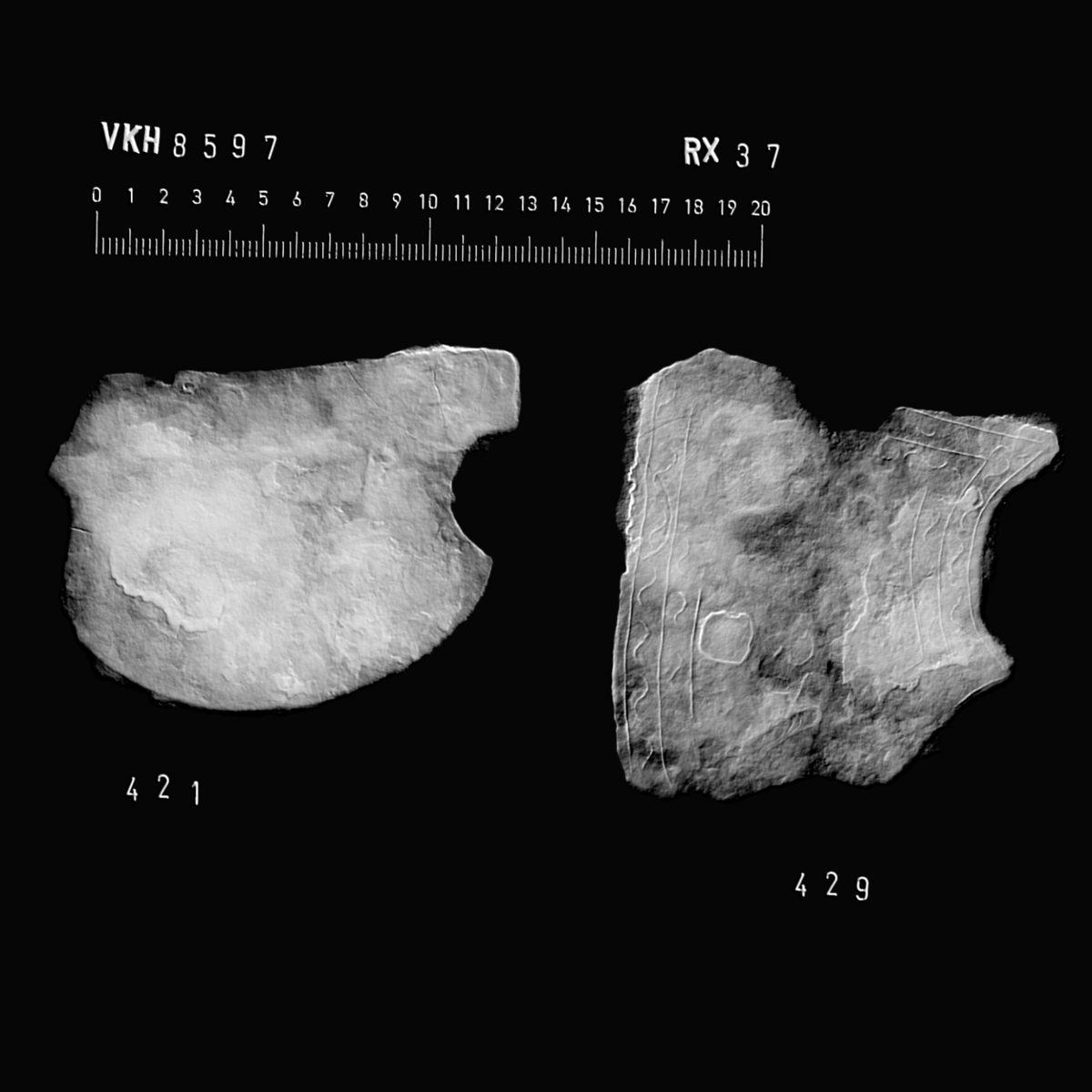
The excavation had uncovered a pair of rusty, palm-sized metal plates. Archaeologists didn’t recognize the fragments at first, so they conducted follow-up X-ray scans for a better look.
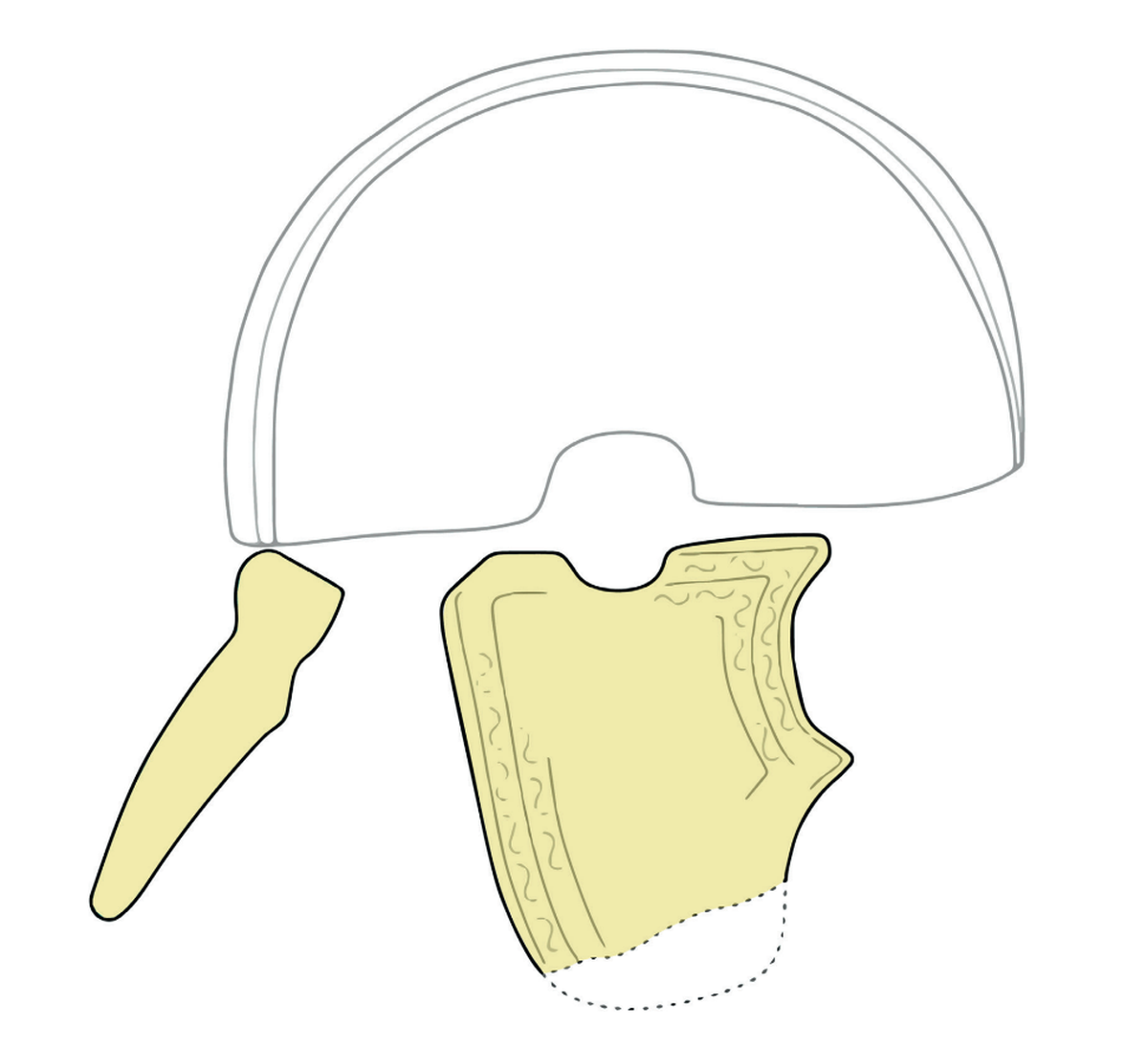
The scans revealed the two plates were actually “the remains of a Roman helmet” from 1,600 years ago, the museum said. One plate functioned as a “neck guard” and the other as a “decorated cheek guard.”
A diagram shows how the two helmet plates would have originally functioned. Excavations haven’t found the rest of the helmet, so its overall shape remains unknown.
“Roman helmet finds from the Iron Age are exceptionally rare in southern Scandinavia,” the museum said. “There are no direct parallels to this discovery.”
The offering found in Løsning also included more than 100 lances and spears, swords, knives, arrowheads, an axe, bridle, a “very rare” chainmail shirt, “fragments of two highly distinctive bronze neck rings” and other still unidentified objects.
Archaeologists said the equipment, which included “enough weapons for a small army,” could have come from “local warriors,” from the “spoils of war” or a combination of both.
The finds from Løsning will be on display at the Cultural Museum in Vejle this spring as part of a temporary exhibit. Løsning is a small town on continental Denmark and a roughly 160-mile drive west from Copenhagen.
Google Translate was used to translate the Facebook post from the Vejle Museums.
This story was originally published January 31, 2025 at 2:34 PM with the headline "Ancient chief buried ‘extremely rare’ Roman equipment. Archaeologists just found it."