Overgrown trees hid 3,800-year-old pyramid-like structure in Peru — until now. See it
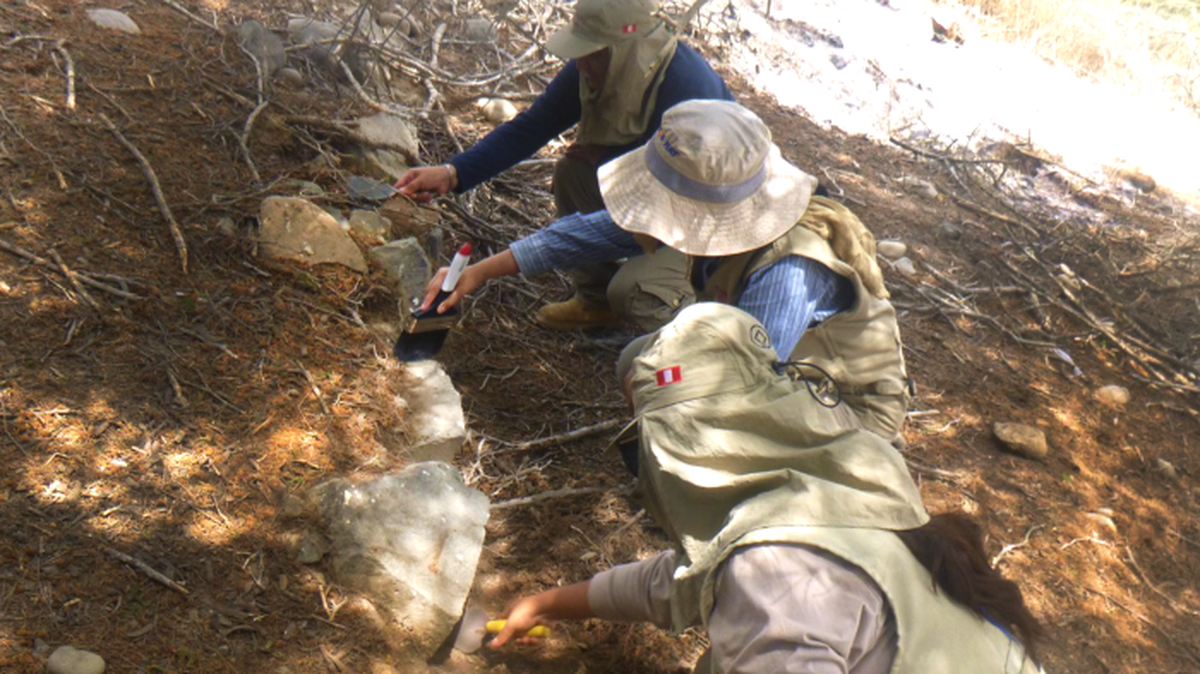
As workers in Peru removed some overgrown trees from an archaeological site, they noticed some distinctive bricks hidden underneath — and found the ruins of an ancient pyramid-like structure.
The cleaning project at Chupacigarro archaeological site began by clearing a patch of trees and bushes but quickly morphed into a larger research effort, Peru’s Ministry of Culture said in a Jan. 30 news release. The overgrown foliage had been hiding an ancient structure.
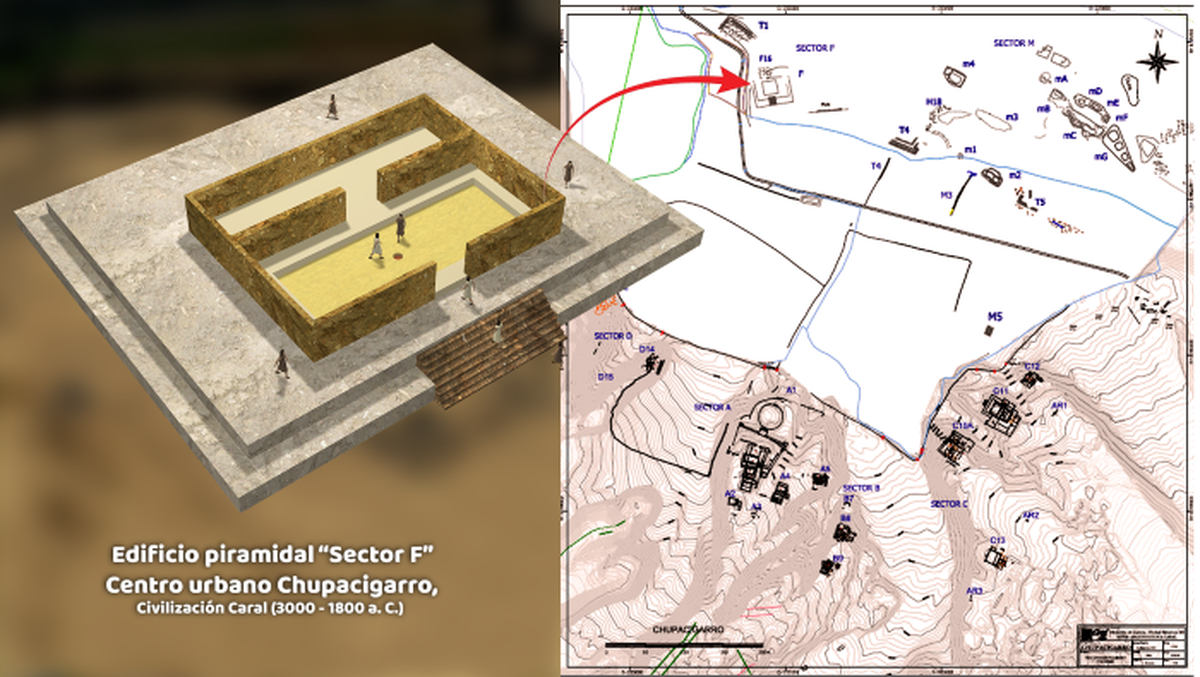
Archaeologists identified the ruins as a pyramid-like building dating back at least 3,800 years, officials said. It has three rectangular platforms with a central staircase providing access to the top levels.
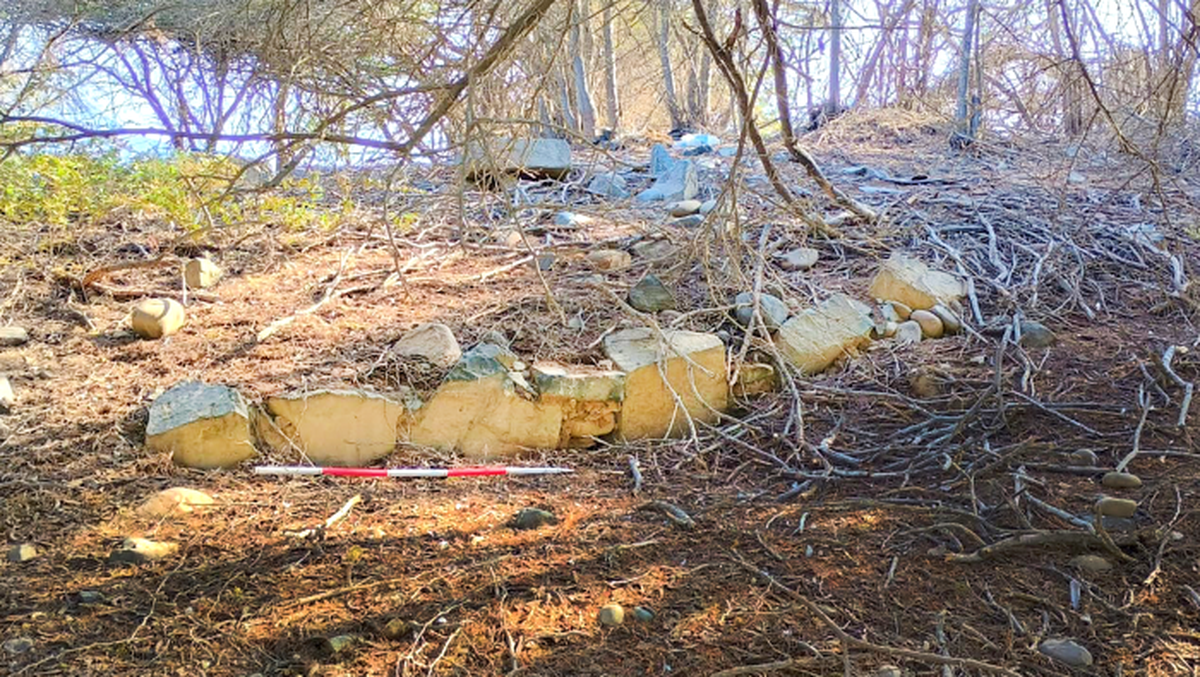
Photos show the structure’s walls, marked by large vertically placed cornerstones. A diagram shows what the building may have looked like originally.
Archaeologists linked the ruins to the Caral civilization, which lasted from 3000 to 1800 B.C., and their nearby ancient settlement of Chupacigarro, officials said.
The ruins of Chupacigarro include at least 12 larger public buildings in a central area and smaller residential buildings around the outside. These structures dot a ravine that functioned as a natural route between the nearby coast and other inland settlements, archaeologists said.
Work at the Chupacigarro archaeological site is ongoing.
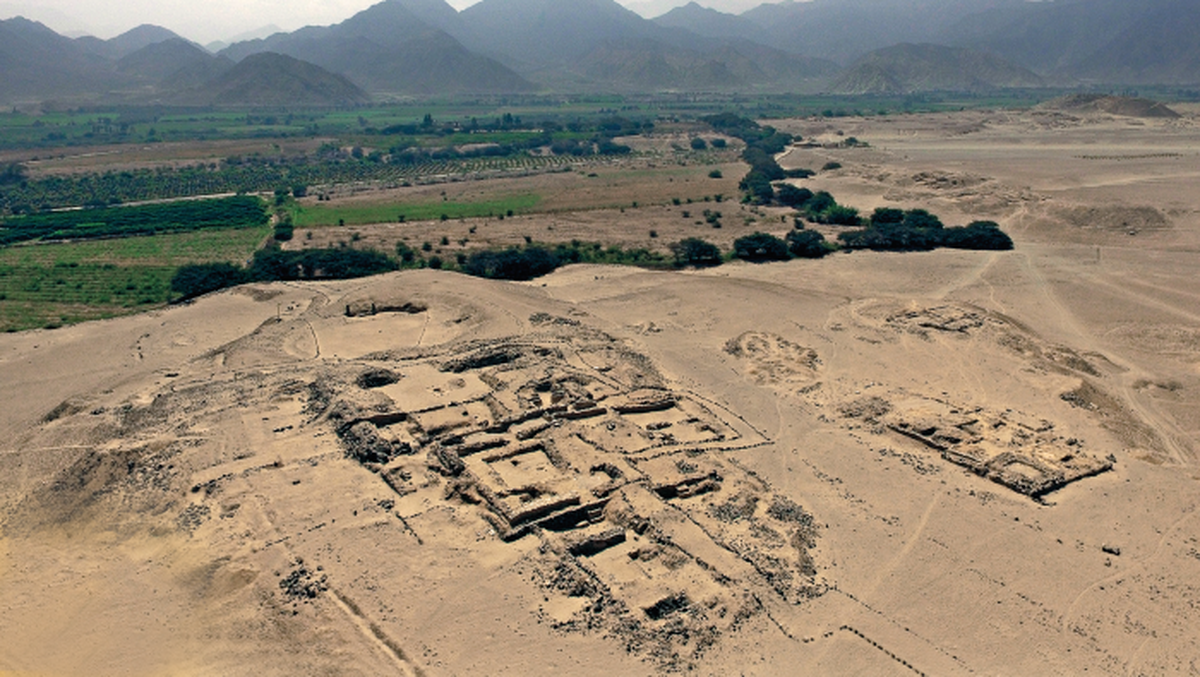
Chupacigarro is in the modern-day town of Caral and a roughly 110-mile drive northwest from Lima, the capital city.
Google Translate was used to translate the news release from Peru’s Ministry of Culture.
This story was originally published January 31, 2025 at 12:31 PM with the headline "Overgrown trees hid 3,800-year-old pyramid-like structure in Peru — until now. See it."