Metal detectorists stumble on 2,000-year-old Roman treasure in Netherlands. Take a look
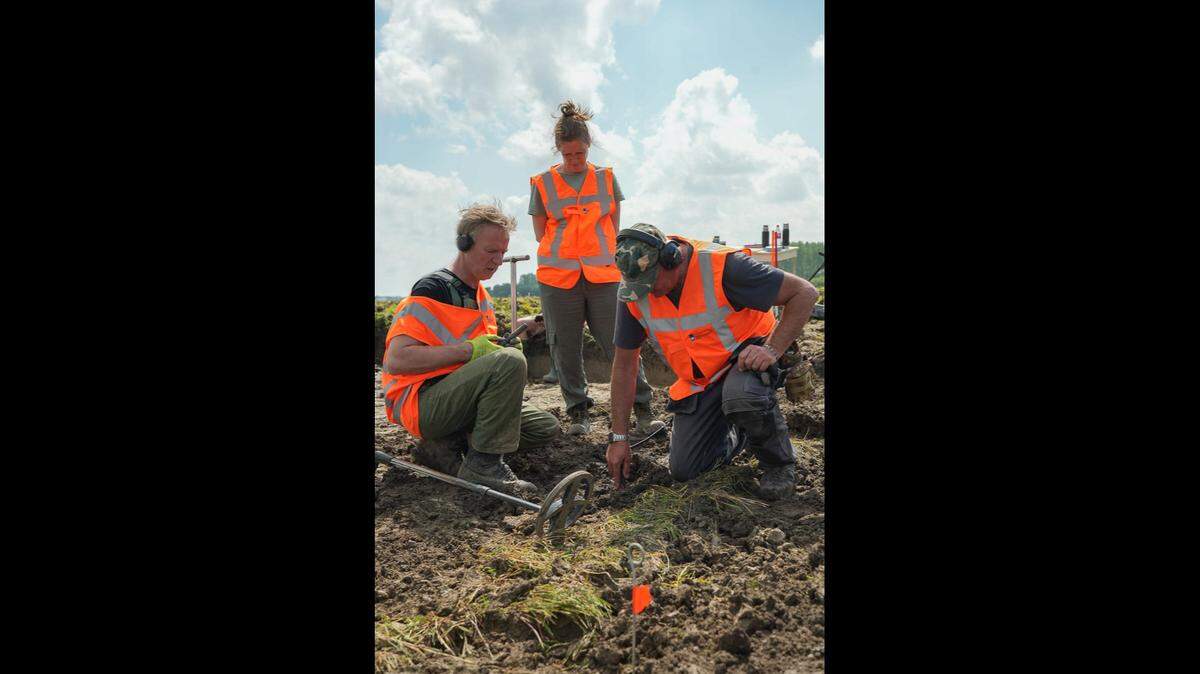
On a dreary day in October 2023, a pair of metal detectorists gathered at a field in the Netherlands. They’d found a few old coins at the site previously and suspected more finds might turn up.
They were more right than they realized.
Gert-Jan Messelaar and Reinier Koelink were searching a field in Bunnik with metal detectors when something set off their devices. They started digging and quickly unearthed handful after handful of muddy coins, according to a Jan. 27 report from the Netherlands’ National Museum of Antiquities. The more the pair dug, the more coins they seemed to find.
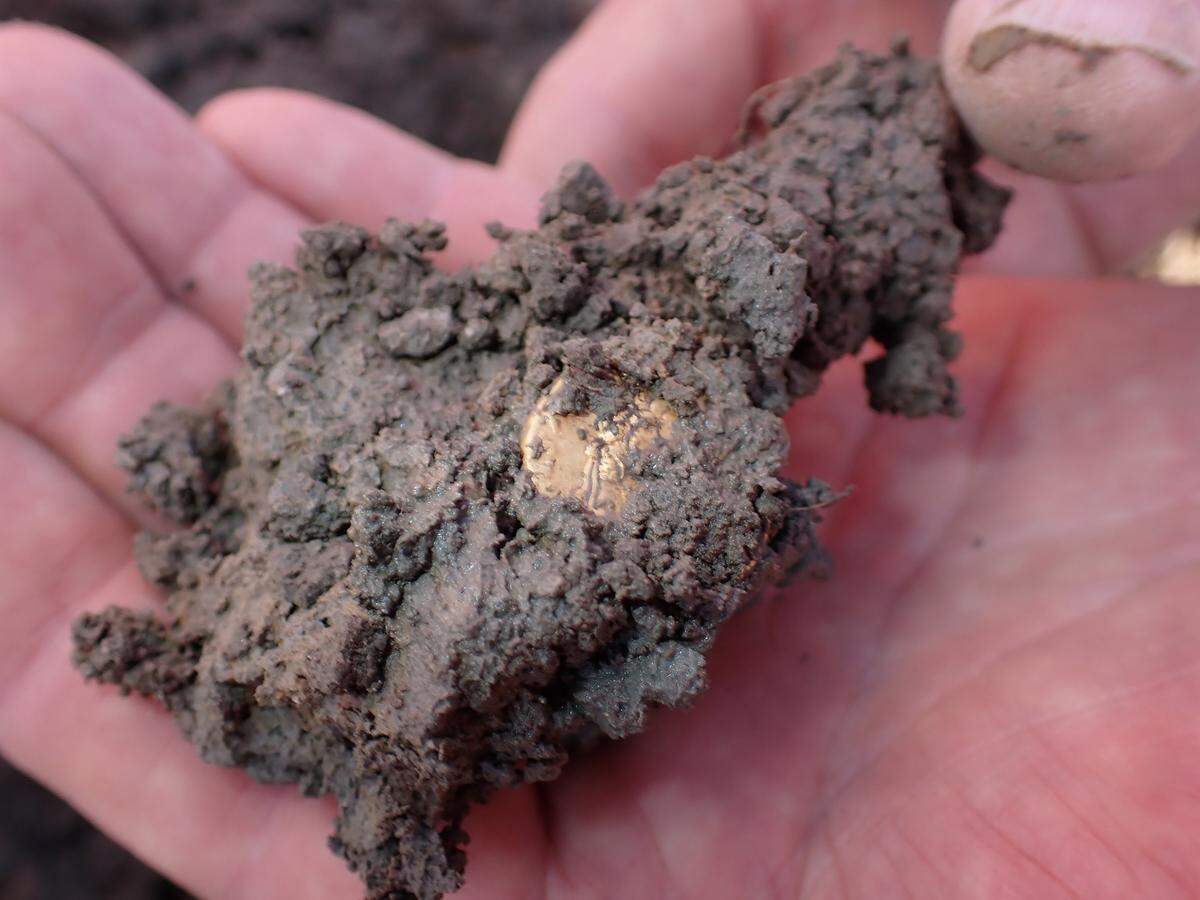
Eventually, Messelaar and Koelink packed up the treasures and headed to a celebratory lunch of champagne and pasta. Afterward, they cleaned the coins and laid them out on the kitchen counter.
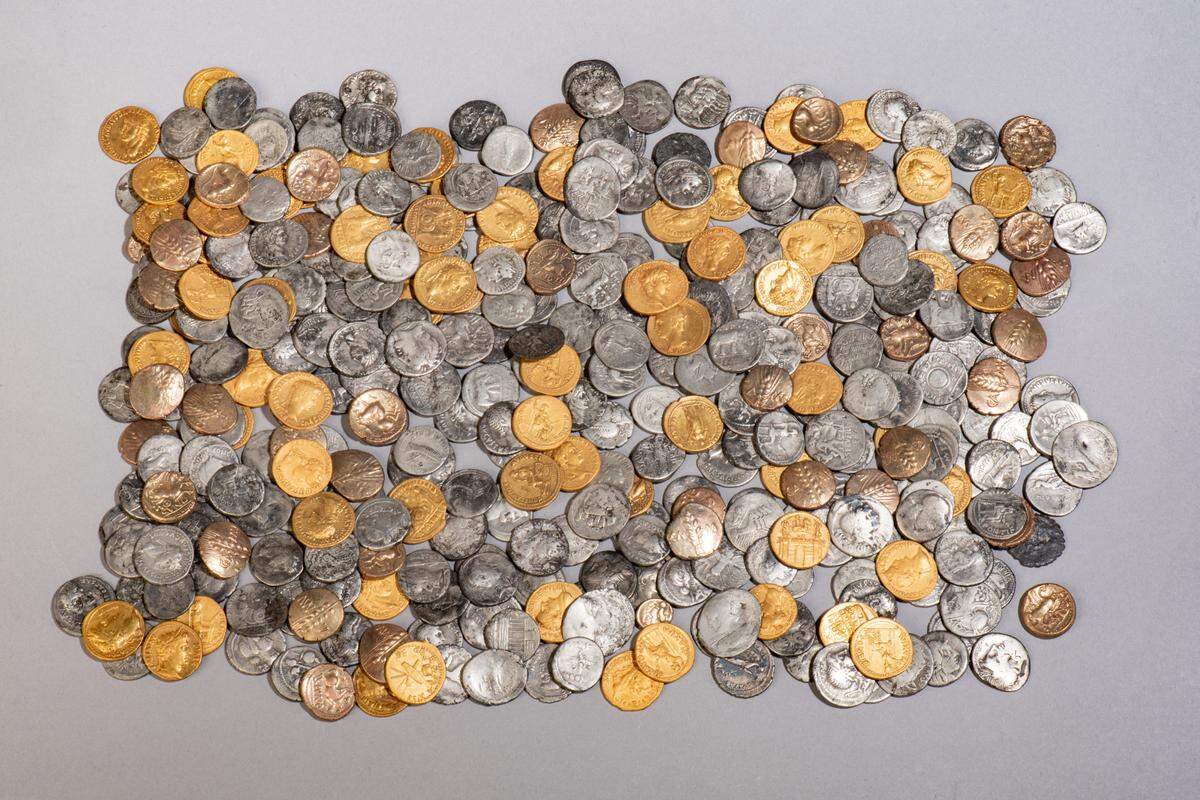
Over 380 gold and silver coins sat on Messelaar’s countertop, officials said. A photo shows the massive pile of coins.
The friends knew they’d uncovered something incredible and reported it to archaeologists and local officials. Excited and intrigued, experts conducted follow-up searches at the field and found roughly 20 more coins.
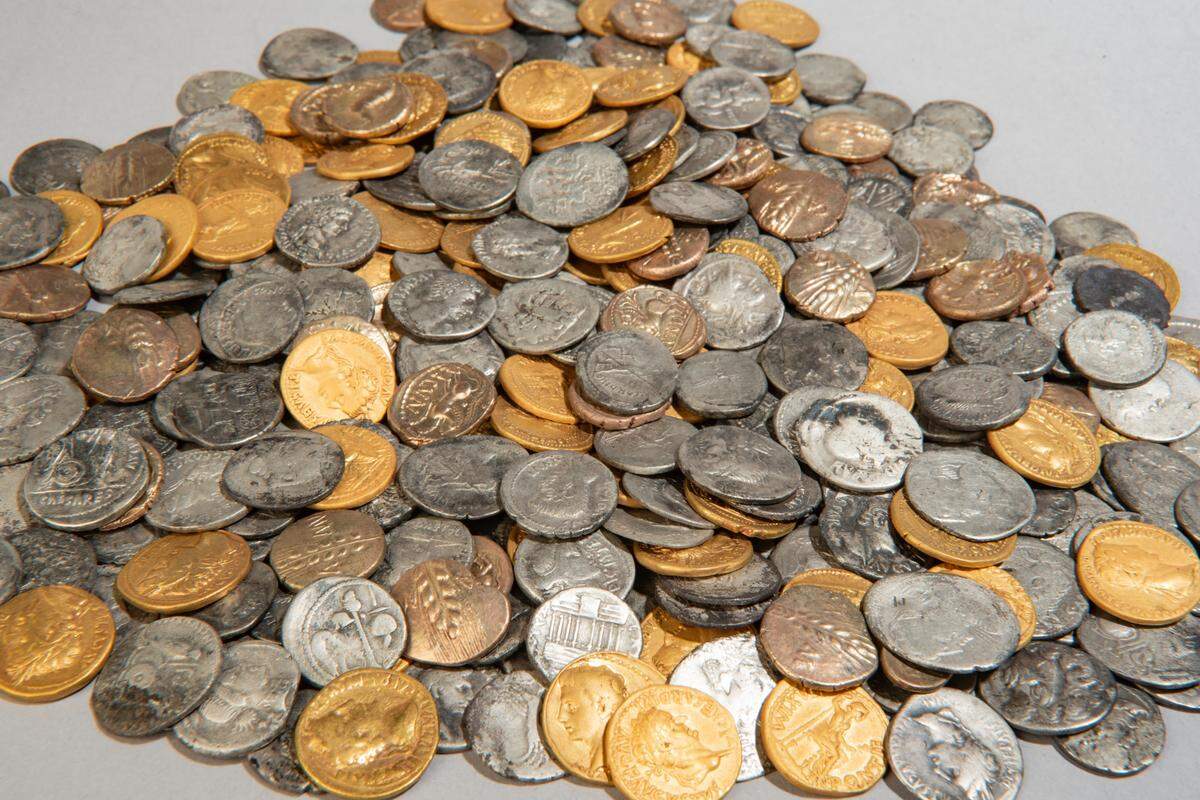
Archaeologists identified the finds as a 2,000-year-old collection of British, Roman and African coins. The coins were buried together around 47 A.D., likely in a fabric bag or leather container that later disintegrated, according to a joint analysis from the Utrecht Landscape and Heritage Foundation and Cultural Heritage Agency of the Netherlands.
In total, the treasure trove included 404 coins. Most of these were Roman silver denarii minted between 200 B.C. and 47 A.D., experts said. One of the more unique silver coins came from modern-day Algeria and depicted Juba, the king of Numidia.
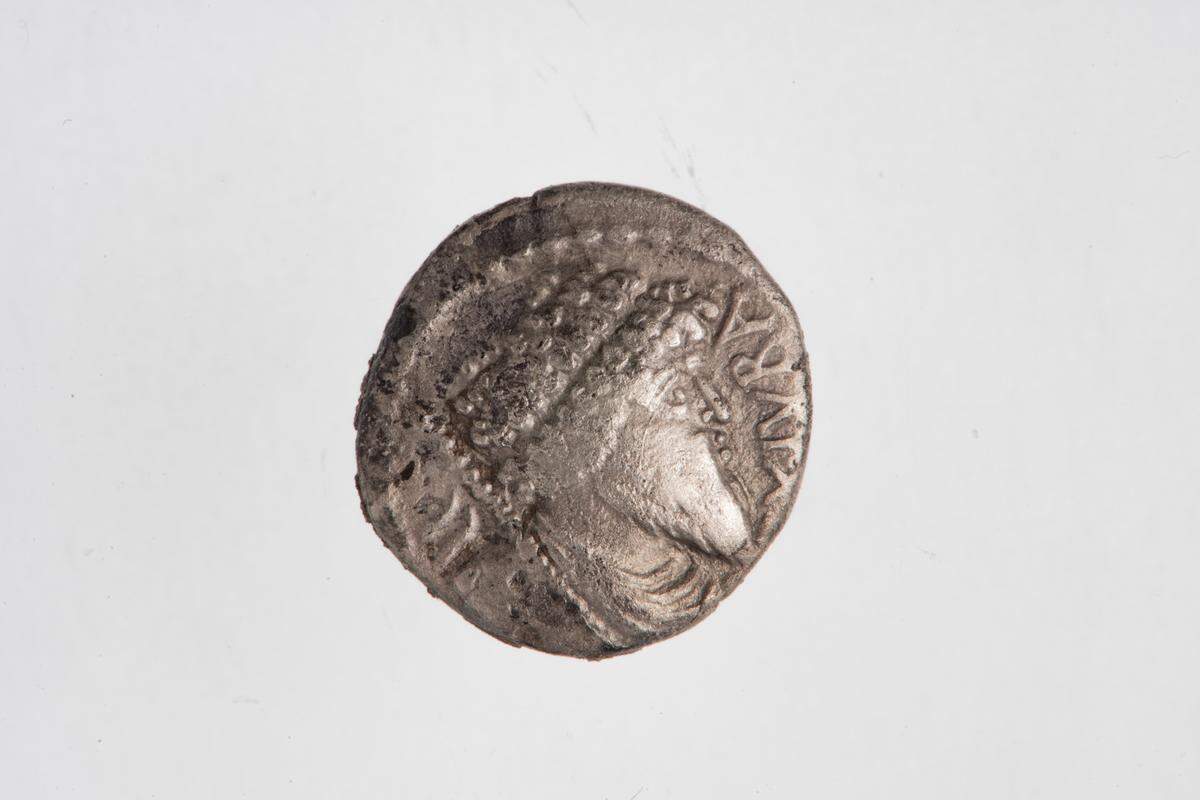
The collection also included 72 Roman gold coins dating from 19 B.C. to 47 A.D., officials said. Two of these coins were unused and likely came from a pile of newly minted currency.
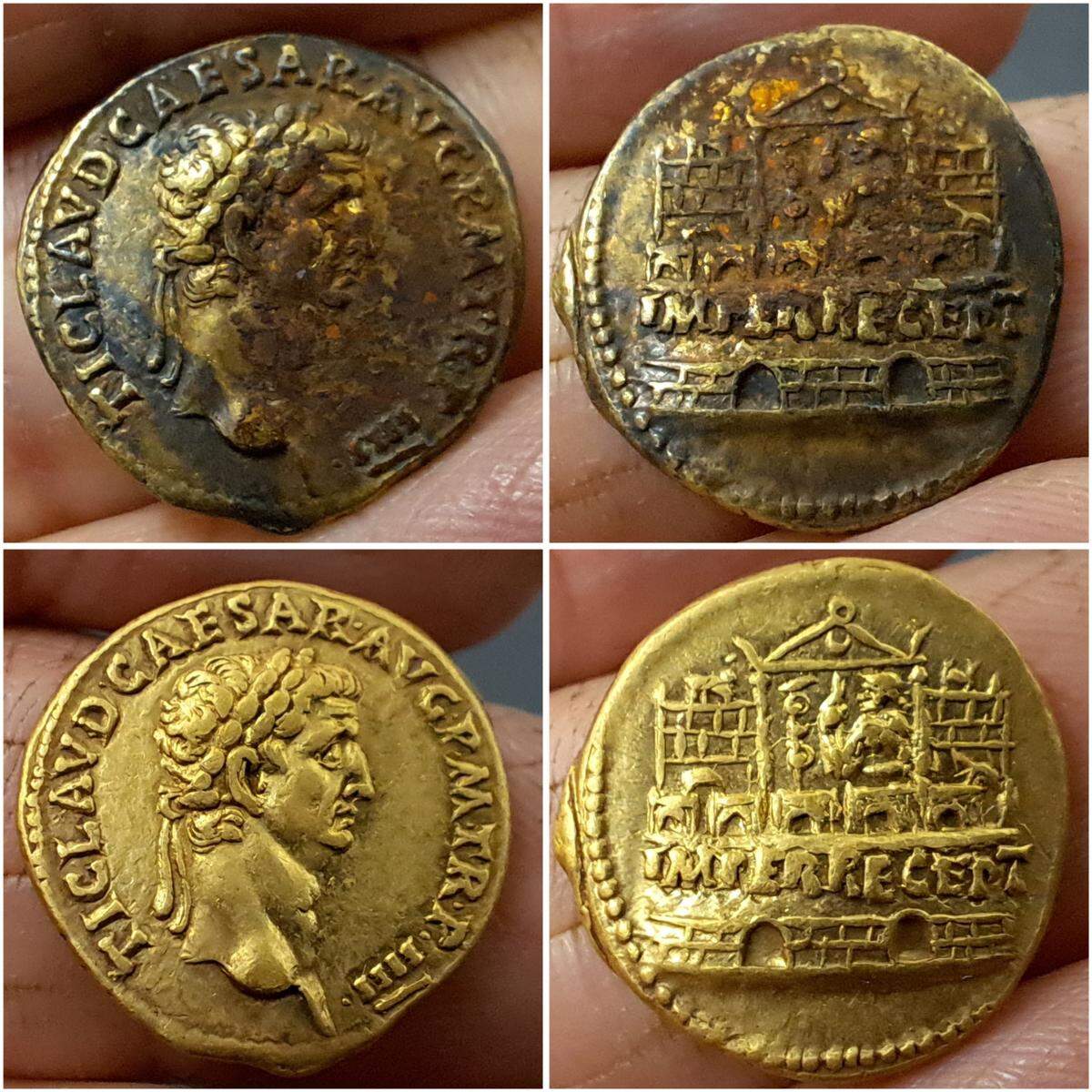
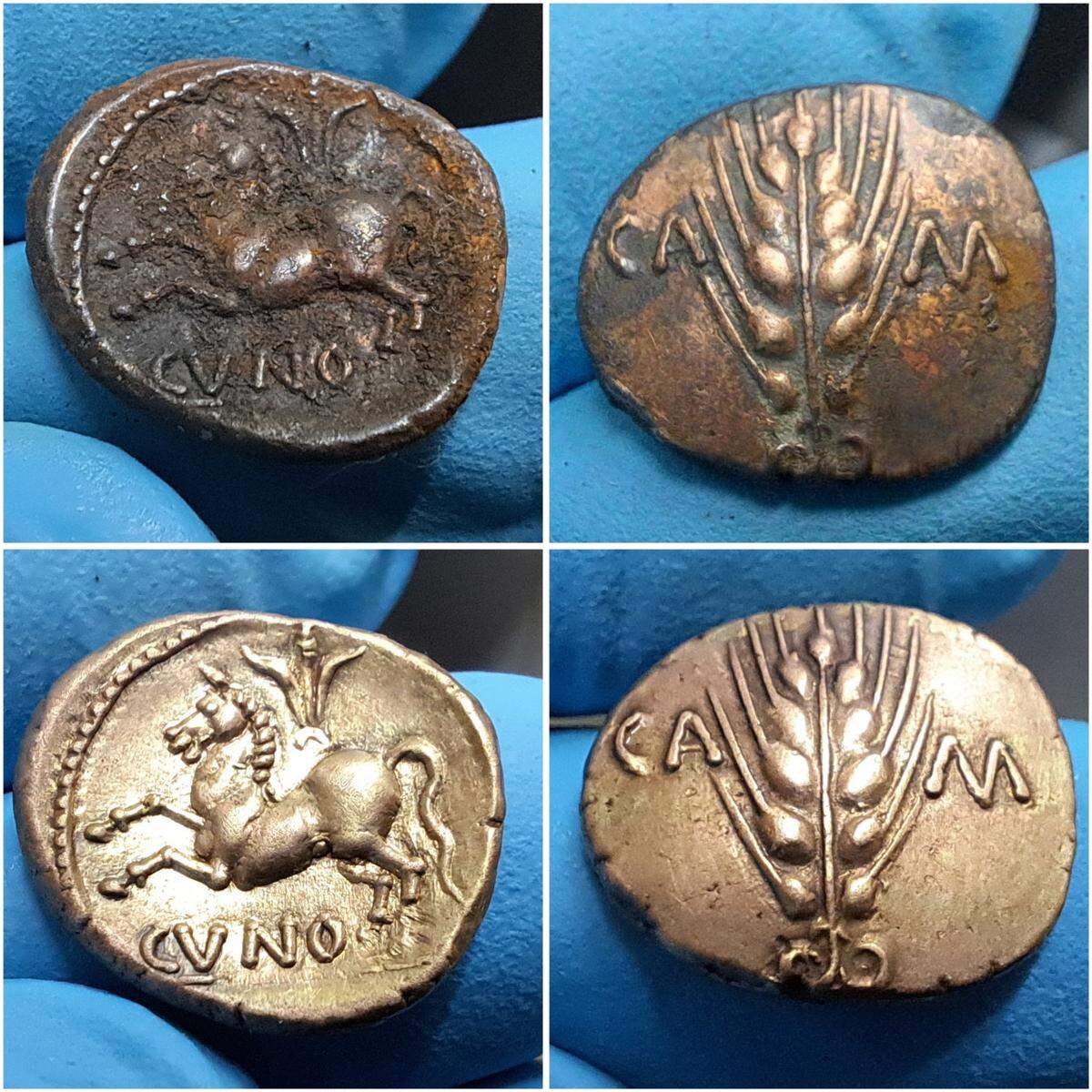
Much to the surprise of experts, the finds also included 44 gold coins from the modern-day United Kingdom. These coins, dating between 5 and 43 A.D., were likely war booty taken from the U.K. during the ancient Roman conquest.
The unusual mixture of coins suggests the pile’s owner or owners had links to the ancient Roman military, experts said. At the time of its hiding, the collection was worth almost 11 years of pay for a Roman soldier.
Archaeologists offered several theories about the origin of Messelaar and Koelink’s find. The coins could have been buried by a high-ranking officer of the Roman military, a group of soldiers and/or their family or someone else entirely as either an offering to a deity or a temporary method of safekeeping. The mystery lingers.
The Bunnik coin hoard, as officials named it, is the first Roman-British coin hoard to be found in mainland Europe and the largest collection of Roman-era coins ever found in Utrecht province, officials said.
Research on the find is ongoing. The coins are on permanent display at the country’s National Museum of Antiquities.
Bunnik is a town in the central Netherlands and a roughly 30 mile drive southeast from Amsterdam.
Google Translate was used to translate the report from the Netherlands’ National Museum of Antiquities and academic paper from Utrecht Landscape and Heritage Foundation and Cultural Heritage Agency of the Netherlands.
This story was originally published January 30, 2025 at 4:35 PM with the headline "Metal detectorists stumble on 2,000-year-old Roman treasure in Netherlands. Take a look."