Ruins of ancient Roman home — with jars for collecting taxes — found in Libya. See it
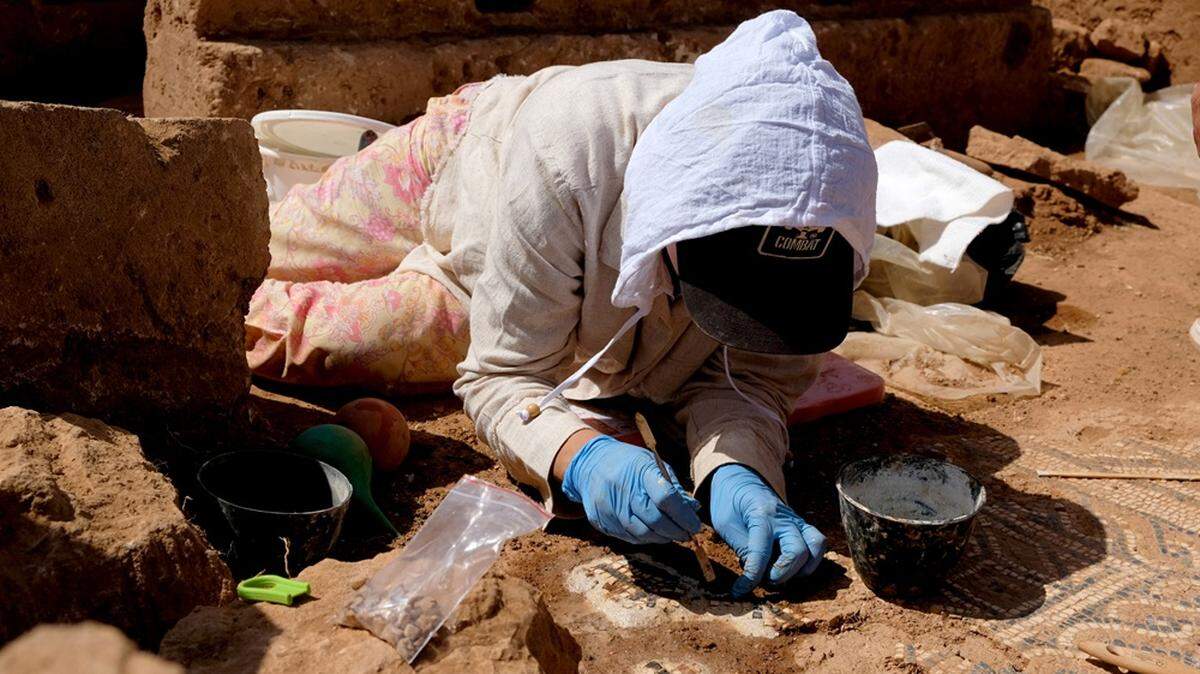
Sifting through the ruins of an ancient city along the coast of northern Africa, archaeologists uncovered a unique home. Fragments of its “advanced” features survived, despite earthquake damage.
Polish archaeologists returned to the ancient city of Ptolemais in Libya to resume research after a 13-year interruption due to the country’s civil war, the University of Warsaw said in a Jan. 14 news release. Their recent work focused on surveying the site and excavating one structure.
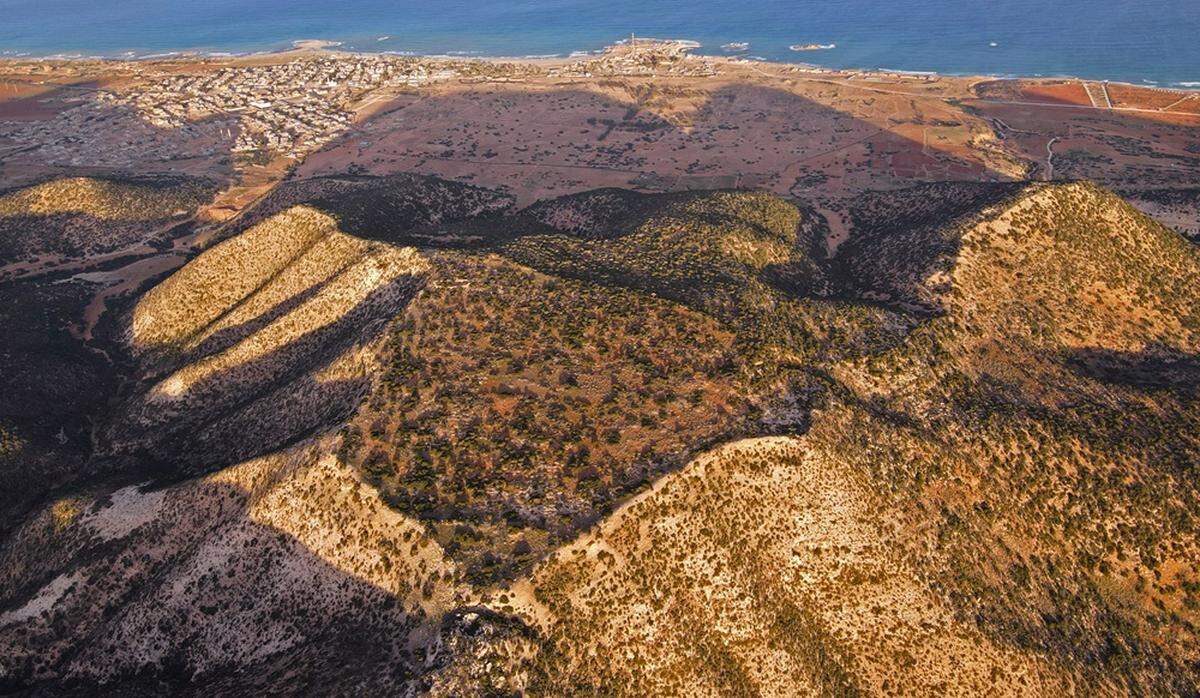
The ruined building dated back at least 1,700 years and served as the residence for a Roman dignitary, archaeologists said.
The center of the house included an interior courtyard “around which a kitchen, a staircase leading to the first floor and a room decorated with a mosaic, repaired several times, were uncovered,” Piotr Jaworski, the project’s leader, said in a Jan. 19 news release from Poland’s Ministry of Science and Higher Education.
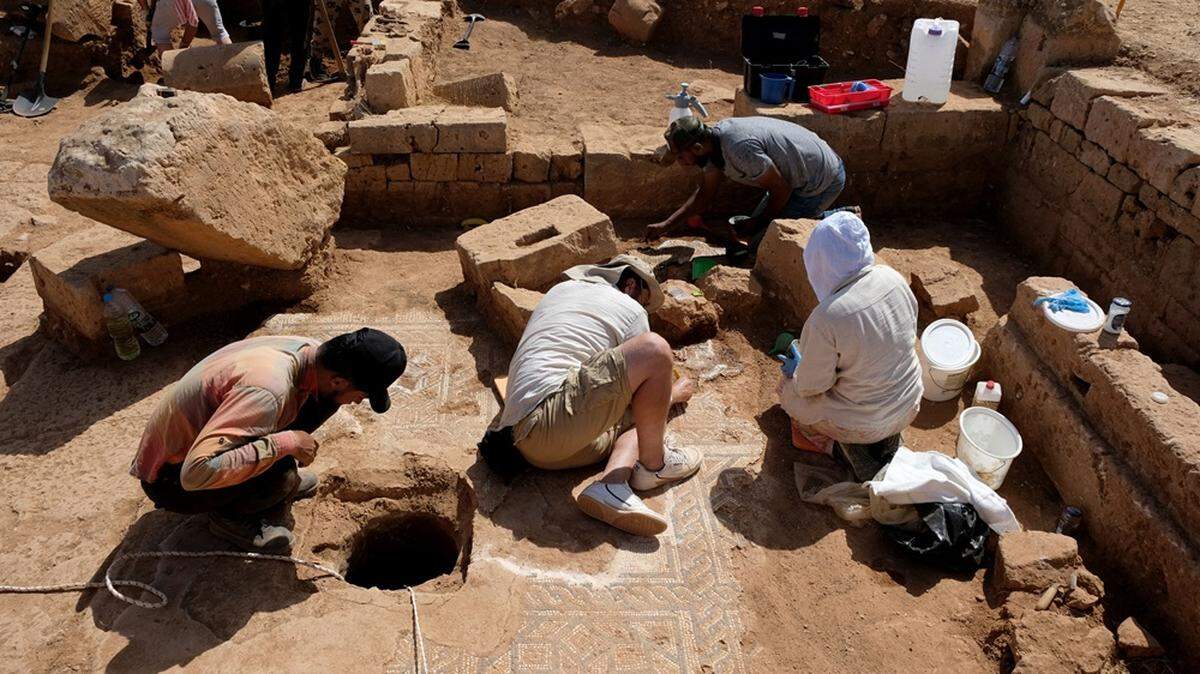
Excavations also uncovered an “advanced system for collecting drinking water,” officials said. The system involved a pool in the courtyard for catching water and two underground cisterns for storing it.
A photo shows an archaeologist looking into one of the underground cisterns. Inside, the team found a mask carved into the wall depicting a relatively featureless human face.
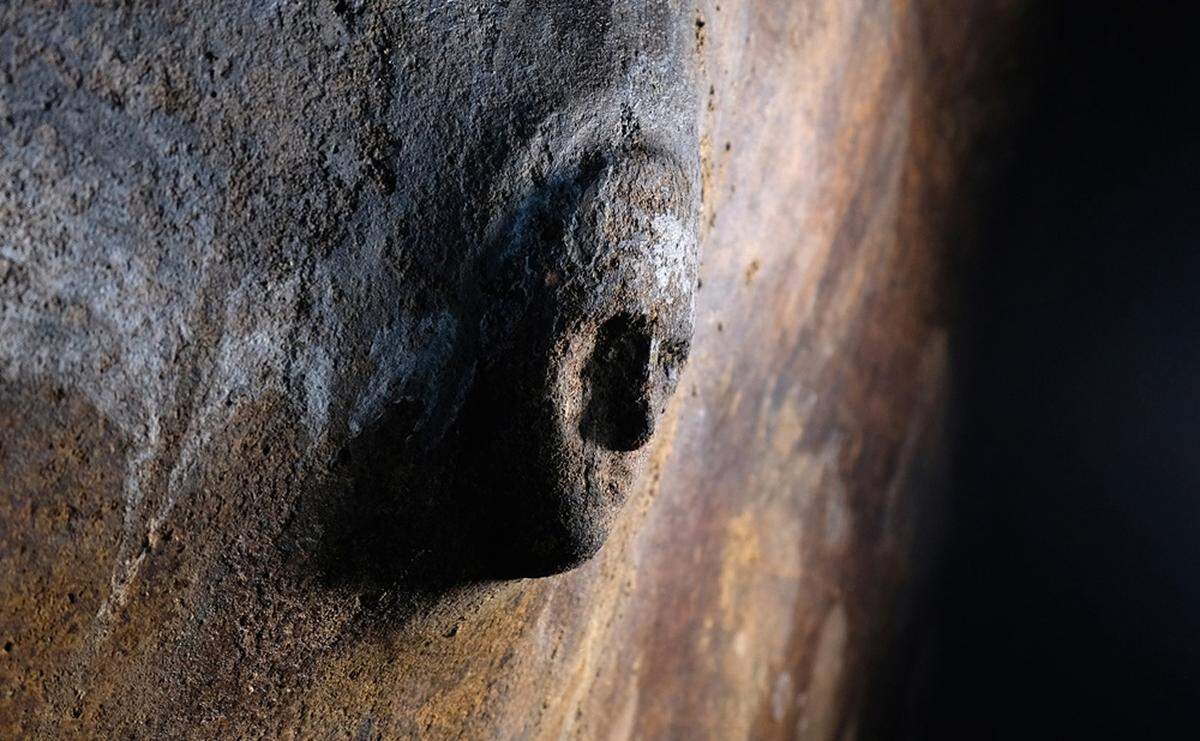
The figure “has a certain similarity to human faces carved on the walls of the Libyan sanctuary in Slonta,” a city southeast of Ptolemais, Jaworski said in the release. “It cannot be completely ruled out that the owner of the house, or at least the people involved in creating the image, were of Libyan origin.”
Archaeologists also uncovered a trio of stone containers used for collecting taxes near the home’s entrance, the university said. Ancient taxpayers would leave goods or other gifts in the collection containers. The broken jars indicate the home’s resident likely conducted official activities at the site.
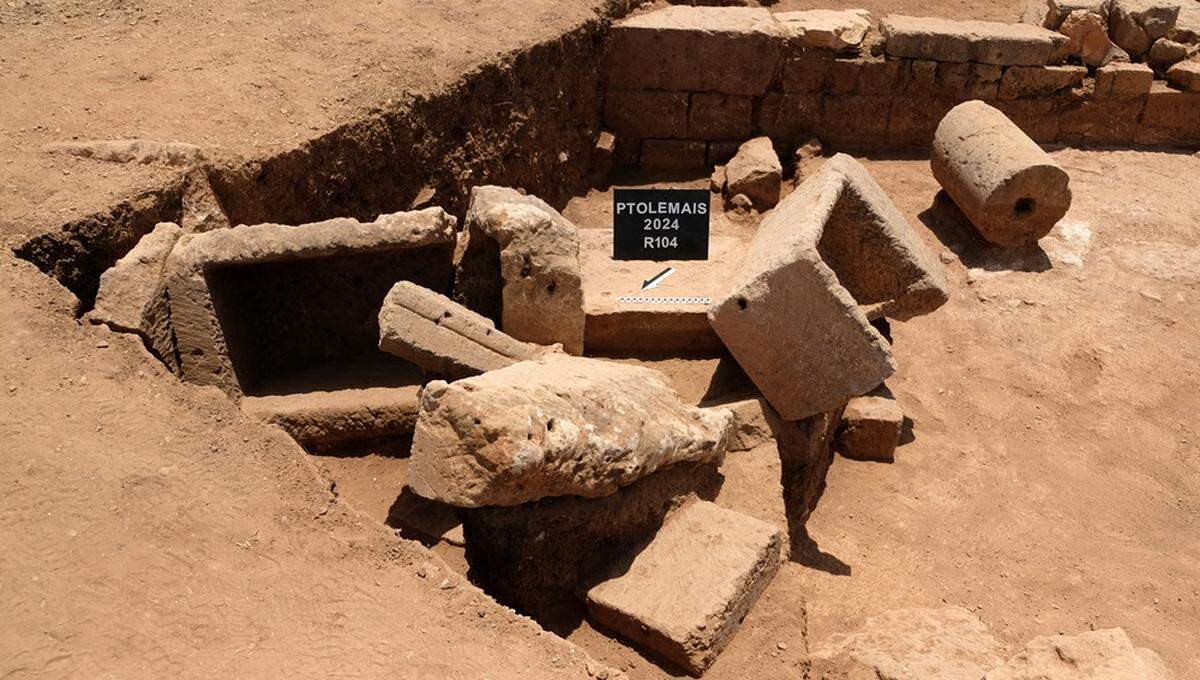
The ancient house showed signs of earthquake damage dating to the third century but was likely rebuilt and reused afterward, officials said.
Research at Ptolemais is ongoing.
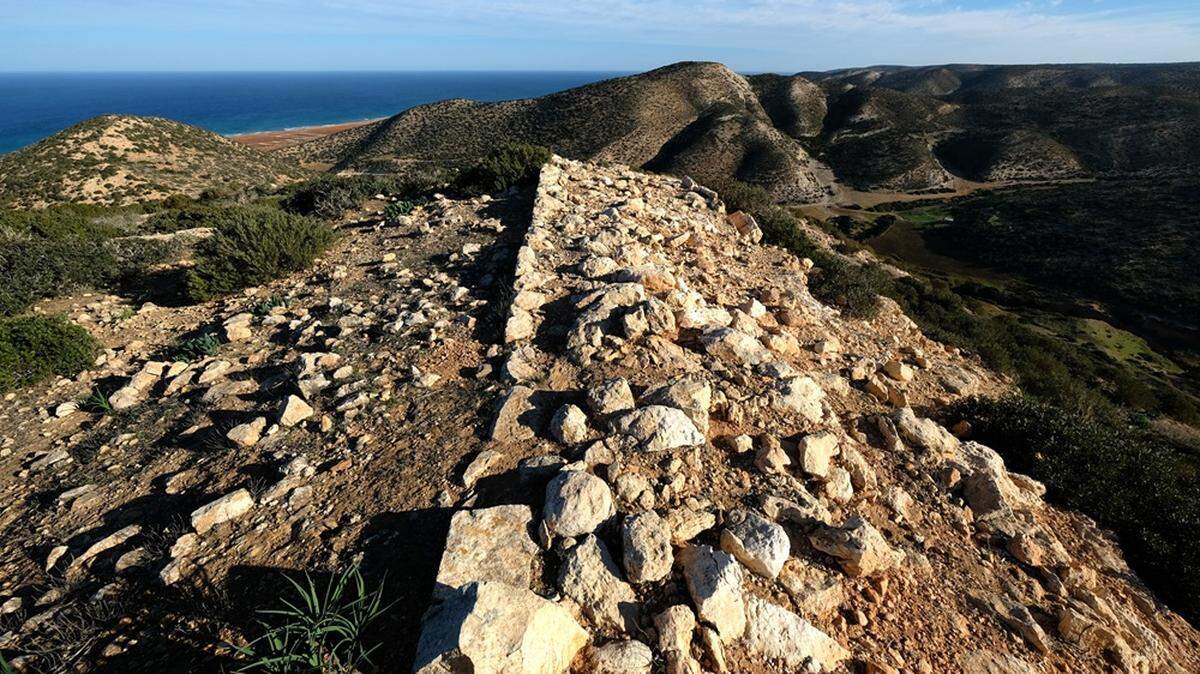
“Through comprehensive archaeological research in Ptolemais, we want to learn about the past of this Hellenistic-Roman city and the lives of its residents,” Jaworski said.
The ruins of Ptolemais are in the modern-day city of Tolmeita, Libya. The country sits along the Mediterranean Sea in North Africa and borders Algeria, Chad, Egypt, Niger, Sudan and Tunisia.
Google Translate was used to translate the news release from the University of Warsaw.
This story was originally published January 22, 2025 at 12:10 PM with the headline "Ruins of ancient Roman home — with jars for collecting taxes — found in Libya. See it."