Wood sticking out of sand dune in Iran turns out to be century-old shipwreck. See it
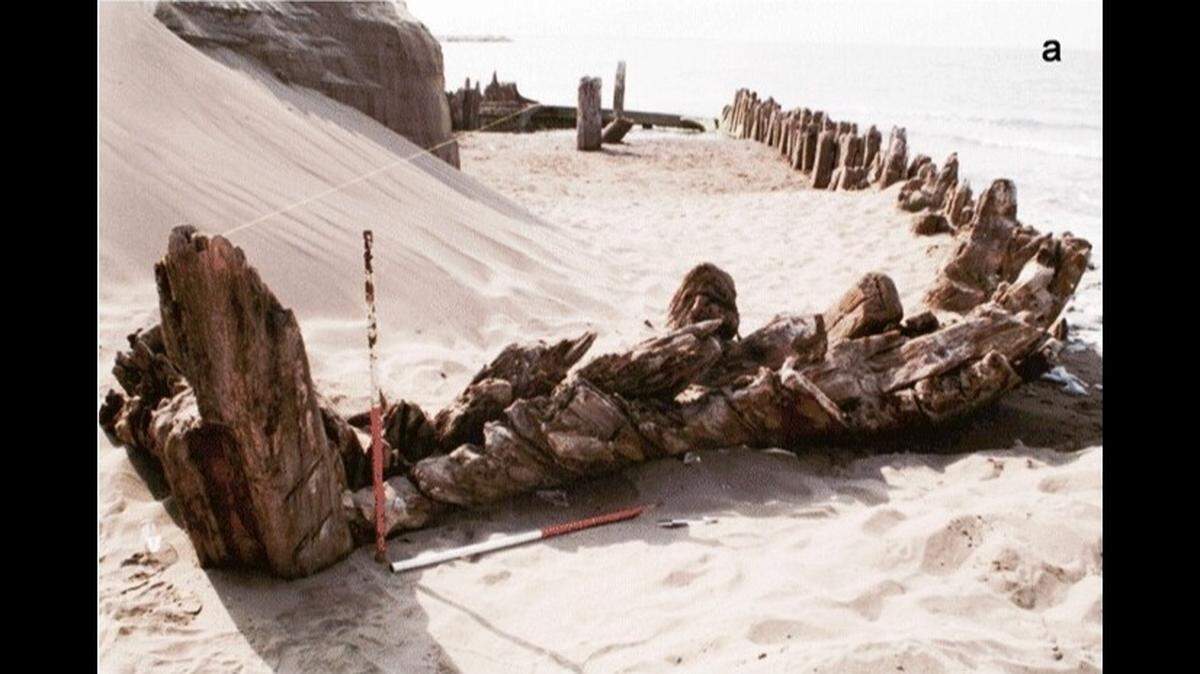
Wooden posts sticking out of a sand dune in northern Iran turned out to be a century-old shipwreck. Photos show what remains of the ship and its cargo.
Shifting water levels and sand erosion along the coast of the Caspian Sea, the world’s largest lake, revealed the top of a ship in fall 2003, according to a study published Dec. 16 in the peer-reviewed Journal of Maritime Archaeology. The shipwreck was in an “unexpected” area and caught the attention of Iranian archaeologists.
A team of researchers spent two excavation seasons digging out the Zaghemarz shipwreck, named for the nearby village, the study said.
But it wasn’t an easy project.
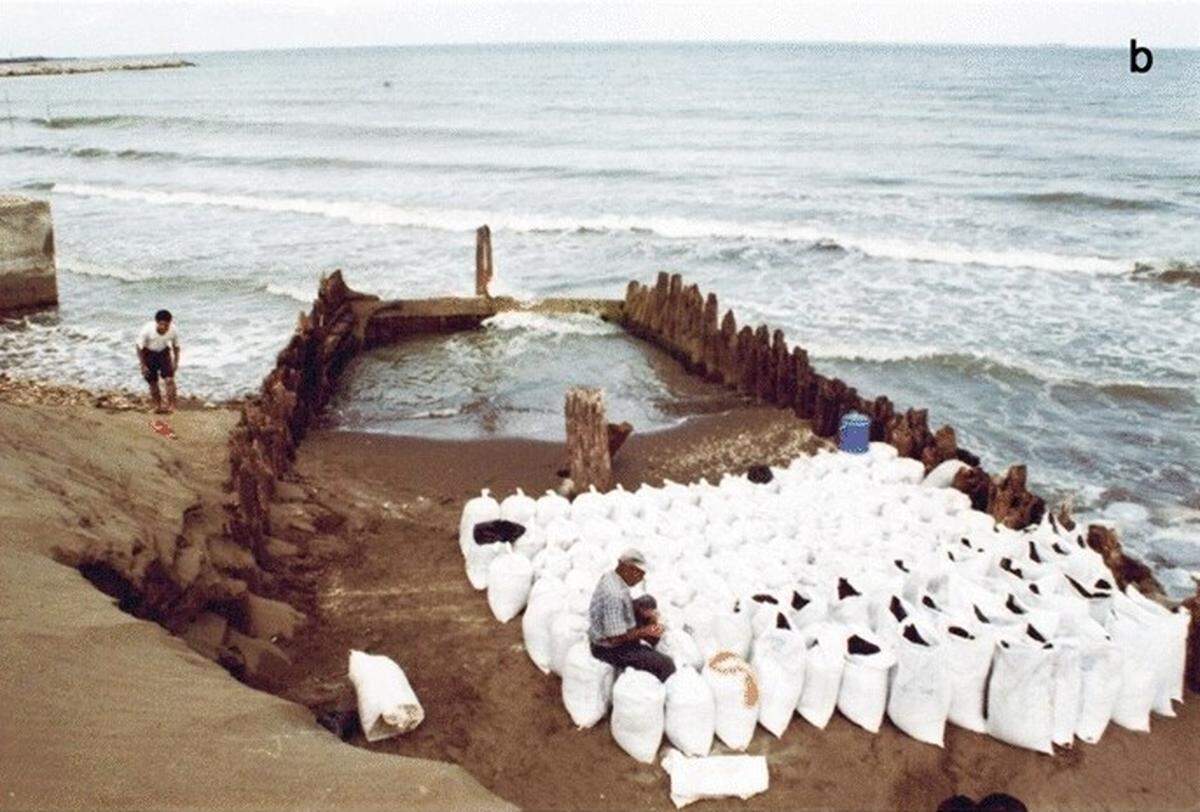
Almost 10 feet of sand and dirt had piled up on the shipwreck. Archaeologists removed the sand dune, then built a “protective wall” with “thousands” of sand bags to keep the water from filling the ship, the study said. Photos show the process.
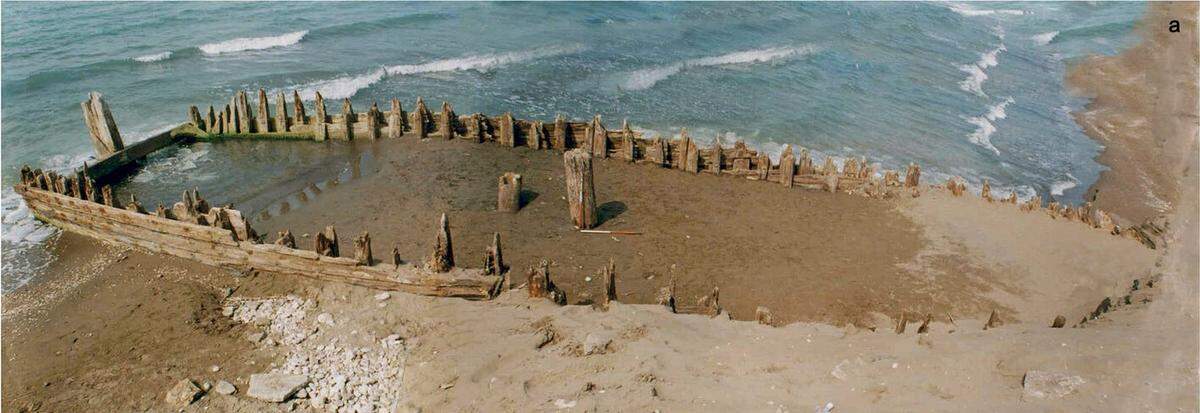
Eventually, the team uncovered the full ship. It measured about 92 feet long, up to 25 feet wide and 6 feet deep, the study said. Originally, it was “most likely … a three-masted sailing vessel” with a “double-walled” hull.
Archaeologists radiocarbon dated the wood and concluded the ship was “likely constructed in the late eighteenth to early nineteenth centuries.” It was used for “decades” and had undergone “subsequent repairs.”
Researchers suspect the Zaghemarz ship was part of a “merchant fleet engaged in commercial trade from the shipyards established by Russia along the Volga River and the southern coasts … of the Caspian Sea.”
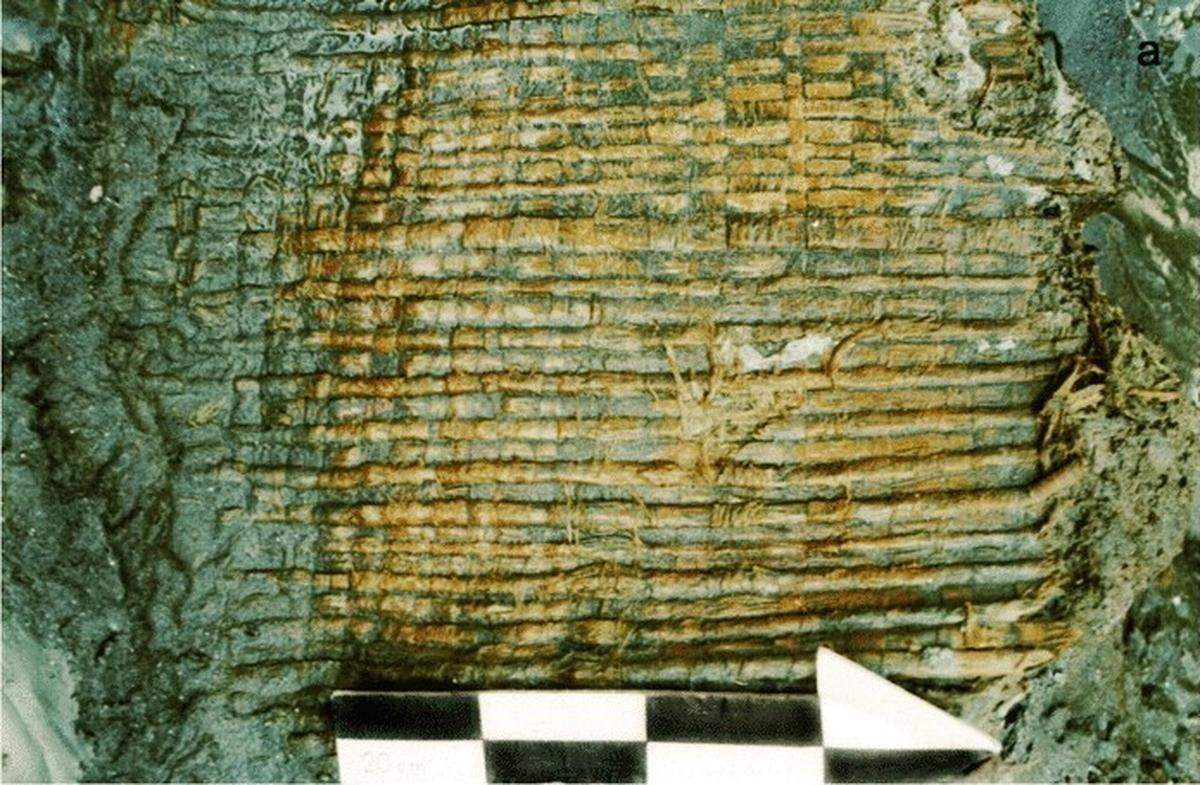
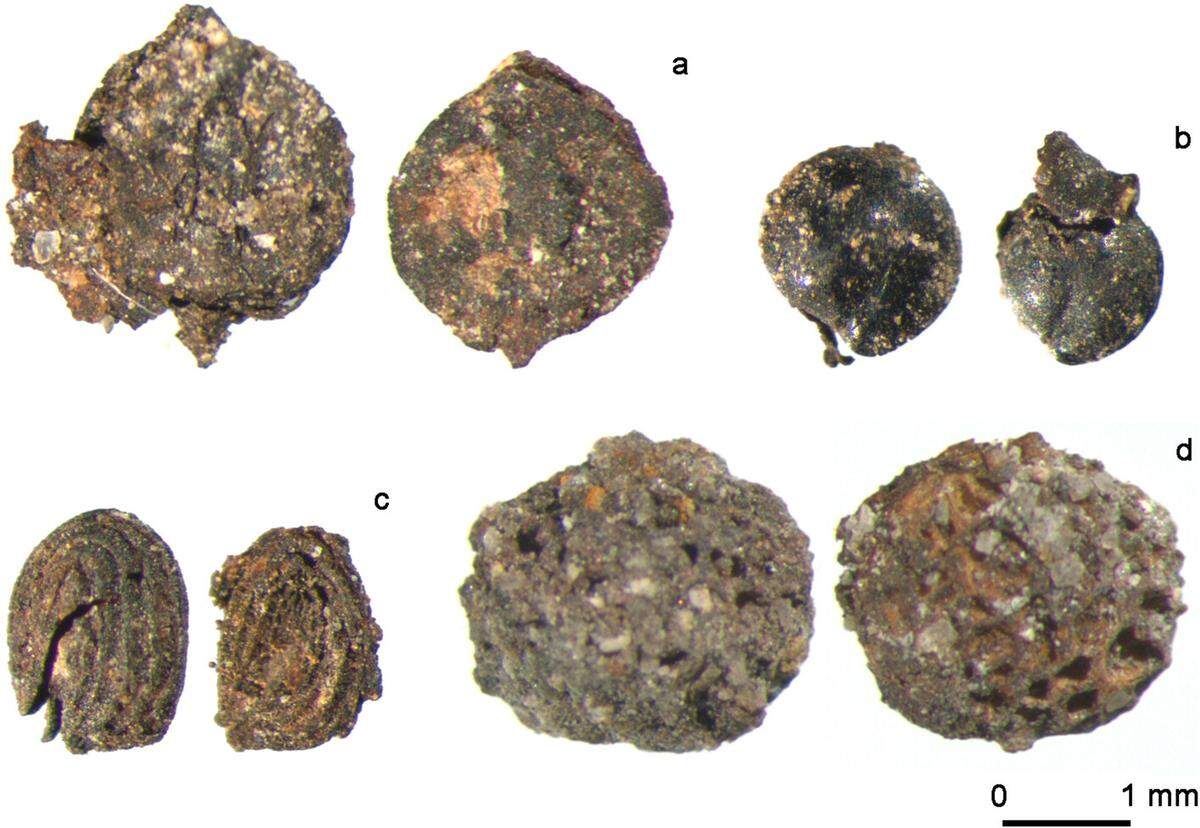
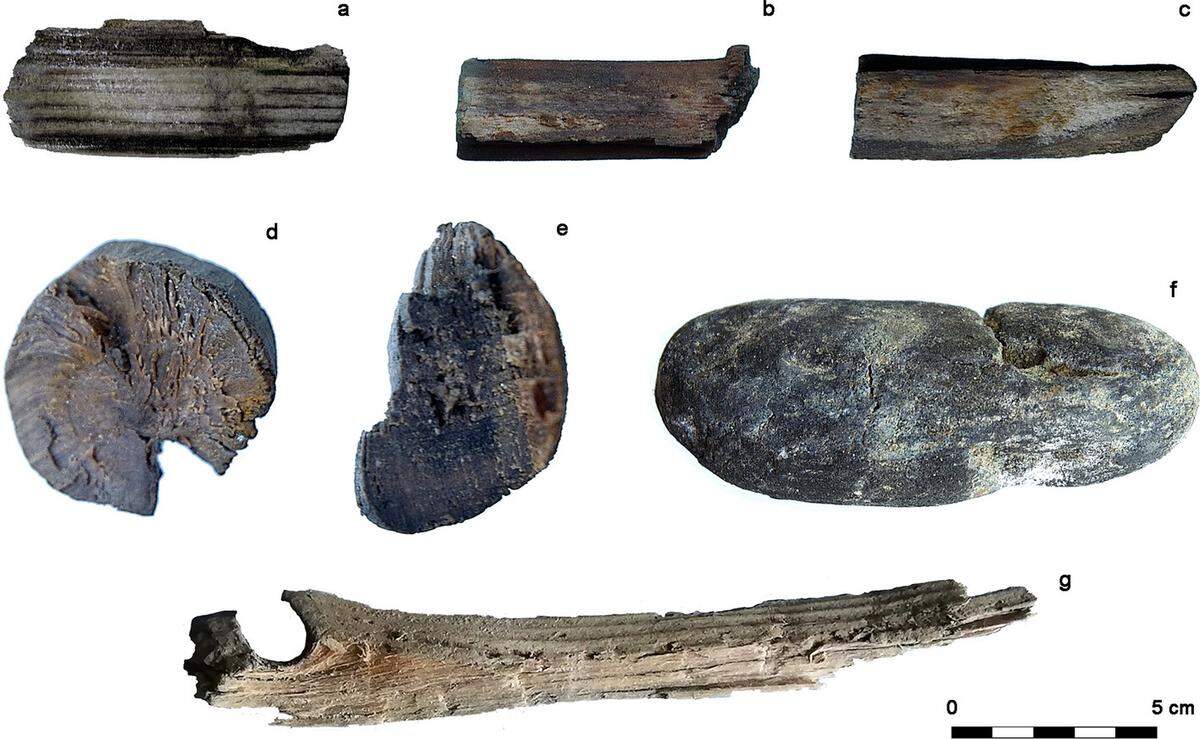
Most of the ship’s cargo did not survive, but archaeologists found a few artifacts in the bottom of the ship. They unearthed “animal bones, remnants of wood and ropes,” a woven mat, three “fragile” baskets and a lot of preserved plant remains. Photos show a few of these finds.
The plant remains were likely “components of the crew’s food during the final journey in the Caspian Sea,” archaeologists said.
The ship’s wooden structure and other organic materials were well-preserved due “to the water-logged environment in which they had been submerged for an extended period,” the study said.
Archaeologists also noticed “axe-cut marks on the ship’s timber,” suggesting “prolonged human utilization for various purposes.”
Researchers said the Zaghemarz shipwreck was only exposed for a short amount of time but did not say what happened to the wreckage after the excavations finished.
The Caspian Sea is situated between Central Asia and the Middle East, bordering Azerbaijan, Kazakhstan, Iran, Russia and Turkmenistan. Zaghemarz, also spelled Zaqmarz or Zagh Marz, is a village in northern Iran and a roughly 220-mile drive northeast from Tehran.
The research team included Lorenzo Costantini, Matteo Delle Donne and Saman Soortiji.
This story was originally published January 16, 2025 at 3:25 PM with the headline "Wood sticking out of sand dune in Iran turns out to be century-old shipwreck. See it."