Massive ancient Maya settlement revealed by mapping project in Mexico. Take a look
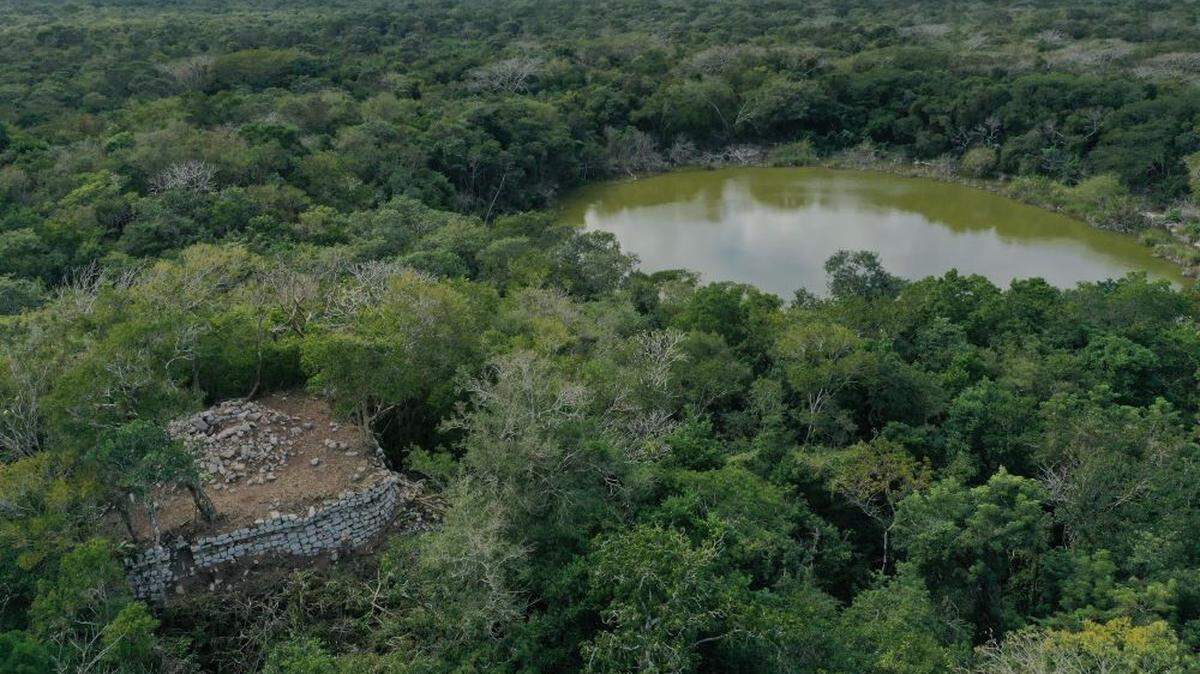
Hidden beneath the rainforest of southern Mexico sit the ruins of a massive ancient Maya settlement. Archaeologists knew of the site since the 1980s but hadn’t tried mapping it — until recently.
Oxwatz Nature Park, an ecotourism site in the Yucatán peninsula, brought in a joint team of Mexican and Spanish archaeologists to survey the Maya ruins within its nature preserve, Mexico’s National Institute of Anthropology and History said in a Jan. 14 news release.
The Maya settlement, known as X’baatún, stretches across more than 2 square miles of rainforest. Archaeologists began mapping its ruins in 2018 and just finished their sixth season of work, officials said.
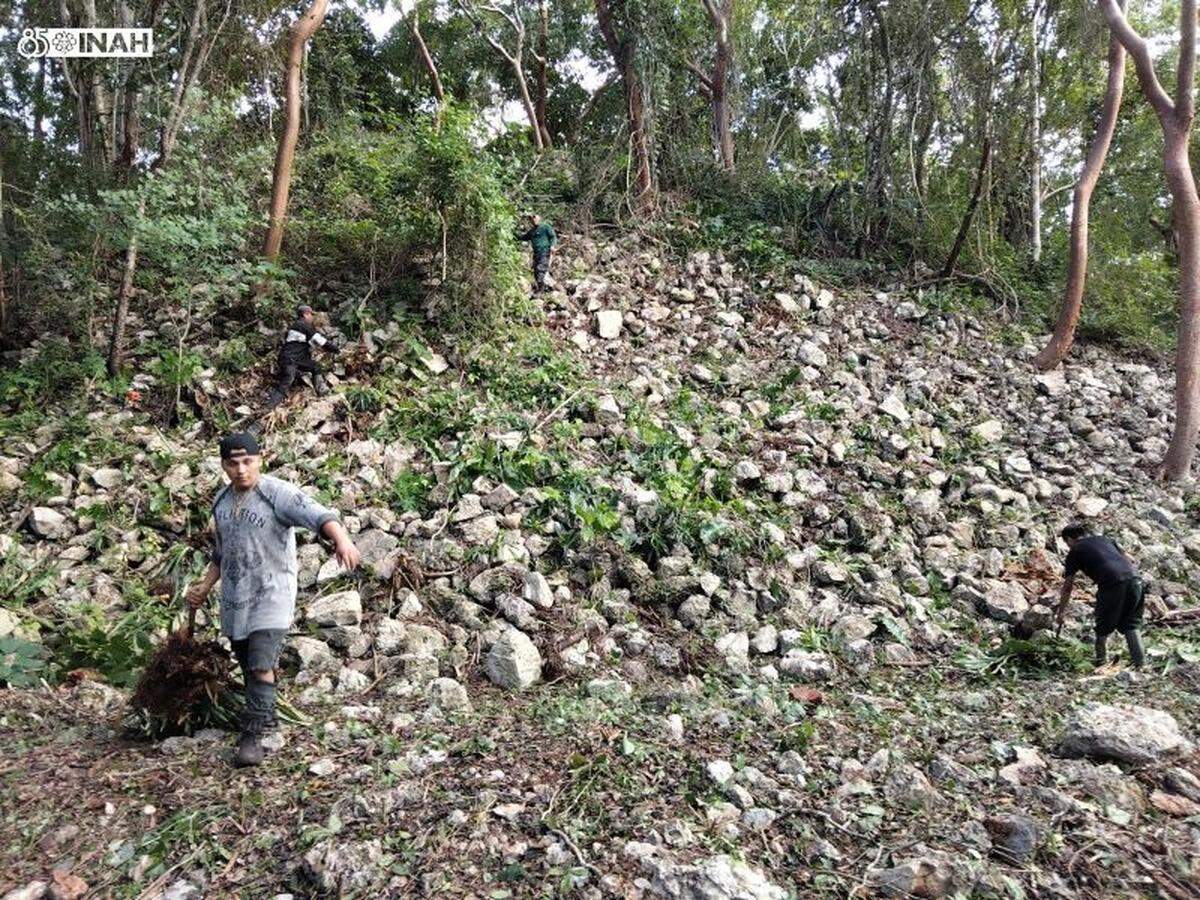
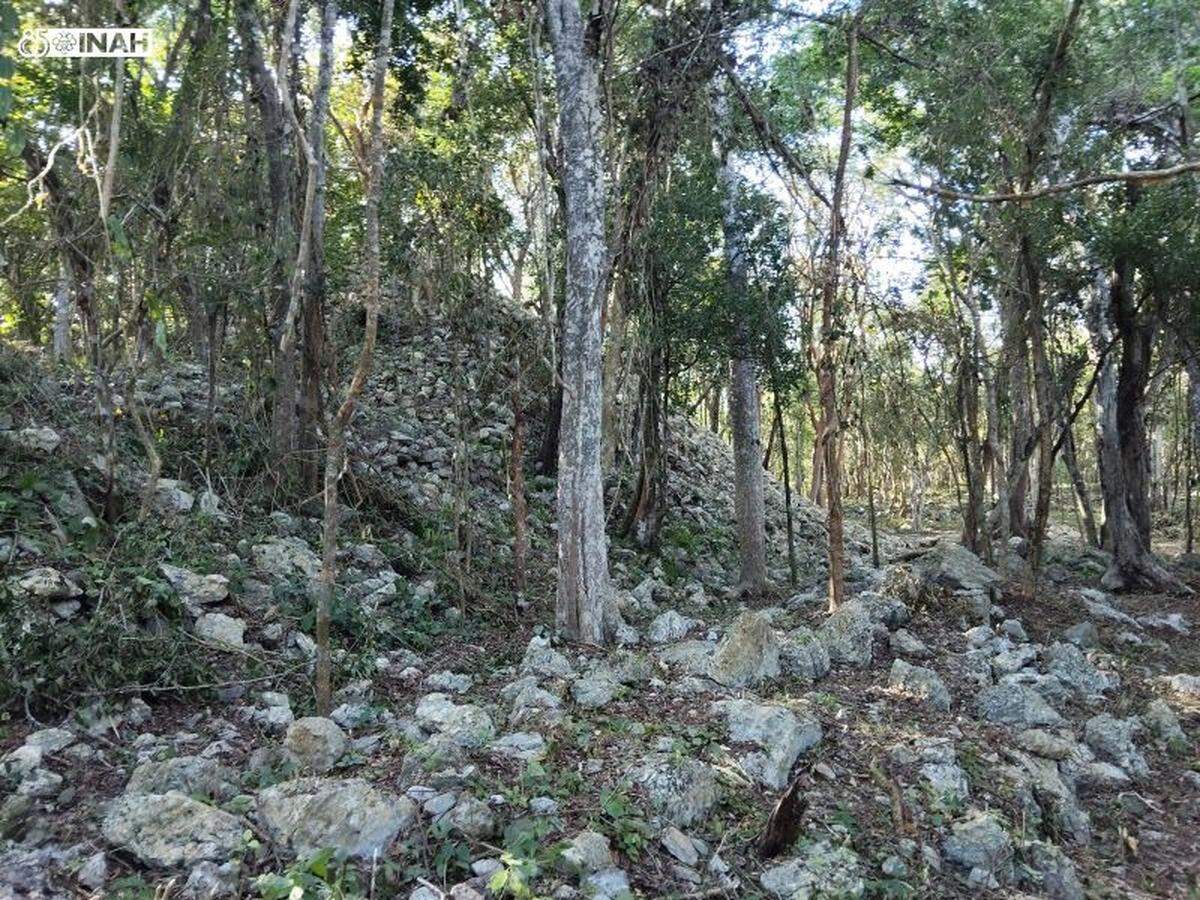
So far, the surveys focused on the center of X’baatún, which sits near a waterhole, or cenote, and includes between 35 to 40 structures. Photos show a few of these stone ruins, partially overgrown by the rainforest.
A map shows the layout of X’baatún’s core area. The settlement’s name means “place where water is collected,” and it sits near a lake and cenote, officials said.
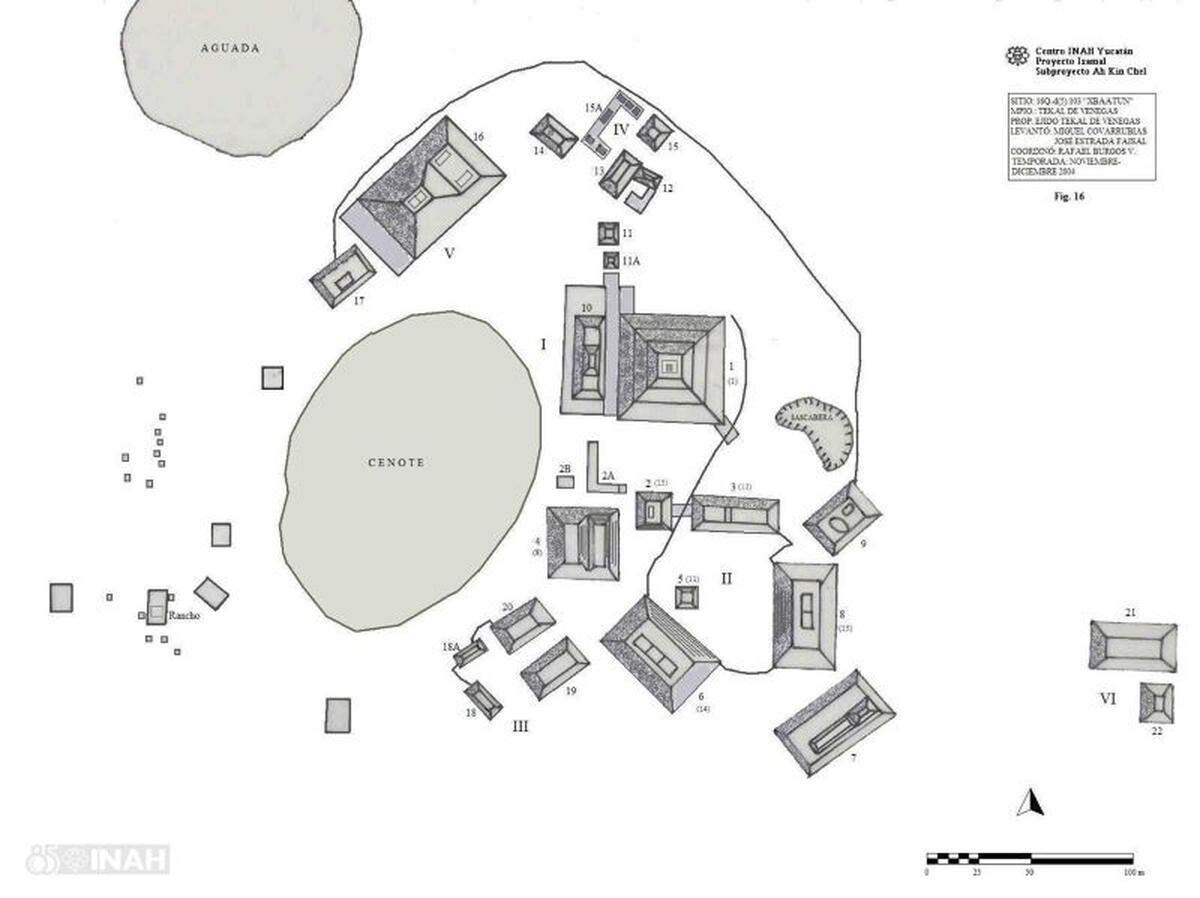
The largest ruins measured about 150 feet long, 150 feet wide and 55 feet tall, the project’s co-director, Juan García Targa, said in the release. These palace-like buildings had several levels and included residential platforms.
Archaeologists haven’t mapped the settlement’s outer areas but expect to find more residential structures.
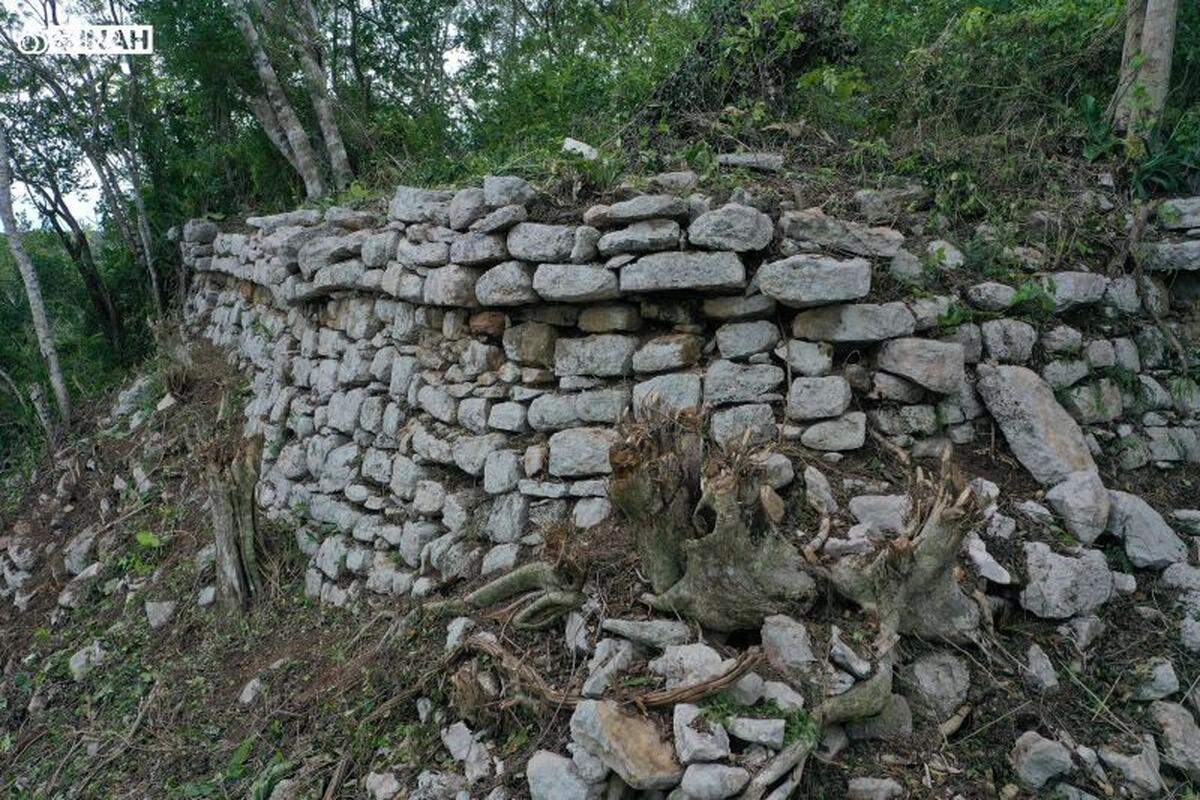
Ancient Maya communities lived at X’baatún beginning as early as 300 B.C. and continuing as late as 1200 A.D., officials said. The ruins show a mixture of architectural styles from other Maya sites.
Much of the settlement’s history remains unknown, but archaeologists hope to learn more as the project continues.
Oxwatz Nature Park is near Tekal de Venegas, a town on the Yucatán peninsula and a roughly 170-mile drive west from Cancun.
Google Translate was used to translate the news release from Mexico’s National Institute of Anthropology and History (INAH).
This story was originally published January 15, 2025 at 12:58 PM with the headline "Massive ancient Maya settlement revealed by mapping project in Mexico. Take a look."