Metal detectorist unearths ancient gold item — and stuns experts in Germany. See it
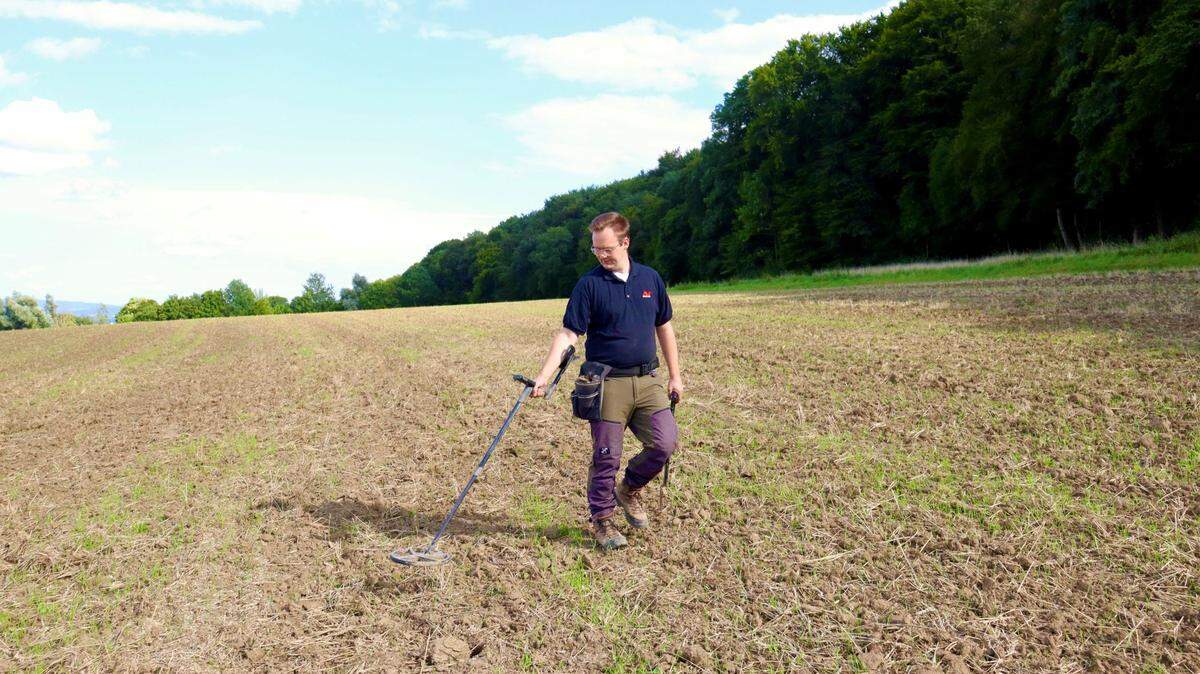
A metal detectorist stumbled on a tiny gold cylinder while searching a field in Germany. The find looked like a miniature version of some other ancient Roman artifacts — and left archaeologists stunned.
Constantin Fried visited a field in Petershagen in 2023 to search the area with a metal detector, the Westphalia-Lippe Regional Association (LWL) said in a Jan. 28 news release. During his searches, he unearthed a shiny gold object.
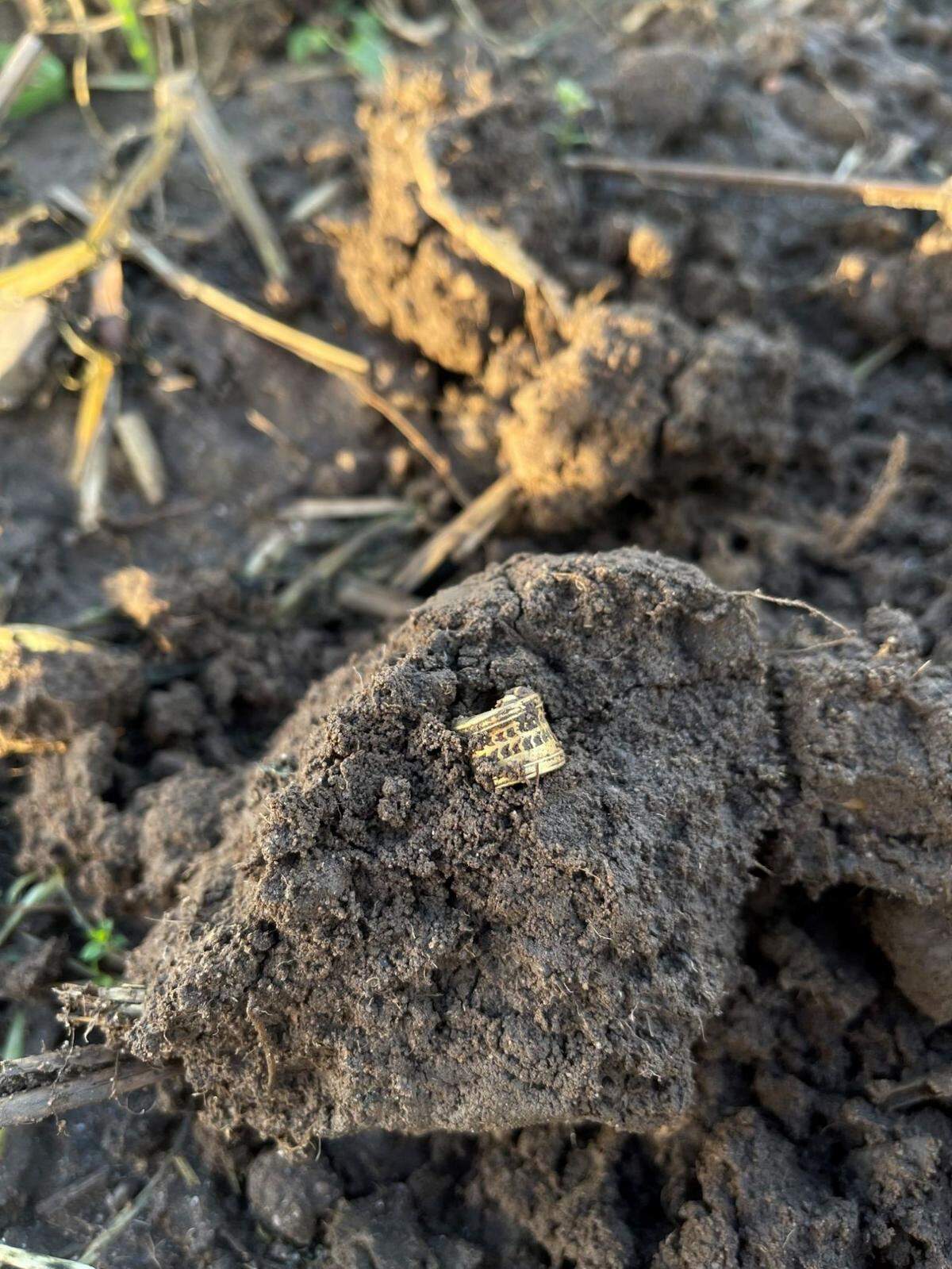
Fried could hardly believe his eyes, he told officials. He alerted archaeologists who were equally surprised. A photo shows the partially buried gold item.
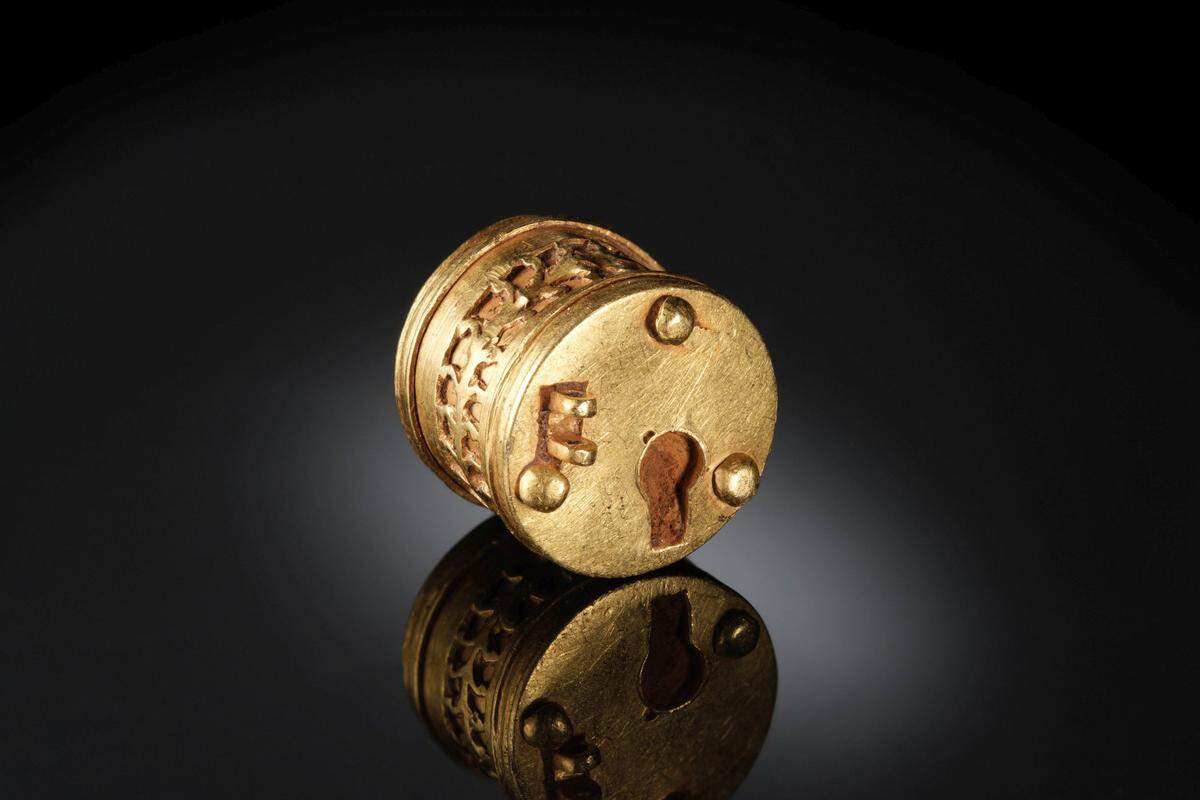
Archaeologists quickly identified Fried’s find as an ancient Roman lock box, but unlike other Roman locks which were made of iron or bronze and sensibly sized, this lock was miniature and made of gold.
A close-up photo shows the delicate lock mechanism. It measures about half an inch tall and less than half an inch wide, smaller than the width of a dime.
The ancient gold lock dates back at least 1,600 years, Barbara Rüschoff-Parzinger, an archaeologist and curator with LWL, said in the release.
In general, ancient Roman locks were used to protect small containers comparable to modern jewelry boxes, officials said. But what about the tiny gold lock? Was it just for decoration?
To answer that question, experts looked inside the miniature lock. They found part of a metal chain and a rusted iron center, indications the lock might have once been functional.
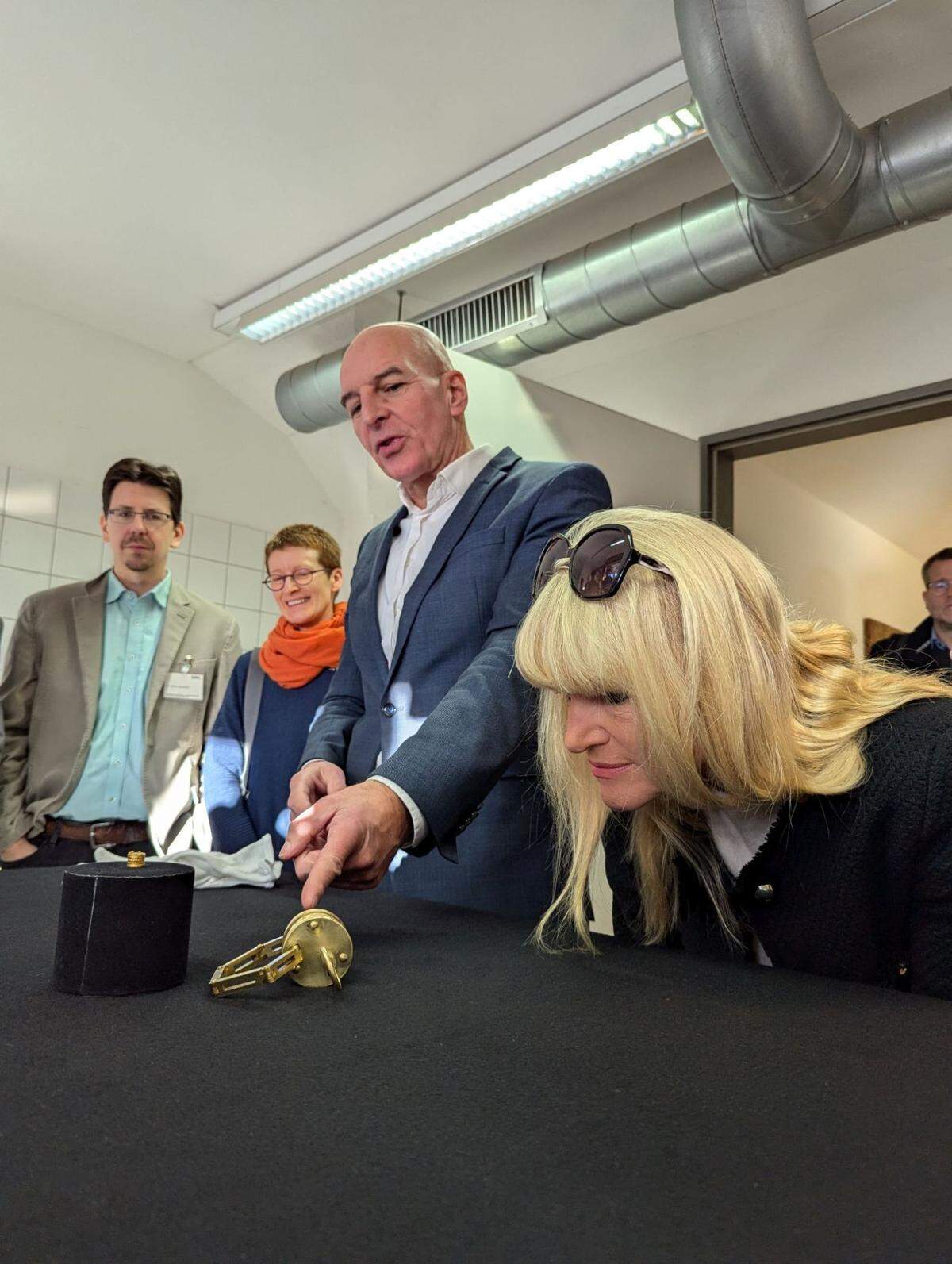
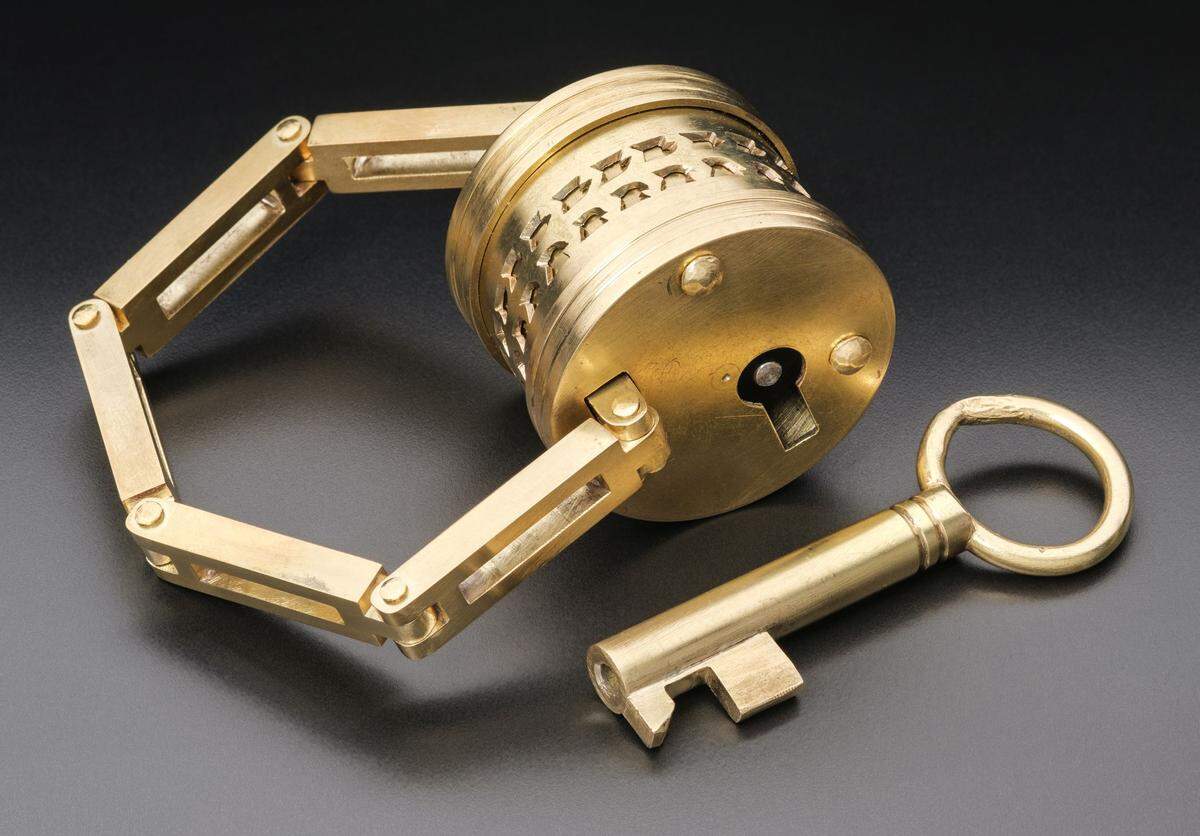
To find out for sure, experts scanned the artifact with advanced technology then built a replica based on the scan. The replica lock was about four times larger than the ancient original and, with a reconstructed key and chain, fully functional. A photo shows the two locks side by side.
Michael Rind, the director of LWL’s archaeology department, said the tiny gold lock box could have been brought to Petershagen by traders, by looters or by an elite person as a souvenir or gift. So far, the miniature lock has no exact parallels in Europe.
Officials described Fried’s find as spectacular, extraordinary and completely unique. Experts plan to continue studying it.
Petershagen is a town in northwestern Germany and a roughly 200-mile drive west from Berlin.
Google Translate was used to translate the news release from the Westphalia-Lippe Regional Association (LWL).
This story was originally published January 29, 2025 at 12:39 PM with the headline "Metal detectorist unearths ancient gold item — and stuns experts in Germany. See it."